iCloud Storage Full? Free Up Space Without Losing What Matters
Your iCloud storage can fill up fast with photos, messages, files, and old device backups. This guide explains why your iCloud storage is full, what takes up iCloud storage, how to clear iCloud storage safely, and how to access important data in iCloud Backup before deleting old backups.

Why Is My iCloud Storage Full?
If your iCloud storage is full, the most common reasons are photos and videos, old device backups, message attachments, iCloud Drive files, mail attachments, and app data. In many cases, backups take up more space than users expect, especially when multiple iPhones or iPads have been backed up over time.
Photos and Videos
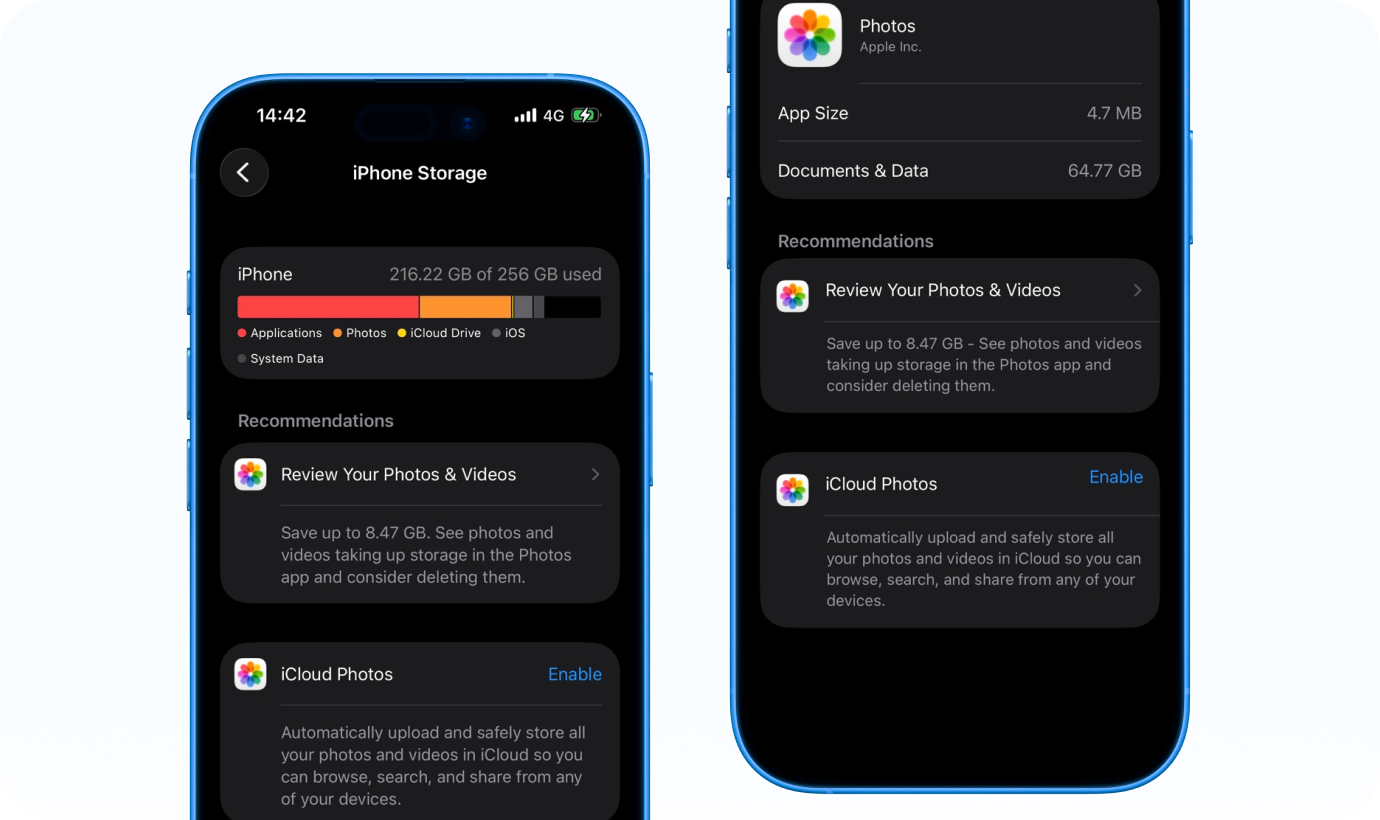
Large media libraries are one of the biggest reasons iCloud storage gets full.

Old iCloud Backups
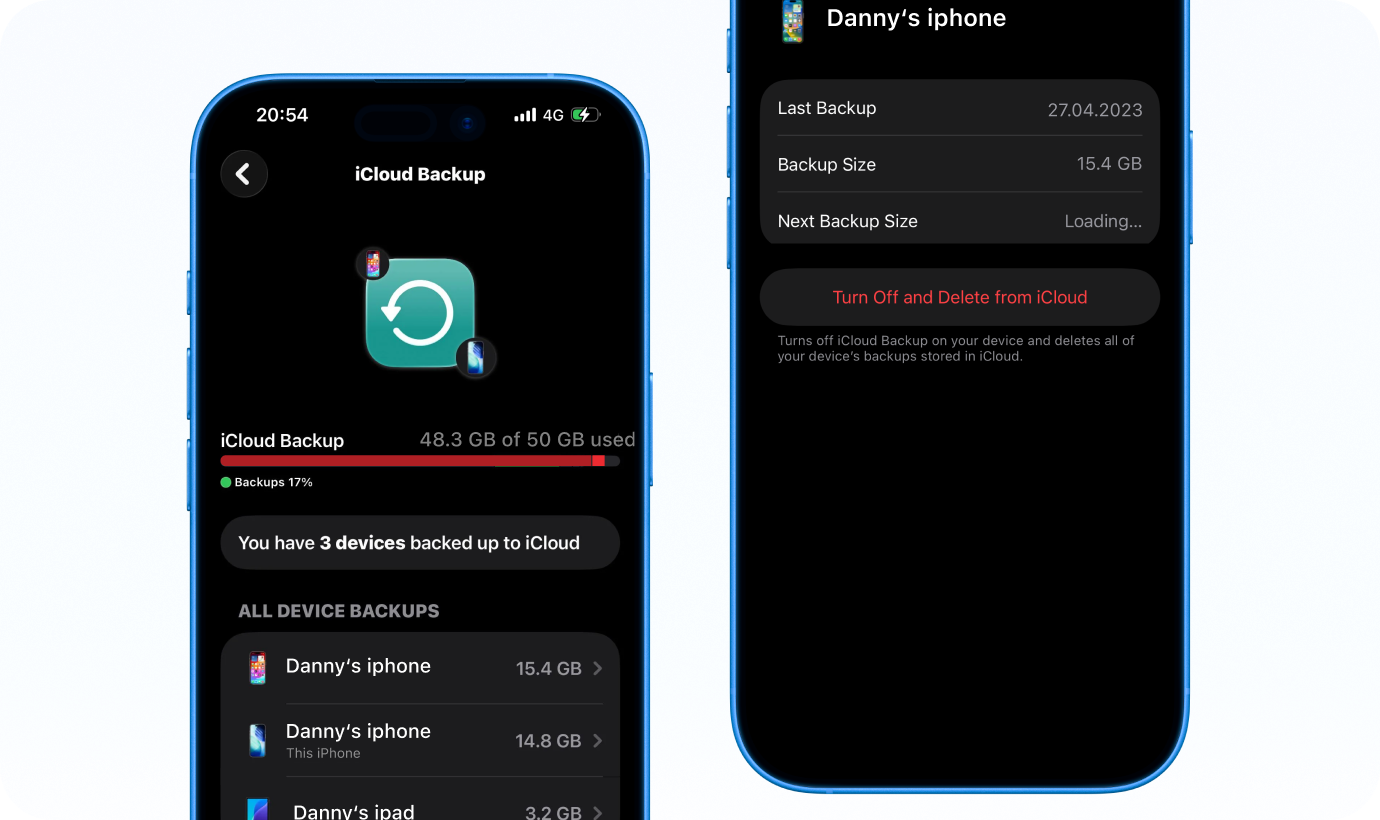
Backups from devices you no longer use can take up a surprising amount of space.

Messages, Mail, and Files
Large attachments in Messages, Mail, and iCloud Drive can quietly consume storage over time.

Photos and Videos
Large media libraries are one of the biggest reasons iCloud storage gets full.
Old iCloud Backups
Backups from devices you no longer use can take up a surprising amount of space.
Messages, Mail, and Files
Large attachments in Messages, Mail, and iCloud Drive can quietly consume storage over time.
Note: It is also important to understand that syncing and backup are not the same thing. Some content syncs across devices, while other content is stored inside iCloud Backup as a snapshot of your device. That is why checking what takes up iCloud storage should always be the first step before you delete anything.
What to Do If iCloud Storage Is Full
- If you are wondering what to do when iCloud storage is full, do not start by deleting things blindly. First, check which categories use the most space. Then remove the items that are safest to delete, such as old backups, large attachments, duplicate files, or data from apps you no longer use
- If backups are taking up too much space, do not rush to remove them without checking what you may still need. For many users, the real problem is not how to delete an old backup, but how to know whether it still contains important messages, settings, app data, or other valuable content.
Step 1:
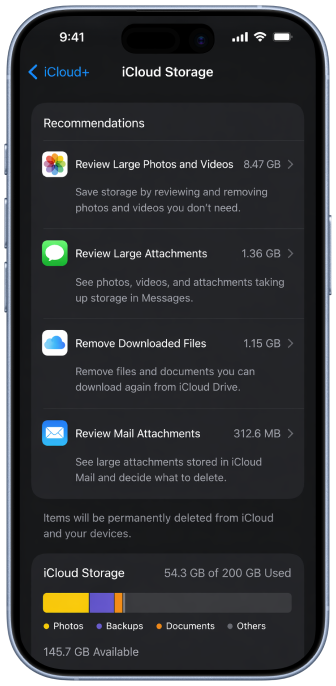
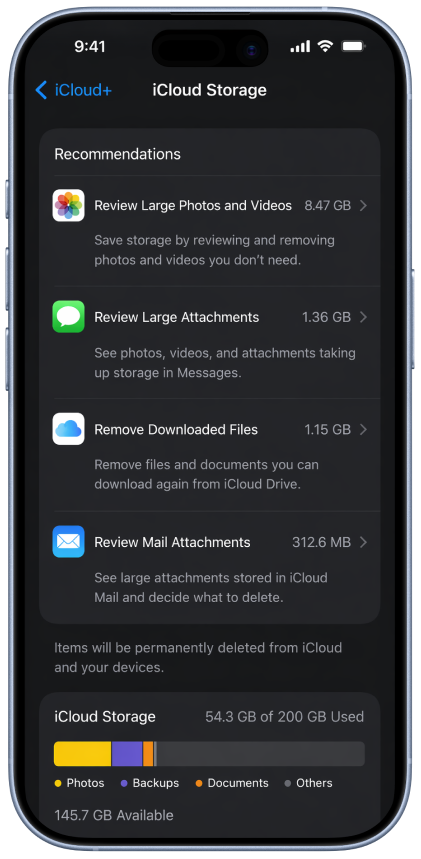
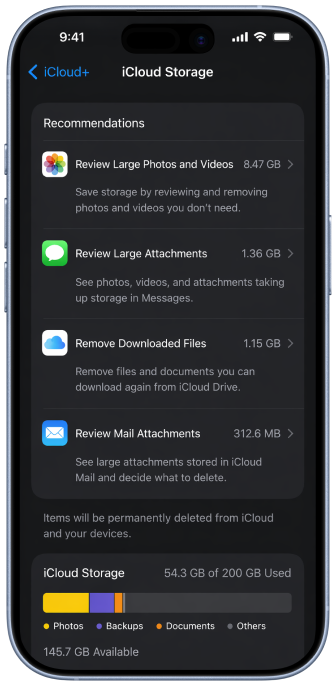
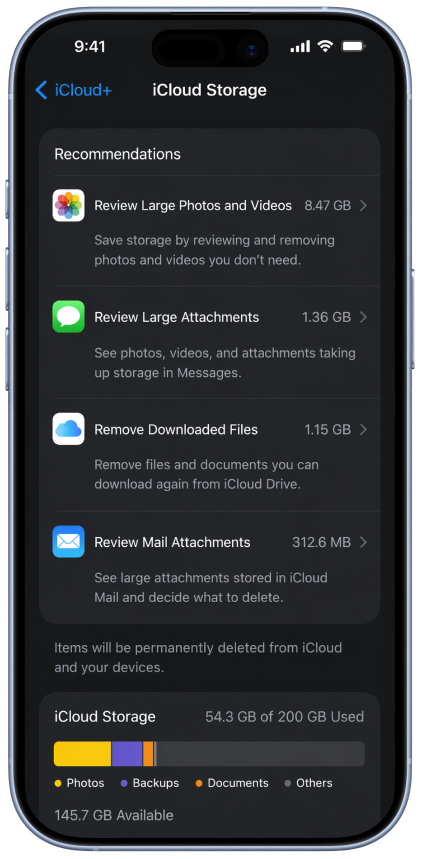
Check Storage
Usage
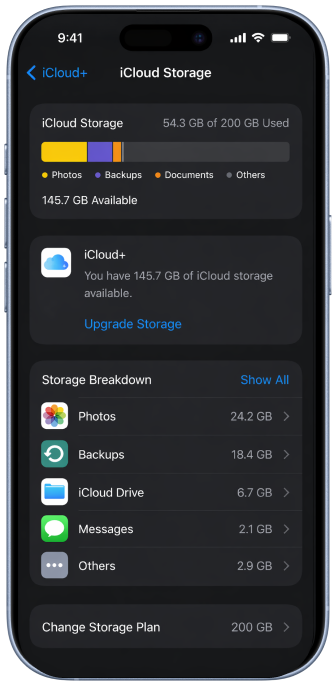
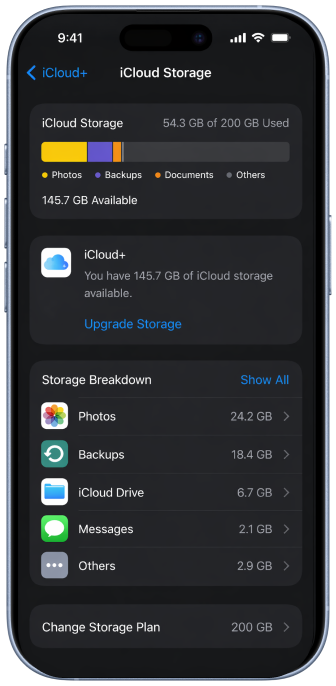
Review your iCloud storage breakdown and identify the largest categories first.
Step 2:
Remove Safe-to-Delete Items
Start with old backups, large files, and attachments you no longer need.
Step 3:
Review Backup Data Before Cleanup
If backups take up too much space, make sure they do not contain important data you may need later.
How to Clear iCloud Storage Safely
The safest way to clear iCloud storage is to start with the biggest categories and avoid deleting data you may still need. Below are the most effective ways to free up iCloud storage and reduce future storage use.
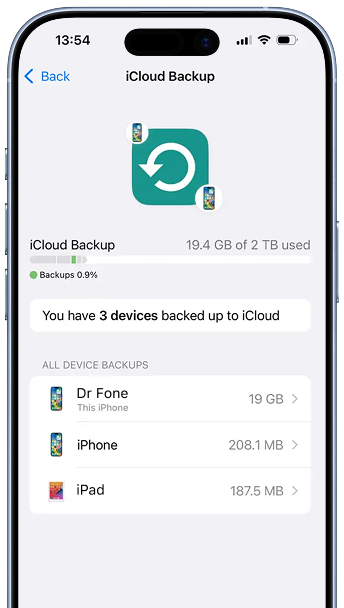
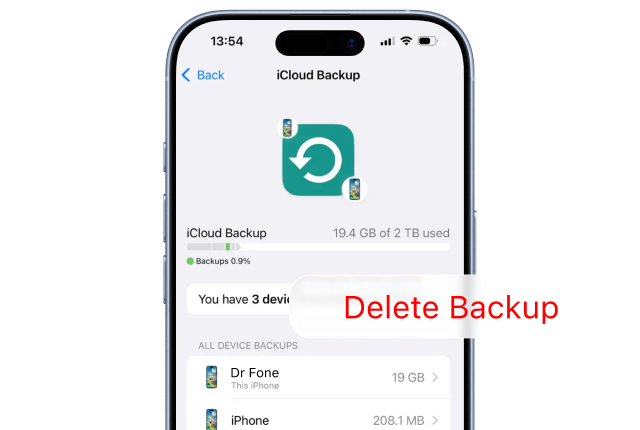
Delete Old iCloud Backups
Review your iCloud storage breakdown and identify the largest categories first.

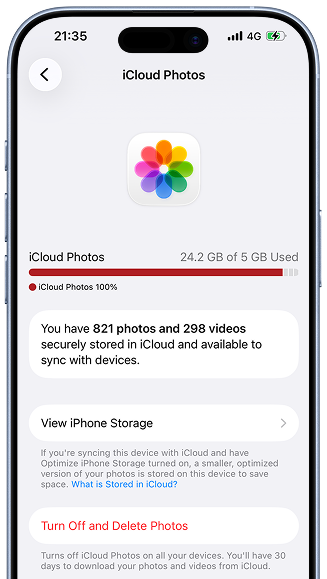
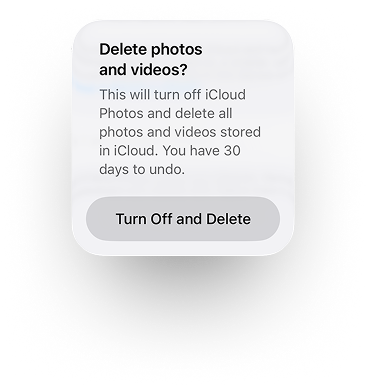
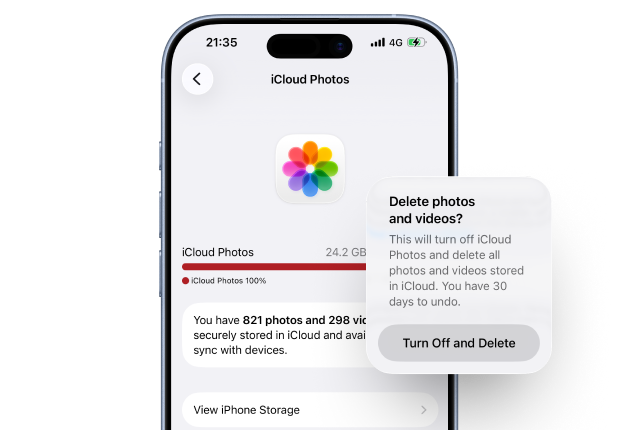
Remove Photos and Videos You No Longer Need
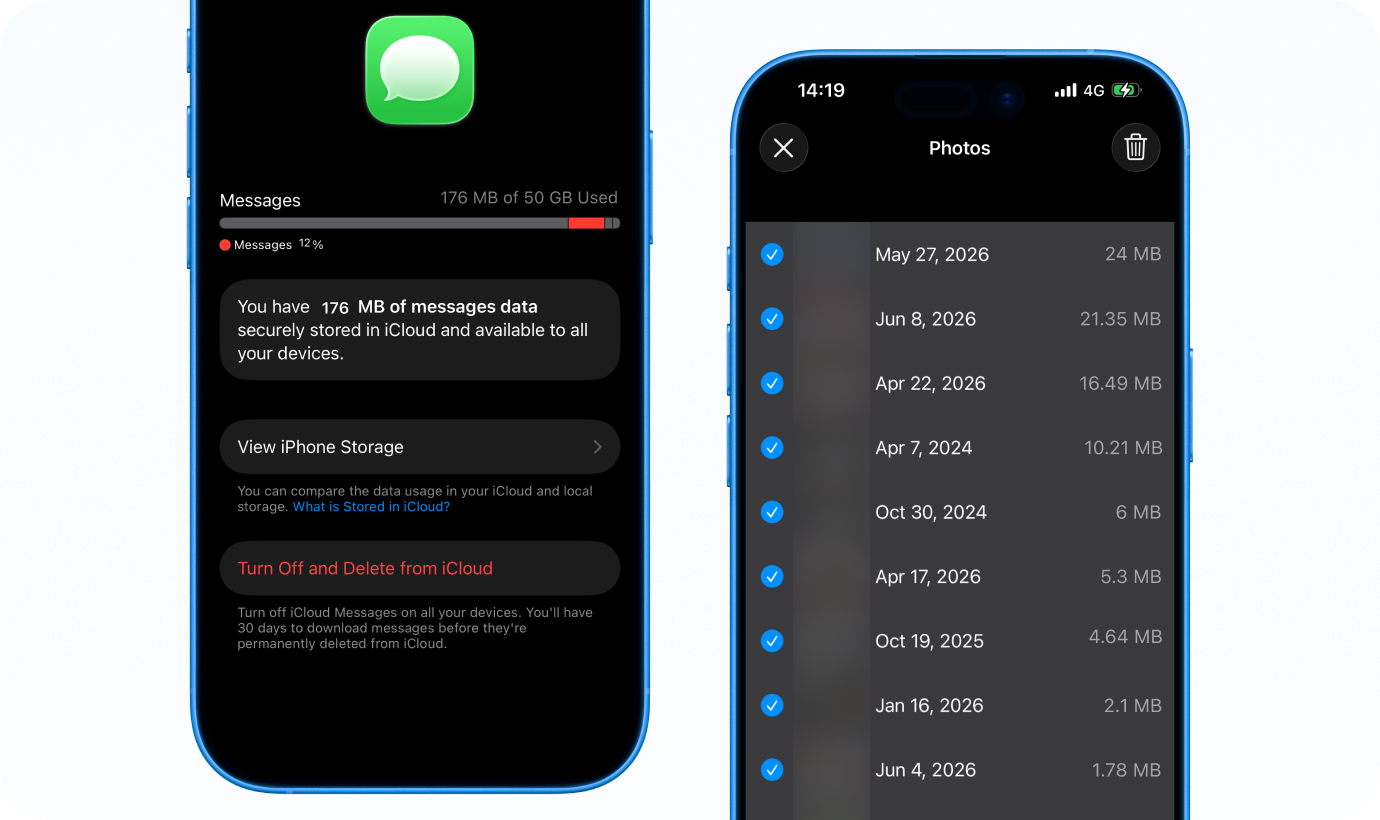
If your library contains duplicate photos, long videos, screenshots, or unwanted media, clearing them can help reduce iCloud storage usage.
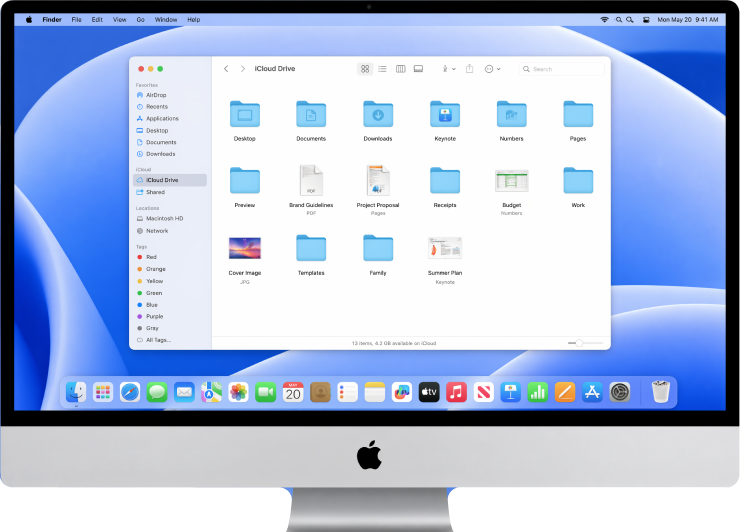
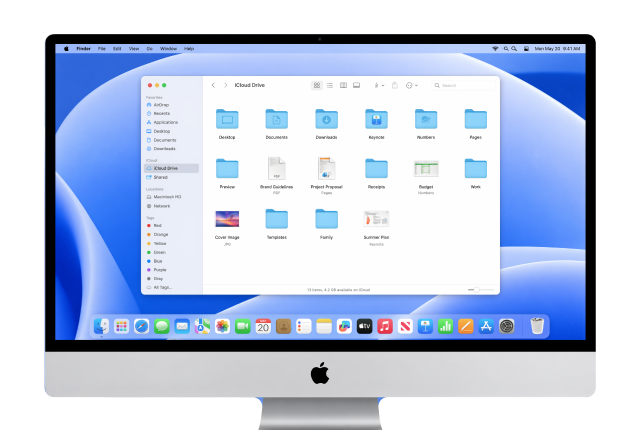
Clear iCloud Drive Files and Folders
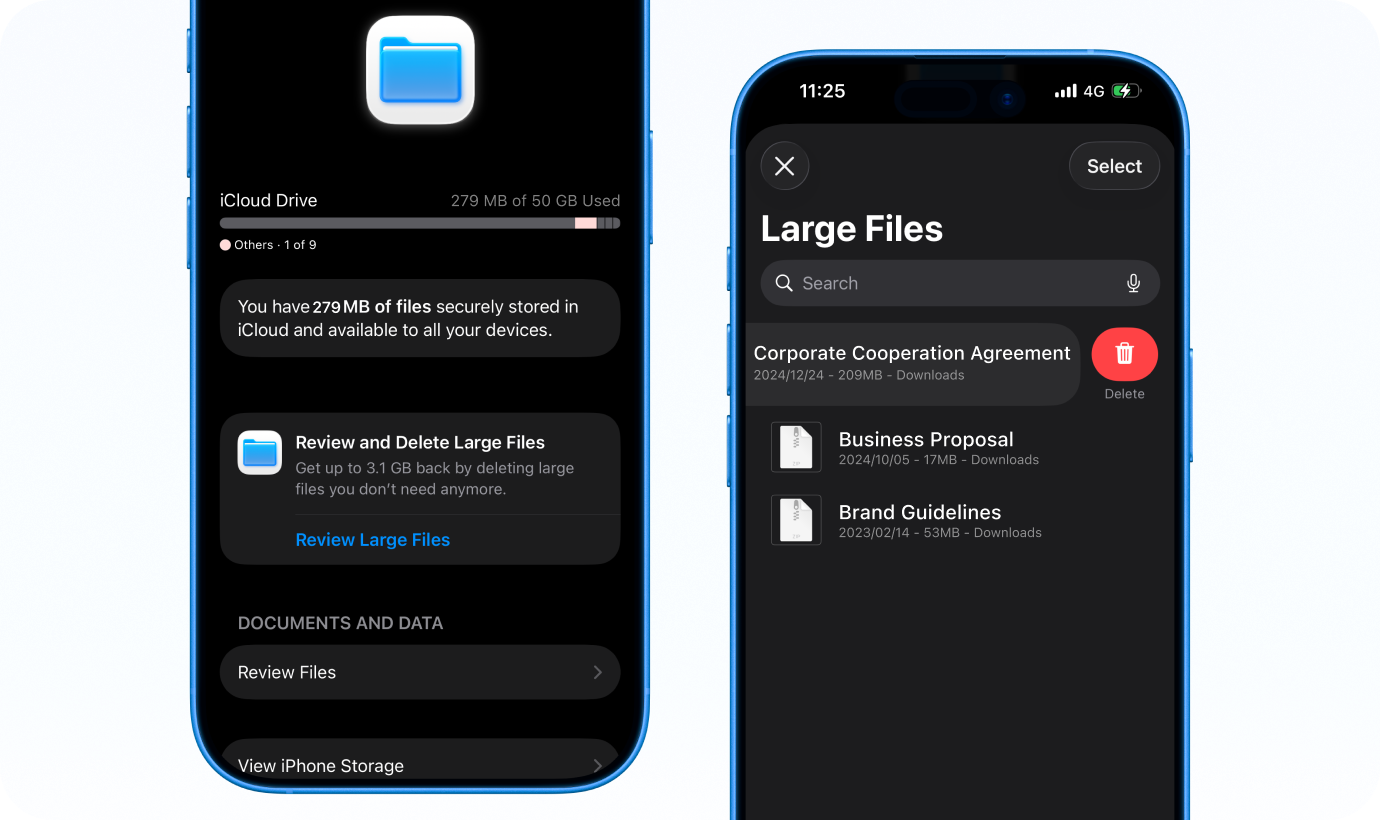
Documents, downloads, archives, and other stored files in iCloud Drive may continue taking up space even when you no longer need them.
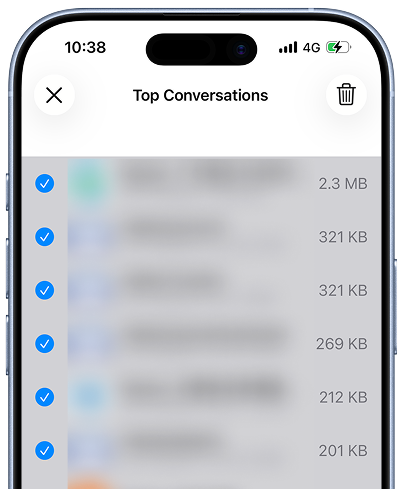
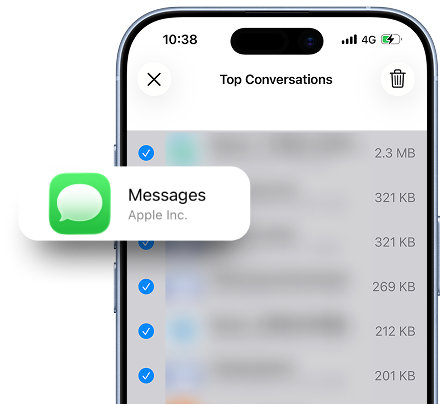
Delete Large Messages and Mail Attachments
Attachments in Messages and Mail often accumulate over time. Removing unnecessary items can help clear storage in iCloud without affecting your most important files.

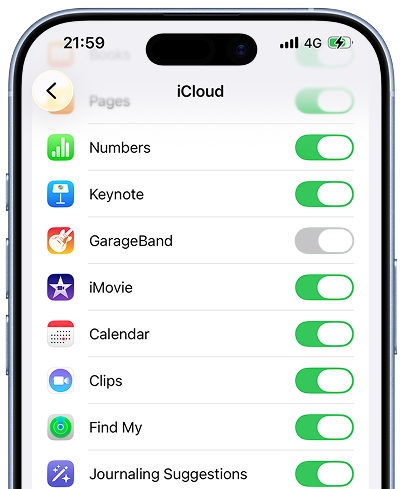
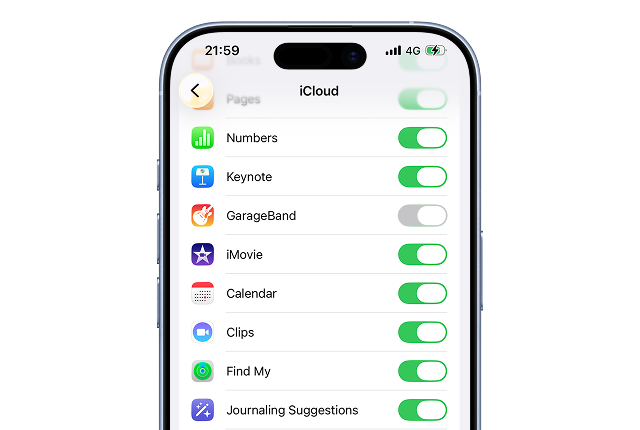
Turn Off Backup for Apps You No Longer Use
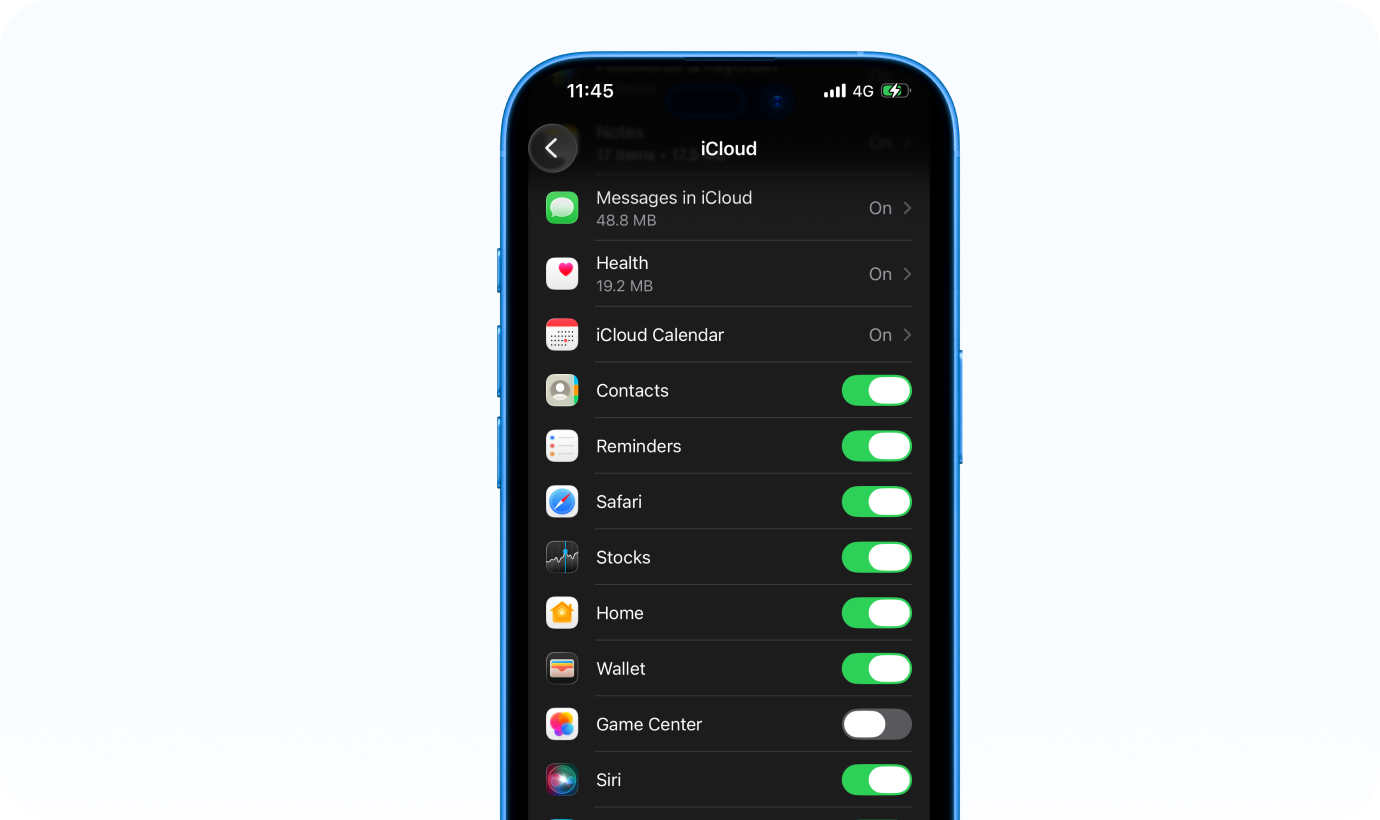
Some apps store data in iCloud Backup even when you rarely use them. Disabling backup for non-essential apps can reduce backup size and help prevent your iCloud storage from filling up again.
New: Access Important Data in iCloud Backup Before You Delete It
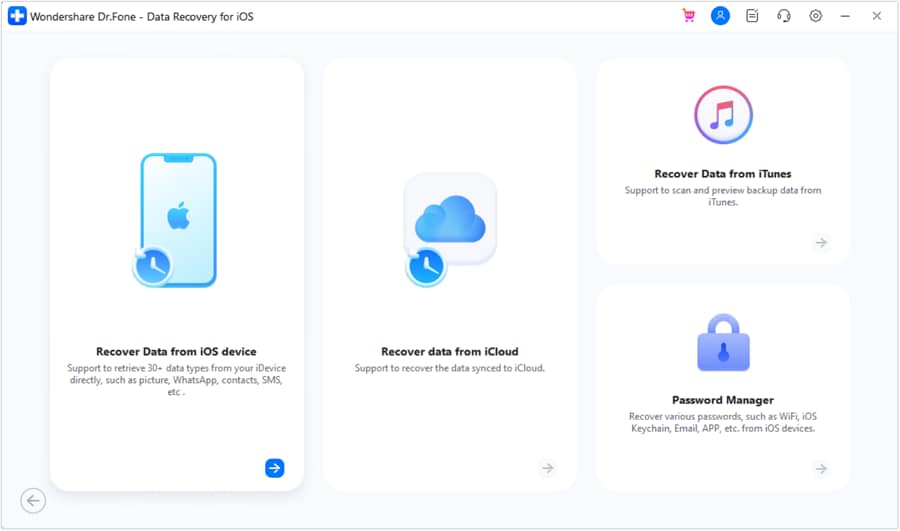
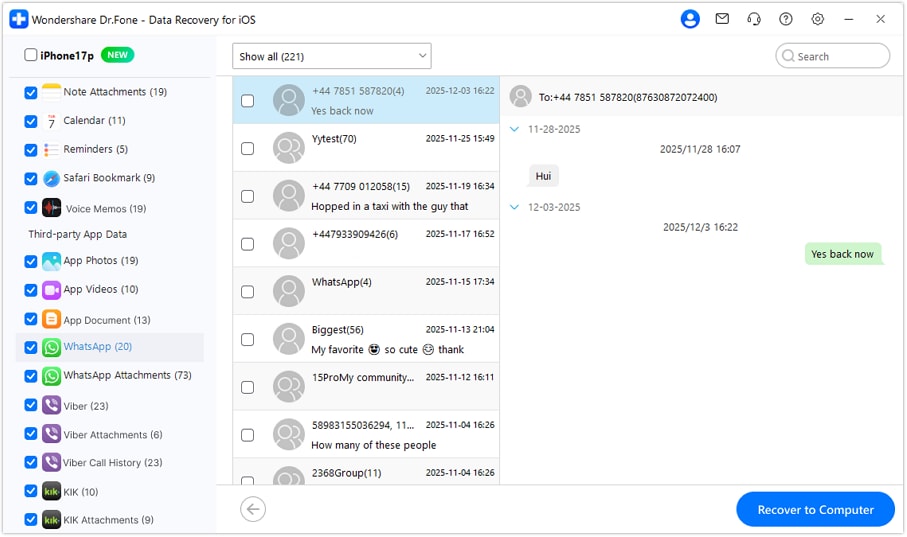
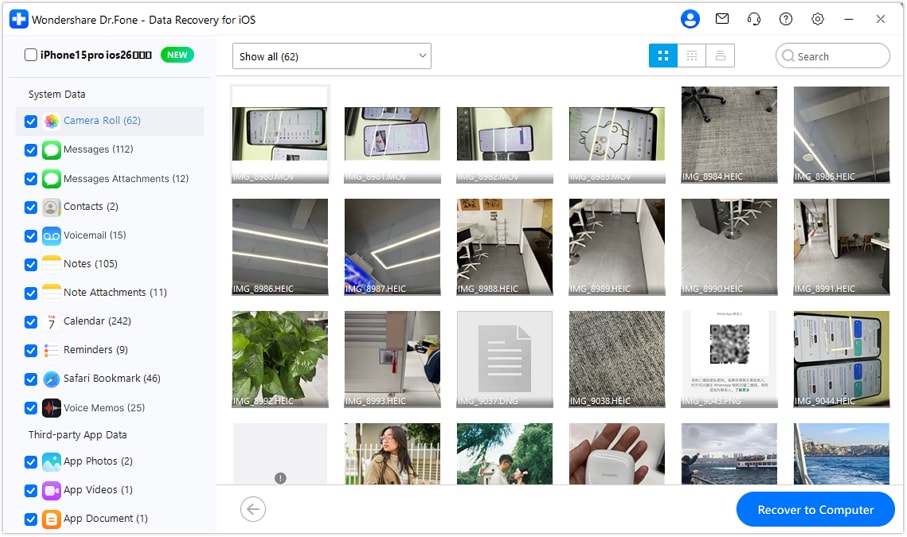
Access, preview and recover iCloud Backup with Dr.Fone
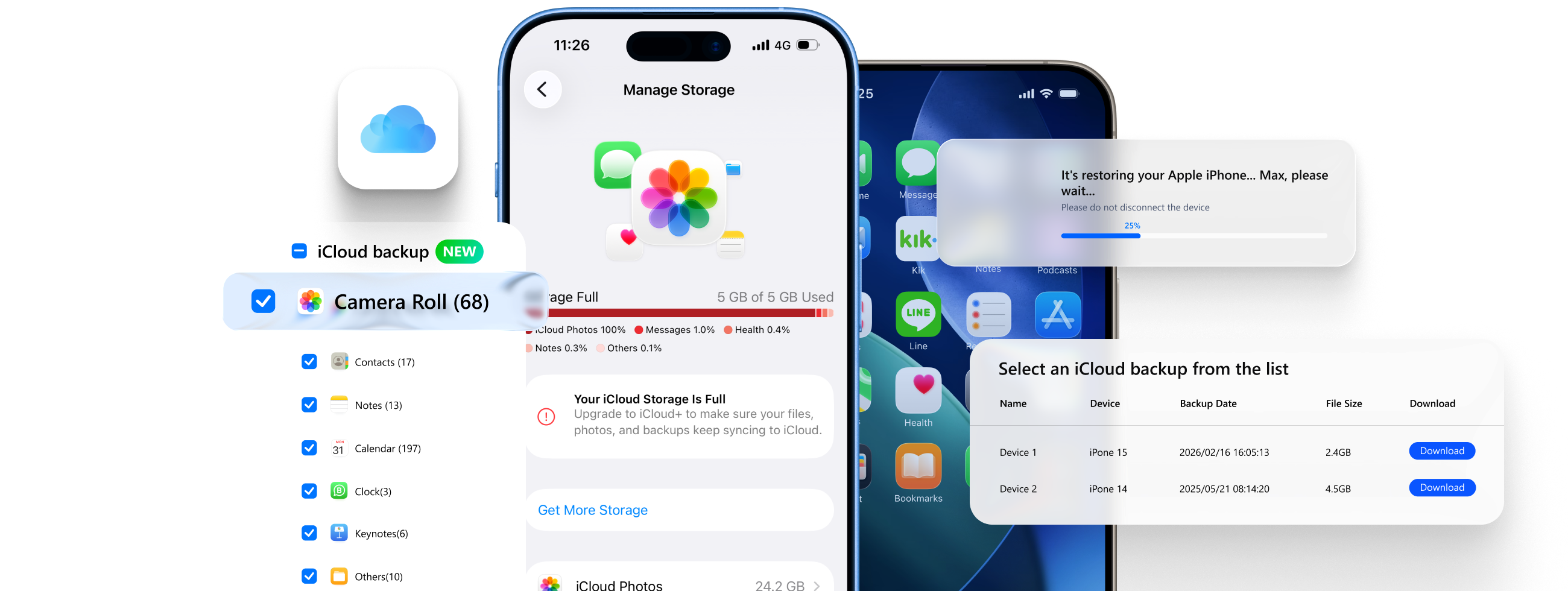
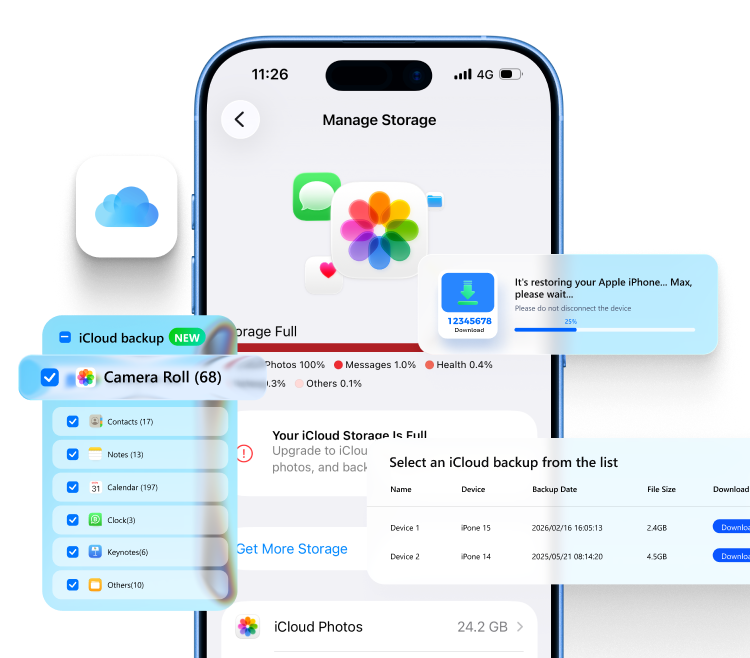
Deleting old backups can free up a lot of space, but many users hesitate because they are not sure what is still inside the backup. If the backup contains messages, app data, settings, or files you still care about, deleting it without checking first can feel risky.
With Dr.Fone’s new iCloud Backup support, you can access backup content, preview supported data, and selectively recover what matters before cleaning up old backups. Instead of relying only on a full-device restore flow, you get a more flexible way to review important backup data first.
This makes it easier to clear iCloud storage with more confidence, especially when old backups are the main reason your iCloud storage is full.
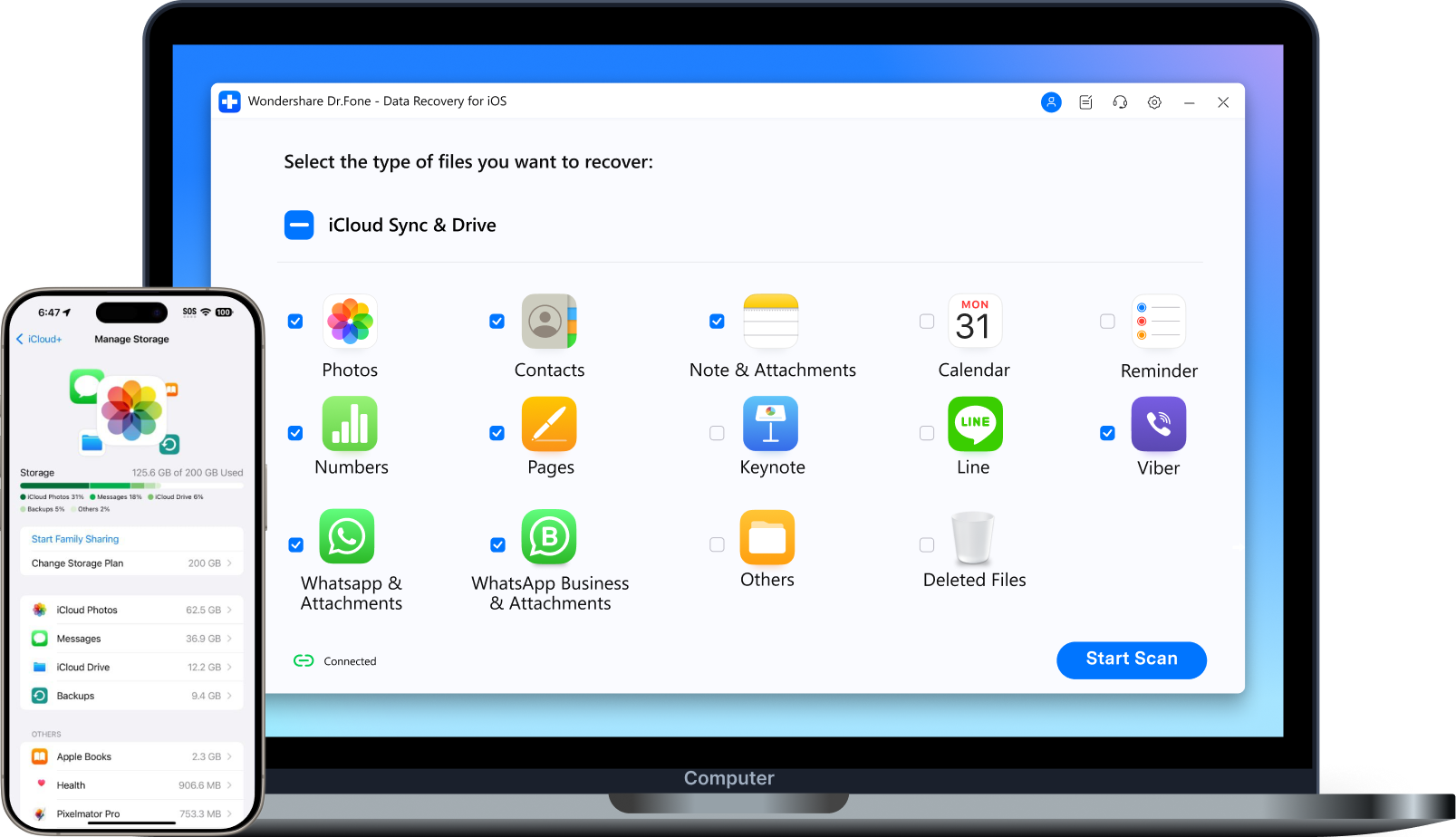
How to Recover Data from iCloud
Backup with Dr.Fone
iCloud Backup vs. iCloud Sync
Many users ask why their iCloud storage is full even after deleting photos or files. One reason is that iCloud Sync and iCloud Backup work differently. Sync keeps selected content updated across devices. Backup stores a snapshot of data that is not already synced elsewhere.
Understanding this difference can help you decide what to keep, what to delete, and why an old backup may still matter even if other content is already available through iCloud syncing.
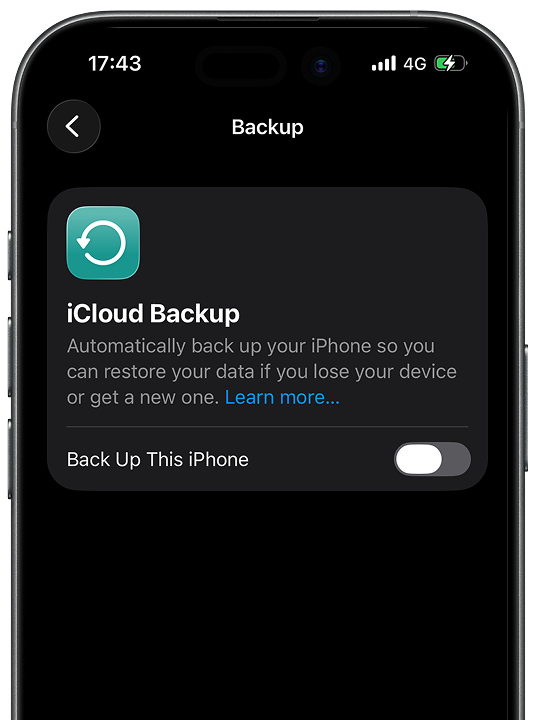
iCloud Backup
iCloud Backup
- Creates a snapshot of device data not already synced
- May include device settings, Home Screen layout, app data, and unsynced messages
- Usually restored through setup or after erase/reset
iCloud Sync
iCloud Sync
- Keeps selected content updated across devices
- Covers items like Photos, Notes, Contacts, and iCloud Drive files
- Resyncs when you sign in and turn features back on
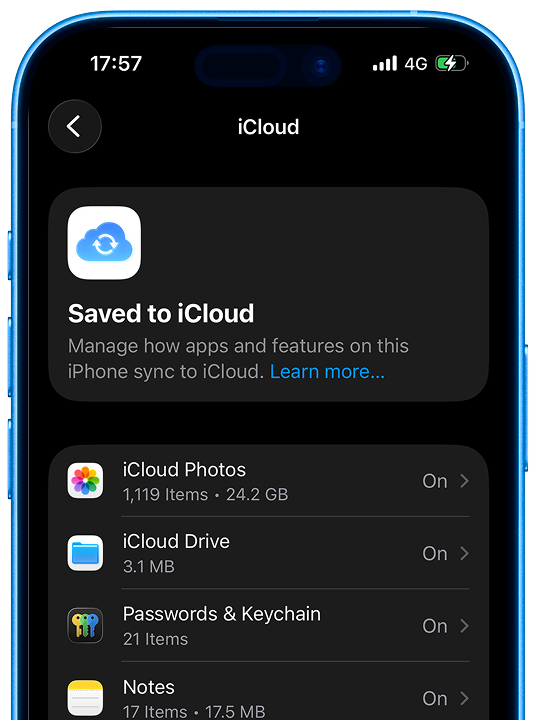
How to Free Up iCloud Storage on iPhone
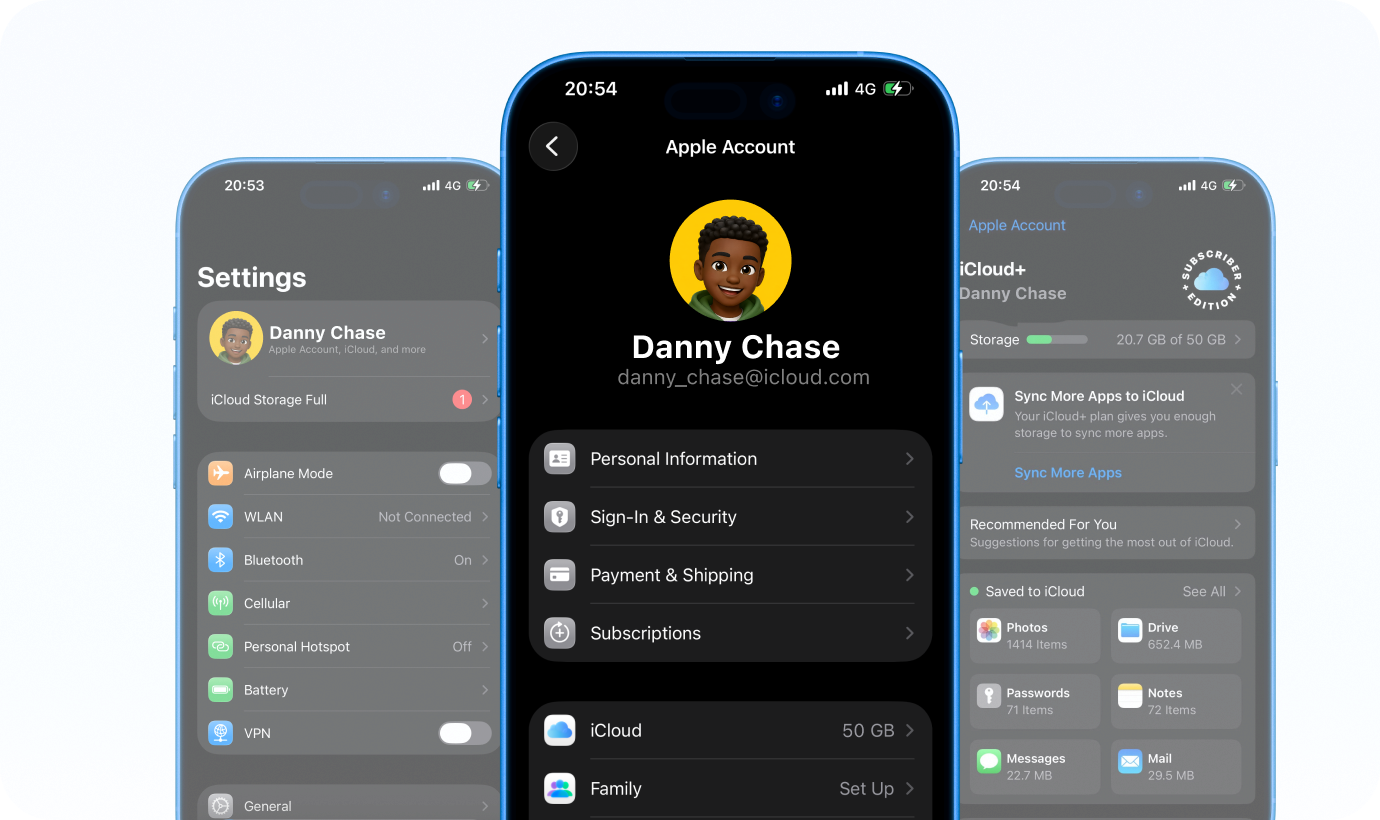
If you want to free up iCloud storage on iPhone, open Settings, tap your name, then tap iCloud. Review which categories use the most storage, then remove old backups, unnecessary files, and large attachments first.
If your goal is to clear iCloud storage on iPhone without losing important data, start with categories that are easiest to review, such as outdated backups and oversized attachments, before deleting current files you use every day.
Quick Checklist
- Open Settings > [Your Name] > iCloud
- Check which category takes up the most space
- Delete old iCloud backups for unused devices
- Remove large attachments in Messages or Mail
- Review iCloud Drive files you no longer need
- Turn off backup for apps you no longer use
When Should You Upgrade iCloud Storage?
If you actively use iCloud Photos, back up multiple Apple devices, or rely on iCloud Drive for work and personal files, upgrading your storage plan may make sense. However, before you buy more iCloud storage, it is worth checking whether old backups, unused app data, or unnecessary attachments are the real reason your iCloud storage is full.
FAQs About iCloud Backup Recovery
Check which categories use the most space first, then remove old backups, large attachments, unnecessary files, and data from apps you no longer use.
Hot Topics
- Restore WhatsApp from iCloud Backup
- How to Upload Photos to iCloud
- How to Recover Deleted Files from iCloud Drive
- How to Retrieve Photos from iCloud Backup
- How to Backup MacBook to iCloud
- How to Recover Deleted Files from iCloud Drive
- How to Get More iCloud storage
- How Can I See What Is In My iCloud Storage