The Complete Guide to the iOS 27 Update
To install the iOS 27 update, back up your iPhone, connect it to power and Wi-Fi, then open Settings > General > Software Update. Use a computer if the wireless update fails. Check compatibility and the recovery steps below before you begin.
Should I Update to iOS 27?
Choose the public iOS 27 release for a compatible iPhone once your backup is complete and the apps or work profile you depend on are ready. iOS 27 is already publicly available; you do not need a beta to install it. If a critical app is not ready for iOS 27, keep your current major version temporarily and install any compatible security update that Software Update offers, such as the iOS 26 branch. If you need pre-release features for testing, use a secondary device and keep a pre-beta backup. Apple recommends beta software for non-production devices.
iOS 27 Compatibility Check
Read the supported-model guide
Not listed: iPhone XR, XS, XS Max, X, 8, earlier models and iPhone SE (1st generation). OS compatibility does not mean every new feature works on every supported model.
What’s New in iOS 27?
Avoid Update Risks
To reduce avoidable risk, make and verify a backup, review the storage shown on your iPhone, and keep the device connected to power. If you prefer to wait, review the current release notes and the apps you depend on before updating. Read the iOS 27 update decision guide. Review the iPhone preparation checklist.
How to Prepare for iOS 27 Update?
Don't Skip the Backup!
Using iCloud
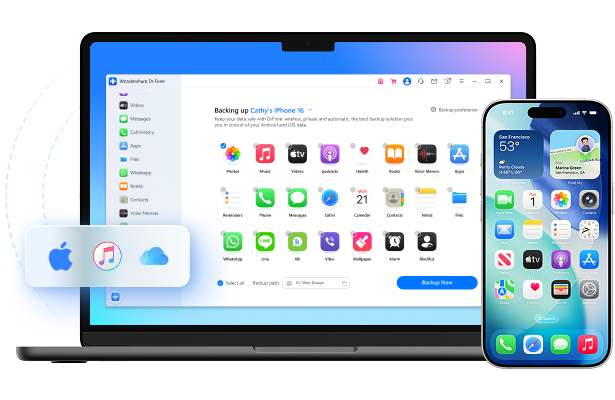
The Smart Way: Backup with Dr.Fone
This is a manual computer backup. Mac interface labels may differ from the Windows screenshots.
Download the latest version | Secure & verified
Using Finder, Apple Devices or iTunes

Ensure Sufficient Storage Space
Open Settings > General > iPhone Storage. Use Offload Unused Apps or remove backed-up content you no longer need. If the update offers to remove apps temporarily, Continue lets iOS reinstall them afterward. There is no universal free-space number for every device and update.

Stable Internet Connection
When upgrading iOS, the firmware packages are often quite large. Slow Wi-Fi speeds can cause longer download times and may even lead to upgrade failures.

Charge Your Device
Ensure your device has sufficient battery life or connect it to a power source while performing the update.
How to Install iOS 27: 3 Simple Methods
Choose a method: Settings is the free on-device route for a routine update. Finder, Apple Devices or iTunes is the free computer route if wireless updating fails. Dr.Fone provides an optional paid computer workflow for offered firmware and supported software issues; it cannot make an unsupported iPhone compatible.
How long does an iOS 27 update take? There is no fixed completion time. Download time depends on firmware size and internet speed; preparation and installation depend on the update and device storage. You can keep using the phone during the download. During installation, keep it powered and allow the Apple-logo progress bar to finish, even if it moves slowly. A static bar alone does not prove the update has failed.
How-to steps:
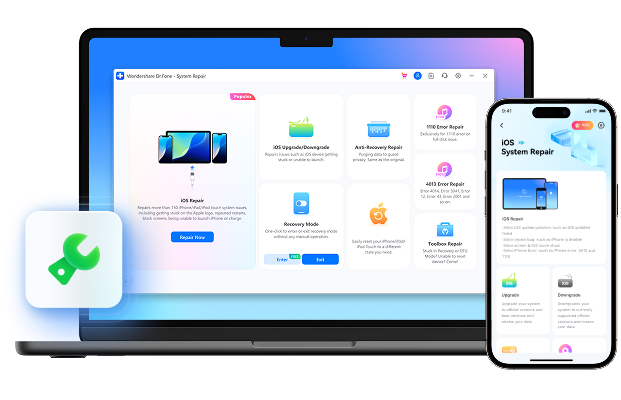
Dr.Fone - System Repair (iOS) supports iOS 27. Back up first, keep a reliable USB connection, and use only the firmware offered for your connected device. The upgrade route is separate from Standard Repair. Advanced Repair and downgrade operations can erase data. Mac interface labels may differ from the Windows screenshots.
See the official Dr.Fone upgrade guide
 Dr.Fone
- System Repair (iOS)
Review the current supported repair and upgrade options before downloading.
Advantages:
Disadvantages:
How-to steps:
Dr.Fone
- System Repair (iOS)
Use the standard Apple route first for a normal update. Dr.Fone repair runs on a computer; the mobile button opens app options.
Advantages:
Disadvantages:
How-to steps:
Dr.Fone
- System Repair (iOS)
Keep the cable connected until the iPhone restarts. Dr.Fone repair runs on a computer; the mobile button opens app options.
Advantages:
Disadvantages:
If Your iPhone Is Stuck During an iOS 27 Update
Match the next action to the screen you see. A slow download, an Apple-logo progress bar and the Connect to computer screen need different responses.
Preparing Update, Update Requested or a download error
- Keep the phone powered, check Wi-Fi and available storage, and stop competing downloads. Try another network if Apple’s server cannot be reached; a VPN or proxy can interfere.
- If the wireless update repeatedly fails, open Settings > General > iPhone Storage. Select the update package and tap Delete Update.
- Return to Software Update and download it again. If there is no update package to delete, or failure repeats, use the computer update method above.
Delete only the update package, not your personal files or backup. Apple’s update-failure instructions explain these checks.
Apple logo with a progress bar
Keep the iPhone on power and wait. The bar can move slowly, look static or restart. Pressing a button may show an “updating” message, which means the operation is still running.
If the update never completes and the device is unresponsive, force restart a compatible iPhone: quickly press and release Volume Up, quickly press and release Volume Down, then hold the Side button until the Apple logo appears. This includes iPhone SE (2nd generation and later). Use this only after the wait-and-progress checks.
If the logo and progress bar remain after restarting, Apple advises that service may be needed.
Connect to computer, or an Apple logo without a progress bar
- Connect to a Mac with Finder or a Windows PC with Apple Devices. If needed, quickly press Volume Up, quickly press Volume Down, then hold the Side button past the Apple logo until Connect to computer appears.
- Try Update first if offered. Restore reinstalls iOS and erases device data, so understand your backup situation before selecting it.
- If the software download takes more than 15 minutes and the phone leaves recovery mode, let the download finish, then repeat the recovery-mode entry.
Read Apple’s recovery procedure. For a supported software issue, Dr.Fone System Repair is an optional separate route: Standard Repair is designed to preserve data; Advanced Repair can erase it. Seek service for hardware damage or recovery failures.
FAQs about the iOS 27 Update
iOS 27 Tips and Useful Resources
Use Current Apple Instructions
The public iOS 27 release is available. Apple's release list checked October 22, 2026 lists iOS 27.0.1, released September 28, 2026; Software Update shows the latest compatible version offered to your device. Use Apple’s iOS 27 instructions for the installation path and Apple’s release list for version details. The date of a support article is not necessarily the release date of the software.
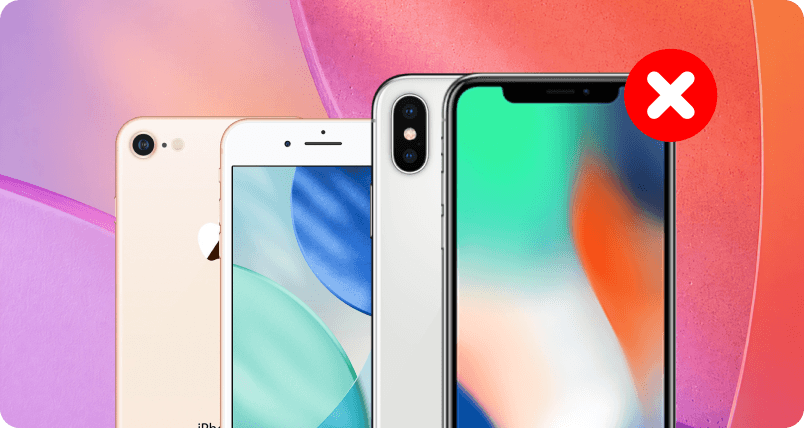
Check Compatibility at Update Time
Use the supported-model list above, then confirm the offered version in Software Update. If the phone runs an older version, Apple may require that compatible update first. A missing update does not automatically mean the device is unsupported.
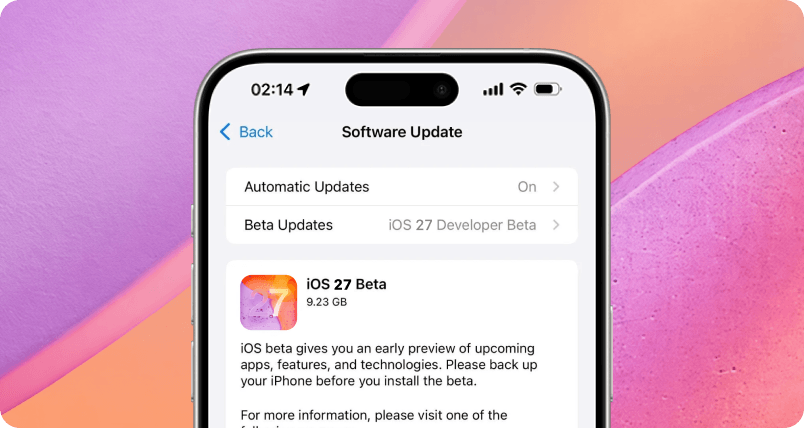
Choose Beta Software Carefully
Choose the available public release on a primary iPhone. A public beta tests future software; a release candidate (RC) is a near-final test build, not proof that the general release is already available. Apple recommends betas on secondary, non-business-critical devices with a backup.
Best Companion for Effortless
iOS 27 Update

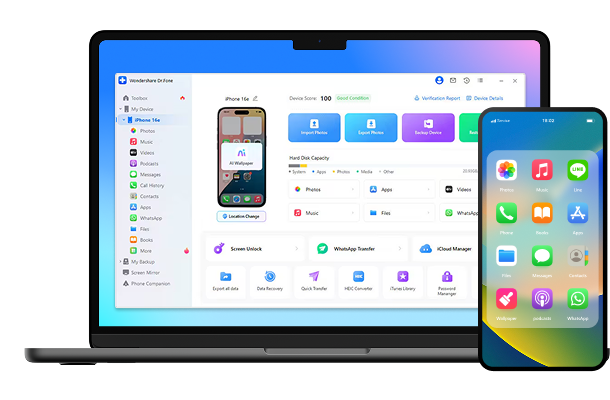
Dr.Fone - Full Toolkit
All the Tools You Need to Keep Your Mobile at 100%


Dr.Fone Basic
Back up your data before iOS update. Say no to data loss stress.