Recover photos, messages, WhatsApp, and more — no backup
needed.
Recover photos, messages, WhatsApp, and more — no backup
needed.

 100% Security Verified | No Subscription Required | No Malware

 :
: 
 ChatGPT
 Perplexity
 Gemini
 Claude
 Grok
Grok
I recently set up my home network and connected all my devices, but I completely forgot the password when a guest asked for it. What are the best methods for WiFi password recovery on my phone or router?
Tech Enthusiast User

Once you set up your WiFi and successfully log in with your devices to the network, you will most probably not use the password again anytime soon. The devices seamlessly auto-connect, pushing the actual string of characters completely out of your memory. However, when your friends or guests come over and ask for a WiFi password, you might suddenly realize you have forgotten it completely. This is a very common scenario, so in this article, I will guide you through multiple practical ways to retrieve your network credentials seamlessly.
Also, there is nothing more satisfying than having a dedicated tool to remember all your crucial passwords. Therefore, I will also analyze why it is important to have a safe and secure password manager. Using dedicated software offers an excellent layer of security, which is absolutely critical in the present time where digital vulnerabilities are abundant. Without further delay, here are the most reliable methods to recover the WiFi passwords that you might have forgotten.
In this article
Method 1: Reset your router to factory defaults
If you have direct access to your network hardware, querying the router itself is one of the most effective strategies for WiFi password recovery. Most networking hardware offers an administrative portal where all access credentials are meticulously stored and managed.
Step 1 Access the Router's Administrative Portal
First, open the internet browser on your computer that is already connected to the router. Then type the IP address from your router in the address bar. Most router manufacturers typically use 192.168.0.1 as the default IP address. So use that address on your browser and log in with the default username (often "admin") and your password (the default password will sometimes be blank or "admin").
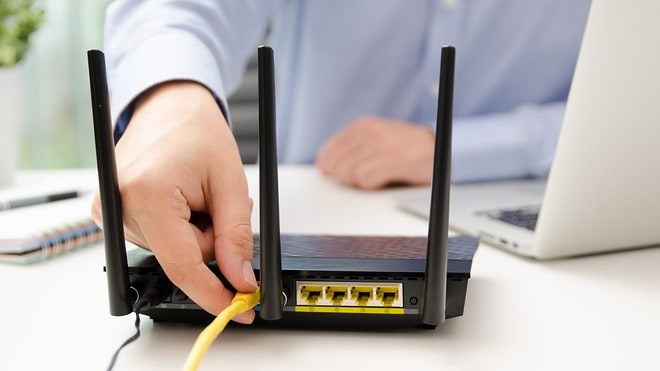

Reset Procedure: After you turn the router on, locate and press the physical reset button given at the router's backside. You usually need to hold it for 10-30 seconds and then release. You will observe the flashing lights on the front of the router as it reboots, indicating the reset was successful.
Step 2 Navigate to Wireless Settings
Once logged into the panel, you need to find the Setup Tab located on the top navigation bar and then right-click on the "wireless settings" menu situated on the left side of the dashboard.
Step 3 Initiate Device Addition
Next, tap on the "Add device with WPS" option if you wish to connect without manually typing the password.
Step 4 Extract the Network Password
Here, you will have two options to choose from: Auto and Manual. Click on Manual to proceed. Once you have done that, the detailed wireless network information will be displayed prominently on your screen along with your wireless password.
Another Method For Resetting Your Router Configuration
If the aforementioned WPS method doesn't align with your router's firmware layout, you can directly inspect the security mode preferences to uncover the network key.
Step 1 Enter Wireless Setup
You need to click the Setup Tab by explicitly selecting wireless settings from the top menu.
Step 2 Choose Manual Setup
Now tap on the manual wireless network setup option to bypass automated wizards.
Step 3 Locate the Security Section
Go to the bottom of the page, where you will find the distinct section called "Wireless Security Mode."
This is where you need to specify or review your wireless password. Carefully check whether your password is visible or not in the text box. However, if the password is hidden (obscured in dots) and you cannot toggle visibility, you will have to re-enter a completely new password to regain access. While creating a new password, do not forget to click on the save settings option at the top or bottom of the page to apply the changes to your hardware.
Method 2: Try Wifi Password Recovery App for iOS
We all have heard why it is highly beneficial to keep on changing your important passwords regularly to stay protected from any cyber crooks. But at the same time, consistently managing and keeping an accurate record of every password is a tedious task that often leads to lockouts.
Also, with data privacy being of utmost importance in our daily lives, software developers today provide high-level, encrypted security to protect your data from any external intrusion. They give solid safety and structural integrity to all your vital passwords. However, it's quite funny and frustrating when you desperately wish to breach that security when you yourself forget your passwords.
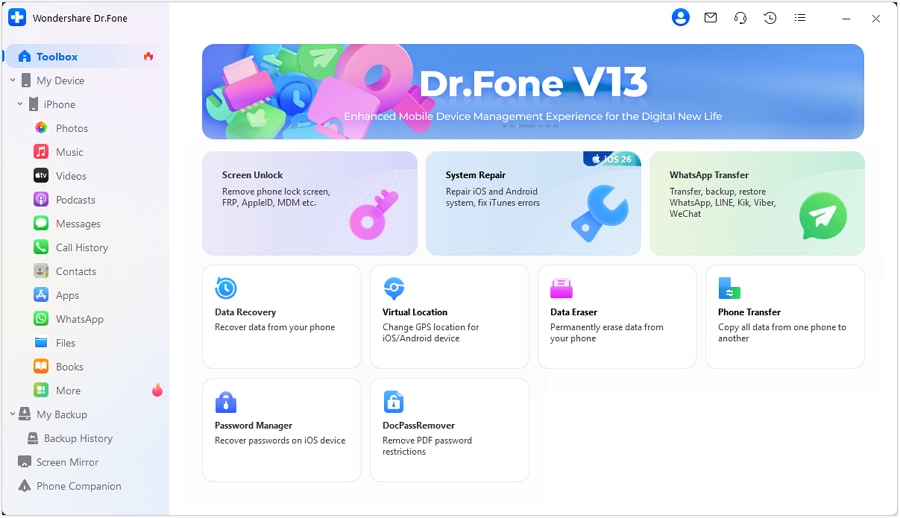
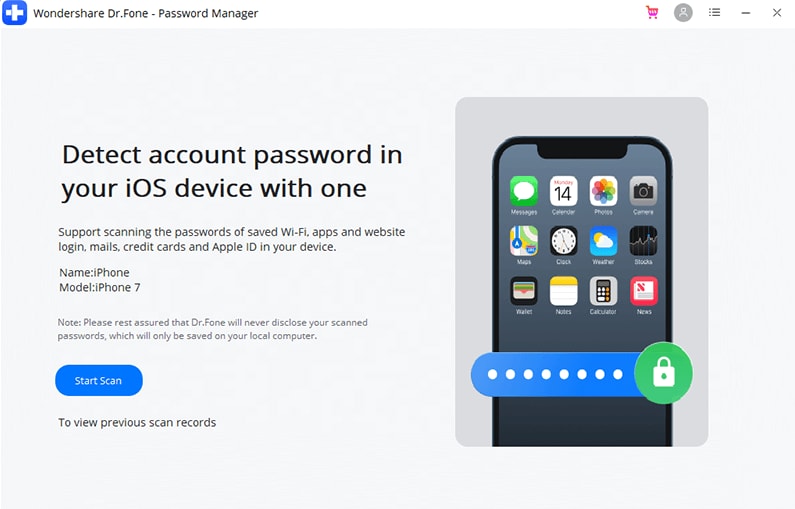
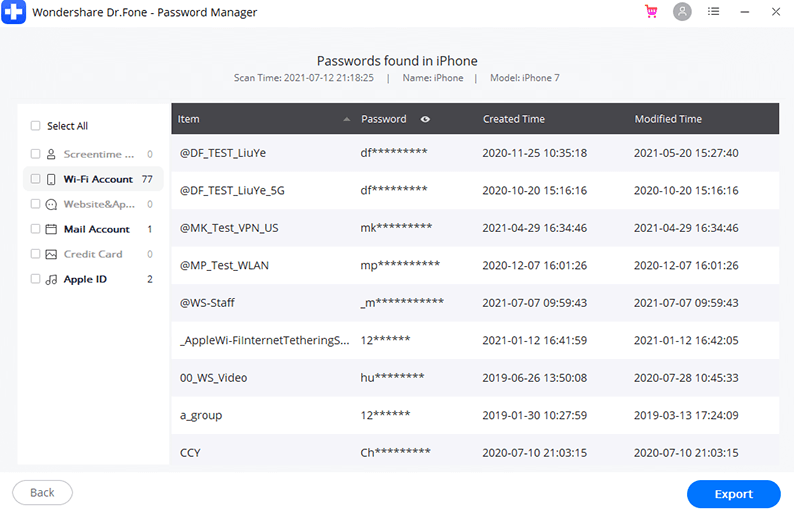
In such rigid situations, password recovery apps come to the immediate rescue. One highly recommended and efficient solution provider is Dr.Fone - Password Manager (iOS). This dedicated toolkit circumvents iOS limitations, allowing users to rapidly scan and recover saved credentials safely without requiring complicated jailbreaks.






 Add Wondershare Dr.Fone as a preferred source on Google