Recover photos, messages, WhatsApp, and more — no backup
needed.
Recover photos, messages, WhatsApp, and more — no backup
needed.

 100% Security Verified | No Subscription Required | No Malware

 :
: 
 ChatGPT
 Perplexity
 Gemini
 Claude
 Grok
Grok
If you have been utilizing an iPhone for your daily digital activities, you might already appreciate the convenience of the integrated Apple password manager. As Apple continuously refines its iOS ecosystem through 2026, it aims to streamline credential management for both personal and professional users.
However, despite these intuitive features, many new and even veteran users frequently struggle to locate where their saved passwords on iPhone are actually stored. Whether you need to quickly retrieve a forgotten Facebook login, update an outdated app credential, or simply oversee your digital footprint, understanding the iOS password framework is absolutely essential. Therefore, to make your credential management journey effortless, this comprehensive guide will walk you through how to find, access, and securely manage your passwords on iPhone using both native settings and reliable third-party solutions.

In this article
Part 1: How to Access your Saved Passwords on iPhone?
One of the most notable advantages of relying on iOS devices is that they come equipped with an incredibly robust, built-in Apple password manager. This feature eliminates the need to memorize dozens of complex strings by securely storing them in iCloud Keychain. You can leverage this native functionality to effortlessly store, delete, and modify the login credentials for all connected applications, website portals, and Wi-Fi networks.
To access this embedded feature within your iOS device, follow the systematic breakdown below:
-
Step 1 Unlock Device and Navigate to Settings
First, unlock your iPhone using Face ID, Touch ID, or your passcode. Open the Settings app from your home screen and scroll down until you locate the Passwords (or Passwords & Accounts on older iOS versions) section.
-
Step 2 Authenticate and View the List
Tap on it, and the system will immediately prompt you for biometric authentication or your device passcode. Once verified, you will be presented with a comprehensive, alphabetized list of all the account logins currently stored securely on your device.

Beyond your core iCloud account details, this centralized hub allows you to view various third-party website and application passwords. This includes high-frequency platforms such as Facebook, Instagram, Spotify, X (formerly Twitter), and more. You can meticulously scroll through the directory to locate a specific website login manually, or you can leverage the search bar at the top by inputting relevant keywords for instant results.

To examine specific saved passwords on iPhone, simply tap on the respective entry from the generated list. When you tap to reveal the hidden string, the system typically requires a quick secondary authentication (like a Face ID scan) to ensure privacy.

Once you are viewing the specific account details, you can tap on the "Edit" option located at the top right corner. This allows you to update the Apple password if you recently changed it on the website. Alternatively, if the credential is no longer relevant, you can select the "Delete Password" button at the bottom of the screen to permanently remove it from your iOS device and iCloud Keychain.
Part 2: Recover Lost or Forgotten Saved Passwords on iPhone
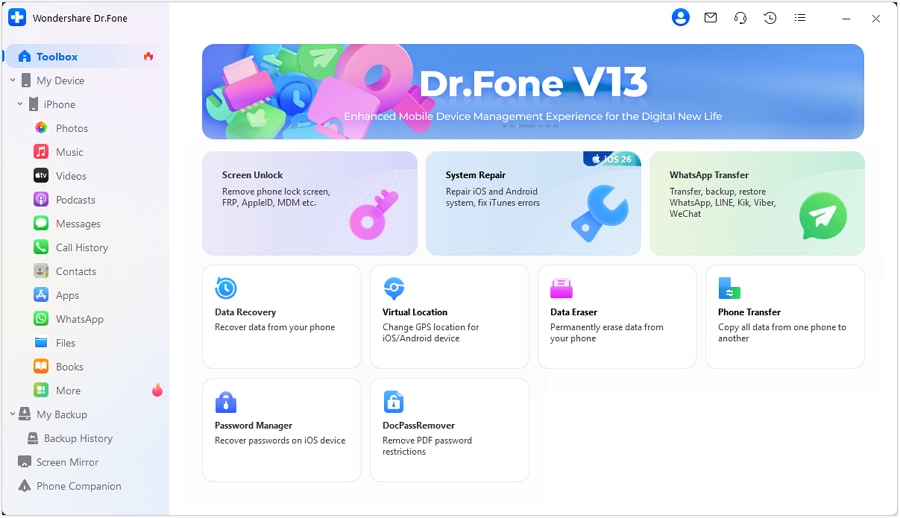
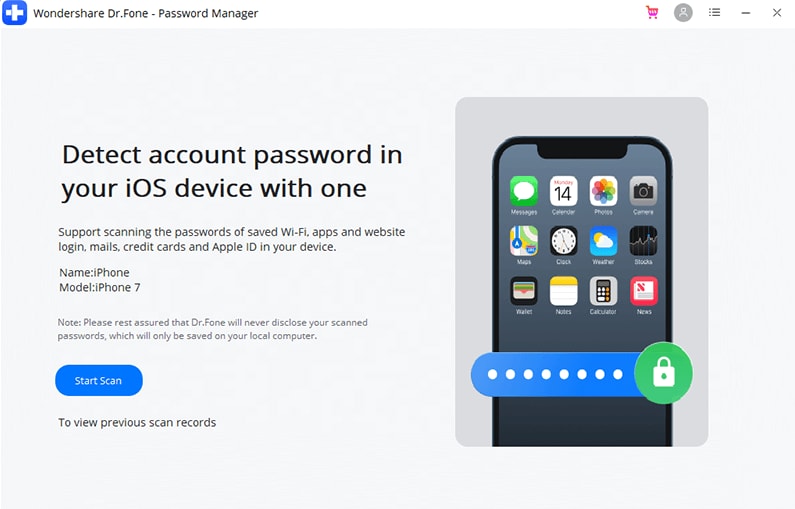
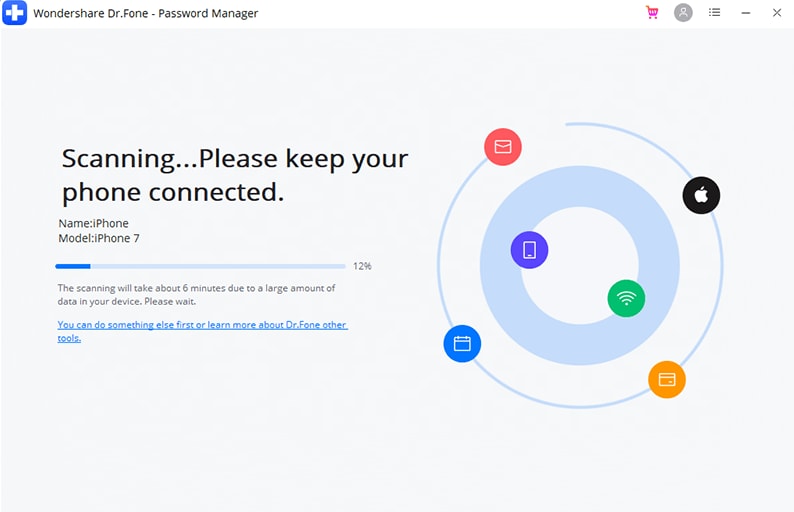
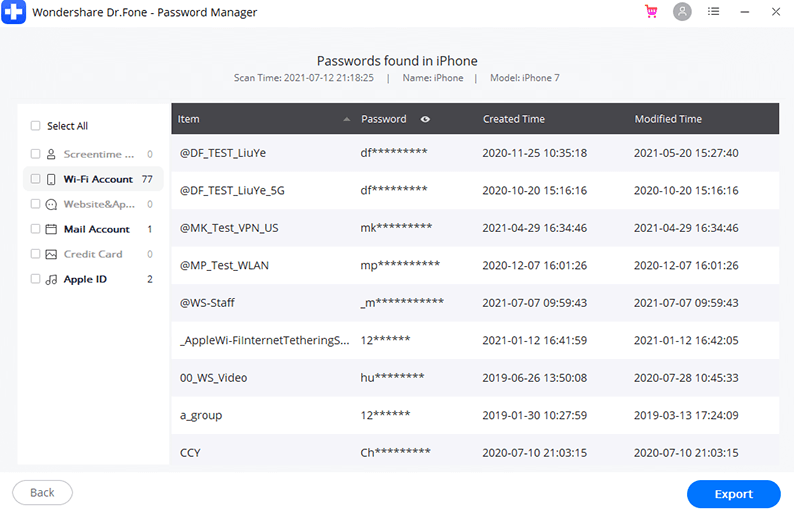
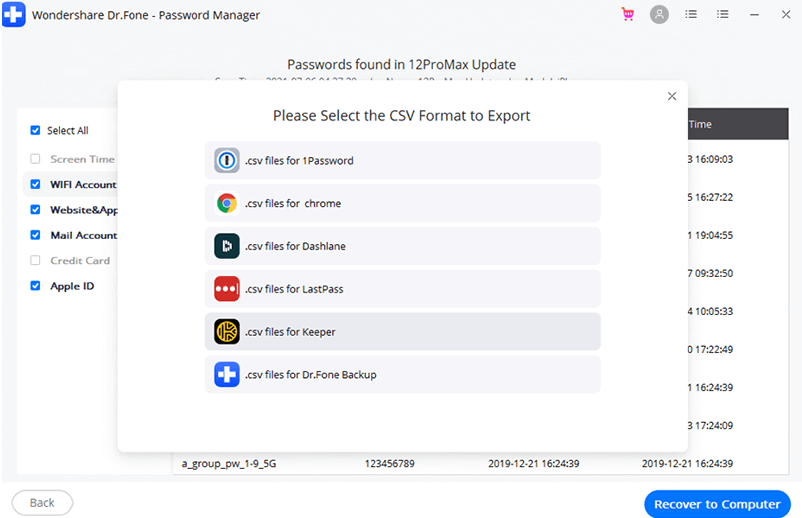
While the native Apple password manager is excellent for daily management, there are scenarios where the built-in methods might fall short—especially if you have accidentally deleted a critical login or if a sync error has hidden your credentials. In such circumstances where traditional Apple account recovery fails, utilizing a specialized data extraction tool becomes necessary. You can consider using Dr.Fone - Password Manager, which serves as a highly professional and strictly secure solution designed to retrieve lost, hidden, or otherwise inaccessible passwords directly from your iOS device.
This utility is exceptionally helpful for users navigating complex recovery situations in 2026. Here is why it stands out:
- You can connect your iPhone to a computer and execute a streamlined scan to unearth various saved passwords on iPhone.
- The software is capable of retrieving deep-rooted credentials for diverse websites, email portals, and standalone applications.
- In addition to standard web logins, it fetches critical metadata like linked Apple ID configurations, Screen Time passcodes, and saved Wi-Fi network keys.
- The process operates with a read-only execution, meaning it will not harm your device, overwrite existing data, or store your personal information on any external servers.
If you are looking to recover and access your saved passwords on iPhone effectively using Dr.Fone - Password Manager, consider utilizing the toolkit through the buttons below, then follow the detailed walkthrough:







 Add Wondershare Dr.Fone as a preferred source on Google