Recover photos, messages, WhatsApp, and more — no backup
needed.
Recover photos, messages, WhatsApp, and more — no backup
needed.

 100% Security Verified | No Subscription Required | No Malware

 :
: 
 ChatGPT
 Perplexity
 Gemini
 Claude
 Grok
Grok
I recently got a new device and realized I completely forgot my Google login details. How can I safely access my saved Gmail passwords or reset them without losing my account data?
Recent User Inquiry

With well over a billion active users worldwide, Gmail remains the undisputed leader in email communication for both personal and professional use. Over the years, Google has significantly enhanced its security protocols, implementing stricter authentication measures. While these advancements effectively block unauthorized access, they can also make it quite challenging to retrieve a forgotten Gmail password. I recently found myself locked out of my own account, prompting me to explore every possible recovery method available in 2026.
Whether you need to extract saved Gmail passwords from a secondary device or completely reset your credentials, the process does not have to be frustrating. To assist users facing similar login hurdles, I have compiled this comprehensive, step-by-step guide outlining the most reliable ways to regain control of your Google account.
In this article
Part 1: How to Check Your Saved Gmail Password on a Web Browser?
If you have previously logged into your account on a personal computer, there is a high probability that your browser has cached your credentials. Modern web browsers—such as Google Chrome, Mozilla Firefox, Microsoft Edge, and Safari—are equipped with highly capable native password managers. These utilities allow you to instantly sync, view, and retrieve your Gmail saved passwords without navigating through Google's reset wizard.
To illustrate how this works, we will use Google Chrome as our primary example. Chrome natively synchronizes your autofill data, placing all your hidden passwords in a single, secure vault. Follow these straightforward instructions to reveal your login details.
Step 1 Access Google Chrome Settings
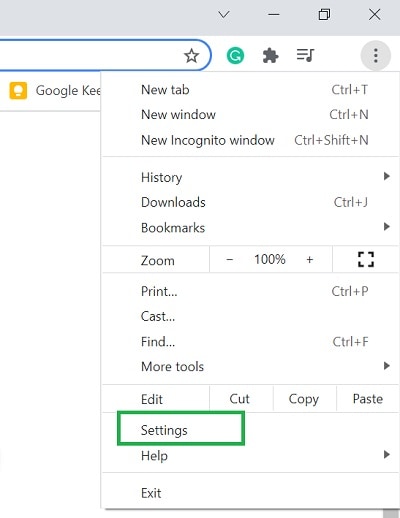
Begin by launching Google Chrome on your desktop or laptop. Navigate to the top-right corner of the window and click the three-dot (hamburger) menu icon. From the resulting drop-down menu, select the 'Settings' option to open your browser configurations.
Step 2 Navigate to the Autofill and Passwords Section
Once the Chrome Settings tab opens, look at the left-hand sidebar menu and click on 'Autofill and passwords'. From the expanded options, select 'Google Password Manager' (or just 'Passwords' depending on your Chrome version) to access your securely stored credentials.
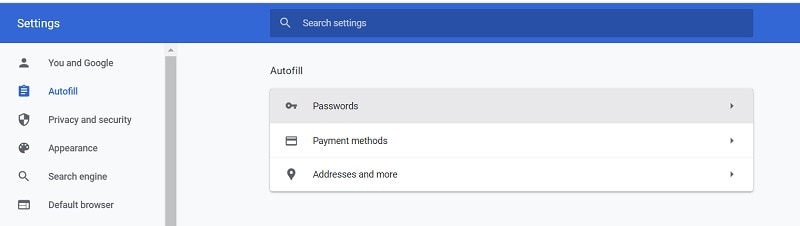
Step 3 Locate and Reveal Your Saved Gmail Password
You will now see a comprehensive list of websites where Chrome has saved your login information. Utilize the search bar at the top to type in 'Google' or 'Gmail'.
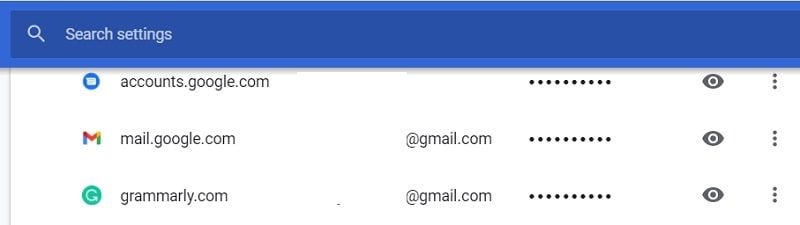
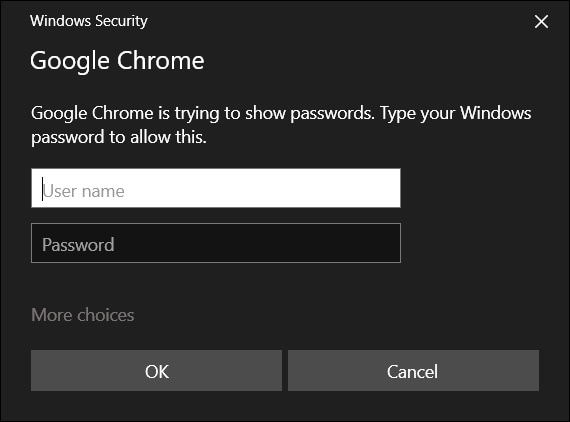
Once you locate the specific Google account entry, click on it. You will need to press the 'eye' icon next to the hidden password field. For security purposes, Chrome will prompt you to enter your computer's master PIN or password before it displays the requested Gmail credentials.

Part 2: How to Recover a Lost Gmail Password from an iPhone?
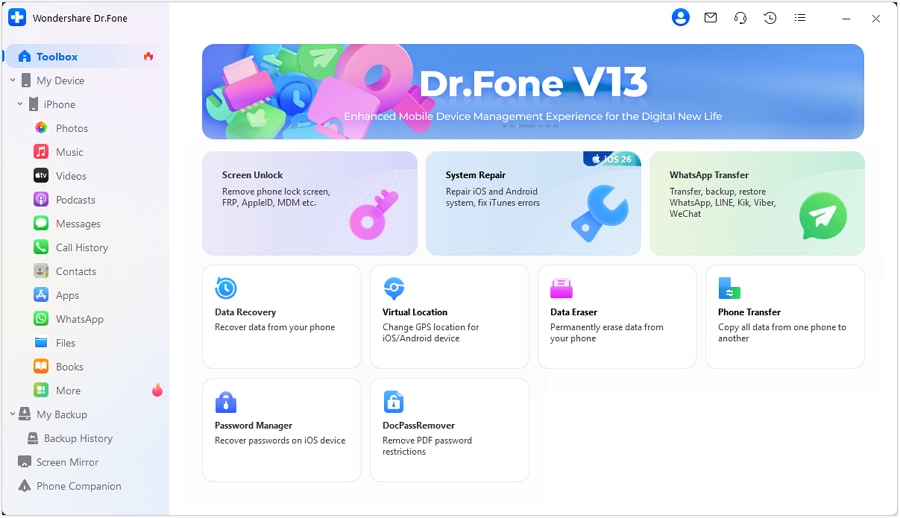
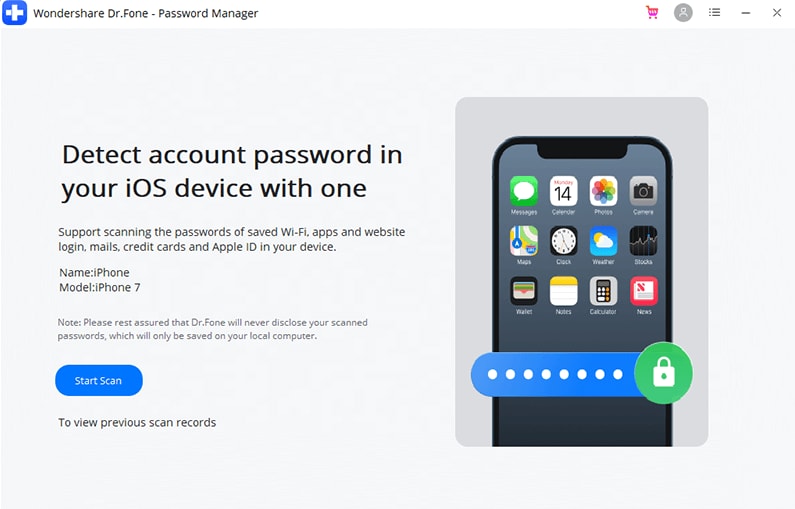
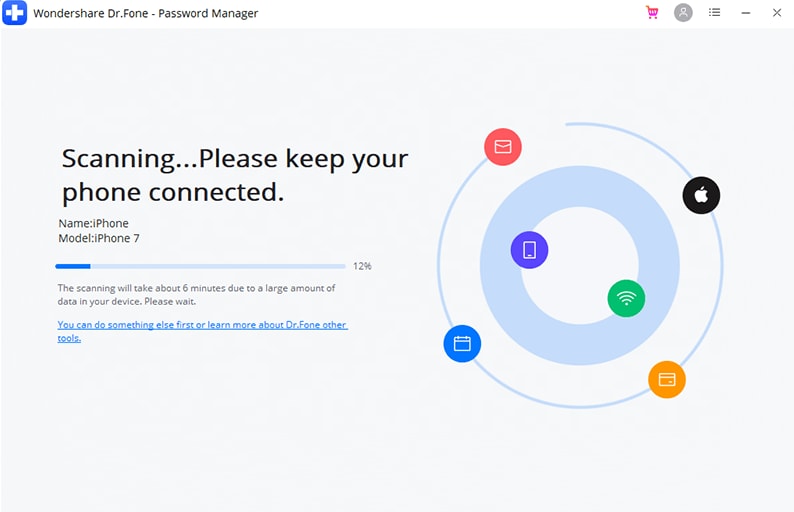
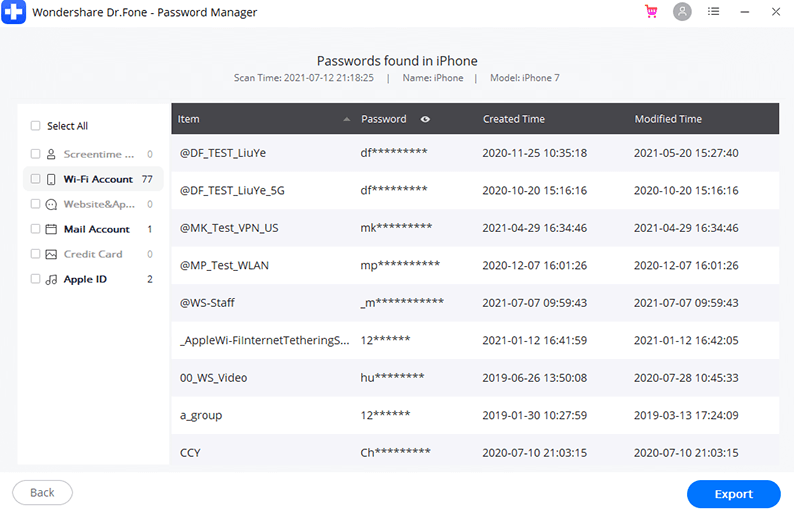
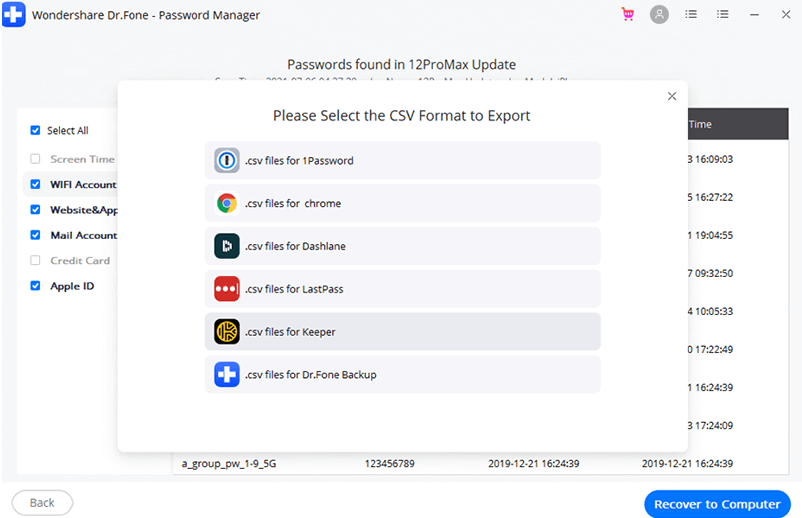
If you primarily use an iPhone to check your emails and you cannot locate your credentials in a desktop browser, a third-party recovery tool might be necessary. For iOS users, leveraging specialized software like Dr.Fone - Password Manager provides a remarkably efficient way to uncover hidden login details. This desktop application is designed to deeply scan your iOS device and safely extract various inaccessible account records.
Beyond just retrieving saved Gmail passwords, the software is capable of surfacing forgotten Wi-Fi network passwords, Apple ID logins, screen time passcodes, and app-specific credentials. Crucially, Dr.Fone operates entirely locally on your computer, meaning your extracted information is never uploaded to any cloud servers, ensuring maximum privacy. Here is how you can use it to regain your account access:






 Add Wondershare Dr.Fone as a preferred source on Google