Bypass iCloud Activation Lock and Android FRP without password.

 100% Security Verified | No Subscription Required | No Malware

 :
: 
 ChatGPT
 Perplexity
 Gemini
 Claude
 Grok
Grok
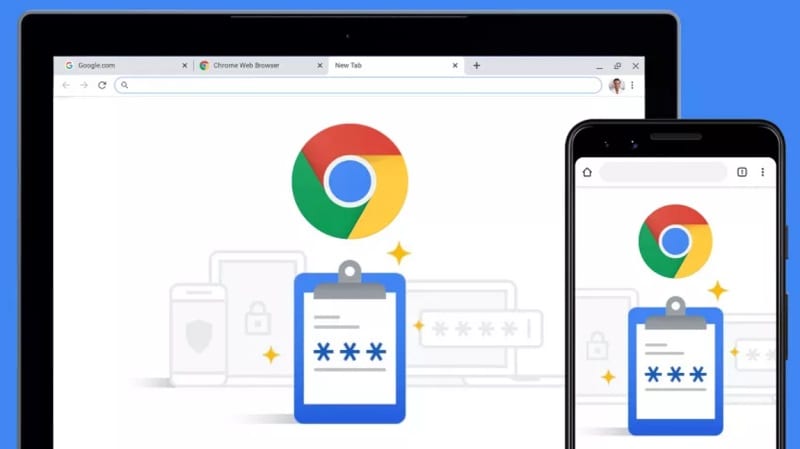
In 2026, managing a growing list of digital credentials has become a necessity for online security. The Chrome password manager (widely known as Google Password Manager) serves as an essential integrated feature within the browser, allowing users to securely store, sync, and manage their saved passwords on Chrome in a centralized location. Since Google Chrome remains the most dominant browser, leveraging its native tools to automatically fill login details is a significant time-saver.
This comprehensive guide is designed to help you navigate the nuances of Chrome passwords. From basic setup to advanced troubleshooting on mobile devices, we will cover everything you need to know about maintaining your digital identity. Let’s explore how to effectively manage your credentials and ensure your online accounts remain protected.
In this article
Part 1. What is Chrome Password Manager and How to Use it?
The Chrome password manager is a foundational browser utility used to archive website credentials and account details. Every time you register a new account or sign into an existing service, Chrome triggers a notification, offering to save your data. This information is then synced via your Google account, making your Chrome passwords accessible across your desktop, tablet, and smartphone.
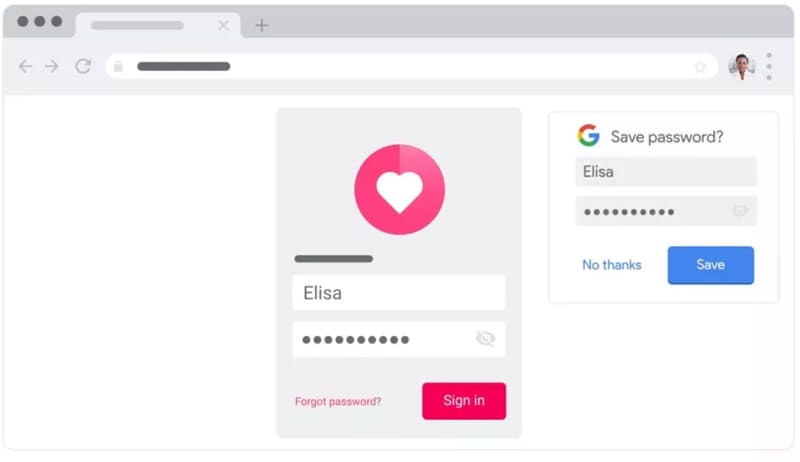
The primary advantage of having saved passwords on Chrome is the intelligent autofill functionality. By eliminating the need to memorize complex strings, you can enter accounts instantly. However, it is important to acknowledge certain limitations. Unlike dedicated vaults, the built-in manager often relies on your operating system's primary passcode for access. This means if someone knows your computer's password, they might be able to view your stored credentials, highlighting the need for additional security layers.
Part 2. How to Access your Saved Passwords on Chrome?
Accessing your saved passwords on Chrome is straightforward, whether you are trying to recover a forgotten login or auditing your account security. The interface is designed for quick retrieval and modification.
-
Step 1Navigate to Autofill Settings
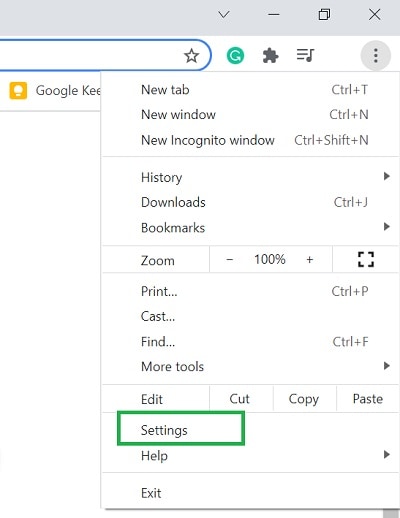
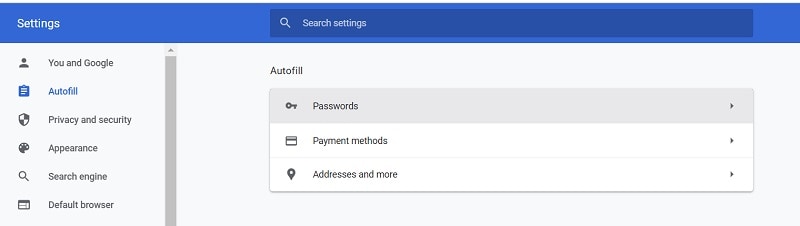
Open Google Chrome on your PC or Mac. Click the three-dot menu icon in the upper-right corner and select "Settings." From the left sidebar, locate and click on "Autofill and passwords," then select the "Google Password Manager" option.
-
Step 2Identify and Reveal Saved Passwords
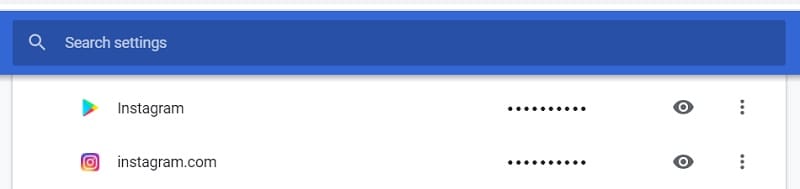
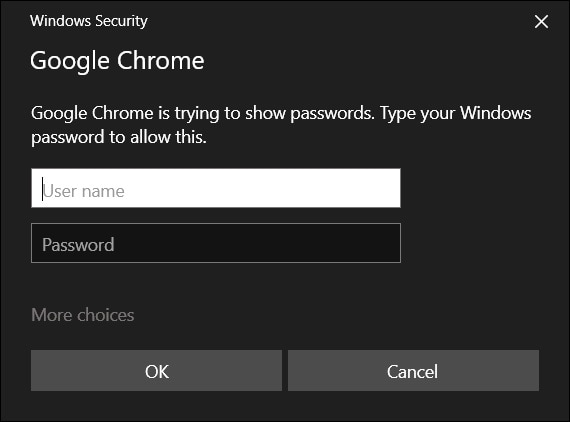
The manager will display a list of all websites with stored credentials. Use the search bar to find a specific site. To reveal the password, click the "eye" icon. You will likely be prompted to enter your Windows or macOS password for verification.
Managing Passwords on Mobile
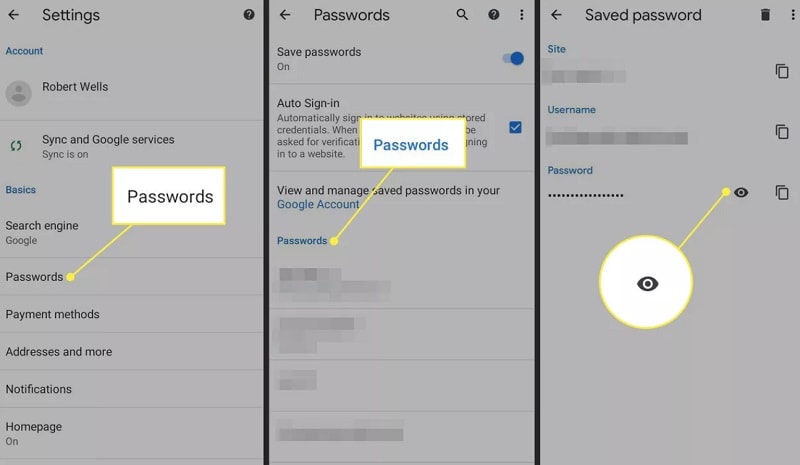
For users on the go, Chrome passwords are accessible via the mobile app. Open the Chrome app on your iOS or Android device, tap the three dots, and go to Settings > Passwords. Here, you can view, delete, or copy any account information stored in your Google profile.

Part 3. How to View Your Saved or Inaccessible Passwords on an iPhone?
While the native Chrome password manager is efficient, iOS users often face hurdles when syncing passwords between Safari, Chrome, and third-party apps. If you find your passwords inaccessible or locked behind system errors, Dr.Fone - Password Manager offers a professional-grade solution to retrieve them securely.
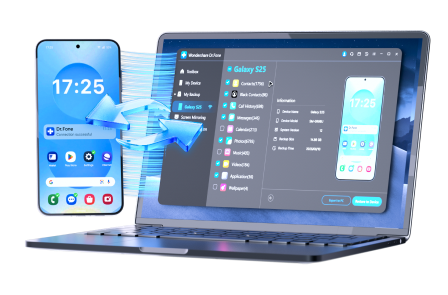
This tool goes beyond simple browser storage, allowing you to extract website login details, Apple ID credentials, Wi-Fi passwords, and even Screen Time passcodes without data loss. It provides a transparent, read-only scan that ensures your sensitive data never leaves your local machine.
 Effortlessly manage data through preview, delete, export, etc.
- Transfer all data between devices.
- Robust backup solutions for reliable data protection.
- Mirror screens to PC for meetings, teaching, and control.
-
Step 1Connect Your iPhone and Select Password Manager
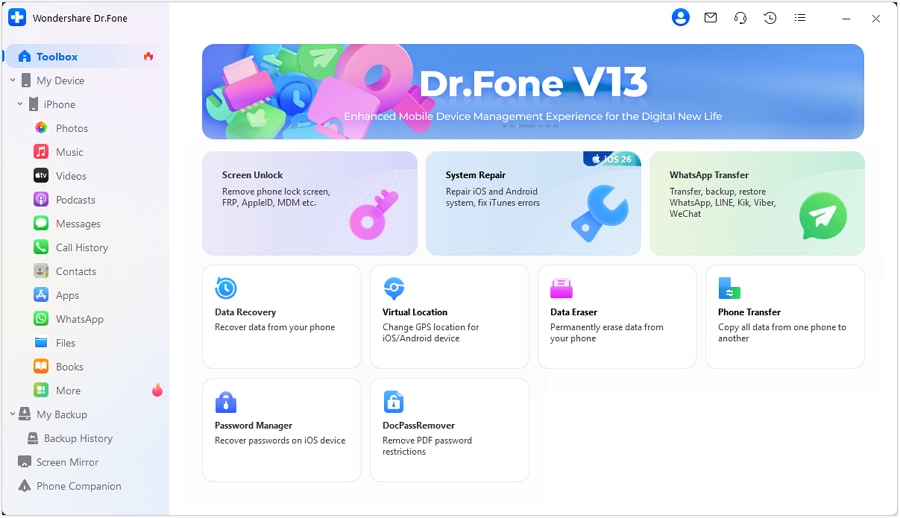
Launch the Dr.Fone toolkit on your computer and select the "Password Manager" module. Connect your iPhone via a certified Lightning or USB-C cable.

-
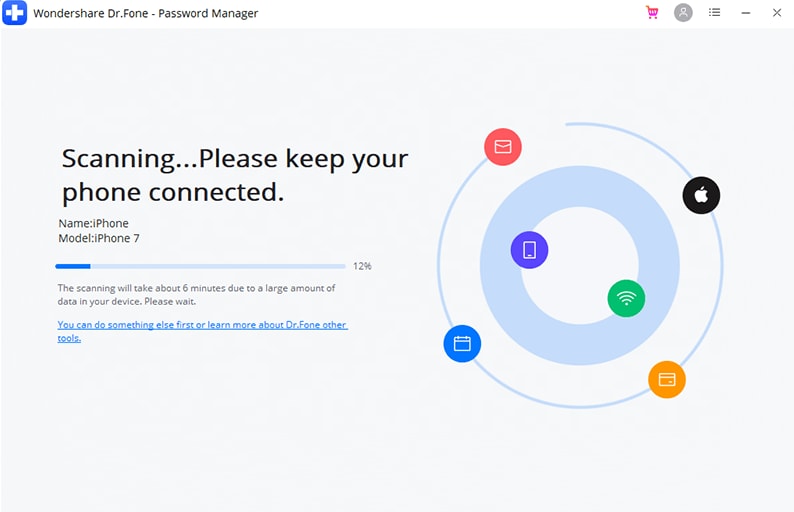
Step 2Initiate the Device Scan
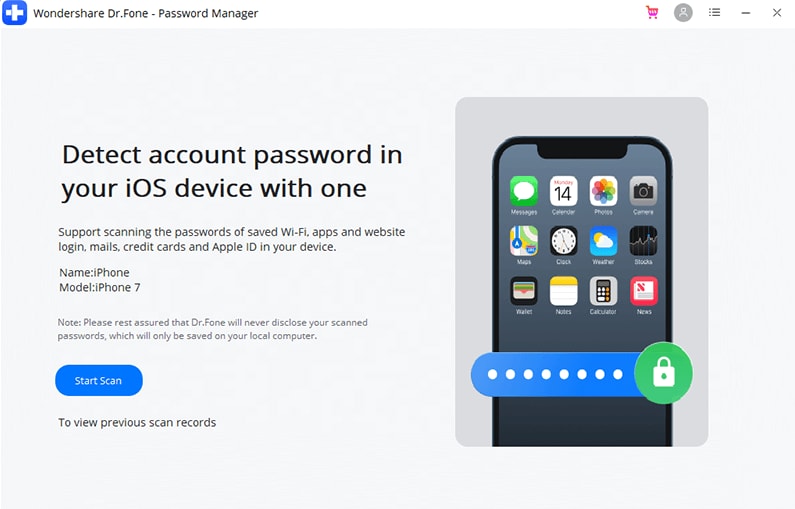
Once recognized, click "Start Scan." Dr.Fone will perform a deep analysis of your iOS device to locate stored credentials. Ensure the connection remains stable during this process.
-
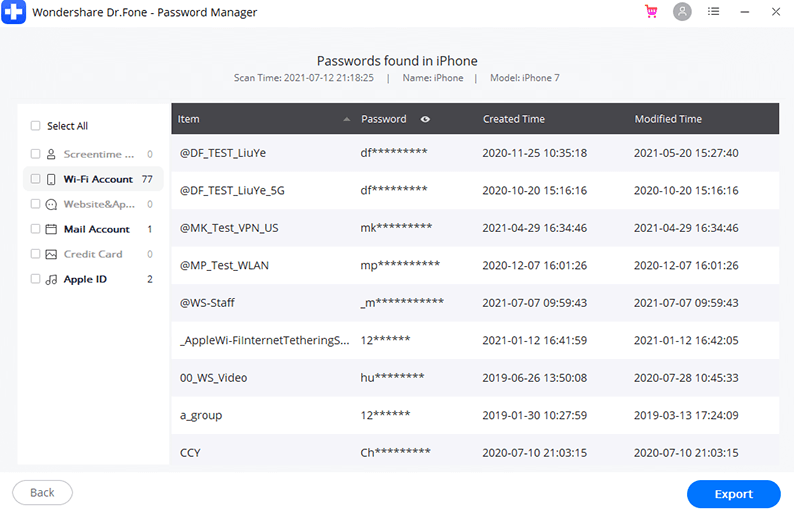
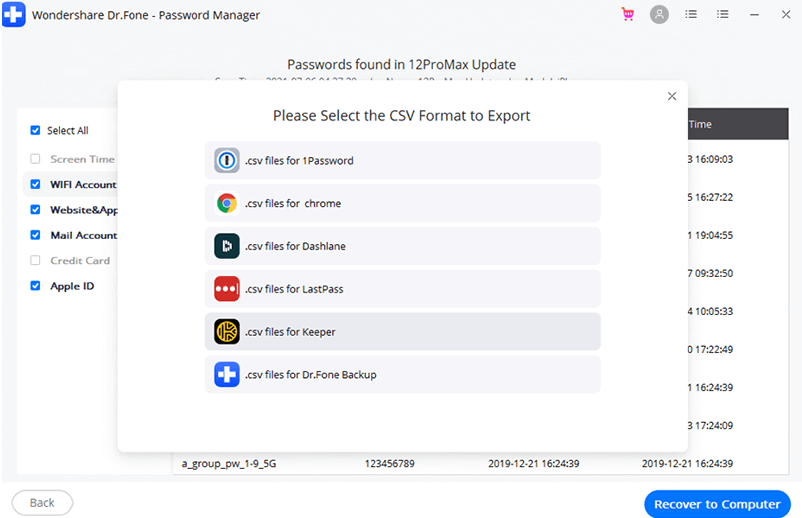
Step 3Preview and Export Passwords
After the scan, your passwords will be categorized. You can preview them by clicking the eye icon or export the entire list to a CSV file for secure offline storage.




Recommended reading: Fixing iPhone Wi-Fi Problems and Recovering Forgotten Facebook Passwords.
Part 4. Useful Third-party Chrome Password Managers
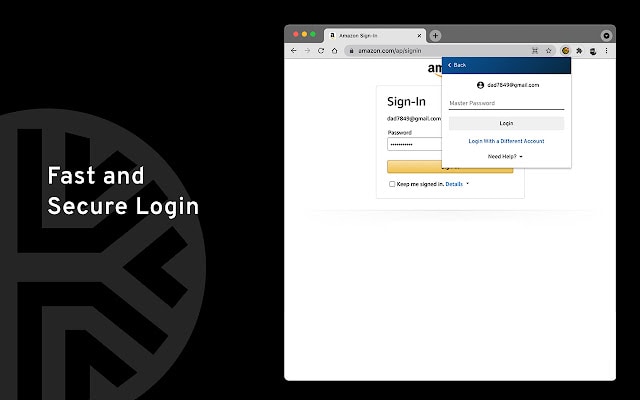
While the native tool is convenient, some users require military-grade encryption and advanced sharing features. Below are highly recommended extensions that integrate seamlessly with Chrome.
| Extension Name | Platform Support | Key Benefit | Security Score |
|---|---|---|---|
| Dashlane | Windows/Mac/iOS/Android | Dark Web Monitoring | High |
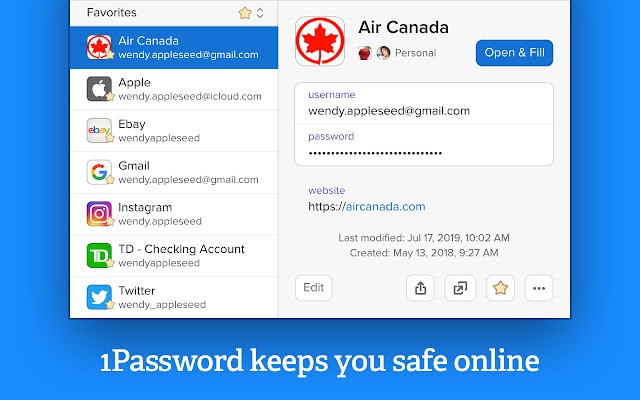
| 1Password | Windows/Mac/iOS/Android | Secure Vault Sharing | Ultra |
| Keeper | Windows/Mac/iOS/Android | Biometric Integration | High |
- Multi-platform cloud synchronization.
- Password health and security auditing.
- Support for two-factor authentication (2FA).
- Premium features require monthly subscriptions.
- Setup can be complex for novice users.
- Dependency on extension stability.

Conclusion
In conclusion, the Chrome password manager remains a vital tool for the modern web, providing seamless access to your saved passwords on Chrome across all major platforms. By following the steps outlined, you can easily view, sync, and secure your Chrome passwords. For those with advanced iOS needs or inaccessible credentials, Dr.Fone - Password Manager offers a specialized alternative to ensure your data is never lost. Whether you stick with Google's native solution or opt for a third-party extension like 1Password or Dashlane, maintaining strong password hygiene is the best way to protect your digital life in 2026.
FAQ
-
1. How do I enable the Chrome Password Manager?
The manager is enabled by default in Chrome. You can adjust its behavior by going to Settings > Autofill > Google Password Manager and toggling "Offer to save passwords." -
2. Is Google Password Manager safe enough?
While it uses strong encryption, it relies heavily on your device's primary lock. For enhanced security, consider using a manager with a dedicated master password and 2FA. -
3. Can I sync passwords from my desktop to my iPhone?
Yes. Sign into the same Google account on your Chrome mobile app and enable synchronization in the settings menu to access your desktop credentials instantly. -
4. What happens if I forget my Google account password?
You can use Google's account recovery tools. However, to view local passwords stored on your iPhone or PC, tools like Dr.Fone - Password Manager can help retrieve them without needing the Google login.
 Add Wondershare Dr.Fone as a preferred source on Google