
3 Ways to Clone Phone/SIM Card Number Easily [Full Guide]

Jun 11, 2026 • Filed to: Device Data Management • Proven solutions
 TL;DR:
Unauthorized phone number cloning is legally risky and blocked by modern networks, meaning you must use authorized carrier services to transfer a number and dedicated software to migrate device data.
● Attempting to duplicate SIM credentials without authorization violates telecom laws and triggers carrier account lockouts, SIM deactivations, and severe security exposures.
● To legitimately keep your number on a replacement device or receive calls elsewhere, request a carrier-authorized SIM or eSIM replacement, activate call forwarding, or use multi-device services.
● To move contacts, messages, and media, use a migration tool like Wondershare Dr.Fone - Phone Transfer, which supports cross-platform transfers for devices up to iOS 17 and Android 13 without altering mobile account ownership.
Ask AI for a summary
 ChatGPT
 Perplexity
 Gemini
 Claude
 Grok
Grok
Dr.Fone Basic:
Better Control for Your Phone
Manage, transfer, back up, restore, and mirror your device
Phone number cloning usually refers to copying SIM or number-related identifiers so another device appears to use the same mobile identity. In practice, this is risky, often illegal without authorization, and very different from legitimate phone-to-phone data transfer.
If you searched for how to clone a phone number, the more important question is whether it is legal, safe, or even technically possible on modern mobile networks. In most cases, users do not need phone number cloning at all—they need a secure way to move contacts, messages, and other personal data to a new phone.
This guide explains what phone number cloning means, why people search for it, the security and legal risks involved, and the safer alternatives you can use instead. If your goal is switching devices, protecting your account, or keeping the same number while traveling, there are better solutions than trying to clone a number.
Part 1: What does phone number cloning mean?
Phone number cloning is commonly described as making another SIM card or device appear to use the same mobile identity as an existing phone number. People often use this phrase loosely, but it can refer to very different things, including SIM duplication, number spoofing, or account takeover attempts.

In simple terms, a mobile number is tied to a carrier account and SIM-related credentials, not just to the phone hardware itself. That is why modern networks make unauthorized number cloning difficult, restricted, or unlawful in many regions.
Here are the terms users often confuse:
- Phone number cloning: Attempting to duplicate the mobile identity associated with a number or SIM.
- SIM swap: Moving your number to a new SIM through your carrier with authorization.
- Caller ID spoofing: Making a number appear on outgoing calls without truly owning it.
- Data transfer: Moving contacts, messages, photos, and apps to a new phone without changing ownership of the number itself.
For most everyday users, the real need is not to clone a number, but to do one of the following safely:
- keep the same number on a replacement phone through the carrier,
- move contacts and personal files to a new device,
- restore service while traveling, or
- secure an account after suspicious activity.
Bonus Tip:
Transferring data between smartphone devices should not require risky workarounds. If your real goal is to move contacts, messages, photos, and other content from one phone to another, a dedicated transfer tool is the safer solution.
This is where Wondershare Dr.Fone - Phone Transfer can help. It is designed for secure phone-to-phone migration, whether you are moving from Android to iPhone, iPhone to Android, or between devices on the same platform.
Instead of trying to clone a number, you can transfer the data that matters most and keep your mobile account management with your carrier, where it belongs.
How to clone data from one device to another device?
 safe & secure
Part 2: Why is phone number cloning risky and unreliable?
Phone number cloning is not a recommended solution for normal users because it raises legal, privacy, and account security concerns. Even when people search for how to clone a number, what they often discover is that modern mobile systems are designed to prevent unauthorized duplication.
Here are the main reasons it is risky and unreliable:
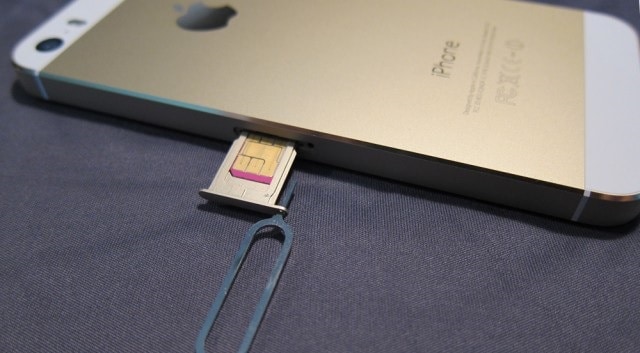
- Legal issues: Using another person’s number or duplicating mobile credentials without permission may violate privacy, telecom, or fraud laws.
- Carrier controls: Mobile carriers authenticate accounts and SIM activity, which limits unauthorized number duplication.
- Security exposure: Attempts to copy number-related credentials can put messages, calls, and verification codes at risk.
- Account lockouts: Suspicious activity may trigger account restrictions, SIM deactivation, or identity verification requests.
- False expectations: Many users searching for “clone number” actually want to transfer contacts or keep their number on a new phone, which can be done legally without cloning.
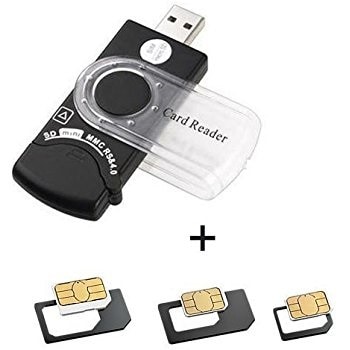
If your concern is suspicious activity on your number, the right response is not to try to duplicate it yourself. A better approach is to contact your mobile carrier, reset passwords on important accounts, enable two-factor authentication, and review whether a SIM swap or number spoofing incident may have occurred.
Part 3: What are safe alternatives to phone number cloning?
If your goal is practical rather than technical, there are safer alternatives than phone number cloning. The best option depends on whether you want to keep your number, move your data, or protect your account.
Here are the most useful and legitimate alternatives:
- Request a carrier-supported SIM replacement. If you want to keep the same number on a new phone, ask your carrier to transfer your service to a new SIM or eSIM.
- Use a phone transfer tool. If your real goal is to move contacts, messages, photos, videos, and app data, use a dedicated migration tool instead of trying to duplicate mobile credentials.
- Use call forwarding or multi-device services. If you need to receive calls while traveling or using another device, carrier features may help without cloning the number.
- Strengthen account security. If you suspect unauthorized access, change passwords, add PIN protection to your mobile account, and ask your carrier about SIM swap protection.
Spyera is often discussed online in the context of phone monitoring, but monitoring another person’s device without informed authorization can raise serious privacy, legal, and compliance issues. For personal or business use, it is safer to rely on transparent, permission-based device management, parental controls, or enterprise mobility solutions when they are lawful and clearly disclosed.

Conclusion
Phone number cloning is widely searched, but for most users it is the wrong solution to the wrong problem. It may be risky, unreliable, or illegal without authorization, while safer options already exist for keeping your number, moving your data, and protecting your account. If you are switching phones, use your carrier for number transfer and use a trusted tool like Dr.Fone for data migration. That approach is safer, clearer, and much more practical than attempting to clone a phone number.

Dr.Fone - Phone Transfer
Transfer Everything from One Device to Another One!
- Easily transfer photos, videos, calendar, contacts, messages, and music between two different phones.
- Enable to transfer from HTC, Samsung, Nokia, Motorola, and more to iPhone X/8/7S/7/6S/6 (Plus)/5s/5c/5/4S/4/3GS.
- Works perfectly with Apple, Samsung, HTC, LG, Sony, Google, HUAWEI, Motorola, ZTE, Nokia, and more smartphones and tablets.
- Fully compatible with major providers like AT&T, Verizon, Sprint, and T-Mobile.
- Fully compatible with iOS 17 and Android 13
FAQs
 Q1. How to clone a phone number legally?Q2. How to clone a US phone number for another device?Q3. Can I clone a cell phone number to copy contacts too?Q4. What is the safest alternative to clone telephone number searches?
Dr.Fone Basic:
Better Control for Your Phone
Manage, transfer, back up, restore, and mirror your device


Phone Clone
- 1. Clone Tools & Methods
- 1 App Cloner
- 2 Clone Phone Number
- 3 Clone SIM Card
- 5 Duplicate SIM Card
- 6 Clone Cell Phone Text Messages
- 7 PhoneCopy Alternative
- 8 Clone Phone Without Touching It
- 9 Migrate Android
- 10 Phone Cloning Software
- 11 Cloneit
- 12 Clone Phone Without SIM Card
- 13 How to Clone an iPhone?
- 15 Huawei Phone Clone
- 16 How to Clone Phone?
- 17 Clone Android Phone
- 18 SIM Card Clone App



James Davis
staff Editor