
3 Ways to Clone SIM Card In Easy Steps

Jun 30, 2026 • Filed to: Device Data Management • Proven solutions
 TL;DR:
Unauthorized SIM cloning is generally illegal, blocked by modern carrier security protocols, and highly risky, meaning users who want to keep the same number across devices should strictly rely on official carrier SIM replacements or eSIM transfers.
● Copying a SIM card only duplicates network authentication data like the IMSI and Ki keys, requiring a separate phone-to-phone migration tool to actually move personal contacts, messages, apps, and media.
● Attempting to use programmable blank cards or older duplication utilities on current network standards frequently results in registration failure, service interruptions, and exposed subscriber privacy.
● If device switching is blocked by a network lock rather than a SIM issue, you can remove carrier restrictions using Dr.Fone - Screen Unlock (iOS), which is compatible with Windows and Mac for iPhone 5S to iPhone 15 running iOS 12.0 to iOS 17.0.
Ask AI for a summary
 ChatGPT
 Perplexity
 Gemini
 Claude
 Grok
Grok
Dr.Fone Basic:
Better Control for Your Phone
Manage, transfer, back up, restore, and mirror your device
SIM cloning means copying subscriber identity data from one SIM card to another so the second card can appear to represent the same mobile account. Many users search for terms like sim clone, sim cloner, clone sim card, or how to clone a SIM card when they want backup access, easier device switching, or the same number on another phone. However, SIM cloning is often restricted by carriers, highly technical, and may be illegal or unsafe without authorization.
In practical terms, most people do not need to clone a SIM card at all. If your goal is to move your number, switch phones, keep access to messages and contacts, or activate service on another device, carrier-approved SIM replacement, eSIM transfer, or phone-to-phone migration is usually the safer solution. This guide explains what SIM cloning is, why people search for SIM cloning tools, what the risks are, and what legal alternatives you should consider first.
You may also want to know How to clone a phone number and intercept a smartphone easily.
- Part 1: What is a SIM cloning tool and why do people search for one?
- Part 2: Can programmable cards duplicate a SIM card?
- Part 3: Can you clone a SIM card with IMSI and Ki data?
 safe & secure
Part 1: What is a SIM cloning tool and why do people search for one?
A SIM cloning tool generally refers to software or hardware that attempts to read SIM card data and reproduce part of that identity on another card. People usually look for a sim cloner when they want to keep the same number available across devices, create a backup for travel, or recover access after losing a phone. In reality, most carriers do not support unauthorized SIM duplication, and modern SIM security makes successful cloning far less straightforward than older online tutorials suggest.
It is important to distinguish SIM cloning from normal phone migration. SIM cloning is about subscriber identity and network authentication, while device migration tools are designed to move user data such as contacts, messages, media, and app content from one phone to another. If your real goal is to switch phones without losing data, a professional transfer tool is usually more relevant than a SIM copy workflow.
- SIM cloning focuses on copying subscriber-related data.
- Phone transfer focuses on moving personal data between devices.
- Carrier replacement SIM gives you a legitimate new SIM tied to your existing number.
- eSIM transfer may let you activate the same mobile line on a new supported device.
Users also search for terms like how to clone a number or clone number when they actually want one of the following:
- Use the same number after changing devices
- Restore service after a SIM card is damaged
- Access the same line on a new phone
- Move data and settings without losing contacts or SMS
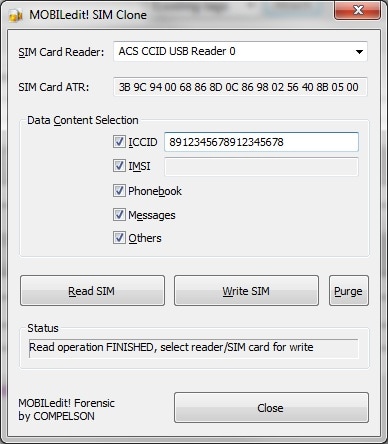
Before using any tool advertised for SIM cloning, consider the risks:
- Unauthorized duplication may violate local law or carrier policy.
- Older methods often do not work well on newer SIM security standards.
- Cloning attempts can interrupt service or make troubleshooting harder.
- Low-quality tools may expose private subscriber data.
Extra Tips: If your real issue is network restriction rather than SIM duplication, check whether your device is carrier-locked first. On iPhone, go to Settings > General > About. If "Carrier" shows "No SIM restrictions," the phone is unlocked. If there is a restriction, you can explore legitimate carrier-unlock options or use Dr.Fone - Screen Unlock (iOS) to unlock your iPhone without SIM restriction.

Dr.Fone - Screen Unlock (iOS)
Unlock Your iPhone for Use with a Different Carrier
- Unlock iPhone for use without any carrier restrictions.
- All major carriers are supported in this process, including AT&T, Sprint, T-Mobile, and Verizon.
- Fix carrier SIM issues such as "SIM Not Support", "SIM Not Valid", "SIM Locked" or "No Network Serves".
- Compatible with iPhone 5S to iPhone 15 running iOS 12.0 to iOS 17.0


Part 2: Can programmable cards duplicate a SIM card?
Programmable cards are often mentioned in older discussions about sim card duplicator tools, but that does not mean they are a practical or legitimate solution for most users today. In theory, a programmable card can be written with selected data, yet successful duplication depends on SIM architecture, carrier protection, and whether the required authentication data can be lawfully and reliably obtained. For modern networks, this is where many simplified online claims become misleading.
If you see tutorials that suggest using blank cards, firmware writers, and old utilities, keep in mind that they usually leave out key realities:
- Many modern SIM cards include stronger protections against duplication.
- Carrier provisioning, network checks, and security policies can block cloned behavior.
- Even if data appears copied, network registration may still fail.
- Using unofficial tools can put your line, privacy, and account security at risk.
For users who simply want continuity across devices, these safer alternatives are usually better than attempting to duplicate a SIM:
- Request a replacement SIM from your carrier for the same number.
- Transfer to eSIM if your device and carrier support it.
- Use phone-to-phone data migration to move contacts, messages, media, and settings.
- Back up SIM-related contacts to your device or cloud account before changing phones.
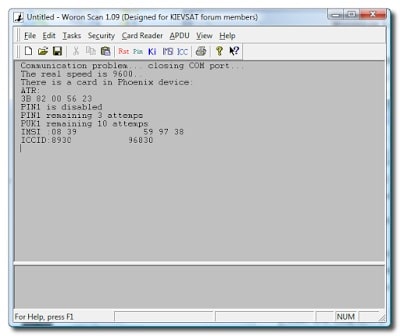
If your concern is losing data rather than reproducing subscriber credentials, focus on transfer and backup instead of a SIM duplicator workflow. This is especially useful when changing phones, upgrading devices, or recovering from SIM damage.
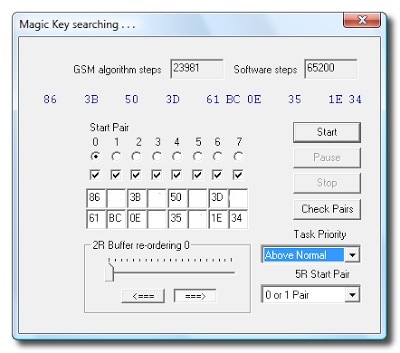
Another common misunderstanding is that a copied SIM automatically duplicates everything on a phone. That is not the case. A SIM card does not contain the full contents of your apps, photos, phone storage, or cloud account. For a complete move to a new device, you may need a transfer tool plus a valid carrier activation method.
- SIM data and phone data are not the same thing.
- Contacts stored on the phone or cloud are separate from the SIM.
- Messages, apps, and media usually require a transfer or backup solution.
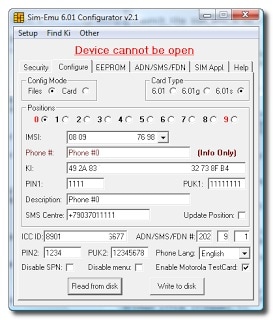
In short, programmable cards are often discussed because people search for a way to clone sim card, but for everyday users they are rarely the best answer. Carrier-approved activation is more stable, more secure, and more likely to keep your number working correctly.
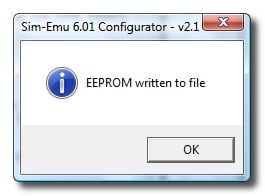
If you are comparing options, prioritize reliability and account safety over unofficial duplication claims. A valid activation path, such as a replacement SIM or eSIM migration, helps prevent service issues and reduces the risk of account misuse.
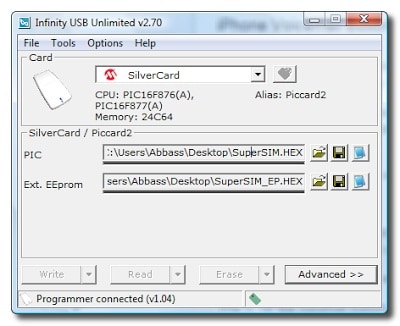
That is why most modern guidance recommends avoiding unauthorized duplication attempts unless you are working through a legal, carrier-approved, or forensic process with proper authorization.
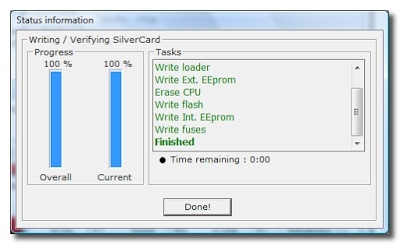
Part 3: Can you clone a SIM card with IMSI and Ki data?
When people ask whether they can clone a SIM card using IMSI and Ki data, they are referring to subscriber identity and authentication information associated with a mobile line. The IMSI identifies the subscriber on the mobile network, while the Ki is a sensitive authentication key used to validate network access. These terms are central to many searches about sim cloning, but they are also the reason the topic is security-sensitive.
Here is the important point: understanding these terms is not the same as having a legitimate, supported way to duplicate a live carrier line. Modern SIM security, carrier-side validation, and legal restrictions all make unauthorized duplication risky and unreliable. For most users, this is not a practical path to keeping the same number on another device.
- IMSI identifies the subscriber profile on the network.
- Ki is used for authentication and is highly sensitive.
- Carrier authorization matters more than old online cloning claims.
- Safe migration options are usually better for normal device switching.
If your real goal is one of the following, you do not usually need SIM cloning:
- Move your number to a new phone
- Keep service after losing or damaging a SIM
- Transfer contacts, SMS, or media to another device
- Set up a second device the legitimate way
Instead, consider the following safer routes:
- Ask your carrier to reissue the line on a replacement SIM.
- Use an eSIM transfer workflow supported by your network.
- Back up contacts and messages before changing devices.
- Use a dedicated phone transfer tool to migrate personal data.
Conclusion
SIM cloning is usually understood as copying subscriber identity data so another SIM can appear to represent the same account, but that does not make it the best solution for everyday users. Searches such as sim clone, sim cloning jio, how to clone a number, or sim card duplicator often reflect a need for backup access, line continuity, or easier device switching rather than a true need for SIM duplication.
In most real-world situations, the safer choice is to use a carrier-approved replacement SIM, eSIM transfer, or a phone migration tool that moves your contacts, messages, media, and settings without interfering with network authentication. If your device is locked to a carrier, unlock the phone first through a legitimate method, then complete your transfer the secure way. This approach is more stable, more compliant, and far easier to manage than unofficial SIM cloning attempts.
safe & secureFAQs
 Q1. Is it legal to clone a SIM card?Q2. Can you clone a number instead of cloning the whole SIM card?Q3. Does a SIM card duplicator work on modern SIM cards?Q4. What should Jio or other carrier users do instead of SIM cloning?
Dr.Fone Basic:
Better Control for Your Phone
Manage, transfer, back up, restore, and mirror your device


iOS Transfer Solutions
- iPhone Transfer
- Top iPhone File Explorers
- Top iPhone Transfer Tools
- Transfer iPhone to Android
- Get Music Off iPhone
- Put Ringtones on iPhone
- Export Contacts from iPhone
- Transfer Messages to iPhone
- Transfer iPhone to Windows
- Transfer files from iPhone to PC
- Download Text Messages to PC
- Transfer iPhone Videos to Hard Drive
- Move Photos from Google Photos
- iPad Transfer
- Download Songs on iPod
- Top Photo Transfer Apps
- Transfer Music from iPad to iTunes
- Transfer Apps from iPad to iPad
- Transfer MP4 to iPad
- Transfer MP3 to iPad
- Transfer Photos to Flash Drive
- Use iPad as An Hard Drive
- iPod Transfer
- Transfer Music from iPhone to iPod
- iPod Won't Sync with iTunes
- Get Free Music for iPod
- Transfer MP3 to iPod
- Put music on iPod shuffle
- Add Videos to iPod Nano
- Add Music to iPod Classic
- Delete Songs from iPod Classic
- Extract Music from iPod
- Transfer iPod Music to MP3 Player
- Transfer iPod Music to iTunes
- Transfer iPod Music to USB Flash Drive
- Transfer iPod Music to Hard Drive
- SIM Transfer



James Davis
staff Editor