Teleport your device anywhere instantly with one click.

 100% Security Verified | No Subscription Required | No Malware

 :
: 
 ChatGPT
 Perplexity
 Gemini
 Claude
 Grok
Grok
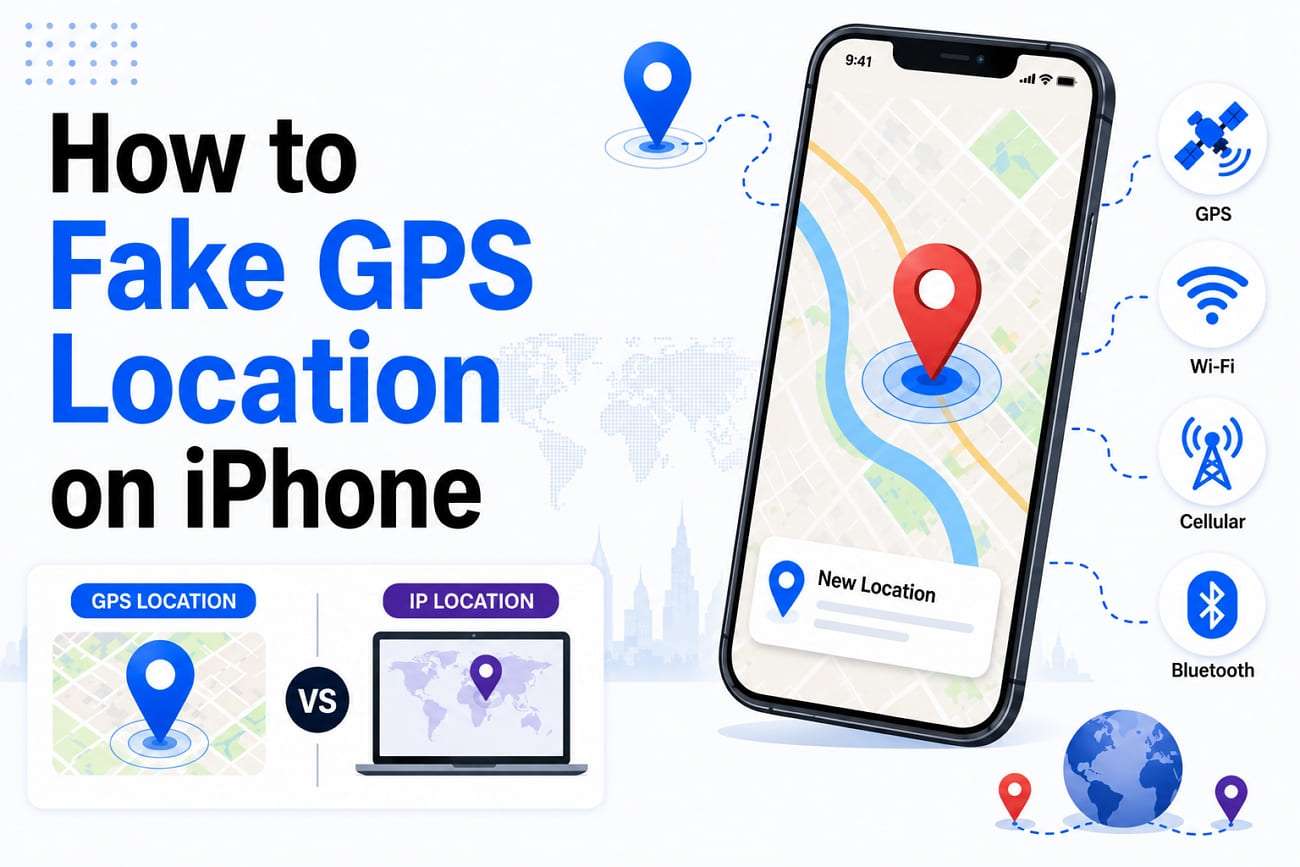
Apple determines an iPhone's location through Location Services, which combines GPS, Wi-Fi, cellular, and Bluetooth signals. A VPN can change your public IP address and approximate online region, but it does not alter the GPS coordinates reported to location-based apps. So, learning how to fake GPS location iPhone apps use requires changing or simulating the device's reported coordinates rather than only masking its IP address.
This guide compares 4 practical ways to spoof an iPhone location, including Dr.Fone - Virtual Location, VPNs, Xcode, and jailbreak tweaks. You'll see what each method changes, what setup it requires, its main limitations, and the risks to consider before choosing one.
In this article
Part 1. What Should You Know Before Faking GPS Location on iPhone?
Before you spoof iPhone location, understand how each method works and the risks involved. GPS spoofing can affect navigation, create GPS and IP mismatches, and disrupt location-sharing apps. Jailbreak-based methods may also weaken iOS security, cause instability, or interfere with future updates.
| Risk | When It Can Happen | Possible Consequence |
|---|---|---|
| Game Detection | A location-based game detects prohibited GPS spoofing | Gameplay restrictions or account penalties |
| Account Penalties | Spoofing violates a game's or service's rules | Warning, suspension, or account termination |
| GPS/IP Mismatch | GPS coordinates and IP-based location show different regions | A service may detect inconsistent location signals |
| Navigation Errors | Maps or navigation apps receive simulated coordinates | Incorrect routes, positioning, or location-based information |
| Location-Sharing Errors | A sharing app receives an altered device location | Contacts may see inaccurate or misleading location information |
| Jailbreak Risks | Built-in iOS security protections are bypassed | Security vulnerabilities, instability, data loss, or update issues |
GPS Location vs IP Location on iPhone
Your goal determines the right method because GPS and IP locations work differently. For fake location on iOS 17 or later, GPS spoofing is usually the main option.
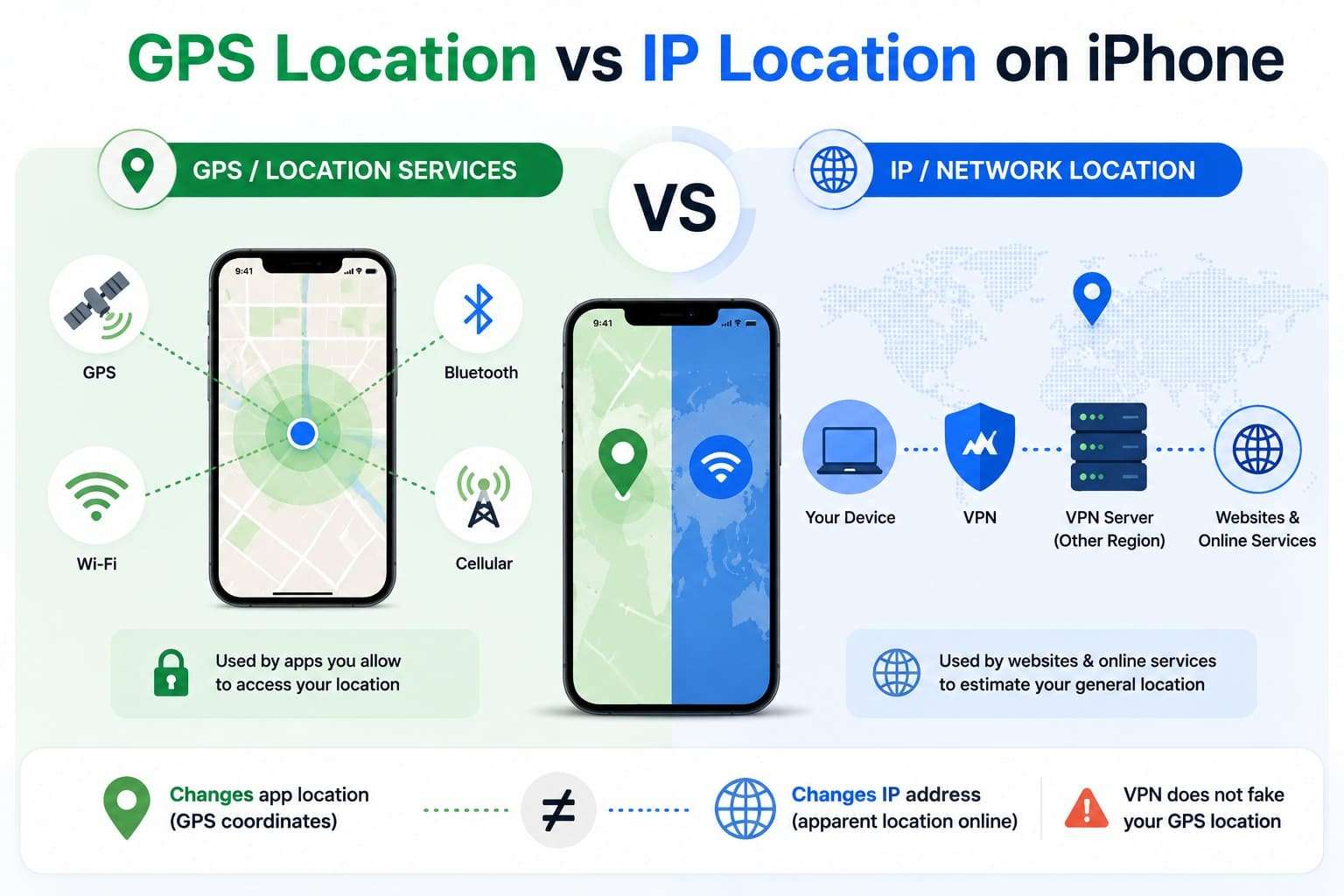
- GPS Location: Apple explains that iPhone Location Services combines GPS, Wi-Fi, Bluetooth, and cellular networks to determine your approximate or precise position. Apps such as Maps can use this data when location permission is enabled.
- IP Location: Your public IP address can reveal an approximate geographic region to websites and online services. A VPN changes the visible IP address by routing traffic through another server, but it does not alter the coordinates provided by iPhone Location Services.
- Main Difference: GPS location represents where the iPhone reports the device is physically located, while IP location reflects where the internet connection appears to originate. Changing your IP with a VPN does not automatically change your iPhone's GPS location.
Part 2. 4 Ways to Fake GPS Location on iPhone
Review the methods below to learn how to change iPhone location without jailbreak or by using a jailbreak-based option. The comparison table highlights what each method changes, its setup requirements, and the use case it suits best.
| Method | Changes GPS? | Jailbreak Required? | Computer Required? | Best For |
|---|---|---|---|---|
| Dr.Fone - Virtual Location | Yes | No | Yes, Windows or Mac | Fixed GPS changes and route simulation |
| NordVPN | No, changes IP only | No | No | IP-based geo-restricted websites and services |
| Xcode on Mac | Yes | No | Yes, Mac only | Developers testing location-based apps |
| Jailbreak Tweak via Zebra Package Manager | Yes | Yes | Varies | Compatible jailbroken iPhones and older iOS versions |
Solution 1. Use Dr.Fone - Virtual Location: Most Versatile Option
Best For: Changing an iPhone's GPS location without jailbreak, whether you need a fixed position or realistic movement along a simulated route.
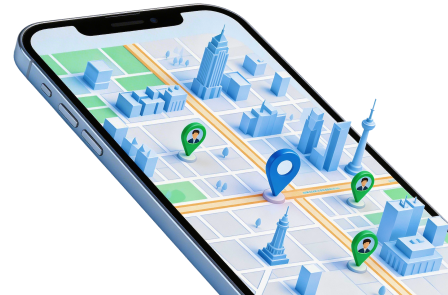
Dr.Fone - Virtual Location changes the GPS coordinates reported by your iPhone, allowing location-based apps to read the simulated position instead of your actual one. You can use One-Stop, Multi-Stop, or Jump Teleport modes to create routes and simulate movement automatically. The on-screen joystick and keyboard controls also let you adjust direction manually in real time.
Users can simulate realistic walking, cycling, or driving speeds from 3.6 km/h to 108 km/h. The tool works without rooting or jailbreaking the iPhone and supports GPX file import and export for saving, viewing, and replaying routes. It also keeps a history of visited locations and lets you save favorite places or routes for quicker access later.
 Set your map route to simulate GPS movement.
- Set your wanted movement speed.
- HD and large map view to check location.
- Fake GPS location to anywhere.
How to Fake GPS on iPhone With Dr.Fone
To fake GPS on iPhone with Dr.Fone, follow these steps to set a location or simulate movement easily:
-
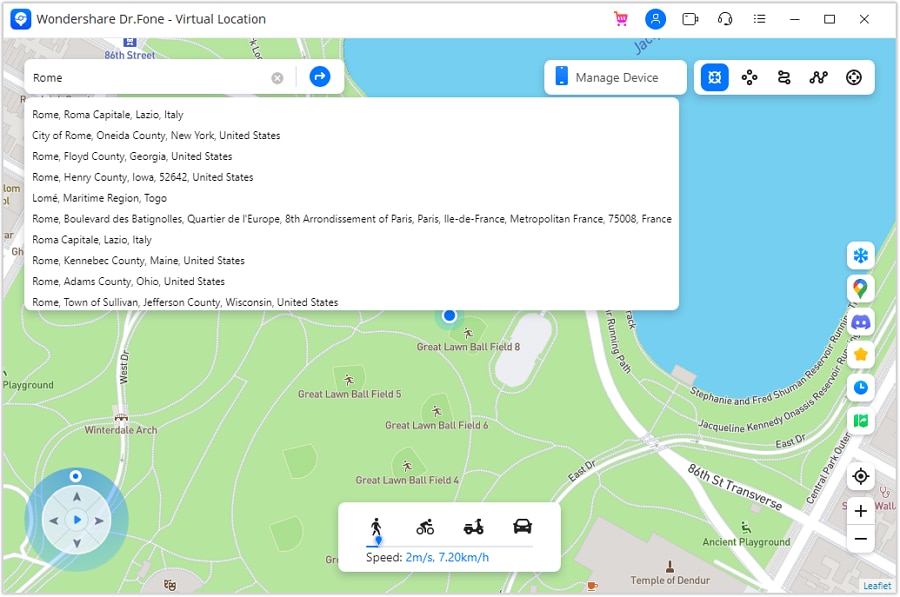
Step 1 Connect Your iPhone and Select Teleport Mode
Connect your iPhone, open "Virtual Location," choose "Teleport Mode," and enter the desired location or coordinates in the search bar.
-
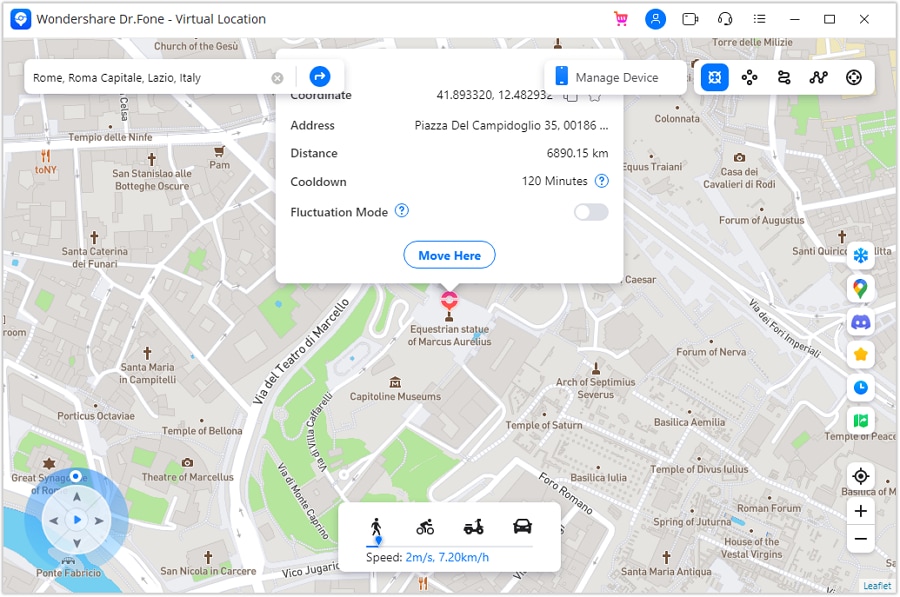
Step 2 Choose Your Position or Route
Select your desired location on the map, confirm the position, and click "Move Here" to apply the simulated GPS location.

Limitations
- Requires a computer connection for setup and location changes.
- Advanced route simulation and location-history features require a paid plan.




Solution 2. Change IP-Based Location with NordVPN
Best For: Websites and streaming services that determine your region mainly from your public IP address rather than GPS coordinates.
NordVPN changes your public IP address by routing internet traffic through a VPN server in another region. This can make IP-based services see the server's location instead of your actual network location. However, a VPN does not fake GPS on iPhone because it cannot alter the coordinates reported by iPhone Location Services.
Websites and browsers with permission to access device-level location may still detect your actual location independently of the VPN. To change your visible IP-based location, install the NordVPN iOS app, sign in, select a server location, and connect.
-
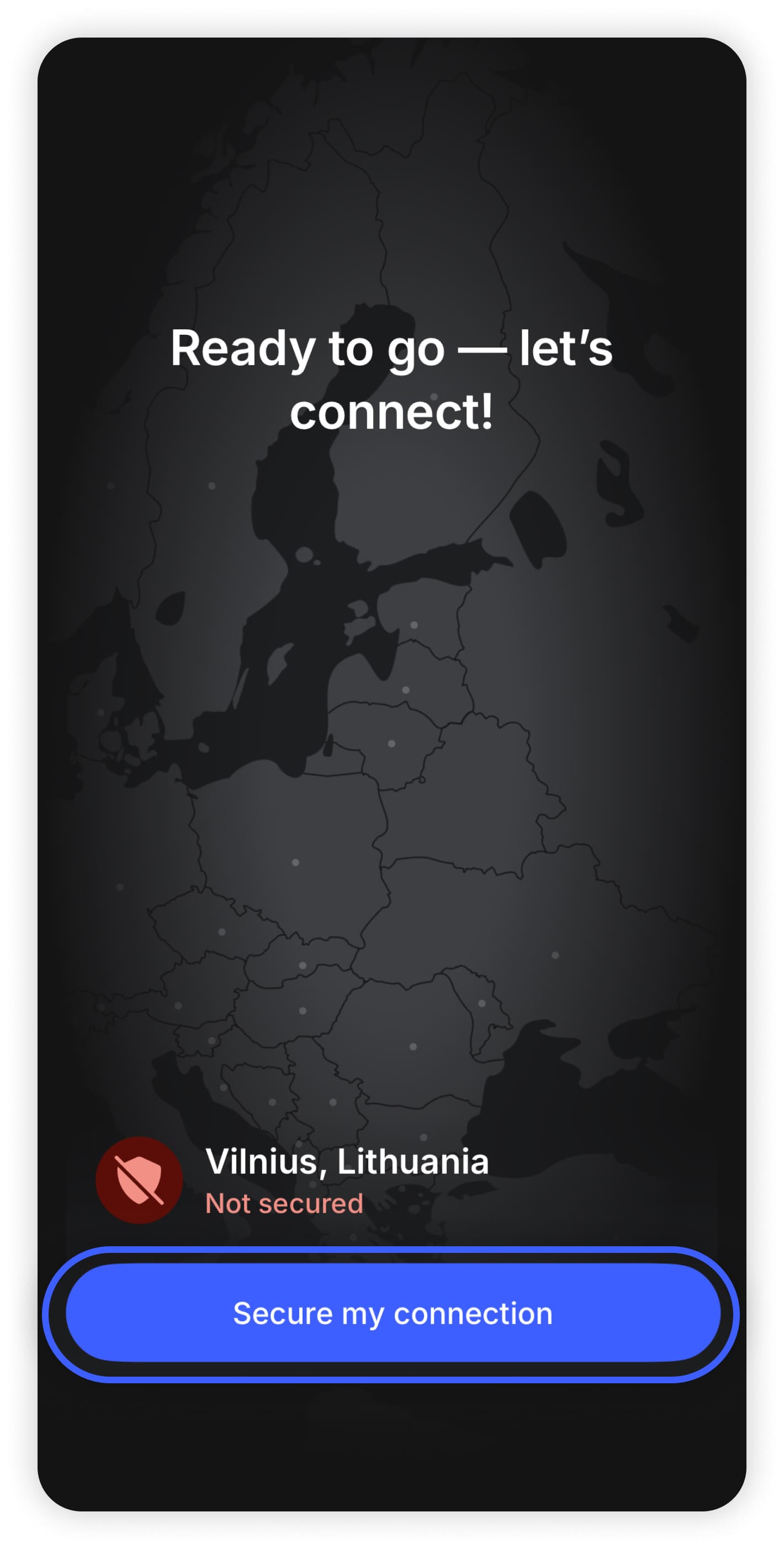
Step 1 Open the NordVPN app, sign in, and choose your preferred location
Tap "Secure My Connection" to connect automatically or open "All Locations" to select a specific country or city.
-
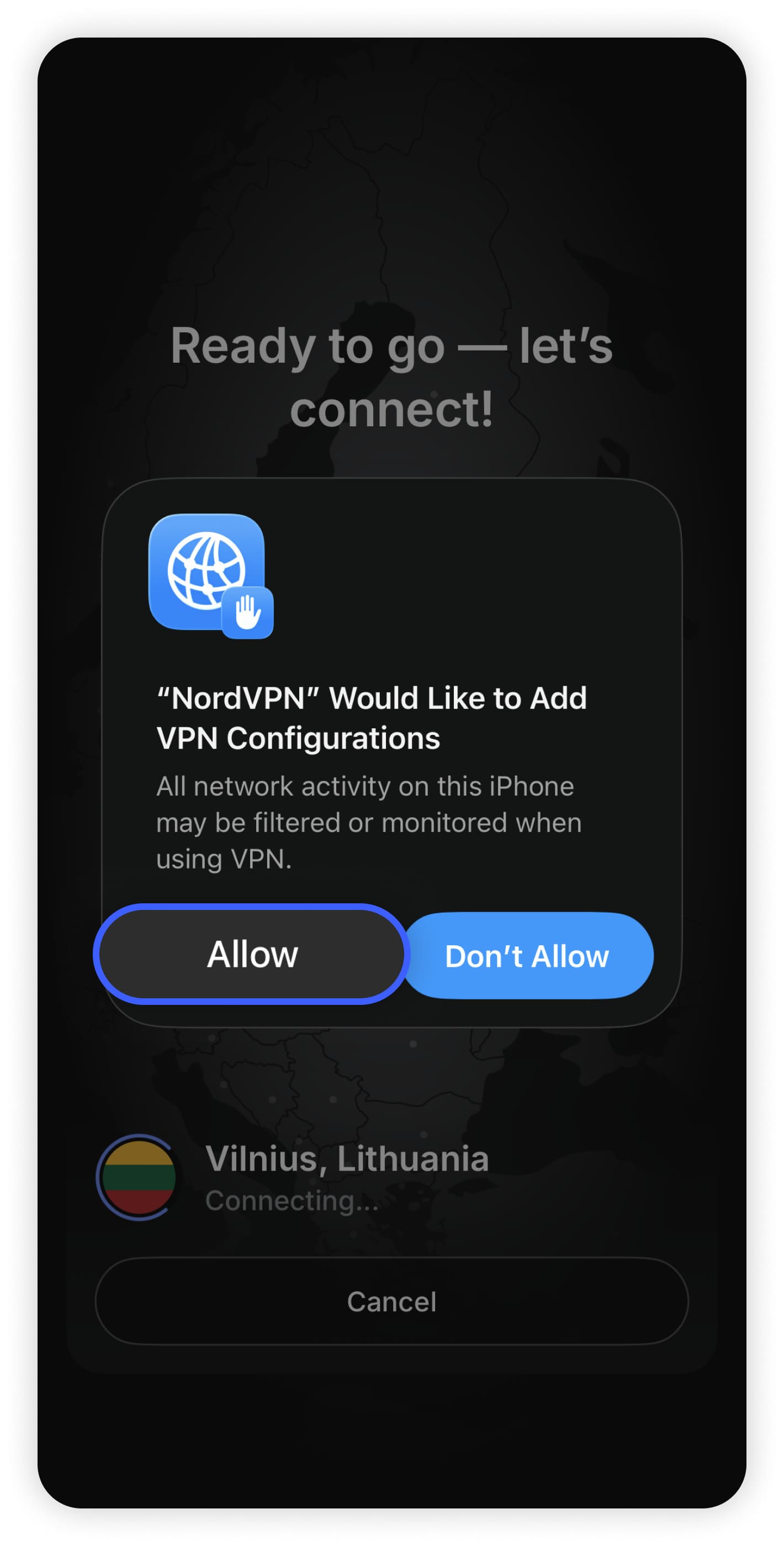
Step 2 Confirm the VPN configuration
On the first connection, tap "Allow" when iOS asks to add VPN configurations, then confirm with your passcode, Touch ID, or Face ID. The connection is active when the map pin turns green and "Secured" appears.
Limitations
- Internet speeds may decrease because of encryption and longer server routes.
- Full access requires a paid monthly or annual subscription plan.
- Connection drops may briefly expose your real IP address if protection is not active.
Solution 3. Simulate an iPhone Location with Xcode on Mac
Best For: Developers testing location features who already have a Mac and an Apple developer account.
Xcode includes an iPhone location simulator in Apple's developer tools, built for testing apps rather than everyday use. You can use preset locations, simulated journeys such as Freeway Drive, and GPX files for custom routes.
This makes it useful for checking how an app behaves across different locations without physically moving the device. You'll need a Mac, a developer account, and Developer Mode enabled under Settings > Privacy & Security. Once these conditions are met, follow this guide to simulate location:
-
Step 1 Install Xcode and pair your iPhone
Install Xcode from the Mac App Store, sign in with your Apple Account, connect your iPhone to the Mac, and complete device pairing. Enable Developer Mode if prompted.
-
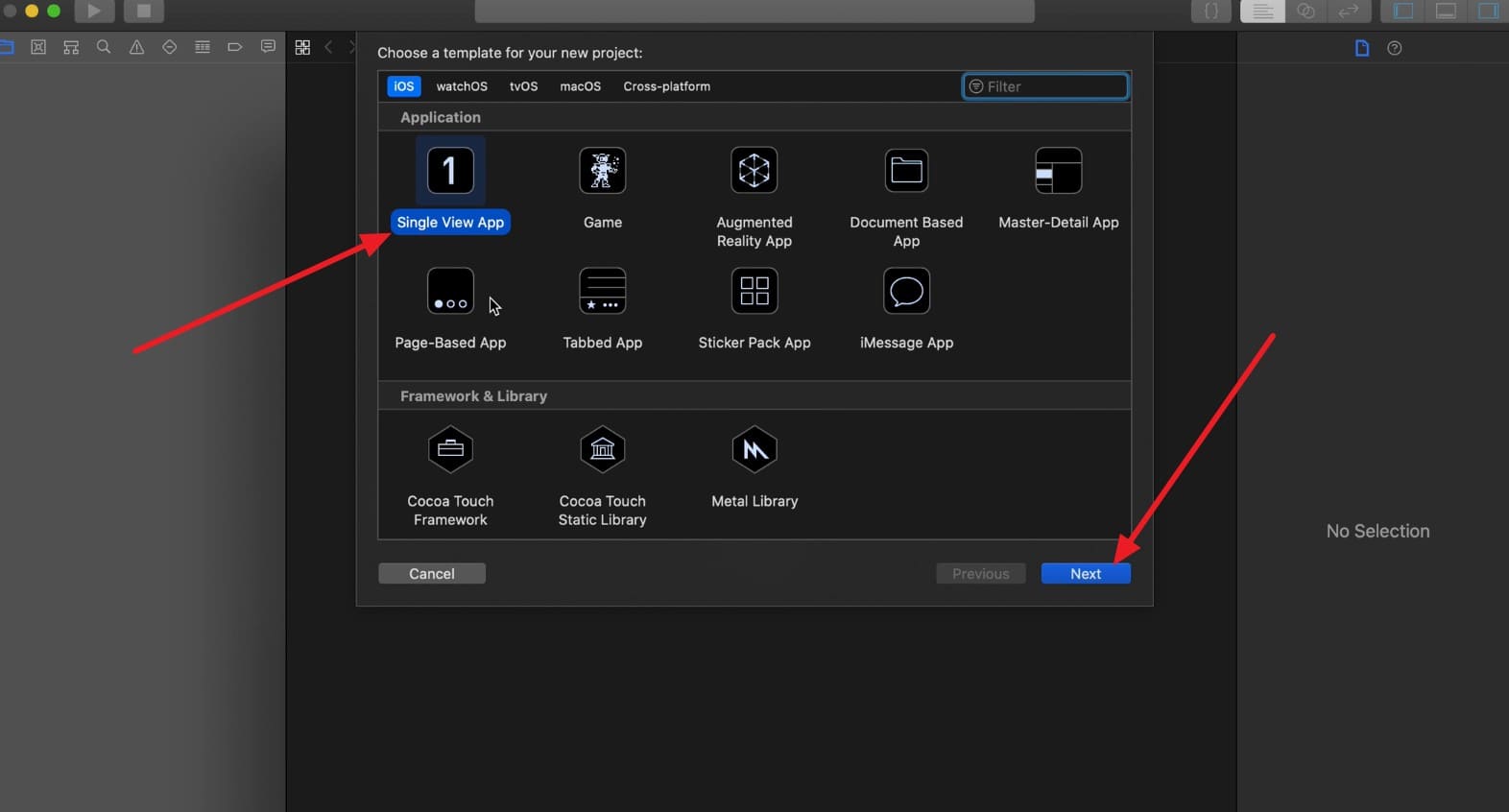
Step 2 Create a new Xcode project
Open Xcode, choose "Create a New Xcode Project," select an appropriate iOS app template like Single View App, and click "Next."
-
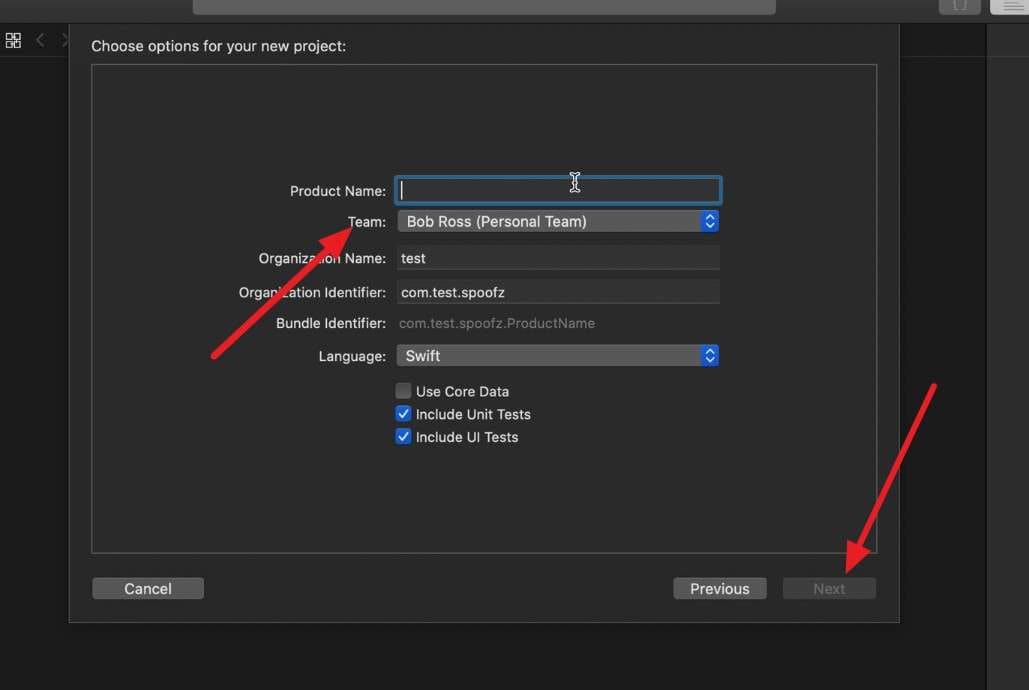
Step 3 Configure the project
Enter a project name, select your Apple Account under "Team," configure the bundle identifier, and click "Next" to continue.
-
Step 4 Save the project
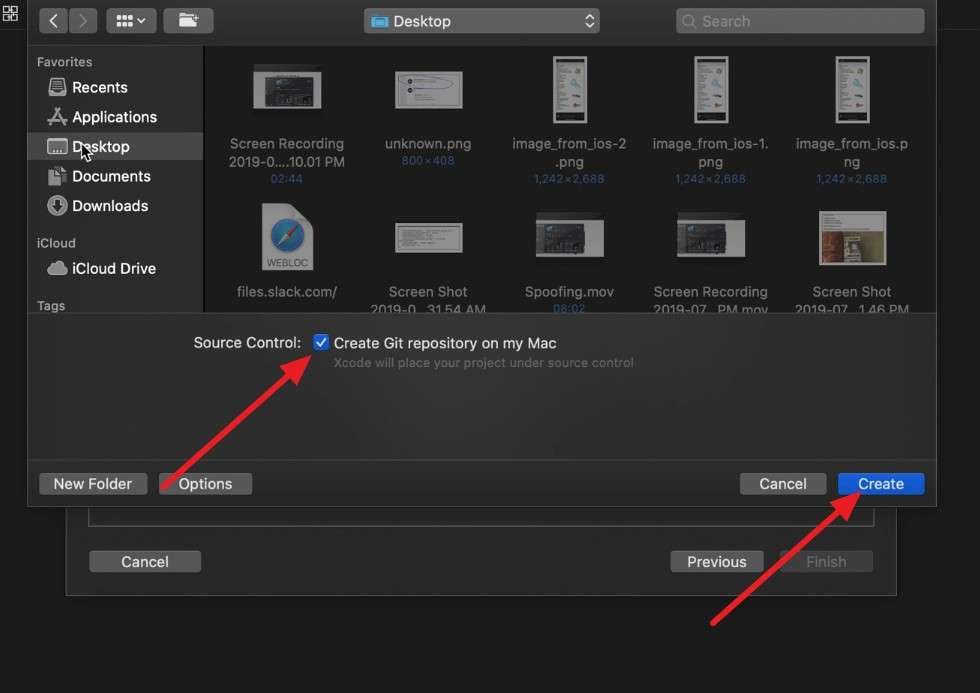
Choose a location on your Mac to save the project, configure source-control options as needed, and click "Create."
-
Step 5 Add a GPX file
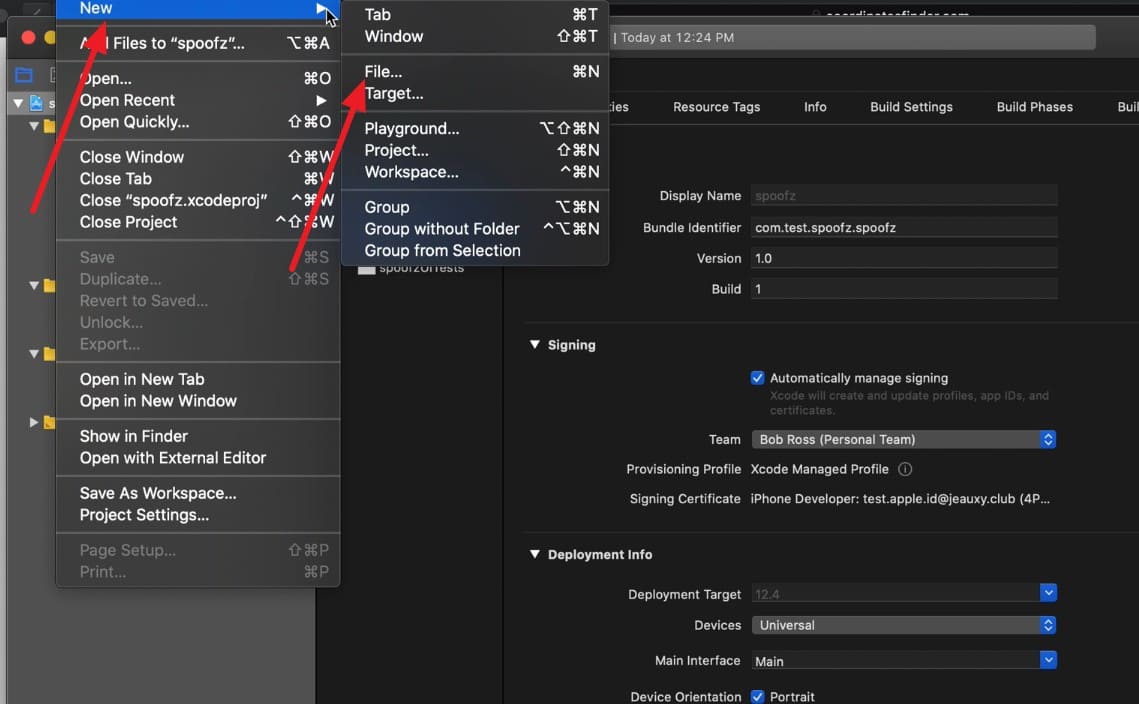
Go to "File > New > File," select "GPX File," and click "Next." Enter a name based on your target location, then save the file in the project.
-
Step 6 Enter the target coordinates
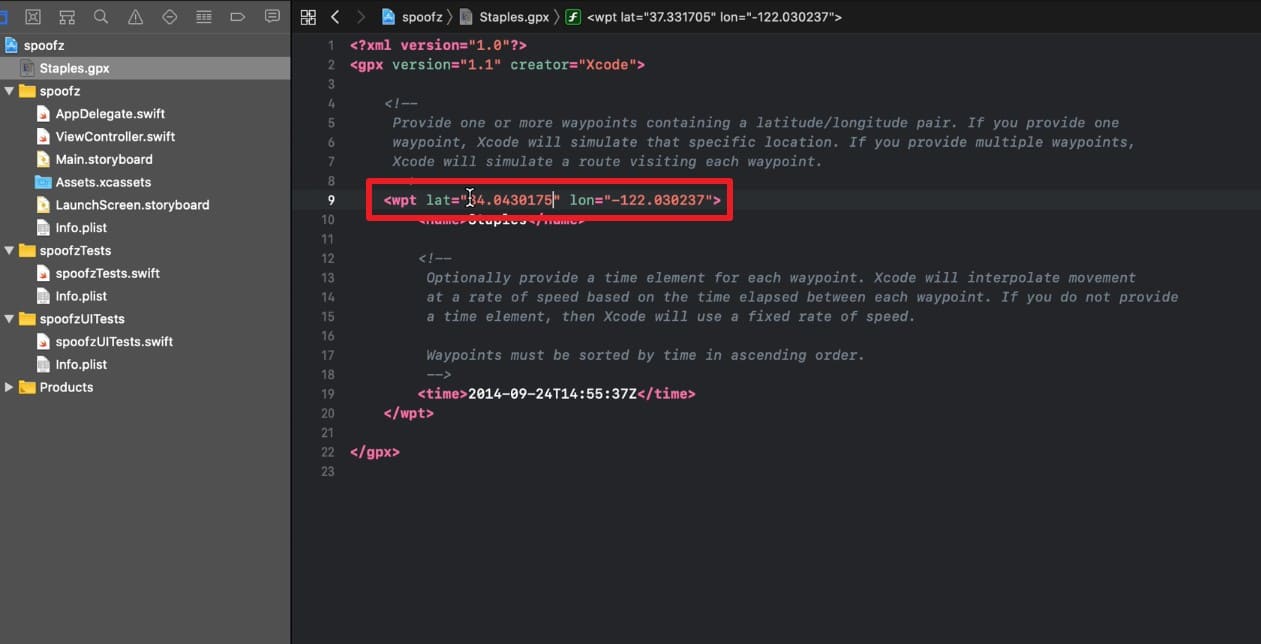
Open the GPX file and enter the desired latitude and longitude coordinates to spoof the iOS location during testing.
-
Step 7 Run the project
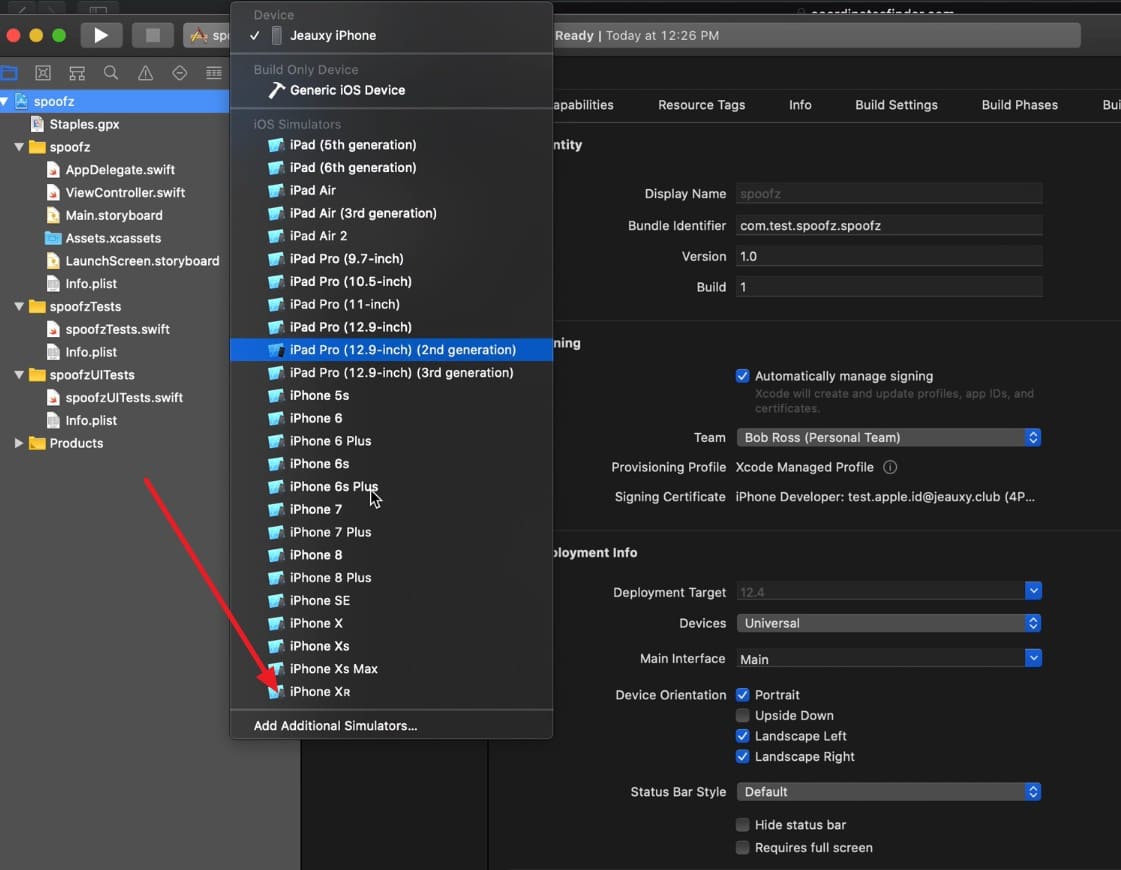
Select the paired iPhone as the run destination and click the "Run" button. Xcode builds the app, launches it on the device, and starts a debugging session.
-
Step 8 Activate the simulated location
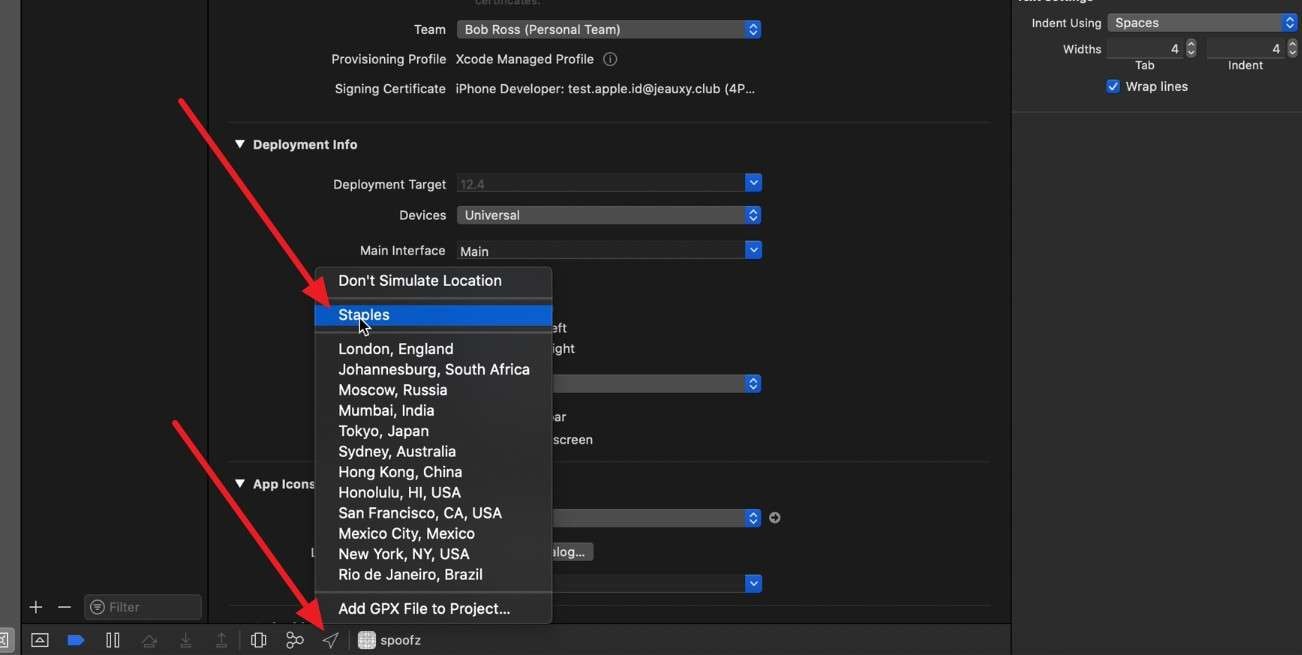
Click the "Location Arrow" icon in the Xcode debug area, select your custom GPX file from the list, and confirm that the simulated location becomes active on the connected iPhone.
Limitations
- Requires enabling Developer Mode, which is intended primarily for app development and testing.
- A Mac running Xcode is required to set up and control the simulated location.
- Custom routes require creating or importing GPX files, which adds extra setup.
Solution 4. Use a Jailbreak Location-Spoofing Tweak
Best For: Jailbroken iPhones running an iOS version supported by a compatible location-spoofing tweak.
Jailbreak tweaks such as Location Faker have historically been used to alter system location data on older iOS versions, including iOS 13 and 14. However, compatibility depends on the specific jailbreak, iOS version, and tweak being used. This method is generally less suitable for most users because jailbreaking removes some built-in iOS security protections.
According to Apple, unauthorized iOS modifications can lead to security vulnerabilities, instability, data loss, battery issues, inaccurate services, and problems installing future software updates. Apple also notes that service may be denied for devices with unauthorized modifications.
If you understand these risks and still want to proceed, follow the steps below to learn how to spoof iPhone location on a compatible jailbroken device.
-
Step 1 Open Zebra Package Manager
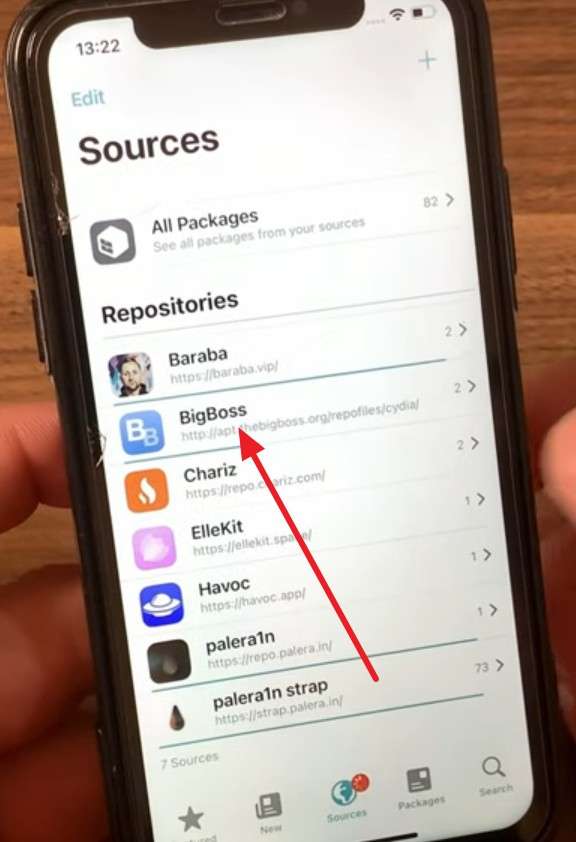
Open the Zebra Package Manager app on your jailbroken device. Go to the "Sources" tab, ensure the "BigBoss" repo is added, and refresh your sources if necessary.
-
Step 2 Install the location spoofing tweak
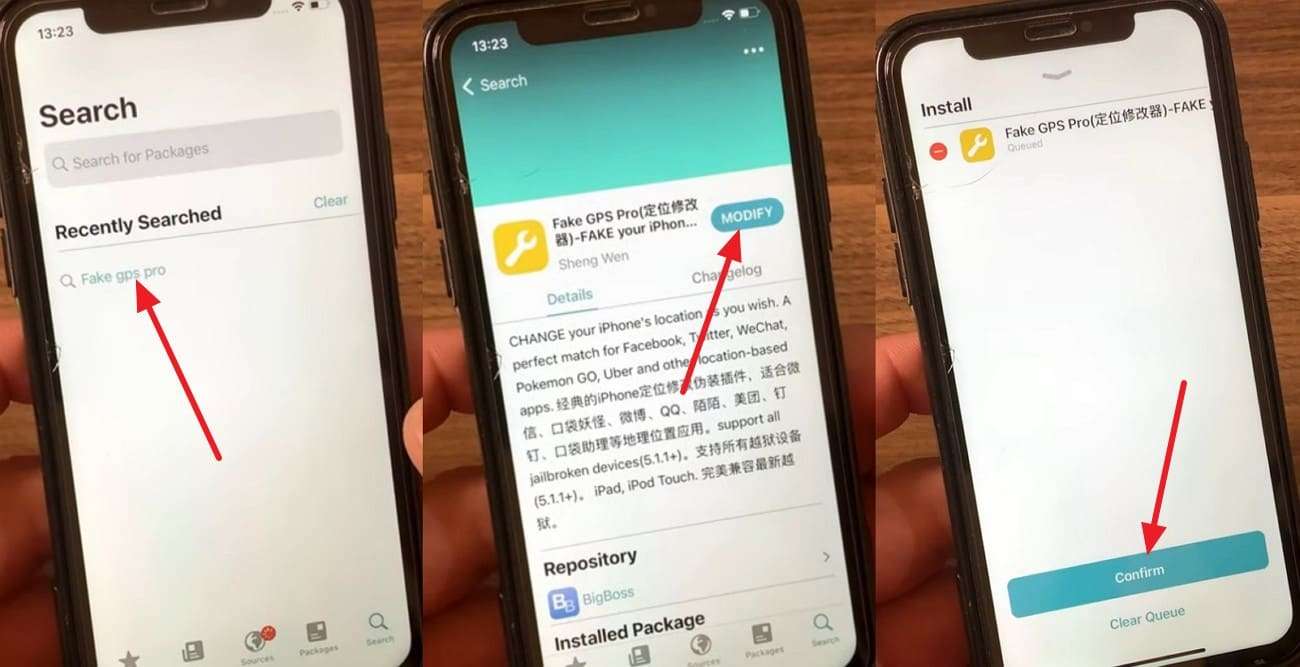
Use the search bar to look up "Fake GPS Pro," tap the tweak, and select "Modify > Install > Confirm" to begin the installation.
-
Step 3 Apply the fake GPS coordinates
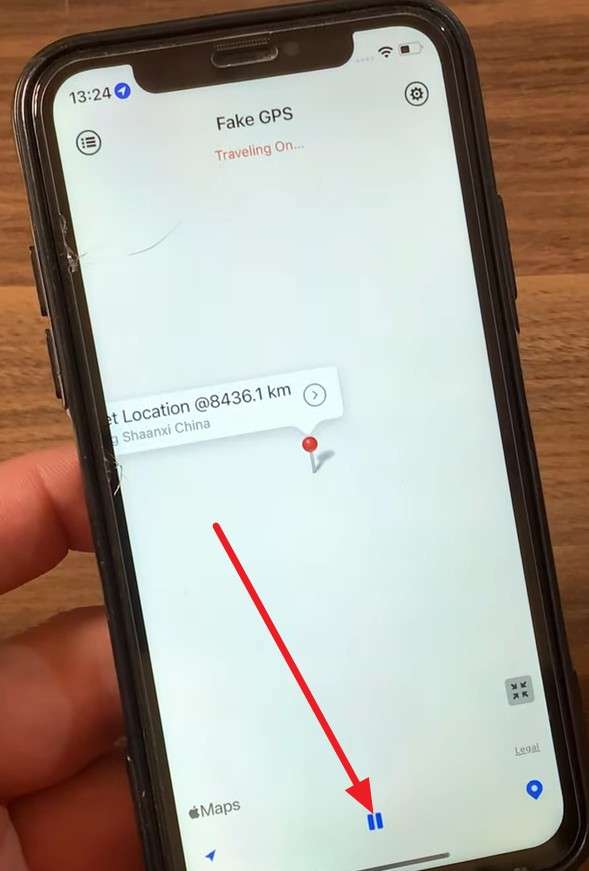
Return to your home screen and open the newly installed Fake GPS Pro application icon. Tap and hold on your desired destination on the map interface. Press the "Play" button at the bottom of the screen to instantly apply the fake GPS coordinates.
Limitations
- Jailbreaking can weaken iOS security protections.
- Compatibility depends on the iOS version, jailbreak method, and supported spoofing tweak.
- Jailbreak tweaks can cause battery drain, instability, or device crashes.
Part 3. Which iPhone Location-Spoofing Method Should You Choose?
This section compares iPhone location simulator methods based on your goal, setup requirements, and technical experience so you can choose the most suitable option.
| Use Case | Recommended Method | Reason |
|---|---|---|
| Privacy and Location Sharing | Dr.Fone - Virtual Location | Simulates device-level coordinates for supported location-based apps |
| Static GPS Location Change | Dr.Fone - Virtual Location | Sets the iPhone to a fixed simulated location quickly |
| Simulated Walking or Driving | Dr.Fone - Virtual Location | Creates movement along a selected route instead of a static point |
| IP-Based Geo-Restricted Sites | VPN | Changes the visible IP region without altering GPS coordinates |
| App Development and Testing | Xcode | Provides Apple's built-in location simulation tools for developers |
| Jailbroken Legacy Device | Jailbreak Location Tweak via Zebra | Works when a compatible tweak supports the jailbroken iOS version |
Conclusion
To master fake GPS location iPhone tasks, match your tool to the correct layer. VPNs only mask network IPs, whereas games and navigation apps require hardware-level positioning. Dr.Fone - Virtual Location solves this seamlessly by offering teleportation and route simulation on unmodified iOS devices. Since platforms like Pokémon GO enforce strict penalties for rule violations, choosing the right method protects your account and ensures reliable results.
Frequently Asked Questions
-
1. Is it legal to fake GPS location on an iPhone?
Faking GPS is not automatically illegal, but its legality depends on your location and how it is used. It may also violate an app's or service's terms, which can lead to warnings, suspension, or account termination. -
2. Will a fake GPS location appear in Find My and other location-sharing apps?
Yes. If device-level GPS spoofing changes the coordinates used by the iPhone as its shared location, Find My and other location-sharing apps display the spoofed position. A VPN only changes the public IP address and does not affect Find My. -
3. Does continuous GPS route simulation use more battery than a static fake location?
Generally, yes. Route simulation updates the iPhone's location continuously, while a static location requires fewer changes. Longer simulated routes can use more battery, so keeping the device connected to power may help. -
4. Does changing iPhone GPS also change the IP address or Apple Account region?
No. Your iPhone's GPS location, public IP address, and Apple Account region work independently. Spoofing GPS coordinates does not change your IP-based location or account region, so each must be adjusted separately when needed.
 Add Wondershare Dr.Fone as a preferred source on Google