Recover photos, messages, WhatsApp, and more — no backup
needed.
Recover photos, messages, WhatsApp, and more — no backup
needed.

 100% Security Verified | No Subscription Required | No Malware

 :
: 
 ChatGPT
 Perplexity
 Gemini
 Claude
 Grok
Grok

I constantly get the 'iCloud Storage Full' message on my iPhone. How do I get more iCloud storage so I can back up my photos without losing important data?
Sarah J., iOS User
Have you ever received the dreaded "iCloud Storage Full" notification and wondered how to increase iCloud storage quickly? You are certainly not alone. Apple provides every user with a basic 5GB of free cloud storage space. However, in today's digital age, that tiny allotment fills up almost instantly with high-resolution images, 4K videos, heavy text messages, and comprehensive device backups. Once your iCloud hits its limit, your Apple devices stop backing up automatically, effectively putting your precious data in danger of permanent loss if your phone is broken or stolen.
This comprehensive guide explains all your available options for managing and expanding your digital space. First, we will discuss free and immediate space-saving methods. These include eliminating outdated backups, clearing out duplicate photographs, and reducing large email attachments. Next, we will dive into how to get more storage for iCloud by upgrading your capacity across various platforms. We offer simple, step-by-step instructions for iPhone, iPad, Mac, Windows, and web browsers. Finally, we will evaluate the latest iCloud+ plans, recommend the best storage tier for your specific needs, and introduce reliable software solutions to safely recover your data.
In this article
- Part 1. Understanding iCloud Storage Limitations
- Part 2. Diagnose Your iCloud Storage Crisis
- Part 3. Free Up Space Without Paying (Immediate Fixes)
- Part 4. How to Get More iCloud Storage: A Step-by-Step Guide
- Bonus Tips: Recover Data From iCloud With Dr.Fone
- Part 5. Optimize Backups After iCloud Storage Upgrade
- Part 6. Proactive Storage Maintenance
- Conclusion
Part 1. Understanding iCloud Storage Limitations
Before jumping into how to get more iCloud storage, let us first define what iCloud actually does and why cloud storage is so vitally important for Apple users. iCloud is Apple's proprietary cloud service that seamlessly keeps your vital data synced and securely stored online. It acts as a digital safety net, securing images, videos, application data, personal contacts, and daily device backups so you can access them on any Apple device you own.
While every user receives 5GB of free iCloud storage upon creating an Apple ID, it runs out exceptionally fast. Why does this happen? iCloud is designed to aggressively save almost everything by default: high-res iCloud Photos, comprehensive device backups, Messages (including heavy attachments), and third-party app data. With multiple devices hooked up to the same Apple ID, that initial 5GB disappears in the blink of an eye.
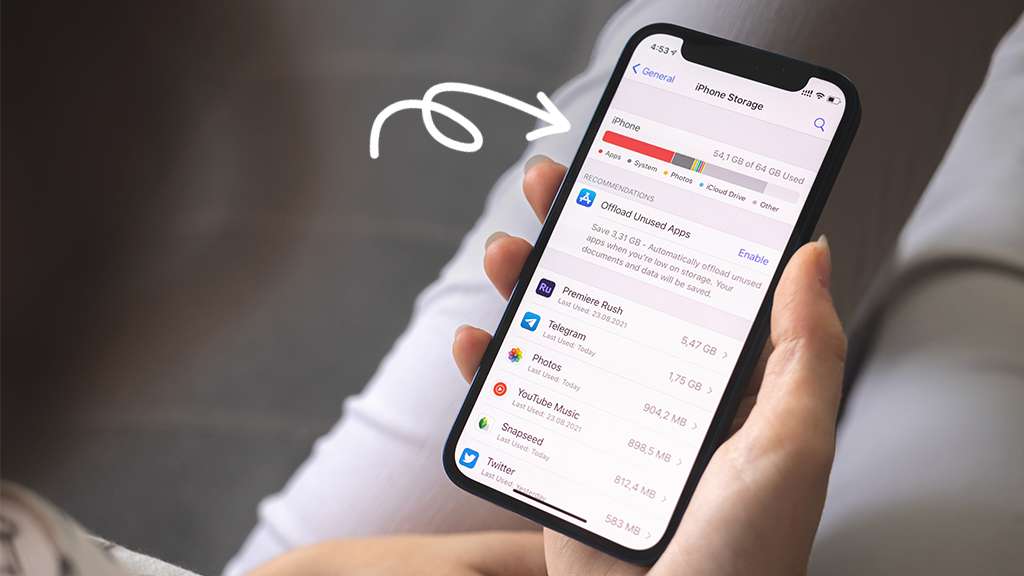
This rapid depletion is exactly why many people search the web asking, "how do i increase icloud Storage without breaking the bank?" Securing more capacity allows your iPhone to back up automatically and regularly, protecting your data in the background. Syncing your photo library across an iPhone, iPad, and Mac via iCloud Photos demands a significant amount of space. So, how can you increase iCloud storage effectively? You either need to upgrade your monthly subscription or manage your existing space with extreme care.
Part 2. Diagnose Your iCloud Storage Crisis
Before blindly purchasing extra iCloud storage or deleting precious files, you must investigate precisely what is consuming your space. A proper diagnosis helps you make informed decisions.
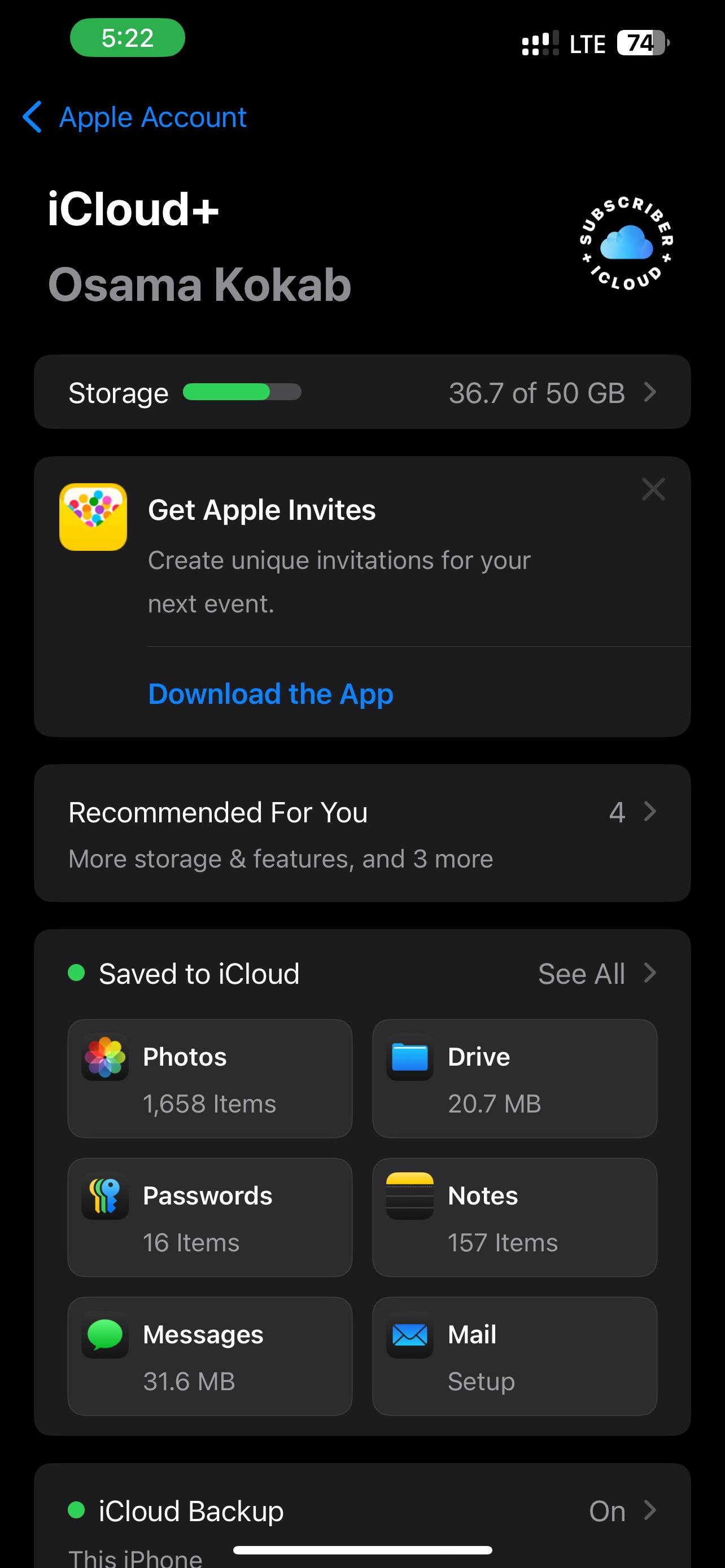
1. Check Current Usage
On iPhone or iPad:
- Open your device and tap on "Settings".
- Tap on your name [Your Name] at the very top of the screen.
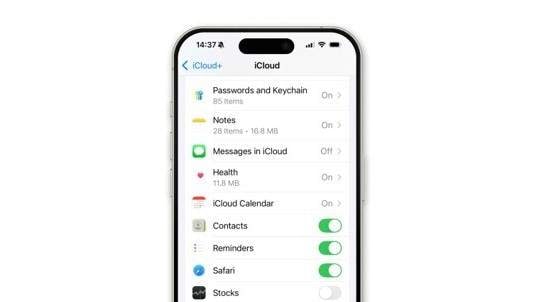
- Select "iCloud" and tap on "Manage Account Storage" to see a detailed breakdown.
On Mac:
- Click the Apple menu and navigate to "System Settings" (or System Preferences).
- Click on your "Apple ID" profile name.
- Select "iCloud" and click on the "Manage" button to view the storage bar graph.
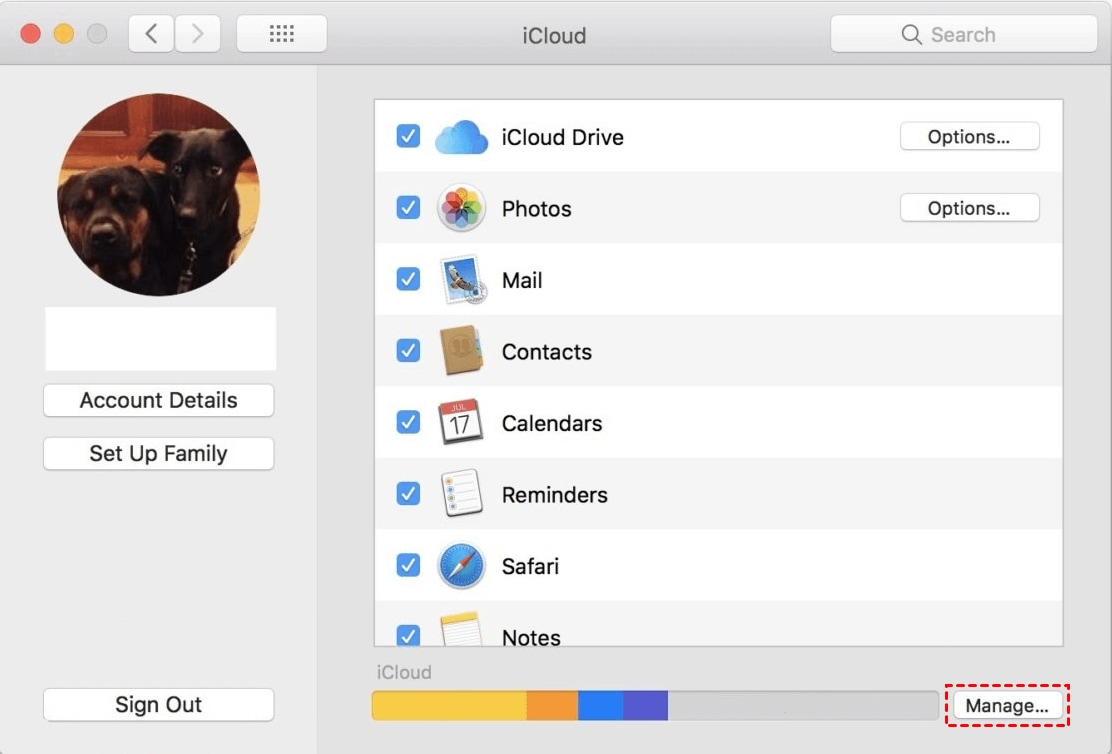
This visual breakdown will reveal exactly how much storage remains and which specific apps or files are consuming the most space.
2. Identify Space Hogs
Typically, iCloud Photos, outdated device backups, and huge attachment-filled Messages are the most common factors draining your quota. Furthermore, large files sitting idle in iCloud Drive and Apple Mail attachments quietly consume gigabytes of storage over time. If you constantly see "Not Enough Storage", suffer from unsuccessful nightly backups, or notice iCloud Photos not synchronizing to your Mac, your storage is undoubtedly full. Attempting to save new files may also result in the "Cannot upload to iCloud" error.
Part 3. Free Up Space Without Paying (Immediate Fixes)
If you have zero megabytes left, you might immediately wonder how do you get more icloud storage. Begin with these simple and effective ways to clear up space before committing to a monthly purchase. By pruning your data, you can significantly delay the need to upgrade.
1. Reduce Your Photo and Video Load
Photos and videos represent iCloud's largest burden by far. If you utilize iCloud Photos, every single picture and video you capture is backed up to the cloud in full resolution. This means merely a few hundred high-quality photographs or a handful of 4K videos can easily fill your entire 5GB free space.
Using a dedicated cleaning app is ideal for removing unwanted digital clutter. Duplicates, blurry shots, and random screenshots are instantly detected and deleted, effectively reducing your overall iCloud backup size.
- Smart Clean: Auto-detect large videos, duplicate/similar photos, and expired contacts.
- Compress: Reduce photo/video size drastically without noticeable quality loss.
- Swipe Clean: Quickly review and batch delete unwanted files via intuitive gestures.


Perform this extensive photo cleaning routine at least once a month. Clearing the clutter before backing up saves crucial space on both your local iPhone hardware and your iCloud account.
2. Remove Unnecessary Device Backups
Additionally, legacy device backups might be the hidden culprits causing iCloud to hit its limit. Many iPhone users completely overlook the importance of erasing old backups when upgrading to a newer device. These obsolete backups sit in the cloud forever, consuming a massive amount of storage. Here is how to get more iCloud storage simply by purging them:
-
Step 1 Access iCloud Settings
Go to your iPhone "Settings > [Your Name] > iCloud > Manage Account Storage > Backups."
-
Step 2 Identify Old Devices
Review the list of devices actively backing up to your iCloud. Tap on the old device you no longer use.
-
Step 3 Delete the Old Backup
Scroll down and select "Turn Off and Delete from iCloud" (or "Delete Backup"). Confirm the prompt.
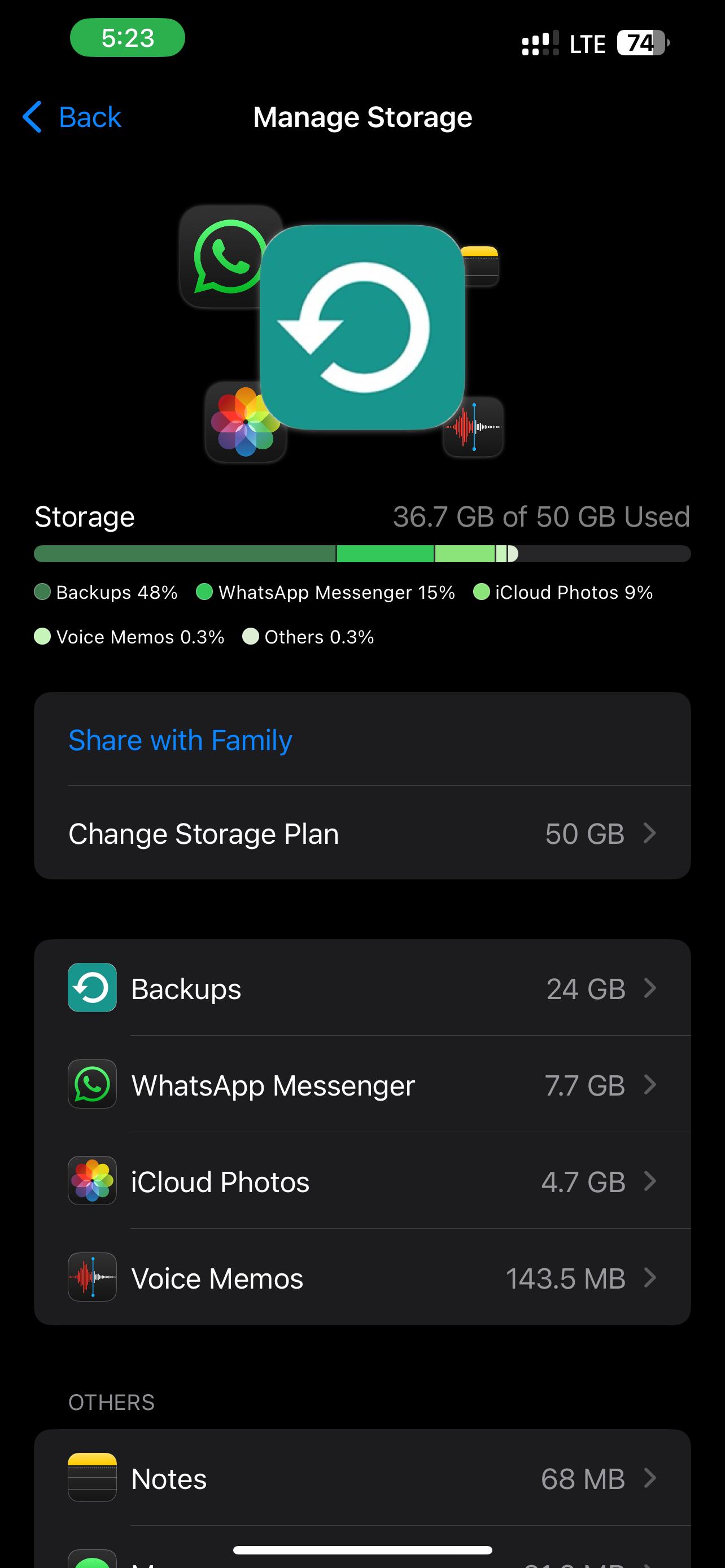
This action rapidly frees up multiple gigabytes of space without harming the data on your current phone. Before searching online for how to upgrade icloud, verify that these previous backups are cleared out.

Part 4. How to Get More iCloud Storage: A Step-by-Step Guide
If you have aggressively cleared up space and still face the "iCloud Storage Full" display, it is time to bite the bullet and upgrade. Many ask: how do i get more icloud storage securely? Apple makes their iCloud+ plan upgrades incredibly straightforward across any ecosystem. Here is the step-by-step breakdown:
1. How to Upgrade on iPhone or iPad
-
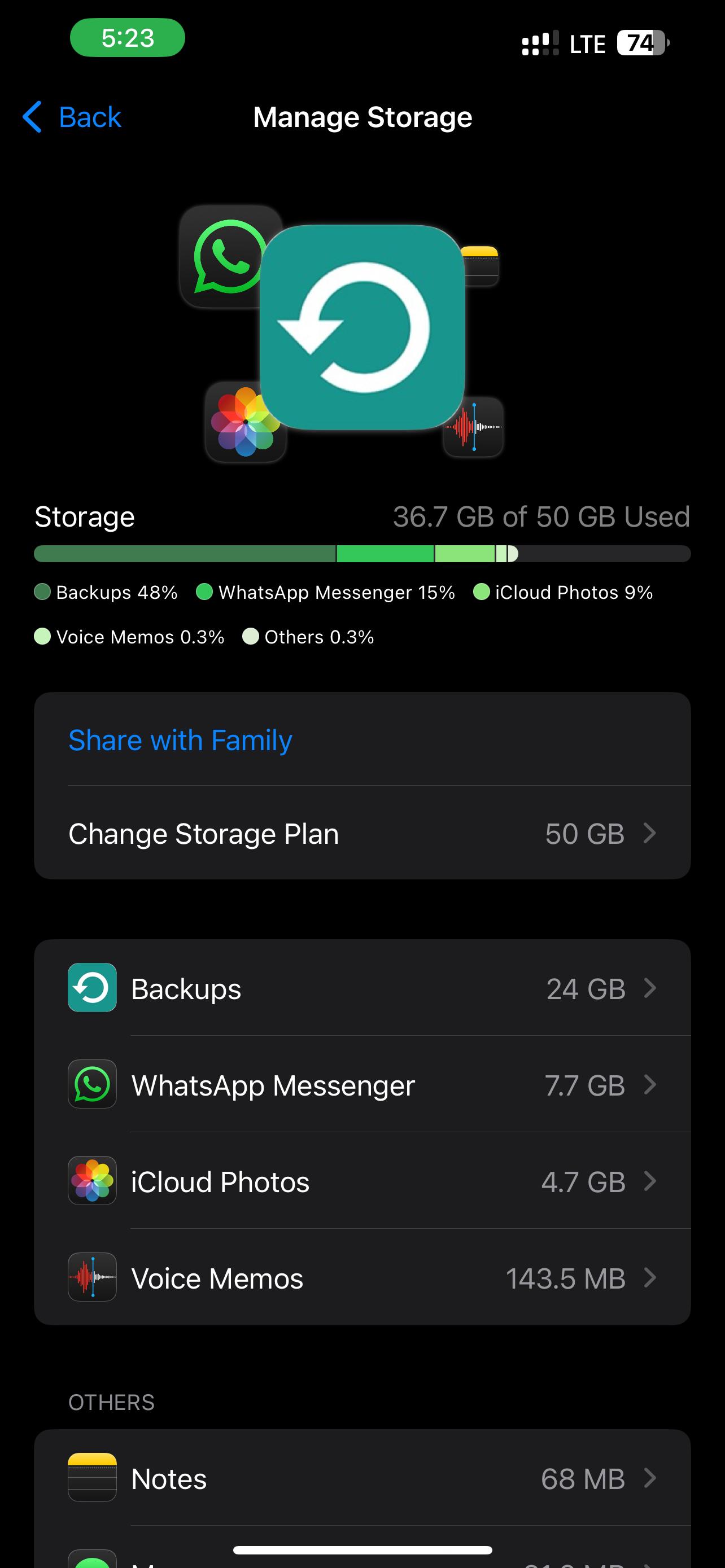
Step 1 Navigate to Change Storage Plan
Navigate to "Settings > [Your Name] > iCloud > Manage Account Storage > Change Storage Plan."
-
Step 2 Select Your Tier
Select your desired tier: 50GB, 200GB, 2TB, or even the newly introduced 6TB/12TB options, depending on your digital needs.
-
Step 3 Authenticate Payment
Tap "Buy" or "Subscribe" and verify your payment using Face ID, Touch ID, or your Apple ID password.
2. How to Upgrade on Mac
-
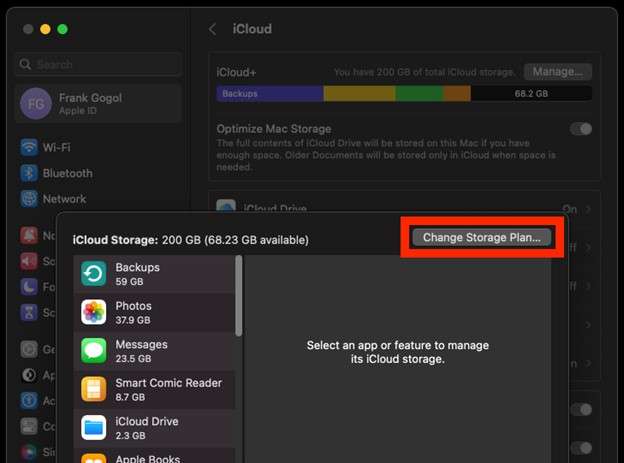
Step 1 Open iCloud Settings
Navigate to "System Settings > Apple ID > iCloud > Manage > Change Storage Plan."
-
Step 2 Choose the Plan
Choose your preferred iCloud+ plan from the available list of upgrades.
-
Step 3 Confirm Purchase
Confirm the details and pay using the payment method tied to your Apple ID account.
3. How to Upgrade on the Web
-
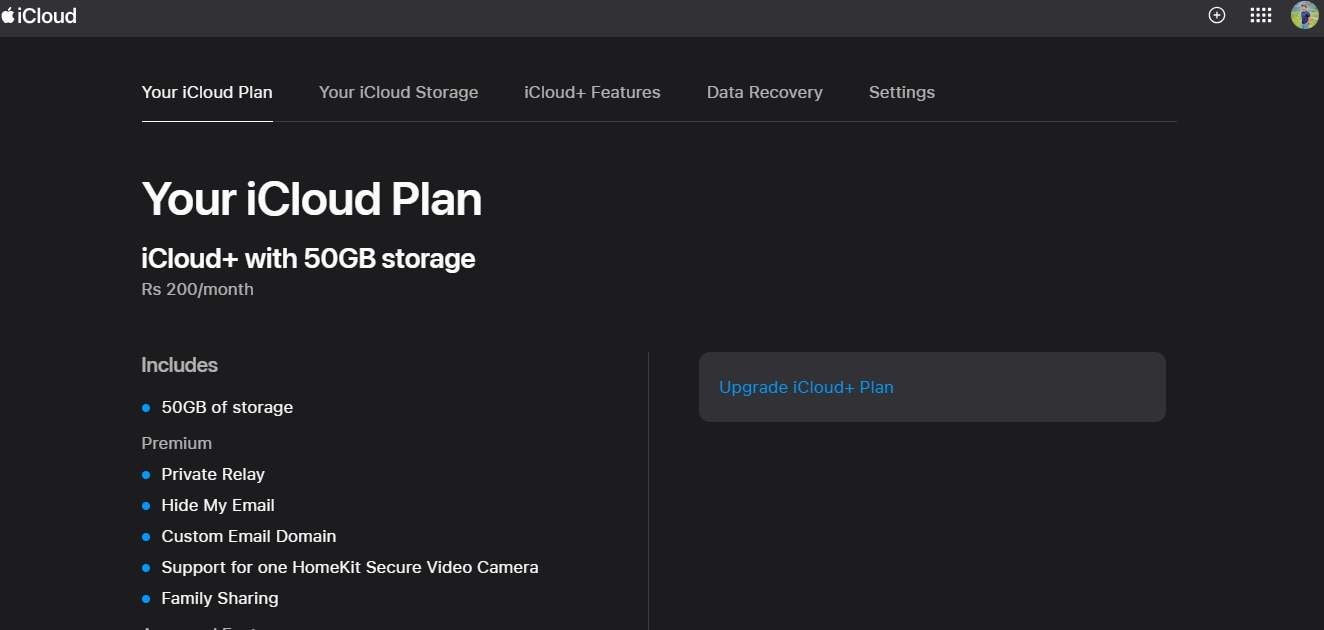
Step 1 Log into iCloud.com
Go to iCloud.com on your web browser and sign in. Navigate to "Settings > Plan > Upgrade iCloud+ Plan."
-
Step 2 Process the Upgrade
Select the plan you wish to upgrade to and complete the on-screen billing process.
4. How to Upgrade on Windows PC
-
Step 1 Open iCloud for Windows
Install and log into the iCloud for Windows desktop application using your Apple ID credentials.
-
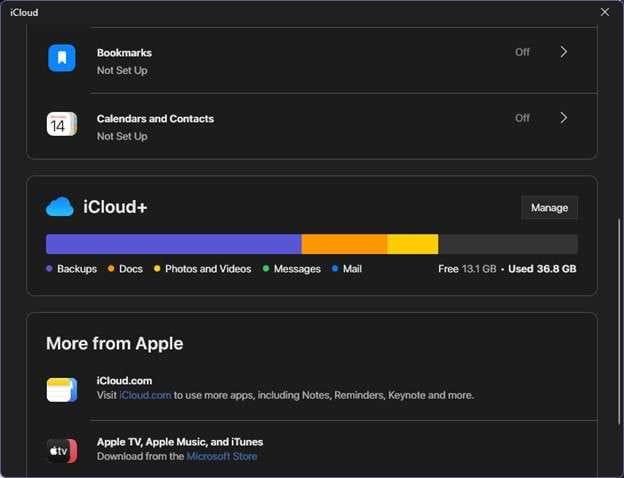
Step 2 Access Storage Management
To upgrade your capacity, navigate to the storage gauge at the bottom and click on "Storage > Manage."
-
Step 3 Complete the Change
Click on "Change Storage Plan" and proceed to buy the additional gigabytes required.
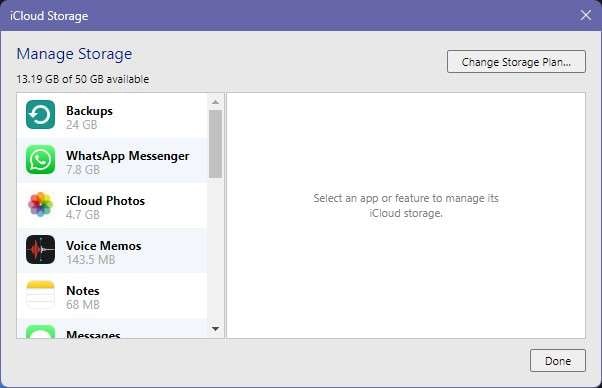
When asking how do you increase icloud Storage optimally, reviewing Apple's current pricing structure is essential. Here is a comparison of what you get with each tier:
| Plan (iCloud+) | Storage Amount | Price (USD/month) | Best Use Case |
|---|---|---|---|
| iCloud+ 50GB | 50GB | $0.99 | Minimal backups, single device users, essential data only |
| iCloud+ 200GB | 200GB | $2.99 | Small families, active photo shooters, standard users |
| iCloud+ 2TB | 2TB | $10.99 | 4K video creators, full-system Mac backups, large families |
| iCloud+ 6TB | 6TB | $32.99 | Extensive media libraries, content creators, advanced Family Sharing |
| iCloud+ 12TB | 12TB | $64.99 | Maximum storage strictly for enterprise/creative professionals |
Adding iCloud storage is straightforward using any of these documented methods. For most people, the 50GB tier is more than enough for light, daily usage. If you are deeply integrated into the Apple ecosystem, the 200GB plan offers the best balance of cost and utility. You can effortlessly downgrade at any time via the same menus if you over-purchase.
Bonus Tips: Recover Data From iCloud With Dr.Fone
If you want extra iCloud space, upgrading your subscription solves the structural problem. But what if your "Storage Full" error caused your phone to stop backing up, and now vital data is lost or inaccessible due to a system crash? This is where Dr.Fone - Data Recovery (iOS) becomes a lifesaver. It is the premier desktop tool engineered for safely, selectively, and swiftly recovering iCloud data without forcing you to reset your entire iPhone.
 Recovers data after deletion, crashes, or device damage.
- Supports photos, messages, contacts, WhatsApp, and more.
- Supports all major iPhone, iPad, and iPod models.
- Preview and recover only what you need.
Unlike Apple's native restore protocol—which mandates completely wiping your device to download a full iCloud backup—Dr.Fone allows you to log in to your iCloud account, preview the specific files stored inside, and restore only what you need. It flawlessly supports over 18 diverse file types, including high-res pictures, videos, SMS messages, WhatsApp attachments, Viber logs, contacts, and notes.
How to Extract iCloud Files with Dr.Fone (Step-by-Step)
Here is how you can bypass Apple's restrictive recovery and retrieve your exact iCloud files:
-
Step 1 Launch Dr.Fone and Connect
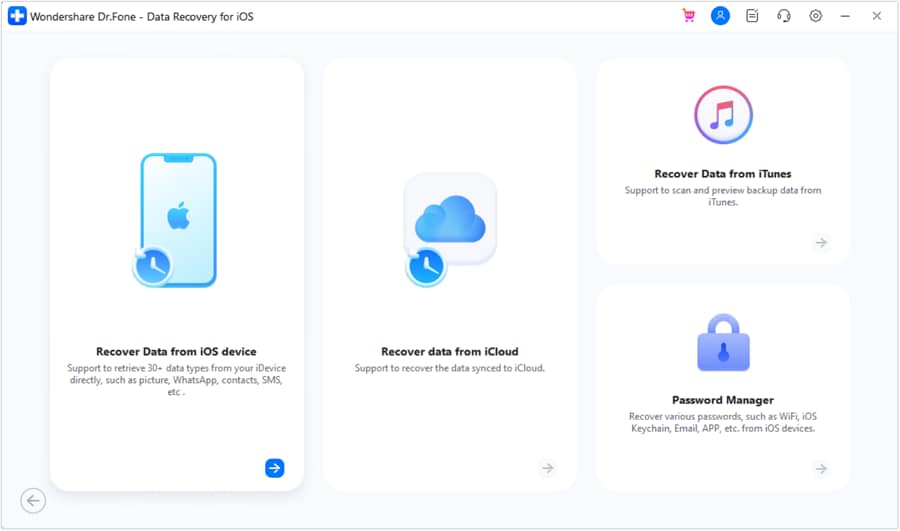
Start by downloading, installing, and opening Dr.Fone on your computer. From the main interface, navigate to "Toolbox > Data Recovery" and select "iOS". Then choose the "Recover Data from iCloud" mode.
-
Step 2 Sign Into Your Apple ID
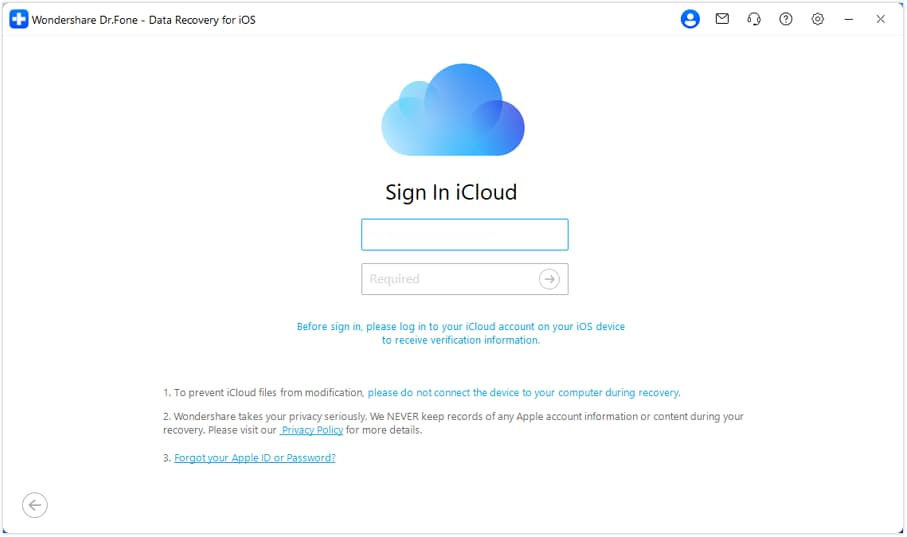
Securely type in your Apple ID and password within the Dr.Fone portal. You will need to complete standard two-factor authentication if prompted by Apple.
-
Step 3 Select the Data Categories
Once authenticated, the software will display categories. Select the specific photographs, messages, notes, or WhatsApp databases you wish to restore, then click the "Next" button to begin downloading the raw data from Apple's servers.
-
Step 4 Preview and Recover
Dr.Fone will compile the downloaded iCloud info into a readable format. Thoroughly preview the items, select only what you genuinely need, and then click "Recover to Device" or "Export to Mac/PC".
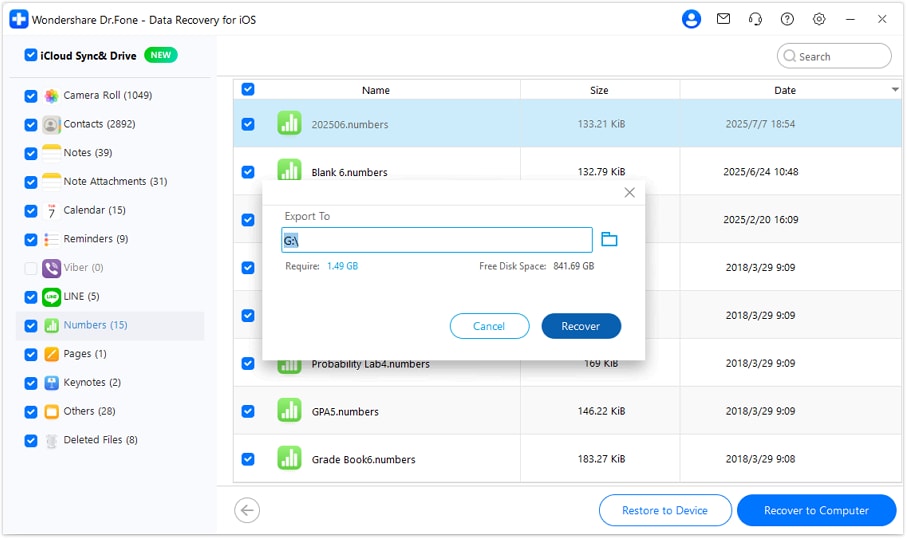



While you may have successfully learned how to increase iCloud capacity for future backups, robust data recovery remains just as vital. Dr.Fone - Data Recovery (iOS) guarantees that your historic iCloud data is easily retrievable without wiping your current device setup.
Part 5. Optimize Backups After iCloud Storage Upgrade
Purchasing a larger tier is only half the solution; maximizing your newly acquired iCloud storage by learning how to optimize it is paramount. Many people expand their storage but entirely neglect fine-tuning their backup preferences, resulting in their new 200GB plan filling up with junk almost as quickly as their 5GB plan did. Here is how to configure it correctly:
Filter Essential Backups
After successfully upgrading your plan, navigate to Settings > [Your Name] > iCloud > Manage Account Storage > Backups. Tap your current device. Here, meticulously toggle off data-heavy apps that don't need cloud preservation, such as offline games, caching apps, or media streaming services. Focus your cloud storage purely on Photos, Contacts, Notes, and crucial Messages. This filtering is the secret to increasing iCloud storage longevity.
Automate Backup Efficiency
Now that you possess the space, ensure your backups run reliably without human intervention. Backup your iPhone nightly by ensuring the device is powered, connected to a stable Wi-Fi network, and locked. Confirm that iCloud Backup is fully enabled under Settings > iCloud > iCloud Backup. This guarantees zero data is missed, and your iCloud+ investment yields maximum protective benefits.
Part 6. Proactive Storage Maintenance
Mastering how to boost iCloud storage conceptually must be paired with proactive maintenance habits. Effective backup management ensures that your cloud environment remains clean, efficient, and exceptionally reliable over the years.
Make it a strict habit to review your accumulated device backups every several months. Go into "Settings > [Your Name] > iCloud > Manage Storage > Backups." Actively delete obsolete backups belonging to iPads or iPhones you traded in or sold long ago. Additionally, routinely audit your iCloud Drive folders via the native Files app. Transfer incredibly large, static files (like old video projects or massive PDFs) to alternative free cloud services like Google Drive or onto local external hard drives.
By implementing a quarterly cleanup routine, you aggressively prevent digital clutter. Even if you thoroughly understand how to increase iCloud storage via paid upgrades, refusing to manage your files means that even a massive 2TB tier will inevitably run out.
Conclusion
Running out of iCloud space is an incredibly common frustration for Apple users, but it is delightfully easy to permanently resolve. By grasping how to expand iCloud storage, you take back control over your digital footprint. Start by heavily auditing your current usage and employing third-party cleaners to prune unnecessary data. If you still require room, safely upgrade your iCloud+ plan utilizing the straightforward native settings on iOS or macOS. Remember, throwing money at storage upgrades without intelligent management is exactly like purchasing a dramatically larger closet without arranging your clothes. Pair your newfound storage space with robust recovery safety nets like Dr.Fone, and you will ensure your valuable digital memories are perpetually protected.
FAQ
-
1. Does buying more iCloud storage automatically increase my iPhone's physical storage?
No. Purchasing additional iCloud storage only increases the capacity of your Apple cloud account. It does not physically add gigabytes to your iPhone hardware. However, it does allow you to offload photos and videos to the cloud using the "Optimize iPhone Storage" feature, which effectively frees up local device space. -
2. How do I get more iCloud storage for free if I've maxed out my 5GB?
Apple strictly limits free accounts to 5GB. To regain space without paying, you must manually delete large files. Focus on erasing old iOS backups from previous devices, permanently deleting duplicate or unwanted photos, and removing large attachments hidden within the Messages and Mail apps. -
3. What happens to my data if I cancel or downgrade my iCloud+ storage plan?
If you downgrade your plan and your stored data exceeds the new, lower limit, iCloud will immediately stop backing up your devices, syncing your Photos, and updating iCloud Drive. Your existing data remains on Apple's servers temporarily, but you will not be able to add anything new until you manually delete enough content to drop below your new limit. -
4. Is there an alternative to buying iCloud storage to back up my iPhone securely?
Yes, you can bypass iCloud entirely by creating local, encrypted backups on your Mac or Windows PC using Finder or iTunes. Additionally, third-party software like Dr.Fone provides robust backup and data management solutions that allow you to safeguard specific file types locally without relying on expensive monthly cloud subscriptions.
 Add Wondershare Dr.Fone as a preferred source on Google