Effortlessly manage data through preview, delete, export, etc.

 100% Security Verified | No Subscription Required | No Malware

 :
: 
 ChatGPT
 Perplexity
 Gemini
 Claude
 Grok
Grok
If you're still using a device running an Android 4 series OS, you might feel limited by its outdated features. Rooting your device can grant you administrator-level permissions, opening up a world of customization, performance enhancements, and access to modern apps. However, the process is not without its risks.
This guide provides a detailed walkthrough on how to root Android 4 devices. We will explore the method of rooting without a computer and delve into a thorough comparison of the risks involved, helping you make an informed decision on whether to proceed.
In this article
Part 1. Understanding the Android 4 Series and the Need to Root
The Android 4 series, which includes versions from Ice Cream Sandwich (4.0) to KitKat (4.4), marked a significant era for Google's mobile operating system. These versions introduced features that were groundbreaking at the time but are now standard or obsolete. Let's briefly revisit their key contributions:
- Android 4.0 (Ice Cream Sandwich): Unified the phone and tablet UIs, introduced facial recognition for unlocking, and improved multitasking.
- Android 4.1-4.3 (Jelly Bean): Focused on performance with "Project Butter" for a smoother interface, introduced Google Now, and brought expandable notifications.
- Android 4.4 (KitKat): Optimized performance to run on devices with as little as 512MB of RAM and introduced the "OK Google" voice command.
While these updates were substantial, devices stuck on Android 4 lack critical security patches and are incompatible with many modern applications. Rooting allows users to overcome these limitations by installing custom ROMs (modified versions of Android), removing pre-installed bloatware, and gaining full control over the device's software.
Part 2. How to Root Android 4 Series Without a Computer
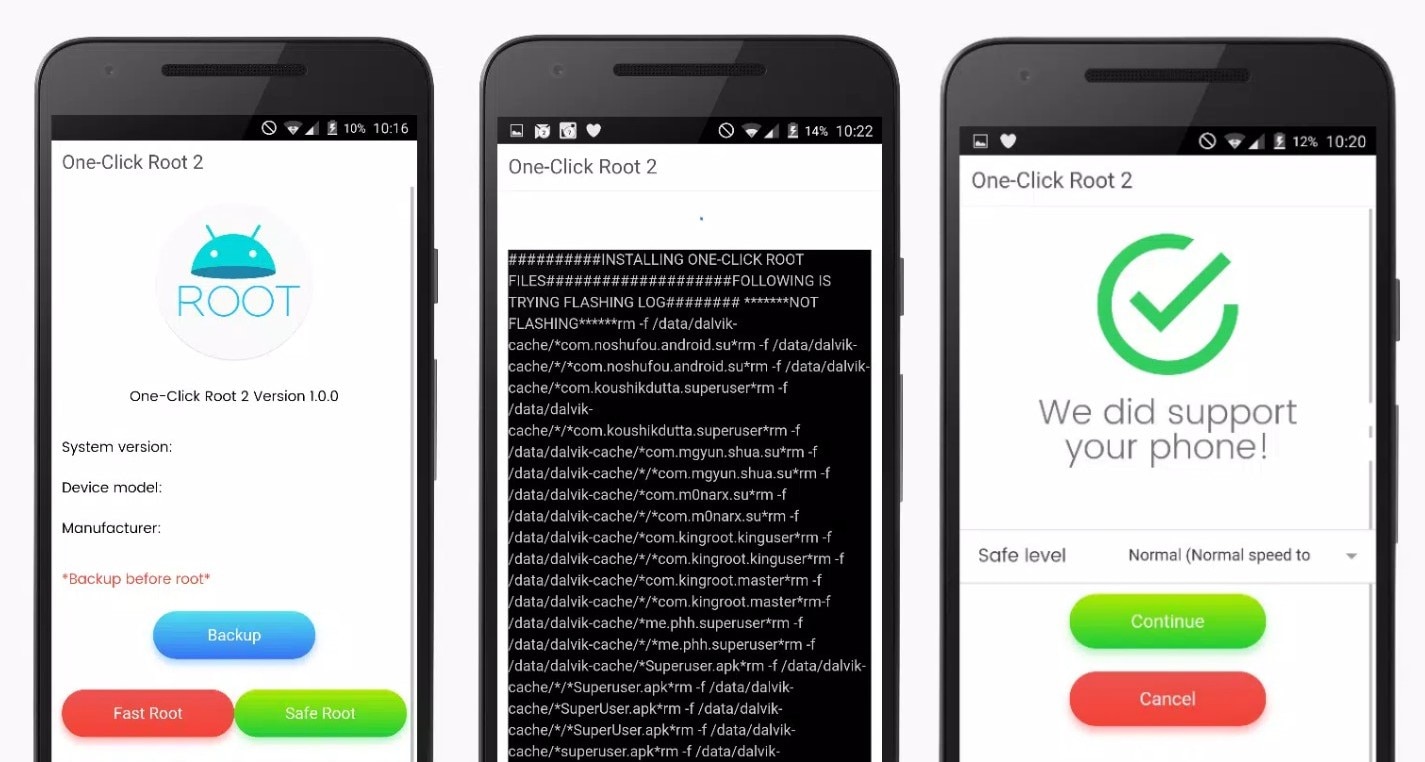
One of the most common ways to root an older Android device without a PC is by using a one-click root application in APK format. These apps are designed to exploit system vulnerabilities to gain root access. However, this method comes with significant security risks. If you choose to proceed, iRoot is one such application that was widely used.
Disclaimer: Using third-party rooting APKs can expose your device to malware and data theft. Proceed with extreme caution and at your own risk. Always back up your data first.
-
Step 1 Download the iRoot APK
On your Android 4 device, open a web browser and search for the official iRoot APK. Download the file directly to your phone. You may need to enable "Unknown Sources" in your security settings to allow the installation.

-
Step 2 Install and Launch iRoot
Once downloaded, locate the APK file in your file manager and tap on it to begin the installation. After it's installed, open the iRoot application from your app drawer.
-
Step 3 Agree to the Terms
Upon launching the app for the first time, you will be presented with a user agreement. Tap on the “I Agree” button to proceed to the main interface of the application.

-
Step 4 Start the Rooting Process
The app will automatically detect your device model and its root status. To begin, simply tap the “Root Now” button. The application will then start the rooting process.

-
Step 5 Confirm Successful Root
The process may take a few minutes, and your device might restart. Once completed, the app will display a confirmation message indicating that your Android phone has been successfully rooted.
Part 3. Key Risks of Rooting Without a PC vs. Using a PC
While rooting without a computer seems convenient, it is by far the riskier method. PC-based rooting tools generally offer a more controlled and secure environment. Here’s a breakdown of why using a PC is highly recommended over a standalone APK.
- Higher Security: Reputable PC software is less likely to contain malware compared to standalone APKs from unverified sources.
- Better Reliability: PC tools often have more robust processes and higher success rates, reducing the chance of 'bricking' your device.
- Driver Management: A computer can properly install the necessary device drivers for a stable connection and process.
- Recovery Options: If the root fails, a PC-based tool often provides better options for restoring your device to its original state.
- Malware and Spyware: Many free rooting APKs are bundled with malicious software designed to steal your personal information.
- Bricking Risk: A faulty APK or an interrupted process can easily corrupt your phone’s operating system, rendering it unusable.
- Unreliable Sources: It is difficult to verify the authenticity and safety of APK files found online.
- Data Loss: The process can fail unexpectedly, leading to a complete wipe of your internal storage with no easy way to recover it.
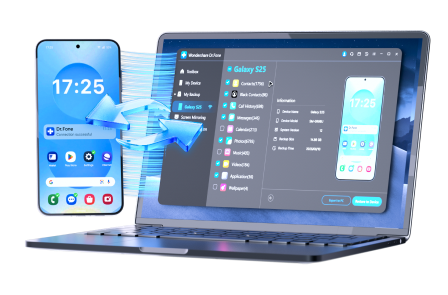
Given these factors, it is always safer to root Android 4 devices using a trusted PC-based application. Before you start, the most critical step is to back up your data. If something goes wrong, you could lose everything. A tool like Dr.Fone can help you recover data if the worst happens.
 Effortlessly manage data through preview, delete, export, etc.
- Transfer all data between devices.
- Robust backup solutions for reliable data protection.
- Mirror screens to PC for meetings, teaching, and control.
Conclusion
Rooting your Android 4 device can breathe new life into it, but it's a double-edged sword. While it unlocks customization and functionality far beyond its original design, the process, especially without a PC, is fraught with risks like data loss, malware infection, and potentially bricking your device. We strongly advise using a computer-based rooting method for greater safety and reliability. Regardless of the method you choose, a complete data backup is non-negotiable before you begin.
FAQ
-
1. What does it mean to root an Android phone?
Rooting is the process of gaining privileged control (known as root access) over an Android device's operating system. This is similar to having administrator permissions on a Windows computer. It allows you to modify the system software, install specialized apps that require root, and remove manufacturer-installed applications. -
2. Is it still safe to root an Android 4 device in 2026?
Safety is a major concern. Android 4 no longer receives security updates, making it inherently vulnerable. Rooting can expose it to further security risks if not done carefully. While it can enable new features, you must be aware that using a rooted, outdated device for sensitive tasks like online banking is not recommended. -
3. Can I unroot my phone after rooting it?
Yes, in most cases, you can unroot your device. The process usually involves flashing the stock firmware provided by the manufacturer or using an unrooting feature within a root management app like SuperSU. However, the process can be as complex as rooting itself and may not always restore the device's warranty status. -
4. What are the main benefits of rooting an older Android phone?
The primary benefits include installing newer versions of Android via custom ROMs (like LineageOS), which can improve performance and security. You can also remove unwanted pre-installed apps (bloatware) to free up space, use advanced backup tools, and customize every aspect of the user interface.
 Add Wondershare Dr.Fone as a preferred source on Google