Move contacts, messages, photos, videos, app data, and more between iOS and Android.

 100% Security Verified | No Subscription Required | No Malware

 :
: 
 ChatGPT
 Perplexity
 Gemini
 Claude
 Grok
Grok
Samsung Kies was once the official PC suite from Samsung Electronics, designed to help users manage, transfer, and back up data on their devices. While it has since been replaced by Samsung Smart Switch for modern smartphones, many users with older devices running on Windows 7 still rely on Kies for essential data management tasks.
Although Kies is legacy software, it remains a functional tool for certain Samsung models. However, users often encounter issues like installation errors or frequent crashes on Windows 7. This comprehensive guide provides everything you need for a successful Samsung Kies download for Windows 7, including installation steps and effective troubleshooting solutions to ensure it runs smoothly in 2026.
In this article
Part 1. System Requirements and Samsung Kies Download for Windows 7
Samsung Kies is a freeware application officially developed by Samsung. It allows you to connect your phone to a computer via a USB cable or a wireless connection to manage your data. While Samsung now promotes its new Smart Switch application, Kies remains essential for users of older devices. Before you proceed with the Samsung Kies 3 download for Windows 7, it's crucial to ensure your system meets the minimum requirements for a stable installation.
1-1. Verifying System Prerequisites
Check if your Windows 7 computer fulfills the following specifications to avoid compatibility issues:
- Operating System: Windows 7 (32-bit or 64-bit)
- Processor: Intel Core 2 Duo 2.0GHz or a comparable processor
- RAM (Memory): Minimum of 1.00 GB
- Hard Disk Space: At least 500 MB of free space
- Screen Resolution: 1024 x 768 (32-bit or higher)
- Required Software: .Net Framework 3.5 SP1 or later, Windows Media Player 10 or later, DirectX 9.0C or later
1-2. Reliable Download Links for Samsung Kies
Once you've confirmed your system is ready, you can download the Samsung Kies installer. Since it is no longer available on Samsung's official website, you will need to use trusted third-party software archives. Here are a few reliable sources:
Part 2. Step-by-Step Installation Guide
After successfully downloading the installer file, you can begin the installation process. Samsung Kies is generally compatible with Windows 7, and the setup is straightforward. Follow these steps carefully to install Samsung Kies on your system without encountering common errors.
-
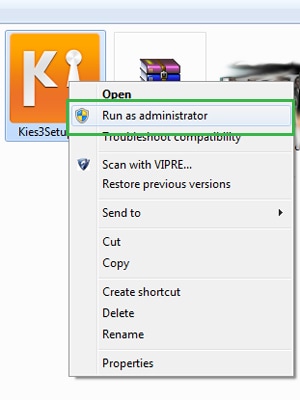
Step 1 Launch the Installer as Administrator
Navigate to the location where you saved the downloaded Kies setup file. Right-click on the installer and select "Run as administrator." This ensures that the setup has the necessary permissions to make changes to your system, preventing potential installation failures.
-
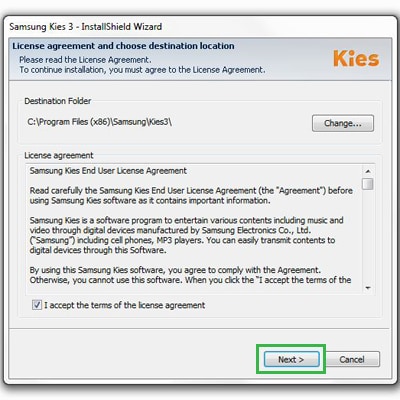
Step 2 Configure Installation Settings
The Kies installer wizard will launch. The first screen shows the default destination folder for the installation. If you wish to change it, click the "Change" button and select a new location. Next, carefully read the terms and conditions. If you agree, check the box and click "Next" to continue.
-
Step 3 Complete the Installation
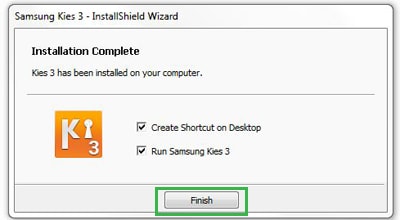
Follow the on-screen instructions as the installer copies the necessary files to your computer. The process should complete without any issues. Once finished, you will see a confirmation message. Click the "Finish" button to close the wizard.
-
Step 4 Launch Kies and Connect Your Device
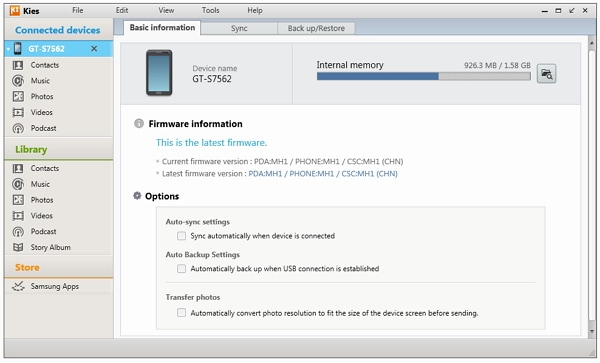
You can now launch Samsung Kies from your desktop or Start Menu. Connect your Samsung phone to the computer using a compatible USB cable or by setting up a wireless connection. The software should automatically detect your device, allowing you to access its features and manage your data.
Part 3. Resolving Samsung Kies Crashes and Errors on Windows 7
Even with a successful installation, some users report that Samsung Kies malfunctions or crashes unexpectedly on Windows 7. If you are facing such stability issues, don't worry. Here are five proven methods to troubleshoot and fix common problems with Samsung Kies.
3-1. Update Kies to the Latest Version
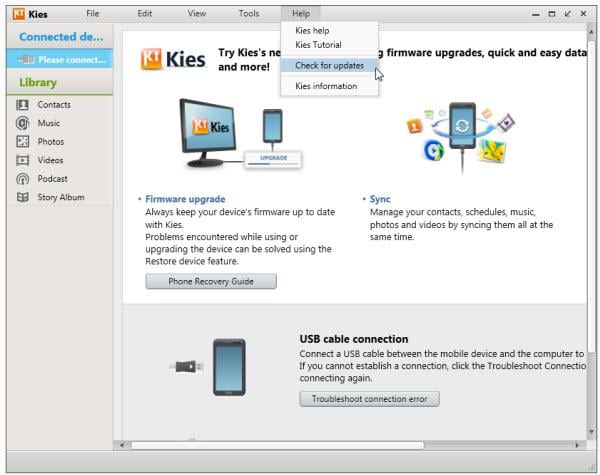
Running an outdated version of the software is a primary cause of frequent crashes. To resolve this, open Samsung Kies, go to the "Help" menu, and select "Check for updates." The application will search for a newer version. If one is available, follow the prompts to install it. An update often includes crucial bug fixes and stability improvements.
3-2. Reinstall the SAMSUNG USB Driver
A corrupted or improperly installed USB driver can prevent Kies from recognizing your device. To fix this, navigate to the Kies installation folder (usually in Program Files > Samsung > Kies > USB Driver). Find the file named “SAMSUNG_USB_Driver_for_Mobile_Phones.exe”. Double-click it to run the driver installer and repair the installation.
3-3. Fix Syncing and Freezing Issues
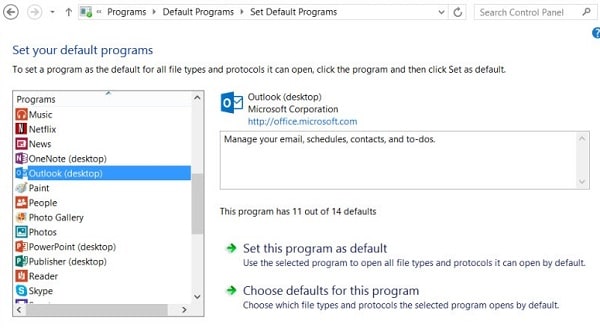
Syncing errors can cause Kies to freeze. To address this, open Kies and go to Tools > Preferences > Device. Under the "Initialize System Log" option, make sure all items are checked. Additionally, setting Outlook as your default mail client can resolve certain syncing conflicts. Go to Control Panel > Programs > Default Programs > Set Default Programs, select Outlook, and set it as the default.
3-4. Edit the Configuration File for Compatibility
Older versions of Kies may have a configuration issue that leads to crashes. You can fix this by navigating to the Kies installation directory and finding the “kies.exe.config” file. Open it with Notepad and ensure the following two lines are present within the configuration tags: <supportedruntime version="v4.0"></supportedruntime> and <supportedruntime version="v2.0.50727"></supportedruntime>. Save the file and restart Kies.
3-5. Utilize the KiesHelper Tool
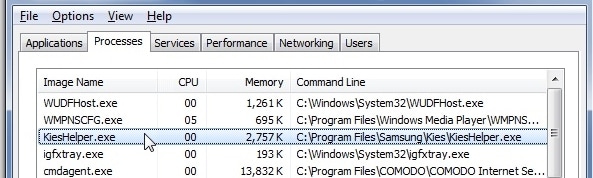
KiesHelper is an integrated process designed to resolve runtime crashes. If Kies freezes or closes unexpectedly, open the Windows Task Manager (Ctrl + Shift + Esc). In the Processes tab, locate KiesHelper. This tool often works in the background to stabilize the main application and can help you overcome sudden crashes.
 Effortlessly manage data through preview, delete, export, etc.
- Transfer all data between devices.
- Robust backup solutions for reliable data protection.
- Mirror screens to PC for meetings, teaching, and control.
Conclusion
By following this detailed guide, you should be able to successfully install and use Samsung Kies on your Windows 7 computer. While it is older software, these instructions and troubleshooting tips can help resolve the most common errors and crashes. This allows you to continue managing your legacy Samsung device effectively. If you are still encountering issues with your Samsung Kies download for Windows 7, or if you're looking for a more modern solution, consider exploring advanced phone management tools that offer broader compatibility and features.
FAQ
-
1. Is Samsung Kies still available for download in 2026?
Yes, while Samsung no longer provides Kies on its official website, you can still download the installer from reputable third-party software archives. However, it is no longer officially supported or updated by Samsung. -
2. What is the main difference between Samsung Kies and Smart Switch?
Samsung Kies is the older PC suite designed for legacy Samsung smartphones and operating systems like Windows 7. Samsung Smart Switch is the modern replacement, designed for newer Galaxy devices and offering a faster, more streamlined data transfer experience. -
3. Can I use Samsung Kies for Windows 7 with a new Samsung Galaxy S24?
No, Samsung Kies is not compatible with modern Samsung devices like the Galaxy S24. For new phones, you must use Samsung Smart Switch to manage your data and perform backups or transfers. -
4. Why does Samsung Kies keep crashing on my Windows 7 PC?
The most common reasons for crashes are outdated software versions, corrupted USB drivers, or compatibility conflicts with the OS. Following the troubleshooting steps in this guide, such as updating the app, reinstalling drivers, or editing the config file, can usually resolve these stability issues.
 Add Wondershare Dr.Fone as a preferred source on Google