Move contacts, messages, photos, videos, app data, and more between iOS and Android.

 100% Security Verified | No Subscription Required | No Malware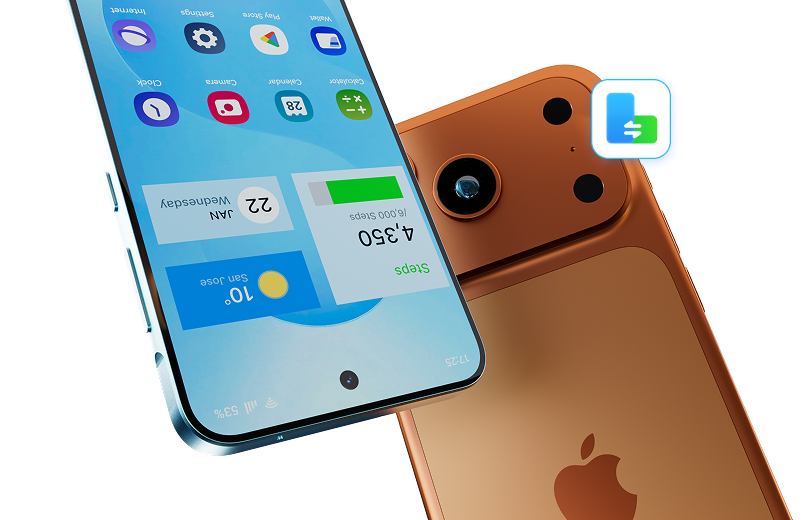

 :
: 
 ChatGPT
 Perplexity
 Gemini
 Claude
 Grok
Grok

I tried using the Samsung Smart Switch to transfer data from my old phone to the new Samsung one. Despite following the instructions diligently, it's just not working! How to fix?
Samsung Community User
If you've encountered the highly frustrating issue of Samsung Smart Switch not working, you are certainly not alone in this struggle. Transferring data from your old smartphone to a brand-new Samsung Galaxy device in 2026 should be an entirely seamless and automated process. However, various technical hiccups, ranging from operating system clashes to hardware limitations, can severely disrupt this workflow.
Samsung Smart Switch is explicitly designed to help users move essential data—such as contacts, high-resolution photos, music, videos, messages, notes, and calendar events—to their Samsung Galaxy devices with maximum reliability and ease. While it natively supports most modern smartphones, some users may inevitably face the Samsung Smart Switch not compatible issue depending on their specific device model, regional software restrictions, or outdated operating systems. This application generally offers a trusted pathway to transfer crucial information when upgrading, provided all technical prerequisites are flawlessly met.
Keep reading to dive deep into the diverse errors (such as the app crashing, failing to connect, or lacking stable bandwidth) that trigger the smart switch not working dilemma, and discover proven, step-by-step solutions to overcome them.
In this article
- Part 1: Main Culprits for Samsung Smart Switch Randomly Closes/Crashes
- Part 2: Solve Samsung Smart Switch Not Compatible Issue
- Part 3: Solve Samsung Smart Switch Backup Data Cannot Be Found Issue
- Part 4: Samsung Smart Switch Not Connecting Issue
- Part 5: Check Samsung Smart Switch Not Enough Space Error Issue
- Part 6: Check Samsung Smart Switch Not Stable Issue
- Part 7: Check Samsung Smart Switch Crash Issue
Part 1: Main Culprits for Samsung Smart Switch Randomly Closes/Crashes
Despite its massive popularity and widespread global use, the Samsung Smart Switch application occasionally encounters debilitating operational issues. While these sudden disruptions can be incredibly frustrating for users eager to set up their new phones, understanding the foundational culprits behind them is essential for long-term troubleshooting. It is fundamentally crucial to resolve the core problems effectively rather than relying on quick temporary workarounds. Below are some of the primary factors frequently responsible for the Smart Switch not working correctly in modern tech environments:
1. Software Incompatibility
Severe compatibility issues can very often arise directly due to vast differences between device operating systems and highly specific software versions. Running outdated legacy software or deeply incompatible platforms is a prime reason why Smart Switch is not working. This immediately leads to unsuccessful file data transfers, halted progress bars, and severe connectivity disruptions across both wired and wireless protocols.
2. Connectivity Glitches
Unstable, fluctuating Wi-Fi connections frequently pose massive challenges during the high-speed data transfer process. Any unforeseen interruptions in localized network connectivity or a sudden drop in bandwidth can instantly cause the Samsung Smart Switch infrastructure to halt its background operations. That invariably leads to heavily fragmented, incomplete, or entirely failed data transfers.
3. Hardware Limitations
The inherent physical hardware limitations of aging mobile devices, such as fundamentally insufficient internal storage capacity or degraded NAND flash memory, can also be a massive roadblock. Moreover, severely inadequate storage space and highly conflicting hardware inconsistencies can completely bottleneck and hinder your data transfer.
4. Insufficient System Resources
A chronic lack of available, system-level resources can severely hinder the baseline performance of the Samsung Smart Switch app. These critical resources aggressively include free RAM, background processing power from the CPU, or even the immediate battery life thresholds of the connected devices. Furthermore, when the host device's available processing resources run dangerously low, the data transfer process can become wildly sluggish and prone to instant crashes.
Part 2: Solve Samsung Smart Switch Not Compatible Issue
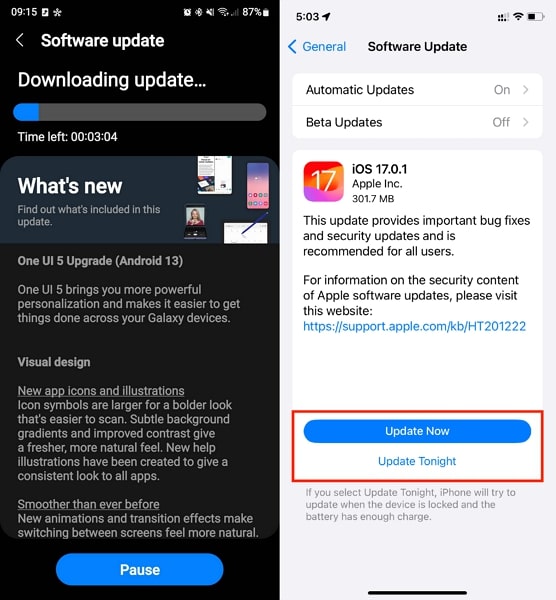
An overwhelming number of users frequently encounter the critical Samsung Smart Switch not compatible issue, which abruptly prevents all functional data transfer between two mobile devices. This distinct error almost exclusively occurs due to stark differences in core software versions, carrier-locked firmware restrictions, or conflicting operating systems. Running outdated base firmware on either the source or destination device can consistently cause aggressive compatibility problems, making it absolutely essential to manually update both smartphones' software architectures before even attempting to launch Samsung Smart Switch.
Additionally, users must recognize that Smart Switch only facilitates inbound data transfers moving directly to Samsung Galaxy devices. While data can technically be transferred between other Samsung and non-Samsung handsets, strict software baselines apply. Specifically, the host OS for all Android source devices must be at least Android 4.3 or significantly higher, while Apple iOS devices must reliably run on iOS 12.0 or a later iterative version to even establish a basic handshake protocol.
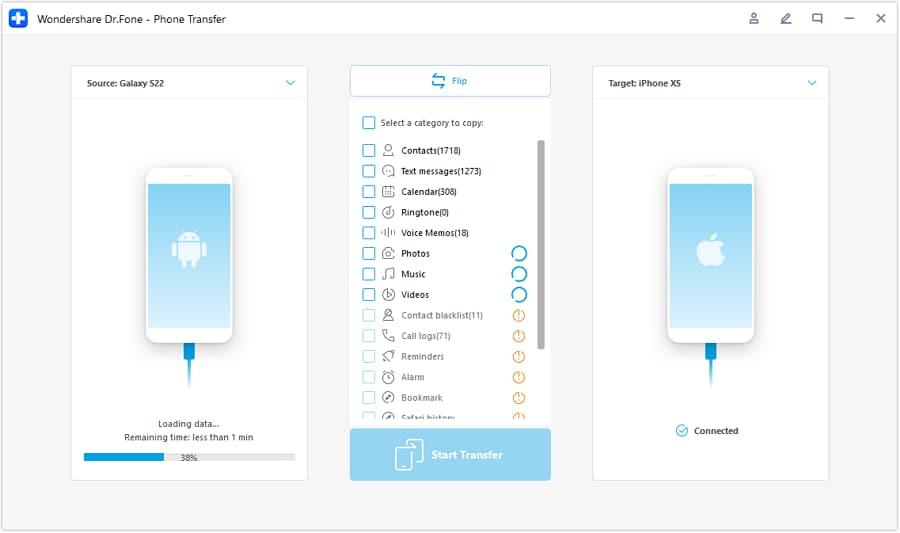
The absolute most effective way to permanently bypass the Samsung Smart Switch not compatible issue is to utilize a dedicated, universally reliable alternative. Solutions like Wondershare Dr.Fone - Phone Transfer offer an incredibly practical, foolproof solution for securely transferring user data directly between any combination of Android and iOS devices.
 Move data between iOS to Android and vice versa.
- Transfer contacts, SMS, photos, videos, music, and more types.
- Available with all phones with Android and iOS versions.
- Simple, click-through process.
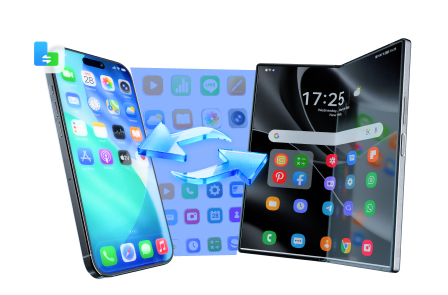
Wondershare Dr.Fone - Phone Transfer radically eliminates the frustrating OS restrictions and rigid compatibility hurdles that often block your migration progress. Whether you are moving from an older iOS device to the latest 2026 Samsung Galaxy, or dynamically switching between drastically different Android hardware brands, this robust tool provides an entirely seamless transfer pathway. It effortlessly bypasses the traditional ecosystem barriers that typically trigger the incompatible application errors.
Furthermore, this advanced software fully supports an extraordinarily massive variety of complex data types. These extensive categories natively include your high-resolution image galleries, dense 4K video albums, extensive professional contact lists, SMS text archives, and deeply integrated music libraries. The overall process is phenomenally straightforward—requiring essentially just a few intuitive clicks—and heavily guarantees a highly reliable, incredibly quick data transfer sequence that completely eliminates any lingering risk of data loss or file corruption. Designed for modern mobile landscapes, it seamlessly supports Android 14 environments and iOS 17 architectures, solidifying its reputation as a highly dependable tool for users urgently looking to move smoothly between entirely different OS families.




Part 3: Ways to Solve Samsung Smart Switch Backup Data Cannot Be Found Issue
One highly frequent and disruptive problem users consistently experience—often directly alongside the Samsung Smart Switch not compatible overarching issue—is the dreaded “Backup Data Not Found” system error. This critical failure directly occurs when the application's search protocols completely fail to locate pre-existing archive files, aggressively preventing users from properly restoring any previously saved baseline data during the initial phone transfer process.
The complex "Backup Data Not Found" issue can heavily trigger due to a massive variety of underlying technical reasons. These primarily include entirely incorrect backend backup folder settings, sudden undocumented changes to the cloud or local storage directory location, or severe file corruption tied to a halted previous sync. In some specific enterprise cases, highly incompatible historical backup formats or vastly differing software iterations can strongly lead to this identical data visibility issue.
To rapidly fix the devastating “Backup Data Not Found” file problem, users should proactively review their deeply embedded internal backup settings and strictly confirm that all relevant data is physically saved in a precise format and direct root location actively supported by the newest version of Samsung Smart Switch. In high-stress cases directly related to the Samsung Smart Switch not compatible issue or perpetually failed native backups, using a premium desktop solution like Wondershare Dr.Fone is an incredibly practical and reliable option, as it smoothly allows for comprehensive, bit-for-bit Android data backups to be generated directly to a secure personal computer.
- Effortlessly manage data through preview, delete, export, etc.
- Transfer all data between devices.
- Robust backup solutions for reliable data protection.
- Mirror screens to PC for meetings, teaching, and control.
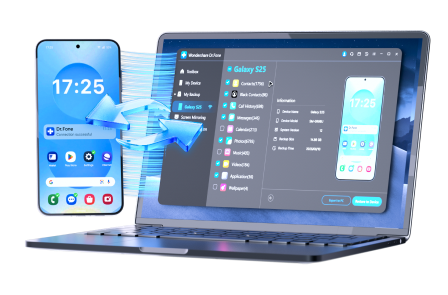
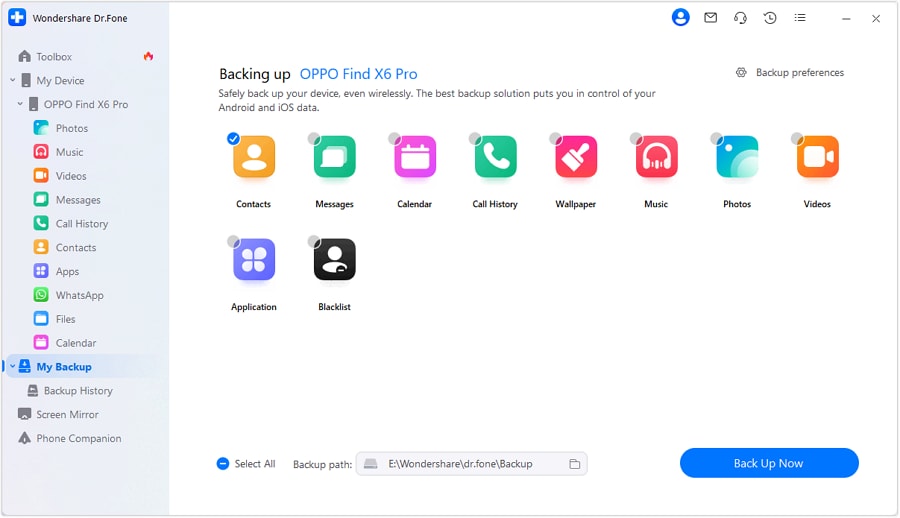
Dr.Fone - Basic provides a comprehensive, unified suite of deeply integrated digital tools specifically designed to securely and efficiently back up your entire Android device footprint directly to the safety of your local computer. When Samsung Smart Switch routinely fails to accurately locate your crucial file backup directories, this robust software meticulously ensures that your personal data is safely archived, deeply encrypted, and placed in a highly visible, easily accessible local folder. You permanently retain total administrative control over exactly where and how your most precious files are securely stored, effectively eliminating the confusing and dreaded 'Backup Data Not Found' interface prompt entirely.
Moving far beyond just simply creating static system backups, this versatile software natively allows you to visually preview your internal data layer and selectively extract or restore only the highly specific files you truly need. Whether you are actively safeguarding massive, high-definition camera photo albums, utterly critical enterprise work documents, or highly sensitive application payload data, the sleek, intuitive desktop interface ensures a completely stress-free, totally risk-free operational process. Most importantly, your internal data matrix remains perfectly intact and totally unaltered, functioning exactly as it was originally designed on the host source device without any loss of inherent file quality.
Part 4: Samsung Smart Switch Not Connecting Issue
An exceedingly large number of daily users painfully experience the ambiguous “Not Connecting” interface issue within the Samsung Smart Switch ecosystem, a fatal error which violently interrupts the high-speed data transfer pipeline between two separate mobile devices. Startlingly similar to the systemic Samsung Smart Switch not compatible error, this specific hardware-level problem occurs immediately when a fundamentally stable peer-to-peer connection cannot be digitally established. This immediately stops the critical migration of highly important media files and directly creates massive timeline delays in the overall device setup process.
The highly disruptive "Not Connecting" network issue embedded within the core of the Samsung Smart Switch can deeply stem from an extensive variety of underlying factors. These notoriously include erratic Wi-Fi Direct network connectivity issues, deeply embedded hardware port malfunctions, or severely restrictive background software conflicts running simultaneously between the active devices. Additionally, utilizing heavily outdated system firmware, improperly configured localized device security settings, or deeply rooted software operating system problems can frequently and repeatedly lead to this exact communication failure.
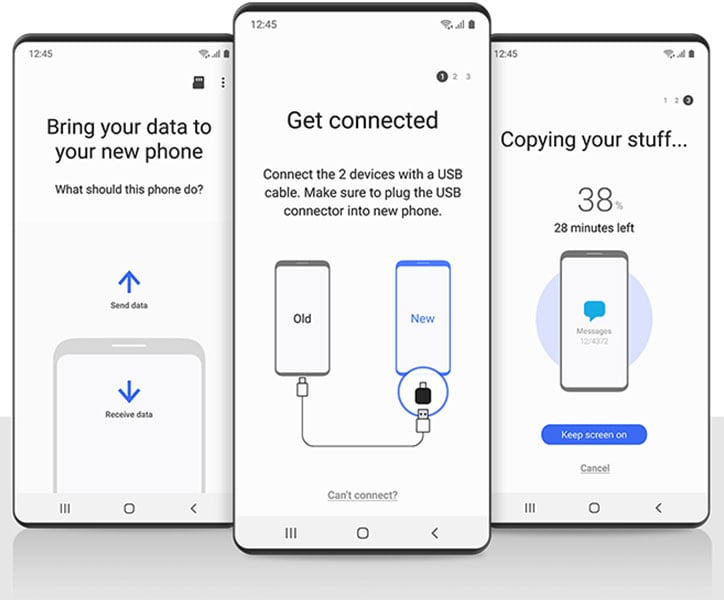
Ensure that both of the physical devices are properly and securely connected via a highly certified data cable or a clean, unimpeded wireless channel to rapidly resolve the frustrating "Not Connecting" problem. Additionally, heavily confirming and directly updating the respective device's base firmware architecture to the absolute most recent digital version is completely essential for establishing a proper handshake. Moreover, double-check and intensely ensure that the physical USB-C cable being utilized is not internally defective or rated solely for power delivery when going for a highly stable wired file transfer. If the connectivity issue stubbornly persists despite your best efforts, actively consulting Samsung's highly trained support services or utilizing trusted third-party recovery software can serve as a potent alternative.
Part 5: Check Samsung Smart Switch Not Enough Space Error Issue
One remarkably common and highly restrictive obstacle for nearly all modern users is the dreaded “Not Enough Space” application error frequently flagged within Samsung Smart Switch. Acting very much similar to the frustrating Samsung Smart Switch not compatible system issue, this specific error alert occurs exactly when the targeted receiving device simply lacks the sufficient gigabytes of internal storage memory needed, immediately causing hard interruptions and permanently preventing any successful data layer transfer from finalizing.
The incredibly stubborn "Not Enough Space" memory error directly occurs when the target handset's total available NAND storage capacity is visibly insufficient. In the simplest of operational terms, it simply cannot mathematically accommodate the immense bulk of data being aggressively transferred from the deeply packed source device. Massive 4K video files, incredibly excessive hidden app cache data, towering high-resolution photo archives, and an overall insufficient ceiling of free drive space heavily contribute to triggering this absolute system roadblock.
To successfully address and quickly eradicate the "Not Enough Space" error, users should first immediately conduct a highly comprehensive digital audit of the target device's active storage sectors. They urgently need to correctly identify, highlight, and permanently remove any deeply unnecessary junk files, bloatware apps, or wildly redundant cached data sets. Actively offloading massively large media files to an external encrypted hard drive or a secure cloud-based data storage server can dramatically help seamlessly create the much-needed additional gigabytes of internal space.
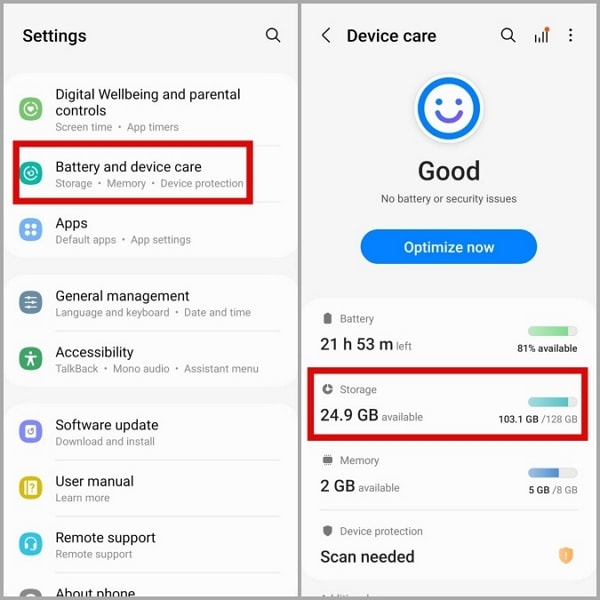
On your modern Samsung Galaxy device running the newest UI, you can easily access detailed and deeply analytical storage metrics directly through the core Settings application. Deep within the Settings menu, simply access the "Battery and Device Care" portal and then confidently tap on "Storage." This intuitive sub-menu will instantly give you unrestricted access to a totally comprehensive, color-coded visual breakdown of your mobile device's entire internal storage allocation.
Part 6: Check Samsung Smart Switch Not Stable Issue
Yet another deeply common mobile transfer problem, remarkably similar to the overarching Samsung Smart Switch not compatible architecture issue, is the widely reported “Not Stable” network error. It severely and negatively affects the baseline reliability of the entire data transfer process, frequently causing aggressively repeated connection interruptions, severe packet loss, or sudden, unprompted hard stops that entirely disrupt large-scale data migration workflows securely moving between your physical devices.
The frustrating "Not Stable" interface issue can rapidly arise directly due to a vast multitude of highly complex factors, quite like corrupted software bugs, deep-rooted OS compatibility issues, or severe local network Wi-Fi instability. Minor, almost invisible software memory glitches directly within the active code of the Smart Switch mobile app can quickly result in massive overall instability and highly erratic transfer behavior. This cascading series of digital failures heavily leads to frustrating hard interruptions during the peak of the data transfer sequence.
Always firmly ensure that absolutely both the transmitting source and the receiving target mobile devices are efficiently operating on the absolute most recent, highly patched OS software updates to permanently resolve this debilitating stability issue. This incredibly standard maintenance practice significantly and mathematically reduces the overall likelihood of deeply annoying software-related data malfunctions and network instabilities. Aggressively verifying the strict baseline compatibility of the connected devices is naturally another massively important foundational factor. You should routinely ensure that they genuinely meet or heavily exceed the strict, officially recommended operational system hardware requirements laid out for the modern Samsung Smart Switch platform.
Part 7: Check Samsung Smart Switch Crash Issue
A native Samsung Smart Switch application repeatedly crashing mid-transfer is an incredibly critical data concern frequently encountered by millions of global users. It brutally leads to the sudden, totally unexpected application termination during the peak of the sensitive data transfer background process. This aggressive technical problem heavily results in the massive loss of total transfer progress and potentially highly severe digital data file corruption. Thus, it intensely poses an incredibly significant overall risk to ever successfully and safely completing the massive data migration.
This aggressive crashing behavior can deeply stem from an extensive array of complex device factors, directly including severe background software logic conflicts and a massive drain on inherently insufficient core system hardware resources like RAM. Moreover, deeply rooted underlying coding bugs directly within the older builds of the Smart Switch app can easily and frequently cause the infamous Smart Switch not working phenomenon. Another highly major and consistently undocumented reason is aggressively conflicting third-party background apps or immensely heavy, resource-draining CPU processes running silently behind the scenes.
When it finally comes down to executing a permanent digital solution, the absolute first crucial thing is to strictly ensure that both operating devices are fundamentally structurally compatible with the exact architecture of Smart Switch. Actively force-closing any massively unnecessary, hidden background applications or rogue running processes can deeply and significantly cut the overall statistical risk of random app crashes by freeing up vital CPU processing cycles. Carefully updating the core transfer application to the absolute latest available store version and manually installing any pending, highly critical firmware security updates for the localized devices can also provide immense and stabilizing help.
Conclusion
In extensive operational summary, while the native Samsung Smart Switch utility undoubtedly remains a highly useful baseline tool for standard mobile data migration protocols, it frequently faces complex technological challenges remarkably similar to other demanding mobile software suites. Pervasive system issues such as the Samsung Smart Switch not compatible rigid errors and severe Wi-Fi connectivity drop problems can massively hinder a truly reliable ecosystem data transfer and heavily negatively affect the overall consumer setup user experience.
This totally comprehensive troubleshooting article goes incredibly deeply through the intricate details of these pervasive mobile ecosystem challenges and highly offers immensely comprehensive, proven technical solutions. It has intentionally sought to perfectly equip modern smart device users with the highly necessary diagnostic insights and highly practical, step-by-step resolution strategies required in 2026. By strictly and closely following these precise expert instructions, all users can successfully and permanently overcome the incredibly annoying, time-consuming issues aggressively affecting the core Samsung Smart Switch not working paradigm.
FAQ
-
1. Why does Samsung Smart Switch keep stopping at 99%?
The application freezing at the 99% mark is a highly common issue primarily caused by a sudden inability to correctly unpack massive compressed files, or an abrupt cache failure on the receiving Samsung Galaxy. To resolve this, simply restart both mobile devices, deeply clear the Smart Switch application cache data from your internal device settings, and confidently attempt the transfer again using a highly stable wired USB connection rather than Wi-Fi.• Try utilizing a wired USB-C connection to bypass wireless drops• Clear the Smart Switch app data cache on both phones before starting -
2. Can I use Samsung Smart Switch if my phone screen is totally broken?
Yes, but it requires highly specific external hardware workarounds. If your old smartphone's glass screen is totally shattered and entirely unresponsive to native touch, you can creatively use a specialized USB OTG (On-The-Go) connection cable hooked directly to a standard computer mouse to physically navigate the device's screen interface, securely authorize the connection prompts, and successfully initiate the Smart Switch data transfer process. -
3. Is Samsung Smart Switch fully compatible with all other Android brands?
While the Samsung Smart Switch application generally supports the vast majority of modern smartphones natively running Android version 4.3 or significantly newer, some deeply modified, highly customized operating systems found on niche competitor brands might heavily restrict deep core system-level data access. This directly leads to the dreaded compatibility alert and forces users to rely on highly capable third-party alternatives. -
4. How long does a Samsung Smart Switch data transfer usually take in 2026?
The total completion time varies intensely based on several key factors, most notably the exact amount of gigabytes being moved and the chosen transfer method. A highly stable, fast-wired USB-C to USB-C transfer of roughly 50GB of standard user data typically takes around 15 to 25 minutes. Conversely, a purely wireless transfer over an unstable or highly congested Wi-Fi network could easily take over an hour to finalize.
 Add Wondershare Dr.Fone as a preferred source on Google