Permanently erase all iOS & Android data—completely unrecoverable.

 100% Security Verified | No Subscription Required | No Malware

 :
: 
 ChatGPT
 Perplexity
 Gemini
 Claude
 Grok
Grok
Whether you are dealing with a sluggish operating system, persistent application glitches, or simply preparing your legacy device for a new owner, learning how to restore iPhone 5 to factory settings is a crucial technical skill. Returning the device to its pristine default state effectively wipes all internal configurations, rogue apps, and fragmented cache files. This comprehensive reset not only helps solve many software problems but also acts as the primary defense in guaranteeing your personal data footprint is safely eradicated before a sale.
If you find yourself questioning, "how do you reset a iphone 5 efficiently and securely?", this 2026 master guide covers every conceivable scenario. Ranging from initiating a straightforward wipe via the built-in device settings to employing sophisticated, computer-based interventions for locked screens, we have detailed the industry's most dependable procedures. Let us thoroughly explore how to factory reset i phone 5 so you can leave your smartphone operating as cleanly and responsively as the day it was manufactured.

In this article
Part 1. How To Reset an iPhone 5 From Device Settings?
The most straightforward answer for anyone wondering how to reset an iPhone 5 lies directly inside its native user interface. As long as the touch display is highly responsive and you currently know the active lock screen passcode, navigating through the iOS parameters remains undeniably the fastest wiping route available.
Before launching this permanent procedure, please confirm that you have recently archived your indispensable contacts, photos, and messages to an external drive or cloud storage, as this operation completely reformats the memory module. Once you are thoroughly prepared, execute these exact instructions to safely wipe the handset:
-
Step 1 Access the General Reset Options
Start by successfully unlocking your iOS hardware and launching the primary "Settings" application. Scroll downwards to locate and open the "General" submenu. From here, continuously scroll to the absolute bottom of the visible list until you discover the "Reset" tab, which you must tap to proceed.

-
Step 2 Execute the Complete Erasure
In the resulting panel, selectively choose the critical "Erase All Content and Settings" command. The operating system will subsequently prompt you to input your specific device PIN code or Apple ID credentials to authorize the deep wipe. Upon verifying your identity, the hardware will reboot and systematically erase every byte of customized data.

Part 2. How To Factory Reset an iPhone Without Passcode?
A frequent predicament countless vintage device owners struggle with is entirely forgetting their security PIN after long periods of storage. If you find yourself repeatedly searching for how do I reset an iPhone 5 when the screen explicitly displays a disabled message, you must lean on alternative strategies designed to bypass standard authorization barriers. Below, we break down two distinct and proven methodologies for restoring a locked unit to its functional factory baseline.
Method 1. Dr.Fone – Screen Unlock (iOS) To Factory Reset iPhone 5 in One-Click
 Unlock iPhone/iPad passcode in minutes.
- Remove Face ID, Touch ID, and screen lock.
- Bypass iCloud Activation Lock easily.
- Support all iOS versions and devices.
- Simple steps, no technical skills needed.
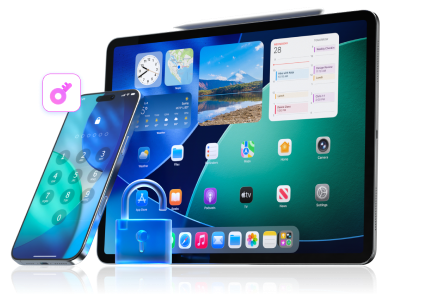
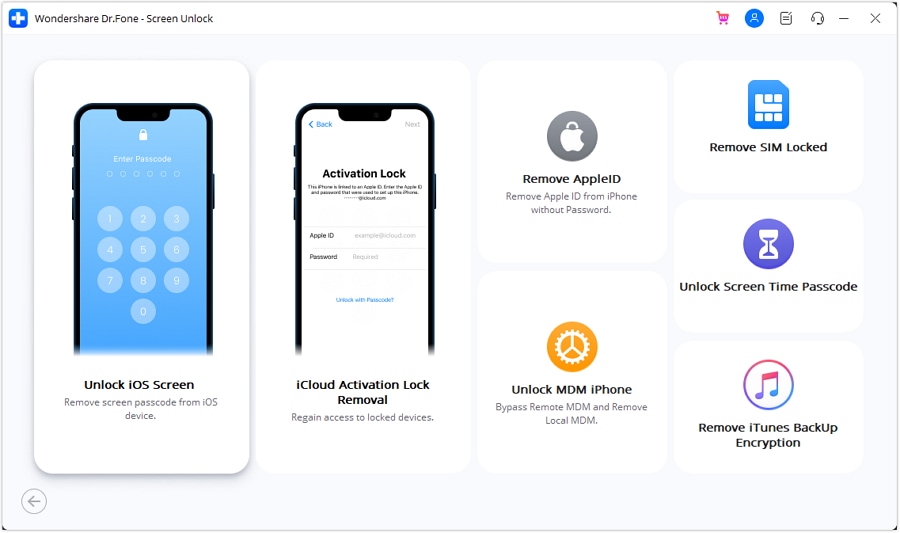
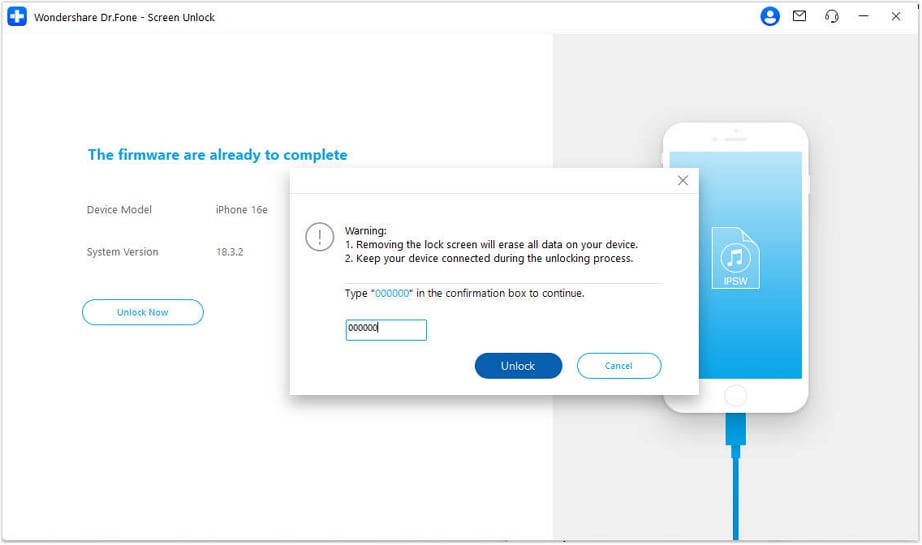
When conventional internal pathways are strictly blocked by an unremembered passcode, relying on advanced third-party utility software is an exceptionally prudent decision. Specifically, executing a targeted wipe via a premium tool like Dr.Fone - Screen Unlock (iOS) introduces a highly streamlined and mathematically secure approach to regaining total control over a disabled handset. Precision-engineered to interact flawlessly with legacy architectures like the iPhone 5 series up through contemporary models, this application masterfully dismantles complex software locks without demanding any background in coding or system administration.
For individuals perplexed about how do I factory reset an iPhone 5 under harsh lockout restrictions, this comprehensive desktop application completely automates the often-daunting firmware recovery sequence. Not only does it effectively bypass the restrictive disabled screen in a matter of moments, but it simultaneously flashes a clean system firmware onto the motherboard. This concurrent action immediately rectifies stubborn software bugs—such as persistent boot loops or frozen displays—while simultaneously returning the device to an immaculate state.






 Add Wondershare Dr.Fone as a preferred source on Google