Resolve common problems and system crashes on both iPhone and Android devices.

 100% Security Verified | No Subscription Required | No Malware

 :
: 
 ChatGPT
 Perplexity
 Gemini
 Claude
 Grok
Grok
It's a common experience for any Android user: your phone or tablet starts acting up. Apps might take forever to load, the operating system feels sluggish, or certain features stop working correctly. In many instances, the device just isn't performing at its peak.
Fortunately, a simple reboot can often resolve these issues by clearing the device's temporary memory and shutting down rogue processes. However, the process isn't always straightforward, especially if your device is frozen or a button is broken. This guide will walk you through the various ways to reboot your Android phone and tablet, and what to do if the standard methods fail.
In this article
- Part 1. How to Force Reboot a Frozen Android Phone
- Part 2. How to Reboot Your Android Phone from a Computer
- Part 3. How to Reboot an Android Phone Without the Power Button
- Part 4. Understanding Hard Reboot vs. Factory Reset
- Part 5. How to Reboot the Android System via Recovery Mode
- Part 6. What to Do If Your Android Device Won't Reboot
Part 1. How to Force Reboot a Frozen Android Phone
When your phone freezes and becomes completely unresponsive, a standard restart is impossible. In this scenario, you need to perform a force reboot, which is like a simulated battery pull. This action can often unfreeze your device and restore its functionality without data loss.
-
Step 1 Press and Hold the Key Combination
Press and hold the Power button and the Volume Down button simultaneously. Keep them held for about 10-20 seconds.

-
Step 2 Wait for the Device to Restart
Continue holding the buttons until the screen goes dark and you feel a vibration, or the manufacturer's logo appears. This indicates that the device is rebooting.

Part 2. How to Reboot Your Android Phone from a Computer
For more technical users, it's possible to restart your Android device using ADB (Android Debug Bridge) commands from your computer. This method is advanced and requires some setup.
-
Step 1 Set Up Android SDK
Download the Android SDK Platform-Tools from the official Android developer website. Extract the ZIP file to an easily accessible location on your computer, such as C:\platform-tools.
-
Step 2 Enable USB Debugging
On your Android device, go to Settings > About Phone and tap on 'Build Number' seven times to unlock Developer Options. Then, go to Settings > Developer Options and enable 'USB Debugging'.
-
Step 3 Connect to Computer and Open Command Prompt
Connect your phone to your computer via a USB cable. Open the Command Prompt (or Terminal on Mac/Linux) and navigate to the folder where you extracted the platform tools (e.g., `cd C:\platform-tools`).
-
Step 4 Execute Reboot Command
Type `adb devices` to ensure your device is recognized. If it appears in the list, type `adb reboot` and press Enter. Your device will immediately begin to restart.
Part 3. How to Reboot an Android Phone Without the Power Button
If your power button is broken, you're not out of options. Here are several effective ways to reboot your device without the power button.
Method 1: Use Other Physical Buttons or Actions
- Plug into a Charger: Connecting your phone to a charger will often wake the screen, allowing you to access the software-based restart option.
- Receive a Call: Ask someone to call your phone. Answering the call will activate the screen, giving you access to the rest of your phone's functions.
- Use the Camera Button: If your phone has a dedicated camera button, holding it down can launch the camera app. From there, you can exit the app and navigate to restart your phone.
Method 2: Use a Third-Party App
Several apps can remap button functions or use sensors to manage your screen, effectively replacing a broken power button.
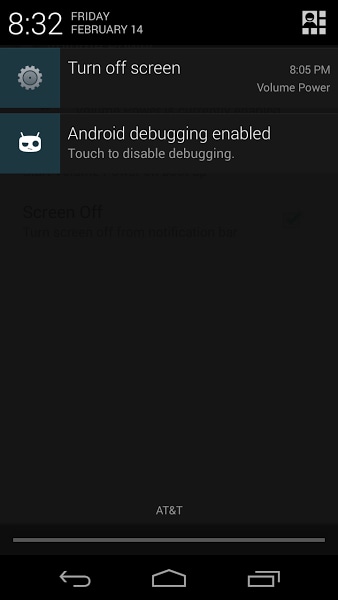
- Power Button to Volume Button: This app does exactly as its name suggests, allowing your volume button to serve as the power button to wake the screen. It doesn't require rooting your device.
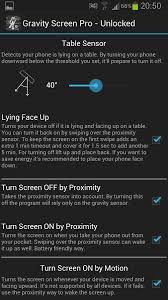
- Gravity Unlock: This clever app uses your phone's orientation sensors. It automatically turns the screen on when you pick it up and turns it off when you place it on a flat surface.
Method 3: Seek a Permanent Fix
If your device is still under warranty, the best long-term solution is to contact the manufacturer or the store where you bought it for a repair. Alternatively, you can find a reputable local repair shop to replace the broken power button.
Part 4. Understanding Hard Reboot vs. Factory Reset
It is crucial to understand the difference between a reboot and a reset, as these terms are often confused.
- Reboot (or Restart): This simply turns your device off and on again. It's a safe process that closes all running applications and clears temporary data from RAM. Your personal files, apps, and settings remain untouched.
- Hard Reboot (or Force Restart): This is the same as a regular reboot but is used when the device is unresponsive. It forces the hardware to shut down and restart. It does not delete any data.
- Factory Reset: This is a much more drastic action. A factory reset erases all data from your device's internal storage, including apps, photos, contacts, and settings, returning it to its original out-of-the-box state.
A hard reboot is performed by holding the power and volume buttons until the screen shuts down and the reboot animation appears, as described in Part 1.
Part 5. How to Reboot the Android System via Recovery Mode
Rebooting from Recovery Mode is an advanced troubleshooting step. This menu allows you to perform system-level tasks, including rebooting the system, wiping the cache partition, or performing a factory reset.
-
Step 1 Boot into Recovery Mode
First, turn off your device. Then, press and hold the key combination to enter Recovery Mode. This varies by device. For many Samsung devices, it's Volume Up + Home + Power. For Google Pixel and others, it's typically Volume Down + Power. Release the buttons once the device logo appears.

-
Step 2 Navigate the Recovery Menu
You will see a screen with the Android mascot. Use the Volume Up and Volume Down buttons to navigate through the menu options.


-
Step 3 Select 'Reboot System Now'
Highlight the 'Reboot system now' option using the volume keys and press the Power button to select it. Your device will then restart and boot into the normal Android operating system.

Part 6. What to Do If Your Android Device Won't Reboot
Sometimes, your device may refuse to reboot no matter what you try. Here are some common scenarios and their solutions.
Scenario 1: The Battery is Completely Drained
If you've let your battery die completely, the device might not respond immediately after you plug it in. The solution is simple: leave it connected to a power source for at least 15-30 minutes before attempting to turn it on. This gives it enough initial charge to boot up.
Scenario 2: The Device Freezes During or After Booting
If your device powers on but gets stuck on the manufacturer logo (a 'bootloop') or freezes shortly after startup, the Android OS may be corrupted. In this case, you can try booting into Recovery Mode (as described in Part 5) and selecting 'Wipe cache partition'. This clears temporary system data and can resolve the issue without erasing your files. If that fails, a factory reset might be necessary.
Scenario 3: A Factory Reset Fails or is Not Possible
If even a factory reset doesn't fix the rebooting problem, it indicates a deeper issue with the firmware. You may need to reinstall the Android operating system. This process is highly specific to your device model. Searching online for your device name followed by "reinstall firmware" or "flash stock ROM" will provide detailed instructions.
Scenario 4: The Device Won't Enter Recovery Mode
If you can't access Recovery Mode, the problem could be caused by a faulty custom ROM installation or severe software corruption. In this situation, professional repair tools can be a lifesaver. They can often force the device into a repairable state and fix underlying system errors that prevent it from booting correctly.
 Fix Android instantly – no skills needed.
- Solve boot loop, black screen, won’t turn on, etc.
- High success rate for all system issues.
- User-friendly interface with easy-to-follow steps.
Conclusion
Rebooting an Android device is a versatile and effective first step for troubleshooting a wide range of issues. Whether you're performing a simple restart, a force reboot on a frozen phone, or navigating recovery mode, understanding these processes empowers you to keep your device running smoothly. When basic methods fail, advanced tools can offer a path to recovery. We hope this comprehensive guide on how to reboot your phone has equipped you to handle any situation you encounter.
FAQ
-
1. What's the difference between a reboot, hard reboot, and factory reset?
A reboot simply turns the device off and on, clearing temporary memory without affecting data. A hard reboot (or force restart) does the same but is used for unresponsive devices by using a physical button combination. A factory reset is a drastic measure that erases all your personal data and restores the phone to its original software state. -
2. How often should I reboot my Android phone?
While there's no strict rule, rebooting your phone once every few days or at least once a week is a good practice. It can help clear out accumulated junk files in the RAM, prevent sluggishness, and ensure the device runs smoothly. -
3. Will rebooting my Android phone delete my data?
No. A regular reboot or a force reboot will not delete any of your personal data, such as photos, contacts, apps, or messages. It is a completely safe procedure. Only a 'factory reset' will delete your data. -
4. What is 'reboot to bootloader'?
'Reboot to bootloader' is an option found in some recovery menus. The bootloader is the first piece of software that runs when you turn on your phone. It loads the operating system (Android). Rebooting to the bootloader is an advanced step, typically used for flashing custom software, rooting, or performing other system-level modifications. For most users, 'reboot system now' is the correct option.
 Add Wondershare Dr.Fone as a preferred source on Google