Resolve common problems and system crashes on both iPhone and Android devices.

 100% Security Verified | No Subscription Required | No Malware

 :
: 
 ChatGPT
 Perplexity
 Gemini
 Claude
 Grok
Grok
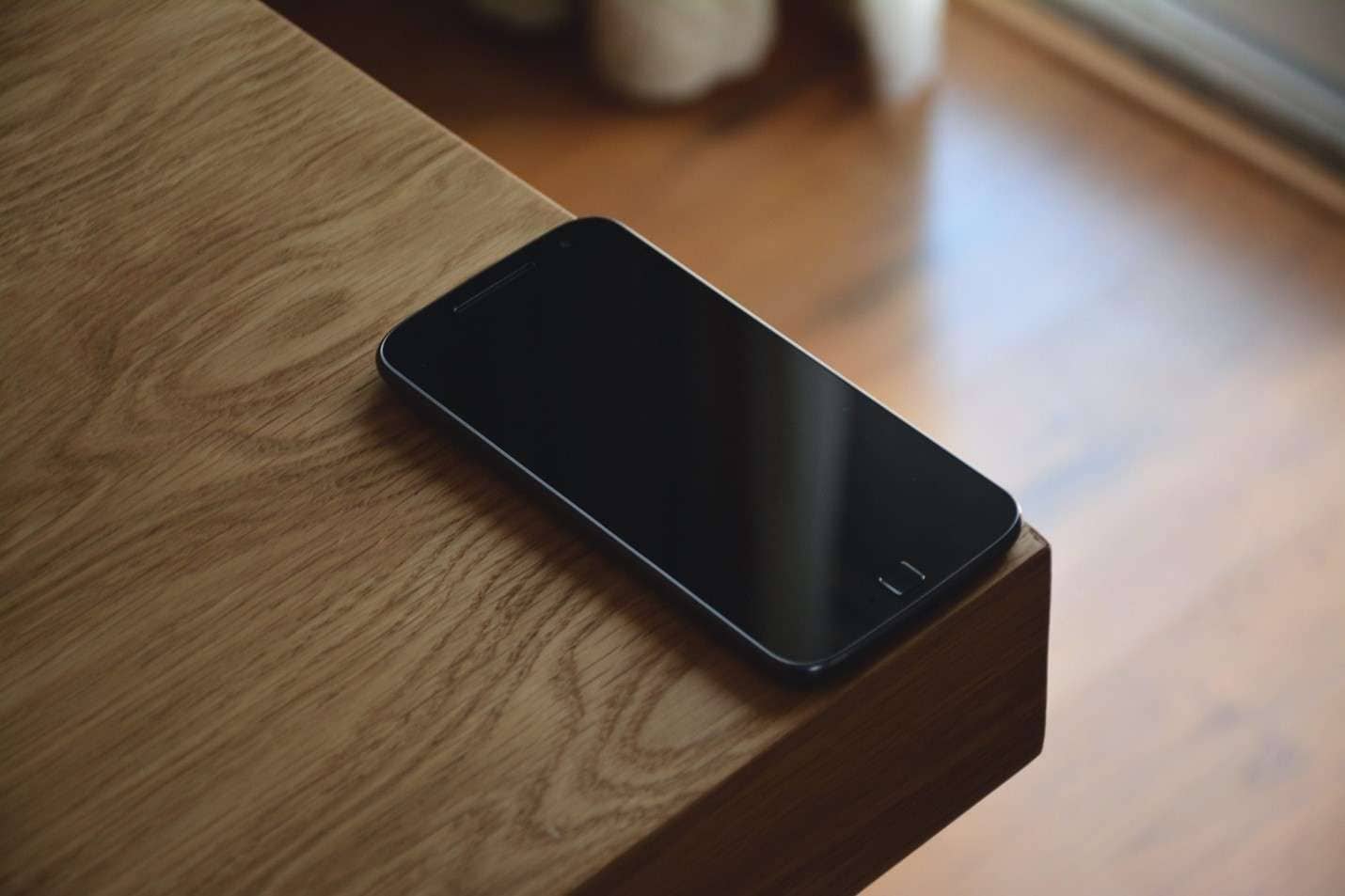
If your Android screen is black, first find out whether the phone is still running. A phone that rings, vibrates, or connects to a computer but shows no image needs a different approach from a phone that shows no signs of power. Start with charging and a force restart, then move to Safe Mode or system repair only if the device responds. After a drop, liquid exposure, or obvious display damage, prioritize hardware service.
Avoid factory reset until you have considered your data. If the phone is still alive behind the black screen, repairing the display or accessing an existing backup may protect more data than wiping the phone.
In this article
- Part 1. Diagnose the Android black screen
- Part 2. Fix an Android black screen
- 1. Charge the phone and check the charging path
- 2. Force restart the device
- 3. Test Safe Mode if the screen comes back
- 4. Try an external display if the phone supports it
- 5. Protect or recover data before destructive fixes
- 6. Repair supported firmware with Dr.Fone

- 7. Factory reset only as a last software step
- 8. Check for hardware failure
- Part 3. Prevention tips
- FAQs
Part 1. Diagnose the Android black screen
The fastest way to narrow an Android black screen problem is to separate a display problem from a device that is not powering on.
| Symptom | Likely direction | What to try next |
|---|---|---|
| Phone rings, vibrates, alarms sound, or a computer detects it | The phone may be running while the display is frozen or damaged | Force restart; if it remains active with no picture, consider display repair |
| No lights, vibration, sound, or charging response | Battery, charging path, power circuit, or deeper hardware issue | Charge with known-good accessories and inspect the port |
| Black screen started after an update or repeated boot crash | Software/firmware issue is more plausible | Force restart, Safe Mode if accessible, then supported system repair |
| Black screen followed a drop, bend, liquid exposure, or visible damage | Hardware failure is more likely | Stop destructive software troubleshooting and seek hardware inspection |

Part 2. Fix an Android black screen
1. Charge the phone and check the charging path
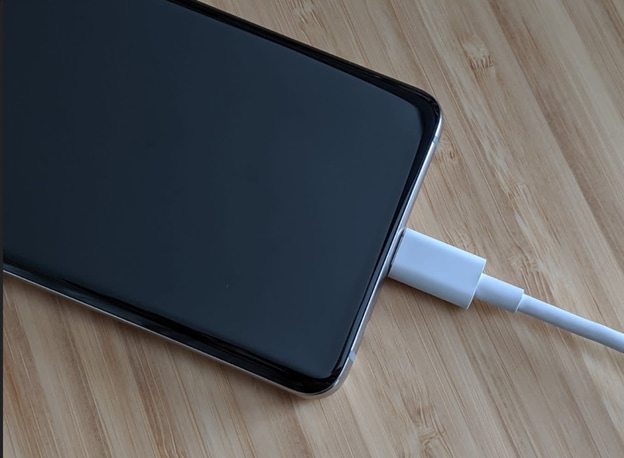
A deeply discharged battery can look like the Android black screen of death. Connect the phone to a known-good charger and cable and leave it charging for at least 30 to 60 minutes before trying to turn it on again.
- Try another known-good cable, adapter, and outlet.
- Inspect the USB port for lint, corrosion, or physical damage. Do not scrape it with a metal object.
- If the phone becomes unusually hot, smells abnormal, or the battery appears swollen, disconnect it and seek service.
2. Force restart the device
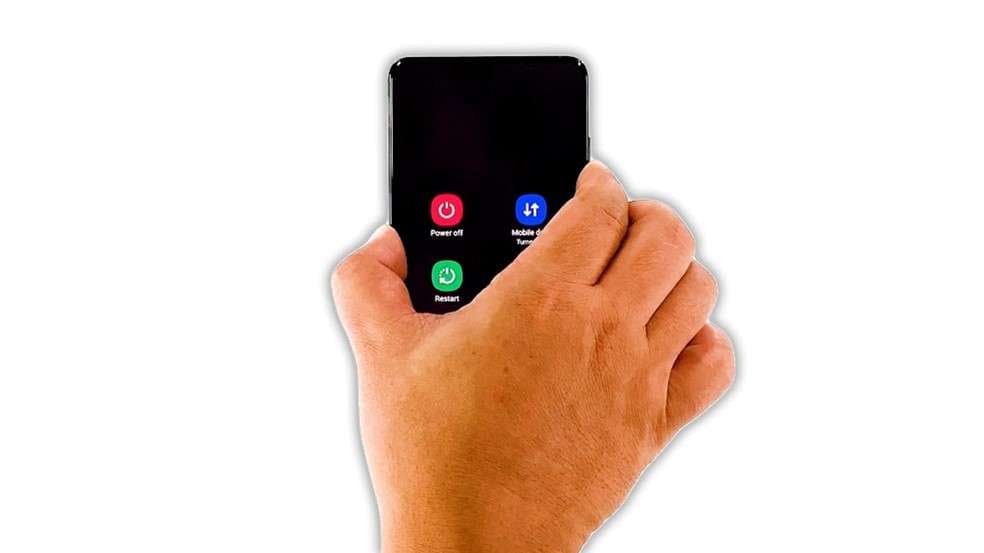
A force restart can clear a frozen Android process without erasing your data. Button combinations vary by manufacturer, so use the combination for your exact model.
On many recent Samsung Galaxy phones, hold the Side/Power button and Volume Down together for around 20 seconds or until the Samsung logo appears. Other Android phones may use a long press of the Power button or a different combination.
If the phone restarts but the black screen quickly returns, note whether it happens only after a specific app loads or during startup.
3. Test Safe Mode if the screen comes back
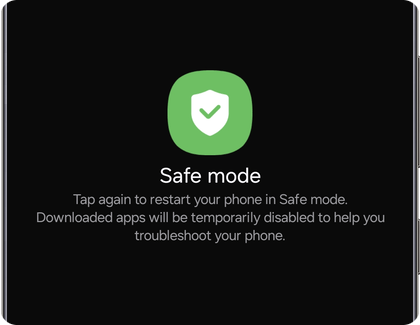
Safe Mode is useful when the display works intermittently and you suspect a downloaded app. It disables third-party apps for the test. If the phone stays stable in Safe Mode, remove recently installed or updated launchers, themes, cleaners, overlays, accessibility tools, or other apps that can affect the interface.
Safe Mode entry differs by brand. On many devices, open the power menu, touch and hold Power off, and confirm Safe mode. If the screen is completely black and you cannot interact with the phone, Safe Mode may not be practical until the display returns.
4. Try an external display if the phone supports it
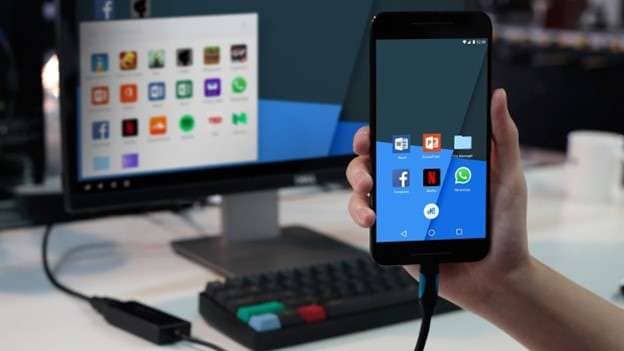
If the phone is clearly running but its own display is black, an external monitor can help distinguish a display failure from a wider device failure. This works only when the phone supports wired video output over USB-C/DisplayPort or another manufacturer-supported display mode.
- Check the exact phone model's specifications for external video output.
- Connect a compatible USB-C-to-HDMI adapter or dock and an HDMI cable to a monitor.
- Switch the monitor to the correct HDMI input.
- If you can see and control the phone externally, back up important data and arrange screen repair.
5. Protect or recover data before destructive fixes
Gaining access to your data can be more important than immediately fixing the screen. If the phone still works behind the black display, avoid a factory reset until you have checked your recovery options.
- Check whether your photos, contacts, messages, or files are already synchronized to your Google account, manufacturer cloud, or another backup service.
- If the phone can be unlocked and authorized, connect it to a computer and copy accessible files.
- If the screen is the only failed part, a temporary or permanent screen repair may be the safest way to unlock the phone and create a backup.
- If USB debugging was not enabled and authorized before the screen failed, do not assume ADB can bypass Android's security controls.
- If the data is irreplaceable and the phone has physical damage, stop repeated reset/flash attempts and consult a professional repair or data-recovery provider.
6. Repair supported firmware with Dr.Fone - System Repair (Android)
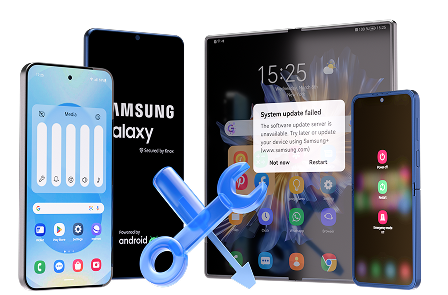
If the black screen appears to come from a firmware problem and you have a supported device, Dr.Fone - System Repair (Android) provides a guided system-repair workflow. The current Android System Repair feature is Windows only and supports Samsung, Xiaomi, Redmi, and POCO devices.
 Fix Android instantly – no skills needed.
- Solve boot loop, black screen, won’t turn on, etc.
- High success rate for all system issues.
- User-friendly interface with easy-to-follow steps.
For a supported Samsung phone or tablet:
-
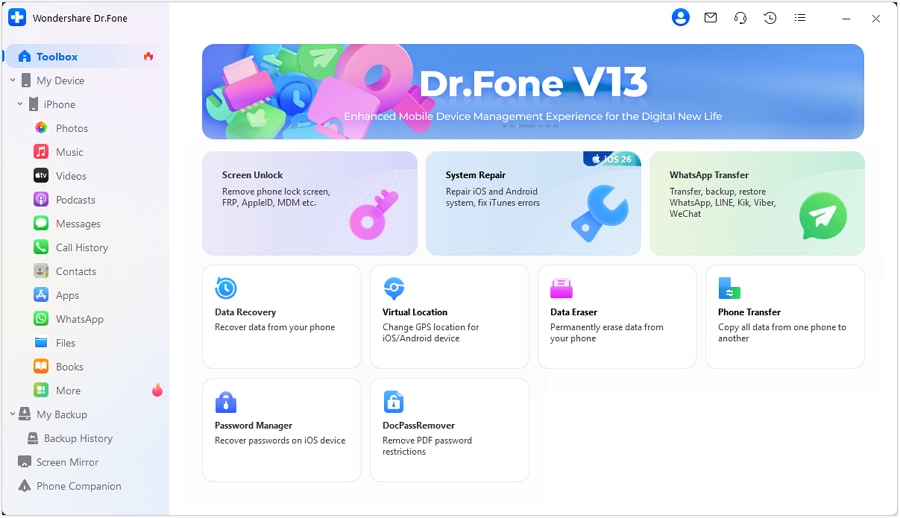
Step 1 Open System Repair
Install and launch Dr.Fone on a Windows PC. Open Toolbox, connect the Samsung device, and select System Repair.
-
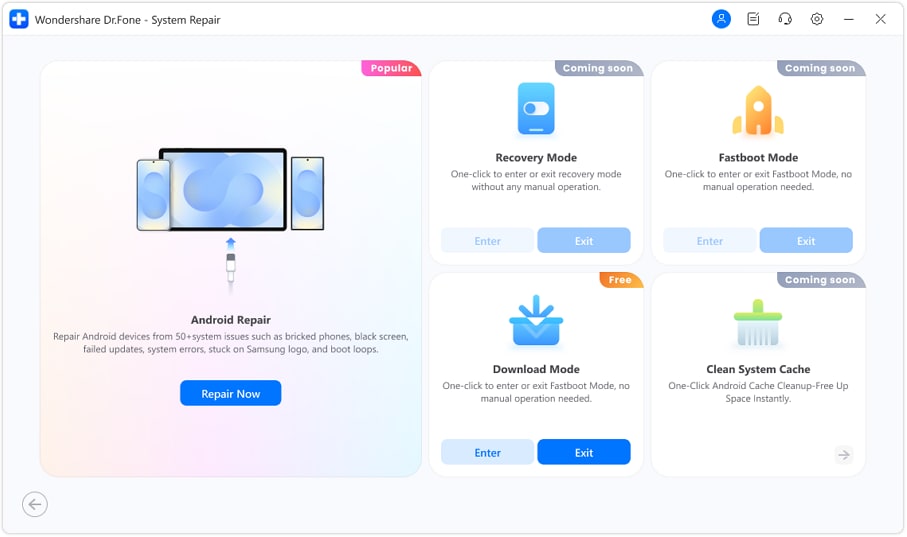
Step 2 Choose Android Repair
Select Android, choose Android Repair, and click Repair Now.
-
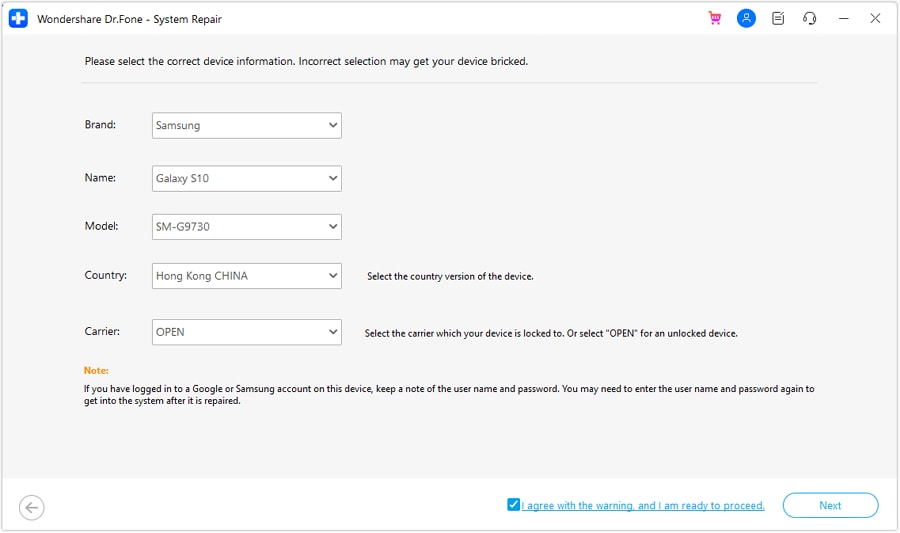
Step 3 Confirm Samsung model details
Select Samsung and confirm the Name, Model, Country, and Carrier exactly for the device. Accept the data warning before continuing.
-
Step 4 Enter Download Mode
Follow the on-screen instructions for your specific Samsung model to enter Download Mode.
-
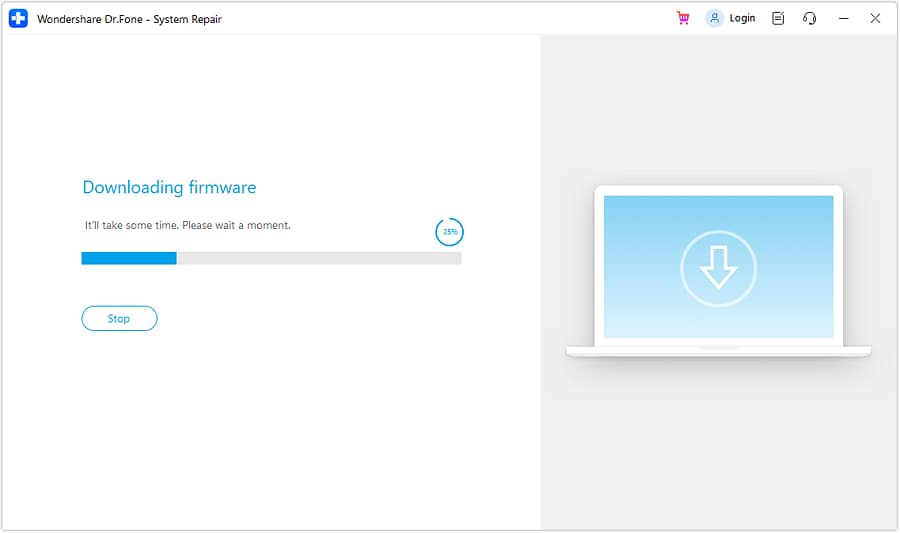
Step 5 Download and install firmware
Dr.Fone downloads and verifies the matching firmware. Click Fix Now and confirm the Samsung data-erasure warning to start repair.
-
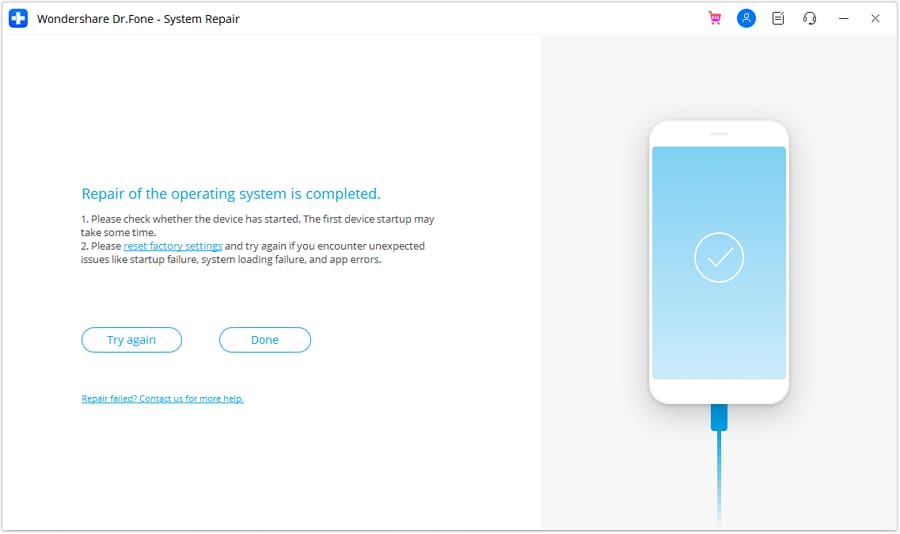
Step 6 Check whether the phone starts normally
When repair completes, click Done and test the display and startup. If the screen remains black while the phone is otherwise active, hardware display service may be required.




 safe & secure
4,624,541 people have downloaded it
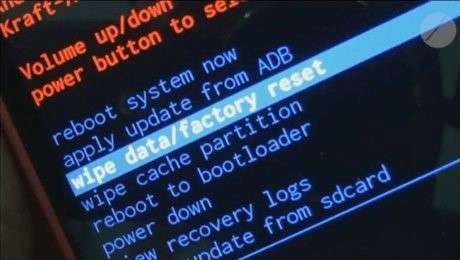
7. Factory reset only as a last software step
A factory reset erases local data, apps, and settings. Use it only after less destructive troubleshooting has failed and after you have protected any data you can still access.
Recovery Mode button combinations and menu labels differ by manufacturer. Use the official instructions for your exact phone. If you see both cache and data-reset options, do not confuse Wipe cache with Wipe data/factory reset.
8. Check for hardware failure
Hardware service is the right next step when the phone was dropped or exposed to liquid, the display is cracked, the phone rings or vibrates but never shows an image after software troubleshooting, or the device shows abnormal heat/swelling.
- Screen or display-connector faults are common when the phone is otherwise running.
- A failed battery or charging circuit is more likely when the device shows no sign of power.
- Board-level faults are possible after liquid exposure, impact, or electrical damage.
If important data is still on the phone, tell the repair provider that data preservation matters before authorizing a reset or board replacement.
Part 3. Prevention tips
A. Software best practices
- Install Android and security updates when the device has enough power and storage.
- Use trusted apps and remove apps that repeatedly crash or interfere with the launcher/display.
- Keep enough free storage for Android to update and operate normally.
- Maintain cloud or computer backups so a future reset does not become a data emergency.
B. Hardware care
- Use a protective case and avoid unnecessary heat exposure.
- Replace damaged charging cables and clean ports carefully.
- Act quickly after liquid exposure or battery swelling rather than repeatedly powering or charging the phone.
FAQs about Android black screens
-
1. Why is my Android phone screen black but the phone still works?
If the phone still rings, vibrates, alarms, or is detected by a computer, the device may be running while the display is frozen or physically damaged. Force restart first; if the phone stays active but the screen never shows an image, display repair becomes more likely.
-
2. Can I recover data from an Android phone with a black screen?
Sometimes. Your best option depends on whether the phone is still powered on, unlocked, and previously authorized for computer access. Check cloud backups first. If the display alone has failed, repairing the screen may be the safest way to unlock the phone and back it up. Avoid factory reset if the data is more important than immediately restoring the phone.
-
3. Does a factory reset fix the Android black screen of death?
A factory reset can fix some software-caused black screens, but it will not repair a broken display, battery, charging circuit, or motherboard. Because it erases local data, use it only after charging, force restart, app troubleshooting, and other appropriate non-destructive steps have failed.
-
4. Can every Android phone output to an external monitor?
No. USB-C does not automatically mean the phone supports video output. Check the exact model specifications for DisplayPort Alt Mode, HDMI output, Samsung DeX, or another supported display feature before buying an adapter.
Conclusion
An Android black screen is fixable in many cases, but the safest fix depends on whether the phone is still running and whether data is at risk. Start with charging and a force restart, then use app or firmware troubleshooting only when the symptoms point to software. If the phone works but the display stays black, or the problem followed a drop or liquid exposure, hardware service may be the fastest route to both the phone and its data.
If you have a supported Samsung, Xiaomi, Redmi, or POCO device and the symptoms point to a firmware problem, Android System Repair is available on Windows.
safe & secure4,624,541 people have downloaded it
 Add Wondershare Dr.Fone as a preferred source on Google