
How to Fix iPhone 7/11 No Sound on Phone Calls?

Oct 10, 2026 • Filed to: Phone Repair Solutions • Proven solutions
 TL;DR:
You can resolve the iPhone 7 or iPhone 11 no-sound-on-calls issue by first testing audio through accessories to isolate physical damage, then fixing routing conflicts or software glitches via settings adjustments, iOS updates, or system repair tools.
● Test your device using headphones or speaker mode; if audio works through these accessories but not the internal earpiece, the internal speaker is physically damaged and requires professional repair instead of software troubleshooting.
● Prevent hidden audio routing conflicts by verifying the physical Mute switch is not showing orange, unplugging all Lightning adapters, and temporarily disabling Bluetooth to stop calls from silently diverting to nearby wireless devices.
● For persistent software bugs, use the "Standard Repair" option in Wondershare Dr.Fone-System Repair while the device is in Recovery Mode to fix deeper iOS firmware instability without losing your personal data.
Ask AI for a summary
 ChatGPT
 Perplexity
 Gemini
 Claude
 Grok
Grok
If your iPhone 7 or iPhone 11 has no sound on calls, the problem is usually related to audio routing, sound settings, Bluetooth, a software glitch, or speaker hardware. In many cases, you can fix it without replacing the phone.
This guide explains why your iPhone 7/11 speaker is not working during calls, how to tell whether the issue is hardware or software, and which solutions to try first. If you can't hear the caller on iPhone or your iPhone 7 can't hear or talk on calls, follow the steps below in order for the fastest fix.
- Why iPhone 7/11 is Speaker Not Working During Calls?
- 4 Easy Tips to Fix iPhone 7/11 No Sound on Phone Calls
- Adjust "Ringer and Alerts" in "Settings"
- Turn off iPhone "Mute Button"
- Unplug your headphones from your iPhone
- Check Bluetooth if you use wireless headphones
- 5 Software Ways for iPhone 7/11 No Sound During Calls

Why iPhone 7/11 is Speaker Not Working During Calls?
If your iPhone 11 has no sound on calls or your iPhone 7 speaker is not working during calls, the issue usually falls into one of four categories: software bugs, hardware damage, call-silencing settings, or incorrect audio output settings. Identifying the right cause first saves time and helps you choose the correct fix.
Before moving to advanced repair, test one simple thing: play music, make a call, switch to speaker mode, and connect headphones or Bluetooth earbuds. If audio works through accessories but not through the phone itself, the problem may be with the internal speaker or earpiece. If there is no sound anywhere, the cause is more likely software or settings-related.
1. Software Issues
Software bugs are one of the most common reasons for iPhone 7 no sound on calls and iPhone 11 no sound on calls. A failed background process, a temporary iOS glitch, or an incomplete update can interrupt call audio even when the phone seems to work normally in other apps.
To check whether software is involved, look for signs such as audio returning after a reboot, call sound cutting in and out, or the issue starting after an iOS update. In these cases, updating iOS is often the first effective solution.
To check for an update:
- Open the Settings app.
- Select "General" followed by "Software Update."
If an update is available, install it after backing up your device. New iOS releases often include audio, calling, and connectivity fixes that can resolve intermittent no-sound issues.
2. Damaged Hardware
If your iPhone 7 plus call speaker is not working or you still can't hear the caller on iPhone after basic settings checks, hardware damage becomes more likely. Drops, liquid exposure, dust buildup, or wear over time can affect the earpiece speaker, bottom speaker, or internal audio components.
A quick way to isolate hardware is to connect wired or wireless audio accessories during a call. If call audio works through headphones or Bluetooth but not through the phone's own speaker or earpiece, the internal audio hardware may need professional repair.
Hardware damage is not something a settings reset can fix. If you also notice distorted sound, crackling, low speaker volume, or a microphone issue during calls, it is best to let Apple Support or a trusted repair center inspect the device.
3. Do Not Disturb turned on
Focus modes and Do Not Disturb settings can sometimes make users think their iPhone 7 no sound during calls issue is a speaker problem when it is actually a call handling or notification configuration issue. While these settings do not always mute active call audio, they can interfere with how calls alert or route.
To make sure this is not causing confusion:
- Open Control Center and confirm that Do Not Disturb or another Focus mode is not enabled.
- Check your call-related settings in the Focus menu and make sure calls are allowed as intended.
This is especially important if you only miss some calls, hear no incoming alert, or notice the issue at specific times of day.
4. Sound Settings
Incorrect sound or audio output settings can also cause an iPhone 7 sound not working issue during calls. In some cases, audio is not gone at all. It is simply being routed somewhere you are not expecting, such as a Bluetooth device, a car system, or another connected accessory.
Open "Settings" and review "Sounds & Haptics," then confirm that your volume is high enough and that your phone is not stuck on an external audio device. During a live call, you should also check whether the audio icon shows a different output destination.
As a rule, if your iPhone can play media but you can't hear caller audio, the issue is more likely related to call routing, earpiece output, or communication settings than to overall system sound.
4 Easy Tips to Fix iPhone 7/11 No Sound on Phone Calls
If your iPhone 7 no sound on calls issue is caused by a simple setting or accessory conflict, the fixes below usually solve it in minutes. Start with these easy checks before resetting settings or restoring the device.
These tips are especially useful if your iPhone was working normally before, if the issue happens only during calls, or if you recently used headphones, Bluetooth earbuds, or another audio accessory.
1. Adjust "Ringer and Alerts" in "Settings"
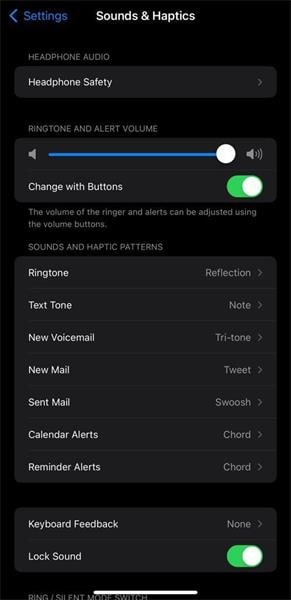
Although call audio and alert volume are not exactly the same, low sound settings can still create confusion when diagnosing why you can't hear caller audio. Raising your sound level is a fast first step that rules out a basic volume problem.
To adjust it, follow these steps:
- Open the Settings app and select "Sounds & Haptics."
- Scroll down to the section labeled "Ringer and Alerts."
- Use the slider to increase the volume.
After increasing the volume, place a test call and raise the call volume again with the side buttons during the call. This helps verify that both system and in-call audio levels are high enough.
2. Turn off iPhone "Mute Button"
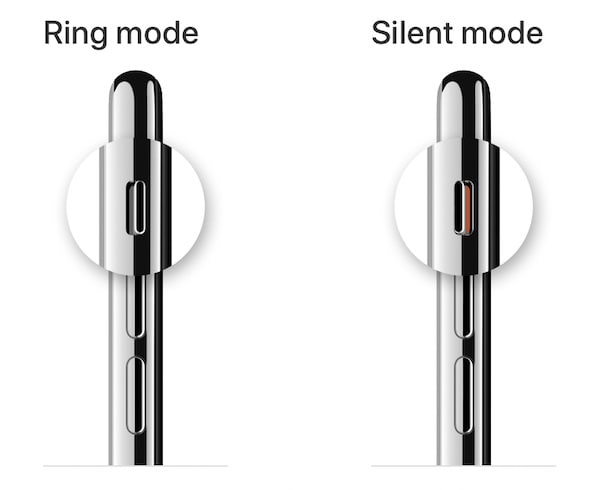
The Ring/Silent switch on the side of the iPhone is easy to trigger accidentally, especially when the phone is in a pocket or case. While it mainly affects alerts, it should still be checked because users often search "can't hear caller on iPhone" when the device is also silenced in other ways.
Make sure the switch is not showing the orange indicator. Then place another call to confirm whether the sound returns. This is a basic step, but it is worth checking before moving on to advanced fixes.
3. Unplug your headphones from your iPhone
If your iPhone still thinks headphones are connected, call audio may be sent there instead of the speaker or earpiece. This is a common reason behind iPhone 7 no sound during calls after using wired audio accessories or adapters.
Disconnect any headphones, Lightning adapters, or external audio devices completely. Then wait a few seconds and test call audio again. If you recently used wired accessories and your phone does not switch back to normal audio, restarting the device after unplugging can help refresh audio routing.

4. Check Bluetooth if you use wireless headphones
If Bluetooth is enabled, your iPhone may automatically send call audio to wireless earbuds, speakers, or even a car audio system nearby. This is one of the most overlooked causes of "iPhone 11 no sound on calls" and "iPhone 7 plus speaker not working during calls."
To check Bluetooth routing:
- Open the Settings app and select "Bluetooth."
- See whether your iPhone is connected to any wireless audio device.
- If needed, disconnect the device or turn Bluetooth off temporarily.
- Make a test call and confirm whether audio now comes through the iPhone.
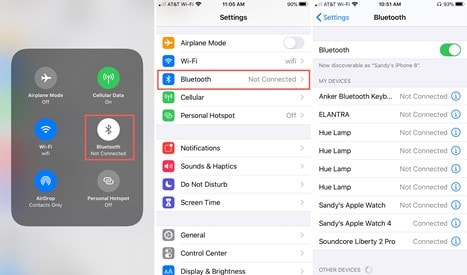
If the problem disappears after Bluetooth is turned off, you have confirmed that the issue was audio routing rather than speaker failure.
5 Software Ways for iPhone 7/11 No Sound During Calls
If the simple checks above do not work, the next step is software-level troubleshooting. These methods are more effective when your iPhone 7 can't hear or talk on calls, call audio suddenly stopped after a system change, or the speaker problem appears without visible hardware damage.
Work through these fixes from least invasive to most advanced. That way, you reduce the risk of unnecessary data loss and can stop as soon as the issue is resolved.
1. Restart your iPhone
A restart clears temporary glitches, refreshes background services, and reinitializes audio processes. If the no-sound issue is caused by a stuck system function, this is often the quickest fix.
To restart your device:
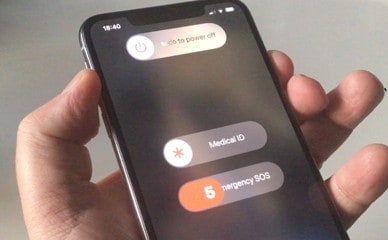
- Press and hold the power button until the "Slide to Power Off" slider appears.
- Swipe it to turn off your device.
- Wait a few seconds.
- Press the power button again to restart.
After rebooting, make a test call before changing any other settings. If audio returns, the issue was likely temporary software instability.
2. Update the iOS version
Running an outdated iOS version can lead to call bugs, Bluetooth conflicts, and sound problems that Apple may already have fixed in a newer release. This is particularly important if your iPhone 11 no sound on calls problem started after an interrupted update or after installing a buggy version.
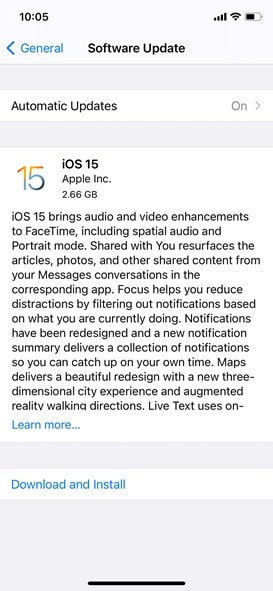
- Open the Settings app.
- Select "General" followed by "Software Update."
- If an update is available, download and install it.
Before updating, back up your iPhone to protect your data. Once the update is complete, place another call to see whether call audio has been restored.
3. Reset All Settings
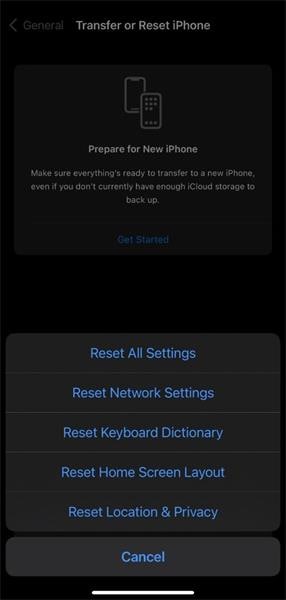
If your audio settings, accessibility options, network rules, or device preferences were changed without you noticing, "Reset All Settings" can help return the iPhone to a clean operating state without deleting your personal files.
This is useful when your iPhone 7 sound not working issue is caused by hidden configuration conflicts rather than a broken speaker.
- Open the Settings app and go to "General."
- Select the reset option available on your iPhone model.
- Choose "Reset All Settings."
- Confirm the action and wait for the device to restart.
You may need to re-enter Wi-Fi passwords and review preferences afterward, but your photos, messages, and apps will remain on the device.
4. Restore your iPhone 7/11 with iTunes
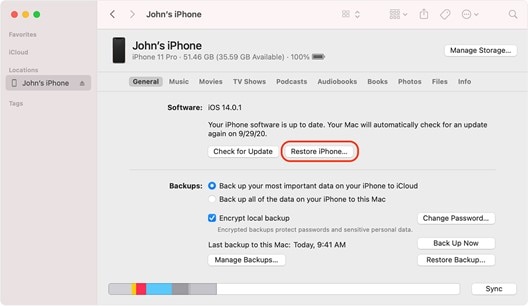
If ordinary troubleshooting fails, restoring your iPhone with iTunes or Finder can reinstall the system and remove deeper software corruption. This is a stronger method, so it is best used only after backup and after easier fixes have not worked.
- Connect your iPhone to a computer with iTunes.
- Select the device when it appears.
- Choose the "Restore Backup" option if you want to recover from a previous backup.
- Select the backup you need.
- Wait for the restore to complete.
If you suspect serious iOS corruption, make sure your backup is current before restoring. This step can resolve stubborn call audio issues, but it is more time-consuming than the earlier options.
5. Dr.Fone-System Repair
If your iPhone 7 no sound on calls issue continues after updates, resets, and manual checks, Wondershare Dr.Fone-System Repair offers a more guided way to repair iOS system problems. It is especially useful when the root cause is firmware instability rather than a simple settings mistake.
Dr.Fone-System Repair can address multiple iOS problems beyond call audio, including recovery mode loops, frozen screens, system glitches, and update-related malfunctions. For users who want a more structured repair workflow without handling every step manually, it can be a practical option.
 safe & secure
If you decide to use Dr.Fone-System Repair, follow these steps:
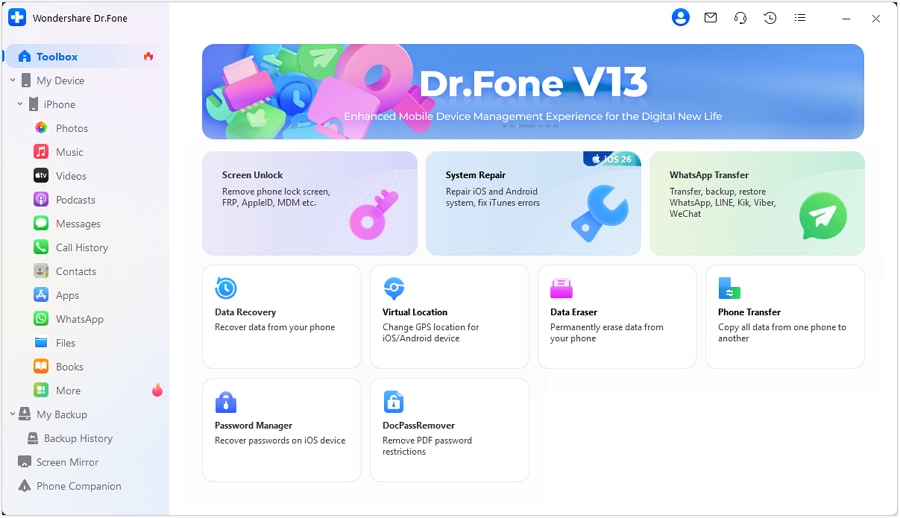
Step #1: Open Wondershare Dr.Fone and choose the "System Repair" option from the homepage.
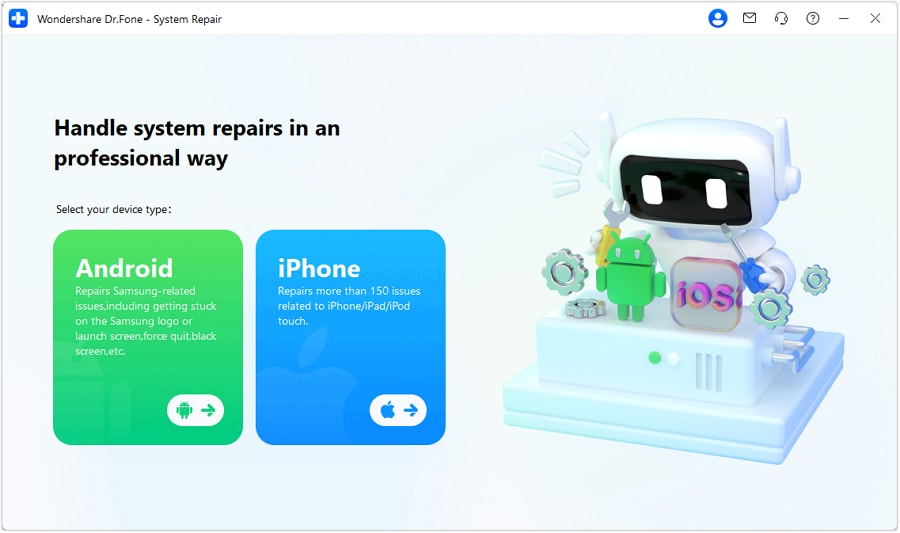
Step #2: Select your device type. In this case, choose iOS.
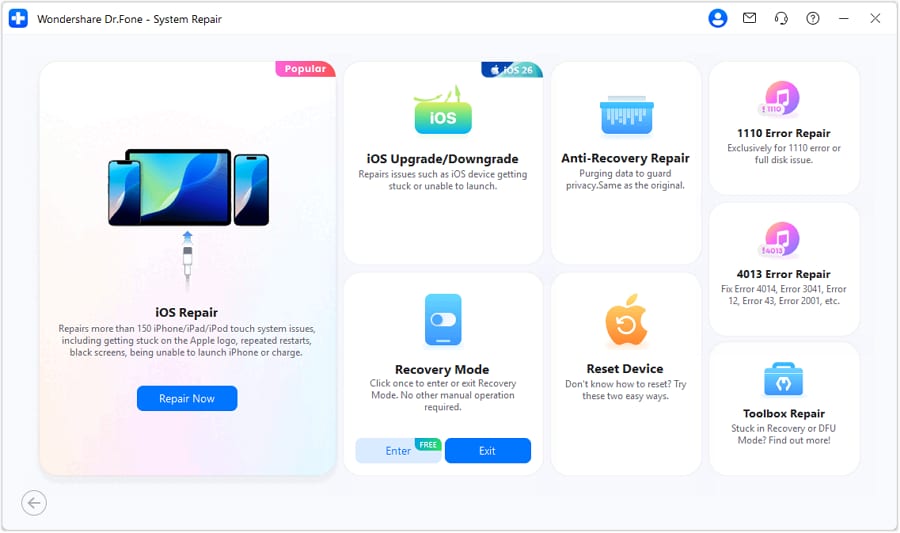
Step #3: Choose the "iOS Repair" option to fix system-related faults.
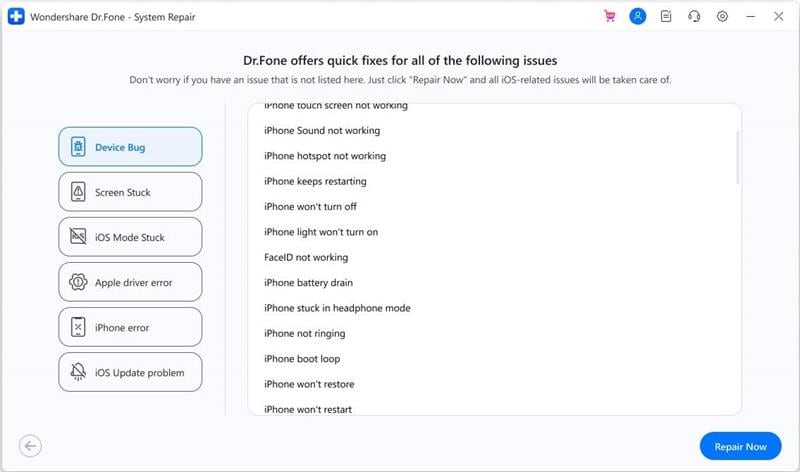
Step #4: Select the issue category and continue by clicking "Repair Now."
Step #5: Choose "Standard Repair" to fix common iOS issues while protecting your data in typical scenarios.
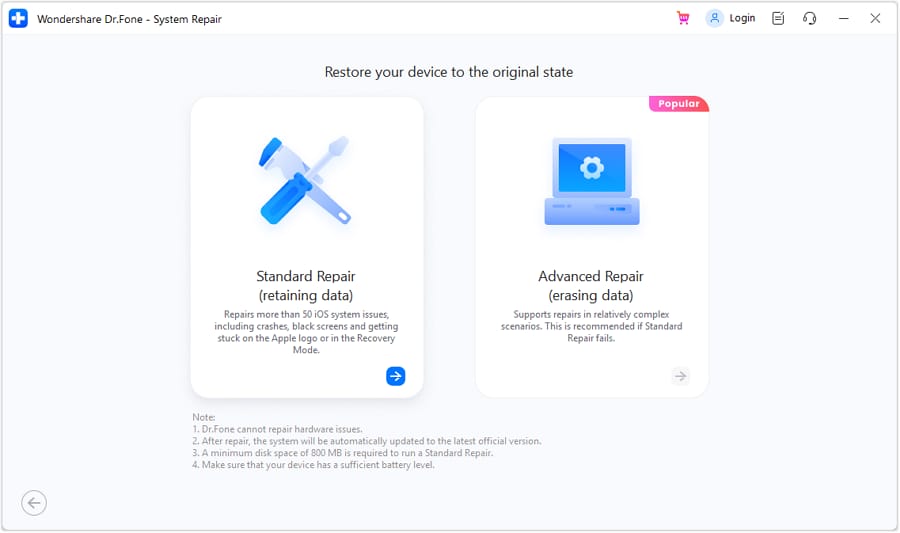
Step #6: Put your iOS device into Recovery Mode when prompted.
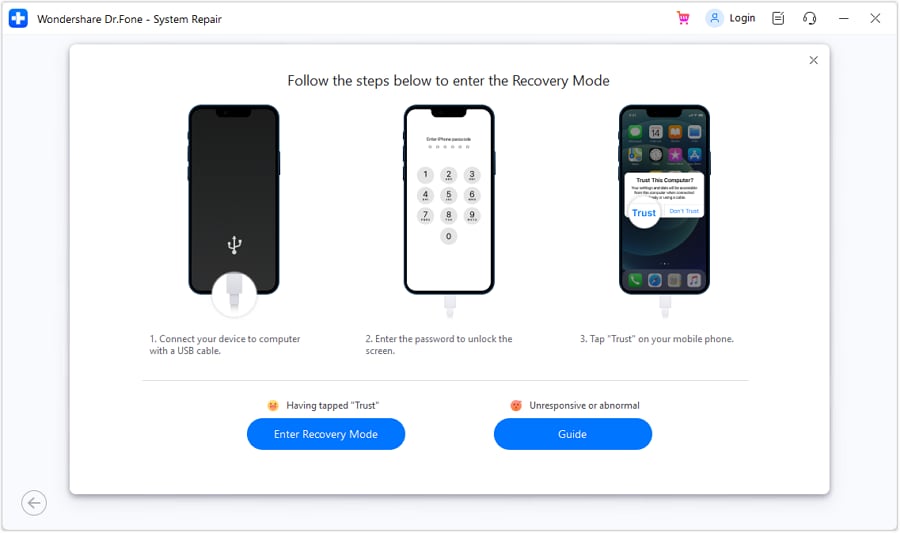
Step #7: Follow the on-screen instructions to complete Recovery Mode on your phone.
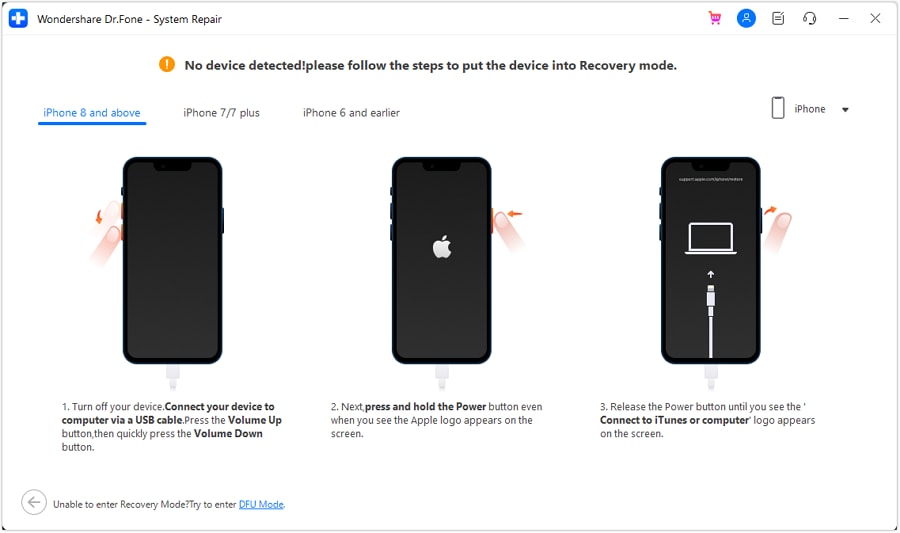
Step #8: The tool will detect the device automatically after it enters Recovery Mode.
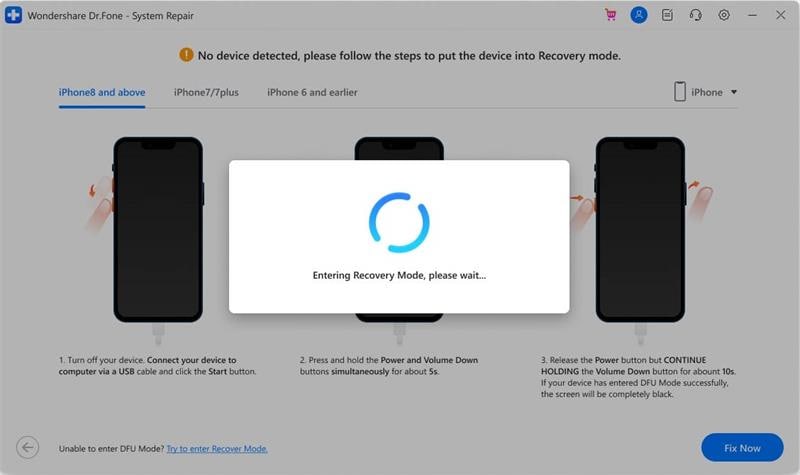
Step #9: Confirm the firmware version and click "Download."
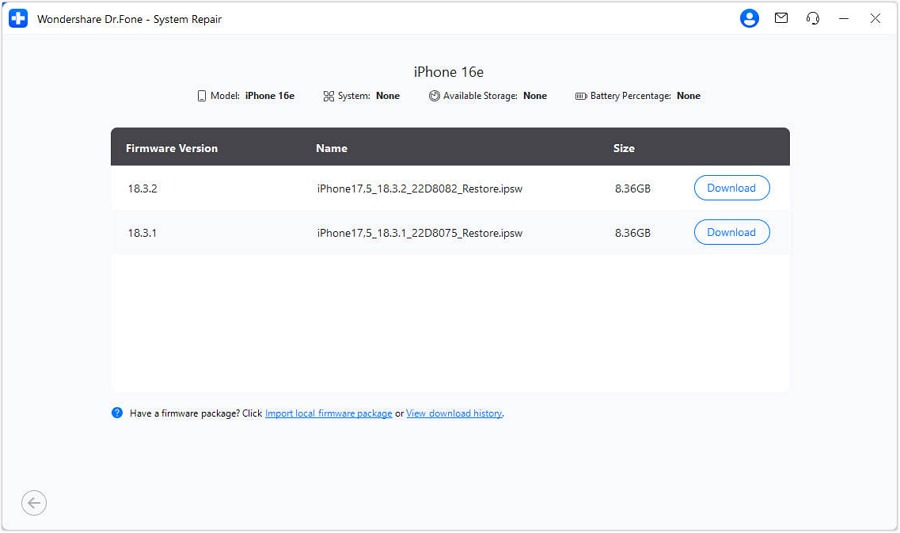
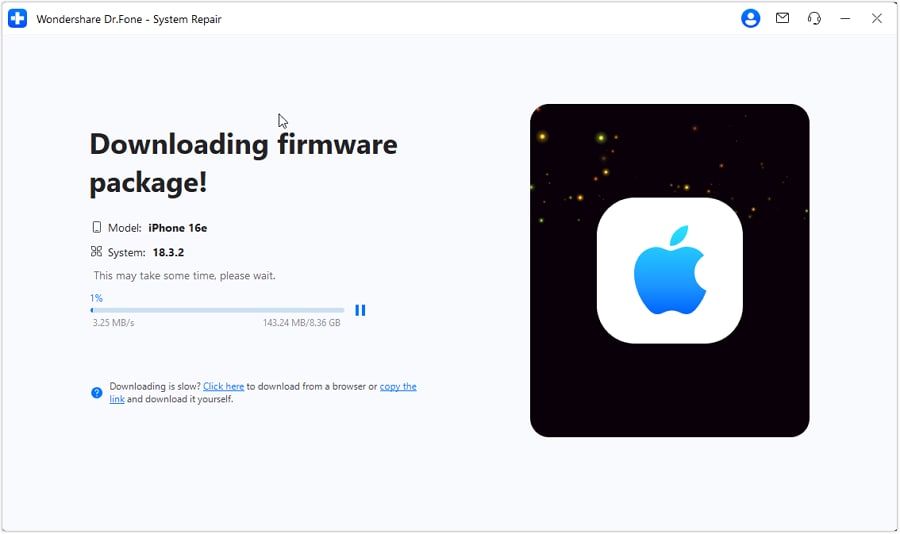
Step #10: Wait while the firmware package downloads.
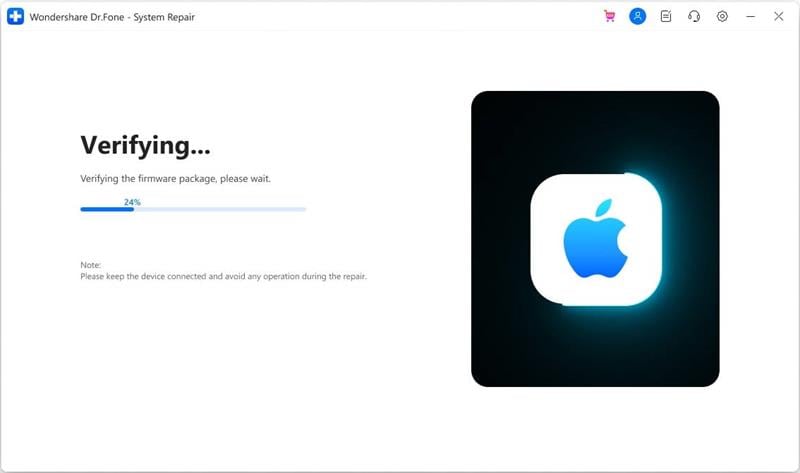
Step #11: Let the program verify the downloaded firmware before repair begins.
Step #12: Click to start repairing the detected issue.
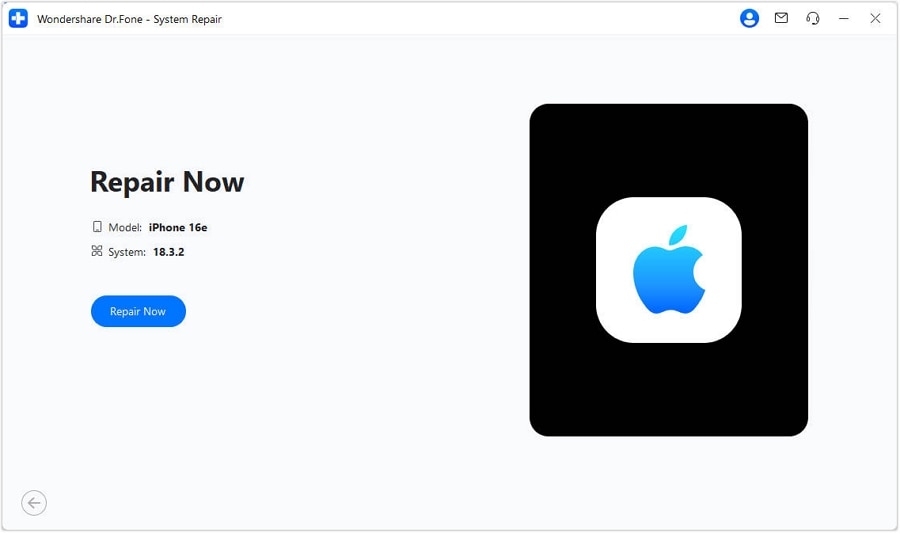
Step #13: Wait for the repair to finish and test your call audio again.
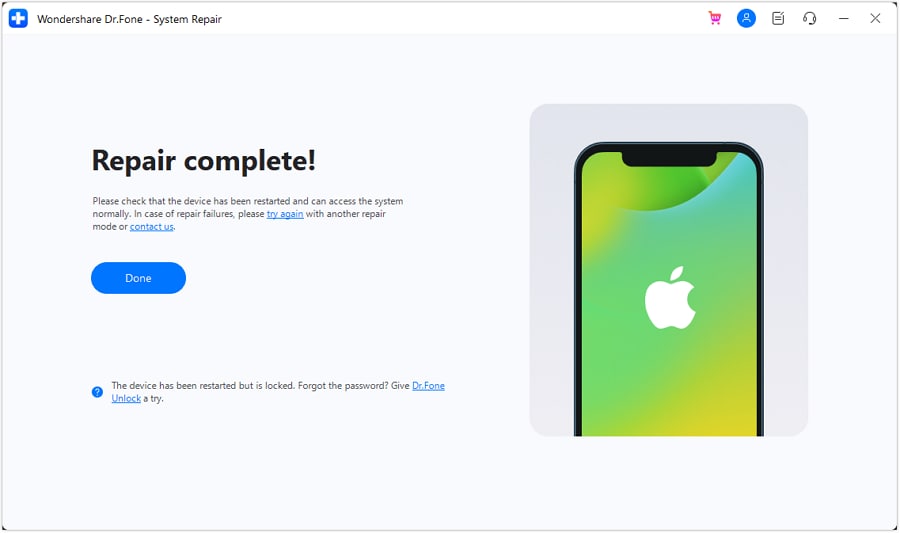
If your iPhone 7 plus call speaker is not working because of an iOS system fault rather than physical damage, this method can be one of the most efficient ways to recover normal call audio.
safe & secureConclusion
If your iPhone 7 or iPhone 11 has no sound on calls, start by checking volume, silent mode, headphones, and Bluetooth because these are the fastest fixes. If the problem continues, move to software troubleshooting such as restarting the device, updating iOS, resetting settings, or restoring the system. When ordinary fixes are not enough and the issue appears to be system-related, Wondershare Dr.Fone-System Repair provides a more advanced way to repair iOS and recover call audio. If sound still does not return after all of these steps, the issue is more likely related to hardware and should be checked professionally.
safe & secureFAQs
 Q1. Why does my iPhone 7 have no sound on calls?Q2. Why is the iPhone 7 Plus call speaker not working during calls?Q3. What should I do if I can't hear the caller on iPhone?Q4. Why can't my iPhone 7 hear or talk on calls?


iPhone 11 Series
- iPhone 11 Backup
- iPhone 11 Problems
- 1. iPhone 11 Frozen Screen
- 2. iPhone 11/12 Keeps Restarting
- 3. iPhone 11/12 No Sound
- 4. iPhone 11/12 Battery Draining Fast
- 5. iPhone 11/12 Black Screen Issue
- 6. iPhone 6/7/8/11/12 Is Not Charging
- 7. iPhone 7/11/12 Speaker Not Working
- 8. iPhone 7/11 No Sound on Phone Calls
- 9. iPhone XR/11/12 Won't Turn Off
- 11. iPhone 11 Touch Screen Not Working
- 12. iPhone 11 Stuck on Apple Logo
- 13. iPhone 11/12/13 that Won't Turn On
- iPhone 11 Recover
- iPhone 11 Unlock
- 1. Unlock iPhone 11/12
- 2. Unlock iPhone 11 Without Passcode
- 3. Bypass iPhone 11/12 Activation Lock
- 4. Get into iPhone 11 Without Passcode
- 5. Unlock iPhone 11/11 Pro (Max)
- 6. iPhone 11 Touch ID Won’t Work
- iPhone 11 Tips



Daisy Raines
staff Editor
Generally rated4.5(105participated)