Bypass iCloud Activation Lock and Android FRP without password.

 100% Security Verified | No Subscription Required | No Malware

 :
: 
 ChatGPT
 Perplexity
 Gemini
 Claude
 Grok
Grok
When Apple launched the iPhone X series, Face ID revolutionized how we secure our devices, replacing the familiar Touch ID with advanced facial recognition. While incredibly convenient, technology can sometimes falter, leaving you locked out if your iPhone XS, XS Max, or XR fails to recognize you. This can be frustrating, especially when you need urgent access.
Fortunately, a malfunctioning Face ID doesn't mean your device is inaccessible. You can always revert to using your passcode. But what if you've forgotten that too? This guide provides comprehensive, updated solutions for 2026 on how to unlock an iPhone XS (Max) without Face ID, covering scenarios both with and without a known passcode.

In this article
Part 1. How to Unlock Your iPhone XS/XR with a Passcode When Face ID Fails
Think of Face ID as a convenient shortcut, not a mandatory requirement. Your passcode remains the primary method for unlocking your device. If Face ID isn't working, iOS provides several straightforward ways to bring up the passcode entry screen as a secure fallback. Here are three simple methods to do just that.
Method 1: Swipe Up to Access the Passcode Screen
This is the most direct way to bypass Face ID on an iPhone XS or XR. First, wake your device by tapping the screen or raising it. When the Face ID animation appears, simply swipe up from the bottom of the screen. This action tells iOS you want to use your passcode instead, and it will immediately display the number pad for you to enter your code.

For users accustomed to older iPhones, this gesture is different from the previous "swipe right" motion. On all Face ID-enabled iPhones, swiping up is the standard way to proceed to the passcode screen.
Method 2: Use the Power Off Screen
Another reliable trick to summon the passcode screen is to initiate the power-off sequence. Press and hold either the Volume Up or Volume Down button along with the Side button simultaneously. When the "slide to power off" slider appears, tap the "Cancel" button at the bottom. This action cancels the shutdown and securely returns you to the passcode lock screen.

Method 3: Trigger the Emergency SOS Screen
While this method involves the emergency services screen, it's a safe way to get to the passcode entry if other methods fail. Quickly press the Side button five times in a row. This will activate the Emergency SOS countdown. Tap the "Cancel" button (or the 'X' icon) to stop the countdown. Your iPhone will then require your passcode to be re-enabled, presenting you with the unlock screen.

Part 2. What to Do When Face ID and Passcode Are Both Unavailable?
Facing a situation where Face ID is unresponsive and you've also forgotten your passcode can feel like a dead end. In this scenario, you need a specialized tool to regain access. We highly recommend Dr.Fone - Screen Unlock (iOS), a powerful and reliable solution for bypassing any iOS lock screen.
 Unlock iPhone/iPad passcode in minutes.
- Remove Face ID, Touch ID, and screen lock.
- Bypass iCloud Activation Lock easily.
- Support all iOS versions and devices.
- Simple steps, no technical skills needed.

This tool is designed to remove all types of screen locks, including 4/6-digit passcodes, Face ID, and Touch ID, without requiring any technical expertise. It's crucial to understand that due to Apple's security protocols, unlocking an iPhone without the passcode will erase all data on the device. This is a necessary security measure to protect your personal information. After the process, your iPhone will be updated to the latest stable iOS version. Here’s how to use it:
-
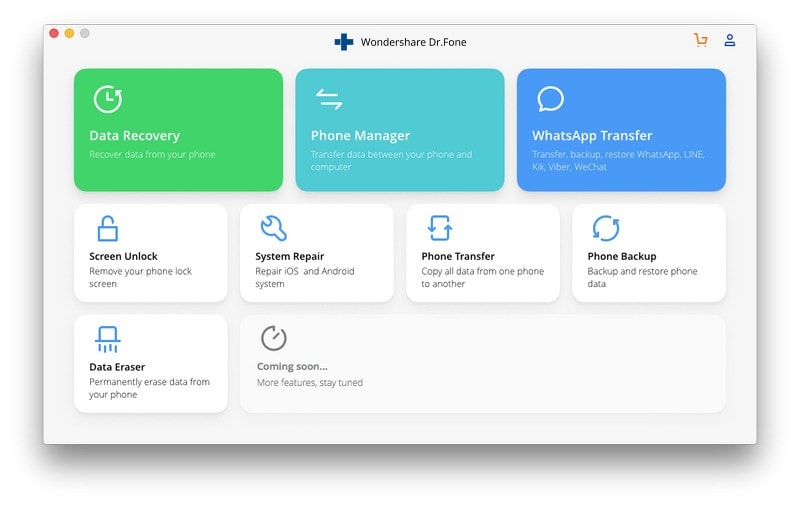
Step 1 Launch Dr.Fone and Select Screen Unlock
Download and install the Dr.Fone toolkit on your computer. Open the application and choose the "Screen Unlock" module from the main menu.
-
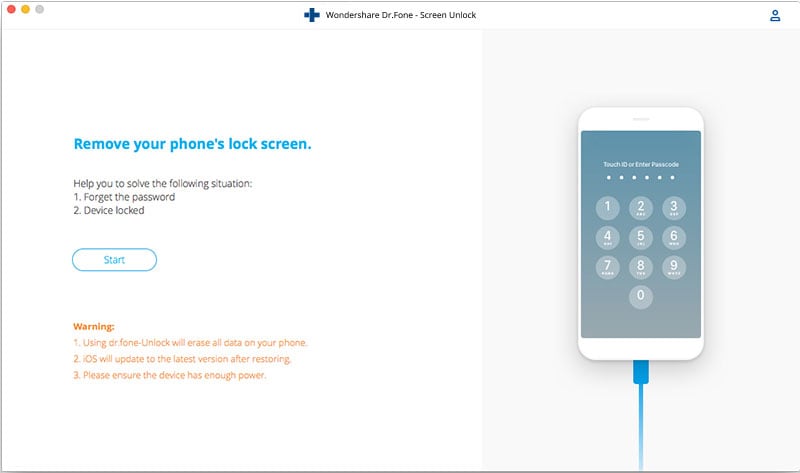
Step 2 Connect Your iPhone and Start
Use a Lightning cable to connect your iPhone XS or XR to your computer. The software will recognize your device. Click the "Unlock iOS Screen" button to begin the process.
-
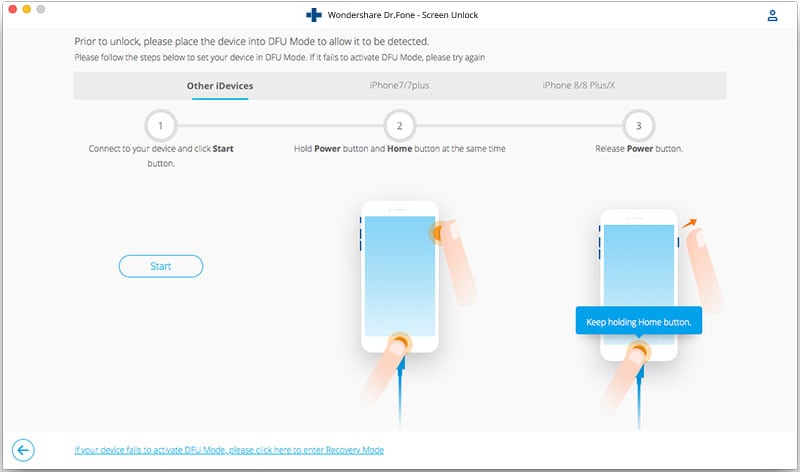
Step 3 Enter DFU Mode
You'll need to put your iPhone into DFU (Device Firmware Update) mode by following the on-screen instructions. For an iPhone XS/XR: turn off the device, then press and hold the Side button and Volume Down button together for 10 seconds. Release the Side button but continue holding the Volume Down button until the software detects DFU mode.
-
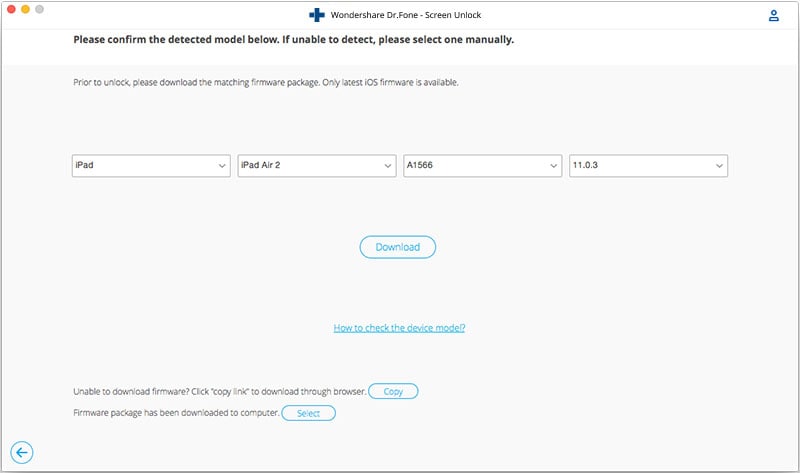
Step 4 Confirm Device Information and Download Firmware
Dr.Fone will display your device model and system version. Verify that this information is correct, then click the "Download" button to get the appropriate iOS firmware for your device.
-
Step 5 Unlock Your iPhone
Once the firmware download is complete, click the "Unlock Now" button. The software will begin removing the lock screen from your iPhone. Keep your device connected throughout this process.

-
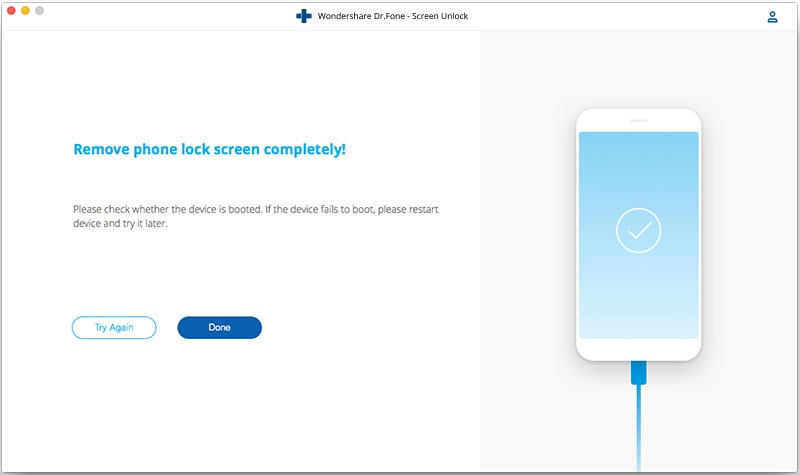
Step 6 Unlocking Complete
After a few minutes, your iPhone's lock screen will be successfully removed. The device will restart as if it were new, and you can set it up again. You will see a confirmation message on the Dr.Fone screen.
Part 3. Can You Unlock with Face ID Directly Without Swiping Up?
Many users wonder if it's possible to skip the final swipe-up gesture after Face ID successfully recognizes them. For a standard, non-jailbroken iPhone, the answer is no. Apple designed the unlock process to be a deliberate, two-step action to prevent accidental unlocking. The typical flow is:
- Wake the iPhone by tapping the screen or raising it.
- Glance at the phone for Face ID authentication.
- Once authenticated, the padlock icon at the top of the screen opens.
- Finally, swipe up from the bottom to access the Home Screen.

While some find this final step redundant, it's a built-in part of the iOS experience. You can choose to swipe up first and then let Face ID authenticate you, but the swipe gesture is unavoidable. The only way to bypass this is by jailbreaking your device and using tweaks like FaceUnlockX, which can automate the process. However, jailbreaking can void your warranty and expose your device to security risks, so it is not generally recommended.

Part 4. Essential Tips and Tricks for Managing Face ID
As Face ID is a core feature of modern iPhones, knowing how to manage it can improve your user experience. Here are some answers to common questions about the iPhone XS (Max) and iPhone XR Face ID.
4-1. I don't like Face ID. How can I disable it?
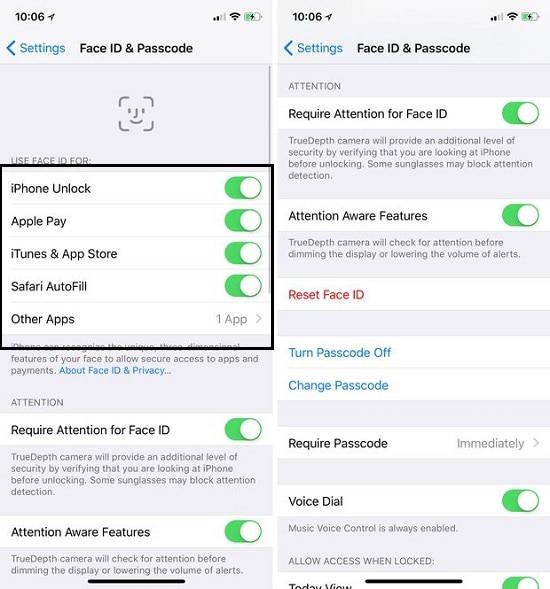
If you prefer using only a passcode, you can easily disable Face ID. Go to Settings > Face ID & Passcode. Enter your passcode, and then under the "Use Face ID For:" section, toggle off "iPhone Unlock".

4-2. What happens when Face ID fails to recognize my face?
After five unsuccessful Face ID attempts, iOS will automatically disable it for security and require you to enter your passcode to unlock the device. To improve recognition, ensure you scan your face from multiple angles during the initial setup.
4-3. Can I set up a new Face ID later?
Absolutely. You are not required to set up Face ID when you first get your iPhone. You can add or reset it at any time by navigating to Settings > Face ID & Passcode and selecting "Set Up Face ID" or "Reset Face ID".

4-4. Can I unlink Face ID from Apple Pay and the App Store?
Yes. Face ID can be used to authorize purchases and autofill passwords. If you prefer not to use it for these functions, go to Settings > Face ID & Passcode. Under the "Use Face ID For" section, you can individually disable its use for iTunes & App Store, Wallet & Apple Pay, and Password Autofill.
4-5. My Face ID hardware seems broken. What should I do?
If you receive an error message stating "Face ID is not available," there might be an issue with the TrueDepth camera system. First, try restarting your device. If the problem persists, it may be a hardware fault. You should contact Apple Support or visit an authorized service center for diagnosis and potential repair or replacement.
Conclusion
Knowing how to unlock your iPhone XS (Max) or iPhone XR without Face ID is an essential skill. Forgetting your passcode on top of a malfunctioning Face ID can be daunting, but there are clear solutions available. If you remember your passcode, you can easily bypass Face ID using built-in iOS functions. If you've forgotten your passcode, tools like Dr.Fone - Screen Unlock (iOS) provide a reliable way to regain access, though it requires erasing the device's data. By understanding these methods, you can confidently manage any lock screen issue you encounter.
FAQ
-
1. Will unlocking my iPhone without a passcode always erase my data?
Yes. Due to Apple's stringent security measures, any method that bypasses the passcode on an iOS device will factory reset it, erasing all data. This is a fundamental security feature to protect your information from unauthorized access. It's always best to have a recent backup. -
2. Can I use Dr.Fone - Screen Unlock on newer iPhone models besides the XS?
Yes, Dr.Fone - Screen Unlock is compatible with all iPhone, iPad, and iPod touch models and supports the latest iOS versions. This includes newer models like the iPhone 15 series and any future releases, ensuring it remains a relevant tool. -
3. Is it safe to put my iPhone into DFU mode?
Yes, putting your iPhone into DFU (Device Firmware Update) mode is a standard and safe procedure when done correctly. It's a powerful troubleshooting state that allows for deep-level restores. Following the on-screen instructions provided by software like Dr.Fone ensures you do it safely. -
4. What's the difference between Face ID failing and my iPhone being disabled?
Face ID failing simply means the camera couldn't recognize your face after a few attempts, at which point it defaults to asking for your passcode. An iPhone becomes "disabled" only after you enter the wrong passcode too many times in a row. A disabled iPhone requires a full restore via a computer, whereas a simple Face ID failure does not.
 Add Wondershare Dr.Fone as a preferred source on Google