Effortlessly manage data through preview, delete, export, etc.

 100% Security Verified | No Subscription Required | No Malware

 :
: 
 ChatGPT
 Perplexity
 Gemini
 Claude
 Grok
Grok
Elevate your media and presentation experience by learning how to mirror your PC or laptop screen to a larger TV. Screen mirroring transforms your television into a dynamic display for streaming movies, sharing presentations, or enjoying content from popular services on a bigger screen. This comprehensive guide will walk you through the most effective methods to cast your computer to a TV and provide solutions to common mirroring challenges.
We'll explore everything from the stability of a wired connection to the convenience of wireless streaming. Additionally, we offer a bonus tip for those who want to connect their smartphone to a PC, creating a fully integrated device ecosystem.
In this article
Part 1. How to Mirror a Laptop or PC Screen to a TV
Device connectivity has evolved significantly, offering a variety of reliable ways to mirror your PC to a TV. Below, we provide detailed instructions for three of the most popular and effective methods available today.
Method 1: Using a Direct HDMI Cable Connection
The most straightforward and dependable method for mirroring your PC's screen to a TV is by using a high-definition multimedia interface (HDMI) cable. This wired approach guarantees minimal lag and maximum video and audio quality.
-
Step 1 Locate the Correct Ports
First, identify the available ports on both your PC and TV. The vast majority of modern laptops and flat-screen TVs come equipped with an HDMI port. If your computer uses a different type of port, such as DisplayPort or USB-C, you will need a corresponding adapter to connect to your TV's HDMI input.
-
Step 2 Connect the Devices
Plug one end of the HDMI cable into the designated port on your PC and the other end into an available HDMI input on your television.
-
Step 3 Configure Your TV's Input
Power on your television and use the remote control to switch the input source to the HDMI port you just connected the cable to (e.g., HDMI 1, HDMI 2).
-
Step 4 Adjust PC Display Settings
On your Windows PC, right-click on the desktop and select "Display settings." Scroll down to the "Multiple displays" section and choose "Duplicate these displays" from the dropdown menu. Your PC screen will now be perfectly mirrored onto your TV.
- Highest quality video and audio
- Zero latency or lag
- Extremely reliable and stable connection
- Simple plug-and-play setup
- Requires a physical cable
- Limited mobility for the PC/laptop
- Can create cable clutter
Method 2: Wireless Mirroring with Google Chromecast
For a seamless wireless experience, Google Chromecast is a premier tool for casting your PC, tablet, or smartphone screen to your TV. It allows you to effortlessly stream online videos, photos, and music, and provides access to popular apps like YouTube, Netflix, and HBO Go. Follow these steps to set it up.
1. Casting a Chrome Browser Tab
- Begin by installing the Chromecast application from the official setup page: https://cast.google.com/chromecast/setup/.
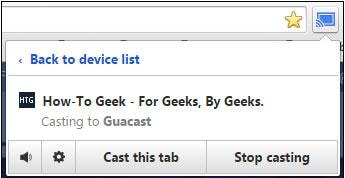
- Once set up, open the Chrome browser and click the "Cast" button (three vertical dots, then "Cast...") to initiate mirroring.
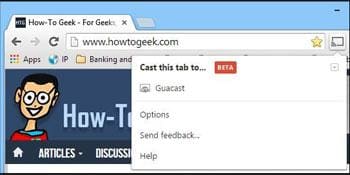
If you have multiple Chromecast devices on your network, select the desired one from the dropdown menu. Your Chrome tab will then appear on your TV. To end the session, click the Cast button again and select "Stop casting."
2. Casting Your Entire Desktop
While casting a single tab is useful, you can also mirror your entire PC desktop for more versatility. This is ideal for presentations or using applications not supported within Chrome.
- Click the Cast button in Chrome, then click on the "Sources" dropdown arrow in the Cast tab.
- Select "Cast desktop." You will see a prompt to confirm you want to share your entire screen.
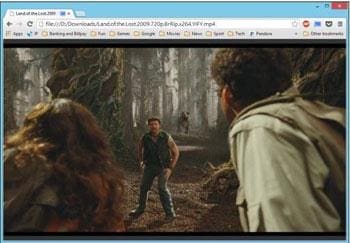
Once you confirm, your entire desktop, including all open windows and applications, will be mirrored to your TV. A control bar will appear at the bottom of your PC screen, which you can use to stop casting or hide the notification.

3. Optimizing for Audio and Video
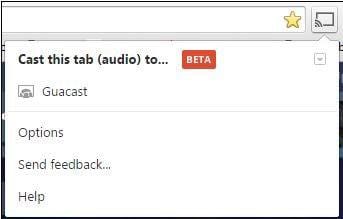
For the best experience when streaming media, some services like Netflix or YouTube will stream content directly from your router to the Chromecast, bypassing your PC. This improves video quality and reduces buffering. When casting a tab with audio, ensure you use the "Cast this tab (optimized for audio)" option for enhanced sound quality. The volume will be controlled through the app or webpage, not your PC's system volume.
Method 3: Employing Wireless Display Adapters
Another popular wireless option is a dedicated wireless display adapter, such as the Microsoft Wireless Display Adapter or devices from brands like Roku that support Miracast technology. These devices create a direct wireless connection between your PC and TV.
-
Step 1 Plug in the Adapter
Connect the wireless display adapter to an available HDMI port on your television. Most adapters also require a USB connection for power, which can often be plugged into a USB port on the TV itself.
-
Step 2 Select the Correct TV Input
Turn on your TV and switch the input source to the HDMI port where the adapter is connected. You should see a ready-to-connect screen displayed by the adapter.
-
Step 3 Connect from Your PC
On your Windows PC, press the Windows Key + K to open the "Connect" panel. Alternatively, go to 'Settings' > 'Devices' > 'Bluetooth & other devices,' and click 'Add Bluetooth or other device.' Select 'Wireless display or dock.' Your TV adapter should appear in the list; click on it to establish the connection.
This method offers the freedom of wireless connectivity, but performance can depend on the quality of your Wi-Fi signal. A strong connection is crucial to minimize latency and ensure a smooth streaming experience, especially for video content.
Part 2. Bonus Tip: How to Mirror Your Phone to a PC
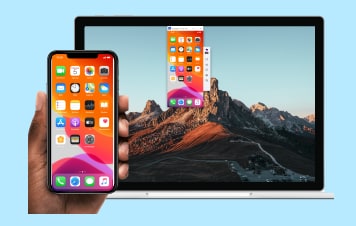
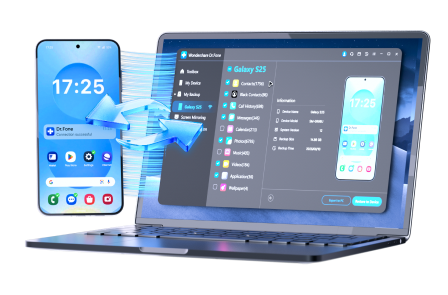
In addition to projecting your PC onto a TV, you can also mirror your smartphone screen to your computer. This is incredibly useful for mobile app development, presentations, or enjoying mobile games on a larger display. Dr.Fone provides powerful tools for this purpose.

 Effortlessly manage data through preview, delete, export, etc.
- Transfer all data between devices.
- Robust backup solutions for reliable data protection.
- Mirror screens to PC for meetings, teaching, and control.
Method 1: Using Wondershare Dr.Fone Desktop Software
Dr.Fone's desktop application provides a robust and stable method for mirroring your smartphone to a PC via a USB connection, ensuring a high-quality, lag-free experience.
-
Step 1 Install Dr.Fone
Download and install the Wondershare Dr.Fone software on your computer. Launch the application to begin.
-
Step 2 Connect Your Phone
Connect your smartphone to your PC using a USB cable. You may need to enable USB debugging on your Android device or trust the computer on your iPhone when prompted.
-
Step 3 Start Mirroring
From the main Dr.Fone interface, select the 'Screen Mirror' feature. The software will detect your phone, and your phone's screen will instantly be duplicated on your PC monitor.
Method 2: Using Dr.Fone Air (Online Screen Mirror)
For those who prefer a wireless, download-free solution on their computer, Dr.Fone Air offers a convenient online platform to mirror your phone screen.
-
Step 1 Access Dr.Fone Air
Navigate to the official Dr.Fone Air website in your PC's web browser.
-
Step 2 Connect Your Phone
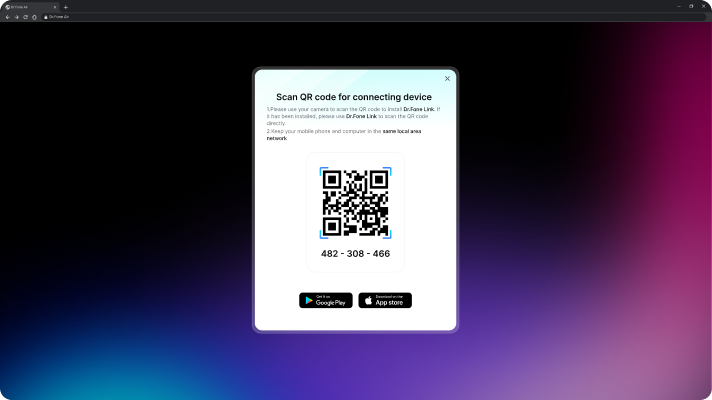
Download the Dr.Fone Link app on your smartphone. Open the app and use it to scan the QR code displayed on the Dr.Fone Air website on your PC. This will establish a secure wireless connection.
-
Step 3 Begin Wireless Mirroring
Once connected, your phone's screen will be mirrored in the browser window, allowing you to enjoy a cable-free mirroring experience.
Conclusion
Screen mirroring is an accessible technology that enhances how we consume media and share information. Whether you prefer the unmatched stability of an HDMI cable, the convenience of a wireless adapter, or the browser-based simplicity of Chromecast, there is a method that fits your needs. By following the detailed instructions in this guide, you can easily turn your PC into a versatile media hub that projects directly to your TV. For those looking to integrate their mobile devices, solutions like Dr.Fone make phone-to-PC mirroring just as simple. Happy mirroring!




Frequently Asked Questions about Screen Mirroring
-
1. Can I use my PC for other tasks while mirroring its screen?
Yes, you can. If you choose to "Extend these displays" instead of "Duplicate these displays" in your PC's display settings, your TV will act as a second monitor. This allows you to drag a video or application to the TV screen while continuing to work on your main PC screen independently. -
2. What can I do if my computer lacks an HDMI port?
If your computer does not have an HDMI port, you can use an adapter. Common ports like DisplayPort, Mini DisplayPort, or USB-C can be easily converted to HDMI with the correct adapter or a specialized cable, allowing you to connect to virtually any modern TV. -
3. My TV is mirroring the screen, but there is no audio. How can I fix this?
This is a common issue. On your PC, right-click the speaker icon in the taskbar and select "Sound settings." Under the "Output" section, make sure your TV or the HDMI connection is selected as the output device. If it's not listed, you may need to enable it in the classic Sound control panel. -
4. Is there a difference between screen mirroring and casting?
Yes, there is a key difference. Screen mirroring duplicates your entire screen in real-time. Casting, on the other hand, sends specific content (like a YouTube video) from your device to the TV. When casting, the media often plays directly from the internet on the TV, freeing up your source device for other tasks.
 Add Wondershare Dr.Fone as a preferred source on Google