Effortlessly manage data through preview, delete, export, etc.

 100% Security Verified | No Subscription Required | No Malware

 :
: 
 ChatGPT
 Perplexity
 Gemini
 Claude
 Grok
Grok
Have you ever glanced at your iPhone screen only to be greeted by a frustrating message reading, "Syncing with iCloud Paused"? It often feels as though your digital life has suddenly hit a roadblock. From cherished photos and crucial notes to expansive contact lists and daily device backups, iCloud operates quietly in the background to keep everything perfectly in sync across your entire Apple ecosystem. Consequently, when this specific hindrance occurs, it serves as a direct warning that your most recent files aren't updating, and your digital safety net might be temporarily compromised.
Although seeing a syncing error can create an immediate sense of panic regarding data loss, resolving this pause is quite straightforward once you understand the underlying triggers. Therefore, in this comprehensive 2026 guide, we will break down exactly why this alert appears and introduce simple, highly effective solutions to unpause your syncing. We will also explore an innovative method to manually restore and manage your iCloud data completely stress-free.
In this article
- Part 1. What Does Syncing with iCloud Paused Mean?
- Part 2. Why Is Syncing with iCloud Paused?
- Part 3. How Do I Unpause Syncing with iCloud? [Tested Fixes]
- Fix 1. Turn Off Low Power Mode and Charge
- Fix 2. Check Internet Connection
- Fix 3. Confirm the Apple Server Status
- Fix 4. Buy More iCloud Storage
- Fix 5. Resume Syncing Manually
- Fix 6. Restart Your Device
- Fix 7. Update Your iPhone Firmware
- Fix 8. Check Date & Time Settings
- Fix 9. Sign Out and Login in to iCloud
- Fix 10. Reset Network Settings
- Pro Tip. Best Way to Restore Data Using Dr.Fone
Part 1. What Does Syncing with iCloud Paused Mean?
When you receive the syncing to iCloud paused alert, it means that your iPhone has proactively and temporarily halted all communication with Apple's cloud servers. Because the process is paused, heavy data files like high-resolution photos, extensive iMessage histories, real-time contacts, and updated documents won't be pushed to your other Apple devices. This is a built-in protective mechanism by iOS to prioritize system stability, battery life, or network integrity over immediate file updates. Often, if the environmental conditions of the phone improve, the syncing resumes on its own, quickly resolving the issue. However, if the notification stubbornly remains on your screen, you may need to opt for targeted manual solutions to force the sync to proceed.
If the pause specifically affects your iMessage history, use these targeted fixes for iCloud Messages not syncing across your Apple devices.
Part 2. Why Is Syncing with iCloud Paused?
Before diving into the troubleshooting steps, it is essential to diagnose why syncing with iCloud is paused on your particular device. Head to the common reasons listed below to determine the precise root cause affecting your iPhone:
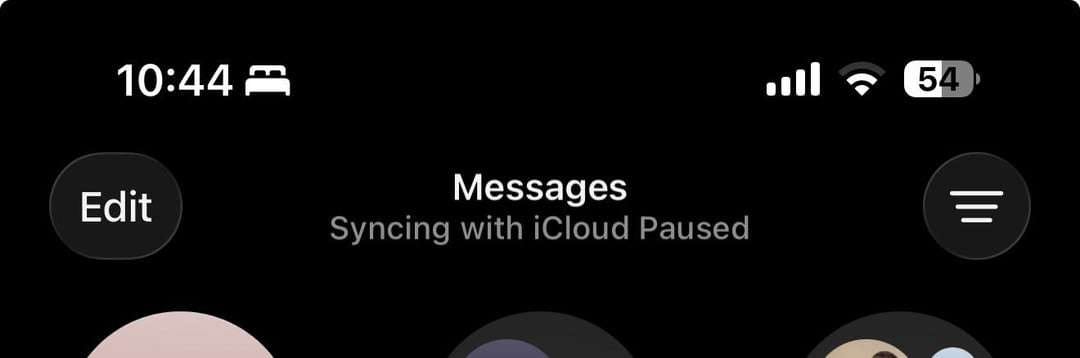
- Low Power Mode Engaged: When you manually turn on Low Power mode (or when it automatically triggers below 20% battery), your iPhone intentionally throttles background operations. Apple designs this to conserve remaining energy, forcing functions such as photo or document uploads to wait until this mode is switched off or the device is sufficiently charged.
- Depleted iCloud Storage: Apple provides 5GB of free storage. When you reach the absolute limit of your iCloud storage, your iPhone is no longer able to upload or sync new data. In case of zero available room, the system automatically discontinues syncing to prevent file corruption or partial uploads.
- Poor or Unstable Internet Connection: It may not be obvious, but iCloud requires a decent Wi-Fi or high-speed cellular connection to establish a secure handshake with Apple's servers. Therefore, when your connection is fluctuating or heavily restricted, the operating system will automatically stop the sync to prevent endless upload loops and battery drain.
- Local Device Storage Almost Full: If your physical iPhone storage is running dangerously out of space, background syncing can stop. The system requires a buffer of local storage to compress and prepare files before upload. Freeing up local storage usually resolves this immediate bottleneck.
- Software Glitches or Account Conflicts: Occasionally, iCloud syncing pauses due to deeper software bugs or Apple ID authentication errors. If your iPhone is running an outdated iOS version, it may struggle to authenticate properly or support the latest iCloud security protocols.
Part 3. How Do I Unpause Syncing with iCloud? [Tested Fixes]
To definitively resolve the Syncing with iCloud Paused issue, walk through the following ten tested fixes. We have provided detailed instructions for each method to help you swiftly identify which one eliminates your specific roadblock.
Fix 1. Turn Off Low Power Mode and Charge
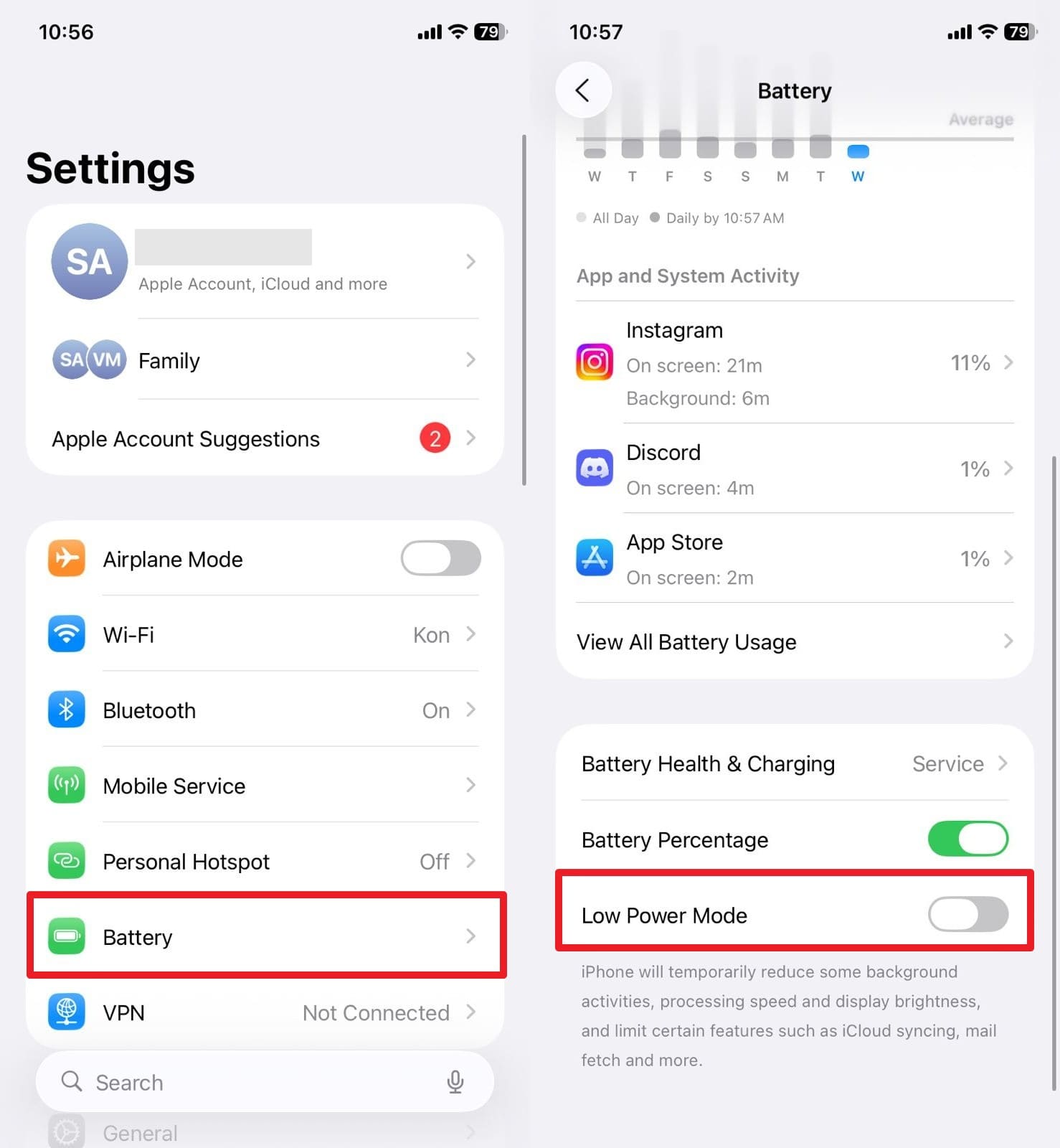
The absolute most common culprit is battery preservation. Turn off Low Power Mode and plug in your phone, as this will immediately signal the iOS system to restore full iCloud performance. When this battery-saving mode is disabled via the steps below, background apps and iCloud services are granted permission to consume power again, keeping data updated seamlessly. Moreover, physically charging the phone gives the processor the stable power required to process heavy uploads and downloads without arbitrary restrictions, ultimately preventing sync delays.
Instructions: Open the Settings app and select the "Battery" menu. From there, locate the toggle switch at the top and disable the "Low Power Mode" option.
Fix 2. Check Internet Connection
It is strongly advised to verify that your active internet connection is stable and unrestricted, since iCloud heavily depends on high-bandwidth Wi-Fi or robust cellular data to push files. If you are on a public network or a Wi-Fi with a captive portal, your device might show a Wi-Fi icon but block iCloud traffic. As you ensure that you have a strong, unfettered internet connection, the background sync function will immediately resume, and pending data will be shared across all your Apple devices without failure. A quick toggle of Airplane Mode often helps reset this connection.
Fix 3. Confirm the Apple Server Status
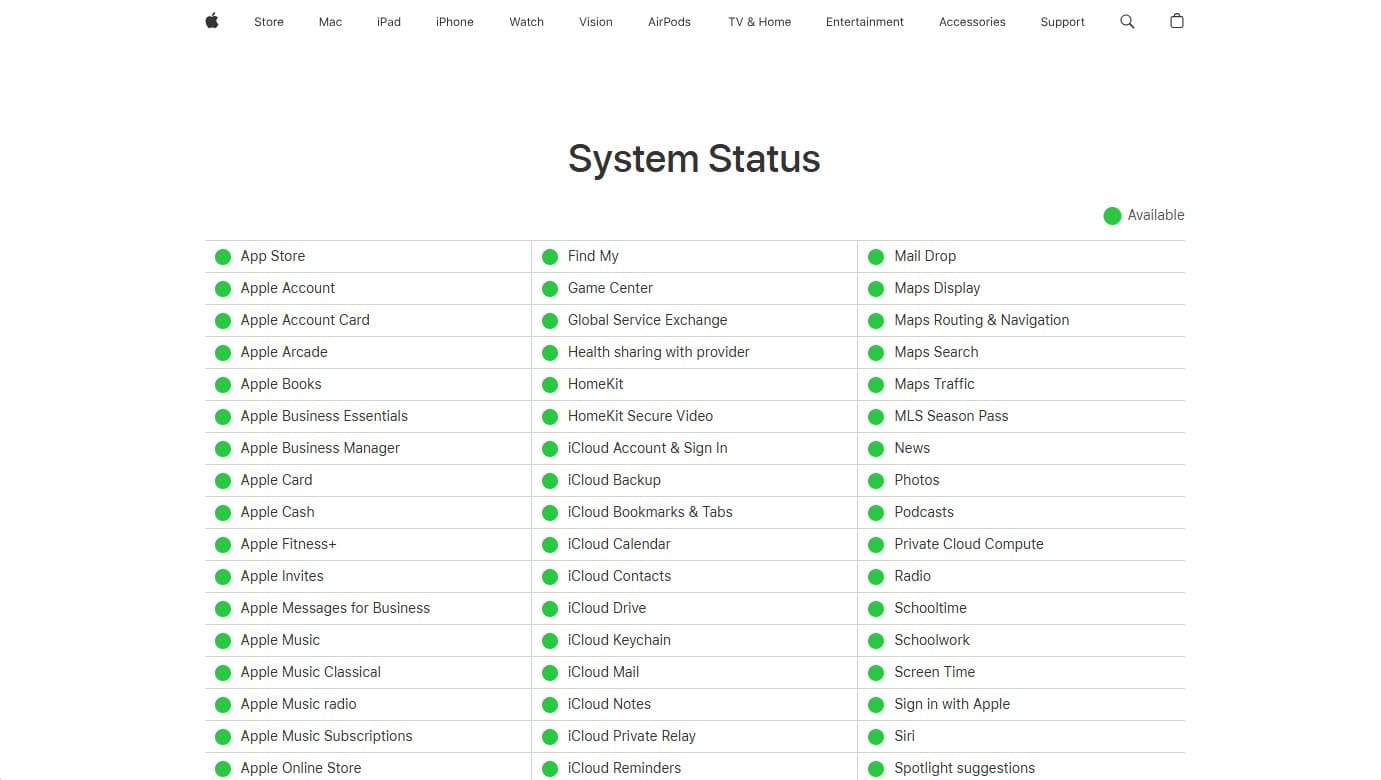
When syncing to iCloud is paused despite a perfect internet connection and full battery, confirm the Apple server status. Sometimes, the issue isn’t with your phone hardware at all. If the official iCloud servers are experiencing an outage or routine maintenance, this sync error will remain visible until the servers are restored from Apple’s end. Checking the official portal via the given instructions will provide clarity on when service might be restored, preventing you from making unnecessary or accidental account changes while you wait.
Instructions: Navigate to the official Apple System Status page via your browser and verify that all iCloud-related services (like iCloud Drive, iCloud Account & Sign In) show a green dot next to them.
Fix 4. Buy More iCloud Storage
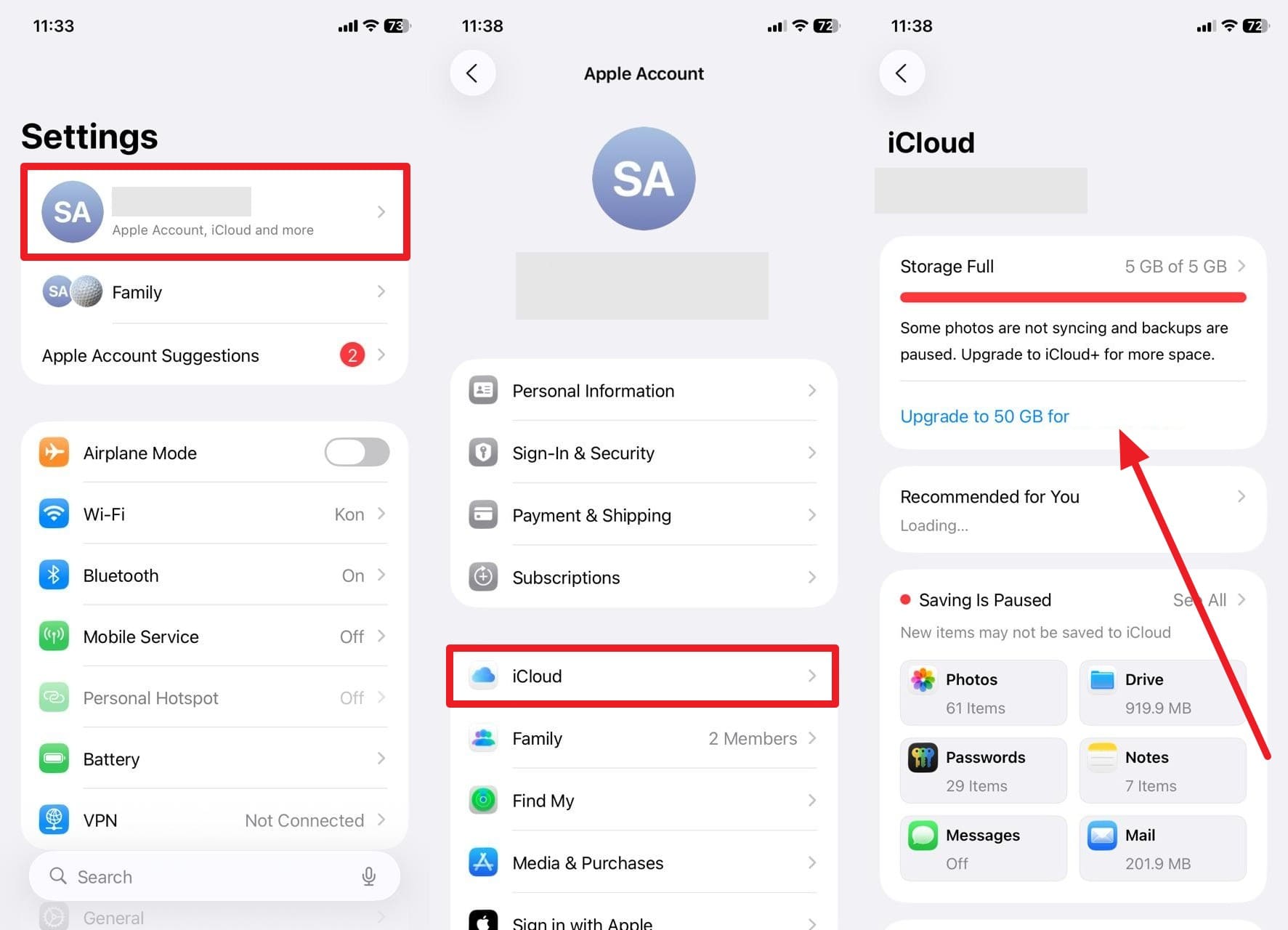
If you have hit your data cap, the system will permanently pause until space is managed. In this case, buy more iCloud storage or delete large files, as extra storage immediately unblocks the automated backups and uploads. Through a storage upgrade, your queued photos, lengthy text messages, files, and core app data can sync safely across devices again. This straightforward step eliminates the risk of catastrophic data loss, ensuring everything remains securely housed in the cloud. Once adequate storage is secured through the steps below, your iPhone will process the backlog effortlessly:
Instructions: Tap your Apple ID name at the top of the Settings app, choose "iCloud," and then tap "Manage Account Storage." Select the "Upgrade to 50GB..." or similar option, follow the prompts to complete the purchase, and observe if the extra space resumes the sync function.
Fix 5. Resume Syncing Manually
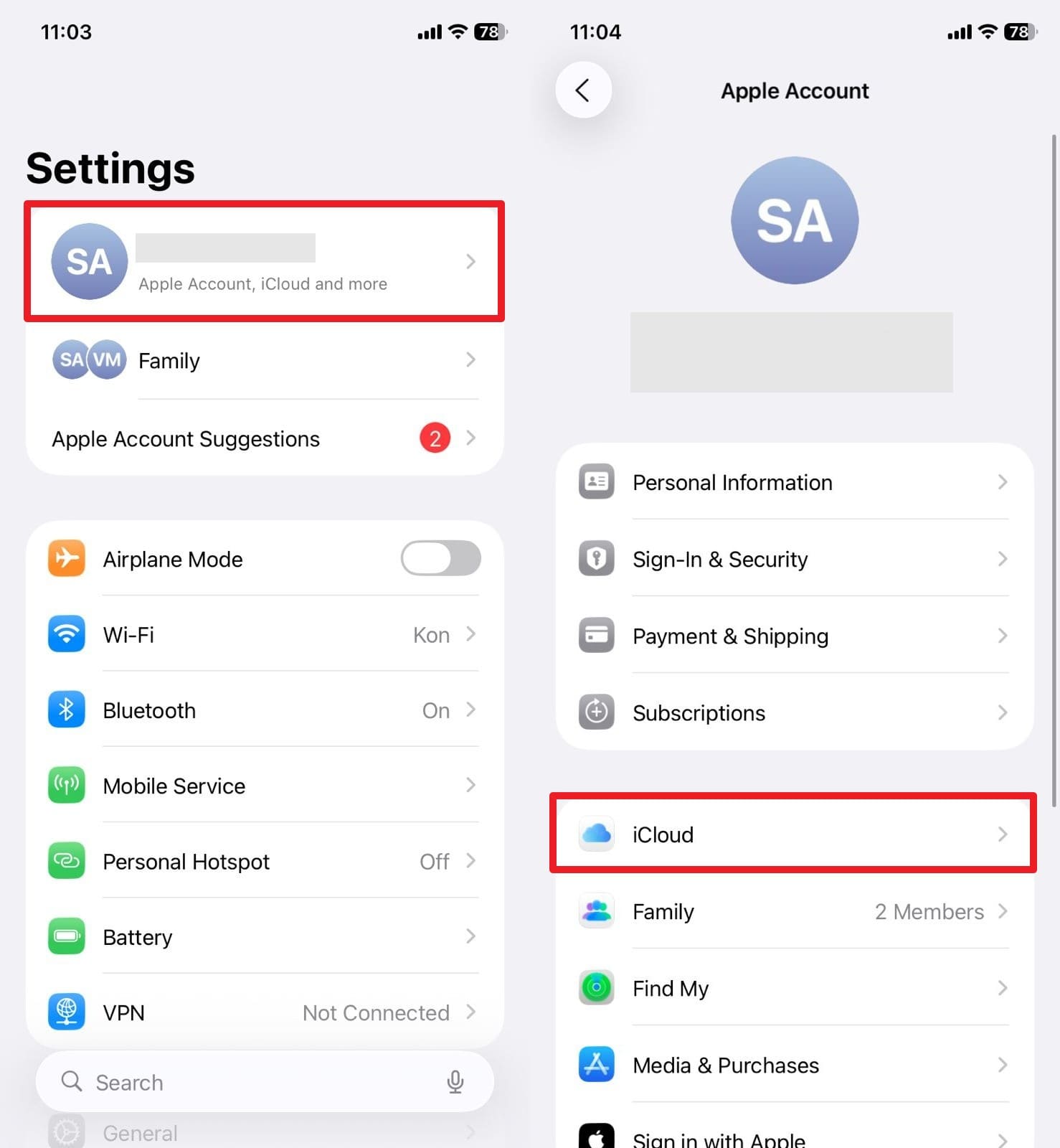
If the system is stubbornly holding onto the Syncing with iCloud Paused state due to a minor software hiccup, try to resume the sync function of iCloud manually. This is a highly reliable technique to force the operating system's hand. By doing this, your device will bypass its internal waiting period and directly command the server to accept the pending data. This is especially helpful if your device meets all conditions (power, Wi-Fi, storage) but remains paused. Manually triggering the sync ensures that you avoid dangerous gaps in your daily backups.
Step 1. Open Settings, tap on your profile name at the very top, and select the "iCloud" option under your Apple ID menu.
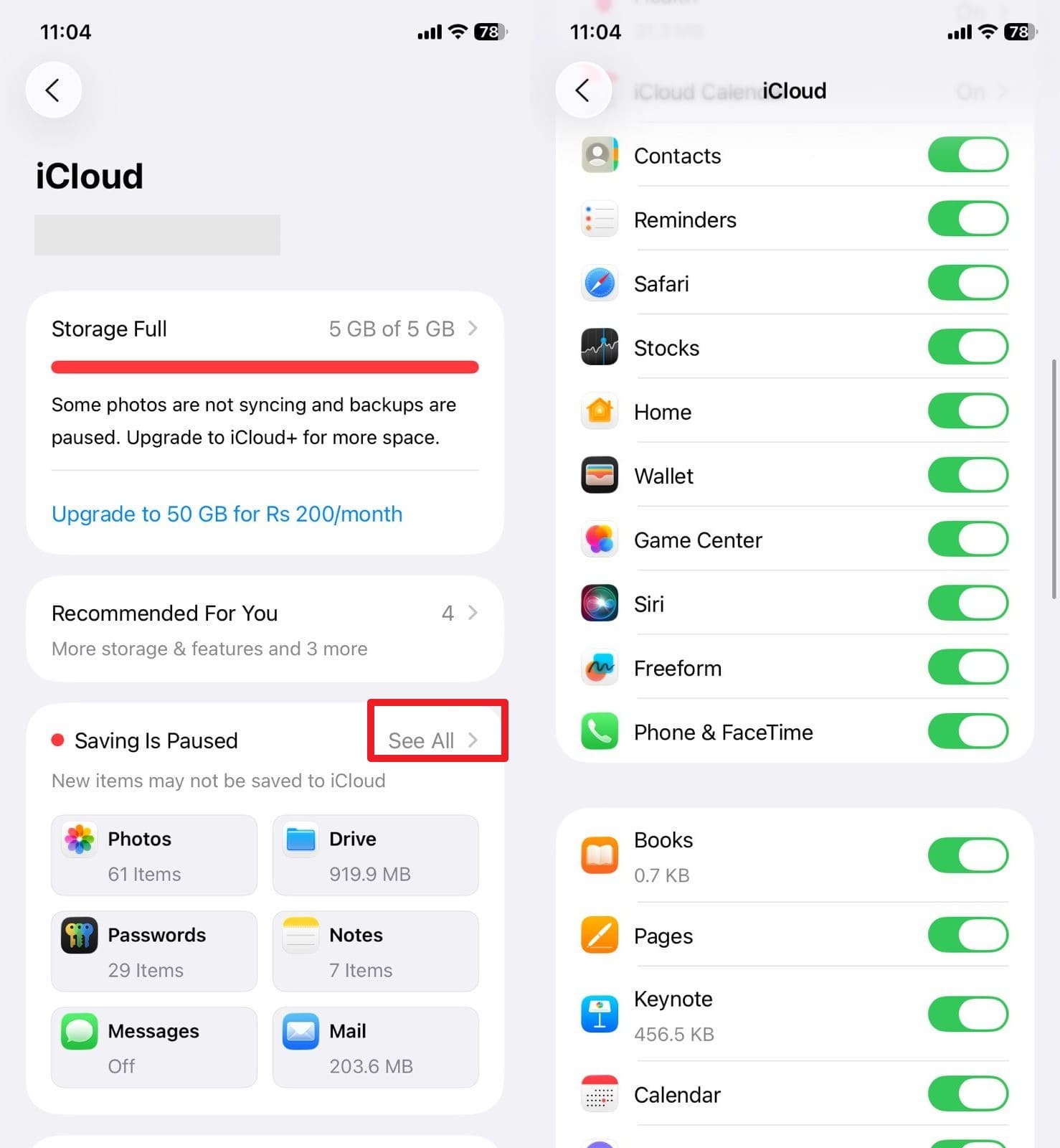
Step 2. Next, tap the "See All" option under 'Apps Using iCloud'. Toggle the affected apps off and back on. For apps like Photos, tap into the menu and look for a prompt at the bottom of your gallery to tap the "Sync Now" button.
Fix 6. Restart Your Device
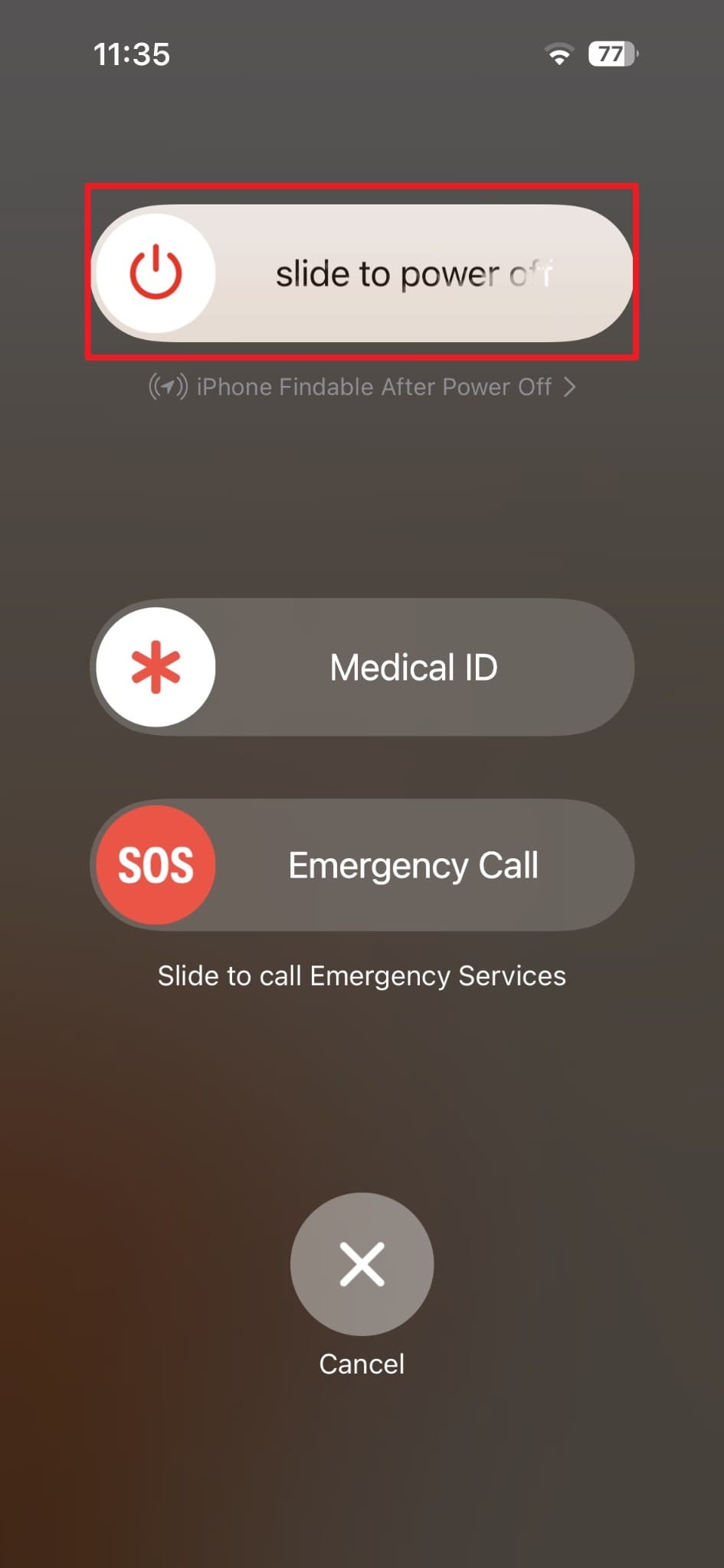
A classic yet incredibly potent fix is to simply restart your phone. A hard reboot is an effective way to resolve mysterious iCloud sync blockages. This process clears the iPhone's RAM, dumping temporary cache glitches, rogue software bugs, and stuck background tasks that might be quietly interfering with the sync protocols. By giving the operating system a clean start, iCloud services can re-initialize properly, seamlessly re-establishing encrypted server connections.
Instructions: Press and hold both the "Side" button and the "Volume Up" button simultaneously until the power-off slider appears. Drag the "Slide to Power Off" switch to the right. After waiting approximately 30 seconds for the device to fully shut down, hold the "Side" button again to turn it back on.
Fix 7. Update Your iPhone Firmware
When syncing with iCloud is persistently paused, verifying your firmware version is critical. Outdated iOS builds are notoriously susceptible to background service disruptions. Apple frequently releases iOS updates containing essential security patches and bug enhancements explicitly designed to fix glitches that disrupt iCloud communication. Keeping your firmware updated guarantees that your device remains 100% compatible with Apple’s latest cloud infrastructure changes.
Instructions: Open the Settings app, tap on "General," and select "Software Update." If a new iOS version is available for download, tap the "Update Now" button and let your device complete the installation process.
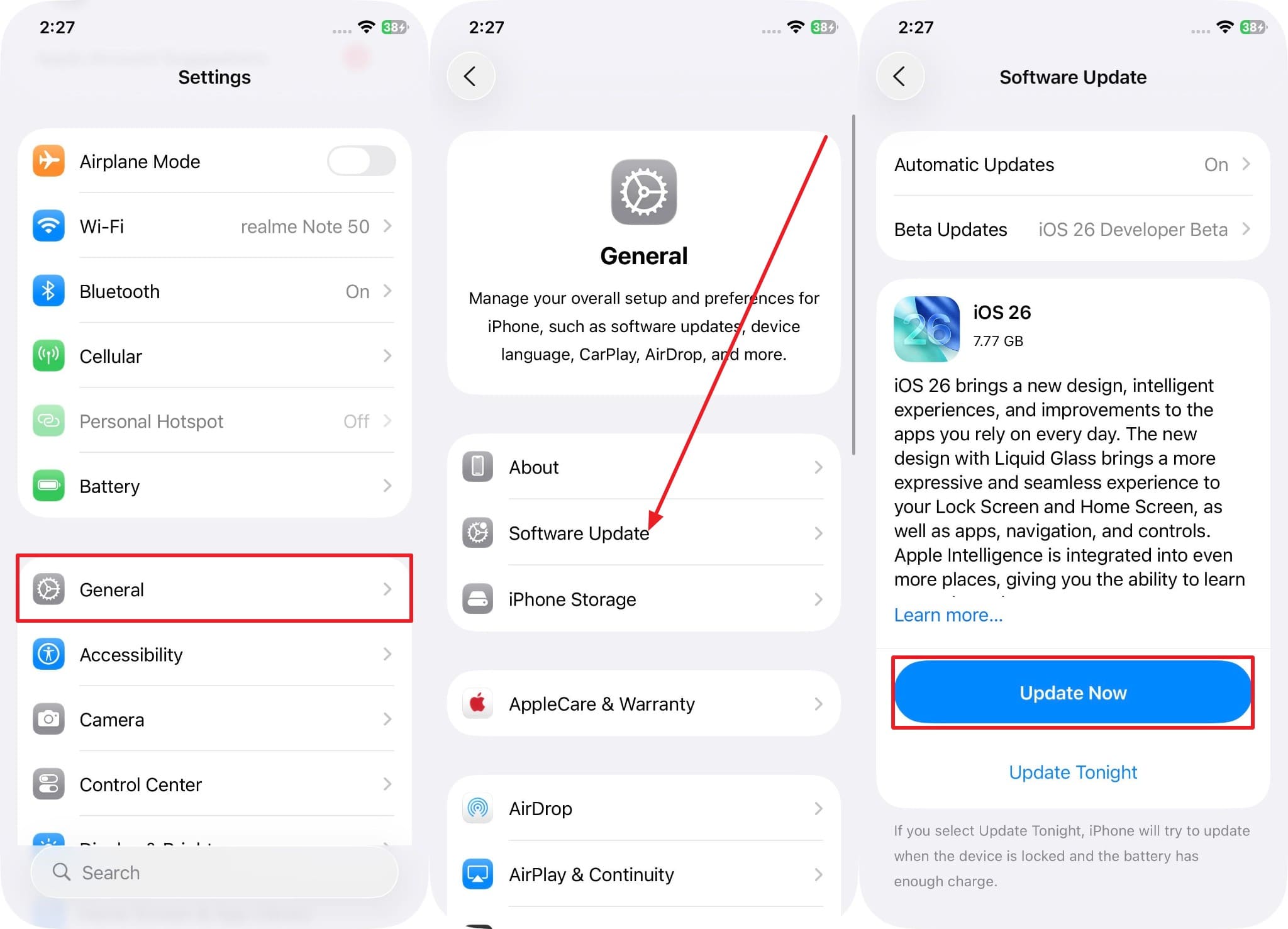
Fix 8. Check Date & Time Settings
It is surprisingly common for a misconfigured clock to break cloud connectivity. You must verify your date and time settings, as iCloud relies on precise cryptographic timestamps to establish a secure, authenticated connection with Apple’s servers. Even being a few minutes off can prompt a security rejection, halting all sync functions instantly. By enforcing automatic time settings, your device will perpetually match Apple’s strict standards, allowing synchronization to proceed without SSL/TLS errors.
Instructions: Within the "General" section of your Settings, navigate to the "Date & Time" menu and ensure that the toggle next to "Set Automatically" is turned on and displaying green.
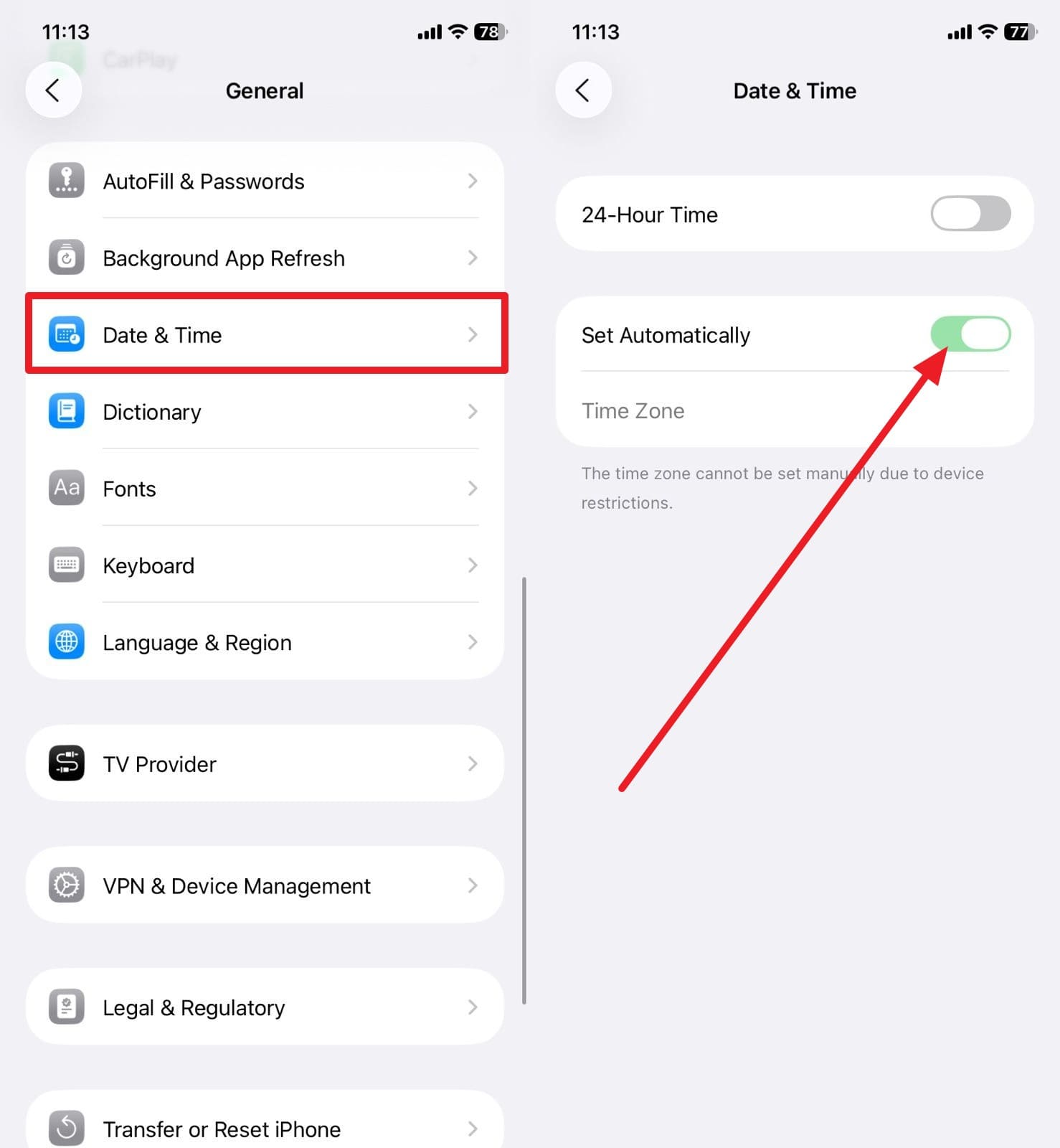
Fix 9. Sign Out and Login in to iCloud
If the Syncing with iCloud Paused issue feels deeply entrenched in your device, forcing a fresh session by signing out and logging back in can work wonders. This procedure actively refreshes your Apple ID's authentication tokens and scrubs away any expired session data that might be silently blocking the upload stream. It acts as a major reset for device registration errors and ensures permissions are correctly aligned across Apple's ecosystem.
Step 1. Tap your Apple ID banner at the top of the Settings app, scroll to the very bottom of the page, and select the red "Sign Out" option.
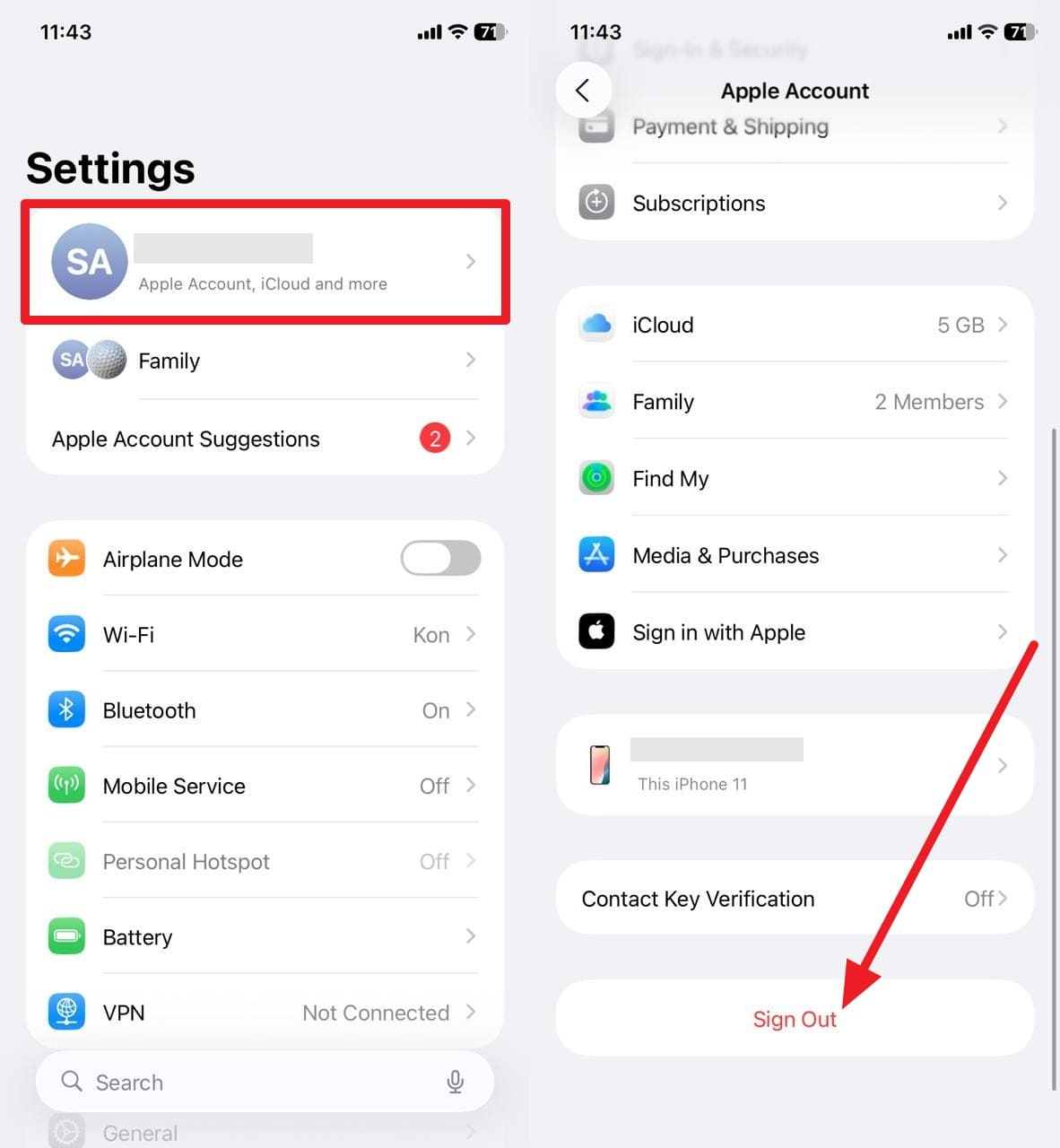
Step 2. Choose which local data you want to keep on your device, then finalize the sign-out. Restart your phone, go back to Settings, tap "Sign in to your iPhone," enter your Apple ID credentials, and follow the on-screen two-factor authentication prompts.
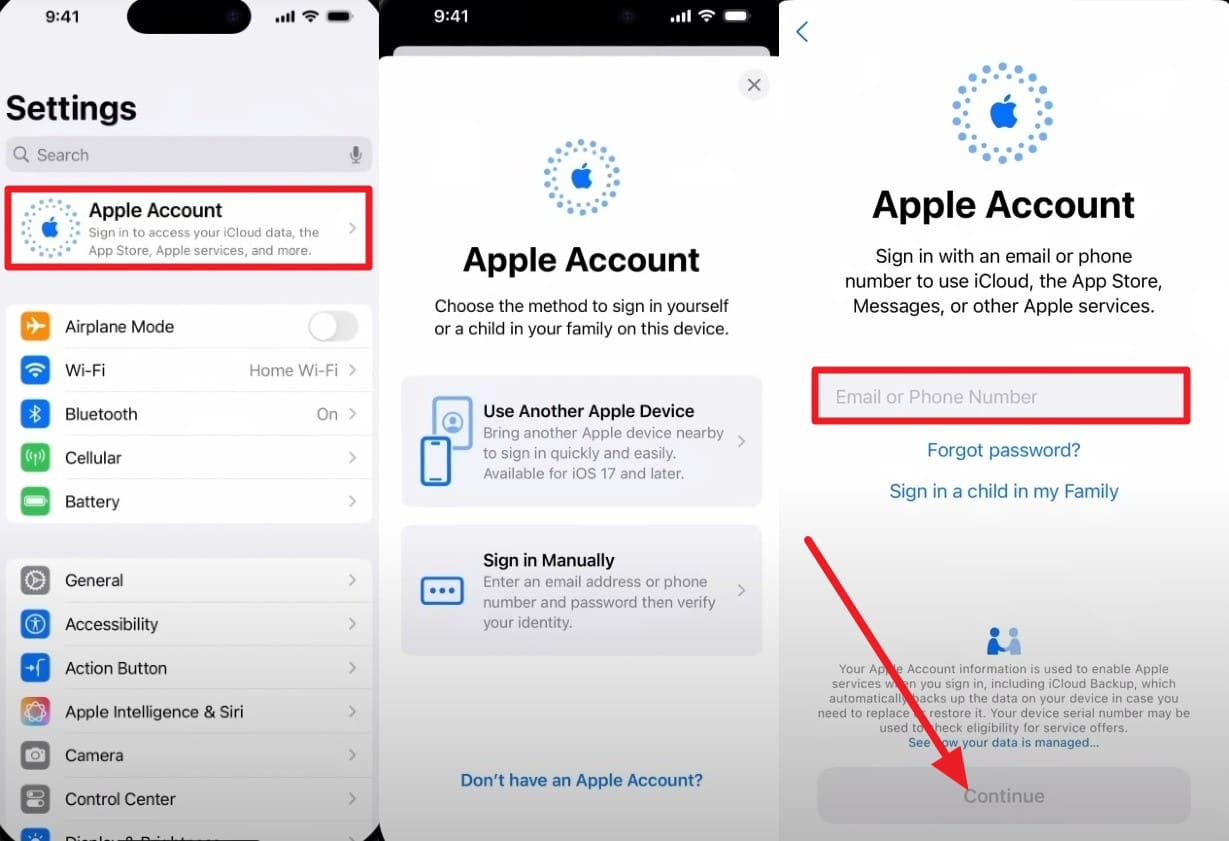
Fix 10. Reset Network Settings
If you suspect that localized network misconfigurations are at fault, executing a network reset is your best final troubleshooting step. This action meticulously strips away corrupted Wi-Fi caches, outdated VPN configurations, and erratic Bluetooth profiles that are prone to hindering the sync protocol. By restoring your network hardware to factory defaults, your iPhone's antennas will establish a faster, cleaner connection, giving iCloud the pristine environment it needs to upload files flawlessly.
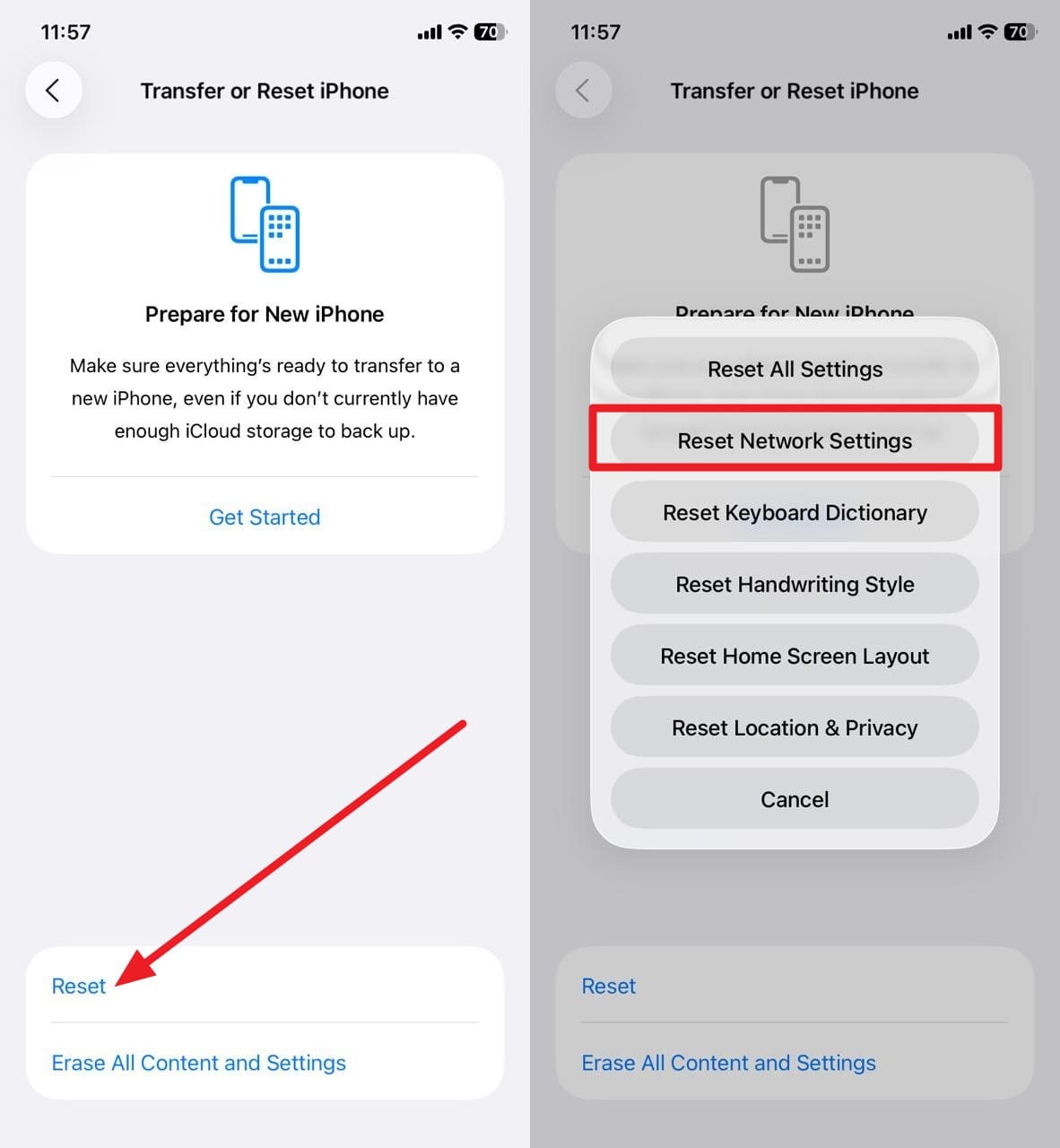
Step 1. Navigate to Settings > General, scroll to the bottom, and tap "Transfer or Reset iPhone." On the following screen, tap "Reset" and choose "Reset Network Settings" from the slide-up menu.
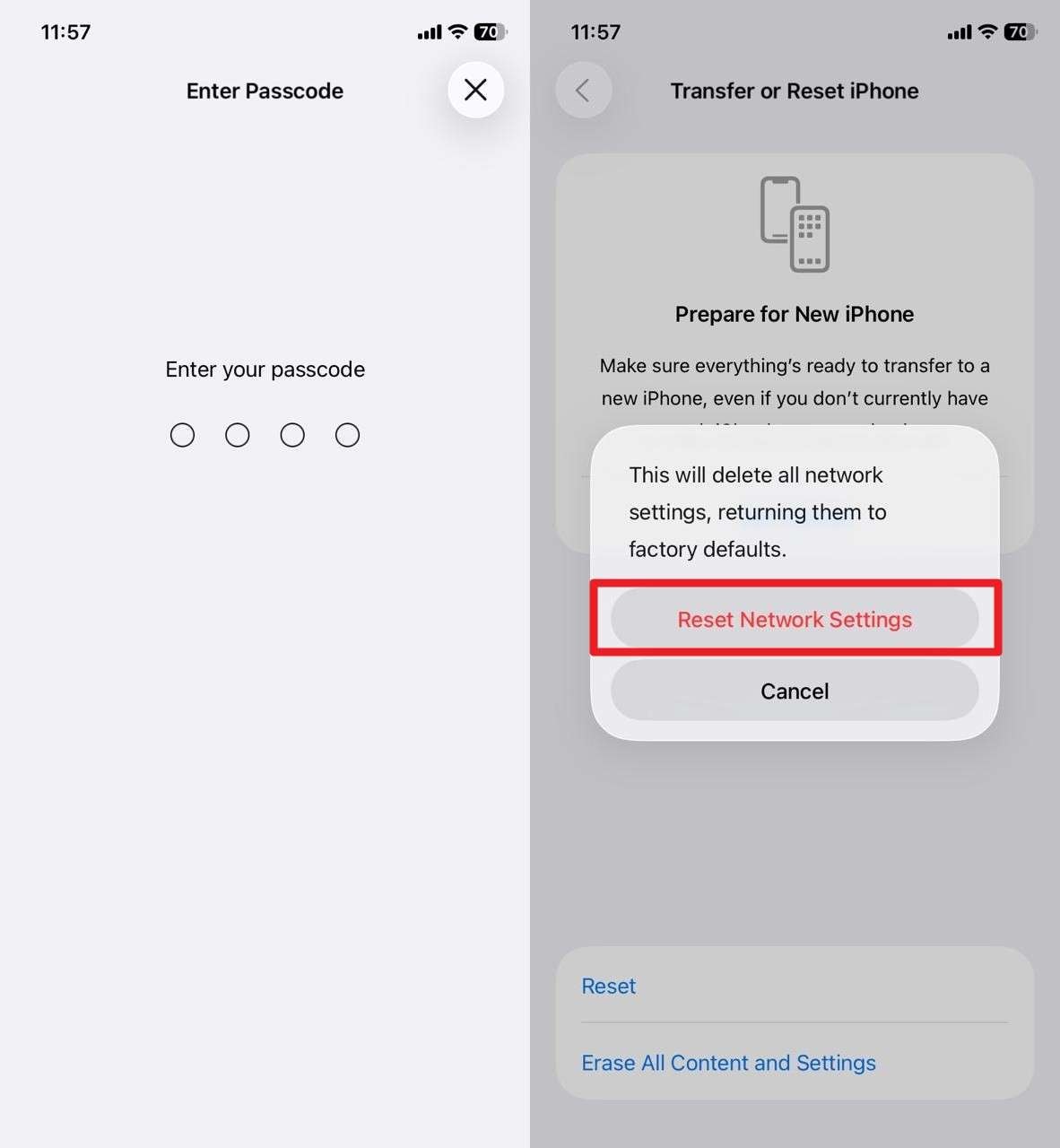
Step 2. Input your device passcode when prompted. A final confirmation box will appear; tap the red "Reset Network Settings" text to initiate the reboot and clearing process.
Pro Tip. Best Way to Restore Data Using Dr.Fone - iCloud Backup & Restore
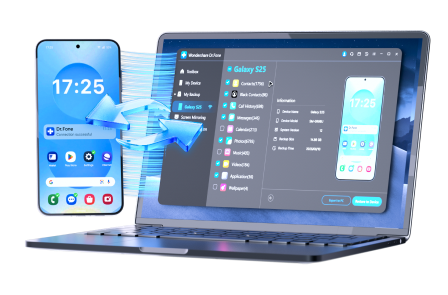
While the native sync process is generally reliable once troubleshooting is complete, there are times when you need absolute control over your files. To manually extract and restore your essential iCloud data to other devices after overcoming a stubborn Syncing with iCloud Paused issue, utilizing Wondershare Dr.Fone is highly recommended. This comprehensive data management suite serves as a robust alternative, enabling you to securely pull an entire iCloud backup down to your iPhone without having to wipe your existing local data first. Beyond basic iOS restoration, the software empowers users to seamlessly transfer complex iCloud data directly over to practically any Android device or personal computer.
Dr.Fone stands out significantly due to its massive compatibility footprint. The desktop client natively supports all modern operating systems including iOS 18/19 and the latest iPhone architectures, while also offering flawless cross-platform migration for the world's leading Android brands. Most importantly, it gives users granular control over their digital footprint: you can meticulously preview individual photos, contacts, and messages before committing to a restore, preventing unwanted storage clutter.
 Effortlessly manage data through preview, delete, export, etc.
- Transfer all data between devices.
- Robust backup solutions for reliable data protection.
- Mirror screens to PC for meetings, teaching, and control.
Guide to Restore iCloud Data to Android with Dr.Fone - Phone Manager
After effectively diagnosing and fixing the syncing to iCloud paused issue on your primary device, you can follow this brief guide to manually route your secured iCloud data safely onto a new Android phone using Dr.Fone:
Step 1. Log in to iCloud and choose Restore to Device
Connect your target Android smartphone to your computer using a reliable USB cable. Launch the software, select the “iCloud Manager” module from the My Device dashboard, and input your Apple credentials to securely sign in to your iCloud account. After completing Apple's standard two-factor authentication, select the precise data types you need, hit the “Restore to Device” module, and click "Start".

Step 2. Start and Monitor the Restoration Process
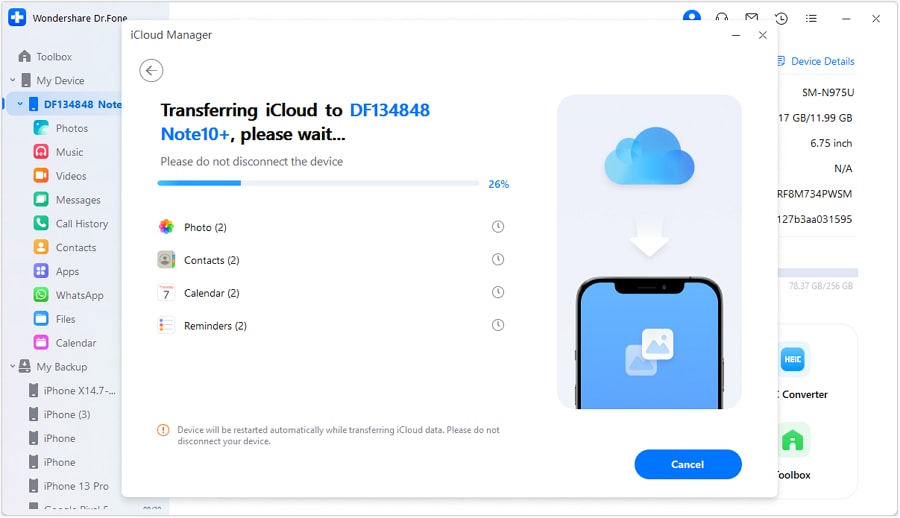
Keep a close eye on the real-time progress bar once the extraction begins. You have the total flexibility to halt the operation by clicking “Cancel” if necessary. Once the software finishes writing the files to your Android storage without interruption, tap “Done”. You can immediately unplug the phone and preview your perfectly restored media, contacts, and logs right on the Android device.
Conclusion
In summary, anytime you are confronted with the Syncing with iCloud Paused alert, rest assured that your data is not inherently lost or corrupted. By methodically working through the robust troubleshooting steps laid out in this guide—ranging from toggling Low Power Mode and optimizing your internet connection to intelligently managing your Apple ID storage constraints—you can swiftly restore background processes. For scenarios where the native cloud sync simply cannot meet your multi-platform needs, adopting a versatile desktop companion like Dr.Fone - Phone Manager ensures that cross-device backups and restorations remain an effortless, highly secure experience.




FAQ
-
1. Does syncing with iCloud Paused mean my data is lost?
No, all data already stored in iCloud is entirely safe and unaffected. The message only indicates that new files, edits, or pending updates created on your iPhone will wait securely on your device's local storage until the sync pause is successfully resolved. -
2. Can I still use my iPhone normally while iCloud syncing is paused?
Yes, your iPhone remains fully functional. You can continue to use applications, make calls, browse the internet, and send messages without any interruption. Only the automated background data mirroring between the device and Apple's cloud infrastructure is temporarily paused. -
3. Will my device backups continue if syncing is paused?
Typically, no. Full iCloud backups usually fail or wait in a queue while the underlying sync functionality is paused. Recent photos, system configurations, and daily app data will not be backed up to the cloud until you force the sync to resume. -
4. How long does the iCloud syncing paused error last?
The pause will last indefinitely until the triggering condition is met. For example, if it paused due to low battery, it will remain suspended until you charge the device past 20% or manually disable Low Power Mode. If paused due to storage limits, it won't resolve until you free up space.
 Add Wondershare Dr.Fone as a preferred source on Google