Permanently erase all iOS & Android data—completely unrecoverable.

 100% Security Verified | No Subscription Required | No Malware

 :
: 
 ChatGPT
 Perplexity
 Gemini
 Claude
 Grok
Grok

Help! My iCloud storage is constantly full, preventing my iPhone from backing up. I have so many old apps. How do you delete apps from the cloud to get some space back?
An iPhone User
If you're an iPhone user, this scenario is likely all too familiar. iCloud storage can fill up surprisingly quickly, leading to a frantic scramble to clear space for essential backups, photos, and files. When those "Storage Almost Full" warnings appear, it's easy to feel frustrated.
The great news is that you're not alone in this digital dilemma, and there are several effective ways to reclaim your valuable cloud storage. This guide will walk you through the necessary steps using straightforward methods that anyone can master. Whether you're a tech novice or a seasoned iPhone pro, you'll be managing your iCloud storage like an expert in no time.

In this article
Understanding What It Means to Delete Apps from iCloud
Before we dive into the methods, it's crucial to clarify a common misconception. When you talk about deleting apps from iCloud, you are typically referring to removing the *data and documents* associated with an app that are stored in your iCloud account or included in your iCloud backups. This action does not delete the app itself from your iPhone or iPad's home screen. It simply frees up iCloud storage space by removing the app's saved data from the cloud.
This is an important distinction because it allows you to control your cloud storage without losing the applications you use. You can keep the app on your device but prevent its data from consuming your limited iCloud quota.
How to Delete App Data from iCloud Storage
Let's explore the different methods you can use to remove unwanted app data from your iCloud storage, starting with the most direct approach on your iOS device.
Method 1: From Your iPhone or iPad Settings
One of the simplest ways to delete app data from iCloud is directly through your device's Settings app. This method gives you granular control over which apps are backing up to iCloud. Here’s how to remove apps from cloud storage this way:
-
Step 1 Navigate to iCloud Storage Settings
Open the Settings app on your iPhone. Tap on your Apple ID profile banner at the very top, then select iCloud. On the next screen, tap on Manage Account Storage.

-
Step 2 Select an App and Delete Its Data
You will now see a list of all the apps using your iCloud storage and how much space each one consumes. Tap on an app you wish to remove from iCloud. Finally, select Delete Data (or "Turn Off & Delete" in some contexts) and confirm your choice.

This method is straightforward and requires no additional software. It's ideal for quickly freeing up space by targeting a few specific apps.
Method 2: Using the iCloud for Windows App
If you prefer to manage your iCloud storage from a computer, the iCloud for Windows application provides a convenient interface. Here's how to use it:
-
Step 1 Install and Sign In to iCloud for Windows
First, download and install the iCloud for Windows app from the Microsoft Store. Once installed, open it and sign in using your Apple ID and password.

-
Step 2 Manage Storage and Delete Data
Within the iCloud for Windows status window, click the Storage button. This will show you a breakdown of your storage usage. You can select an app from the list on the left and then click "Delete Documents and Data" to remove its contents from iCloud.
The Ultimate Solution: How to Erase Apps from iCloud Permanently
For more comprehensive management of your iCloud storage, a dedicated tool like Wondershare Dr.Fone - Data Eraser can be incredibly effective. This third-party software offers a more thorough approach to managing and deleting data from both your iOS devices and your iCloud account.
Unlike simply removing app data through settings, Dr.Fone provides a complete solution. It doesn't just clear app data from iCloud; it securely and permanently deletes all related data from the device itself. This ensures you're not only reclaiming space but also safeguarding your privacy by leaving no trace of personal information behind. It's especially useful for stubborn apps that are difficult to remove through standard methods.
 Permanently erase all data on iOS & Android — completely unrecoverable.
- Military-grade wiping to fully protect your privacy.
- Generate verified erasure reports to boost device resale value.
- Selectively erase private data and remove junk & large files.
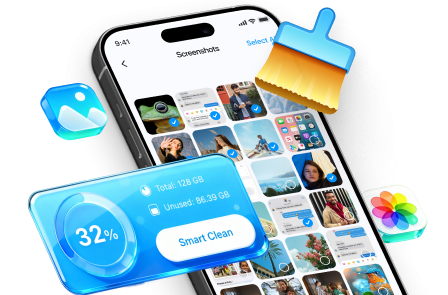
Here’s how to use Dr.Fone - Data Eraser for a complete cleanup:
-
Step 1 Connect Your Device and Launch Data Eraser
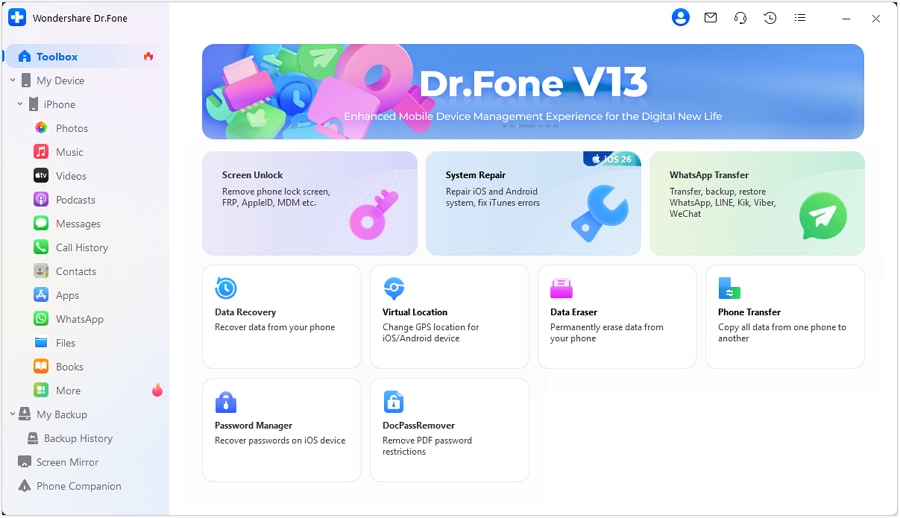
Download and install Dr.Fone on your PC from the official website. Launch the software, connect your iPhone to your computer with a USB cable, and select the Data Eraser module from the main menu.
-
Step 2 Choose the Erase All Data Option
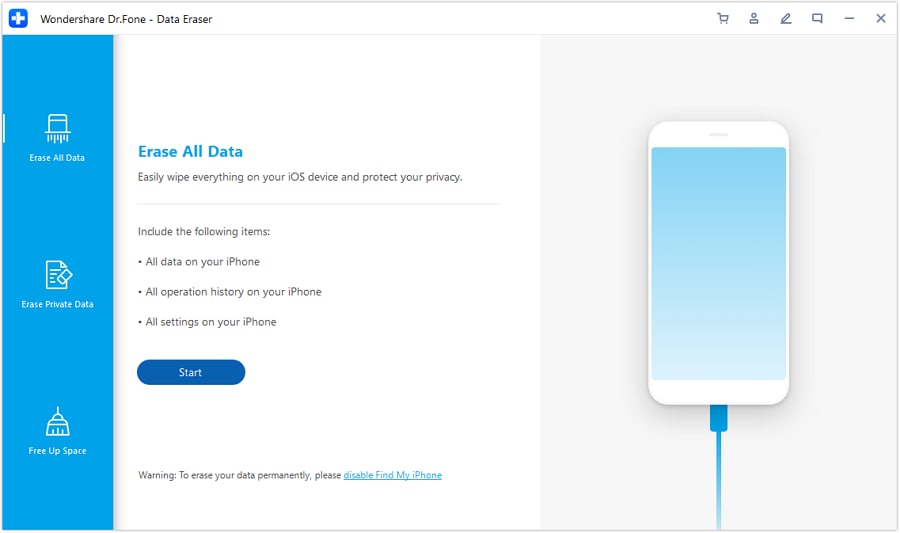
On the next screen, select the Erase All Data option and click the Start button to begin the process.
-
Step 3 Select a Security Level
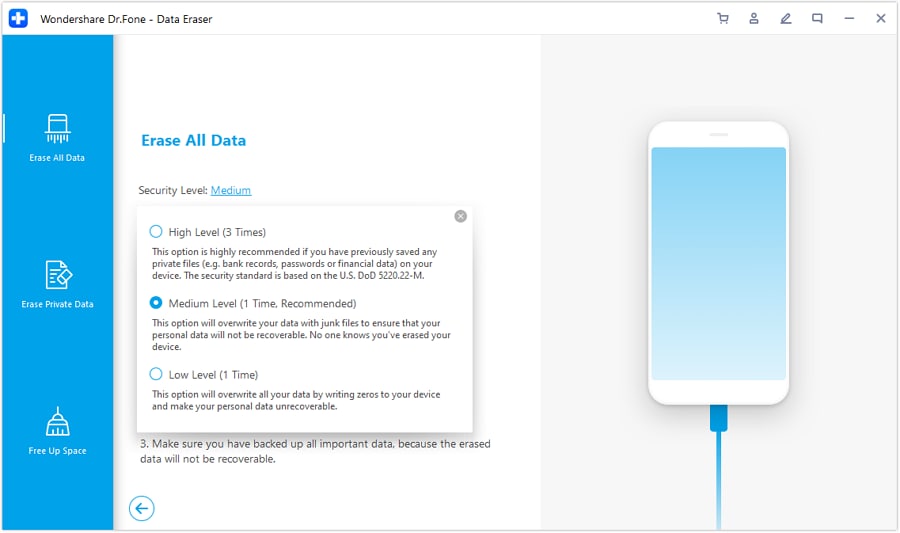
You will be prompted to choose a security level for the data erasure. For most users, Medium is sufficient, but select the level that best fits your privacy needs.
-
Step 4 Confirm the Erasure Process
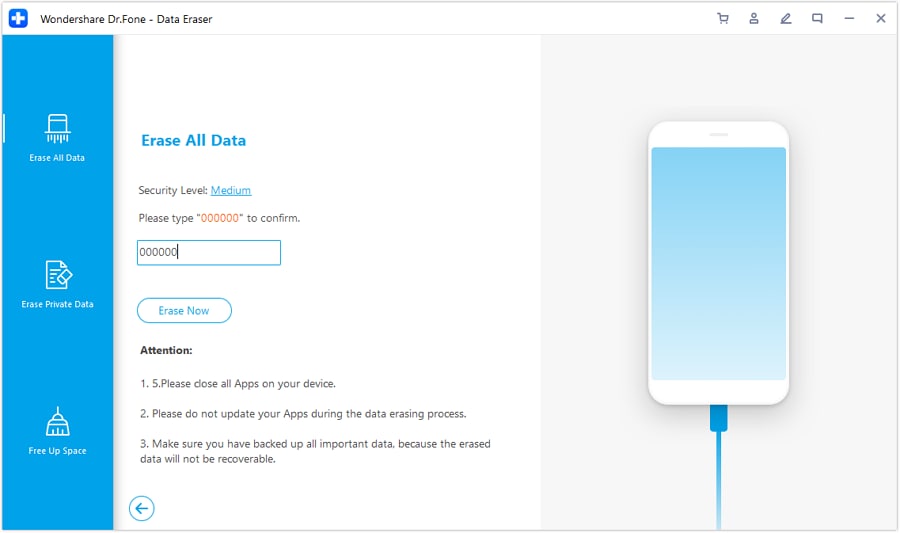
To prevent accidental deletion, you must type the confirmation code displayed on the screen into the text box. Once entered, click the Erase Now button to initiate the permanent deletion.
-
Step 5 Wait for Completion and Reboot
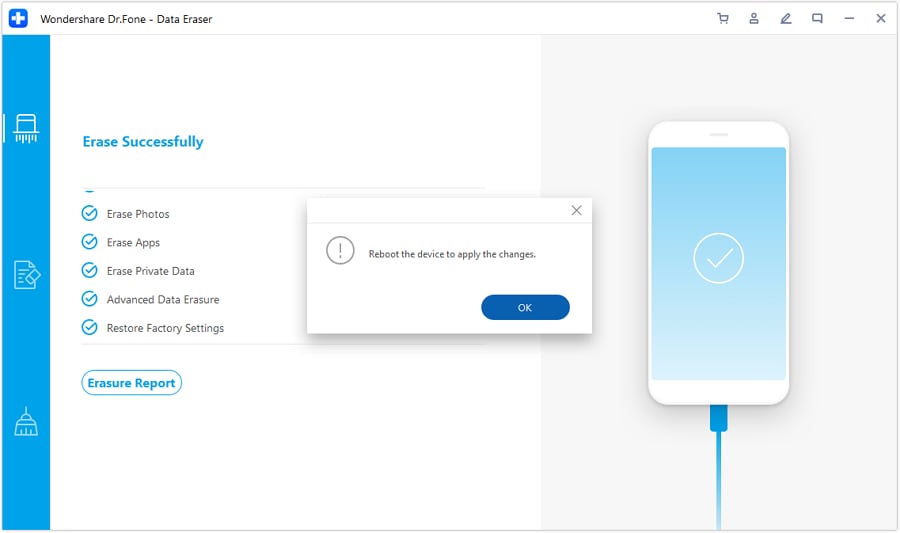
Allow the data erasure process to complete. Once finished, the tool will prompt you to reboot your phone, which will now be clear of the selected data.
Dr.Fone - Data Eraser provides a more secure and thorough deletion process, ensuring that your data is completely irrecoverable. This is particularly crucial if you are concerned about privacy or are preparing to sell or give away your device.




Proactive Tips to Manage and Organize Your iCloud Data
While understanding how to delete apps from iCloud is vital, adopting effective storage management habits can prevent these issues from recurring. Here are some actionable tips to keep your iCloud data organized and under control:
- Conduct Regular Storage Audits: Set a calendar reminder to review your iCloud storage usage every few months. This proactive check helps you identify and remove unnecessary data before it becomes a critical problem.
- Optimize iCloud Photos: Photos and videos are often the biggest consumers of iCloud space. Enable the "Optimize iPhone Storage" feature for iCloud Photos. This stores full-resolution originals in the cloud while keeping smaller, device-friendly versions on your iPhone.
- Prune Messages in iCloud: If you sync Messages with iCloud, old conversations and large attachments can accumulate. Periodically delete obsolete message threads and attachments you no longer need.
- Be Selective with App Backups: Not every app requires its data to be backed up. In your iPhone's Settings, navigate to [Your Name] > iCloud > Manage Account Storage > Backups > [Your Device]. Here, you can disable backups for non-essential apps.
- Delete Old Device Backups: If you have iCloud backups from old devices you no longer use, delete them. These outdated backups can occupy several gigabytes of valuable space.
- Clear Safari Data: Your Safari browsing history and Reading List sync across devices via iCloud. Regularly clearing this data can free up a surprising amount of space over time.
- Consider Upgrading Your Plan: If you consistently find yourself battling for storage space, it might be more efficient to upgrade to a larger iCloud+ plan. Evaluate the cost against the time and effort you spend on manual cleanups.
Conclusion
Managing your iCloud storage doesn't have to be a daunting task. By learning how to remove apps from cloud storage and adopting good data hygiene, you can ensure your digital life remains organized and your device backups run smoothly. The key is consistency—periodically review your iCloud usage, delete apps and data you don't need, and be mindful of what you choose to store in the cloud.
As our reliance on cloud storage grows, mastering these management skills is more important than ever. Don't let a full iCloud account disrupt your workflow. Take control of your data today for a more streamlined and secure digital experience. For ultimate peace of mind, especially regarding privacy, using a tool like Wondershare Dr.Fone - Data Eraser can permanently erase files, ensuring that deleted iCloud content is truly gone for good.
FAQ
-
1. If I delete an app's data from iCloud, does it also delete the app from my iPhone?
No, deleting an app's data from iCloud will not remove the application from your iPhone or iPad. This action only deletes the documents and data stored within your iCloud account for that specific app. The app icon and the app itself will remain on your device unless you manually uninstall it. -
2. Can I get my app data back after deleting it from iCloud?
Generally, once you delete app data from iCloud, it is considered permanently gone and cannot be recovered through standard means. It's critical to be absolutely certain you no longer need the data before proceeding. If in doubt, back up any important files to another location first. -
3. How frequently should I perform an iCloud cleanup?
A good rule of thumb is to review and clean up your iCloud storage every 3 to 6 months. However, if you are a heavy user who frequently takes photos, records videos, or works with large files, you might benefit from checking your storage on a more frequent, monthly basis to stay ahead of any issues. -
4. Are third-party tools safe for managing my iCloud data?
While many third-party applications are safe, you should always exercise caution. Only use well-known, reputable software like Dr.Fone from official sources. Always check reviews and be aware that these tools will require access to your data. Choose wisely to protect your privacy and security.
 Add Wondershare Dr.Fone as a preferred source on Google