Permanently erase all iOS & Android data—completely unrecoverable.

 100% Security Verified | No Subscription Required | No Malware

 :
: 
 ChatGPT
 Perplexity
 Gemini
 Claude
 Grok
Grok

My iPhone storage is completely full, and I noticed that 'Documents and Data' is taking up over 20GB of space. How do I delete documents and data on my iPhone to free up storage without losing my important accounts?
Anonymous iOS User
The seamless experience coupled with the overwhelming utilities of the iPhone is unmatched in 2026. However, as we increasingly use our iPhones for daily tasks, professional work, and entertainment, these devices consume a massive portion of available storage space. Over time, unwanted cache files and accumulated app data pile up silently. This is usually the exact moment you realize you need to delete documents and data on iPhone, only to find out that iOS does not provide a straightforward, one-click button to clear this mysterious storage category.
Figuring out how to delete documents and data on iPhone can be one of the most frustrating experiences for iOS users. The annoyance grows when you cannot figure out exactly what documents and data on iPhone should be deleted and what is strictly necessary for your apps to function. This comprehensive 2026 guide focuses not only on how to seamlessly delete app data on iPhone but will also thoroughly explain what this data actually consists of.
In this article
- Part 1. What is 'Documents and Data' on iPhone?
- Part 2. How to Delete 'Documents and Data' on iPhone and iPad?
- Part 3. How to Delete Documents and Data from iCloud on iPhone/iPad?
- Part 4. How to Clear 'Documents & Data' on iPhone Using iOS Optimizer?
- Part 5. Bonus Tip: Unlocking Your Apple ID Without a Password
Part 1. What is 'Documents and Data' on iPhone?
Before you start deleting files, it is crucial to understand what is documents and data on iPhone. In most cases, this storage category comprises various background files that apps need to operate smoothly. This includes junk files, browser history, cookies, temporary logs, cache files, saved photos and videos, and downloaded database files. Basically, there are two distinct kinds of 'Documents and Data' eating up your space:
- User-Generated Content: Documents and data that is intentionally stored by you. This includes files downloaded from Dropbox, iCloud drives, PDF viewers, and other resources where you explicitly saved a document.
- App-Generated Caches: The hidden files stored by the installed applications you enjoy daily. These types of documents and data consume most of the data storage space unnecessarily, often accumulating entirely without your notice.
One can counter this by checking the App Store and noticing that most installed apps are no more than tens of megabytes. However, we tend to forget that it is not the core app size that unnecessarily occupies a major part of your iPhone space, but rather the temporary files created by an app that are responsible for taking a huge pie of your iPhone storage space. For example, WhatsApp might just require around 33 MB of initial memory space. However, when you start using it for daily chats, it eats storage space through the cache data, cookies, logs info, and more importantly, the photos and videos which are automatically downloaded and stored in its specific 'Documents and Data' folder.
Now let us proceed to see how to delete documents and data to permanently delete app data (iPhone).
Part 2. How to Delete 'Documents and Data' on iPhone and iPad?
Whether you are using an iPhone or an iPad, dealing with a bloated storage bar requires manual intervention. We can use the two native methods mentioned below to delete app data efficiently from your iOS devices.
2-1. Delete App Data Through the 'Document & Data' Folder
The very basic way to delete app data and documents on an iPhone is from the iOS settings, analyzing each application one by one. You can go to app-created documents and data by navigating through your device's native menus. For example, you can manually clear your watch history and search history data stored by YouTube, or wipe the cache data of Facebook and Safari.
-
Step 1: Navigate to Storage Settings
Open your iPhone settings and follow this path: Setting > General > iPhone Storage (or Usage > Manage Storage on older iOS versions).
-
Step 2: Identify Data-Heavy Apps
Scroll down to find the apps consuming the most space. Tap on an App Name to reveal how much of its footprint is the app itself versus its 'Documents & Data'.
-
Step 3: Clear Available Data
From here, you can find options to offload the app or, in some specific apps (like Safari or Podcasts), directly delete app data as required. See the below image on how you can manually manage cache data on your iPhone or iPad. Similarly, go to each app you have installed one-by-one and delete app data (iPhone).

2-2. Uninstall and Reinstall Apps to Completely Delete App Data
In many cases, by following the first method, you cannot completely (and only partially) delete documents and data on iPhone. This is mainly due to the strict Security Protocols of Apple devices, which prevent users from wiping root cache folders manually. However, by following the method of entirely uninstalling the app, all the documents and data created by that application on your iPhone is completely deleted from the flash storage.
Moreover, it is significantly faster than the first method, as you just need to uninstall and reinstall the app to completely delete app data without digging through individual in-app settings.

You May Also Like:
4 Safe Methods of Selling Your Used Phone
Top 10 Mobile Selling Websites to Buy Used iPhones
Refurbished iPhone: Everything You Need to Know
Sell Used Phone for Cash – Key Factors You Cannot Miss
How Much is My iPhone Worth? Find Out Now
Part 3. How to Delete Documents and Data from iCloud on iPhone/iPad?
Sometimes, the storage warning isn't about your physical device but your cloud backup. Clearing out iCloud is, without any doubt, an easier and quicker way to delete documents and data globally. Let us see the easy and quick steps on how to delete documents and data on iPhone specifically for your iCloud storage.
-
Step 1: Access iCloud Storage Settings
At first, you need to go to the Manage Storage section of iCloud on your iPhone. Follow this path: Settings > [Your Name] > iCloud > Manage Storage. Here, you will see all the apps syncing to the cloud.

By clicking on 'Show All' you get to see a complete list of apps. Here, you will see the list which shows the apps in descending order with respect to the storage space eaten up by them.
-
Step 2: Select the Target App
Now, select the app by tapping on it, for which you want to delete app data from the cloud servers. Having done that, proceed to click 'Edit' or directly view the data breakdown, which you will find at the corner or the bottom of the screen.

-
Step 3: Delete iCloud App Data
Now, you are just one click away to permanently delete app data (iPhone) from iCloud. Just click on 'Delete Data' or 'Delete All'. You will be asked for confirmation. So, click on 'Delete All' again. Hurray! You just deleted all the documents and data stored in your iCloud for that app.
Although this way is the fastest to delete documents and data on iPhone (of iCloud), you are required to perform the process one-by-one for all the apps.
Part 4. How to Clear 'Documents & Data' on iPhone Using iOS Optimizer?
 Permanently erase all data on iOS & Android — completely unrecoverable.
- Military-grade wiping to fully protect your privacy.
- Generate verified erasure reports to boost device resale value.
- Selectively erase private data and remove junk & large files.
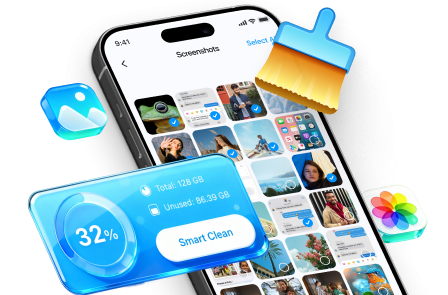
If you are looking for a completely automated and thoroughly deep cleaning method, the iOS optimizer contained in the Dr.Fone - Data Eraser basic utility is the perfect solution. This professional tool is explicitly designed to delete useless documents and data on iPhone, and in our case, can be used to seamlessly delete app data too. It is a highly robust data eraser and phone cleaning software tool trusted by millions of users worldwide.
The best part is that you don't need to check apps individually, or blindly find and analyze 'what documents and data to delete', and then do it manually. The iOS optimizer will do it all for you. Just with a single click, it will scan the complete data on your iPhone and will intuitively show you the unwanted or unnecessary documents and data neatly sorted into distinct categories. And with another click, the optimizer will completely delete them. In addition, the program works perfectly on both modern Windows and Mac OS X systems.
Let us quickly see how to execute this process, with a primary focus on how to delete app data by utilizing the powerful iOS Optimizer.
Steps to Delete App Data on iPhone by Using iOS Optimizer
-
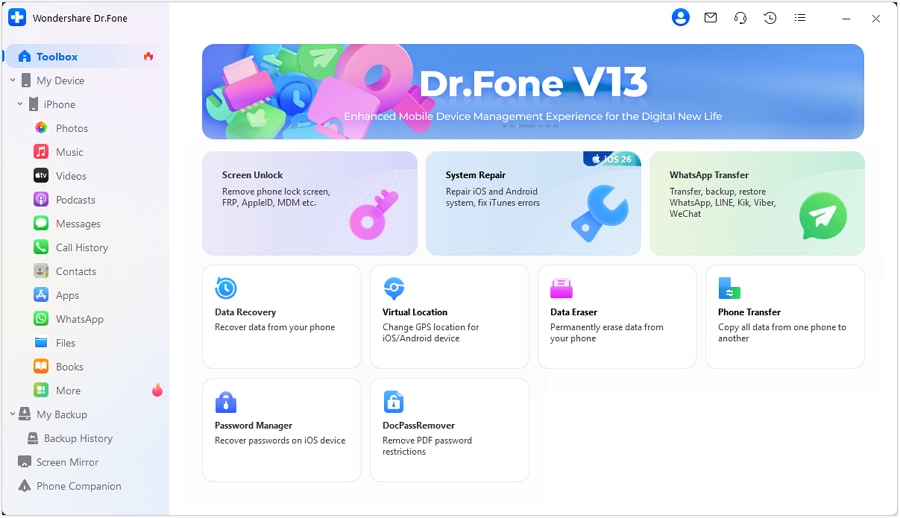
Step 1: Connect Your iOS Device
To start, download and launch Dr.Fone on your computer. Connect your iPhone or iPad to your Mac or Windows PC using a verified cable. From the main interface, select "Erase".
-
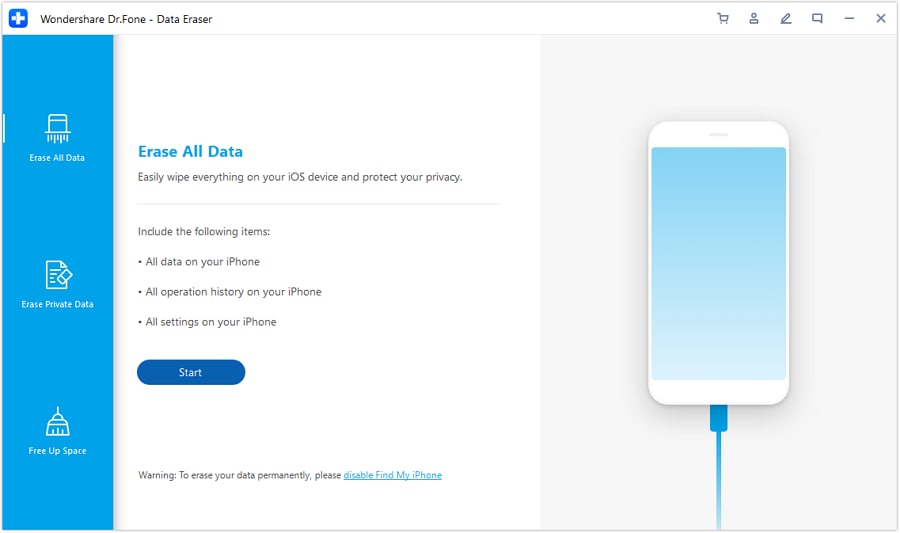
Step 2: Access the Optimizer Feature
Once your device is securely connected and recognized, navigate to find the iOS Optimizer feature and click on it to begin evaluating your storage.
-
Step 3: Select App Generated Files
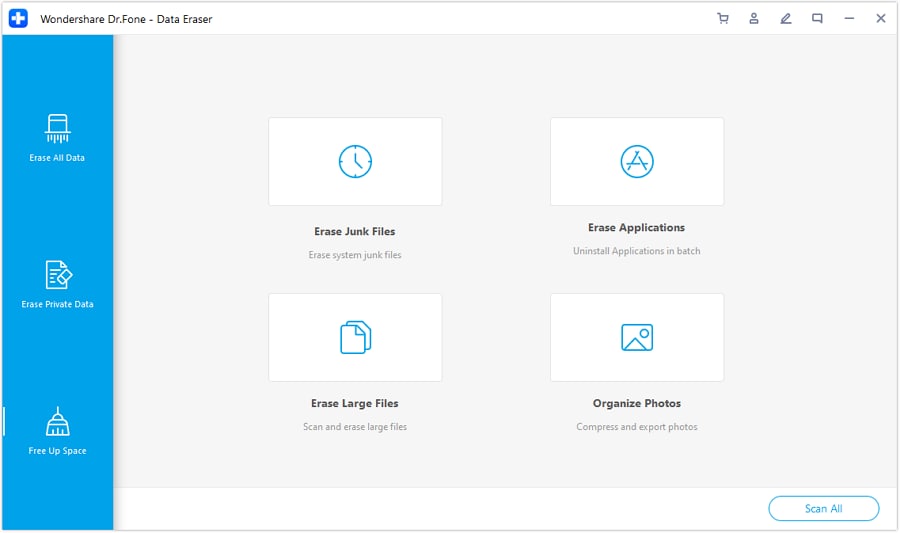
It's time to order the optimizer to start the deep scan. You can select from various categories as wished. If you specifically want to delete app data, check the box for 'App Generated Files'. Click on 'Start Scan' and wait for a few minutes while the software safely analyzes your system.
-
Step 4: Review the Scanned Documents and Data
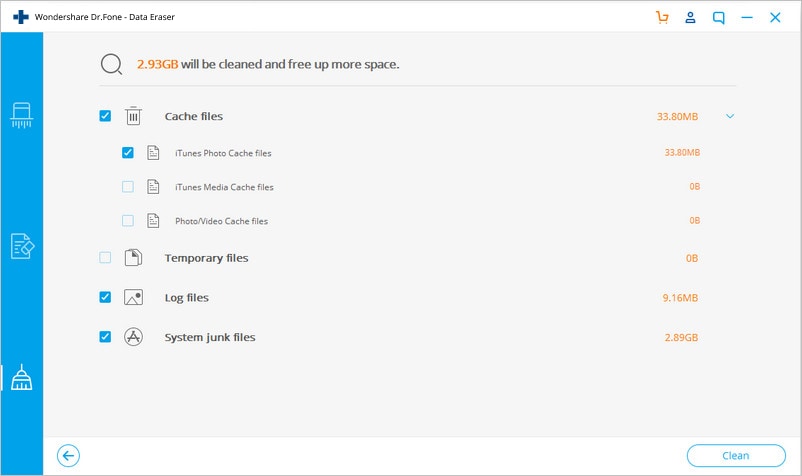
As said earlier, the iOS Optimizer will scan the iPhone to come up with documents and data spanning six categories: iOS System Tune-up, Download Temp Files, App Generated Files, Log Files, Cached Files, and Unused App Elimination. Because you own the power to carefully select what documents and data you wish to remove, select 'App Generated Files' to delete app data on your iPhone.
-
Step 5: Clean Up Your iOS Storage
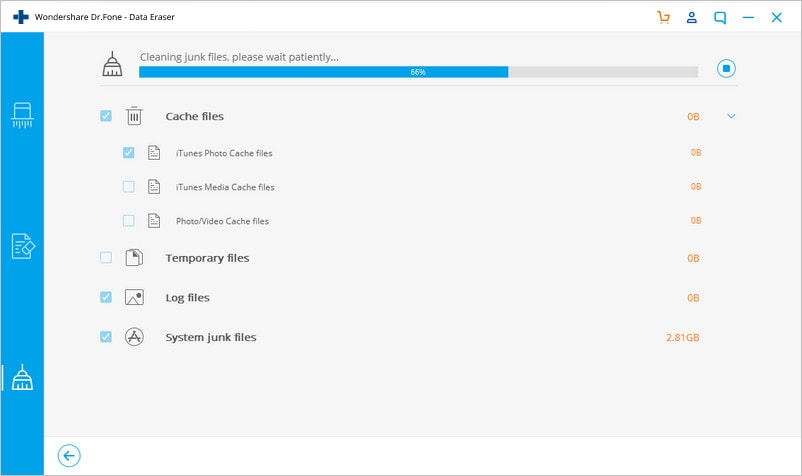
Having done that, simply click on the 'CleanUp' button. With this, the advanced optimization of your iPhone system starts to take place. After the optimization is successfully done, the 'rebooting' phase will begin, and your device will run noticeably faster.




Part 5. Bonus Tip: Unlocking Your Apple ID Without a Password
- Unlock iPhone/iPad passcode in minutes.
- Remove Face ID, Touch ID, and screen lock.
- Bypass iCloud Activation Lock easily.
- Support all iOS versions and devices.
- Simple steps, no technical skills needed.

When you forget your Apple ID password and desperately want to remove your old iCloud account before selling or resetting your device, finding a reliable solution can be incredibly stressful. In such emergency scenarios, you can use the highly efficient Dr.Fone - Screen Unlock (iOS) utility. It is designed to safely bypass locks and remove iCloud restrictions without needing technical expertise.
This dedicated unlocking tool seamlessly removes the Apple ID for a wide range of iOS devices, even those running older firmware like iOS 11.4 and earlier, allowing you to regain full control of your device in a matter of minutes.
Conclusion
In this comprehensive 2026 guide, we went through three different and highly effective methods for deleting documents and data on an iPhone or iPad. Although by using the first two native methods you can successfully delete app data directly from the settings or via uninstallation, both approaches are inherently time-consuming and involve repetitive manual tasks that must be done app by app.
For a truly hassle-free experience, it is highly recommended that you go for a trusted and safe phone cleaning tool like Dr.Fone - Data Eraser. With this professional tool, you are not at all required to worry about how to delete documents and data on iPhone quickly and safely, as it will do it for you with a mere 4-5 clicks. If you are deeply addictive to numerous social media and gaming apps which, over time, aggressively eat your storage space, then you should definitely give the iOS Optimizer module a try to permanently delete app data and restore your device's original lightning-fast performance.
FAQ
-
1. What exactly happens if I delete 'Documents and Data' on my iPhone?
Deleting 'Documents and Data' removes cached files, temporary data, login details, and downloaded media associated with an app. While this frees up storage space, it may require you to log back into the app or wait slightly longer for the app to reload its initial cache upon reopening. -
2. Can I clear app cache on iPhone without deleting the app?
For most third-party apps, Apple does not provide a direct "Clear Cache" button within the iOS Settings. You must rely on the individual app's internal settings (if they offer a cache-clearing feature) or use a professional iOS cleaner like Dr.Fone - Data Eraser to wipe cache data without uninstalling the app. -
3. Why is 'Documents and Data' taking up so much space on my device?
Apps accumulate large amounts of cache to load content faster. Media-heavy apps like Instagram, TikTok, WhatsApp, and Spotify constantly download images, videos, and audio files into their 'Documents and Data' folders to ensure a seamless offline or low-bandwidth experience. Over time, these temporary files pile up massively. -
4. Does backing up to iCloud reduce 'Documents and Data' on my local device?
No, backing up your device to iCloud simply copies your local data to the cloud servers for safety. It does not delete the original cached 'Documents and Data' from your physical iPhone storage. To reduce local storage, you must manually delete the data or offload unused apps.
 Add Wondershare Dr.Fone as a preferred source on Google