Permanently erase all iOS & Android data—completely unrecoverable.

 100% Security Verified | No Subscription Required | No Malware

 :
: 
 ChatGPT
 Perplexity
 Gemini
 Claude
 Grok
Grok
Losing an iPhone is a deeply stressful experience. It's more than just losing a device; it's the potential exposure of your entire digital life—photos, messages, financial information, and personal data. In the wrong hands, a lost or stolen iPhone can lead to severe consequences like data breaches, identity theft, or unauthorized access to sensitive accounts.
Fortunately, Apple provides robust security features to protect your information even when the device is no longer in your possession. If you act quickly, you can remotely wipe your iPhone, deleting all its contents and returning it to factory settings. This guide will provide clear, actionable steps on how to erase your iPhone remotely and what to do if you didn't have the necessary features enabled beforehand.
In this article
Part 1. The Primary Method: Remotely Wiping Your iPhone via Find My
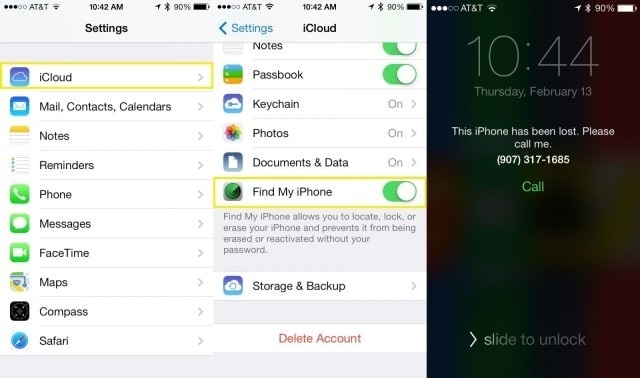
The most reliable way to erase your iPhone remotely is through Apple's Find My service. This feature is designed specifically for locating, locking, or wiping your Apple devices if they go missing. However, for this to work, you must have enabled Find My iPhone on the device *before* it was lost.
To set it up for future protection, navigate to Settings > [Your Name] > Find My, and ensure 'Find My iPhone' is toggled on. With that enabled, you can follow these steps to remotely wipe your device.
-
Step 1 Access iCloud.com
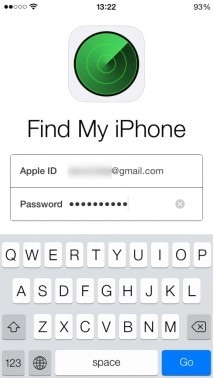
On any computer, tablet, or smartphone, open a web browser and go to iCloud.com/find. You can also use the Find My app on another Apple device you own. Log in using the same Apple ID and password associated with your lost iPhone.
-
Step 2 Locate and Select Your iPhone
Once logged in, a map will display the location of all your connected Apple devices. Click on 'All Devices' at the top of the screen to see a dropdown list. Select the lost iPhone from this list to view its options.
-
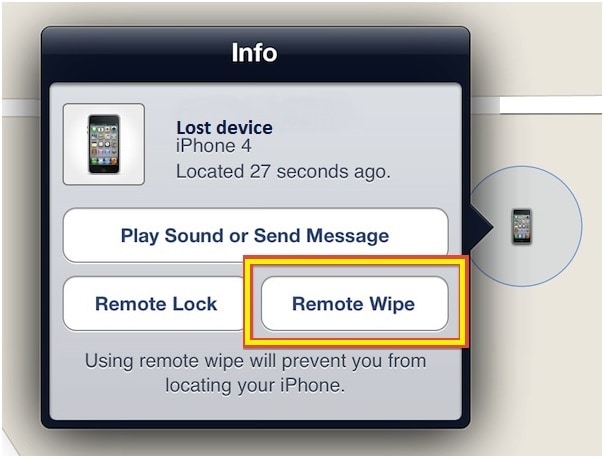
Step 3 Initiate the Remote Wipe
A control panel for the selected device will appear. You will see three options: Play Sound, Lost Mode, and Erase iPhone. Click on 'Erase iPhone' to begin the process.
-
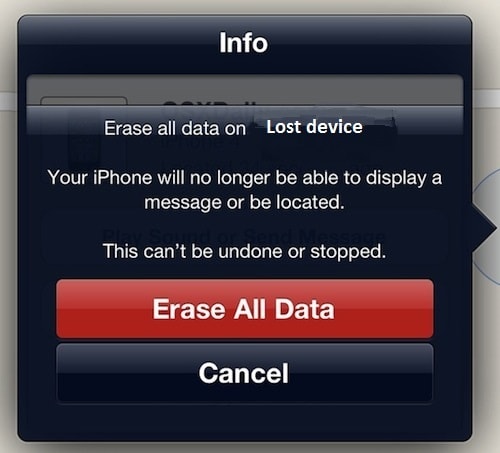
Step 4 Confirm the Erasure
iCloud will ask for confirmation, warning you that this action will delete all data and settings from the device. Confirm your decision to proceed. If the iPhone is offline (not connected to Wi-Fi or cellular), the remote erase command will be queued and will execute as soon as the device comes online.

Part 2. A Proactive Security Measure: Auto-Erase After Failed Passcodes
Another powerful security feature built into iOS is the ability to automatically erase all data after 10 consecutive incorrect passcode attempts. This is a preventative measure that can protect your data if someone is trying to brute-force their way into your locked device. It's an excellent fallback defense mechanism.
Here’s how to enable this feature on your iPhone:
-
Step 1 Open the Settings App
From your Home Screen, tap on the 'Settings' icon to open the main settings menu.
-
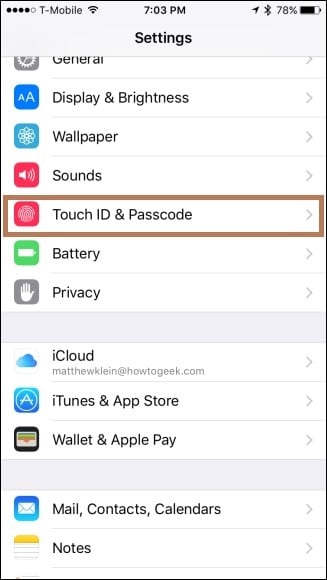
Step 2 Access Passcode Settings
Scroll down and tap on 'Face ID & Passcode' or 'Touch ID & Passcode', depending on your iPhone model.
-
Step 3 Enter Your Passcode
You will be prompted to enter your current device passcode to access these security settings.

-
Step 4 Enable the 'Erase Data' Function
Scroll to the very bottom of the screen. You will see a toggle for 'Erase Data'. Turn this toggle to the ON position. Once enabled, your iPhone will automatically wipe itself clean after 10 failed login attempts.
 Permanently erase all data on iOS & Android — completely unrecoverable.
- Military-grade wiping to fully protect your privacy.
- Generate verified erasure reports to boost device resale value.
- Selectively erase private data and remove junk & large files.
Part 3. Damage Control: What to Do If You Can't Remotely Wipe Your iPhone
If you didn't enable Find My iPhone before your device was lost, you won't be able to erase it remotely. In this situation, the priority shifts to protecting the data accessible *through* your phone, such as your cloud accounts and cellular service. Here are the essential damage control steps to take immediately:
- Change Your Apple ID Password: This is the most critical step. Changing your Apple ID password will prevent anyone from accessing your iCloud data (like photos and backups) and other Apple services like iMessage and the App Store from the lost device.
- Change Passwords for Other Key Accounts: Systematically change the passwords for all important accounts that were logged in on your iPhone. This includes email, social media (Facebook, Instagram, X), banking apps, and any other services containing sensitive information.
- Report the Loss to Your Wireless Carrier: Contact your mobile service provider (e.g., Verizon, AT&T, T-Mobile) and report your device as lost or stolen. They can suspend service to your account, disabling the SIM card and preventing anyone from making calls, sending texts, or using cellular data.
- Report the Loss to Law Enforcement: File a police report. They may ask for your device's serial number or IMEI. This creates an official record and can be helpful for insurance claims or if the device is recovered.
- Remove the Device from Your Trusted Devices List: Log in to your Apple ID account page on a browser and navigate to the 'Devices' section. Find your lost iPhone and select the option to remove it from your account. This will prevent it from being used for two-factor authentication.
Conclusion
Protecting the data on your iPhone starts with proactive measures. Enabling Find My iPhone and the automatic data erase feature are the two most powerful steps you can take to secure your information. If your device is ever lost or stolen, using Find My to remotely wipe it is the most effective way to ensure your personal life remains private.
If you were unable to enable these features, it's crucial to act swiftly to mitigate the risk by changing passwords and notifying your carrier. Remember, regular backups to iCloud or a computer will ensure that even if you have to wipe your device, your valuable data can be safely restored to a new one.
Frequently Asked Questions
-
1. What happens if I try to wipe my iPhone remotely, but it's offline?
The remote erase command will be sent to your iPhone and will remain pending. The moment your iPhone connects to any Wi-Fi or cellular network, the wipe command will execute automatically, and all data will be erased. -
2. Can I still track my iPhone's location after I remotely erase it?
No. Once the remote wipe is complete, all your data is removed, and the device is dissociated from your Find My account. You will no longer be able to see its location on the map. However, the Activation Lock will remain active, preventing anyone else from activating and using the device. -
3. Does a remote wipe also remove my credit and debit cards from Apple Pay?
Yes. When you erase your iPhone remotely, all your cards set up for Apple Pay are suspended or removed from the device, even if it's offline. This prevents anyone from making unauthorized payments. -
4. If I find my iPhone after I've erased it, can I get my data back?
The data on the phone itself is gone permanently. However, if you have a recent iCloud or computer backup, you can restore your iPhone from that backup during the initial setup process. This will bring back your settings, apps, photos, and other data that were included in the backup.
 Add Wondershare Dr.Fone as a preferred source on Google