Permanently erase all iOS & Android data—completely unrecoverable.

 100% Security Verified | No Subscription Required | No Malware

 :
: 
 ChatGPT
 Perplexity
 Gemini
 Claude
 Grok
Grok
Is your iPad or iPhone starting to feel sluggish, lagging when you open apps, or draining the battery much faster than usual? If you are constantly asking yourself, 'how do I speed up my iPad?' you are definitely not alone. Over time, as we accumulate apps, photos, and system cache, even the most powerful Apple devices can experience a noticeable drop in performance.
Fortunately, you do not need to buy a brand new device just yet. There are numerous underlying reasons for a slow-running device, such as critically low storage space, outdated software versions, or a buildup of unnecessary background data. In this comprehensive guide, we will walk you through 10 essential tips on how to speed up iPad and iPhone models, helping you reclaim peak performance and extend the lifespan of your device in 2026.
In this article
- Part 1: Restart your device
- Part 2: Close an app that's not responding or frozen
- Part 3: Delete unused files, apps, and games
- Part 4: Clear cache memory and web history
- Part 5: Turn off the transparency and Motion
- Part 6: Turn off Background Apps Refresh and auto update
- Part 7: Install ad blocker
- Part 8: Turn off location services
- Part 9: Turn off the Spotlight feature
- Part 10: Update to the latest iOS version
Part 1: Restart your device
One of the most effective and simplest troubleshooting steps to speed up iPad or iPhone is performing a basic system restart. Restarting your device applies any pending system changes, refreshes the core operating system, and most importantly, releases heavily taxed memory (RAM). When background processes get stuck, they consume system resources, leading to a sluggish interface.
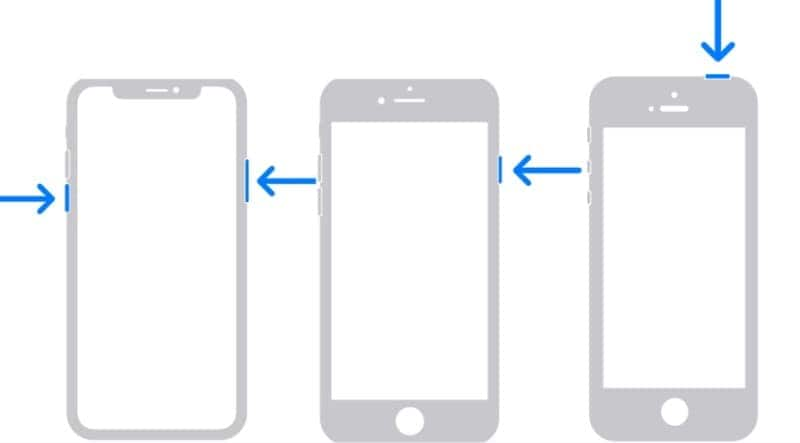
To Restart iPhone:
- iPhone X, 11, 12, and newer models: Press and hold the Side button alongside the Volume Down (or Volume Up) button until the power slider appears on the screen.
- iPhone 6, 7, 8, or SE (2nd/3rd generation): Press and hold the Side button until the power slider appears.
- iPhone SE (1st generation), 5, or earlier models: Press and hold the Top button until the slider appears.
To Restart iPad:
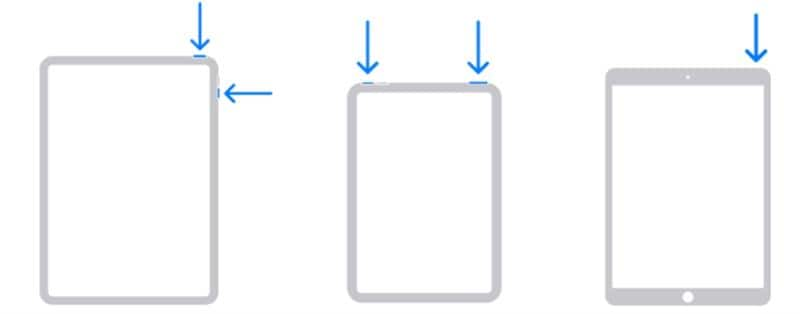
- iPad without Home button: Press and hold the Top button (Power button) and Volume down (or Volume Up) button simultaneously until the 'Slide to Power Off' slider appears.
- iPad with Home button: Press and hold the Top button until the power slider appears.
Part 2: Close an app that's not responding or frozen
Sometimes, the entire system isn't slow; rather, a specific application is suffering from a memory leak or has become unresponsive. If you experience severe lag or freezing while using a particular app, force-closing it and launching it fresh can immediately restore normal speed.
- On iPhone X or later or an iPad without a Home button, swipe up from the bottom edge of the screen and pause in the middle to bring up the App Switcher.
- On iPhone 8 or earlier or an iPad with a Home button, quickly double-click the physical Home button to access the App Switcher.
- Swipe left or right to locate the problematic app, then swipe its preview card upward and off the screen to close it completely.
Part 3: Delete unused files, apps, and games
If your device storage is nearly full, your iPad or iPhone will inevitably slow down because the operating system lacks the necessary virtual memory to function efficiently. Closing background apps is a temporary fix, but to genuinely speed up iPad performance long-term, you must delete unused apps, games, and large files to free up persistent storage.
3.1 Delete unused files, apps, and games manually
A. Deleting Apps and Games
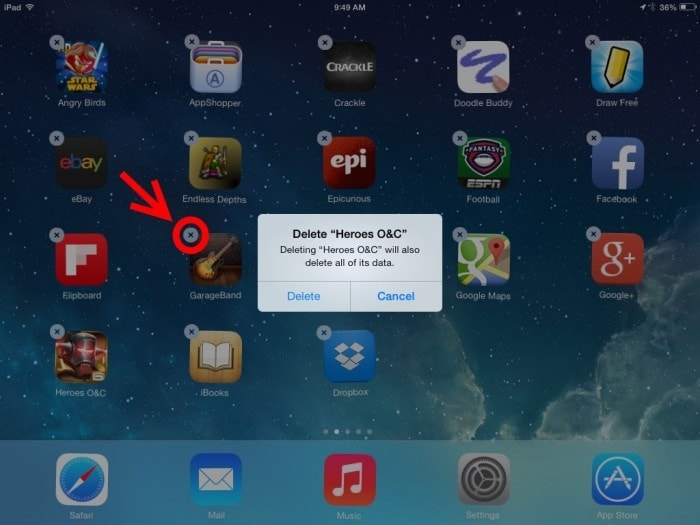
To manually remove applications you no longer use, simply tap and hold the app icon on your home screen for a few seconds. The apps will begin to jiggle, and an 'X' or '-' sign will appear in the corner of the icon. Tap it, then confirm the deletion.
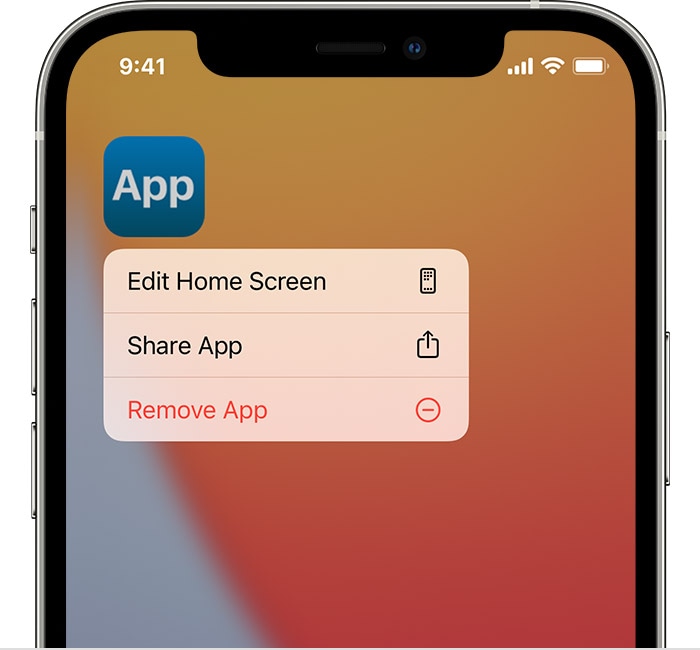
Alternatively, if you are on a newer iOS version, long-pressing the app will bring up a quick action menu. Tap 'Remove App', and then select 'Delete App' to completely uninstall it from your device and reclaim space.
B. Deleting Large Files
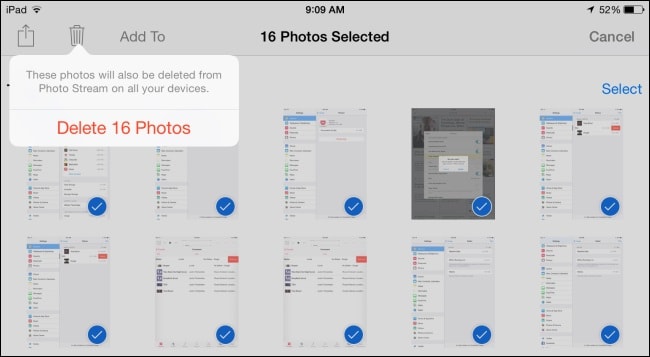
Large media files like high-resolution images, 4K videos, and downloaded music albums consume a massive amount of storage. It is highly advisable to back up these files to a computer or cloud storage and then remove them from your local device. Open your Photos or media app, select the files you no longer need locally, and tap the trash icon to delete them.
3.2 Use Wondershare Dr.Fone - Data Eraser to free up space automatically
 Permanently erase all data on iOS & Android — completely unrecoverable.
- Military-grade wiping to fully protect your privacy.
- Generate verified erasure reports to boost device resale value.
- Selectively erase private data and remove junk & large files.
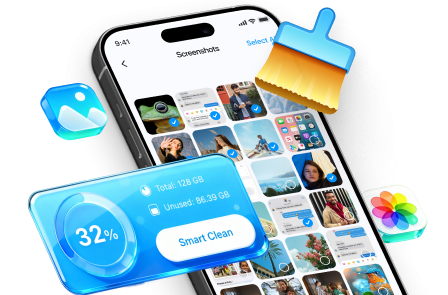
While manual deletion helps, it often leaves behind hidden cache files and fragmented app data. With the help of Dr.Fone - Data Eraser's advanced 1-Click Cleanup feature, you can automatically scan your device data, effortlessly clear junk files, and remove stubborn background caches. This tool significantly frees up storage space, resolving the root cause of why your device is slow.
By relying on a professional erasure tool, you ensure that unwanted third-party app remnants are permanently destroyed, enhancing both your system performance and privacy security. Below is a quick guide on how to utilize this software to speed up iPad and iPhone devices securely:
-
Step 1 Launch the tool and connect your device
Download and install Dr.Fone - Data Eraser on your computer. Launch the software and connect your iPhone or iPad to your system using a stable lightning or USB-C cable.
-
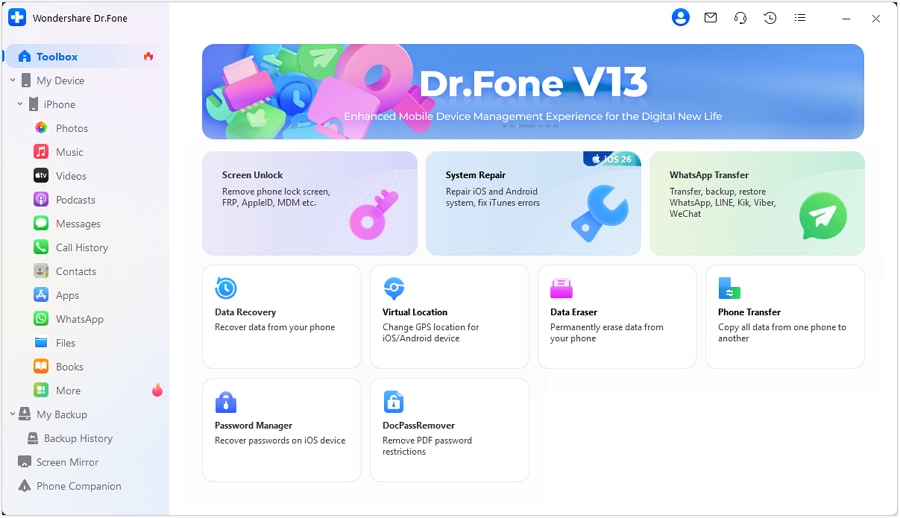
Step 2 Access the Free Up Space feature
Navigate to the 'Data Eraser' module on the software's main dashboard, and then select the 'Free Up Space' option to initiate the cleanup protocol.
-
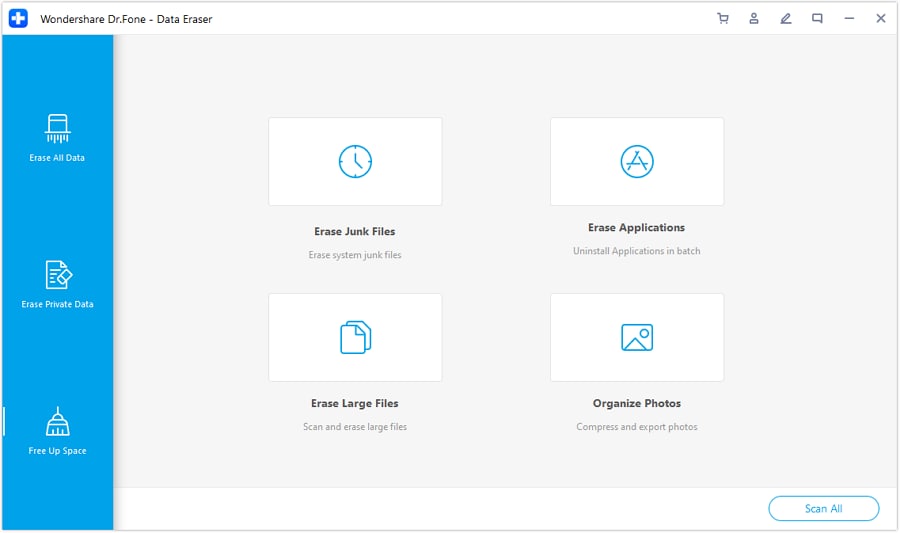
Step 3 Choose the data erasing mode
You will be presented with specific scanning options: 'Erase Junk files', 'Erase Applications', and 'Erase Large Files'. You can even compress photos to save space without losing visual quality.
-
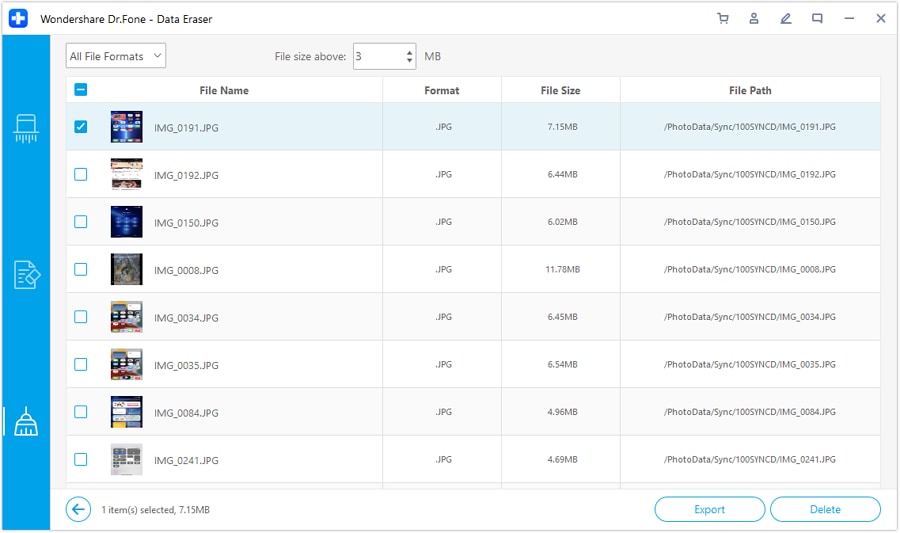
Step 4 Review and delete useless files
After the scan completes, review the detected files safely. Click 'Delete' to execute the erasure process. Within minutes, all useless data holding back your device's speed will be permanently removed.




Part 4: Clear cache memory and web history
Whenever you browse the web using Safari or Chrome, browser data gets stored as cache (acting as a quick reference to load the website faster upon your next visit). However, over months or years, this browsing history and cached data bloat to a massive size, stealing valuable storage and RAM space. If you want to know how to speed up iPad browsing, deleting cache data regularly is highly recommended.
A. Manage your Bookmarks and History
Launch the Safari app, select the Book icon at the bottom, and a list of your History and Bookmarks will appear. From here, you can easily review, edit, or selectively delete outdated bookmarks and history logs.
B. Clear overall history and browsing data
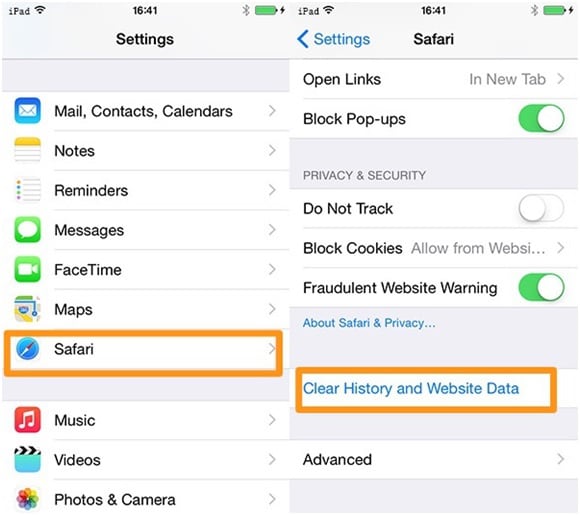
To perform a clean sweep of your browser cache memory: Navigate to your device Settings > Scroll down and open Safari > Tap on Clear History and Website Data.
C. Delete advanced website data specifically
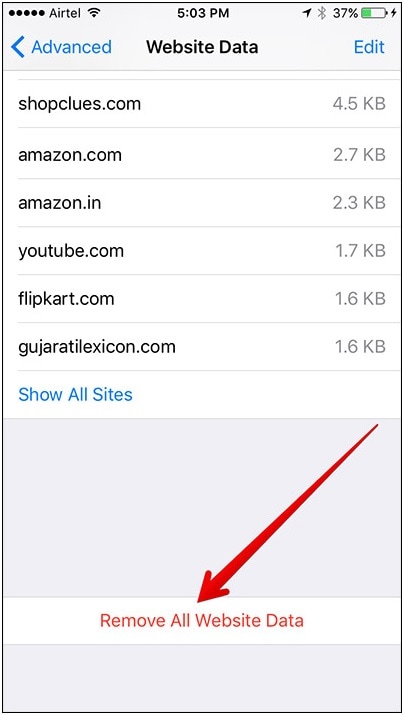
The standard clearing method might leave behind some persistent cookies or specific site storage. To ensure total cache removal: Go to Settings > Safari > Scroll to the bottom and click Advanced > Select Website Data > Finally, tap on Remove All Website Data.
Part 5: Turn off the transparency and Motion
Apple includes beautiful visual flourishes in iOS, such as 'Transparency and Motion Effects.' While they give the interface a sleek, 3D depth experience, they demand constant GPU rendering. This processing overhead drains battery life and significantly slows down older devices. Disabling these aesthetic features is a proven method to speed up iPad responsiveness almost instantly.
A. How to reduce transparency
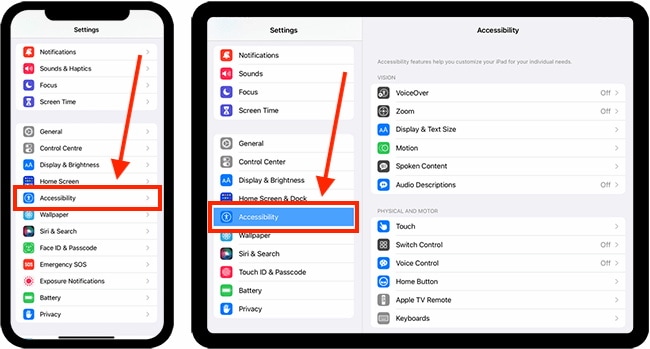
To reduce background blurring effects: Open Settings, navigate to Accessibility > Tap on Display & Text Size > Toggle the switch next to Reduce Transparency to the ON position.
B. How to Reduce Motion (Parallax effects)
To stop the zooming interface animations and parallax app icons: Go back to Settings > select Accessibility > Tap on Motion > Toggle on Reduce Motion.
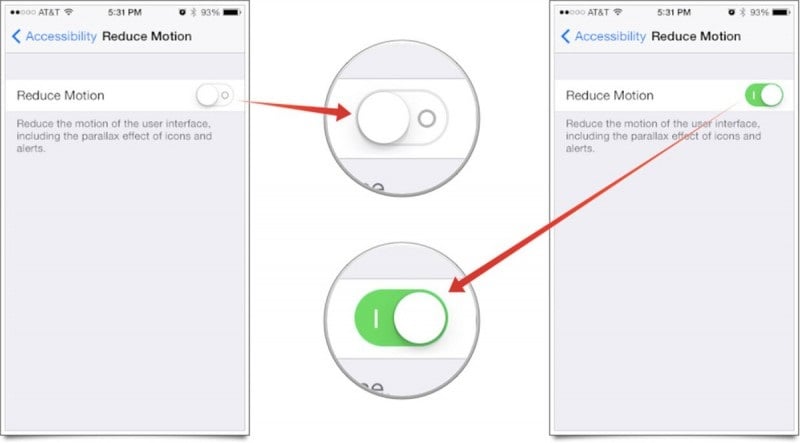
By activating these two settings, the operating system bypasses heavy visual effects, making app launches and screen transitions snap much faster.
Part 6: Turn off Background Apps Refresh and auto update
Background App Refresh allows applications to download new content even when you are not actively using them. Combined with automatic app updates, these processes silently consume bandwidth, battery, and CPU cycles, often leading to sudden performance drops. If you frequently wonder how do I speed up my iPad without deleting anything, managing background activity is your answer.
A. How to turn off Background App Refresh
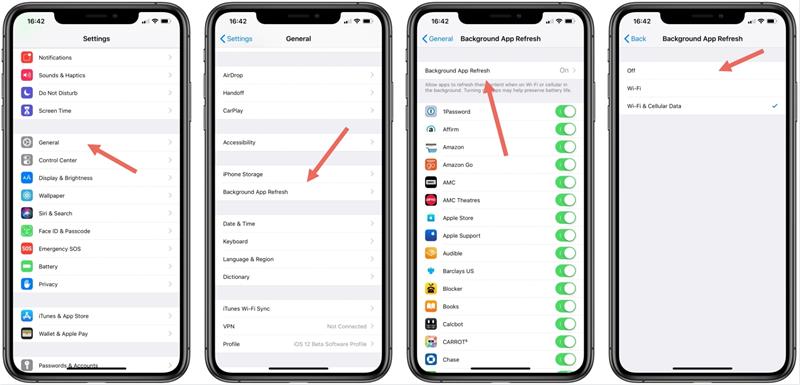
To prevent apps from constantly pulling data in the background: Open the Settings app > Tap on General > Select Background App Refresh, and set it to Off (or selectively disable it for apps you rarely use).
B. Stop Auto Update option
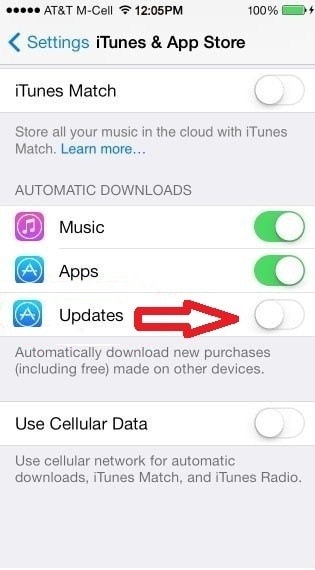
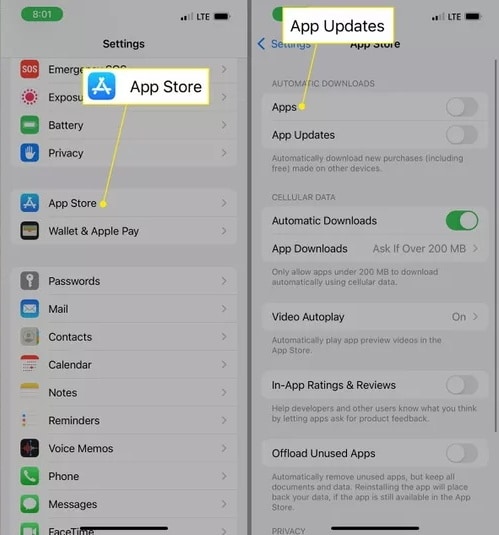
To stop iOS from downloading heavy app updates while you are trying to work or play: Go to Settings > Tap on App Store (previously found under iTunes and App Store in older iOS versions) > Toggle off App Updates under the Automatic Downloads section.
Part 7: Install ad blocker
Browsing the web on an older iPad or iPhone can be frustratingly slow, heavily due to resource-intensive advertisements. Modern websites are loaded with media ads, tracking scripts, and pop-ups that force your device to load secondary web elements, consuming large amounts of RAM and data.
By installing a reputable content blocker (such as AdGuard or 1Blocker from the App Store), you prevent Safari from loading these heavy scripts, significantly improving web loading speeds.
Once you install an ad blocker app, you must activate it within your system configuration: Go to Settings > Scroll to Safari > Find Extensions (or Content Blockers on older iOS) > Enable the toggle for your downloaded ad blocking application.
Part 8: Turn off location services
Countless apps—ranging from Maps and Facebook to local weather widgets—constantly ping your device's GPS hardware to update your location data. This continuous background tracking heavily drains battery power and limits peak processor performance, drastically reducing the overall speed of your device.
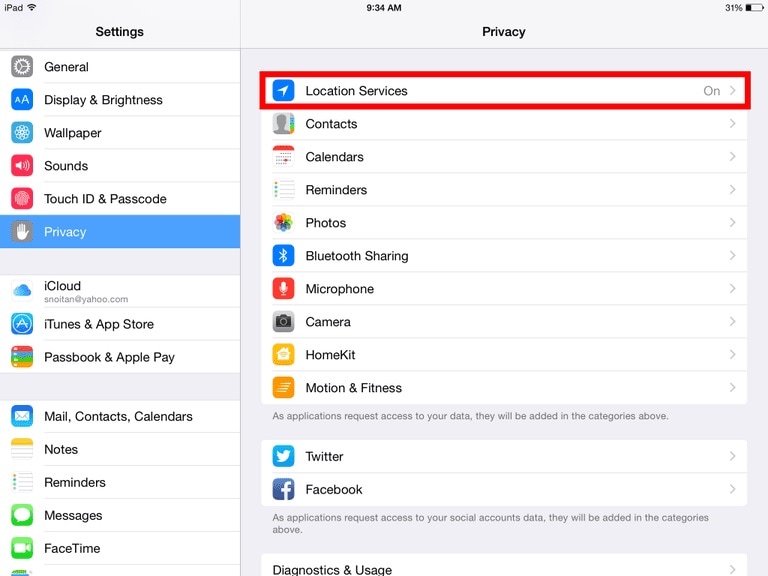
To take control of GPS polling: Open the Settings app > Navigate to Privacy & Security (or just Privacy on older iOS) > Tap on Location Services > Toggle the master switch Off, or customize the permissions for individual apps to 'While Using'.
Part 9: Turn off the Spotlight feature
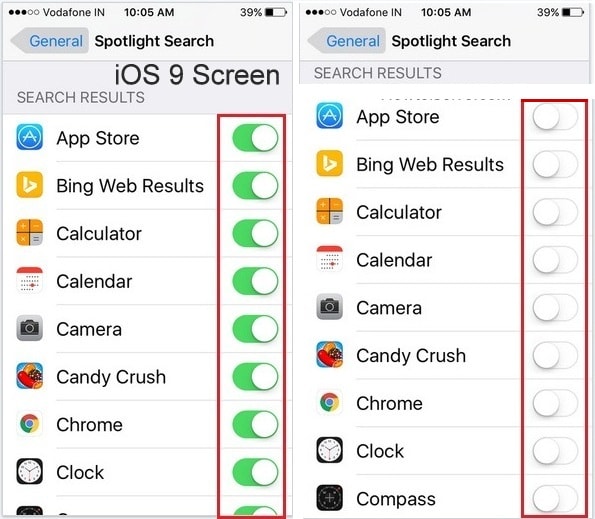
The iOS Spotlight feature is incredibly useful for instantly searching across your entire device. However, to maintain those lightning-fast search results, iOS constantly indexes every new file, message, email, and app in the background. On aging iPads or iPhones, this persistent indexing task monopolizes CPU cycles and utilizes unnecessary disk space.
To reduce this workload: Go to Settings > Tap on Siri & Search (formerly Spotlight Search under General) > Scroll through your app list and turn off "Show App in Search" or "Show Content in Search" for applications that you do not need indexed.
Part 10: Update to the latest iOS version
If you have exhausted all the optimization settings and your iPhone or iPad still runs sluggishly, the issue might be rooted in a system bug or poorly optimized code within your current software version. Apple regularly releases iOS and iPadOS updates specifically designed to patch memory leaks, repair software conflicts, and ultimately improve legacy device performance.
To ensure your device is running optimally: Go to Settings > Tap on General > Select Software Update. If a new version is available for your device, tap Download and Install, enter your passcode to confirm, and let the system modernize your firmware.

Conclusion
Speeding up an aging iPad or iPhone doesn't have to be complicated. By consistently applying the 10 proven tips mentioned in this guide—such as restarting your device, managing background activities, disabling heavy visual animations, and utilizing powerful cleanup tools like Dr.Fone - Data Eraser—you can dramatically revitalize your device's responsiveness. Keeping your iOS environment clean, organized, and updated will ensure that your tablet or smartphone operates in a near-new condition, maximizing both its speed and longevity well into the future.
FAQ
-
1. Why is my iPad running so slow all of a sudden?
Sudden slowdowns on an iPad are typically caused by a background app crashing, a sudden lack of available storage space, or an intensive process (like an iOS update or Spotlight indexing) running in the background. Restarting the device and clearing space usually resolves the issue instantly. -
2. Does clearing Safari cache really speed up iPad web browsing?
Yes. Over time, Safari accumulates massive amounts of cookies, cached images, and tracking scripts. When the cache becomes bloated, the browser struggles to index and retrieve data efficiently. Clearing it gives the browser a fresh slate, significantly reducing page load times. -
3. Will turning off Background App Refresh stop my notifications?
No, turning off Background App Refresh will not stop push notifications. You will still receive alerts for messages, emails, and social media. It only prevents the apps from downloading the actual heavy content (like new images or feed updates) quietly in the background before you open them. -
4. Are third-party cleaner apps safe for my iPhone and iPad?
It depends on the tool. Reputable desktop software like Dr.Fone - Data Eraser is highly secure and effective because it accesses the device storage via a direct wired connection to perform deep military-grade wiping and cache clearing without compromising your iOS security sandbox.
 Add Wondershare Dr.Fone as a preferred source on Google