Effortlessly manage data through preview, delete, export, etc.

 100% Security Verified | No Subscription Required | No Malware

 :
: 
 ChatGPT
 Perplexity
 Gemini
 Claude
 Grok
Grok
As our digital lives become increasingly integrated, the ability to share content across devices is more important than ever. One common need is to display your Android phone's screen on a larger PC monitor for presentations, streaming movies, or enjoying mobile games on a bigger display. This process, known as screen mirroring, can significantly enhance your viewing experience.
This comprehensive guide will walk you through how to mirror your Android screen to a PC with Chromecast. Google's Chromecast technology offers a simple and affordable way to cast your device's content. We'll cover what Chromecast is, its key features, and a step-by-step process to get you started.
In this article
Part 1. What Is Chromecast and How Does It Work for Mirroring?
Chromecast is a media streaming device developed by Google. This compact dongle plugs directly into the HDMI port of a display, such as a TV or a PC monitor, allowing you to stream content or mirror your device's screen wirelessly. The technology relies on the Google Cast protocol to send audio and video from your phone, tablet, or computer to the display.
When you want to mirror your Android screen to a PC with Chromecast, you are essentially using your PC's monitor as the larger screen. The Chromecast dongle handles the wireless connection with your Android device, while your monitor provides the visual output. This setup is incredibly convenient for enjoying mobile content without being confined to a small screen, whether you're sharing photos, watching a movie, or playing your favorite games like Call of Duty Mobile.
Part 2. Key Features of Google Chromecast
Google Chromecast has become a popular household device due to its powerful features and affordability. Here’s what makes it an excellent choice for screen mirroring and media streaming.
- Broad App Compatibility: You don't need to worry about limited app support. Chromecast works seamlessly with thousands of popular apps, including Netflix, YouTube, HBO Max, Google Play, Spotify, and many more, allowing you to cast content directly.
- Ambient Mode: When you're not actively casting, Chromecast can transform your screen into a beautiful digital photo frame. You can set it to display satellite imagery, famous artwork, or your personal photos from Google Photos, creating a dynamic backdrop.
- Cross-Platform Availability: Chromecast is highly versatile. It is compatible with the vast majority of Android phones and tablets, as well as iPhones and iPads. You can also cast directly from the Google Chrome browser on any Windows PC, Mac, or Chromebook.
- Affordable Price Point: With a starting price of around $35, Chromecast is an economical solution for adding smart capabilities to any display with an HDMI port. It's a one-time purchase for a lifetime of use.
- Simple Setup and Use: Chromecast is designed for user-friendliness. The plug-and-play setup process is straightforward, and casting content or mirroring your screen can be done with just a few taps.
- Automatic Updates: Your Chromecast device automatically receives updates from Google. This ensures you always have the latest features, security patches, and compatibility with new apps without any manual intervention.
Part 3. Step-by-Step Guide to Mirror Android to a PC Monitor
Mirroring your Android screen to your PC monitor using Chromecast is a straightforward process. Follow these steps carefully to set it up correctly.
-
Step 1 Prepare Your Devices and Connections
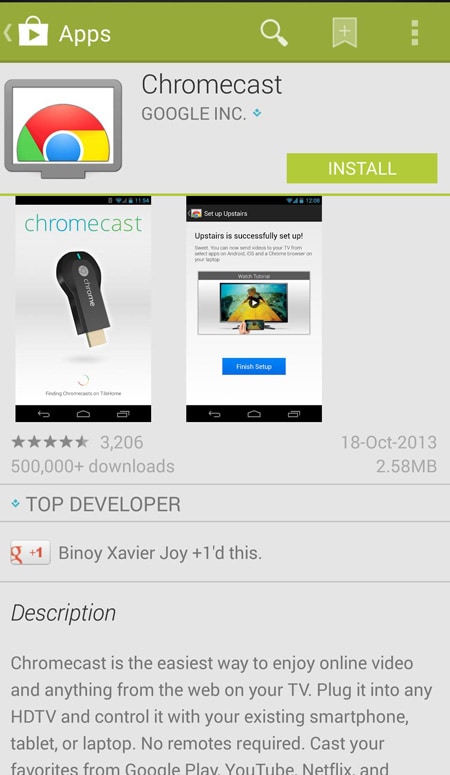
First, ensure you have a Chromecast dongle. Download and install the Google Home app from the Play Store onto your Android device. This app is essential for setting up and controlling your Chromecast.
-
Step 2 Connect Chromecast to Your PC Monitor
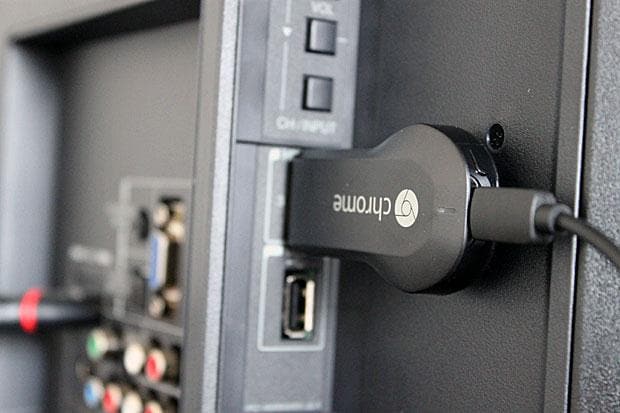
Plug the Chromecast device into an available HDMI port on your PC monitor. Connect the included USB cable to the Chromecast for power; you can plug this into a USB port on your monitor or use a power adapter. Switch your monitor's input source to the HDMI port where the Chromecast is connected.
-
Step 3 Configure Chromecast via the Google Home App
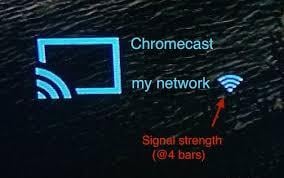
Open the Google Home app on your Android device. It should automatically detect the new Chromecast. Follow the on-screen instructions to set up the device, which includes connecting it to your Wi-Fi network. It's crucial that your Android device and Chromecast are on the exact same Wi-Fi network for mirroring to work.
-
Step 4 Start Mirroring Your Screen
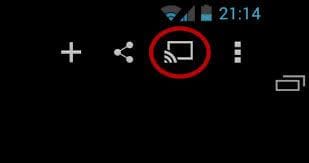
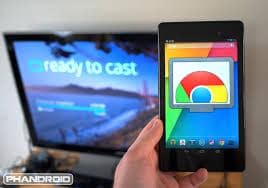
Once setup is complete, open the Google Home app again. Tap on your Chromecast device from the list. At the bottom of the screen, you will see a 'Cast my screen' button. Tap it, and then confirm by tapping 'Cast screen' on the pop-up. Your Android screen will now be mirrored to your PC monitor.
-
Step 5 Enjoy Your Mirrored Display
You can now open any app, play a game, or watch a video on your Android device, and it will be displayed in real-time on your larger PC monitor. To stop mirroring, simply go back to the Google Home app and tap 'Stop mirroring'.
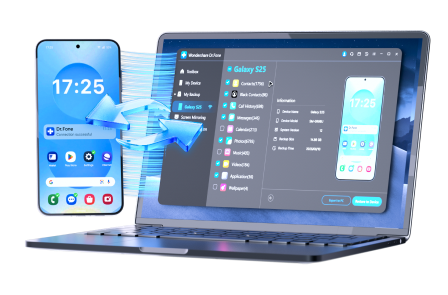
 Effortlessly manage data through preview, delete, export, etc.
- Transfer all data between devices.
- Robust backup solutions for reliable data protection.
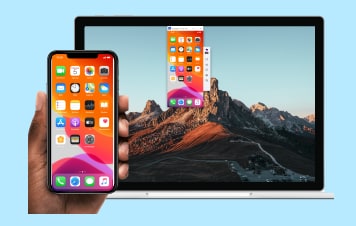
- Mirror screens to PC for meetings, teaching, and control.
Part 4. Supported Android Devices for Screen Mirroring
The screen casting feature is widely available across the Android ecosystem. The minimum requirement for mirroring your Android screen to a Chromecast is Android 5.0 (Lollipop) or a later version. This means that nearly all smartphones and tablets released in recent years are fully compatible.
While the original list of supported devices included older models like the Nexus 4 and Samsung Galaxy S4, the compatibility has expanded significantly. Today, devices from all major manufacturers support this feature, including:
- Google Pixel Series (All models)
- Samsung Galaxy S and Note Series (S8 and newer)
- OnePlus Devices (OnePlus 3 and newer)
- LG G and V Series (G6 and newer)
- Sony Xperia Series (XZ and newer)
- NVIDIA SHIELD Tablet
- Most modern devices from brands like Xiaomi, Motorola, and Nokia.
Part 5. Exploring Advanced Chromecast Casting Features
Chromecast offers more than just basic screen mirroring. Exploring its advanced capabilities can further enhance your experience.
- Guest Mode: You can allow friends and family to cast to your Chromecast without connecting to your Wi-Fi network. When enabled, Chromecast emits a special Wi-Fi beacon, allowing anyone in the room with a guest mode-enabled app to cast securely.
- Casting from a Computer: Beyond mobile devices, you can cast content from your laptop or PC. Using the Google Chrome browser, you can cast a specific browser tab, a video file from your computer, or even your entire desktop to the Chromecast.
- Integration with Google Assistant: If you have a Google Nest or Google Home speaker, you can use voice commands to control your Chromecast. Simply say, "Hey Google, play Stranger Things on my Living Room TV," and it will start casting from your linked Netflix account.
- Multi-Room Audio: You can group Chromecast Audio devices or Chromecast-enabled speakers together to play synchronized music throughout your home. This is perfect for parties or creating an immersive audio experience.
Conclusion
Mirroring your Android screen to a PC with Chromecast is an excellent way to break free from the limitations of a small display. It provides a simple, reliable, and cost-effective method for sharing presentations, enjoying media, or playing games on a larger canvas. By following the steps outlined in this guide, you can quickly set up your device and begin casting in minutes. With its wide compatibility and advanced features, Chromecast remains one of the best tools for bridging the gap between your mobile device and bigger screens.
FAQ
-
1. Can I mirror my Android screen to a PC without a Chromecast dongle?
Yes, there are alternative methods. Windows 10 and 11 have a built-in feature called "Connect" that uses Miracast technology, which many Android phones support. You can also use third-party applications like AirDroid Cast or Vysor, which allow you to mirror your screen to a PC via USB or Wi-Fi. -
2. Will there be a delay or lag when mirroring my Android screen?
A slight latency is normal with wireless screen mirroring. The delay is usually minimal and unnoticeable when watching videos or giving presentations. However, for fast-paced competitive gaming, the slight lag might be perceptible and could affect performance. The quality of your Wi-Fi network also plays a significant role in minimizing lag. -
3. Do I need an internet connection for Chromecast screen mirroring?
You need a local Wi-Fi network for your Android device and Chromecast to communicate. While you don't necessarily need an active internet connection to mirror the screen itself (for offline content), an internet connection is required for the initial setup of the Chromecast and for casting content from online streaming services like YouTube or Netflix. -
4. Can I use my phone for other tasks while mirroring the screen?
When using the 'Cast screen' feature, your monitor will display exactly what is on your phone's screen. If you switch apps, answer a call, or check notifications, that activity will also appear on the mirrored display. This is different from casting from within an app (e.g., tapping the Cast icon in YouTube), which allows you to use your phone for other things while the video continues to play on the screen.
 Add Wondershare Dr.Fone as a preferred source on Google