Effortlessly manage data through preview, delete, export, etc.

 100% Security Verified | No Subscription Required | No Malware

 :
: 
 ChatGPT
 Perplexity
 Gemini
 Claude
 Grok
Grok
As mobile penetration continues to accelerate in 2026, applications remain the driving force behind the two dominant mobile operating systems: Android and iOS. While Android, developed by Google, thrives on its accessible open-source nature, Apple's iOS maintains a strictly controlled and highly optimized ecosystem. Users typically access Android applications via the Google Play Store, whereas iOS applications are exclusively available on the Apple App Store. Although developers frequently release cross-platform versions of their apps to suit the two systems, there are numerous high-quality iOS applications and games that you still can't find for Android, and vice versa.
The fierce competitions and distinct architectural makes of the two systems have ensured that they do not natively share the same coded applications. Android currently enjoys massive popularity among global mobile users, while iOS still maintains their limited but highly lucrative target market. Even though many people seem to choose Android, they still deeply want to feel the experience of an exclusive iOS application on their current Android devices. Fortunately, continuous improvements in technology are now fulfilling the dream of many Android users. If you want to run Apple apps effortlessly, learning how to use iOS emulator for Android is the best solution, allowing any Android user to download the Android iOS emulator and bridge the ecosystem gap.
In this article
Part 1. iOS Emulator for Android Requirements
Before you dive into learning how to use iOS emulator for Android, it is crucial to ensure that your smartphone or tablet meets the fundamental hardware and software requirements. Because an emulator essentially generates a virtual iOS environment running on top of your existing Android architecture, it demands specific system resources to function smoothly without sudden lagging or crashing.
Here are the core requirements needed to successfully install and run an iOS emulator like Padoid on your Android device:
- Video acceleration: Shared kernel driver with associated X driver; OpenGL, ES/EDL to handle iOS's complex graphical rendering.
- Storage: A minimum of 61MB for basic App files, though significantly more space is required for downloading modern large games.
- HDMI: Video-out capability with a secondary framebuffer device (highly recommended for a broader display experience).
- USB Connectivity: USB host mode must be supported to allow straightforward file transfers from a PC to your mobile device.
- Memory: At least 512 MB RAM (though modern devices in 2026 will easily surpass this for significantly better optimization).
Part 2. How to Use iOS Emulator for Android
Once you have verified that your Android device firmly meets the necessary hardware requirements, the next step involves the actual installation. While the concept of virtually emulating a completely different operating system might sound highly technical, the setup process is surprisingly straightforward. In this section, we will walk you through a clear, step-by-step procedure on how to download, properly install, and seamlessly use iOS emulator for Android, specifically focusing on the Padoid tool as a reliable example.
-
Step 1 Download the Emulator File to Your PC
First, you need to securely acquire the emulator's installation package. Download the file from the link here; http://files.cat/OCOcYpJH download the file to your PC. Make sure you save it in an easily accessible location on your hard drive.
-
Step 2 Transfer the File to Your Smartphone
After the download is complete, send the downloaded file to your smartphone via USB/Bluetooth, or any other method you prefer. The entire transfer process is generally much faster and remarkably more stable when done with a direct USB connection.
-
Step 3 Locate the File on Your Phone
Disconnect the USB from your smartphone safely once the file is fully transferred, and then use your built-in file explorer to search for the file.
-
Step 4 Install the Emulator Application
Install it by opening it in your file manager programme. You might be prompted to grant permissions for "Unknown Sources" in your Android security settings to allow the third-party installation.
-
Step 5 Load the Respective iOS Games
Open the "Padoid" icon from your home screen. You will be taken to the "Select Rom" Section. Just load the games here. The versatile tool from the given link inherently supports both ipas and zips.
-
Step 6 Play Your iOS Apps on Android
Enjoy playing iOS games on android. With the ROM successfully loaded, the application will initialize seamlessly within the virtual ecosystem.
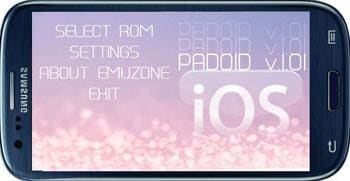
After you finish installing and all is well, you will immediately unlock an entirely new ecosystem. This means you can now boldly enjoy your unlimited range of choices when it comes to applications. Whether an application is only explicitly available for iOS and not for Android, or if the iOS version is empirically better than the Android version, that isn't one of your problems anymore. An iOS emulator for Android basically mimics the application binary interface of a foreign operation system, in this specific case, iOS. This advanced software virtualization then leaves immense room for your Android device to successfully run an iOS application unmodified. The emulator genuinely feels real when using your newly installed applications, directly giving the exact same high-quality experience that an actual iOS user will feel using that particular application you want to vividly install on your Android phone.
With an overwhelming command of around 70-75% market share globally in 2026, one might naturally be asking why it would be possible to find an incredibly popular application made for iOS but absolutely not available for Android. Compelling reasons include the highly lucrative ecosystem of Apple. Most prominent users, together with specialized developers, would fundamentally prefer Apple's closed software environment which is tightly controlled and standardized. The undeniable fact that iOS customers are traditionally willing to pay upfront for their applications unlike the largely ad-supported market for Android, directly leads to significantly more revenue for app developers and their powerful backing companies. Logically, professional developers will concentrate infinitely more on rapidly developing good applications for iOS over Android. More so with the most popular top-tier games that inherently have a huge traffic volume. To top it all, the infamously long procedure of Apple's strict approval process of the application virtually ensures that only quality applications are being successfully uploaded. The more the everyday user expects only superior quality applications, the more relentless pressure there is on the dedicated iOS app developer to guarantee perfection and quality in their final product, thus forging more competition and generating apps that give a much more exciting mobile experience.
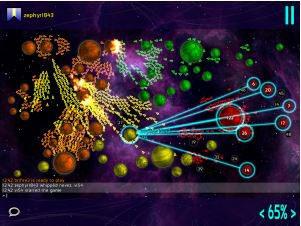
The above practical reasons give a profoundly natural lead for active Android customers/users to sincerely wish to have a feel of authentic iOS applications though without taking the massive financial leap of buying an iPhone or iPad outright. It heavily emphasizes on the superior architectural design that makes them so distinctively enjoyable. This does not blindly assume all iOS applications are definitively better than Android ones though. Furthermore, an iOS emulator for Android is incredibly ideal for software developers who desperately want to accurately test their iOS applications locally without exclusively using an Apple device, dramatically cutting operational costs of buying test phones.
While this article specifically refers to one particular reliable tool of emulating iOS on Android, there are many innovative projects that have emerged and those that are still actively developing cutting-edge iOS emulators for Android. This thriving community is giving a exceptionally wide choice to critically choose with a high possibility of finding even some premium variants that are for sell and those that are entirely free. Most modern Android iOS emulator tools will inevitably come with robust guidelines on how to correctly use them, giving you a detailed step-by-step procedure which may vary slightly from the foundational one given in this article. The absolute best option is always to thoroughly compare them at a trial basis or even look closely at the honest reviews by some earlier customers, and that will effectively give you a comprehensive general understanding of both the core advantages and frustrating disadvantages of the unique tools. With the continuous rapid advancement of smartphone technology, these powerful tools also frequently update and become even more brilliant, guaranteeing a significantly better user experience.
For individuals who desire to control their mobile interface on a much broader desktop display rather than running mobile-based emulators, there are seamless screen casting alternatives available. Advanced tools such as the MirrorGo Android Recorder will effortlessly let you mirror your Android device directly to your computer. This gives you unparalleled freedom to play Android mobile games dynamically on your computer using your responsive keyboard and precise mouse for significantly better control.
 Effortlessly manage data through preview, delete, export, etc.
- Transfer all data between devices.
- Robust backup solutions for reliable data protection.
- Mirror screens to PC for meetings, teaching, and control.
Conclusion
Bridging the restrictive gap between the two major smartphone operating systems used to be considered impossible, but knowing exactly how to use iOS emulator for Android completely reshapes the landscape. By diligently meeting the fundamental hardware requirements and meticulously following the installation steps of robust tools like Padoid, you can easily mimic the complex iOS application binary interface directly on your Android phone. This innovative breakthrough lets you freely play exclusive Apple games, effectively test cross-platform applications, and enjoy the highly optimized iOS environment without spending heavily on an expensive new iPhone or iPad. As mobile technology firmly continues to advance in 2026, these emulators are rapidly becoming significantly more reliable, ultimately unlocking a limitless world of application possibilities for Android enthusiasts everywhere.
FAQ
-
1. Is it safe to use an iOS emulator for Android?
Yes, using a reliable iOS emulator is generally safe, provided that you carefully download the APK file from verified and widely trusted sources. Always be vigilant regarding third-party websites offering fake or heavily modified emulators that may secretly contain malicious software. It is highly recommended to systematically scan all downloaded files with a mobile antivirus application prior to initiating the installation. -
2. Do I need to root my Android device to successfully run an iOS emulator?
Most modern mainstream iOS emulators, specifically including Padoid, do not strictly require you to root your personal Android device. They are intelligently engineered to run as entirely standalone virtual environments, seamlessly allowing you to load custom iOS IPAs.• Rooted Devices: Occasionally offer slightly better background performance and more direct system-level resource allocation for the virtualization process.• Non-rooted Devices: Perfectly capable of securely running standard iOS apps smoothly without severely risking the baseline security framework of your Android phone. -
3. Can I download exclusive iOS apps directly from the official Apple App Store on my Android?
No, you absolutely cannot. iOS emulators intricately designed for Android do not grant any direct access to the official Apple App Store due to highly stringent server-side authentications strictly enforced by Apple. Instead, you must manually hunt down and download your desired iOS application files (typically in IPA or ZIP formats) from reputable third-party software repositories, and subsequently load them manually into the emulator interface. -
4. Why do some visually heavy iOS games lag noticeably on my Android emulator?
Emulation inherently demands an immense amount of computational processing power because it must accurately translate highly complex native iOS code into standard Android-readable code in real time. If your chosen Android device barely meets the bare minimum hardware requirements (such as possessing only 512 MB RAM), highly graphic-intensive modern games will undoubtedly struggle to render. Upgrading to a much more powerful flagship smartphone with an advanced mobile processor and substantially more RAM in 2026 will decisively eliminate this frustrating lag.
 Add Wondershare Dr.Fone as a preferred source on Google