Effortlessly manage data through preview, delete, export, etc.

 100% Security Verified | No Subscription Required | No Malware

 :
: 
 ChatGPT
 Perplexity
 Gemini
 Claude
 Grok
Grok
Your Android smartphone is a powerhouse of features, but its small screen can limit your experience when watching videos, playing games, or participating in important video calls. The desire to see your content on a larger display is a common one, bringing more immersion and comfort to your digital life.
Fortunately, technology provides a seamless solution: screen mirroring. This allows you to cast your Android screen to your PC using WiFi, combining the convenience of your phone with the expansive view of your computer monitor. This guide will explore the most effective methods to view your phone screen on your PC via WiFi, transforming how you interact with your favorite apps and media.
In this article
Understanding Screen Mirroring vs. Screencasting
Before diving into the methods, it's crucial to understand the terminology. While often used interchangeably, screen mirroring and screencasting are slightly different. Both allow you to view phone content on a larger screen, but they function in distinct ways.
Screen Mirroring duplicates your entire Android screen onto another display, like a PC or TV, in real-time. Everything you do on your phone—swiping between screens, opening apps, typing a message—is shown on the larger display. This is ideal for presentations, app demonstrations, or playing mobile games on your computer. Key technologies enabling this include Miracast and various third-party applications.
Screencasting, on the other hand, involves sending specific media content (like a video from YouTube or Netflix) from your phone to a compatible display. When you cast a video, your phone acts as a remote control, but the media plays directly on the larger screen from the internet. A major advantage is that you can continue using your phone for other tasks while the content is casting. Chromecast is the most well-known technology for screencasting.
For the purpose of this guide, we will focus on methods to mirror your Android screen on a PC via WiFi, giving you a complete, interactive display of your device.

Method 1: Use a Dedicated Tool for Full Control - Dr.Fone Screen Mirror
For the most stable and feature-rich experience, using a dedicated screen mirroring tool is the best approach. Wondershare Dr.Fone offers a powerful Screen Mirror (MirrorGo) feature that provides a high-quality, lag-free connection and allows you to control your Android device directly from your PC using your mouse and keyboard.
This solution is perfect for gamers who want a bigger screen and precise controls, professionals delivering presentations, or anyone who needs to interact extensively with their phone's apps on a computer. Follow these steps to get started.
-
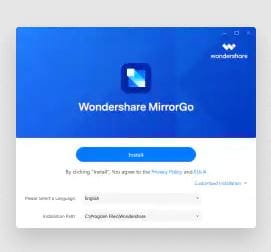
Step 1 Download and Install Dr.Fone
First, download the Dr.Fone toolkit from the official website onto your computer. Run the installer and follow the on-screen instructions to complete the installation. Once installed, launch the program.
-
Step 2 Connect Devices to the Same WiFi
Ensure that both your Android smartphone and your PC are connected to the same WiFi network. This is essential for establishing a wireless connection between the two devices.
-
Step 3 Initiate Wireless Mirroring
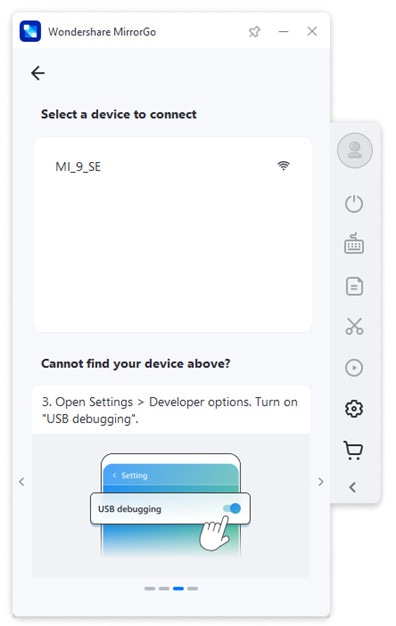
In the Dr.Fone toolkit, select the "Screen Mirror" module. You will be prompted to choose your connection method. Select the option to connect via WiFi. The software will then begin searching for available devices on your network.
-
Step 4 Authorize Connection and Start Mirroring
On your Android phone, you will see a prompt from the corresponding Dr.Fone Link app (install it if you haven't already). Select your PC from the list of devices and grant the necessary permissions to start casting. Your Android screen will now appear on your PC. You can now use your mouse and keyboard to navigate, type, and control your device seamlessly.




Method 2: Use a Quick Web-Based Solution - Dr.Fone Air
If you need to quickly mirror your screen without installing any software on your PC, a web-based tool is the perfect choice. Wondershare Dr.Fone Air is a free online screen mirroring solution that allows you to cast your Android screen to any computer with a web browser.
This method is ideal for one-time use, sharing your screen during meetings, or when you're using a computer that isn't your own. It's fast, convenient, and requires minimal setup.
-
Step 1 Open Dr.Fone Air on Your PC's Browser
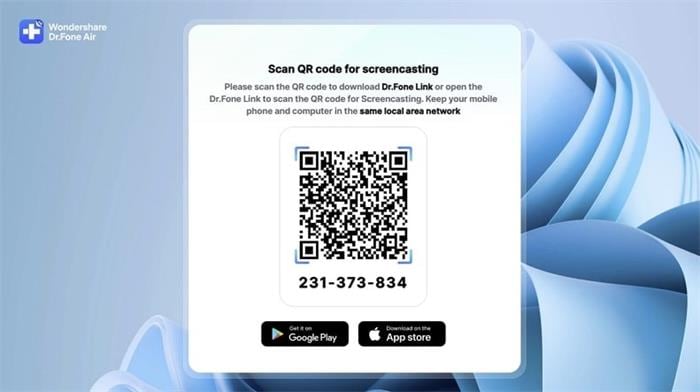
On your computer, open your preferred web browser and navigate to the official Dr.Fone Air website. You'll see a unique QR code and a 9-digit cast code displayed on the screen.
-
Step 2 Scan the QR Code with Your Android
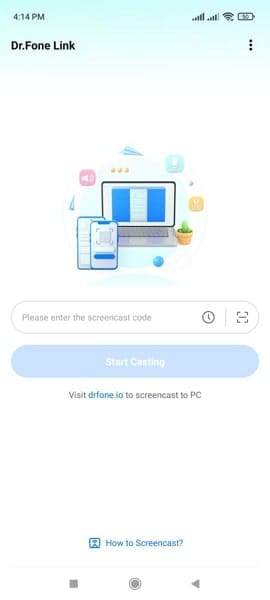
On your Android device, ensure you are connected to the same WiFi network as your PC. Open the Dr.Fone Link app (or install it from the Play Store). Tap the scan icon and point your phone's camera at the QR code on your computer's browser. Alternatively, you can manually enter the 9-digit cast code.
-
Step 3 Start Mirroring to Your Browser
Once the connection is established, your Android screen will instantly be mirrored within your PC's browser window. You can rotate the screen, zoom in, and even take screenshots directly from the browser interface. To stop mirroring, simply close the browser tab or disconnect from the Dr.Fone Link app.

Method 3: Use Built-in Android & Windows Features (Miracast)
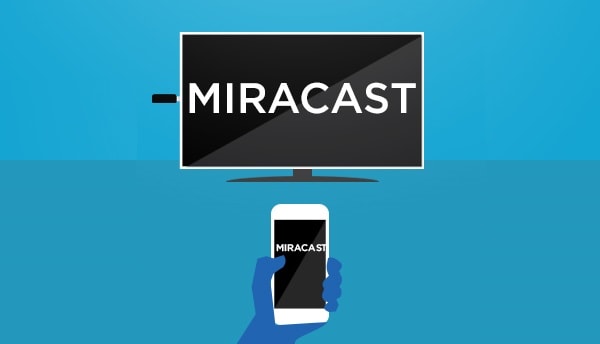
For a completely software-free approach, you can leverage the built-in wireless display technology supported by most modern Android and Windows devices. This technology, known as Miracast, allows your devices to connect directly over WiFi.
This method is convenient because it requires no downloads, but success can depend on your specific hardware and drivers. Here’s how to cast your Android screen to a PC using WiFi and Miracast.
-
Step 1 Prepare Your Windows PC as a Receiver
First, you need to enable your PC to act as a wireless display. Go to Start Menu > Settings > System > Projecting to this PC. Ensure your settings allow other devices to project to it. Then, open the 'Connect' app from the Start Menu. Your PC will display a message indicating it's ready to connect wirelessly.
-
Step 2 Find the Cast Feature on Your Android Device
The location of the casting feature can vary by Android version and manufacturer. Typically, you can find it by swiping down the quick settings panel and looking for an icon named 'Cast', 'Screen Cast', 'Smart View', or 'Wireless Projection'. Alternatively, you can search for 'Cast' in your phone's Settings app.
-
Step 3 Connect Your Android to the PC
Once you open the Cast menu, your phone will search for available displays. You should see your PC's name (as shown in the Connect app) in the list. Tap on your PC's name to initiate the connection. After a moment, your Android screen will appear on your computer monitor.
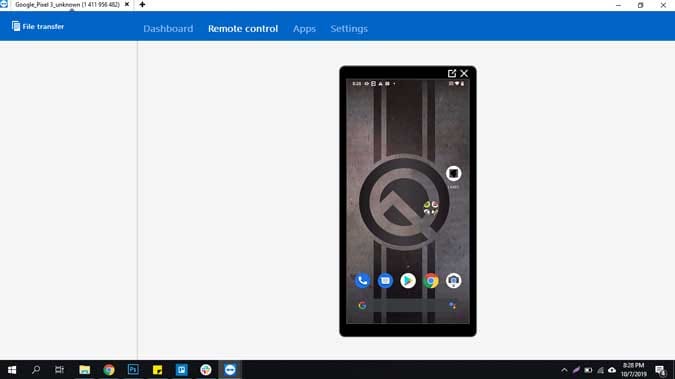

Quick Comparison of Android to PC Mirroring Methods
Choosing the right method depends on your specific needs. Here's a quick comparison to help you decide which solution is best for you.
| Feature | Dr.Fone Screen Mirror | Dr.Fone Air (Online) | Built-in Miracast |
|---|---|---|---|
| Setup Complexity | Low (Install software once) | Very Low (Browser-based) | Low to Medium (Depends on device compatibility) |
| Control from PC | Yes (Full mouse & keyboard control) | No (View only) | No (View only) |
| Connection Stability | High | Medium-High | Variable |
| Additional Features | Screen recording, screenshots, file transfer | Screenshots, rotation, zoom | None |
| Cost | Paid (with free trial) | Free | Free |
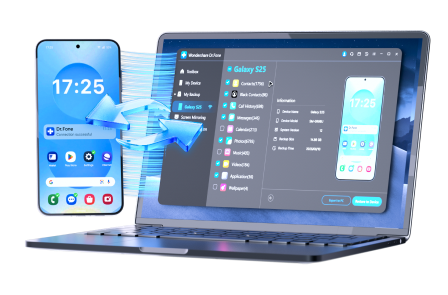
 Effortlessly manage data through preview, delete, export, etc.
- Transfer all data between devices.
- Robust backup solutions for reliable data protection.
- Mirror screens to PC for meetings, teaching, and control.
Conclusion
You now have a comprehensive overview of how to cast your Android screen to a PC using WiFi. For quick, temporary mirroring without any installation, Dr.Fone Air is an excellent free choice. For those who need a reliable, high-performance solution with full control of their device from the PC, the Dr.Fone Screen Mirror tool is undoubtedly the superior option. The built-in Miracast feature also serves as a decent fallback if you don't want to use third-party tools, provided your hardware is compatible. Select the method that best aligns with your needs to enjoy your Android content on a grander scale.
FAQ
-
1. Can I mirror my Android screen to a PC without WiFi?
Yes, you can mirror your Android screen to a PC using a USB cable. Many dedicated software applications, including Dr.Fone Screen Mirror, support both WiFi and USB connections. A USB connection often provides a more stable and slightly faster mirroring experience, making it ideal for high-action gaming. -
2. Is there a noticeable lag when mirroring my Android screen via WiFi?
The amount of lag depends on the strength of your WiFi network and the method you use. Dedicated software like Dr.Fone Screen Mirror is optimized to minimize latency, offering a near real-time experience. Methods like the built-in Miracast can sometimes experience more noticeable delays, especially on congested networks. For the best results, use a strong, stable 5GHz WiFi connection. -
3. Will screen mirroring drain my phone's battery quickly?
Screen mirroring does consume more battery than usual because the screen must remain on, and the device is constantly transmitting data wirelessly. The battery drain is generally manageable for short sessions. For longer mirroring sessions, it's a good idea to keep your Android device connected to a charger. -
4. Can I also stream audio from my Android to the PC when mirroring?
Audio streaming capabilities vary depending on the mirroring solution. Some advanced tools, such as Dr.Fone Screen Mirror, can stream audio from the Android device to the PC. However, the native Miracast feature in some versions of Android and Windows may not support audio streaming reliably. Always check the features of the specific tool you are using.
 Add Wondershare Dr.Fone as a preferred source on Google