Resolve common problems and system crashes on both iPhone and Android devices.

 100% Security Verified | No Subscription Required | No Malware

 :
: 
 ChatGPT
 Perplexity
 Gemini
 Claude
 Grok
Grok

I recently tried to sideload an update, but I keep getting an error message saying there is a problem parsing the package Pokemon Go. What exactly causes this, and how can I get my app installed successfully?
Android User Forum
Are you constantly unable to install your favorite applications from the Google Play Store or third-party sources because there was a problem parsing the package? This frustrating roadblock is notoriously common among Android users worldwide. As an incredibly versatile and open-source platform, Android allows smartphone users unparalleled freedom to download, modify, and use a vast ecosystem of apps. However, this flexibility sometimes comes at the cost of compatibility and installation errors.
Because so many of us rely heavily on our Android devices for daily productivity and entertainment, encountering a parse error is an unfortunate but familiar reality. The error message typically interrupts the installation sequence, abruptly freezing your progress when you attempt to deploy an application, such as when you encounter "there is a problem parsing the package Pokémon Go".
When this installation failure strikes, the on-screen prompt usually reads: "Parse error: There is a problem parsing the package". Users who have faced this dilemma know that the prompt abruptly leaves you with only an "OK" button, forcing you to abandon the installation entirely. Fortunately, "there was a problem parsing the package" is a highly documented issue with several underlying triggers and proven resolutions. Read on as we break down exactly why this happens and provide eight definitive solutions to eliminate the error for good.
In this article
- Part 1. Why Does the "There Was a Problem Parsing the Package" Error Occur?
- Part 2. 8 Tested Solutions to Fix the Parsing Error
- Method 1: One-Click Fix with Advanced System Repair
- Method 2: Allow Installation from Unknown Sources
- Method 3: Enable USB Debugging Mode
- Method 4: Redownload and Check the APK File
- Method 5: Inspect the App Manifest File
- Method 6: Temporarily Disable Antivirus Apps
- Method 7: Clear Google Play Store Cache
- Method 8: Perform a Factory Reset (Last Resort)
Part 1. Why Does the "There Was a Problem Parsing the Package" Error Occur?
The Parse Error is a system-level disruption that normally surfaces right when the Android package installer attempts to unpack and execute an APK file. While it is highly prevalent, it is rarely caused by a single isolated glitch.
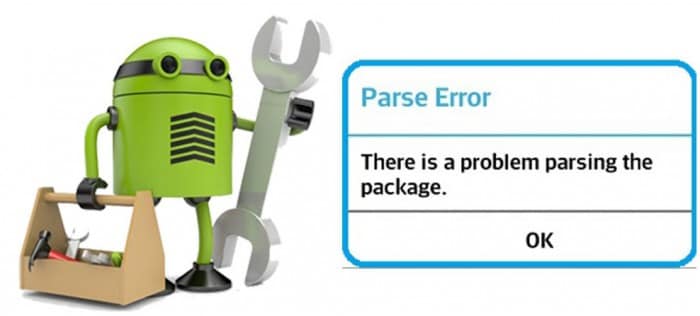
To accurately troubleshoot why there is a problem parsing the package on your device, it helps to understand the environmental conditions that trigger it. Below is a comprehensive list of the most probable culprits stopping your app from properly installing:
- Operating System Incompatibility: Upgrading your Android OS can sometimes alter the system architecture, creating conflicts with older app manifest files and resulting in a parse error.
- Corrupted APK Files: If an Android Application Package (APK) is downloaded incompletely due to a network drop or is improperly compiled by the developer, the core code becomes unreadable.
- Strict Security Permissions: Android natively blocks installations from third-party hubs. If you attempt to sideload an app without granting "Unknown Sources" permission, the package parsing will be denied.
- Outdated Android Versions: Certain modern applications require high-level APIs that simply are not supported by legacy Android versions.
- Aggressive Antivirus Interference: Overly cautious security or cleaning applications may falsely flag legitimate APKs as threats, actively terminating the parsing process.
These triggers are largely universal rather than app-specific. Because there was a problem parsing the package can stem from any combination of these factors, methodically testing different solutions is the most effective path forward.
Part 2. 8 Tested Solutions to Fix the Parsing Error
Dealing with the "there is a problem parsing the package" error doesn't require a computer science degree. As long as you follow a systematic troubleshooting approach, you can restore your device's ability to install apps seamlessly. Here are the 8 most reliable, user-friendly methods to permanently eradicate the Parse Error.
1. System-Level Repair: Fix underlying firmware corruption using dedicated tools.
2. Permission Adjustments: Toggle unknown sources and USB debugging to bypass restrictions.
3. File & Settings Management: Re-download corrupt APKs, clear cached Play Store data, or modify conflicting security app settings.
Method 1: One-Click Fix with Advanced System Repair
If standard tweaks fail to resolve the parsing error, you are likely dealing with deep-rooted firmware corruption within your Android device's data registry. In these scenarios, manual troubleshooting falls short, and you need a robust system repair to rebuild the core operating environment. This is exactly where professional toolkit software excels.
 Fix Android instantly – no skills needed.
- Solve boot loop, black screen, won’t turn on, etc.
- High success rate for all system issues.
- User-friendly interface with easy-to-follow steps.
If you need a comprehensive, automated way to tackle "there is a problem parsing the package" issues, follow this step-by-step repair guide:

-
Step 1 Launch the System Repair Module
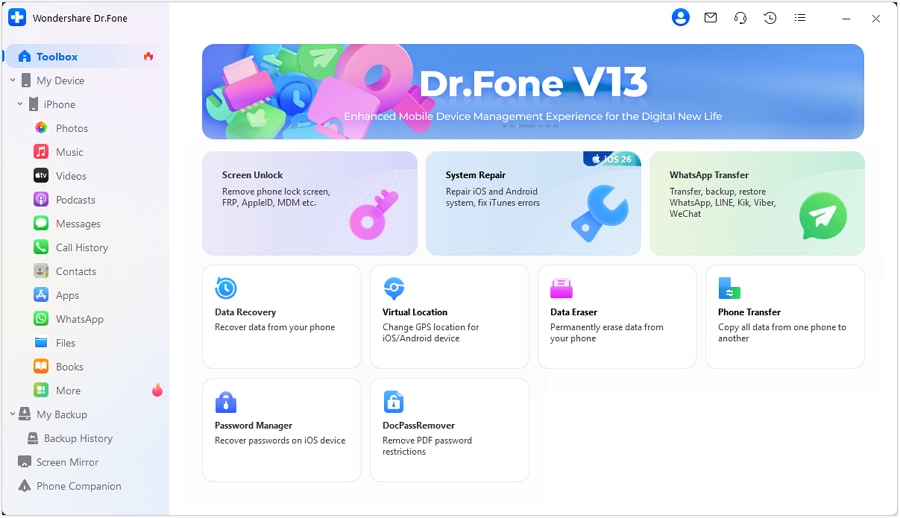
Install and open the repair software on your desktop computer. Connect your problematic Android device via a reliable USB cable and select the "System Repair" tool from the main dashboard.
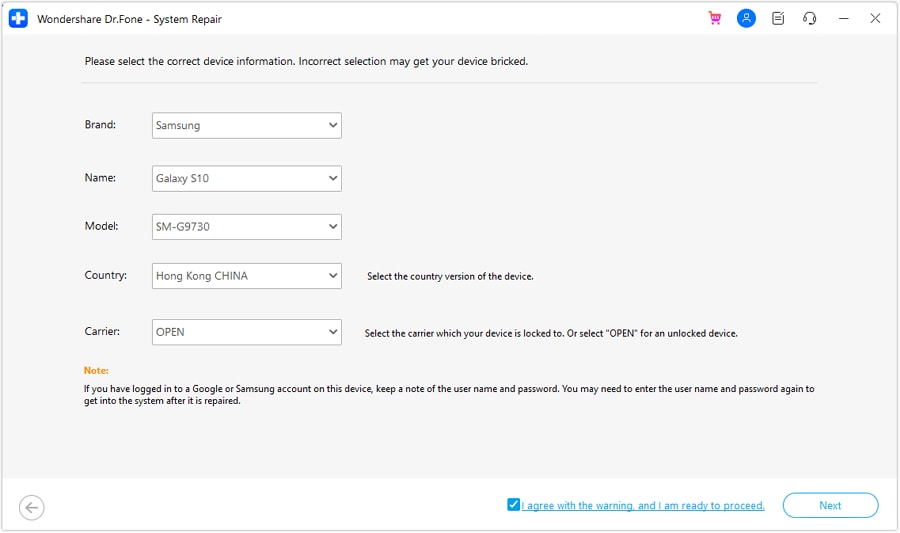
Next, carefully input your exact device model, brand, and carrier details to ensure the software matches the precise firmware requirements of your operating system.
-
Step 2 Enter Download Mode
Follow the explicit on-screen instructions tailored to your device to boot into "Download Mode." This specialized state allows the software to safely flash new data to your phone's memory partitions.
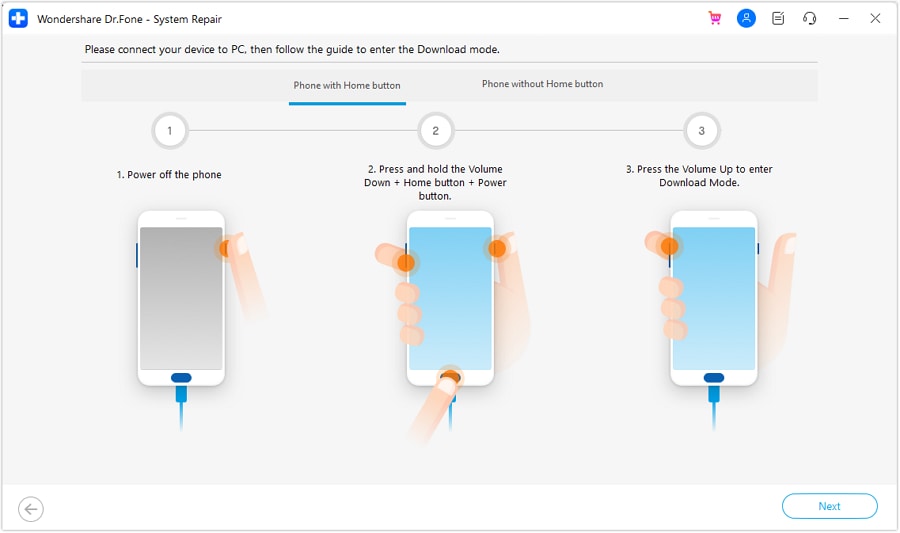
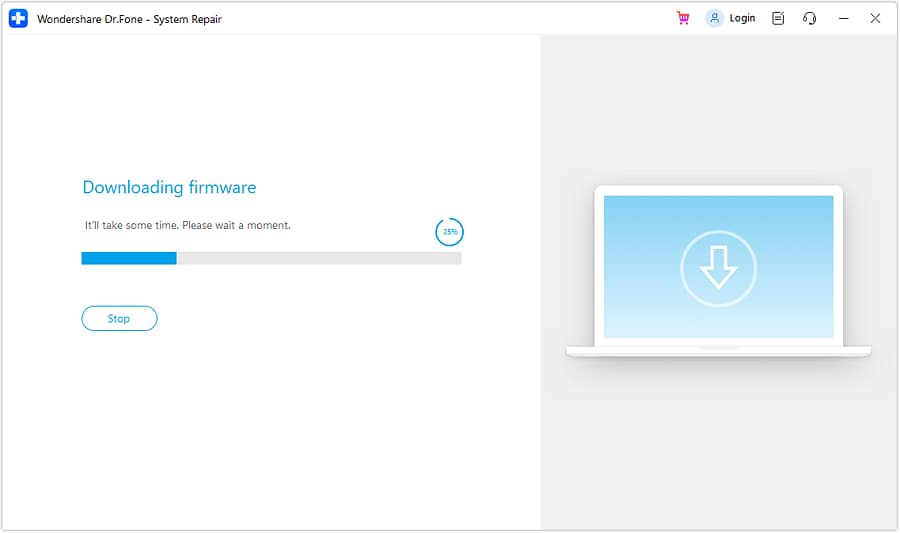
Once Download Mode is successfully activated, the appropriate firmware package will automatically begin downloading to your computer.
-
Step 3 Finalize the Automated Repair
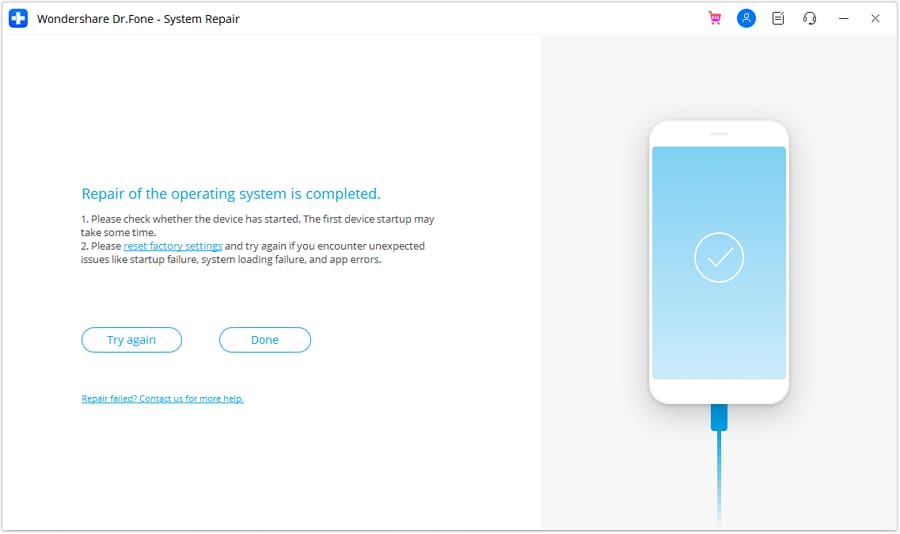
After the pristine firmware finishes downloading, the tool will instantly begin flashing it to your connected device. Keep the connection stable until you see the success prompt.
Upon completion, your device will reboot cleanly, completely free from the underlying glitches that triggered the "there is a problem parsing the package" error.
Method 2: Allow Installation from Unknown Sources
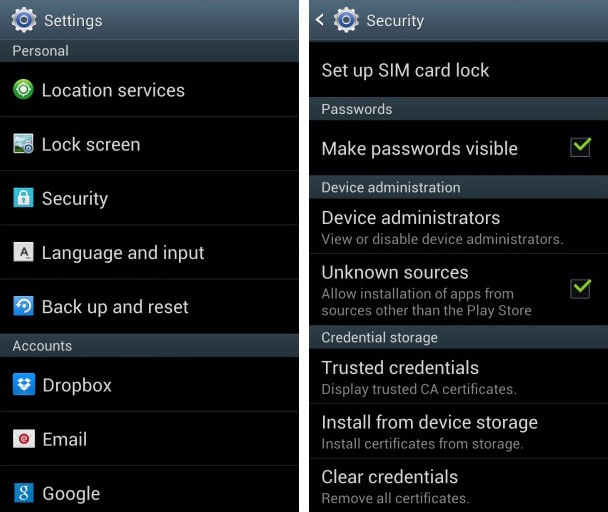
By default, Android's security architecture restricts installations exclusively to the Google Play Store. When you attempt to sideload an APK from a web browser or third-party market, the system intentionally throws a block that often presents as a parsing error. Granting explicit permission is a mandatory workaround.
• Navigate to your device's core Settings and tap on the Security or Applications menu.
• Locate the toggle labeled Allow installation of apps from unknown sources and switch it to the active position.
Method 3: Enable USB Debugging Mode
While typically reserved for developers testing code, enabling USB Debugging can surprisingly resolve complex app installation restrictions. This mode elevates user privileges, allowing the device to process files more freely and bypass strict package verification routines.
To activate USB Debugging and bypass the "there is a problem parsing the package" error:
• Open Settings, scroll to the bottom, and select About Device.
• Find the Build Number entry and tap it rapidly seven consecutive times.

• Stop tapping when a brief system prompt announces, "You are now a developer." Return to the main Settings screen.

• A new menu called Developer Options will now be visible. Open it and toggle on USB Debugging.

Test the installation again. If the parse error persists, proceed to the next technical check.
Method 4: Redownload and Check the APK File
Incomplete data transmission is a leading cause of corrupted `.apk` files. If your Wi-Fi connection dropped for even a microsecond during download, the resulting file will be fractured and unreadable by the Android package installer. If you suspect data corruption, delete the faulty APK from your file manager completely. Find a highly reputable, trusted mirror site or return to the Google Play Store, and download a fresh, intact version of the application.
Method 5: Inspect the App Manifest File
For users who dabble in APK modification, altering the core app manifest files is a common practice to remove ads or bypass regional locks. However, any slight error in renaming strings, adjusting permissions, or recompiling the binary will instantly trigger a parse error during installation. If you customized the APK yourself, you must revert all alterations. Restore the `.xml` manifest to its original, unedited state, recompile the application accurately, and ensure the signature remains valid to prevent corruption.
Method 6: Temporarily Disable Antivirus Apps
While third-party antivirus suites and RAM-cleaning utilities are fantastic for maintaining device hygiene, they often suffer from overzealous threat detection algorithms. These apps might aggressively scan an incoming APK and abruptly sever the parsing process, falsely flagging the new application as malware.
We highly advise against leaving your device permanently unprotected. Instead, perform a temporary suspension of these security layers:
• Open Settings, navigate to Apps or Application Manager.
• Locate your active antivirus software, select it, and tap Force Stop or Uninstall (if stopping it isn't an option), then confirm by pressing OK.
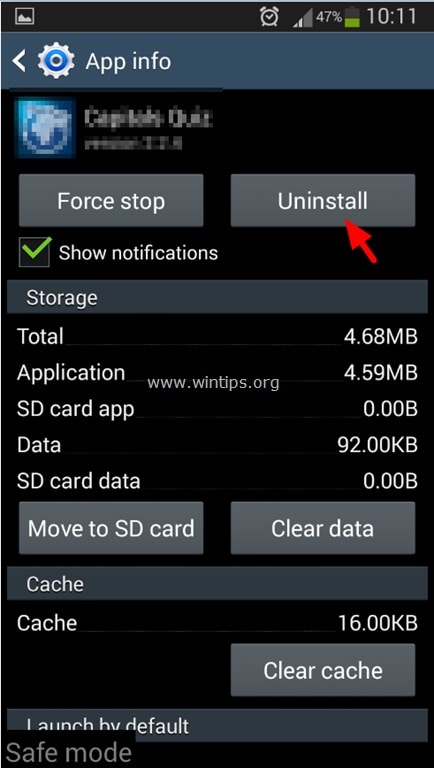
Execute your APK installation while the security software is dormant. Once the app is successfully parsed and running, immediately reinstall or re-enable your antivirus tools.
Method 7: Clear Google Play Store Cache and Cookies
Even official installations directly from the Android Market can fail if the Google Play Store's background data becomes choked with obsolete cache files. Purging this clogged data forces the app store to re-authenticate and fetch pristine installation packages.
Follow these quick steps to cleanse the Play Store's cache:
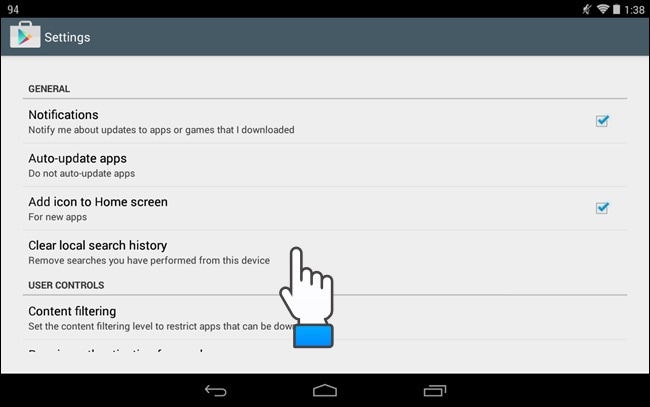
• Open the Google Play Store app on your device.
• Tap your profile icon or the hamburger menu to access the primary Settings.

• Navigate to the General tab and select Clear local search history to refresh the platform's backend.
Method 8: Perform a Factory Reset (Last Resort)
When every targeted solution has failed to eliminate the parsing error, a severe system conflict is likely to blame. A full Factory Reset will wipe the slate clean, removing all third-party interference, corrupted cache partitions, and faulty registry entries.
To execute the reset:
• Go to Settings.
• Scroll down and tap on Backup and Reset (or System > Reset options on newer UI versions).

• Select Factory data reset, read the warning, and finalize by tapping Reset Device.
While tedious and somewhat extreme, wiping the device has an incredibly high success rate for eradicating persistent OS errors that block app installations.
Conclusion
Encountering the "there was a problem parsing the package" error message is a widely documented headache, but it is far from an unsolvable crisis. By systematically verifying your APK integrity, tweaking security permissions, and occasionally employing specialized firmware repair tools, you can successfully bypass these frustrating installation barriers. Keep these proven techniques bookmarked so the next time a parsing glitch blocks your workflow, you know exactly how to regain control of your Android device.
FAQ
-
1. Why do I only get the "problem parsing the package" error on specific apps like Pokémon Go?
This often happens when the specific app (like Pokémon Go) requires higher minimum hardware specifications or a newer Android API level than your current device runs. It can also occur if the developer updates their security certificates and your older OS fails to validate them. -
2. Will clearing my Android device's cache delete my photos and contacts?
No, clearing the system or app cache strictly removes temporary runtime files and outdated script data. Your personal media, text messages, and saved contacts will remain entirely untouched during a cache wipe. -
3. Can I fix a corrupted APK file without redownloading it?
Generally, no. If the digital signature or package architecture is damaged due to an incomplete download, the file cannot be "repaired" locally by the user. The most efficient fix is to discard the broken file and download a pristine copy from a verified source. -
4. Is enabling USB Debugging dangerous for everyday use?
While it isn't inherently malicious, leaving USB Debugging enabled long-term does expose your device to heightened risks if you plug it into an untrusted computer or public charging port. It is best practice to turn the feature off once your troubleshooting is complete.
 Add Wondershare Dr.Fone as a preferred source on Google