Resolve common problems and system crashes on both iPhone and Android devices.

 100% Security Verified | No Subscription Required | No Malware

 :
: 
 ChatGPT
 Perplexity
 Gemini
 Claude
 Grok
Grok
If your Realme touch screen is not working, start with the least disruptive checks: make sure the screen is clean and dry, remove a case or screen protector that may interfere with touch, and try a force restart. The issue may also be caused by overheating, software glitches, battery or charging problems, physical screen damage, or a deeper hardware fault. In some cases, the display turns black but the phone is still on.
Problems like Realme touch screen not working, Realme phone black screen problem, or my Realme phone display is not working can interrupt calls, gaming, charging, and everyday use. The good news is that some of these issues can be fixed at home with simple troubleshooting, while others point to a damaged screen or internal component that needs repair.
In this guide, you will learn the most common causes of an unresponsive Realme screen, practical ways to fix it, and tips to prevent the issue from happening again.
In this article

Part 1. What Causes a Realme Screen to Stop Working?
If your Realme phone screen is not working, the cause is usually related to overheating, display or touch damage, software instability, battery issues, or an internal hardware fault. Understanding the cause matters because a black screen, frozen display, and touch failure do not always mean the same thing.
Below are the most common reasons why a Realme phone becomes unresponsive.
- Dirt, moisture, or a screen protector: Water, sweat, dirt, or pressure from a poorly fitted case or screen protector can interfere with touch response. Clean and dry the display before trying more disruptive fixes.
- Overheating during use or gaming: A Realme phone may become slow, freeze, or stop responding when the device gets too hot. This is more likely if you run many apps at once, play graphics-heavy games for a long time, or charge the phone while using it. On models such as Realme 8 and Realme 8 Pro, let the phone cool down before testing the touch screen again.
- No response when touching the screen: If the display is on but touch input does not work, the issue may be caused by a faulty touch digitizer, a temporary software crash, moisture on the screen, or a damaged display layer.
- After dropping the phone: A fall can damage the screen assembly or loosen internal connections. Even if the glass is not badly cracked, the touch layer or display cable may be affected. In this case, your Realme phone display may stop working fully or partially.
- Black screen during calls: Some users report that the display goes off during calls and does not come back normally. This may be related to the proximity sensor, system glitches, or call-related display behavior.
- Battery or charging-related problems: A drained battery, damaged cable, or faulty charging port can make the phone appear dead or unresponsive. In some cases, users think the screen is broken when the phone simply does not have enough power to boot correctly.
| Symptom | Try first |
|---|---|
| Screen is visible but touch does not respond | Clean and dry the screen, remove the case/protector, then force restart if needed. |
| Screen is black but the phone still rings, vibrates, or charges | Try a force restart, then check charging. |
| Problem appeared after an update | Restart first; if the phone becomes usable, check for a newer system update. |
| Problem began after a drop or liquid exposure | Prioritize professional hardware inspection. |
In short, if your Realme phone screen is frozen, black, or not responding to touch, start by checking whether the problem looks temporary and software-based or physical and hardware-based.
Part 2. Common Solutions to Fix a Realme Screen That Is Not Working
To fix a Realme touch screen not working, start with simple power and temperature checks, then move to restart, charging, reset, and repair options depending on how severe the issue is. Work through the solutions below in order, especially if you are not sure whether the problem is caused by software or hardware.
Before you start: Make sure your fingers and the screen are clean and dry. Temporarily remove the case or screen protector and test touch again before moving to the numbered fixes.
1. Force Restart the Device

Restarting is the fastest first step when the screen becomes temporarily frozen or stops responding. A restart clears minor software glitches, background app conflicts, and temporary system hangs that can make the display stop responding.
If the screen does not respond to touch, press and hold the Power and Volume Up buttons together for at least 8 seconds, until the phone restarts.
If the screen works normally after rebooting, the issue was likely temporary rather than hardware-related.
2. Check the Charging Port and Battery
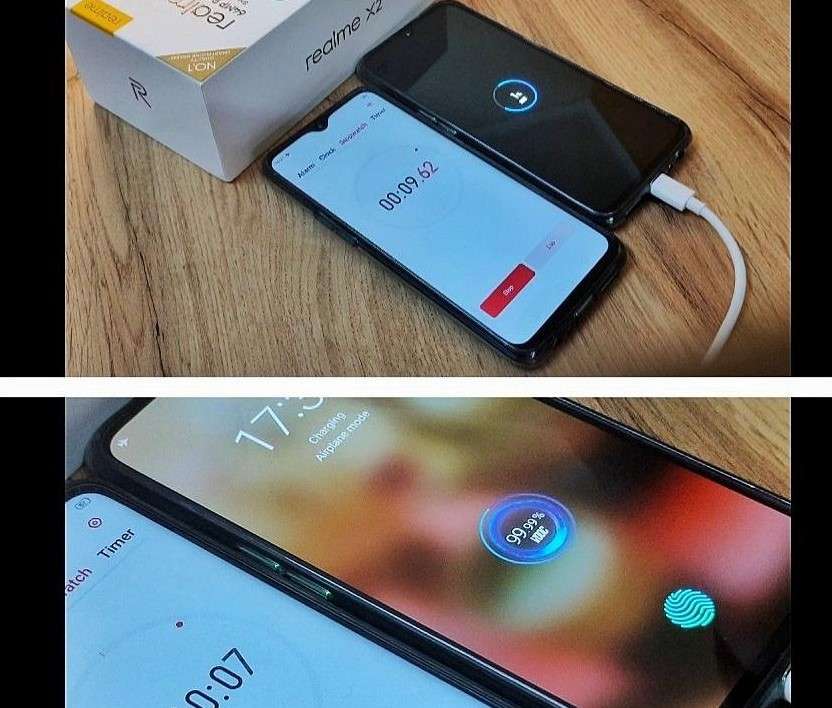
If your Realme phone black screen problem appears after the battery drained or the phone refuses to wake up, check whether the issue is actually power-related. A dead battery, faulty cable, or damaged charging port can make the screen look nonfunctional.
To check for these issues:
-
Step 1: Plug the phone into a known-working charger and let it charge for up to 30 minutes.
-
Step 2: If there is still no response, try a compatible charger or cable and inspect the charging port for obvious debris or damage.
If the phone shows signs of power but the display stays black, the issue may go beyond charging and require deeper troubleshooting.
3. Contact the Pros

If the above solutions do not work, professional help is the safest next step. A technician can determine whether the problem comes from the display assembly, internal connectors, battery, motherboard, or another hardware component.
This step is especially important if the phone was dropped, exposed to water, or shows repeated black-screen or touch failures.
4. Check the Phone's Temperature

Overheating can make a Realme screen lag, freeze, dim, or stop responding, especially after long gaming, streaming, or charging sessions.
If the phone feels unusually hot, stop gaming, streaming, charging, or other intensive tasks and let it cool naturally in a well-ventilated place. Do not use water, ice, or a freezer to cool it.
After the device cools down, test the screen again. If touch responsiveness returns, overheating was likely the main trigger.
5. Reset to Factory Settings
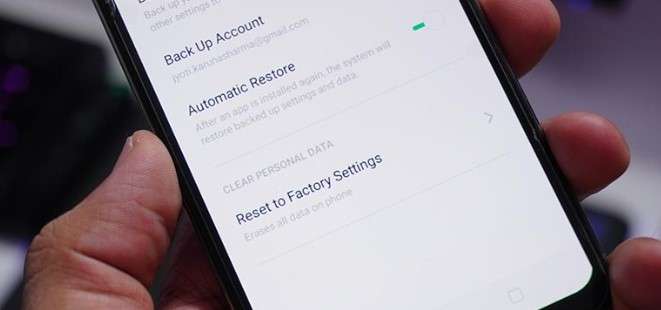
A factory reset can help if your Realme phone display is not working because of system corruption, persistent bugs, or deep software instability. However, this should be treated as a last-resort software fix because it erases your data and settings.
Before proceeding, back up your important files if possible. To reset the phone:
-
Step 1: On many Realme UI versions, go to Settings > Additional settings > Back up and reset > Erase all data (factory reset). Menu names can vary by model and Realme UI version.
-
Step 2: Review the on-screen options carefully, then follow the prompts only after confirming that your important data is backed up.
If the screen still does not work after a reset, the problem is more likely hardware-related.
6. Replace the Screen

If the screen is cracked, flickering, completely black, or not responding after a drop, screen replacement may be necessary. This is the most likely solution when the display or touch layer is physically damaged.
To replace the screen:
- Contact a professional repair center or the manufacturer for replacement parts and installation.
Do not delay repair if the issue is getting worse, because internal damage can spread over time.
7. Back Up Your Data Before Advanced Troubleshooting
If the screen is unstable but the phone still connects to a computer and you can authorize the connection, back up important files before a factory reset or service visit. Dr.Fone - Android Backup & Restore can help back up Android data to a computer before you try more disruptive troubleshooting.
Treat backup as a data-protection step rather than a direct repair for a Realme touch-screen hardware problem.
Part 3. How to Avoid Realme Screen Problems in the Future
To prevent your Realme screen from becoming unresponsive again, focus on software maintenance, temperature control, careful hardware handling, and regular cleaning. Preventive habits reduce the chance of frozen screens, black screens, and touch failures over time.
Check Software Updates on Time
Install software updates regularly on your Realme phone. These updates often include bug fixes, security patches, and performance improvements that help prevent touch screen and display problems.
Check Hardware from Time to Time
Inspect your charging port, battery, and screen for signs of wear, looseness, cracks, or impact damage. Small hardware problems can turn into larger screen failures if ignored.
Avoid Extreme Temperatures
Keep your Realme device away from excessive heat and very cold environments. High heat can cause lag and touch failure, while cold conditions may temporarily affect screen responsiveness.
Keep the Screen Clean
Dirt, oil, moisture, and debris on the display can interfere with touch recognition. Use a soft microfiber cloth to clean the screen regularly.
Reduce the Number of Running Apps
Too many apps running in the background can overload system resources, especially on older or heavily used devices. Closing unnecessary apps can improve performance and reduce random freezes.
Use Wondershare Dr.Fone to Back Up or Manage Your Data
Wondershare Dr.Fone can help back up and manage Android data when the phone is still usable enough to connect and authorize access from a computer. This can be helpful if your Realme device becomes unstable and you want an additional copy of important data before a reset or service visit.
By following these habits, you can reduce the risk of future touch and display problems on your Realme phone. Learn more about Dr.Fone - Android Backup & Restore.




Conclusion
If your Realme phone screen is not working, the cause may range from surface interference or a temporary software glitch to a serious hardware problem. Start by cleaning and drying the screen, removing the case or protector, force restarting the device, checking the charger, and letting the phone cool down. If the issue continues, back up your data before a factory reset or professional repair. Physical damage, persistent black screens, or repeated touch failure should be inspected by a qualified technician.
FAQs
-
1. How to fix Realme touch screen not working?
To fix a Realme touch screen not working, first clean and dry the display and remove the case or screen protector. If touch is still frozen, hold Power and Volume Up for at least 8 seconds to force restart the phone. Then check charging and overheating; back up your data before a factory reset or hardware service. -
2. Why is my Realme phone display not working but the phone is on?
If your Realme phone display is not working but the phone is still on, the problem may be caused by a software crash, touch layer failure, display cable issue, overheating, or physical screen damage. A black screen does not always mean the entire phone is dead. -
3. Why does my Realme screen turn off during calls?
If the display goes off during calls and does not recover properly, the proximity sensor area, a screen protector or case, software bugs, or display-related issues may be involved. Clean the sensor area, remove anything that may cover it, and restart the phone. -
4. Can overheating cause Realme 8 or Realme 8 Pro touch not working?
Yes. Overheating can reduce touch responsiveness, cause lag, or make the display freeze temporarily. If your Realme 8 or Realme 8 Pro touch is not working after gaming, streaming, or charging, let the device cool down and test it again. -
5. How do I restart a Realme phone when the screen is not working?
Press and hold the Power and Volume Up buttons together for at least 8 seconds until the phone restarts. If it does not respond, charge it for up to 30 minutes and try the same force-restart combination again.
 Add Wondershare Dr.Fone as a preferred source on Google