Resolve common problems and system crashes on both iPhone and Android devices.

 100% Security Verified | No Subscription Required | No Malware

 :
: 
 ChatGPT
 Perplexity
 Gemini
 Claude
 Grok
Grok
An Android boot loop, or bootloop, happens when a phone or tablet repeatedly restarts before Android can finish loading. The device may keep returning to the brand logo, boot animation, Recovery Mode, or another startup screen instead of reaching the Home screen.
If your Android phone is stuck in a reboot loop, start with the least destructive options first. A force restart, Safe Mode, and—on devices whose recovery menu provides it—a cache-partition wipe can often be tried without erasing personal files. More invasive repairs, including a factory reset and some firmware-repair workflows, can erase data, so the right method depends on your device and what happened immediately before the bootloop began.
| Method | Best for | Data impact | Needs a computer? |
|---|---|---|---|
| Force restart | Temporary startup or power-state glitch | Does not erase personal data | No |
| Safe Mode | Bootloop after installing or updating an app | Does not erase personal data | No |
| Wipe cache partition | Devices whose recovery menu still provides this option | Does not intentionally erase personal files | No |
| Dr.Fone system repair | Supported Samsung, Xiaomi, Redmi, and POCO system issues | Samsung repair can erase data; Xiaomi/Redmi/POCO workflow is designed for no data loss | Yes, Windows |
| Factory reset | Persistent software failure after safer options fail | Erases local user data | No |
| CWM Recovery (legacy) | Older rooted devices that already use CWM | Cache-only actions are not intended to wipe personal files, but custom-recovery changes carry risk | Usually no |
In this article
- What is a bootloop and what causes it?
- Method 1: Force restart your Android device
- Method 2: Boot into Safe Mode
- Method 3: Wipe the cache partition if available
- Method 4: Repair supported Android systems from a Windows PC
- What if Android will not enter Recovery Mode?
- Method 5: Factory reset as a last resort
- Method 6: CWM Recovery for older rooted devices
- Conclusion
- FAQs
What Is an Android Bootloop, and What Causes It?
A bootloop means Android cannot complete its normal startup sequence, so the device keeps restarting or repeatedly returns to the same startup screen. The exact cause is not always visible from the screen alone, but the timing of the problem can narrow it down.
- Interrupted or failed system update: a failed installation or damaged system files can prevent Android from finishing startup.
- Problematic third-party app: if the loop started immediately after installing or updating an app, Safe Mode is a useful diagnostic step.
- Root, custom ROM, kernel, or module changes: incompatible system modifications can break the boot process on rooted devices. If you are unsure whether a device is rooted, see how to check whether an Android phone is rooted.
- Storage or file-system problems: very low free space, damaged temporary files, or file-system errors can interfere with startup.
- Hardware failure: repeated reboots can also come from battery, storage, board, or other hardware problems. Software repair will not solve a hardware fault.
If the bootloop began right after an app change, try Safe Mode first. If it began after a failed system update or firmware change, start with a force restart and use the cache-partition option only if your recovery menu provides it; if the loop continues, use the device maker's recovery or update path, or a supported firmware-repair workflow, before considering a factory reset. If the phone has been dropped, exposed to liquid, overheats, or cannot be detected reliably by a computer, hardware service may be the safer next step.
A one-time restart loop can sometimes stop after a force restart when the cause is a temporary power or startup-state glitch. But a boot loop that returns or continues is not something to ignore: back up data as soon as the phone becomes accessible and continue troubleshooting instead of waiting for it to resolve on its own.
Method 1: Force Restart the Android Phone
A force restart is the safest first step for an Android boot loop because it clears the current power state without intentionally deleting apps, photos, messages, or settings.
- Most modern Android phones: hold the Power button for about 10–15 seconds. Some models require Power + Volume Down or another manufacturer-specific combination.
- Phones with a removable battery: power off the device, remove the battery for about a minute, reinstall it, and try to start the phone again.
- If buttons do not respond: remove a tight case, disconnect accessories, connect the phone to a reliable charger for a while, and try the manufacturer-recommended force-restart combination again.

If the phone starts normally afterward, back up important data before continuing to use it. If the bootloop returns, move to the next method.
Method 2: Boot into Safe Mode to Check for a Problematic App

Safe Mode starts Android with third-party apps disabled. If the phone can stay on in Safe Mode but returns to a bootloop in normal mode, a recently installed or updated app is a likely cause.
- Power the phone off. If it is actively restarting, use the model's force-restart or force-shutdown combination.
- Start the phone and enter Safe Mode. On many Android devices, holding Volume Down while the device is starting can enter Safe Mode, but the exact method varies by manufacturer and model.
- Check whether the phone remains stable. If it does, back up important files as soon as possible.
- Remove recently installed or updated apps. Start with apps changed immediately before the bootloop began, then restart normally.
If the phone still loops in Safe Mode, the problem is more likely to be system-level or hardware-related rather than a third-party app conflict.
Method 3: Wipe the Cache Partition If Your Recovery Menu Provides It
Some Android recovery menus include a Wipe cache partition option. Clearing that temporary system cache can help when stale or damaged cached files interfere with startup, and it is designed to leave personal photos, messages, and other user files untouched.
- Turn the phone off completely.
- Use the manufacturer-specific button combination to open Recovery Mode.
- If Wipe cache partition is present, highlight it with the Volume buttons and confirm with the Power button.
- When the cache wipe finishes, select Reboot system now.
Important: not every modern Android recovery menu exposes a cache-partition option. Do not choose Wipe data/factory reset as a substitute—that option erases user data.
Method 4: Repair a Supported Android Boot Loop from a Windows PC
If force restart, Safe Mode, and cache clearing do not solve the problem, a guided firmware-repair workflow can be useful for supported devices. Dr.Fone - System Repair (Android) currently supports system repair for Samsung, Xiaomi, Redmi, and POCO devices on Windows.
Data-loss warning: the repair outcome depends on the brand. Samsung system repair can erase device data, so back up first whenever possible. The Xiaomi/Redmi/POCO repair workflow is designed to repair supported system issues without root or data loss.
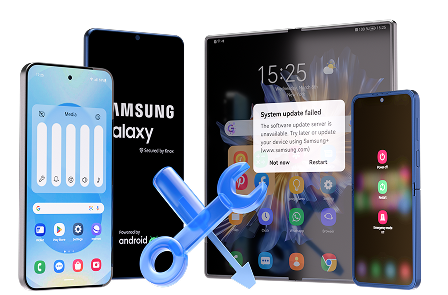
 Fix Android instantly – no skills needed.
- Solve boot loop, black screen, won’t turn on, etc.
- High success rate for all system issues.
- User-friendly interface with easy-to-follow steps.
Before you start:
- Use a Windows PC running Windows 7 or later.
- Confirm that the device is a supported Samsung, Xiaomi, Redmi, or POCO model.
- Use a reliable USB connection and keep the PC online while firmware downloads.
- For Samsung repair, back up important Android data to a computer first whenever the phone is still accessible.
How to Repair a Samsung Boot Loop with Dr.Fone
-
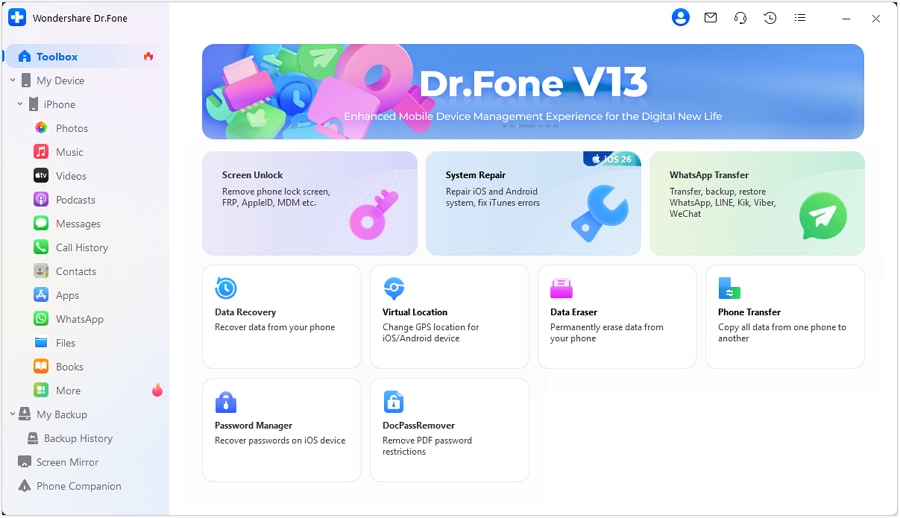
Step 1: Open System Repair.
Launch Dr.Fone, open Toolbox, connect the Samsung phone or tablet, and choose System Repair.
-
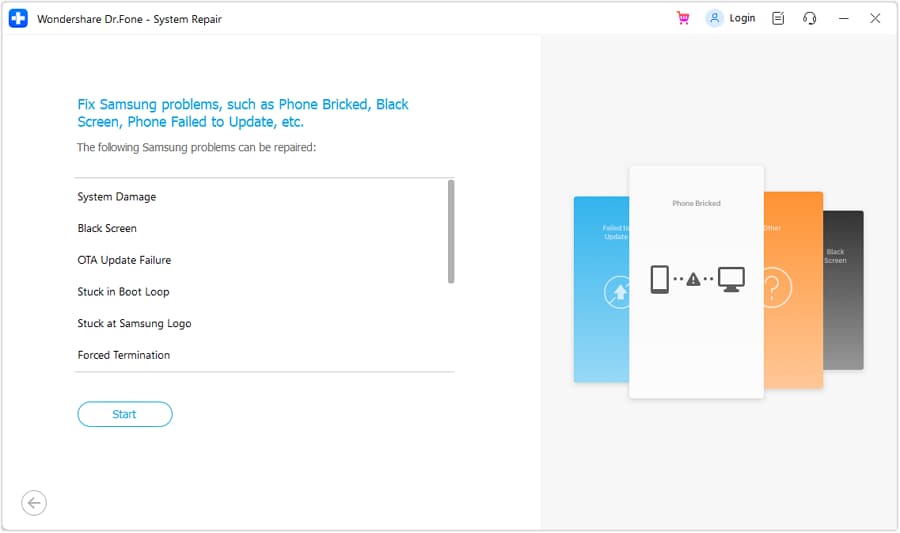
Step 2: Choose Android Repair.
Select Android, choose Android Repair, click Repair Now, select Samsung, and start the repair workflow.
-
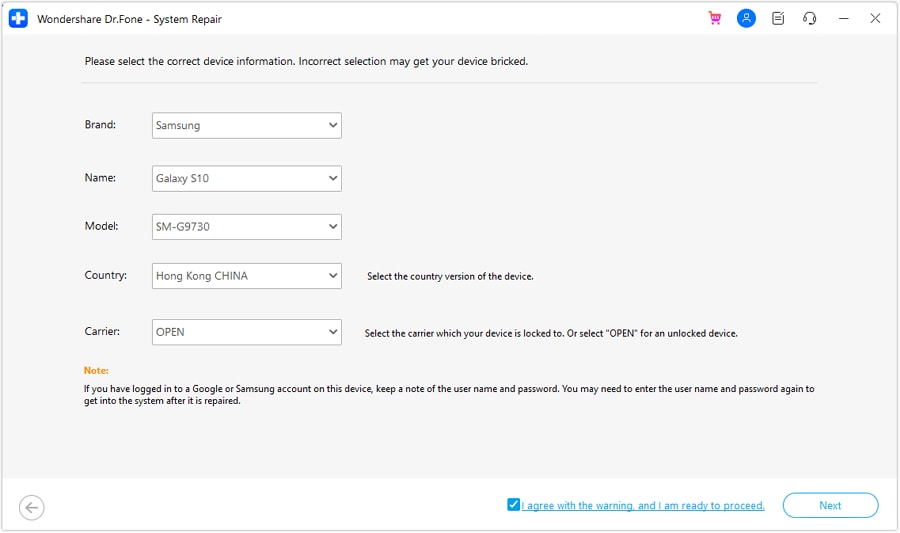
Step 3: Confirm the exact device details.
Check the device Name, Model, Country, and Carrier. Accept the on-screen warning only after confirming the information, then click Next.
-
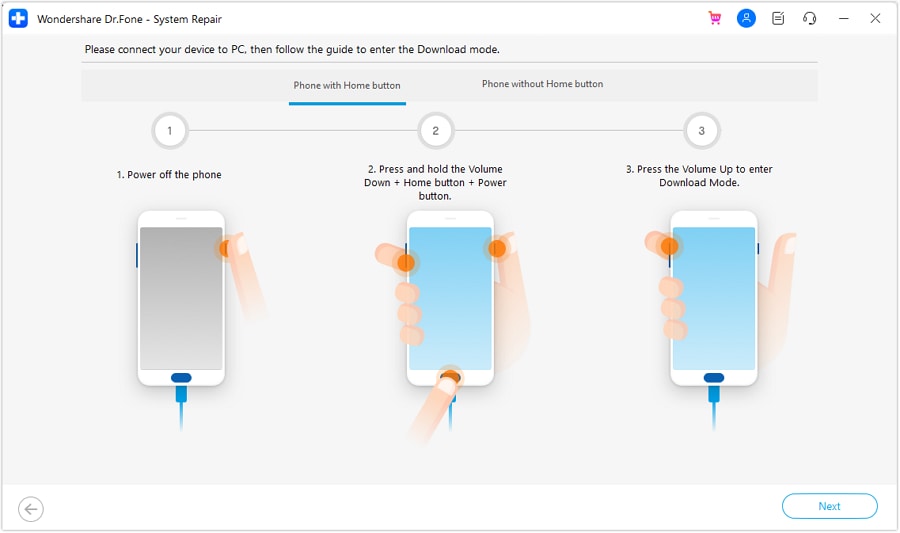
Step 4: Put the Samsung device in Download Mode.
Follow the on-screen instructions for your hardware. The button sequence differs between models with a Home button, a Bixby button, and newer models that use volume buttons.
-
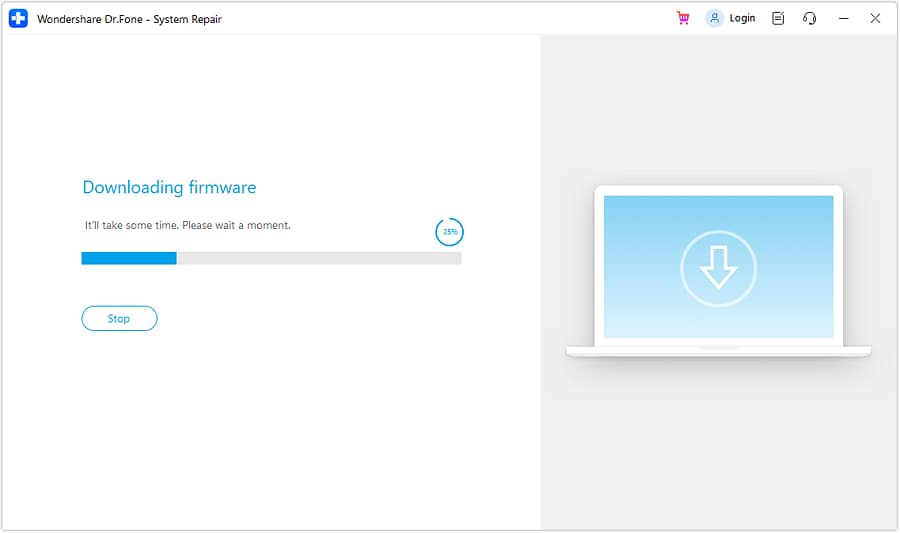
Step 5: Download and verify the firmware.
Once the device enters Download Mode, Dr.Fone downloads the matching firmware. Review the device and firmware information before choosing Fix Now.
-
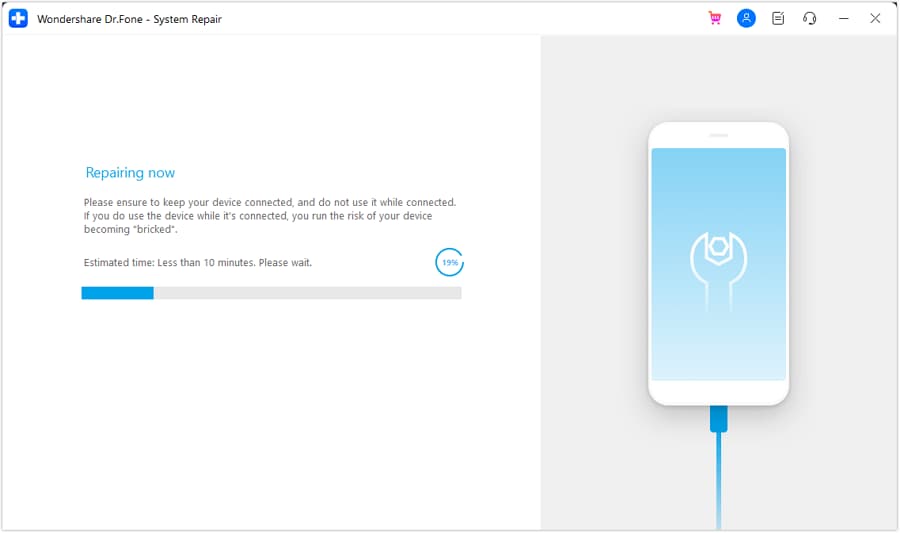
Step 6: Confirm the Samsung repair.
Samsung system repair can erase device data. Follow the confirmation shown in Dr.Fone, then keep the USB connection stable while the repair runs.
How the Xiaomi/Redmi/POCO Repair Flow Differs
For Xiaomi, Redmi, and POCO devices, Dr.Fone uses a separate repair flow designed to work without root or data loss. After choosing Android Repair, select the correct brand, choose a compatible firmware package, download it, confirm the firmware details, and click Fix Now. Keep the phone connected and do not operate it while the repair is in progress.
For the complete current workflow, see the Xiaomi/Redmi/POCO system repair guide. Samsung users can refer to the Samsung Android system repair guide.



 safe & secure
What If the Android Phone Will Not Enter Recovery Mode?
If you are trying to fix an Android boot loop with no Recovery Mode access, do not assume that a factory reset is your only option. Start by checking the simplest failure points first:
- Remove a case or accessory that could be holding a button down.
- Charge the phone with a reliable charger, then retry the correct force-restart and Recovery Mode combination for the exact model.
- If the phone can reach Safe Mode, back up data immediately and remove recently changed apps.
- If the device is a supported Samsung, Xiaomi, Redmi, or POCO model and can still be detected over USB, consider the supported Windows-based repair route above.
- If the phone cannot be detected reliably, shows physical damage, overheats abnormally, or continues looping after software troubleshooting, stop repeated restart attempts and consider manufacturer or professional hardware service.
Recovery Mode button combinations vary widely between brands and generations, so use the device maker's instructions for your exact model instead of forcing a generic combination repeatedly.
Method 5: Factory Reset the Android Device as a Last Resort
A factory reset can resolve some persistent software bootloops, but it erases local user data, installed apps, and settings. Use it only after less destructive options have failed and after backing up anything you can still access.
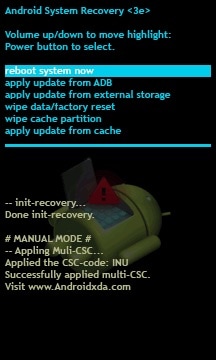
Because Recovery Mode controls differ by device, use the manufacturer-specific button sequence for your model. Once you are in the recovery menu:
-
Use the Volume buttons to highlight Wipe data/factory reset or the equivalent option.
-
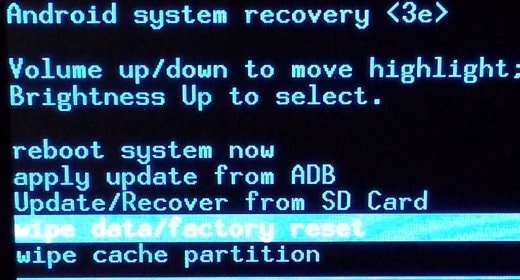
Confirm with the Power button and approve the reset when prompted.
-
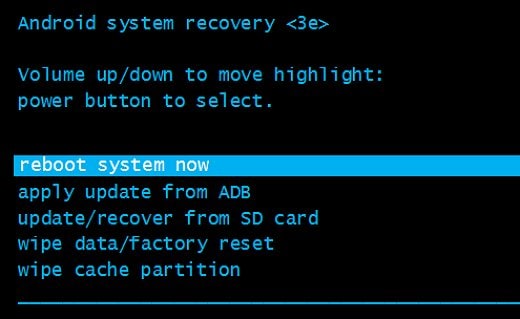
When the reset finishes, select Reboot system now.
If the phone still bootloops after a factory reset: do not keep repeating the reset. A persistent loop at this point can indicate a deeper firmware, storage, or hardware problem. Use the manufacturer's official recovery or firmware-reinstall route for the exact model. For a supported Samsung, Xiaomi, Redmi, or POCO device that is still detected reliably by USB, the Windows-based system-repair route above is another option. If the phone is not detected reliably or shows signs of physical damage, overheating, or liquid exposure, move to professional hardware service.
Method 6: Use CWM Recovery on an Older Rooted Android Device (Legacy)
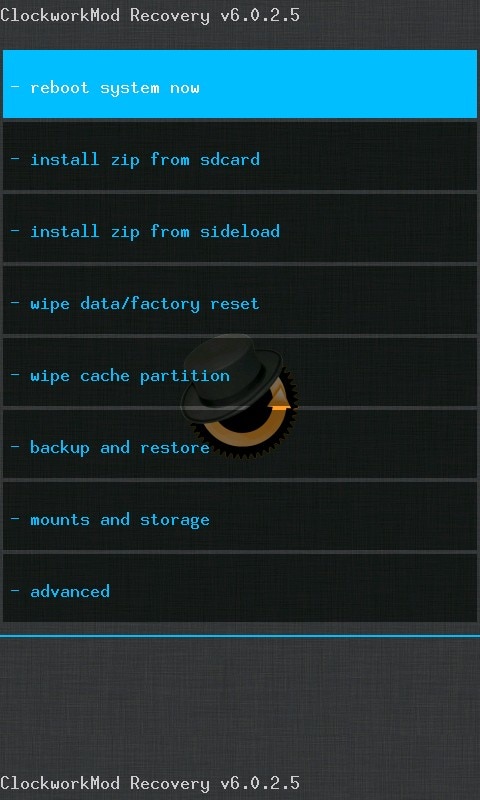
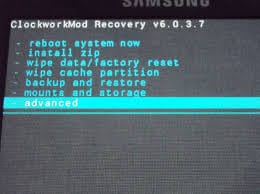
ClockworkMod Recovery (CWM) is a legacy custom recovery environment associated with older rooted Android devices. This section is only relevant if CWM is already installed on the device. Do not install or flash CWM solely to troubleshoot a modern phone stuck in a bootloop.
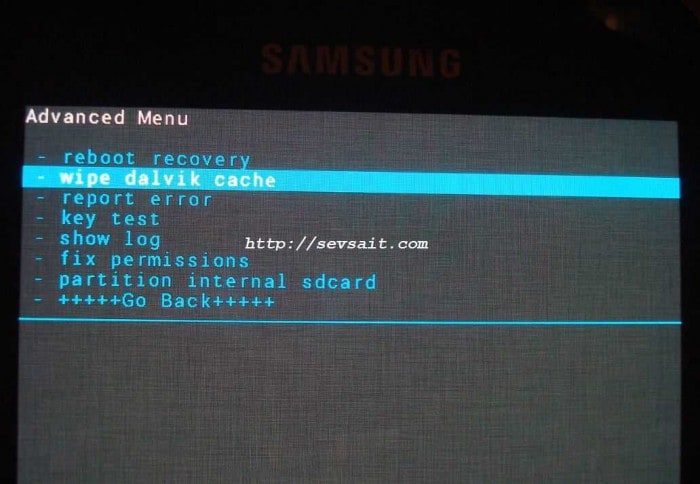
On older rooted devices, a bootloop after changing a ROM, kernel, or system modification may sometimes be related to stale cache files. CWM menus can offer cache-clearing actions that do not intentionally erase personal files, but menu names and available options differ by version, and any custom-recovery operation carries risk.
-
Use the device-specific key combination to open the already-installed CWM Recovery environment.
-
Open Advanced if that menu exists.
-
Use the available cache-clearing option, such as Dalvik/ART cache, only if you understand what it changes.
-
Return to the main menu and reboot the system.
If the device is modern, unrooted, or does not already use CWM, skip this method and use the safer device-specific troubleshooting or supported repair options above.
Conclusion
The safest way to approach an Android boot loop is to escalate gradually. Start with a force restart, then try Safe Mode and a cache-partition wipe if your recovery menu offers it. These steps are designed to troubleshoot the problem without erasing personal data. If the phone still will not start—or you cannot access Recovery Mode—move to a device-supported firmware or service path before considering a reset.
For supported Samsung, Xiaomi, Redmi, and POCO devices, Dr.Fone - System Repair (Android) provides a guided Windows repair workflow. Keep the brand-specific data rules in mind: Samsung repair can erase device data, while the Xiaomi/Redmi/POCO workflow is designed for repair without root or data loss. A factory reset remains the last resort because it wipes local data.
safe & secureFAQs
-
1. How can I fix an Android bootloop without losing data?
Start with a force restart, Safe Mode, and—if your device recovery menu includes it—a cache-partition wipe. These actions are designed to avoid erasing personal files. If you use a firmware-repair tool, check the brand-specific data policy first. Dr.Fone's Samsung system-repair workflow can erase data, while its Xiaomi/Redmi/POCO workflow is designed to work without data loss. -
2. What does bootloop mean on Android?
A bootloop means the Android device repeatedly restarts or returns to the same startup screen because the operating system cannot complete the boot process. Common triggers include failed updates, app conflicts, system modifications, storage or file-system problems, and hardware faults. -
3. What can I do if my Android phone is in a boot loop and Recovery Mode will not open?
Remove any case or accessory that could hold a button down, charge the phone, retry the exact key combination for your model, and try Safe Mode if it is reachable. If the phone is a supported Samsung, Xiaomi, Redmi, or POCO model and is detected over USB, a Windows-based repair workflow may be an option. If the device cannot be detected reliably or shows physical damage or overheating, professional hardware service is safer. -
4. Does a factory reset fix an Android boot loop?
A factory reset can fix some software-caused bootloops, but it erases local user data and will not repair a hardware fault. Use it only after safer troubleshooting options fail and after backing up anything you can still access. -
5. Can Dr.Fone fix an Android boot loop without a factory reset?
Dr.Fone - System Repair (Android) supports system repair for Samsung, Xiaomi, Redmi, and POCO on Windows. The data impact is brand-specific: Samsung system repair can erase device data, while the Xiaomi/Redmi/POCO repair workflow is designed to work without root or data loss. Always review the on-screen warning before starting a repair.
 Add Wondershare Dr.Fone as a preferred source on Google