
How to Fix the Soft Bricked Android Phone?

Oct 23, 2026 • Filed to: Phone Repair Solutions • Proven solutions
 TL;DR:
A soft-bricked Android phone that powers on but cannot reach the home screen can be repaired by applying specific software restoration methods based on whether the device is stuck in a boot loop, recovery mode, or the bootloader.
● For devices trapped in a continuous boot loop, use hardware key combinations like Power + Volume Down to enter recovery mode and select the Wipe cache partition option to clear corrupted temporary system files.
● Phones booting straight into recovery mode typically require installing a fresh ROM via the Install Zip from SD Card option, which requires an unlocked bootloader and a prior data backup from the recovery menu.
● If the phone jumps directly to the bootloader, you must restore the exact original stock firmware using manufacturer-specific utilities like Odin for Samsung; installing the wrong firmware package risks escalating the recoverable soft brick into a more serious problem.
Ask AI for a summary
 ChatGPT
 Perplexity
 Gemini
 Claude
 Grok
Grok
A soft bricked phone is an Android phone that still powers on but cannot boot normally into the home screen. It may get stuck in a boot loop, open recovery mode repeatedly, or jump straight into the bootloader. A hard bricked phone, by contrast, usually shows no normal startup response at all. If you are searching for a softbrick fix, a solution for a bricked Android phone, or wondering how to fix bricked phone problems, the first step is to identify whether the issue is a soft brick or a hard brick.
In many cases, a soft brick phone can still be repaired because the problem is caused by software corruption, a failed update, a bad ROM flash, or a system file conflict rather than permanent hardware failure. That means the device may still enter Android recovery mode or bootloader mode, which gives you a path to repair it.
This guide explains the difference between soft brick and hard brick issues, how to identify the exact symptom on your Android phone, and what you can do when the device is stuck in a boot loop, keeps opening recovery mode, or boots directly into the bootloader. If your brick not working on Android issue is software-related, the methods below can help you restore normal boot behavior.
Read on to understand what kind of brick problem you have and which fix is most suitable for your situation.
- Part 1: What is the difference between soft brick and hard brick?
- Part 2: Stuck at the Boot Loop
- Part 3: Booting straight into recovery mode
- Part 4: Booting straight into Bootloader
Part 1: What is the difference between soft brick and hard brick?
Before you try any repair method, it is important to understand whether your phone is soft bricked or hard bricked. Both problems stop the device from booting normally, but they are not equally severe and they do not require the same repair path.
A soft bricked phone is usually caused by a software error, failed system modification, incompatible ROM, corrupted cache, or interrupted update. The device may still turn on, show the logo screen, restart endlessly, open recovery mode, or enter the bootloader. In short, the phone is not fully dead, which is why a softbrick fix is often possible with the right steps.
A hard bricked phone is much more serious. It usually does not boot, does not respond properly to power input, and may not even be recognized by a computer when connected. This type of brick can happen when critical low-level system components such as the kernel or boot partitions are severely damaged. That is why a hard brick is harder to repair than a soft brick phone.

A simple way to tell the difference is this:
- Soft brick: The phone still shows signs of life, such as vibration, logo screen, recovery mode, or bootloader mode.
- Hard brick: The phone appears completely dead or unreadable to both the user and the PC.
The good news is that most users dealing with a bricked Android phone are actually facing a soft brick issue, not a hard brick. That is why the methods below focus on the most common and repairable scenarios.
Part 2: Stuck at the Boot Loop
A boot loop is one of the clearest signs of a soft bricked phone. In this condition, the device powers on but never reaches the home screen. Instead, it freezes on the logo, goes black, restarts repeatedly, or keeps cycling through the startup screen.
This usually happens when temporary system files, app data, update remnants, or cache partitions interfere with the Android boot sequence. In many cases, you can fix this type of brick Android issue by clearing the cache partition from recovery mode.
Since the device cannot boot normally, the cache must be wiped from the recovery environment. Different Android brands use different key combinations to enter recovery mode, but Power + Volume Down or a similar combination is common. If needed, check your manufacturer’s guide for the exact steps.
Once you enter the recovery mode screen, you will see several maintenance options like the one shown below.
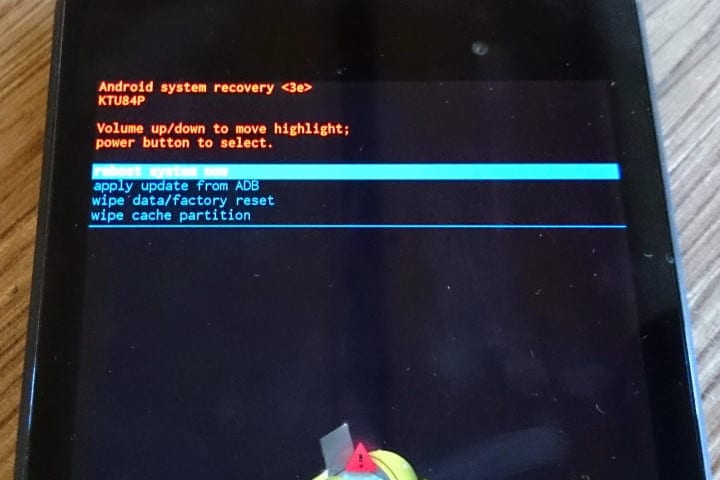
Use the volume buttons to move down and select Wipe cache partition.
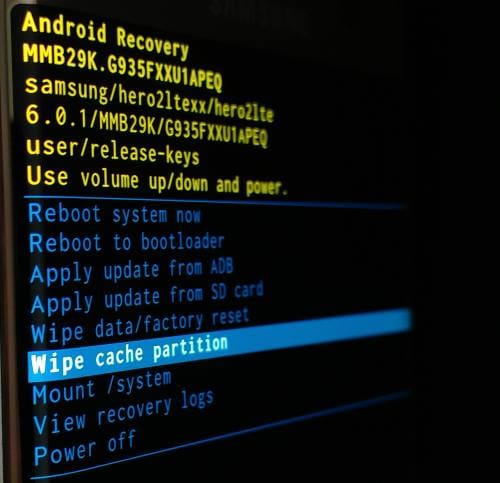
After the process is complete, select Reboot System, which is usually the first option in recovery mode.
This method removes temporary files and corrupted cached data that may be preventing the system from starting correctly. While you may lose some app-related temporary data, this is usually a safe tradeoff when you need to fix a bricked phone that still responds to recovery mode.
If your phone still cannot boot normally after wiping the cache, continue to the next situation below. That means the soft brick problem may be deeper than a cache-level issue.
Part 3: Booting straight into recovery mode
If your bricked Android phone skips the normal boot process and opens recovery mode every time, the problem is usually linked to the installed ROM or the current system files. This is still considered a soft brick, but it often means the existing software environment is unstable or incomplete.
In this situation, one common fix is to flash a fresh ROM so the device can boot from a clean and compatible system image again. This is especially relevant for users who modified the phone, rooted it, or installed custom firmware before the issue started.
To flash a new ROM:
First, make sure your phone is rooted if required by your device setup and that the bootloader is unlocked. Every manufacturer handles bootloader unlocking differently, so the exact process depends on the phone model.
Before you install anything new, back up your data by selecting Backup or a similar option in recovery mode. This helps protect your files in case the ROM installation does not go as planned.
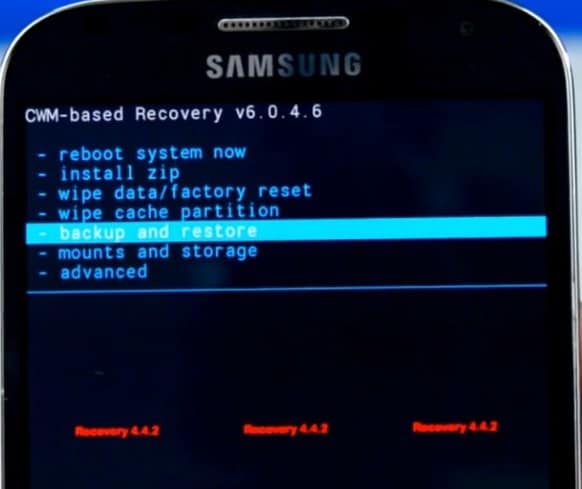
Next, download a ROM that matches your exact phone model and store it on your SD card. Insert the SD card into the phone to begin the flashing process.
From recovery mode, choose Install Zip from SD Card.

Use the volume key to scroll and the power key to select the downloaded ROM file.
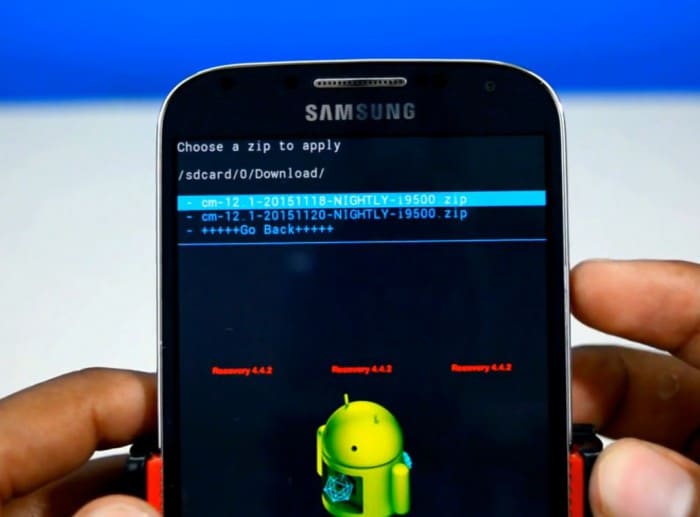
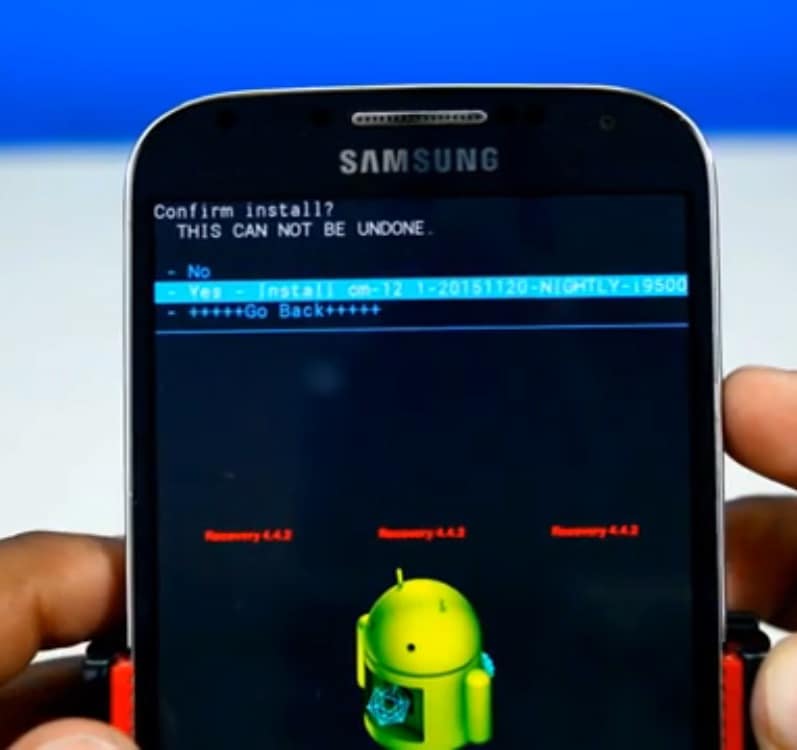
The installation may take a few minutes. Once it finishes, reboot the phone and check whether the system now starts normally.
This is one of the most practical ways to repair a soft bricked phone that keeps opening recovery mode because it replaces the damaged or incompatible ROM with a working one.
Part 4: Booting straight into Bootloader
If your phone boots straight into the bootloader instead of Android, the issue is more serious than a simple boot loop, but it can still fall under the soft bricked category if the device remains detectable and can still accept firmware tools. This is often the point where users search for an odin soft brick fix or an official firmware repair method.
When a phone jumps directly into bootloader mode, flashing a random ROM or only clearing cache is usually not enough. In most cases, the correct fix is to download and flash the original stock ROM from the device manufacturer so the boot chain, system image, and startup configuration are restored properly.
For Samsung users, this may involve using Odin with the correct stock firmware package, which is why many searches for odin soft brick fix are related to soft-bricked Galaxy devices. For other Android brands, the manufacturer may use Fastboot tools, proprietary flash tools, or official firmware utilities instead.
Before you proceed, make sure you have:
- The exact device model number
- The correct stock firmware version for that model
- The proper flashing tool recommended for the manufacturer
- A reliable USB cable and a stable computer connection
Since Android brands use different firmware formats and flashing procedures, there is no single universal method that works for every device. However, the principle remains the same: when a soft brick phone boots only into bootloader, restoring the original firmware is usually the safest path back to a working system.
If you are unsure which stock package to use, avoid flashing random files. Using the wrong firmware can turn a recoverable soft bricked phone into a much more serious problem.
A bricked Android phone does not always mean the device is permanently unusable. In many cases, the phone is only soft bricked, which means it can still be repaired through recovery mode, cache clearing, ROM flashing, or stock firmware restoration. The key is to identify the symptom correctly: a boot loop, repeated recovery mode, or direct bootloader startup all point to different repair paths. This article explains how to fix bricked phone problems by matching the solution to the actual soft brick scenario. If your brick not working issue is caused by software corruption rather than hardware failure, the methods above give you a practical and structured way to bring the phone back to normal.
FAQs
 Q1. What is a soft bricked phone?Q2. How do I fix a soft bricked Android phone?Q3. Can Odin fix a soft bricked Samsung phone?Q4. What is the difference between a soft brick and a hard brick?


Android Issues
- Android Update
- 1. Download and Use Samsung Odin
- 2. Samsung Phone Stuck in Odin Mode
- 3. Latest Updates in Android 11
- 4. Update Android Oreo 8.1
- Android Not Working
- 1. Solution To Bricked Android Phone
- 2. Fix 'Android Phone Won't Turn On'
- 3. Flash Dead Android Phone
- 4. Fix Phone Keep Turning Off
- 5. Fix Android Bootloop Problem
- 6. Fix Android Phones and Tablets
- Android Errors
- 1. Fix Error 495 While Download Apps
- 2. Fix Error 505 in Google Play Store
- 3. Fixes For Authentication Error
- 4. Fix Error Code 963 on Google Play
- 5. Fix Error Code 920 In Google Play
- 6. Fix Encryption Error
- Screen Problems
- 1. Fix Unresponsive Fire Tablet Screen
- 2. Fix Unresponsive Android Screen
- 3. Fix Android Screen Problem
- 4. Fix Phone Is Stuck on Boot Screen
- 5. Fixes for Tablet Screen Not Working
- 6. Tools for Removing Stuck Pixels
- 7. Fix Android Black Screen of Death
- 8. Fix Android Stuck on Boot Screen
- 9. Fix Android White Screen of Death
- 10.Fix Android Blue Screen of Death
- 11.Fix ONN Tablet Screen Not Working
- 12.Fix Android Touch Screen Proble
- 13.Fix Smartphone With a Black Screen
- 14.Fix Realme Screen Not Responding
- 15.Fix Phone Screen Not Responding
- Android Problems
- ● Manage/transfer/recover data
- ● Unlock screen/activate/FRP lock
- ● Fix most iOS and Android issues
- Free Download Free Download Free Download




Alice MJ
staff Editor
Generally rated4.5(105participated)