Recover photos, messages, WhatsApp, and more — no backup
needed.
Recover photos, messages, WhatsApp, and more — no backup
needed.

 100% Security Verified | No Subscription Required | No Malware

 :
: 
 ChatGPT
 Perplexity
 Gemini
 Claude
 Grok
Grok
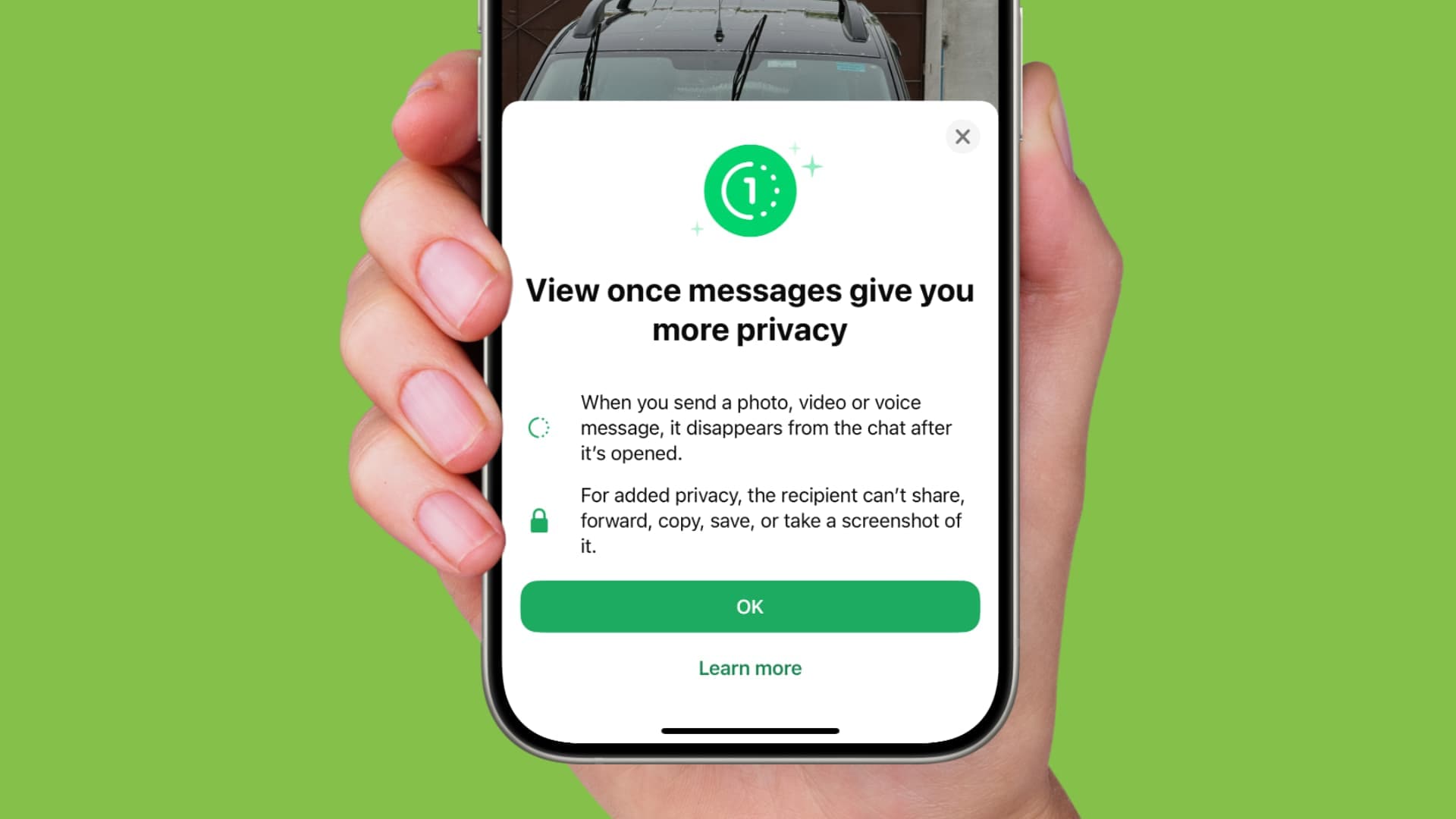
WhatsApp remains one of the most widely used messaging applications globally, constantly refining its platform by integrating advanced safety and privacy mechanisms. Among these is the highly utilized View Once feature, allowing users to send photographs, voice notes, and videos that automatically disappear the moment they are opened. This functionality is immensely beneficial for transmitting sensitive or confidential content—such as Wi-Fi passwords, personal documents, or quick, temporary snapshots that you simply do not want stored permanently on the recipient's device.
As this feature gains traction, a persistent dilemma arises among users: can you screenshot WhatsApp View Once messages? Does the app permit standard screen capturing? More importantly, does WhatsApp notify screenshots of View Once media like other ephemeral messaging apps do? These are highly common inquiries, particularly for individuals who legitimately need to save essential files or critical information. In this comprehensive 2026 guide, we will break down how the View Once system operates, dissect WhatsApp's built-in safeguards, and clarify the platform's screenshot rules. Additionally, we will explore advanced technical workarounds and data recovery solutions that provide actionable ways to retrieve this fleeting media.
In this article
Part 1. Understanding WhatsApp View Once: Functionality and Limitations
WhatsApp initially deployed the View Once capability to elevate media privacy and give users stricter control over their digital footprint. When utilizing this mode, photos, videos, and voice messages can strictly be opened a single time by the recipient. Once viewed and closed, the media file is permanently erased from the active chat environment and fundamentally cannot be reopened. This sophisticated architecture boasts highly robust security protocols. WhatsApp accomplishes immediate content destruction by leveraging end-to-end encryption combined with strict device-level commands, ensuring these ephemeral messages cannot be conventionally saved to the camera roll, downloaded locally, or forwarded to other contacts.
A primary concern for many is whether the app alerts the sender during an attempted capture. So, does WhatsApp notify screenshots of View Once? The explicit answer is no; WhatsApp does not send a notification to the sender if you attempt to take a screenshot. Instead, WhatsApp circumvents the issue by proactively deploying screenshot-prevention algorithms. On Android devices, the application triggers the FLAG_SECURE mechanism, which blacklists the screen from being captured or recorded. Conversely, iOS utilizes strict system-level Digital Rights Management (DRM) safeguards. Together, these robust blockades ensure that natively screenshotting a View Once message results in a completely black or blank image.
Furthermore, additional severe restrictions are explicitly enforced. View Once items are excluded from Google Drive and iCloud chat backups unless the message remains entirely unopened prior to the backup initiating. You cannot share or forward them like standard multimedia elements. Consequently, the core application actively and directly prevents WhatsApp View Once screenshots, which remains a heavily requested capability. Despite these formidable barriers, some individuals manage to circumvent these stringent regulations by relying on a secondary physical phone or leveraging screen mirroring applications.
If the photo has already disappeared from an iPhone 18 chat, review the options to recover WhatsApp View Once photos on iPhone 18. The guide distinguishes a backup made while the item was still unopened from supported content detected through Dr.Fone’s linked-session workflow; availability depends on what each source contains.
Part 2. Can You Screenshot WhatsApp View Once? The Straight Answer
Countless users routinely search: can you take a screenshot of a WhatsApp View Once message using standard built-in buttons? The definitive answer is no, not through conventional means. WhatsApp's View Once protocol mandates the total deletion of images and videos immediately following their single viewing session. To enforce this, the app strictly prohibits native screenshot functionality while the media is actively displayed on the screen.
To execute this restriction, WhatsApp actively utilizes the FLAG_SECURE setting on Android frameworks to actively prevent standard screen capture APIs from recording the visual data. Simultaneously, on iOS, deep system-level defenses perform the identical function. This synchronized defense effectively makes saving, recording, or duplicating View Once media directly on the host device nearly impossible without advanced interventions.
However, despite these formidable blockades, certain technical workarounds or specialized third-party software tools can technically enable screenshotting of View Once messages. The available approaches to navigate this limitation will be comprehensively outlined below. Nevertheless, adherence to the application's native privacy configurations remains the most secure, respectful, and ethical practice. Always exercise utmost discretion and respect the sender's intentions to maintain a healthy digital safety environment.
Addressing a heavily debated secondary question: does WhatsApp notify users when they view View Once screenshots? Unlike Snapchat, which famously dispatches instant alert notifications when screen captures are detected, WhatsApp strictly does not. The platform bypasses notifications altogether because its primary security measure proactively prevents the screenshot from successfully capturing the image in the first place.
Part 3. How to Screenshot WhatsApp View Once Messages
WhatsApp's rigid internal policies strictly prohibit the native saving of View Once messages. Yet, a vast demographic of users continually asks: how to take screenshot on whatsapp view once when it contains vital information? This detailed section meticulously examines proven capture methods for View Once messages. Some viable solutions utilize professional third-party desktop applications, while alternative tactics employ external mirroring networks or completely separate hardware devices.
Method 1: Using Dr.Fone - Data Recovery
While WhatsApp's View Once feature is fundamentally designed to block native screenshots and ensure automatic deletion immediately after viewing, countless users continue to search for how to screenshot view once on WhatsApp in a desperate bid to save indispensable photos, critical documents, or memorable videos. Fortunately, with the highly advanced recent update of Dr.Fone – Data Recovery, it has become practically possible to recover View Once messages — even long after they have seemingly disappeared from the active chat log. This robust data retrieval software natively supports both the iOS and Android ecosystems, offering an incredibly reliable solution for retrieving media assets and encrypted chats that were previously thought to be irrevocably lost forever. Below is a highly simplified step-by-step guide utilizing iOS as an instructional example; the core process remains practically identical for Android variants.
 Recovers data after deletion, crashes, or device damage.
- Supports photos, messages, contacts, WhatsApp, and more.
- Supports all major iPhone, iPad, and iPod models.
- Preview and recover only what you need.
Using Dr.Fone bypasses the standard screenshot blockers because it deeply scans the device's cache and hidden data directories instead of relying on front-end screen captures.
-
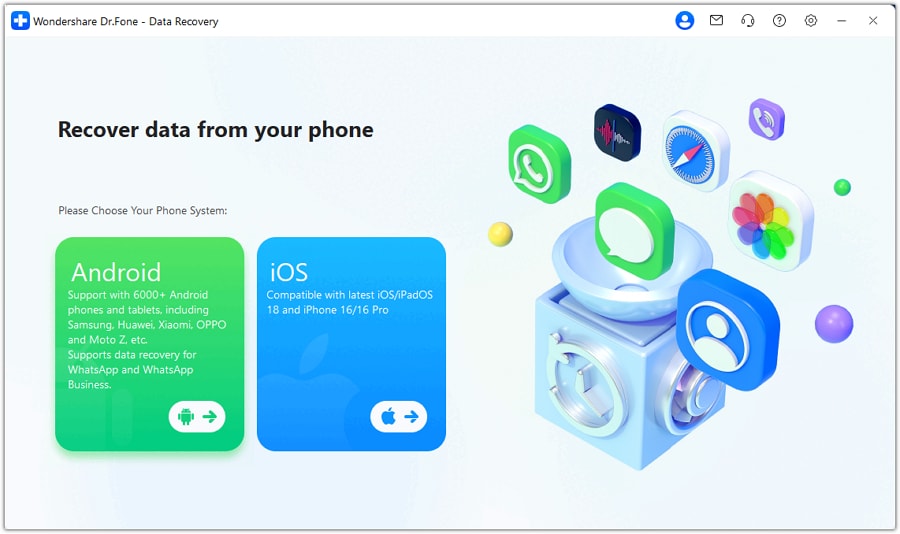
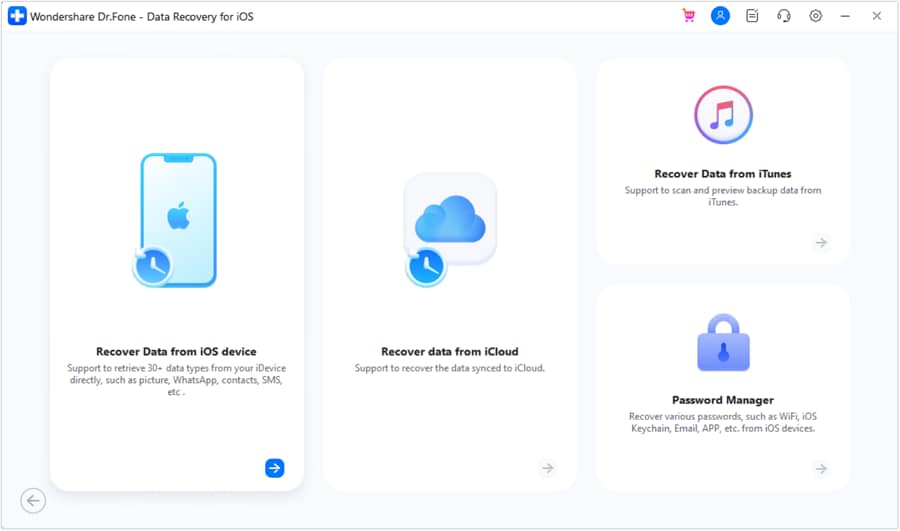
Step 1 Launch Dr.Fone and Select iOS Mode
Begin by launching the Dr.Fone software toolkit on your personal computer. Navigate directly to the Data Recovery module on the main interface, and expressly choose iOS as your target device type to initiate the setup.
-
Step 2 Choose WhatsApp View Once Recovery
From the expansive list of recovery parameters, strictly select the "Recover WhatsApp View Once Data" module. This specialized mode is engineered to specifically target and extract vanished View Once media payloads from the device's localized memory.
-
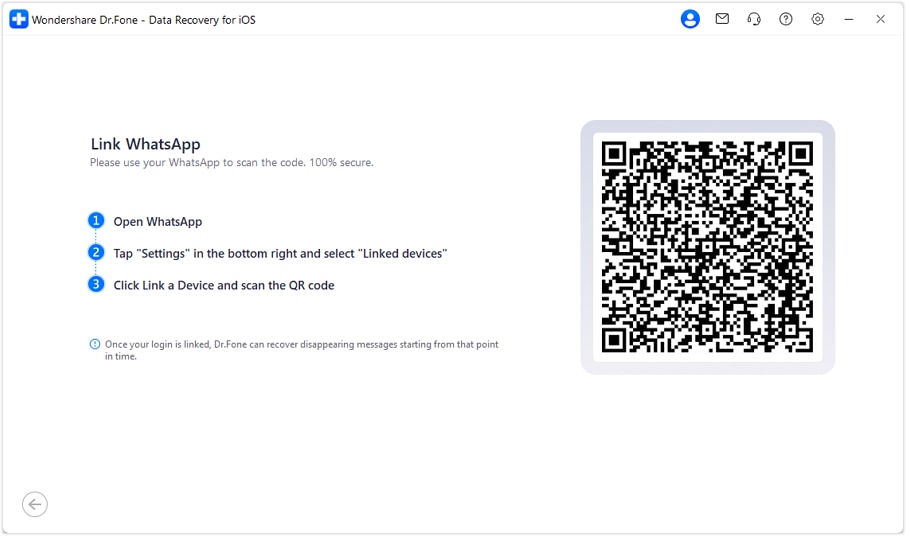
Step 3 Connect WhatsApp via QR Code
Proceed by clicking "Start Recovery". Subsequently, on your active iPhone, open the primary WhatsApp application, navigate to Settings → Linked Devices → Link a Device, and carefully scan the generated QR code displayed by Dr.Fone to establish a fully secure extraction link.
-
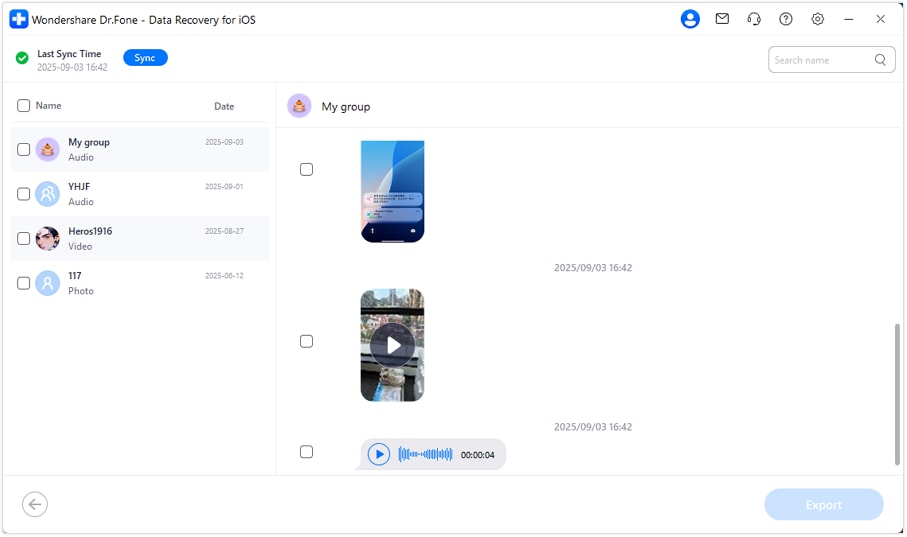
Step 4 Preview and Export Messages
Once the intensive deep scanning operation is finalized, thoroughly preview the recovered View Once content displayed dynamically in the chat panel. Highlight the specific media assets you desire, and subsequently click "Export" to securely save them directly to your desktop computer for permanent retention.





Method 2: Screen Mirroring Method
Many individuals persistently try advanced screen mirroring functionalities to take a screenshot of a View Once on WhatsApp without tripping the native blockers. Screen mirroring is fundamentally a streamlined mechanism to wirelessly project your primary phone's live display directly onto another secondary smartphone, tablet, or PC.
By extensively mirroring your display, you effectively transfer the visual output to an external screen, which inherently lets you utilize standard screenshot or screen recording utilities from the destination device. Remarkably, WhatsApp historically does not strictly restrict this specific action because the image capture officially occurs completely outside the confined application environment.
Mirroring from Phone to Phone
To successfully employ this strategy, both participating devices must necessarily have the identical screencasting software installed and be actively connected to the exact same local Wi-Fi network. Some of the most highly rated popular apps include:
- LetsView (Compatible with iOS and Android ecosystems)
- ApowerMirror (Optimized for iOS)
- AirMirror (Highly functional for iOS and Android)
How they work fundamentally:
Initially, you must install your preferred screencasting application concurrently on both mobile devices. Connect both smartphones meticulously to the identical Wi-Fi bandwidth. Subsequently, you can actively mirror the primary WhatsApp interface onto the secondary phone's display using the application's pairing tools. When the highly anticipated "View Once" media natively plays, simply execute a hardware screenshot on the receiving secondary phone.
If you're asking, can you screenshot View Once WhatsApp without instantaneously being blocked? The answer is firmly yes; external screen mirroring actively permits it by bypassing localized DRM restrictions.
Mirroring from Phone to Windows PC
If you prefer leveraging a larger desktop monitor for clarity, Microsoft Windows offers native integration designed perfectly for this use case.
-
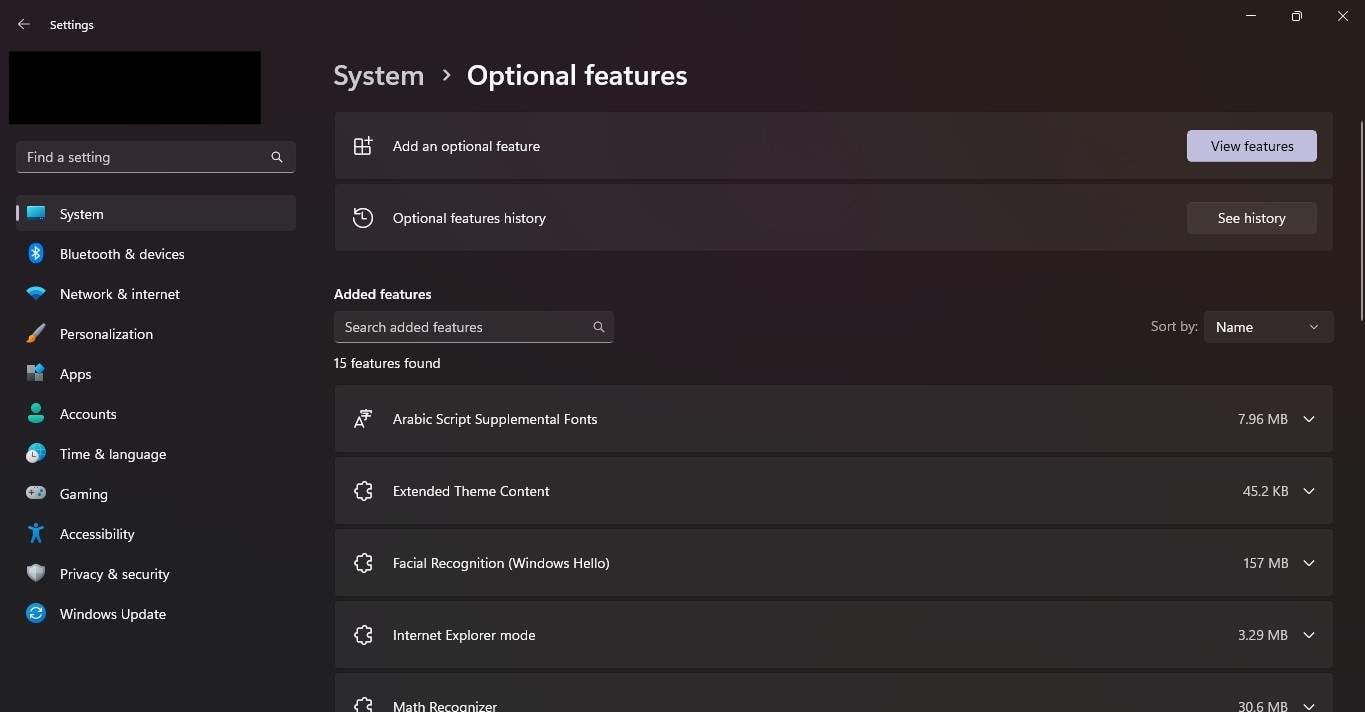
Step 1 Access Windows Settings
First, explicitly launch your Windows 11 Settings interface and carefully select "Apps." Click on "Add optional feature" specifically located under the Optional Features submenu.
-
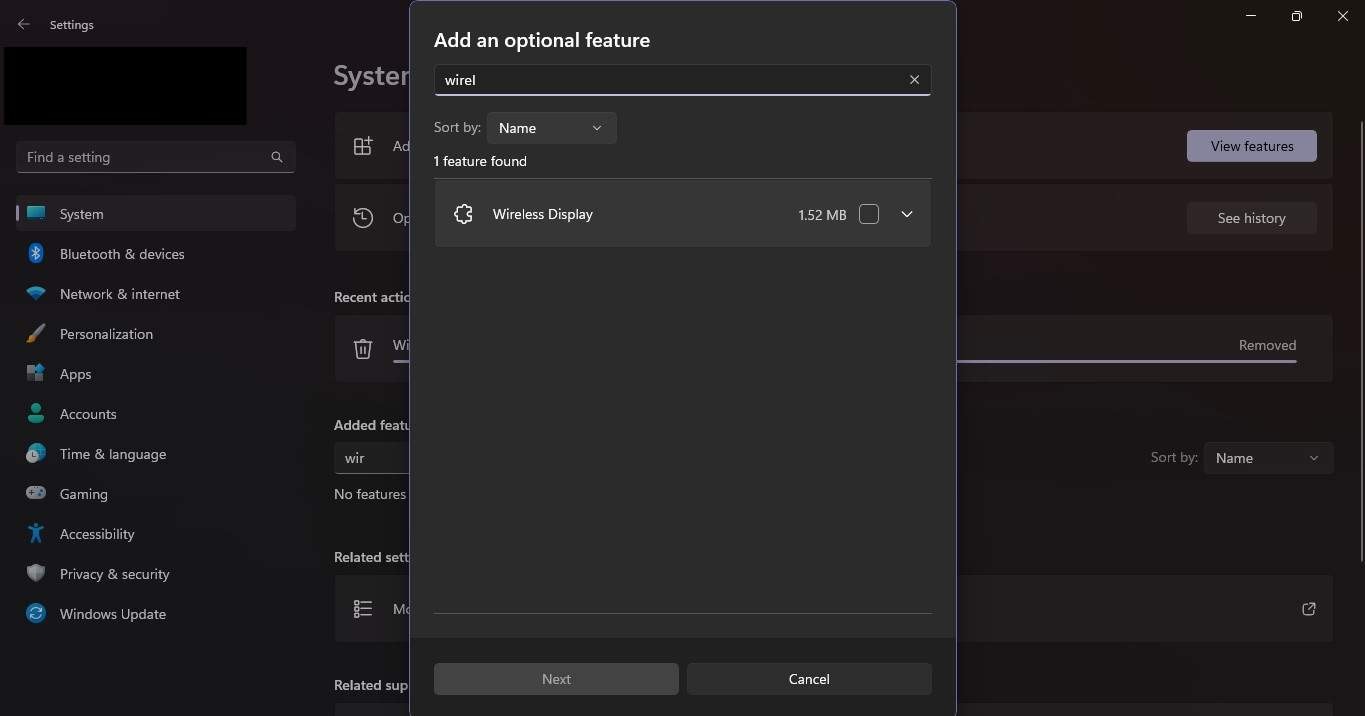
Step 2 Install Wireless Display
Utilize the search bar to locate "Wireless Display". Thoroughly check the Wireless Display module in the generated results, then confidently click "Next" followed by "Install". Patiently wait until the entire installation procedure is definitively complete before continuing to the subsequent steps.
-
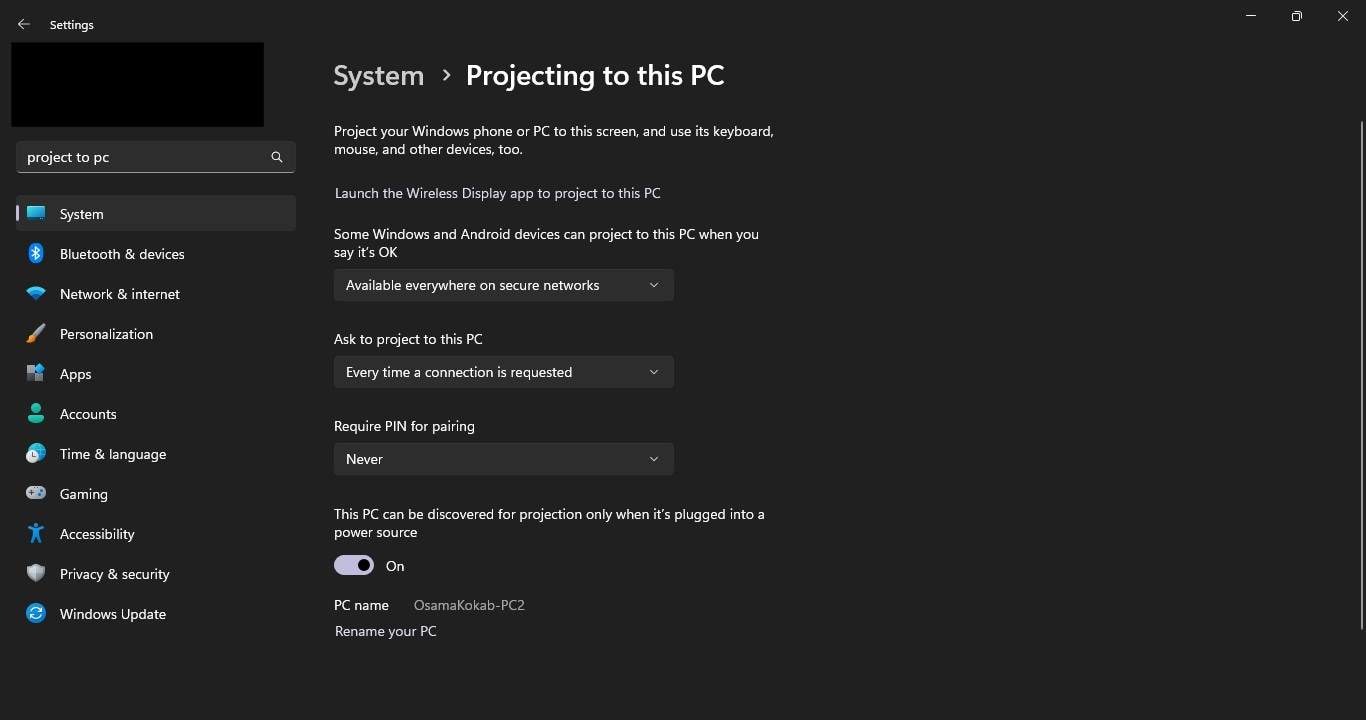
Step 3 Configure PC Projection
Swiftly return to "Settings > System > Projecting to this PC". Intelligently select "Available anywhere on secure networks" in the primary dropdown menu. Choose "First time only" in the secondary dropdown. Set the tertiary dropdown menu identically to "First time". This actively prepares your PC ecosystem for incoming wireless display requests.
-
Step 4 Enable Cast on Phone
Open the comprehensive Settings dashboard on your Android phone and specifically locate the "Bluetooth & Device Connection" menu (please note that exact OEM brand nomenclature may vary slightly between manufacturers).
-
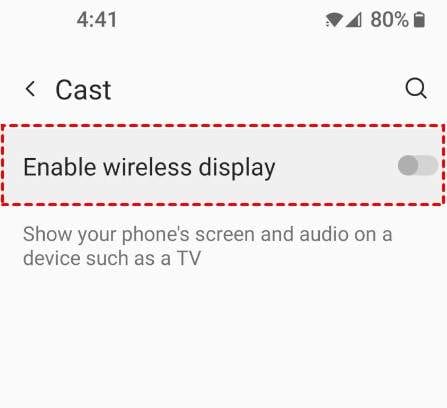
Step 5 Activate Wireless Display on Phone
Select "Cast" or "Screen Cast" and manually enable the "Wireless Display" toggle. This essential action actively commands your mobile device to broadcast a signal to find compatible nearby desktop devices.
-
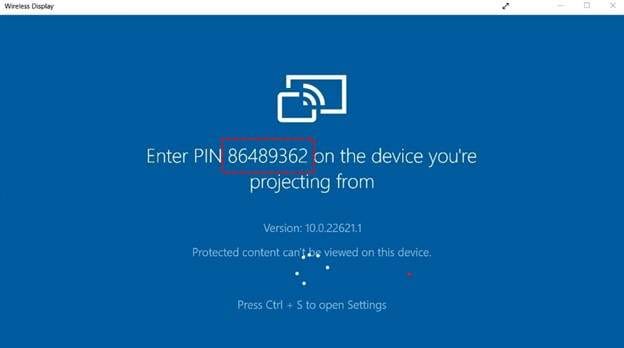
Step 6 Connect and Capture
Finally, select your Windows 11 PC natively from the generated List of "Nearby Devices" on your Android mobile. A unique security PIN will actively appear on the computer's Wireless Display window. Screen mirroring instantly begins after you accurately input this "PIN" into your phone and tap "Accept." You may now freely use Windows Snipping Tool to capture the View Once image.
While this particular method remains highly effective, it undeniably requires a modicum of extra technical setup. Regardless, it acts as a remarkably clever strategy to perfectly screenshot WhatsApp View Once without directly triggering or engaging the application's built-in software blocks.
Method 3: WhatsApp Web Approach
Historically, leveraging the comprehensive WhatsApp Web portal was hailed as another premier option. The web-based iteration of WhatsApp functionally operates on practically any modern computer browser natively. Although the platform's overall defenses are quite strong, historically, some resourceful individuals have consistently reported massive success in executing unauthorized screenshots directly this way via simple keyboard commands.
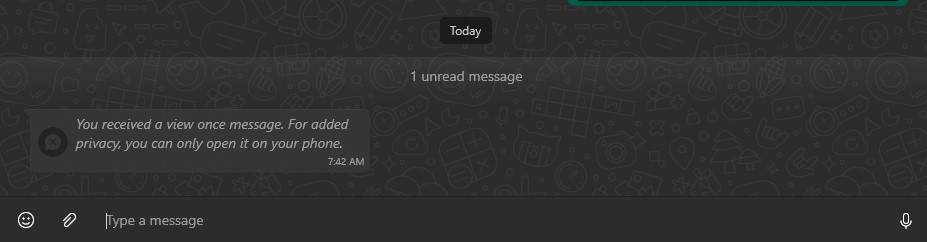
However, users must be aware that in a highly significant newer platform update, WhatsApp completely blocks the rendering of "View Once" messages entirely on WhatsApp Web to strictly enforce overarching privacy paradigms. It now proactively generates the stringent error message: "You received a view once message. For added privacy, you can only open it on your phone." This strict protocol ensures that ephemeral media can solely be viewed within the confined mobile environment, where unyielding protections like the Android FLAG_SECURE architecture reliably prevent localized screenshots or unauthorized recordings.
Method 4: Zoom Screen Sharing Method
This somewhat unconventional but highly practical method brilliantly leverages Zoom, a frequently utilized global video conferencing tool. Zoom natively allows you to flawlessly share your smartphone's active screen during live meetings. It provides yet another indirect, highly effective View Once media capture method when other approaches fail.
-
Step 1 Launch Zoom
Start by explicitly launching the Zoom application independently on your primary mobile phone and a secondary PC.
-
Step 2 Initiate a Meeting
Sign deeply into your personal account and officially initiate a brand new active meeting (conveniently, you can securely execute this completely alone without inviting external participants).
-
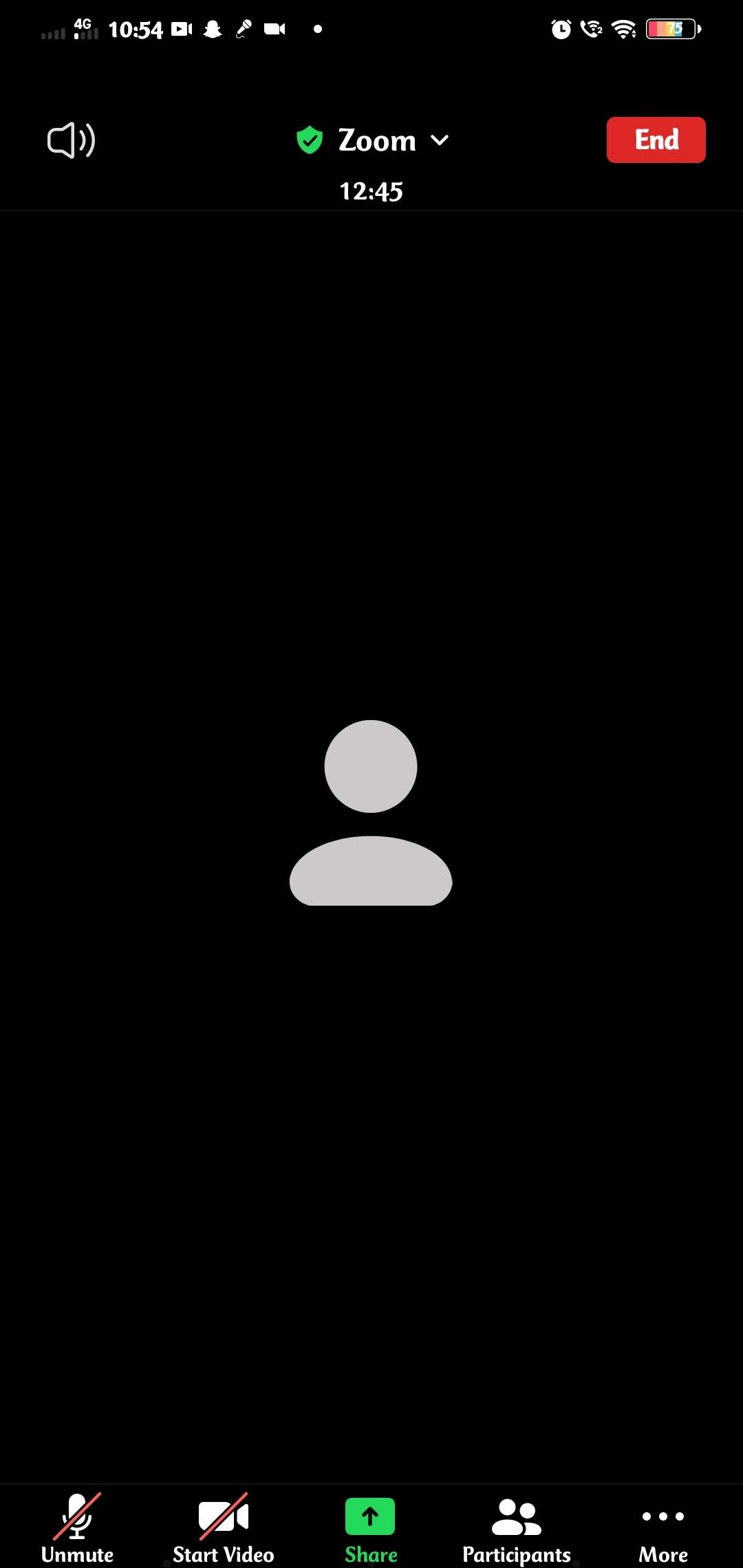
Step 3 Share Your Phone Screen
Carefully select the prominent "Share > Screen" function directly from the main navigational menu physically on your phone interface.
-
Step 4 Open View Once Media
Actively select the live WhatsApp screen layout and boldly open the incoming View Once media.
-
Step 5 Capture on PC
Instantly use a standard computer screenshot hotkey (such as Print Screen or Snipping Tool) on your secondary machine to accurately capture the projected image or actively record the playing video stream.
This strategic solution is profoundly clever primarily because it entirely bypasses WhatsApp's direct system-level app defenses. It significantly helps everyday WhatsApp users confidently screenshot View Once media without mandatorily requiring a dedicated secondary mobile phone setup.
Method 5: Secondary Device Technique
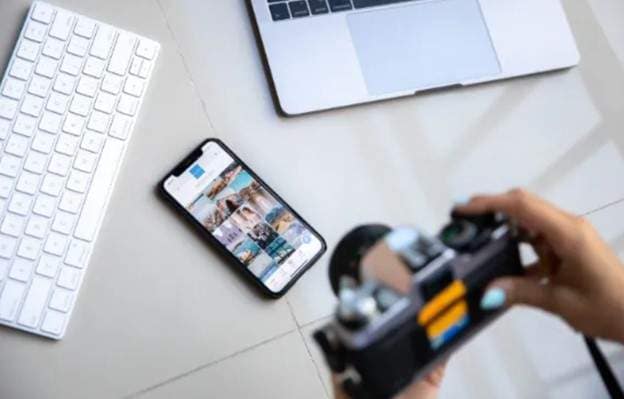
Finally, we arrive at the absolute easiest, most fool-proof, albeit analog method: capturing a permanent screenshot utilizing an entirely different physical phone or digital camera. Simply hold up an active secondary physical device and cleanly take a direct photograph specifically when you actively view the ephemeral View Once WhatsApp photo or running video on your primary screen. While admittedly not the most elegant or ideal solution regarding visual clarity, it stands as a phenomenally quick, highly effective, and entirely unblockable WhatsApp View Once snapshot solution.
- Incredibly simple; absolutely no external apps, plugins, or complex setup needed.
- Universally compatible completely independent of iOS and Android hardware barriers.
- You never have to actively worry about WhatsApp dynamically blocking the capture process.
- Strictly necessitates immediate access to another working smartphone or digital camera.
- Final image quality routinely suffers from immense glare, screen moiré, and poor lighting.
Conclusion
Ultimately, can you screenshot WhatsApp view once messages without friction? As discussed, countless people actively ask this critical question daily. WhatsApp enforces remarkably strict, non-negotiable software policies that actively make this action extremely difficult natively. These stringent built-in mechanisms intentionally preserve overall platform privacy and strictly prevent unauthorized, sensitive content from being casually saved. Furthermore, it's vital to recognize that while WhatsApp explicitly does not actively notify users of screenshot attempts, its integrated DRM technology preemptively turns off most standard screen captures entirely, resulting in blank images.
Despite these barriers, some determined users still aggressively search for robust ways to screenshot a WhatsApp view once. Due to Android FLAG_SECURE architecture and iOS system-level OS security, direct capture approaches rarely succeed anymore. But through clever alternative methods—like screen mirroring, external recording, or utilizing specialized desktop tools like Dr.Fone – Data Recovery—you can effectively bypass these obstacles and successfully recover WhatsApp View Once messages with ultimate ease.
FAQ
-
1. Does WhatsApp notify the sender when you screenshot a View Once message?
No, WhatsApp absolutely does not send any notification or alert to the sender if you attempt to screenshot a View Once photo or video. Unlike Snapchat, which actively alerts users, WhatsApp simply blocks the screenshot functionality entirely, resulting in a blank or completely black image capture on your device. -
2. Can I use WhatsApp Web to screenshot View Once media?
Previously, this was a known loophole, but in recent 2026 updates, WhatsApp has completely disabled the ability to open View Once messages on WhatsApp Web and Desktop applications. If you receive one, you will be prompted to open it explicitly on your mobile device, ensuring desktop screenshots are no longer a viable direct workaround. -
3. Is it legal or ethical to screenshot someone's View Once message?
While it might not be strictly illegal in most standard jurisdictions to screenshot private communications you are a direct party to, it fundamentally violates the implicit trust and clear ethical boundaries set by the sender. View Once is designed for ephemeral, sensitive data. You should always respect the sender's privacy and intentions before utilizing technical bypasses to save their media. -
4. Why does my screen recording of a View Once message turn out completely black?
Your screen recording turns out entirely black because WhatsApp proactively uses advanced system-level security protocols—specificallyFLAG_SECUREon Android architectures and native DRM (Digital Rights Management) on iOS. These security flags actively instruct the operating system to forcefully blackout any visual data when third-party screen recording or native screenshot applications are running.
 Add Wondershare Dr.Fone as a preferred source on Google