Recover photos, messages, WhatsApp, and more — no backup
needed.
Recover photos, messages, WhatsApp, and more — no backup
needed.

 100% Security Verified | No Subscription Required | No Malware

 :
: 
 ChatGPT
 Perplexity
 Gemini
 Claude
 Grok
Grok

I recently noticed a stranger took a screenshot of my WhatsApp profile picture. Is there any way to know how to block screenshots on WhatsApp so I can protect my privacy?
Privacy Conscious User
Every single day in 2026, millions of WhatsApp users send private messages, sensitive photos, confidential videos, and daily status updates. While this instant communication brings immense convenience, it also raises the critical risk of unauthorized screenshots. Malicious individuals might steal your WhatsApp profile photo, save your status update, or leak a private chat for illegal or unethical use.
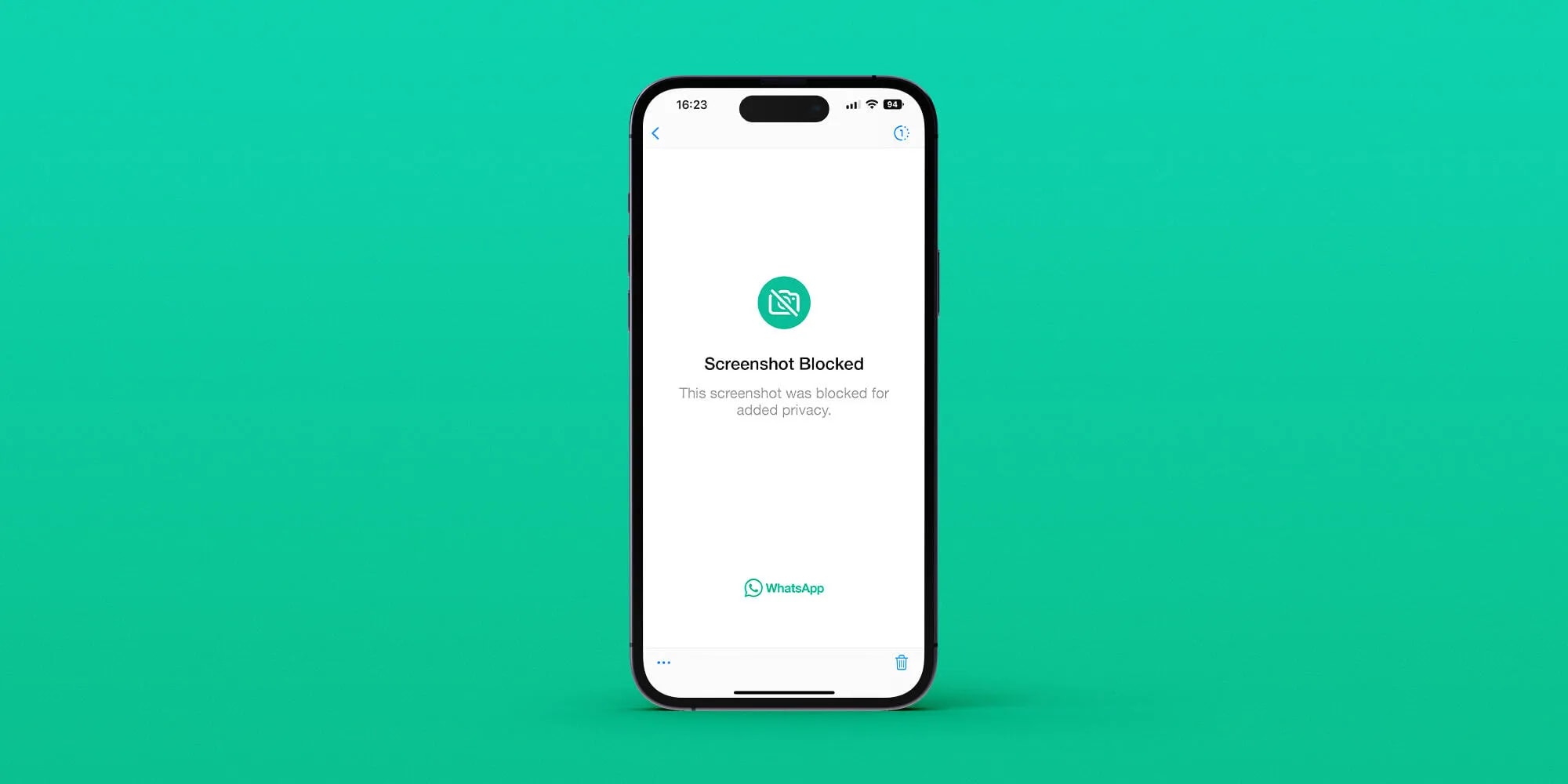
This comprehensive guide explains exactly why you should take steps to restrict WhatsApp screenshots, the native protections the app currently offers, and the inevitable limitations of these built-in features. We will walk you through precise methods on how to prevent someone from taking screenshots on WhatsApp profile pictures and status updates. By the end of this article, you will have mastered the best strategies to preserve your digital privacy and regain control over your WhatsApp data.
In this article
Part 1. Why Block Screenshots on WhatsApp?
A frequent question among many WhatsApp users is why screenshot blocking has become so essential in modern communication. Screenshots can easily be misused to breach your personal privacy. Taking the time to learn how to restrict screenshot on WhatsApp helps you stay firmly in control of your digital footprint.
- Prevent private photos/videos from leaking: Restricting WhatsApp screenshots is vital to prevent unauthorized individuals from saving or sharing your private photographs and videos. Even if a trusted person takes a snapshot, their device could be compromised, leading to your content being shared or exploited.
- Protect your WhatsApp profile pic: WhatsApp profile photos are generally the first thing any user sees. Unfortunately, total strangers or malicious contacts can screenshot and use your photo without permission for impersonation. Utilizing advanced privacy options and blocking screenshots on WhatsApp profile pictures can effectively prevent this kind of severe misuse and protect your identity.
- Stop WhatsApp status updates from being saved without consent: Standard WhatsApp status updates are designed to expire permanently after 24 hours. However, screenshots bypass this expiration entirely. It is critically important to know how to prevent someone from taking screenshots on WhatsApp status so you can avoid permanent copies of your temporary life updates from spreading across the internet.
Part 2. Understanding WhatsApp's Screenshot Restrictions
After acknowledging why banning screenshots is crucial, let us dive into examining WhatsApp's actual built-in features and their limitations regarding media capture.
| Feature Category | Native Protection Status | Screenshot Blocked? |
|---|---|---|
| Regular Chats & Groups | No restrictions on capturing messages. | |
| Profile Pictures | Downloading disabled, screenshots actively blocked on latest versions. | |
| "View Once" Media | Photos/videos are deleted after one view; screen recording and screenshots are heavily blocked. | |
| Status Updates | No native screenshot blocking exists; relies on audience restriction. |
As illustrated, while recent WhatsApp updates have certainly made unauthorized content collection significantly more difficult, the protective measures are still fragmented. WhatsApp does not fully restrict screenshots uniformly across all forms of chats. Furthermore, device constraints vary greatly. The exact mechanics of how to prevent someone from taking screenshots on WhatsApp may differ depending on whether you are using an iOS or Android smartphone.
Part 3. How to Block Screenshots on WhatsApp: Step-by-Step Guide
Having understood the core reasons and existing platform restrictions, let's move on to the practical execution. There is no single universal toggle button in WhatsApp to instantly stop all screenshots, but you can utilize highly effective smart settings to lock down your account. Let's go through these proven methods one by one.
Method 1: Restricting Screenshots of Profile Pictures
If you are wondering how to block screenshots on WhatsApp profile picture, there is good news. In WhatsApp's newest software releases for both Android and iOS in 2026, the application has taken significant steps ahead to actively prevent users from capturing screenshots of profile pictures. This means that if someone attempts to screenshot your display photo in full screen, the result will be a failure (often resulting in a black screen or a system warning), and the image will not be stored on their device. This intentional improvement seals a major loophole that was allowing stalkers to steal profile photos without asking.
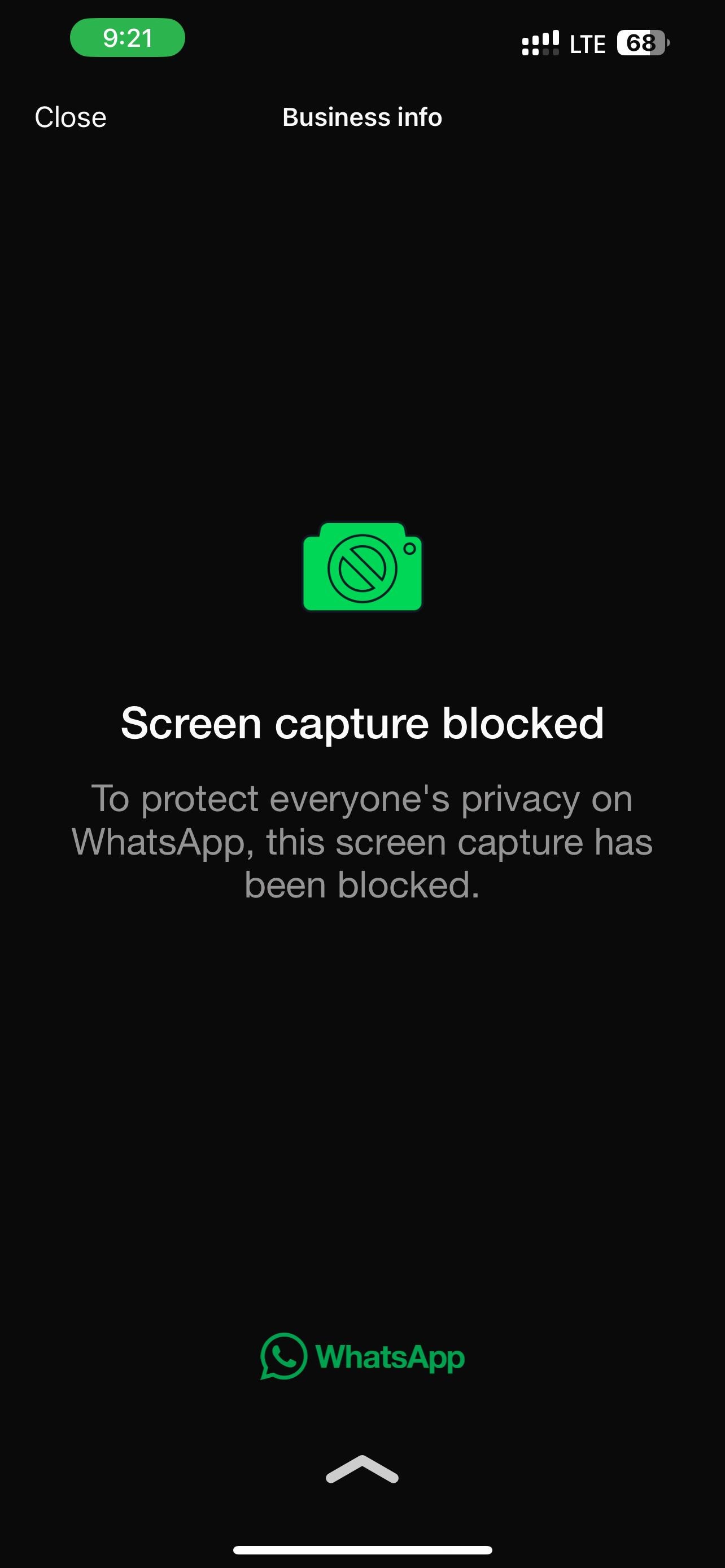
However, you can proactively do even more by strictly changing who has the privilege to see your photo in the first place. This remains the absolute most effective foundational way to protect your digital identity.
-
Step 1 Launch Settings
Launch the WhatsApp app on your smartphone and select "Settings" located in the lower right corner (on iOS) or via the three dots (on Android).
-
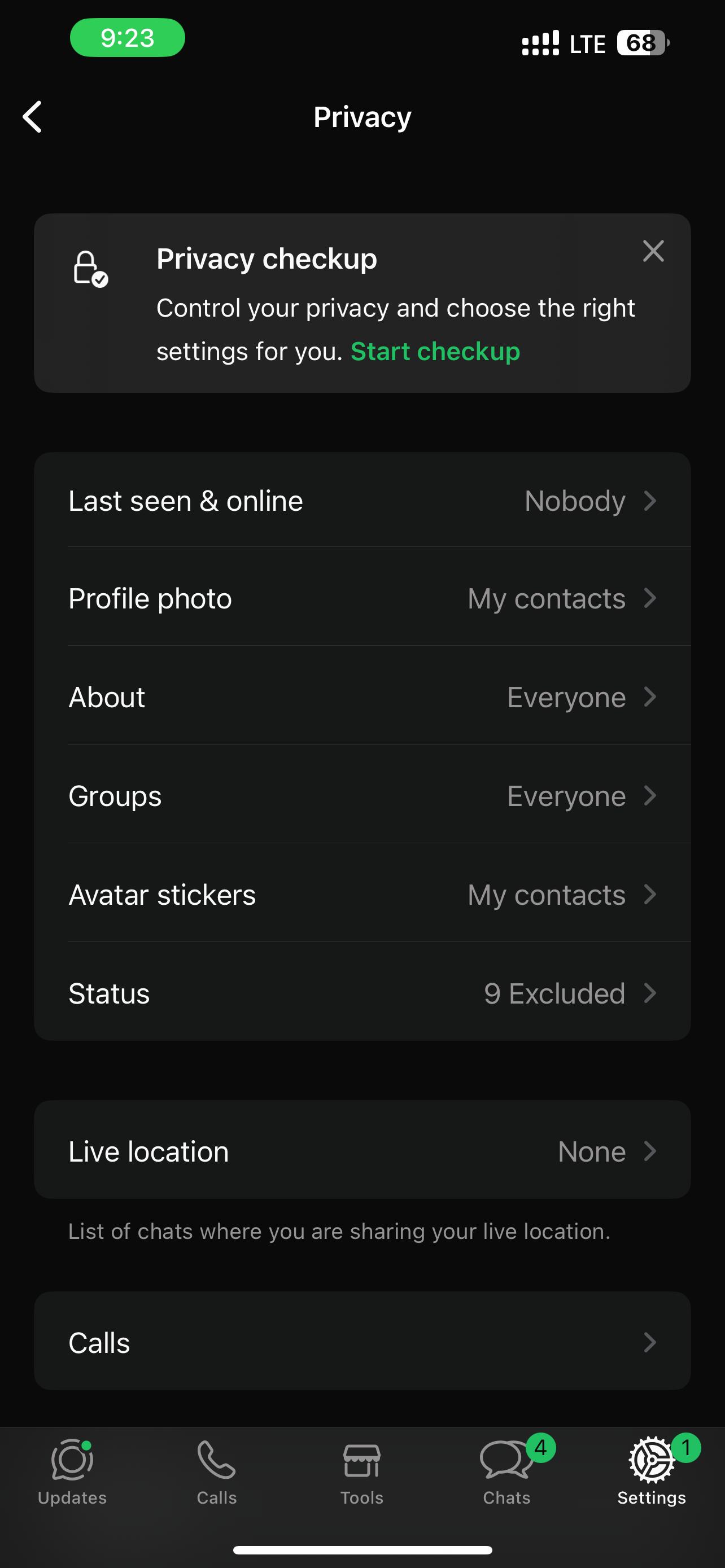
Step 2 Navigate to Privacy
Tap on the "Privacy" settings menu, and then select "Profile Photo" to adjust its visibility.
-
Step 3 Filter Contacts
Tap "My Contacts Except..." and carefully select the specific contacts who should absolutely not be able to see your WhatsApp profile picture. Hit "Done" in the upper right to save.
In this manner, you can completely prohibit access long before someone even attempts to take a snapshot. This feature seamlessly works on iPhones and Androids alike, fully addressing the question of how to block screenshots of WhatsApp profile photos.
Method 2: Preventing Screenshots on WhatsApp Status
How to prevent someone from taking screenshots on WhatsApp status is another huge concern for modern users. Currently, WhatsApp does not actively block device screenshots of status updates. The platform treats these as public broadcasts to your allowed list. However, you can strictly restrict your status views. Limiting your viewing audience drastically reduces the risk of misuse.
-
Step 1 Go to Updates
Tap the "Updates" or "Status" tab located at the bottom or top of your screen depending on your OS.
-
Step 2 Access Status Privacy
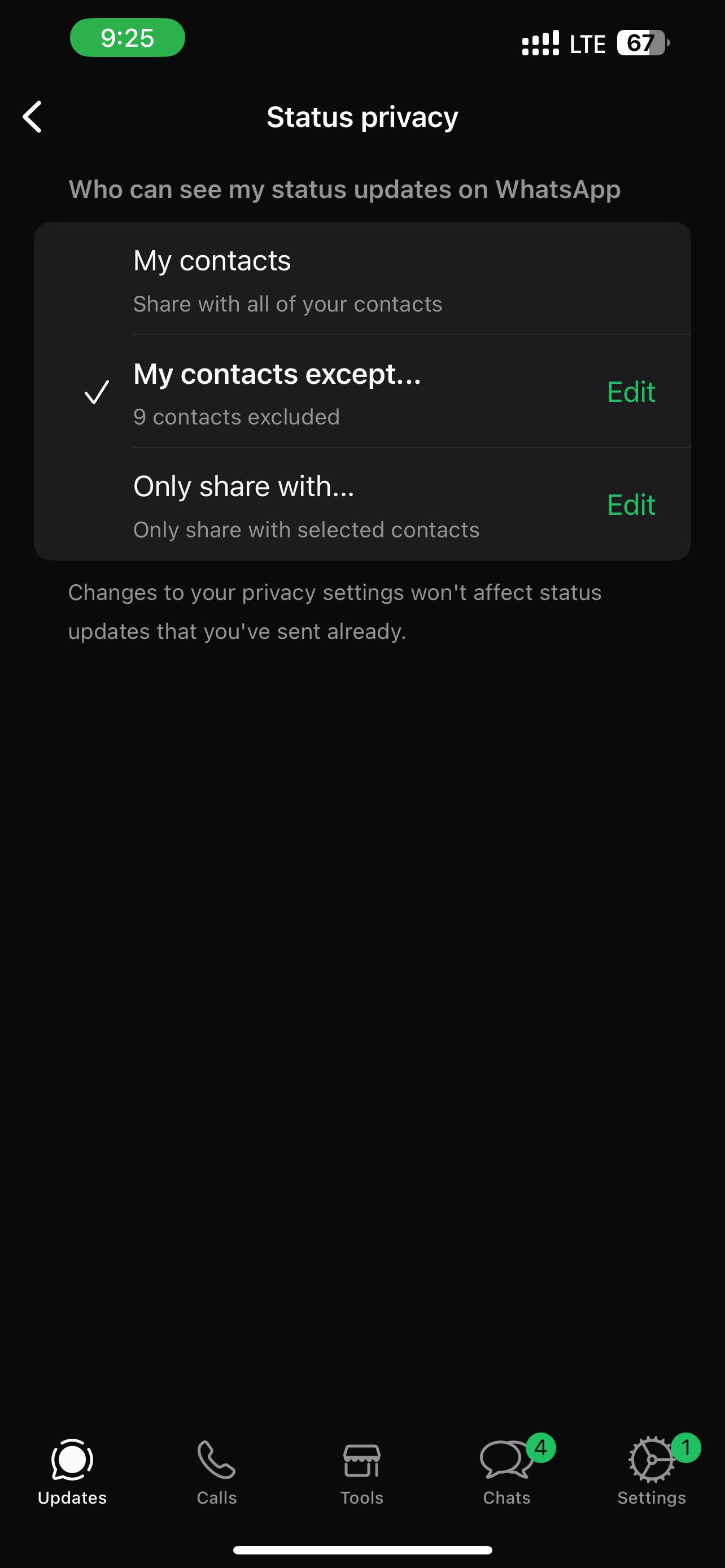
Click on the "More" icon (the three horizontal dots) and select "Status Privacy."
-
Step 3 Limit Audience
Select "My contacts except" to block specific risky contacts, or choose "Only share with" to explicitly whitelist only your most trusted friends and family.
Although these audience restriction methods do not eliminate the technical possibility of screenshots, they make it infinitely more difficult for the wrong person to preserve your daily updates. This remains the most effective practical method for restricting WhatsApp status screenshots.
Method 3: "View Once" Screenshot Blocking
Some users urgently wonder how to prevent WhatsApp from taking screenshots of highly private photographs and videos sent in direct messages. The powerful "View Once" feature is designed exactly for this scenario.
Sending a photo or video with View Once allows exactly one isolated viewing. Its primary purpose is to protect sensitive media so the receiver cannot store, forward, or locally save them. Importantly, WhatsApp heavily blocks saving, forwarding, and screen recording of View Once media. On almost all modern operating systems, internal screenshots are fully blocked and yield a blank screen. (Be aware: Someone might still capture it physically with a secondary phone camera, so it is never completely foolproof).
-
Step 1 Select Media
Start a private chat (individual or group). Tap the "Camera" icon to capture a live snapshot/video, or selectively choose an existing one from your device Albums.
-
Step 2 Enable View Once
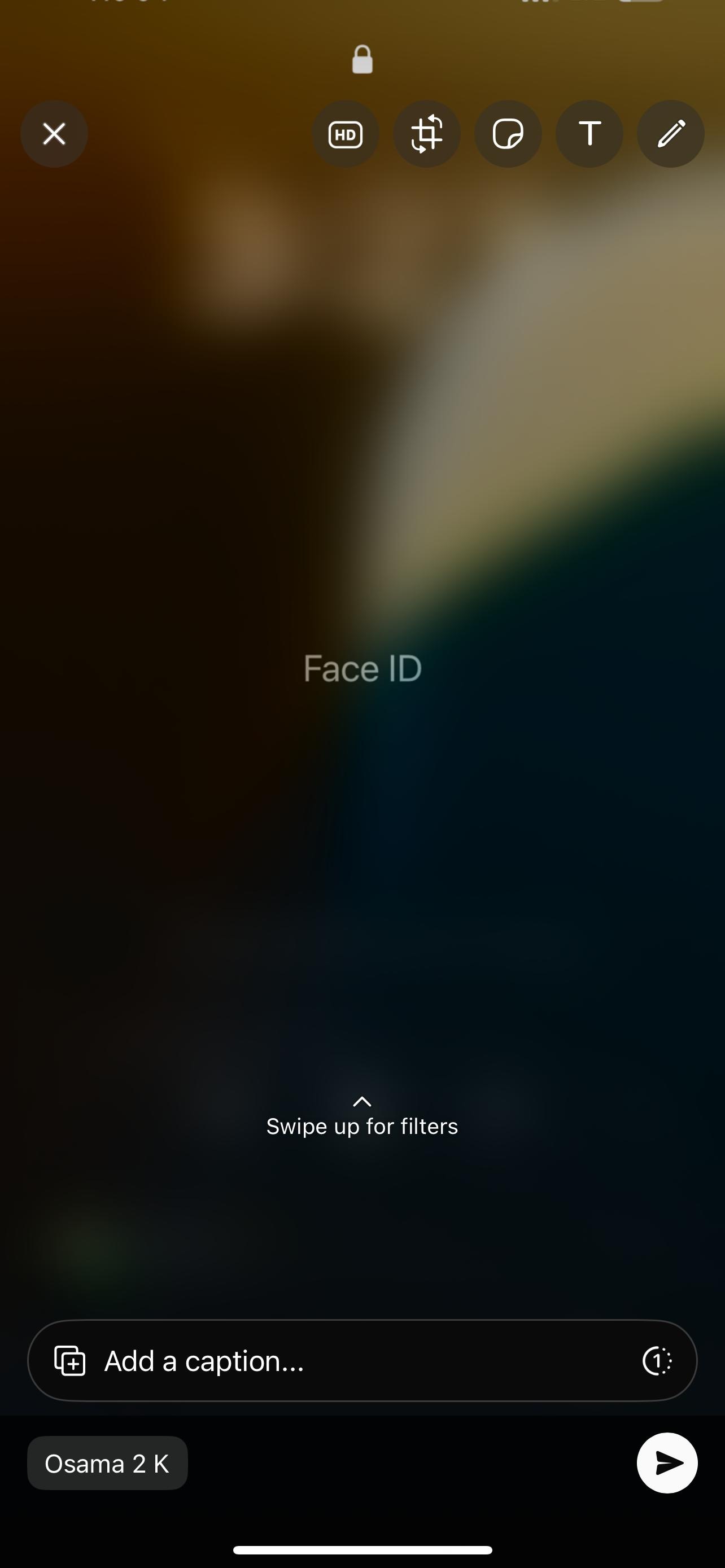
Tap the "View Once" icon (a small circled 1 in the caption bar). It will quickly turn green or solid to indicate the mode is active.
-
Step 3 Send Securely
Click on "Send." Your media will permanently disappear from the chat history after exactly one viewing.
Method 4: Blocking Specific Contacts Entirely
True digital privacy is sometimes best achieved by simply blocking a problematic individual completely. This definitive action helps you block all incoming chats, voice calls, and naturally prevents them from viewing or screenshotting your current profile and status content.
-
Step 1 Open the Chat
Open the specific direct chat with the contact you wish to restrict on your Android or iPhone device.
-
Step 2 Initiate Block (Android)
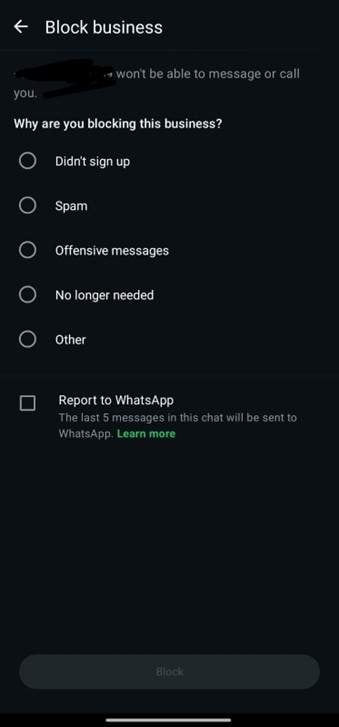
On Android, select the three vertical dots in the top right, tap "More," then choose "Block." Uncheck the report box if you solely want to prevent contact without reporting their account.
-
Step 3 Initiate Block (iPhone)
On an iPhone, tap the contact's name at the very top of the chat to open their profile info. Scroll to the absolute bottom and tap "Block [Name]," then confirm your choice.
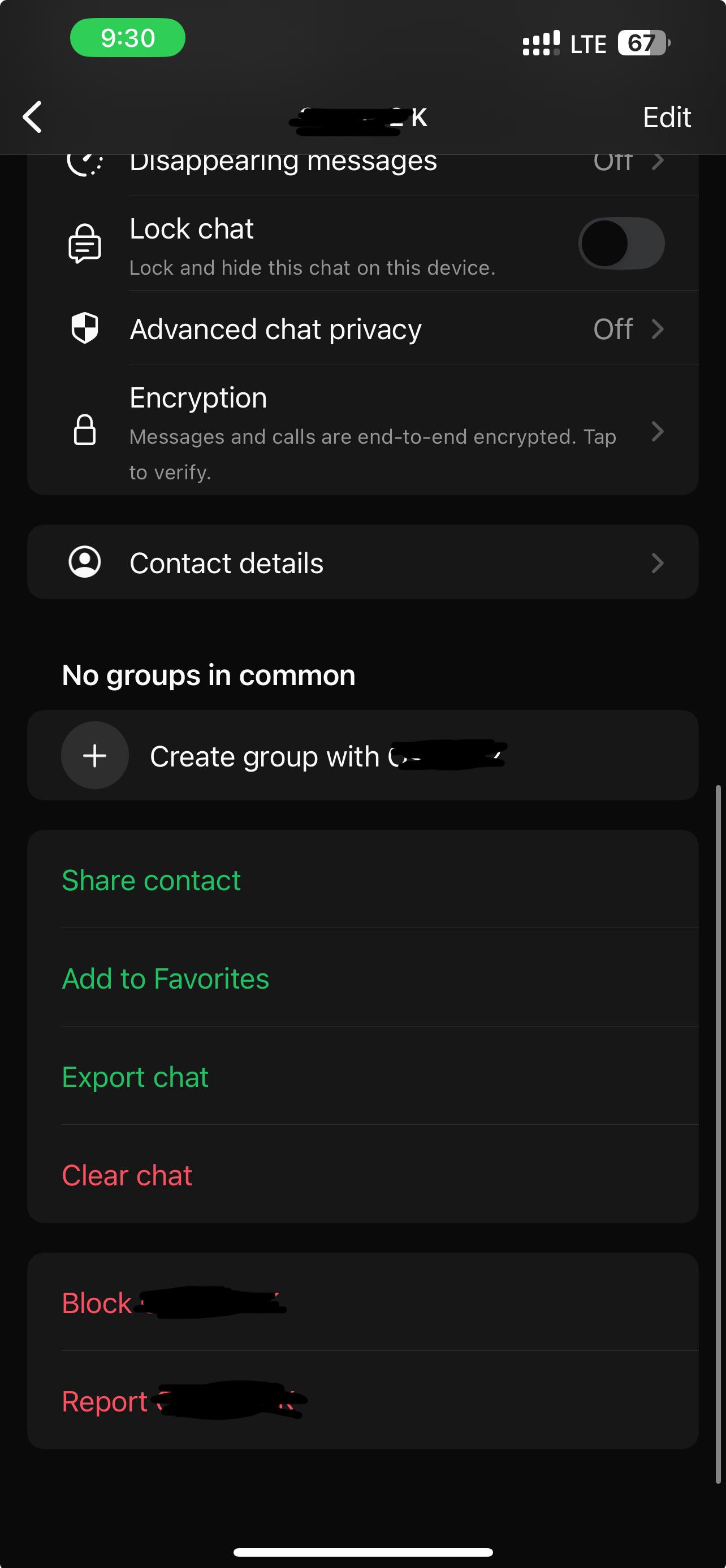
This fundamental security option is undeniably effective. It instantly blocks your profile image, status, and messages from their view, effectively preventing screenshots on WhatsApp from that specific threat vector.
Part 4. Bonus Tips: Can You Recover WhatsApp View Once Messages?
Many active WhatsApp users regularly question whether they can restore or retrieve View Once photographs and videos. By platform design, opening these highly restricted media files permanently erases them after just one viewing. This stringent privacy option often raises practical operational questions—what if you accidentally close the chat too quickly, or the app crashes abruptly before you finish reading the file?
 Recovers data after deletion, crashes, or device damage.
- Supports photos, messages, contacts, WhatsApp, and more.
- Supports all major iPhone, iPad, and iPod models.
- Preview and recover only what you need.
When unexpected data loss occurs during a WhatsApp session, utilizing professional software like Dr.Fone - Data Recovery can be incredibly beneficial. This industry-leading utility is engineered to deeply scan your device's internal storage architecture to safely retrieve missing chat attachments, deleted conversation logs, and corrupted media files without compromising your existing system stability. It serves as a vital safety net for iOS users who inadvertently lose access to crucial communication files due to app crashes or accidental deletions.
By thoroughly analyzing iTunes and iCloud backup layers alongside direct device memory, Dr.Fone maximizes your chances of restoring critical files that standard synchronization might have missed. Its intuitive preview interface ensures you only extract exactly what you need, maintaining full control over your recovered data ecosystem.




Regarding WhatsApp's official stance, the View Once feature allows users to share images, videos, or voice notes that automatically get deleted after a single viewing. If they are not accessed within 14 days, they securely expire. Such temporary messages are strictly not allowed to be saved, forwarded, shared, or captured via screenshot within the application itself. However, WhatsApp constantly warns that they can still be maliciously captured by others using external recording devices (like snapping a photo of the screen with a completely different phone), hence the universal recommendation to share them strictly with contacts that you fully trust.

Even if third-party recovery is occasionally helpful, always strive to respect the sender's original privacy choice. These sophisticated tools protect privacy for a reason. While it may be incredibly tempting to find backdoors and ways around the ecosystem, the absolute safest and most ethical method in 2026 is to firmly recognize that View Once truly means just once.
Conclusion
Exploring exactly how to block screenshots on WhatsApp drastically improves your personal avenues for robust digital privacy. In today's hyper-connected landscape, WhatsApp privacy is significantly more critical than ever. As millions of users indiscriminately share deeply personal chats, financial photos, and intimate status updates everyday, screenshot misuse has escalated into a pervasive global problem. Blocking WhatsApp screenshots by meticulously managing your profile picture visibility, locking down your status audience, or deploying sensitive "View Once" media provides you with an indispensable layer of additional control over who can ultimately see and preserve your stuff. WhatsApp has undoubtedly improved by actively reducing profile image snapshots and completely disabling "View Once" message captures natively, but it is critical to remember that iPhone and Android devices still harbor inherent limitations.
As discussed, if you ever unexpectedly lose critical files and desperately need to recover "View Once" messages or standard attachments due to device failure, you can effortlessly do so using Dr.Fone – Data Recovery – a phenomenally powerful and secure desktop tool that helps you regain access to abruptly disappeared content completely without hassle.
FAQ
-
1. Does WhatsApp actively notify you when someone takes a screenshot of your chat?
No, WhatsApp does not send any notification or alert if someone takes a screenshot of your standard text messages, regular photo attachments, or daily status updates. This is why restricting your audience proactively is so important. -
2. Can I completely disable all screenshots for every WhatsApp conversation?
No, you cannot disable screenshots for standard chat conversations. The built-in screenshot blocking feature only applies to "View Once" media and, in recent updates, full-screen profile pictures. Standard chat bubbles remain entirely vulnerable. -
3. Are third-party WhatsApp screenshot blocker applications safe to use?
Using unauthorized third-party modified apps (like GBWhatsApp) to enforce stricter screenshot blocking is highly risky. These unregulated apps violate WhatsApp's Terms of Service and can result in your phone number being permanently banned from the official network. -
4. How do I know if someone successfully forwarded my View Once message?
You do not need to worry about forwarding. WhatsApp's core architecture strictly prevents any "View Once" media from being forwarded, saved to the device's camera roll, or shared with other contacts under any circumstances.
 Add Wondershare Dr.Fone as a preferred source on Google