Move contacts, messages, photos, videos, app data, and more between iOS and Android.

 100% Security Verified | No Subscription Required | No Malware

 :
: 
 ChatGPT
 Perplexity
 Gemini
 Claude
 Grok
Grok
So, you have just unboxed your sleek new gadget and are eager to explore its cutting-edge features. However, a significant hurdle remains: how do you safely and efficiently transfer old phone data to Xiaomi 11 or similar advanced models? Your previous Samsung smartphone is undoubtedly packed with years of digital memories, including vital business contacts, cherished photos, essential text messages, and highly personalized application settings. In today's fast-paced, tech-driven landscape, migrating this critical information should not feel like an exhaustive, complicated marathon. Yet, without deploying the correct tools or strategies, moving massive amounts of data between two distinct Android ecosystems can quickly escalate into a time-consuming and frustrating ordeal.
To ensure you can begin enjoying your new smartphone immediately, we have meticulously crafted this comprehensive 2026 guide to facilitate a completely hassle-free data migration experience. Whether you are actively searching for the best app to transfer data from Samsung to Xiaomi or simply wondering about the most efficient, built-in techniques to clone Samsung to Xiaomi devices seamlessly, we have curated the ultimate solutions to meet your needs. By following these proven methods, you will bypass the typical headaches associated with file transfers. Are you ready to make the smart switch? Let us dive right in and explore your best options!
In this article
Part 1: Transfer Data From Samsung to Xiaomi Using Mi Mover App
Mi Mover represents the official, dedicated wireless data transfer application engineered specifically by Xiaomi. Its primary objective is to migrate data seamlessly from old Android devices to your newly purchased Xiaomi ecosystem. Remarkably convenient, it typically comes pre-installed on the vast majority of modern Xiaomi smartphones and is also readily available for download via the Google Play Store for older Android devices. By utilizing this utility, you can effortlessly transfer a wide array of data formats, including SMS messages, rich media files, and integral system application data. However, its functionality is designed to offer much more than basic file copying.
Essentially, the Xiaomi Mi Mover app allows you to fully clone your phone from Samsung to Xiaomi, meticulously transferring all your carefully installed applications while keeping their corresponding temporary data completely intact. To facilitate this, the software actively employs a localized, portable Wi-Fi hotspot to establish a direct, high-speed connection between the two devices. If you are prepared to transfer old phone data to Xiaomi 11 using this native tool, ensure the app is functional on both handsets and carefully proceed with the following structured steps:
-
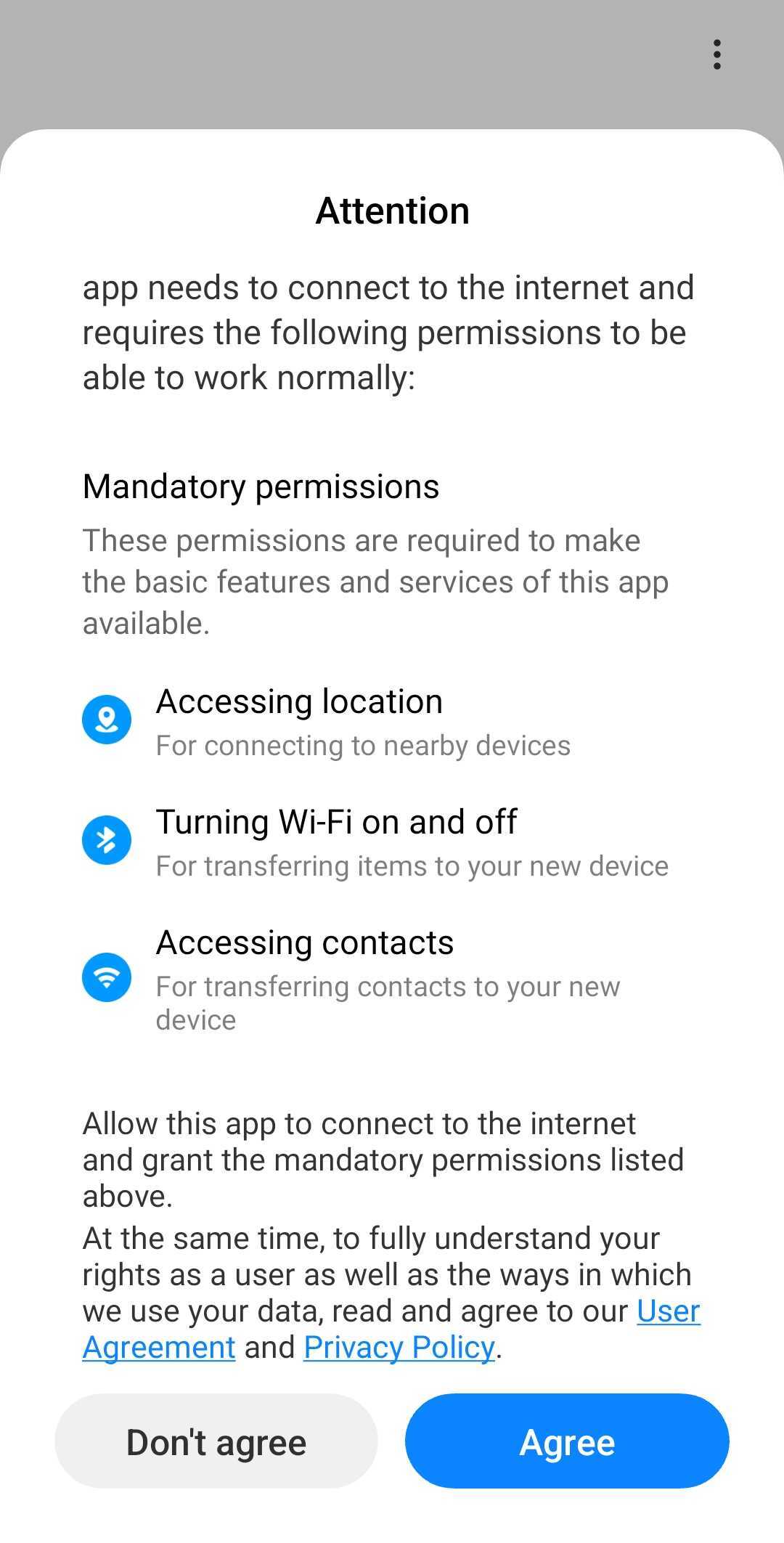
Step 1 Grant Application Permissions
Begin by launching the Mi Mover app on your legacy Samsung device. When prompted, tap the Agree button to firmly permit the app all essential access rights required for scanning your local storage.
-
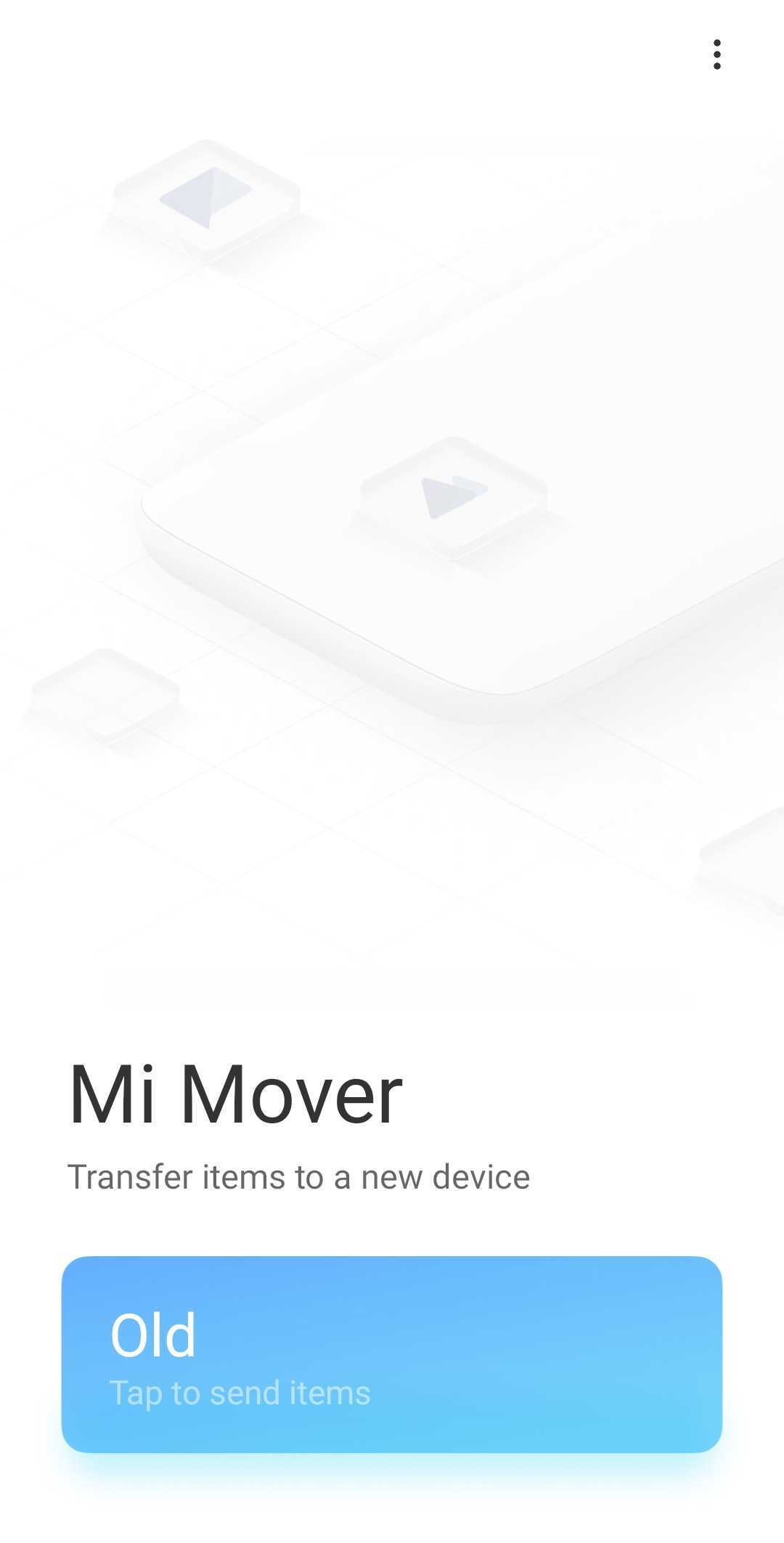
Step 2 Designate the Legacy Device
On your Samsung smartphone's interface, locate and tap the Old device designation. Subsequently, follow any supplementary on-screen prompts to thoroughly accept outstanding permission requests necessary to access your directories and files.
-
Step 3 Prepare the Xiaomi Handset
Simultaneously open the Mi Mover application on your new Xiaomi phone. This time, ensure you tap New to indicate that this is the receiving target device.
-
Step 4 Execute the QR Code Scan
Your Xiaomi device will display a unique, dynamically generated QR code. Utilize your Samsung phone's camera interface (via the Mi Mover app) to actively scan this code, effectively securely bridging the two smartphones together.
-
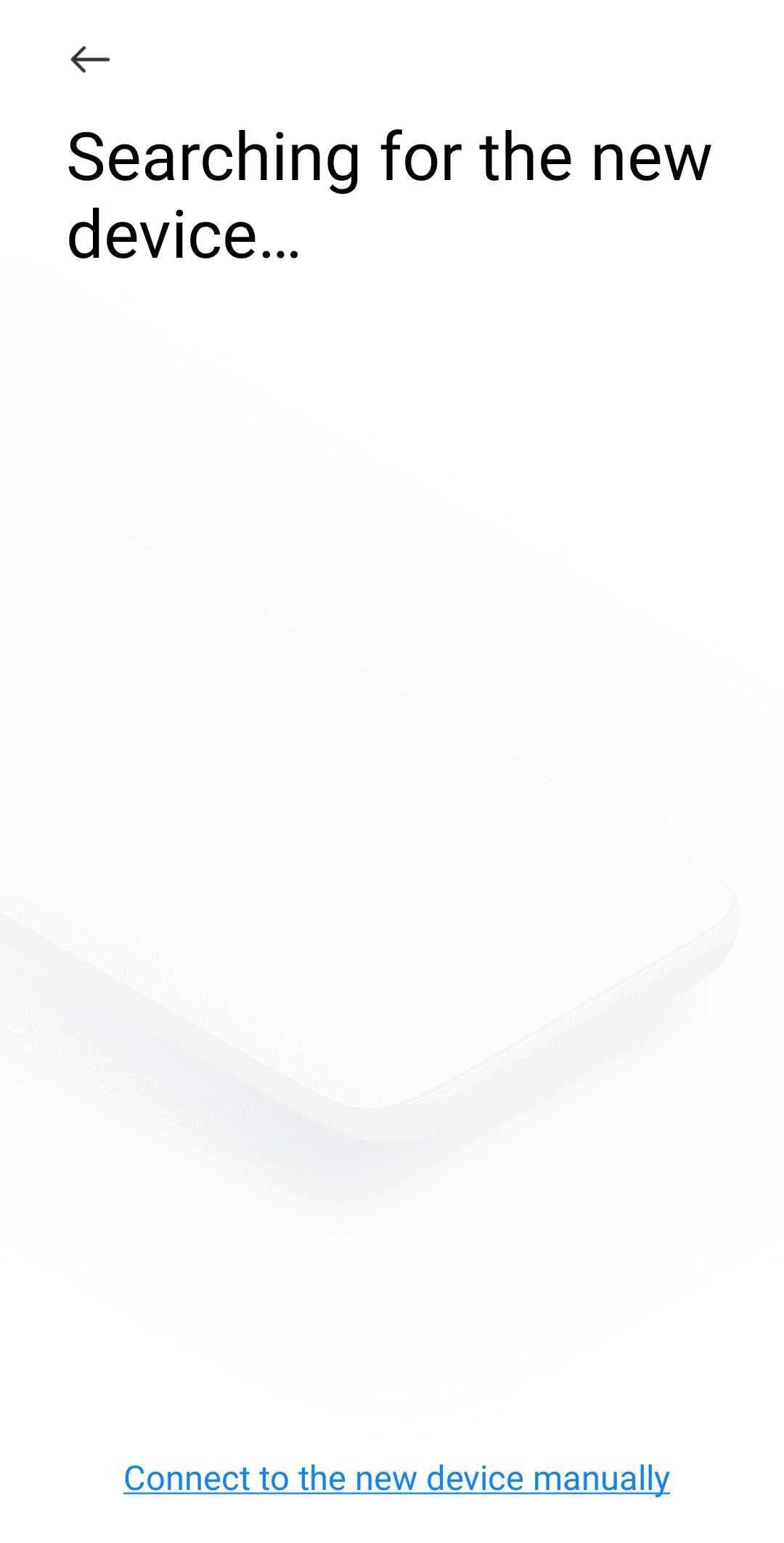
Step 5 Establish the Device Connection
Patiently allow a few moments for the Mi Mover software to successfully authenticate and securely connect your old Samsung handset directly to your new Xiaomi system over the local hotspot.
-
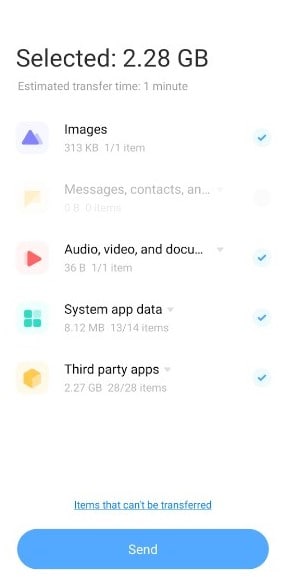
Step 6 Select Data and Initiate Transfer
Once paired, comprehensively browse through the categorized lists and individually select the specific data sets or media files you genuinely wish to migrate. After finalizing your selection, boldly tap Send.
-
Step 7 Maintain Proximity Until Completion
It is strictly imperative to keep both smartphones in close physical proximity and guarantee their screens remain active until the progress bar conclusively indicates the transfer has finished.
While the Mi Mover app is undoubtedly practical for cloning Samsung to Xiaomi phones organically, it is far from being a universally flawless, one-size-fits-all solution. Despite its proficiency in sending files from one Android to a Xiaomi, it notoriously suffers from a complete lack of compatibility with iOS devices. Furthermore, Mi Mover fails to offer the versatile flexibility demonstrated by advanced cross-platform apps that handle data transfers seamlessly between vastly different brands and operating environments. You are strictly confined to transferring data exclusively to Xiaomi phones, which might prove restrictive for users requiring broader utility.
In addition, users frequently report that handling exceptionally large file transfers can be frustratingly slow, and unpredictable compatibility glitches concerning specific app data sets do occasionally manifest. Sudden network disconnections during active transfers only serve to exacerbate this frustration. If the inherent lack of true cross-platform compatibility and these noted operational limitations are absolute deal-breakers for you, we strongly recommend considering robust, specialized third-party desktop applications like Wondershare Dr.Fone to achieve a significantly better, highly reliable data migration experience.
Part 2: Copy Data From Old Samsung to New Xiaomi Via Third-Party Apps
While utilizing Xiaomi's built-in file transfer utility, Mi Mover, offers baseline convenience, modern smartphone users frequently require considerably more flexibility, stability, and granular control over their vital data. This is where advanced desktop solutions like Wondershare Dr.Fone - Phone Transfer dramatically outshine native tools, perfectly equipping you to effortlessly copy or clone data from Samsung to Xiaomi devices with unparalleled precision.
Importantly, Dr.Fone is not merely just another basic file transfer application; it consistently ranks as the absolute best app to transfer data from Samsung to Xiaomi, presenting users with a fully comprehensive, exceptionally reliable, and professional-grade data management ecosystem. Its industry-leading strengths are predominantly highlighted in the following distinct areas:
- Wider Device Compatibility: Dr.Fone is engineered to work flawlessly across radically different platforms. It permits seamless data transmission between varied iOS and Android environments, encompassing Samsung and Xiaomi models. This makes it strictly ideal if you are drastically switching smartphone brands or attempting to safely back up cross-platform data.
- Unprecedented Data Selectivity: Unlike rudimentary tools that force bulk migrations, Dr.Fone grants you the power to exactingly choose specifically what you desire to move. It is functionally perfect for intelligently streamlining your active data and strategically avoiding unnecessary storage clutter on your pristine new Xiaomi smartphone.
- Extensive Data Support Capabilities: Dr.Fone is comprehensively capable of handling an impressive maximum of 15 distinct file types. This diverse spectrum includes high-resolution photos, 4K videos, extensive contacts, SMS messages, diverse music libraries, app payloads, and even intricate call history logs. There is fundamentally no need to execute separate, tedious transfers for differing data categories.
- High-Speed Data Transfer: You can completely forget about agonizingly slow, prone-to-fail Wi-Fi data transfers. Dr.Fone leverages a stable wired connection to complete the entire migration process within a matter of minutes, steadfastly ensuring a remarkably quick, highly stable, and smooth transition to your newly acquired phone.
- User-Friendly Graphical Interface: Even absolute tech novices will immensely appreciate Dr.Fone's meticulously designed, intuitive interface. The complex mechanics of transferring your sensitive data are masterfully reduced to something as astonishingly simple as a single click!
Are you fully ready to give the acclaimed Dr.Fone - Phone Transfer tool a practical try? Below is an exact breakdown of how to clone your Samsung to Xiaomi utilizing this incredibly powerful application:
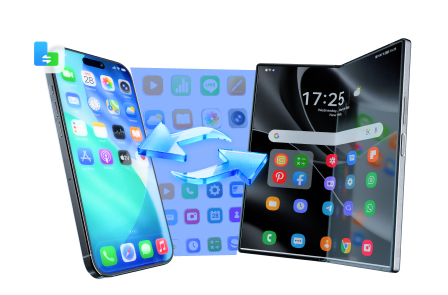
 Move data between iOS to Android and vice versa.
- Transfer contacts, SMS, photos, videos, music, and more types.
- Available with all phones with Android and iOS versions.
- Simple, click-through process.
-
Step 1 Install the Desktop Application
First, securely download and accurately launch the Dr.Fone - Phone Transfer toolkit directly on your Windows or Mac computer system.
-
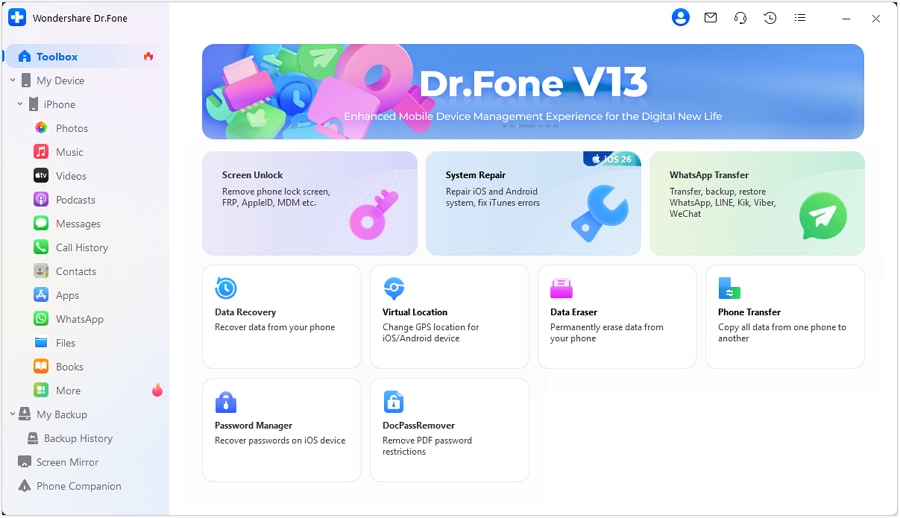
Step 2 Access the Phone Transfer Module
Once the main program has successfully installed and opened, intuitively select the Phone Transfer module prominently displayed on the primary Toolbox homepage interface.
-
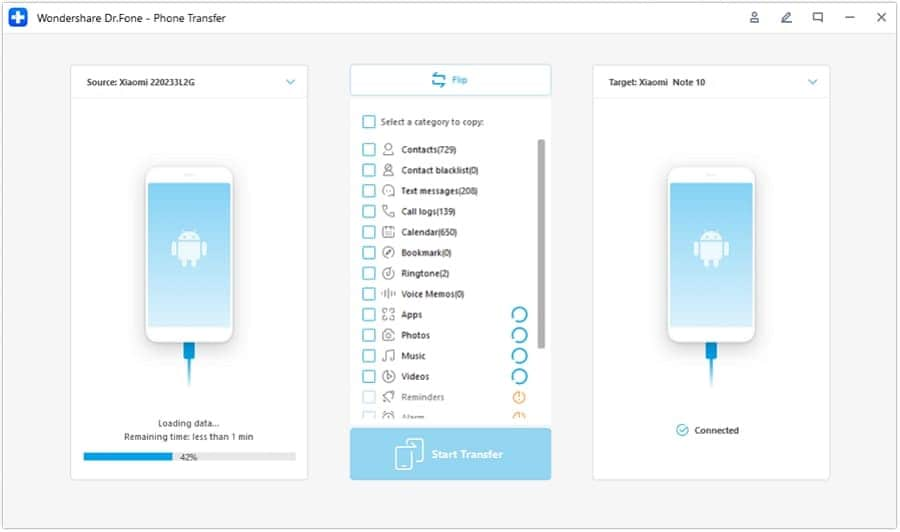
Step 3 Connect Both Handsets
Firmly connect both your legacy old Samsung handset and your brand new Xiaomi phone directly to the computer utilizing premium, data-capable USB cables.
-
Step 4 Configure Source and Target Devices
Carefully utilize the interface to explicitly select the Samsung phone to act as the origin Source device, whilst confirming the new Xiaomi phone is accurately set as the receiving Target device.
-
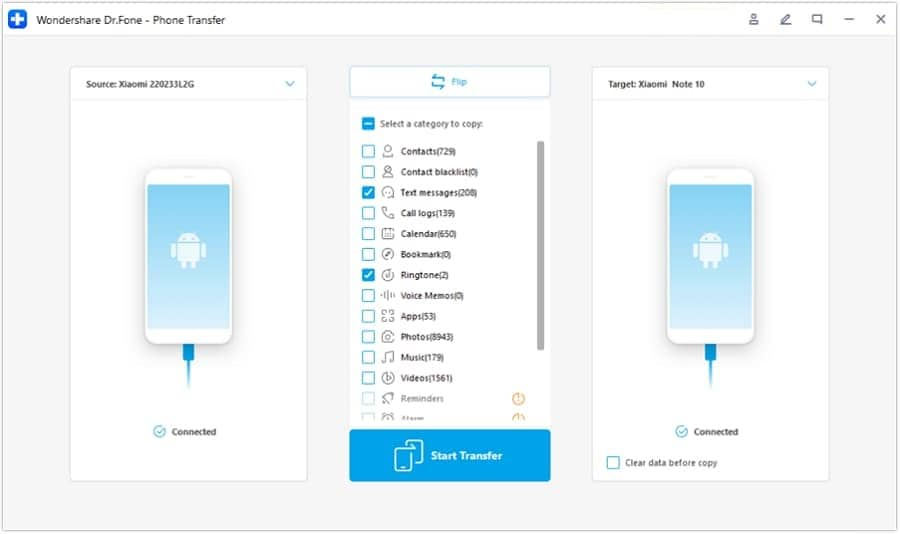
Step 5 Select the Target Data
Methodically review the presented list and meticulously select the corresponding checkboxes reflecting the exact data categories you genuinely wish to successfully transfer across.
-
Step 6 Initiate the Transfer Process
Finally, click the Start Transfer button and comfortably wait as the Dr.Fone engine rapidly and securely copies the chosen data blocks from the Samsung straight into the core storage of the Xiaomi device.
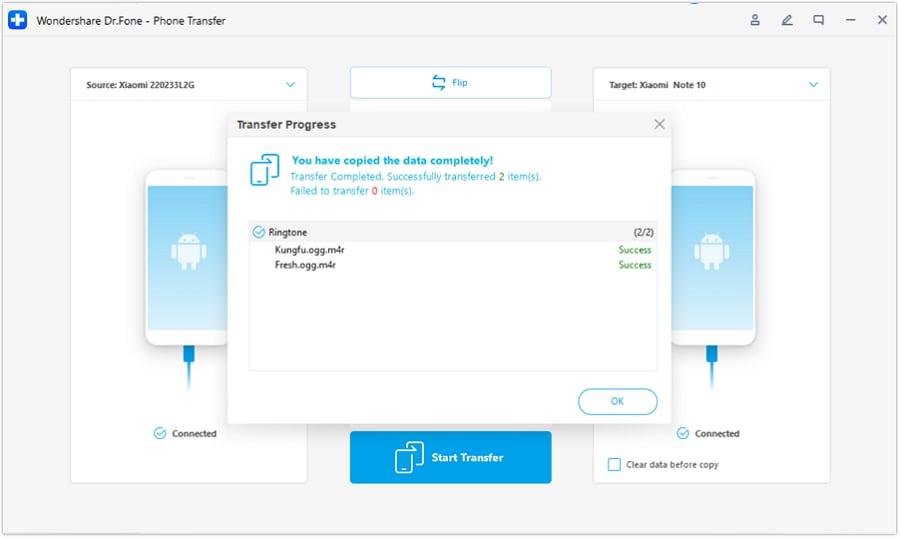
Powered by its unparalleled cross-platform compatibility, granular data control, massively impressive operational speed, and an interface that remains beautifully intuitive, Dr.Fone - Phone Transfer effectively guarantees that cloning phones like Samsung data on Xiaomi is transformed into an exceptionally smooth data transfer experience. If you are seeking a highly robust desktop tool that operates flawlessly offline, then this premium utility perfectly suits your demanding requirements.
However, it is worth acknowledging that Dr.Fone is not necessarily your sole available option on the market. Various other popular alternative choices exist, heavily featuring applications such as MobileTrans and ShareMe. While it must be noted that they often lack the extreme depth of Dr.Fone's most comprehensive administrative features, they nonetheless offer respectably simple and sufficiently user-friendly interfaces tailored for executing basic data transfers exclusively between Samsung and Xiaomi hardware profiles.




Wondershare MobileTrans
The acclaimed MobileTrans platform goes significantly beyond mere standard phone-to-phone transfers, expertly breaking down restrictive platform walls to seamlessly bring your isolated iCloud data over to virtually any smartphone architecture. Much like the functionality found in Dr.Fone, it boldly boasts vastly impressive device compatibility, comfortably allowing you to clone your phone from Samsung to Xiaomi and conversely vice versa, alongside supporting various iOS devices. It critically also offers vital selective transfer mechanisms and effectively supports a highly respectable range of critical file types. You can routinely use it to rapidly move well over 18 distinct data types, ranging organically from standard text messages and core contacts to heavy media files and localized apps. While perhaps slightly less feature-rich than the overarching Dr.Fone suite, MobileTrans remains a remarkably solid, highly dependable choice for those earnestly seeking a safe, broadly capable, user-friendly desktop solution.
ShareMe
Conversely, ShareMe functions primarily as an active file-sharing application tailored strictly for Android devices, originally developed directly by Xiaomi and previously recognized globally under the moniker Mi Drop. You can conveniently also use it to directly clone Samsung to Xiaomi using a relatively simple localized QR code scanning methodology. Ultimately, ShareMe acts as a highly suitable choice for executing casual, ad-hoc file sharing and routine everyday file movement tasks; nevertheless, it may not prove remotely ideal for demanding users who systematically need to safely transfer massive amounts of deeply ingrained system data or inherently require highly advanced management features.
While powerful third-party desktop and mobile applications inevitably offer superior control and operational flexibility, there are certainly times when you might specifically look for the raw simplicity of a fundamentally built-in hardware solution. In that specific scenario, you can always revert to utilizing classic Bluetooth functionality. Readily found implemented on virtually all modern Android devices, strictly including your legacy Samsung and brand new Xiaomi, Bluetooth technology organically allows for totally wireless data transfer, effectively eliminating any stringent need for physical USB cables, the setup of localized Wi-Fi hotspots, or the tedious downloading of expansive third-party apps.
But the ultimate question remains: can this older protocol truly compete with the absolute best app to transfer data from Samsung to Xiaomi? Keep reading onward to thoroughly explore the real-world potential of this vintage method and determine precisely if it can adequately handle your specific phone transfer needs today.
Part 3: Move Data From Samsung Galaxy to Xiaomi Using Bluetooth
While dedicated apps like Mi Mover, advanced desktop software like Dr.Fone, and other versatile third-party applications provide exceptional, high-speed options for seamlessly transferring data, what exactly should you do if relying on tangled cables and setting up complex Wi-Fi networks are not your preferred choices? You can always pivot to utilizing a highly traditional, universally accessible approach like Bluetooth. This foundational wireless technology remains actively available on nearly all smart devices globally, intrinsically including both legacy Samsung Galaxy hardware and cutting-edge Xiaomi smartphones.
Here is an easy-to-follow guide on exactly how to practically use Bluetooth to securely clone your Samsung to Xiaomi for enacting simple, small-scale data transfers:
-
Step 1 Enable Bluetooth Visibility
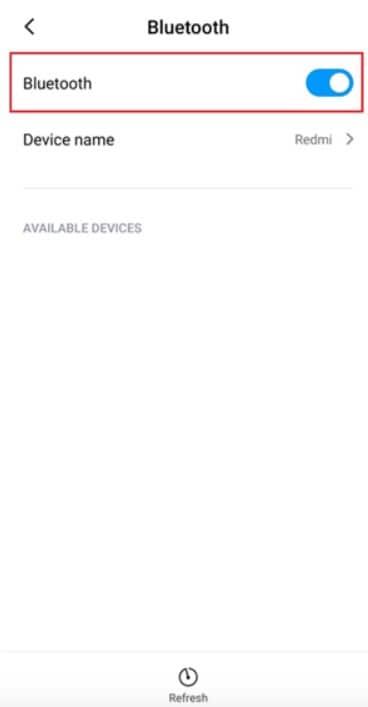
First, navigate directly to Settings > Connections > Bluetooth on the source Samsung phone, and similarly head to Settings > Bluetooth for the receiving Xiaomi device. Ensure you toggle on the Bluetooth functionality for both disparate devices and explicitly confirm they are configured to be publicly visible to one another.
-
Step 2 Initiate the Device Pairing
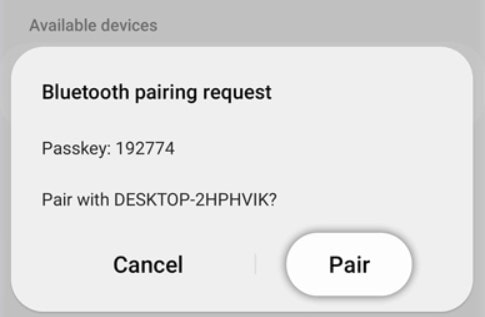
Carefully choose the opposing phone's broadcasted name from the actively populated list of available nearby devices appearing on each device's screen. Promptly tap Pair to definitively confirm the mutual pairing request simultaneously on both smartphones.
-
Step 3 Select the Desired Files
Next, proceed to open the primary file manager application residing on your Samsung and methodically choose the specific standalone files you genuinely want to send. Highly distinct items like singular photos, short videos, and compressed music tracks are typically ideal for a standard Bluetooth transfer.
-
Step 4 Execute the Share Command
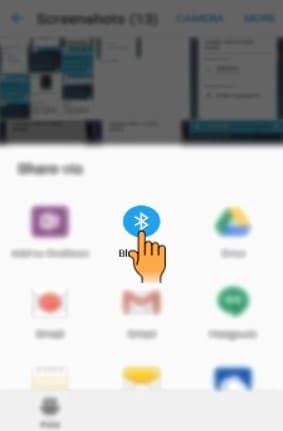
Firmly tap the universal Share icon located on the selected files' context menu, then deliberately choose the Bluetooth protocol option. From the ensuing target list, carefully select your newly paired Xiaomi phone as the intended recipient.
-
Step 5 Authorize the Incoming Transfer
Finally, promptly accept the incoming file payload request on your Xiaomi display interface and decisively choose an appropriate local save location to complete the action.
It is crucially important to understand that standard Bluetooth transfer speeds are drastically and significantly slower than modern Wi-Fi Direct protocols or specialized, dedicated transfer apps. Consequently, attempting to move remarkably large files or conducting extensive, full-scale data migrations utilizing this method is absolutely not recommended or ideal. Additionally, the functional range of a Bluetooth connection is strictly limited by localized interference, mandating that you meticulously keep your two phones physically close together uninterruptedly during the entirety of the transfer process. Finally, it is vital to acknowledge that not all complex data types, such as deeply integrated call history logs or intricate system configuration settings, can logically be transferred via a basic Bluetooth channel.
While utilizing Bluetooth might certainly not qualify as the best app to transfer data from Samsung to Xiaomi due to its severe speed limitations, it remains a highly convenient, instantly available fallback option for quickly sharing smaller, isolated files totally wirelessly. For a substantially more robust alternative capable of handling larger loads, let us thoroughly explore the vast potential of online, cloud-based methods next.
Part 4: Transfer Samsung Data to Xiaomi Using Google Account
By now, you have comprehensively explored localized wireless and strictly offline options, but what about efficiently leveraging the immense power of the digital cloud? You can practically use your existing Google Account infrastructure to reliably clone your data from Samsung to Xiaomi devices with relative ease. A standard Google Account universally comes bundled with a generous 15GB of free foundational cloud storage, seamlessly accessible through integrated platforms like Google Drive, Google Photos, and the Gmail ecosystem.
Crucially, these interconnected services are globally accessible from virtually any smart device possessing a stable internet connection. You can intelligently utilize your allocated Google Account cloud storage capacity to continually sync and safely backup several highly critical files natively residing on your Samsung device, such as application databases, sprawling media files, traditional SMS and MMS messages, extensive call history records, and comprehensive address book contacts.
Let us thoroughly examine how your Google Account ecosystem can actively facilitate your impending data migration securely:
-
Step 1 Initiate the Cloud Backup
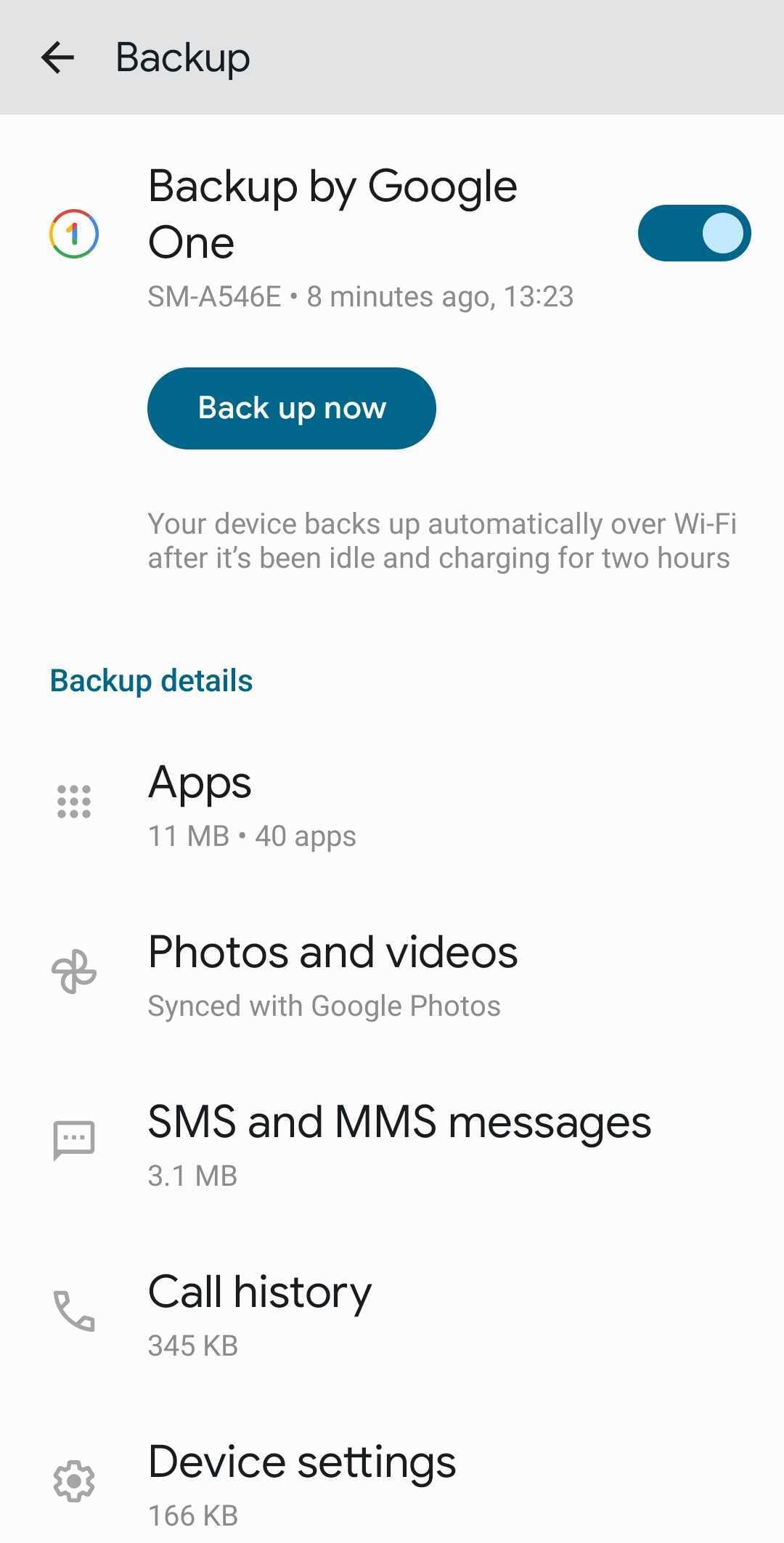
Start by opening your Samsung's core Settings app, navigate directly to Google > Backup, and then purposefully tap the Back up now command button. Always ensure you explicitly enable the Backup by Google One toggle switch if it happens to be your very first time actively using this integrated feature.
-
Step 2 Configure the Sync Parameters
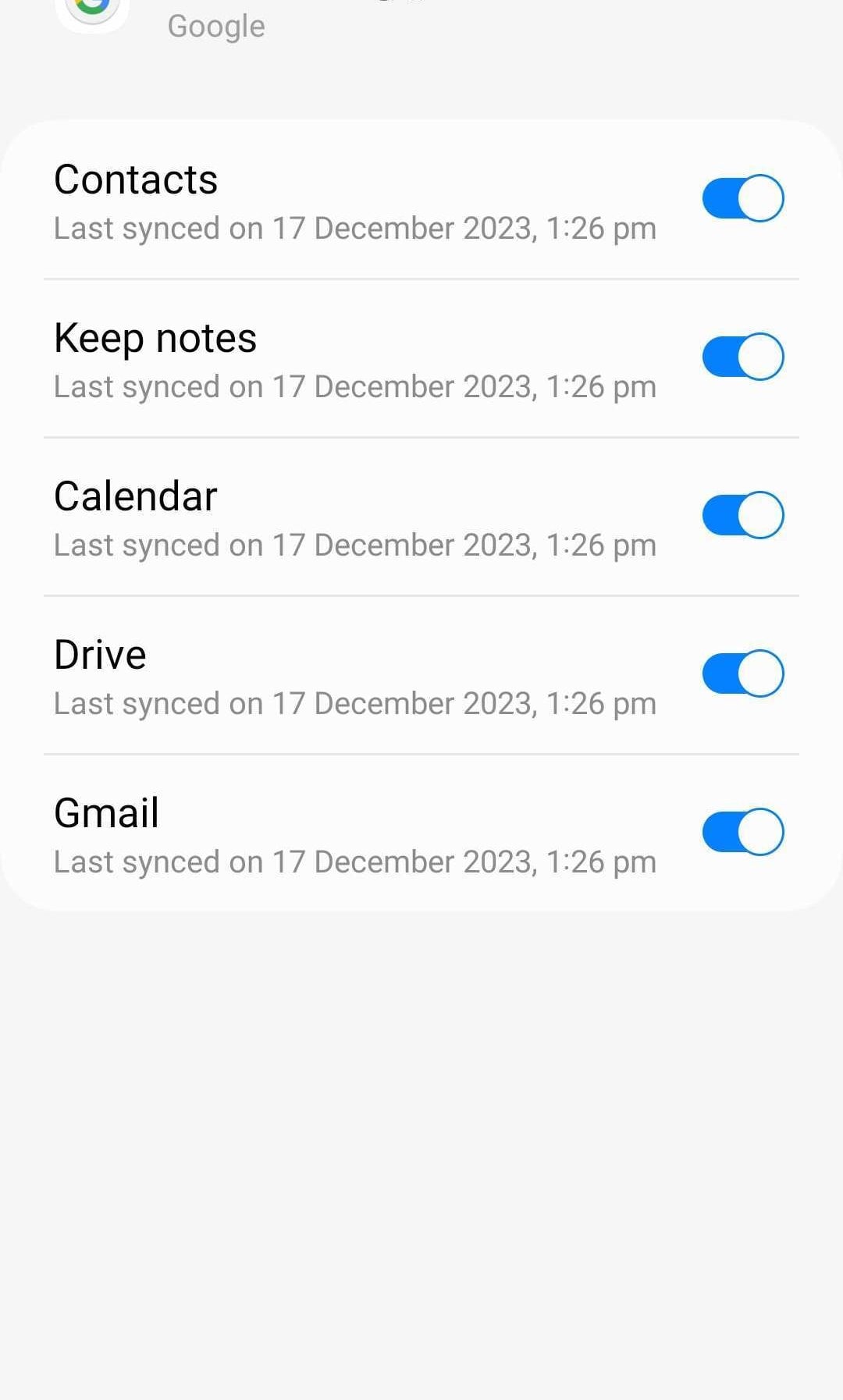
Carefully scroll further down the menu, definitively tap on Google Account data, and then manually toggle on the specific background services and data types you genuinely need to securely sync to the cloud infrastructure.
-
Step 3 Execute the Data Restoration
Once the backup achieves total completion, officially sign in utilizing the exact same Google Account credentials on your fresh Xiaomi handset. The Android operating system automatically detects this and intelligently restores the thoroughly backed-up data payload directly to your new phone during the setup phase.
While relying on centralized cloud transfer inherently offers undeniably excellent remote convenience, it unfortunately comes saddled with a few notable, potentially disruptive limitations. Primarily, your local internet upload and download speed plays an absolutely crucial role, so you should realistically prepare for some extended coffee breaks during the movement of exceptionally large media file transfers. Furthermore, severely limited storage space remains another heavily restricting factor. A standard Google Account exclusively offers merely 15GB for free, meaning that executing extensive, multi-gigabyte data migrations inherently requires purchasing costly additional premium storage tiers. Manually managing uploading and downloading queues can often feel frustratingly tedious compared to the seamless, one-click experience of dedicated app-based desktop solutions. Lastly, conducting a full-scale, comprehensive backup and complete restoration cycle of your entire Google One data repository may frustratingly take upwards of 24 hours to entirely process and finalize.
Conclusion
In 2026, switching modern smartphones is an incredibly easy endeavor, and so is the associated data transfer process, provided you utilize the correct methodologies. This expansive guide has meticulously detailed several highly effective methods to successfully clone your data from Samsung to Xiaomi devices, encompassing traditional techniques like slow Bluetooth transfers and more modernized approaches like centralized cloud syncing via Google.
While natively built-in tools like Xiaomi's Mi Mover clearly offer a passable baseline solution for casual users, transferring comprehensive data packages from Samsung to Xiaomi can be made vastly smoother, faster, and infinitely more secure with the deployment of the right specialized app. The Dr.Fone suite, for notable example, severely excels above the competition with its highly intuitive visual interface, incredibly fast offline cross-platform transfer speeds, and unmatched ability to flawlessly handle several disparate file types simultaneously without data loss. Ultimately, if you truly desire total operational simplicity intertwined with absolute data flexibility, Dr.Fone firmly stands as the best app to transfer data from Samsung to Xiaomi today. Remember, copying sensitive files across competing brand ecosystems is strictly not limited merely to pre-installed, restrictive options. Take the time to thoughtfully explore the proven methods outlined above and choose your path wisely.
FAQ
-
1. Does Mi Mover transfer WhatsApp chats from Samsung to Xiaomi?
Unfortunately, Mi Mover typically struggles with or outright fails to transfer complex, encrypted cross-platform app data like complete WhatsApp chat histories seamlessly. For highly secure, end-to-end encrypted apps, it is significantly better to utilize specialized tools like Dr.Fone - WhatsApp Transfer or rely on WhatsApp's native Google Drive backup functionality. -
2. Can I transfer my installed apps via Bluetooth?
No, Bluetooth is fundamentally designed merely for moving standalone, simple media files such as photos, isolated videos, or singular documents. It entirely lacks the complex protocol architecture necessary to safely migrate compiled application packages (APKs) or their associated intricate system data. -
3. Will transferring data to my new Xiaomi phone delete it from my old Samsung?
No, standard cloning and copying methods simply duplicate the data packages. Unless you explicitly choose to utilize a dedicated "Data Eraser" tool on your legacy device afterward, all your original data will remain completely untouched and securely intact on the old Samsung smartphone. -
4. How long does the data transfer process normally take?
The required duration is entirely dependent upon the specific method selected and the total volume of data. Wired desktop solutions like Dr.Fone usually complete in mere minutes, whereas wireless methods like Mi Mover or Google Cloud Backup can take anywhere from twenty minutes to several hours depending heavily on Wi-Fi stability and internet bandwidth.
 Add Wondershare Dr.Fone as a preferred source on Google