Resolve common problems and system crashes on both iPhone and Android devices.

 100% Security Verified | No Subscription Required | No Malware

 :
: 
 ChatGPT
 Perplexity
 Gemini
 Claude
 Grok
Grok
Apple devices are known for their exceptional performance and reliability, but even the most advanced iOS systems can encounter unexpected technical setbacks. One of the most frustrating experiences for users in 2026 is dealing with an iPhone crash that suddenly disrupts daily tasks, important communications, or gaming sessions. Whether you are dealing with a legacy iPhone 6 crashing under the weight of modern apps or a newer model experiencing a sudden black screen, the root causes are often surprisingly similar.
When an iPhone keeps crashing, it is rarely a sign that your device is completely broken. More often than not, it is a symptom of software conflicts, thermal throttling, or minor hardware communication errors that can be remedied at home. In this comprehensive guide, we will explore a range of highly effective fixes and solutions to address persistent crashing problems. From basic on-device troubleshooting steps to professional-grade iOS repair tools, you will discover exactly how to stabilize your device and prevent future crashes.
In this article
Part 1. What Are the Core Reasons Behind iPhone Crashing?
Pinpointing the exact reason why your iPhone keeps crashing requires an understanding of how iOS manages memory, power, and applications. The issues usually fall into either software-related system conflicts or hardware limitations. Below, we break down the most common culprits responsible for an unexpected iPhone crash.
Insufficient Storage Memory
Running out of local storage space is one of the leading causes of device instability. When a device's storage is nearly full, it dramatically affects read/write speeds, leading to slow app response times, screen freezing, and inevitable crashes. Apple's iOS ecosystem typically requires a minimum of 10% of total storage to remain free. Without this buffer, the operating system struggles to manage background processes, cache files, and virtual memory paging, directly resulting in an iPhone crash.
Thermal Throttling and Overheating
While iPhones are engineered to handle demanding tasks, extended resource-intensive activities—such as high-end 3D gaming, continuous GPS navigation, or rendering 4K videos—can generate excessive heat. If the internal temperature surpasses safe operational limits, iOS initiates built-in thermal protection mechanisms. This acts as a safeguard, causing the device to abruptly shut down or crash apps to rapidly lower the temperature and prevent permanent damage to internal components.
System Software Glitches
Software-related anomalies are frequently to blame when an iPhone keeps crashing. These issues can stem from a variety of factors, including conflicts between the core iOS architecture and third-party applications. Outdated operating systems or unpatched bugs within iOS can disrupt the device's stability. When an app attempts to execute a command that the current iOS version cannot process correctly, it triggers a system-wide crash or forces the device to reboot unexpectedly.
Hardware Component Failures
Though less common than software issues, physical hardware degradation can cause chronic crashing. These hardware problems can range from a degraded battery failing to deliver peak voltage, to intricate issues within the motherboard's circuitry. For instance, if the logic board or memory module is damaged from a drop or water exposure, the device cannot process data reliably. In such cases, the device will often crash and enter a boot loop to protect itself from electrical shorts.
Rogue or Poorly Optimized Apps
Certain third-party applications, especially those carrying unpatched bugs or utilizing non-optimized code structures, can easily destabilize your iPhone. If an app commands excessive RAM or CPU cycles due to a memory leak, it starves the rest of the operating system. Consequently, simply opening or using that specific app will lead to an immediate crash. Furthermore, users who sideload unauthorized tweaks or utilize jailbroken environments face an even higher risk of app-induced system instability.
Part 2. 8 Quick and Effective Ways to Fix iPhone Crashing
Resolving an iPhone crash is often a matter of moving through a systematic process of elimination. Whether you are dealing with an older iPhone 6 crashing or a newer flagship model struggling with iOS bugs, the following 8 proven solutions—ranging from basic device management to specialized repair utilities—will help restore your device's stability.
Fix 1. Force Quit the Problematic App
As previously mentioned, rogue apps that monopolize CPU resources can trigger system-wide instability. If your device only crashes when a specific application is active, force quitting that app is your first line of defense. Force closing an app immediately halts its background processes, purging it from the active memory and giving the iOS environment the breathing room needed to recalibrate.
Step 1 Access the App Switcher
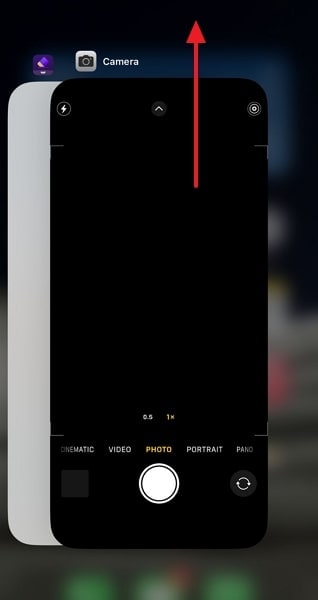
On devices without a home button, swipe upward from the very bottom edge of your screen and pause briefly in the middle to bring up the app switcher. (If you are addressing an iPhone 6 crashing issue, simply double-click the physical Home button).
Step 2 Close the Unresponsive App
Swipe left or right to locate the problematic app. Once found, swipe the app's preview card firmly upward and off the screen to force close it. Relaunch the app to see if stability has been restored.
Fix 2. Avoid Overheating the iPhone
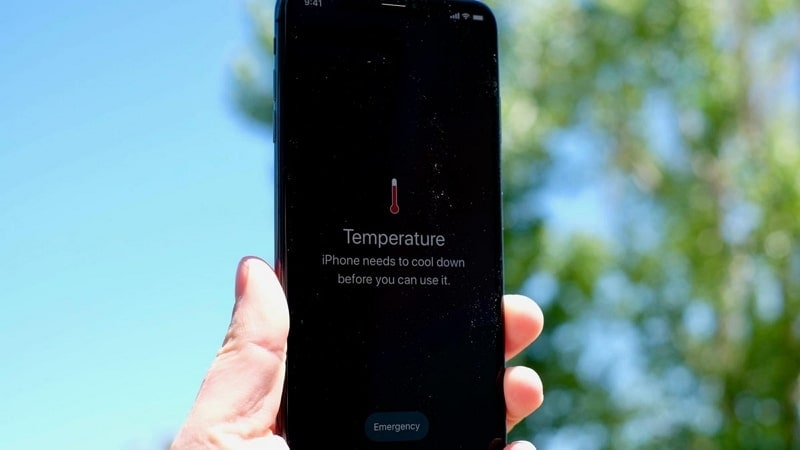
An overheating iPhone will intentionally shut itself down to prevent internal melting and battery degradation. If you notice your device feels unusually hot to the touch right before a crash, thermal management is required. Avoid placing your phone in direct sunlight, especially on car dashboards during navigation. If you are charging the device while performing heavy tasks, the generated heat is compounded.
To mitigate this, remove any thick, heat-trapping protective cases while charging. Allowing the device to breathe freely promotes better heat dissipation. Additionally, pause any resource-intensive activities—like video editing or gaming—until the device returns to a normal operating temperature.
Fix 3. Increase the iPhone Storage Space
When an iPhone keeps crashing, a bloated storage drive is frequently the silent culprit. Without sufficient virtual memory space, iOS cannot swap background data efficiently. You must ensure that you always maintain a healthy buffer of free space. Clearing out old message threads, offloading unused apps, and backing up photos to iCloud can quickly relieve storage pressure.
Step 1 Check Storage Capacity
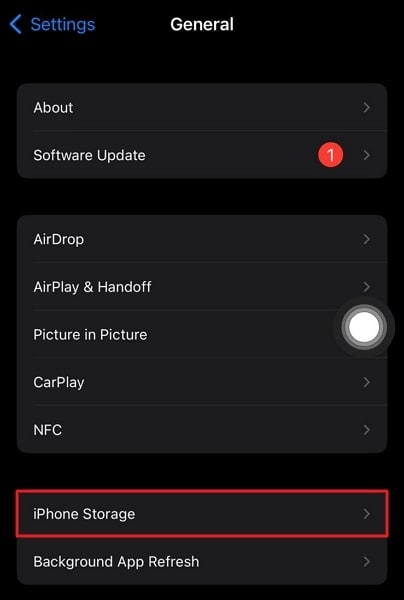
Navigate to the "Settings" app on your home screen. Tap on "General" and then select "iPhone Storage." The top of the screen will display a color-coded bar chart detailing exactly which file types are consuming your memory.
Step 2 Offload or Delete Heavy Apps
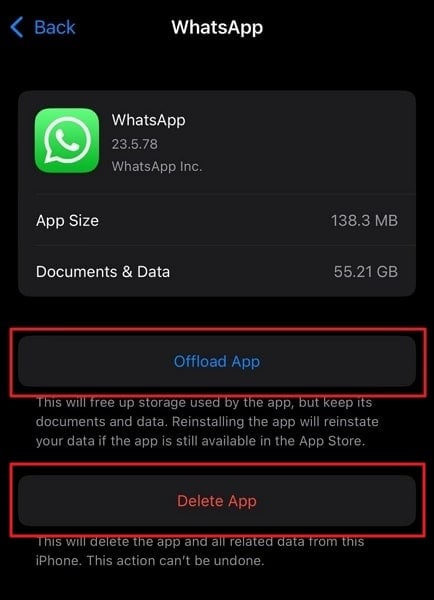
Scroll down the list of apps sorted by size. Tap on an app you rarely use. You can either select "Delete App" to completely remove it and its data, or choose "Offload App" to delete the core application size while safely retaining your personal data and documents.
Fix 4. Hard Reset the iPhone
If your device is completely frozen and unresponsive to touch inputs, a standard restart will not work. In this scenario, executing a hard reset (force restart) is necessary. A hard reset physically cuts the power cycle to the logic board, wiping the temporary RAM cache and forcing the operating system to boot from scratch. This process is entirely safe and will not erase your personal data.
Step 1 Perform the Button Sequence
For modern iPhones, quickly press and release the "Volume Up" button. Immediately follow this by quickly pressing and releasing the "Volume Down" button.
Step 2 Hold for Apple Logo
Finally, press and hold the "Side" (Power) button. Keep holding it down—even if you see the "Slide to power off" slider—until the screen goes black and the Apple logo proudly appears. Release the button and let the device boot normally.

Fix 5. Update All Installed Apps
An app that was perfectly stable on an older version of iOS might become a liability after a system update. Developers constantly release application patches to fix memory leaks and compatibility errors. If your iPhone keeps crashing randomly while navigating the home screen, pending app updates could be the missing link to stability.
Step 1 Access the App Store Profile
Open the App Store application. In the top right corner of the screen, tap on your Apple ID profile icon to open your account settings and pending updates list.

Step 2 Execute Updates
Scroll down gently to refresh the page and view the list of available updates. Tap the "Update All" button to install the latest versions of every app simultaneously, ensuring maximum compatibility across your device.

Fix 6. Update the iOS Firmware
Apple regularly deploys overarching iOS firmware updates specifically designed to patch system-level bugs, security vulnerabilities, and crash-inducing glitches. An outdated operating system is a prime suspect when dealing with chronic instability. Updating your device provides a clean slate for core system files.
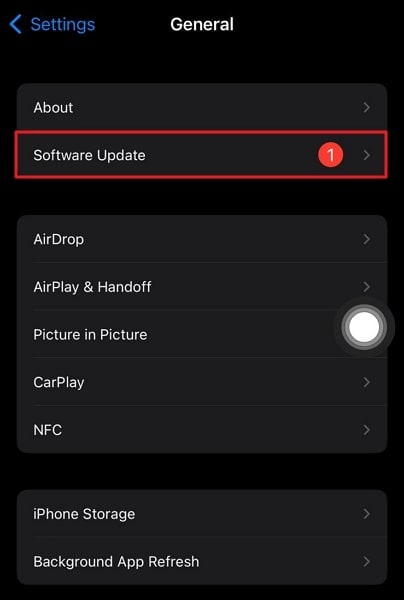
Step 1 Check for Firmware Updates
Open the "Settings" app, tap on "General," and select "Software Update." Your device will communicate with Apple's servers to detect the latest available iOS build.
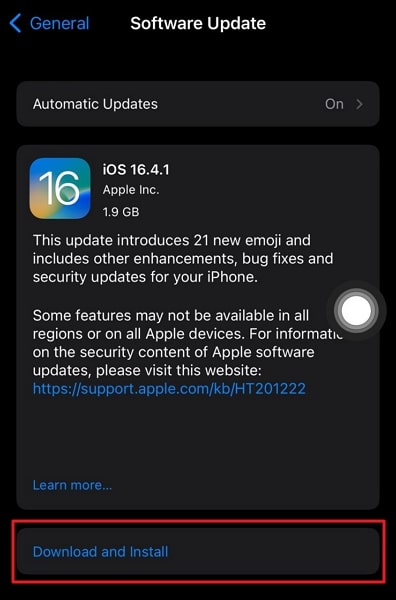
Step 2 Install the Latest iOS
If an update is populated, tap "Download and Install." Ensure that your iPhone is connected to a strong Wi-Fi network and has at least a 50% battery charge (or is plugged into a power source) before initiating the installation process.
Fix 7. Reset All Device Settings
Over months and years of use, complex network configurations, Bluetooth pairings, and accessibility settings can become tangled, creating invisible conflicts that crash the OS. Resetting your settings acts as a deep clean for system preferences without touching your personal media, photos, or app data.
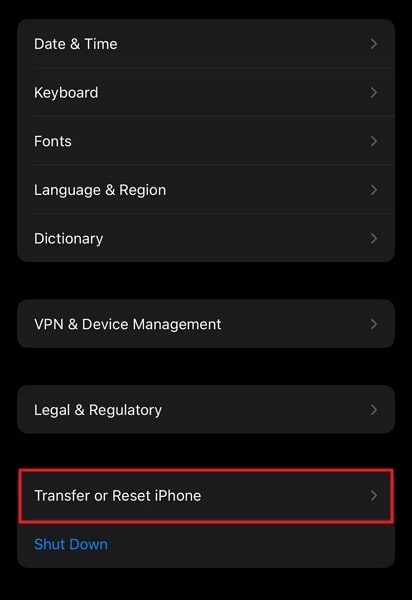
Step 1 Navigate to Reset Options
Go to "Settings" > "General." Scroll all the way to the bottom and select "Transfer or Reset iPhone." On the subsequent screen, tap the "Reset" button.
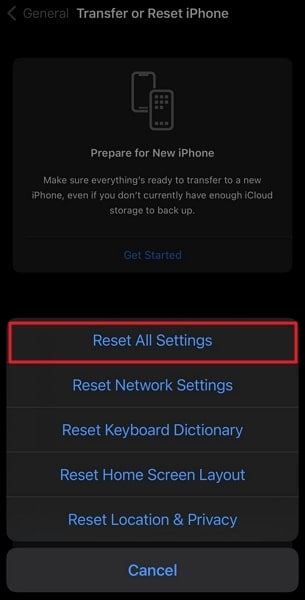
Step 2 Confirm Reset All Settings
From the pop-up menu, choose "Reset All Settings." You will be prompted to enter your device passcode. Confirm your choice to reboot the device and restore all network and system preferences to their factory defaults.
Fix 8. Stop iPhone Crashing With the Best System Repair Tool
If you have exhausted all basic troubleshooting methods and your device still suffers from random reboots or boot loops, the core iOS architecture itself may be deeply corrupted. In this critical scenario, you need a specialized desktop utility to securely rewrite the operating system. The premier software for tackling severe iOS disruptions is Wondershare Dr.Fone. Designed for both casual users and IT professionals, this tool can swiftly resolve over 150 complex system errors—including persistent crashing, white screen of death, and recovery mode loops—without sacrificing a single byte of your personal data.
 Fix iOS issues, no data loss.
- One-click repair for all iOS problems.
- Solve recovery mode, Apple logo, black screen, etc.
- Upgrade or downgrade iOS without iTunes
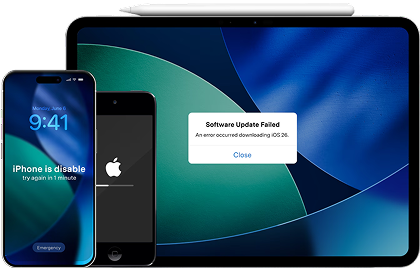
Using Dr.Fone eliminates the frustration of iTunes restore errors and provides an intuitive, visually guided repair process. Follow these straightforward steps to repair a crashing iPhone using Wondershare Dr.Fone:
Step 1 Launch Dr.Fone and Connect Your iPhone
Begin by downloading and installing Wondershare Dr.Fone on your PC or Mac. Open the application, navigate to the "Toolbox" section on the main interface, and click on "System Repair." Connect your problematic iPhone to the computer using a high-quality, MFi-certified USB cable.
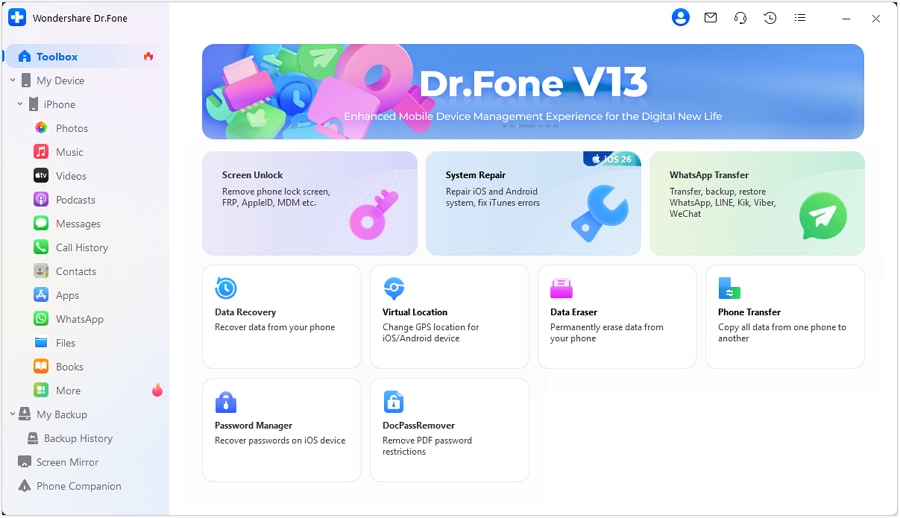
Step 2 Select Standard Repair Mode
Once the software recognizes your connected device, select the "iPhone" category. Next, choose "iOS Repair" and specifically click on the "Standard Repair" mode. This mode is explicitly designed to fix systemic crashes while preserving all existing user data. Follow the intuitive on-screen prompts to place your device into Recovery Mode securely.
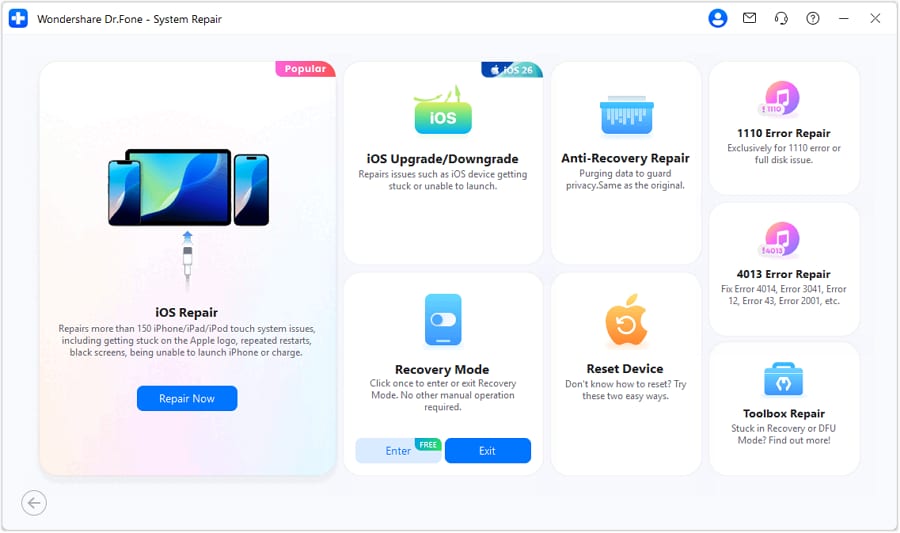
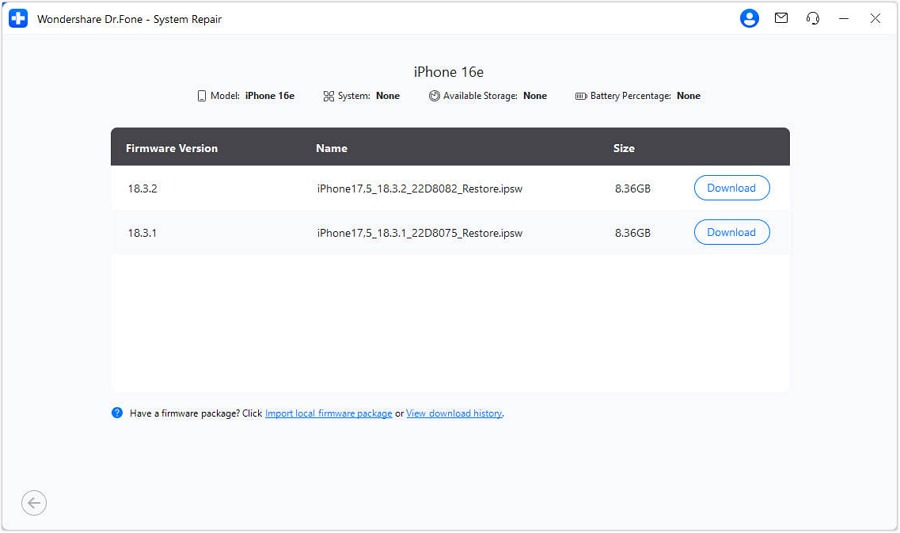
Step 3 Download Firmware and Repair the Crash
After successfully entering Recovery Mode, Dr.Fone will automatically identify your precise iPhone model and present the optimal, verified firmware packages. Click "Download" next to the appropriate iOS version. Once the secure firmware download completes and verifies, click "Repair Now." The software will meticulously overwrite the corrupted system files, finally resolving your crash loops within minutes.




 safe & secure
Conclusion
Experiencing a situation where your iPhone keeps crashing repeatedly can be highly disruptive, but it is rarely an unfixable disaster. By methodically applying the solutions outlined in this guide—such as freeing up vital memory, regulating device temperature, and installing crucial app and iOS updates—you can confidently restore seamless functionality to your Apple device.
For those stubborn, deeply rooted software glitches that refuse to respond to traditional methods, Wondershare Dr.Fone acts as the ultimate safety net. With its robust diagnostic capabilities, standard repair mode, and zero-data-loss guarantee, it simplifies complex iOS system recovery, ensuring your iPhone performs smoothly well into the future.
FAQ
1. Why does my iPhone 6 keep crashing in 2026?
Legacy devices like the iPhone 6 suffer from severe hardware limitations by modern standards. Their limited RAM capacity struggles to maintain the intensive background tasks required by modern apps, causing the iOS memory manager to force-close applications to prevent a total system freeze.2. Will a hard reset delete my photos and contacts?
No, a hard reset (or force restart) is a completely safe procedure. It simply cuts the temporary power to the device's logic board, clearing the short-term cache memory. It does not erase, overwrite, or alter your personal data, media, or installed applications.3. Can a degraded battery cause my iPhone to crash?
Yes, absolutely. As a lithium-ion battery chemically ages, it loses its ability to deliver peak voltage to the processor during demanding tasks. If the processor demands a power spike that the battery cannot provide, iOS will trigger a protective shutdown, resulting in what appears to be a random crash.4. How much free storage space should I keep on my iPhone to prevent crashes?
As a general rule, you should maintain at least 10% to 15% of your device's total storage capacity as free space. This buffer allows iOS to smoothly swap virtual memory, install critical security patches, and manage background application caches without hitting a bottleneck that leads to freezing and crashes.
 Add Wondershare Dr.Fone as a preferred source on Google