
How to Fix an iPhone 13 Stuck on a White Screen

Oct 10, 2026 • Filed to: Phone Repair Solutions • Proven solutions
 TL;DR:
- First, double-tap the screen with three fingers to rule out Accessibility Zoom, then force restart the iPhone. Neither step is designed to erase your data.
- If the white screen continues, connect the iPhone to a computer, enter Recovery Mode, and try Update before Restore. Apple documents Update as the non-destructive reinstall path, while Restore reinstalls iOS and erases the device.
- If you want a guided firmware-repair option before a destructive Restore, Dr.Fone - System Repair (iOS) offers Standard Repair, which is designed to retain data. Advanced Repair erases data.
- If the screen stays white after software recovery, or the problem followed a drop, liquid exposure, or previous display repair, stop repeating firmware fixes and arrange a hardware inspection.
Ask AI for a summary
 ChatGPT
 Perplexity
 Gemini
 Claude
 Grok
Grok
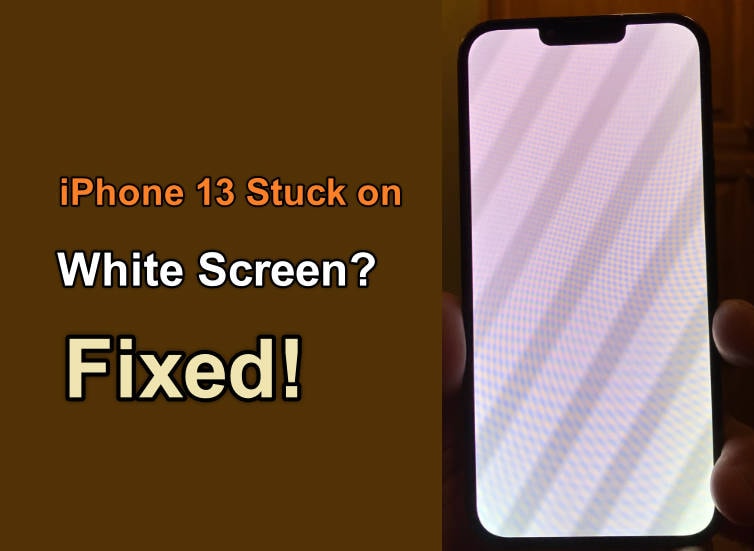
If your iPhone 13 is stuck on a white screen, start with the fixes that do not erase data: check Accessibility Zoom, then force restart the phone. If the screen is still white, use Recovery Mode and choose Update before Restore. A full Restore erases the device, so save it for later in the troubleshooting path.
The same button sequence and software troubleshooting path apply to iPhone 13, iPhone 13 Pro, and iPhone 13 Pro Max. If the phone still rings, vibrates, or is detected by a computer, that is useful diagnostic information, but it does not by itself prove whether the fault is software or hardware.
In this guide
Part 1: Why an iPhone 13 can get stuck on a white screen
An iPhone 13 white screen can appear when iOS stops loading or drawing the interface correctly, when an update or startup process fails, when Accessibility Zoom makes a small white area fill the display, or when the display hardware has a fault. The symptom alone cannot identify a specific failed component.
A software cause is more plausible when the white screen started during or after an update, a restart, or a system freeze and there is no sign of physical damage. A hardware problem becomes more plausible after a drop, liquid exposure, previous display repair, visible screen artifacts, or when the white screen remains after a complete software reinstall.
- Interrupted update or startup problem: iOS may fail to complete a normal boot after an update or system error.
- Temporary system freeze: a crash can leave the display stuck even though the phone still has power.
- Accessibility Zoom: a heavily magnified white area can look like a blank white screen.
- Unsupported system modification: jailbreaking or other unofficial system changes can introduce instability.
- Display or internal hardware fault: physical damage can affect the screen or another internal component and requires diagnosis rather than guessing the exact failed part.
📱 iPhone Frozen? Fix It in 3 Steps – No Data Loss!
Struggling with a frozen iPhone screen? 🤔 Our guide covers 6 common causes, step-by-step fixes for all models (iPhone 6s to iPhone 17), and safe data recovery. 98.6% success rate! ✨
Part 2: 5 ways to fix an iPhone 13 white screen
Start with the least destructive step and move down only if the white screen continues.
Quick diagnosis: choose the safest next step
| What you see | What to try next | Data risk |
|---|---|---|
| The screen looks enlarged or mostly white, but the phone still responds | Check Accessibility Zoom | None |
| The display is frozen on white after an app crash, restart, or update | Force restart the iPhone | None |
| The phone stays white after a force restart and you have a Mac or PC | Use Recovery Mode and choose Update first | Update is intended to keep personal data; Restore erases it |
| You want a guided iOS firmware repair before using Restore | Try Dr.Fone Standard Repair | Standard Repair is designed to retain data; Advanced Repair erases it |
| The screen is still white after software recovery, or the phone was dropped or exposed to liquid | Use Restore only if appropriate, then consider hardware service | Restore erases the device; hardware-service risk depends on the repair |
1. Check Accessibility Zoom
Before treating the problem as a system failure, rule out the iPhone Zoom accessibility feature. Apple lets you turn Zoom off by double-tapping the display with three fingers.
- Step 1: Double-tap the screen with three fingers.
- Step 2: If the normal interface comes back, open Settings > Accessibility > Zoom.
- Step 3: Turn Zoom off if you do not need it.

If the screen stays completely white, continue to the force restart.
2. Force restart your iPhone 13
Apple calls this a force restart. It is the correct restart sequence for an unresponsive iPhone 13, iPhone 13 Pro, or iPhone 13 Pro Max.
- Step 1: Press and quickly release Volume Up.
- Step 2: Press and quickly release Volume Down.
- Step 3: Press and hold the Side button.
- Step 4: Release the Side button when the Apple logo appears.
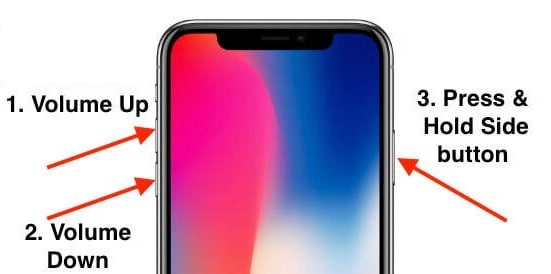
A force restart is not designed to erase your data. If the phone starts normally, back it up before doing anything more invasive.
3. Use Recovery Mode and choose Update first
If the iPhone remains on a white screen, connect it to a computer and use Recovery Mode. On a Mac, open Finder. On Windows, open the Apple Devices app; use iTunes only when Apple Devices is unavailable or on older supported setups.
Want an easier way to enter Recovery Mode?
If you do not want to use the manual button combination, Dr.Fone - System Repair (iOS) lets you enter or exit Recovery Mode with one click. Connect your iPhone, open Toolbox > System Repair > iPhone > Enter/Exit Recovery Mode, and choose Enter.
After the iPhone enters Recovery Mode, return to Finder on Mac or the Apple Devices app on Windows and choose Update first if you want to try reinstalling iOS without immediately erasing the device.
- Step 1: Connect the iPhone to the computer with a USB cable.
- Step 2: Press and quickly release Volume Up.
- Step 3: Press and quickly release Volume Down.
- Step 4: Hold the Side button until the Connect to computer screen appears.
- Step 5: Locate the iPhone in Finder, Apple Devices, or iTunes.

- Step 6: If you see Update and Restore, try Update first. Apple documents Update as the option that reinstalls iOS while keeping personal data.

- Step 7: If Update fails and you are prepared to erase the device, return to Recovery Mode and choose Restore.

If the iPhone gets stuck on the Connect to computer screen instead of completing the recovery flow, follow the iPhone stuck in Recovery Mode guide.
4. Fix iPhone 13 White Screen of Death with Dr.Fone Standard Repair
If the problem still appears to be software-related and you want a guided firmware-repair workflow before a destructive Restore, Dr.Fone - System Repair (iOS) includes Standard Repair for common iOS system issues such as white screens, frozen screens, update failures, and boot problems.
Dr.Fone - System Repair (iOS)
Repair iOS System Errors to Fix iPhone 13 White Screen of Death Without Data Loss.
- Only fix your iOS to normal, no data loss at all.
- Fix various iOS system issues stuck in recovery mode, white Apple logo, black screen, looping on start, etc.
- Works for all models of iPhone (Including iPhone 13), iPad, and iPod touch.
- Fully compatible with the latest iOS version.


The current Dr.Fone workflow is:
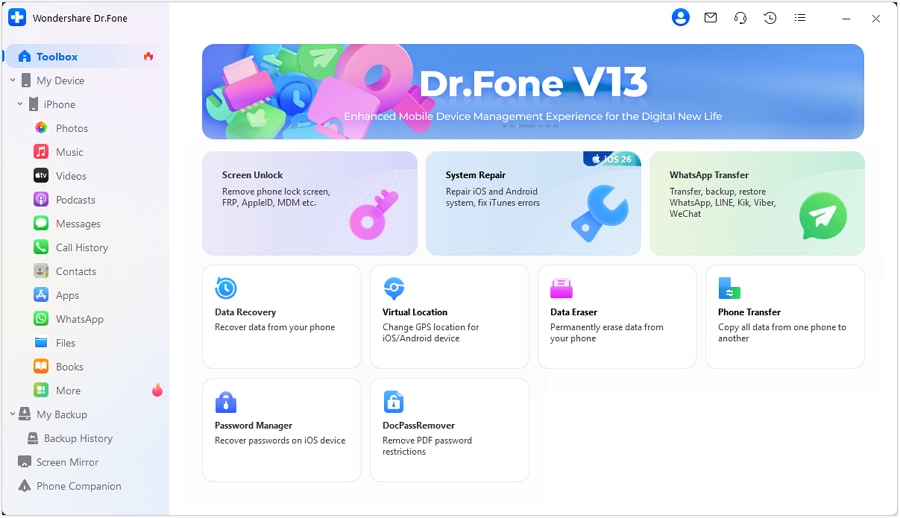
- Step 1: Open Dr.Fone and go to Toolbox > System Repair.
- Step 2: Connect the iPhone, choose iPhone, then select iOS Repair.
- Step 3: Choose Standard Repair if you want the mode designed to retain data.
- Step 4: Put the iPhone into Recovery Mode when prompted.
- Step 5: Choose the firmware offered for the detected device and select Download.
- Step 6: After the firmware is downloaded and verified, select Repair Now and keep the iPhone connected until the repair completes.
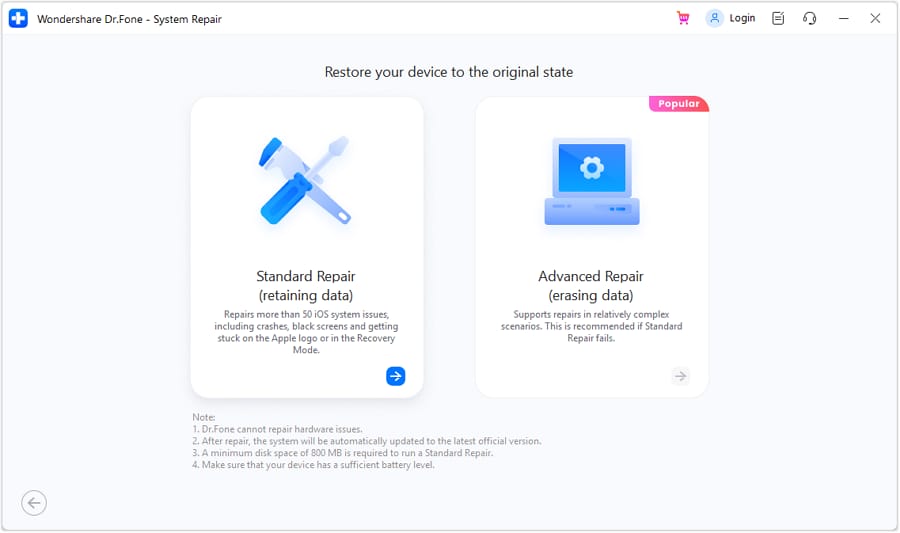
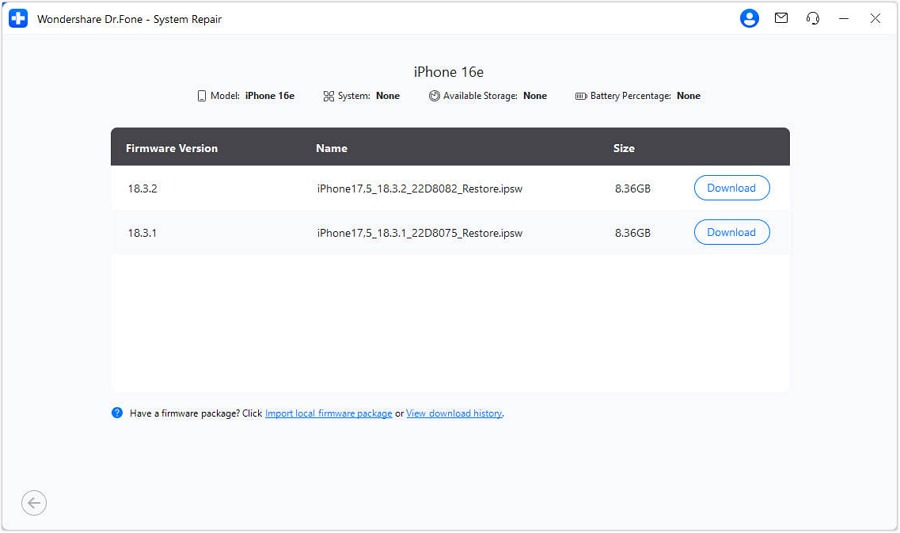
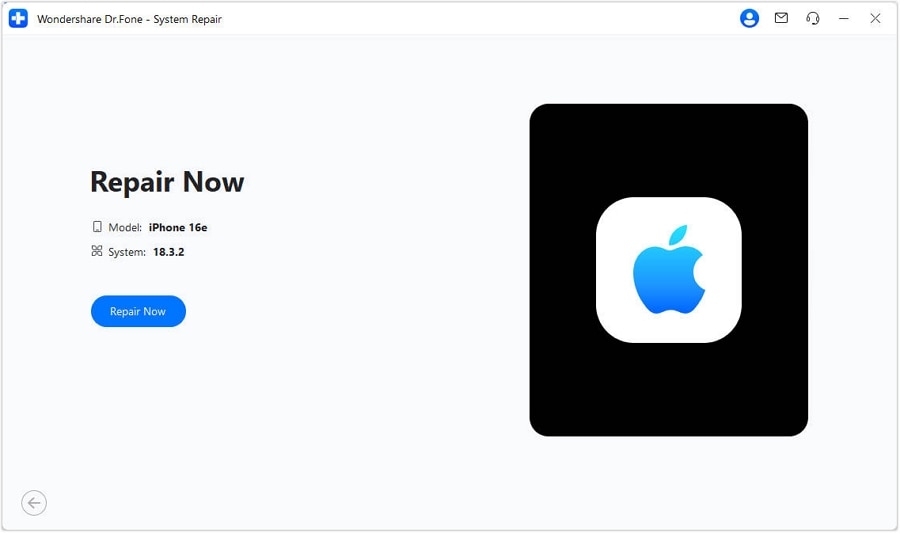
Standard Repair is designed to repair common iOS system issues while retaining data. Advanced Repair is for deeper repair and erases data.
5. Use Restore or get hardware service
Use Restore only after the non-destructive options above have failed and you understand the data-loss risk. Apple states that Restore reinstalls iOS and erases all data on the device.
Beware that this method is likely to cause data loss. You are advised to back up your data and if you are looking for a quick way to back up your data, you can use the Phone Backup feature that puts you in control of what you want to back up.
If you already have a current backup, you can use it after Restore. After the restore finishes, test the iPhone before loading a backup so you can see whether the white-screen symptom returns on a clean system.
If the iPhone still shows a white screen after a complete software restore, or if the issue began after a drop, liquid exposure, or display repair, arrange service with Apple or an Apple Authorized Service Provider. Persistent symptoms make a hardware fault more likely, but the exact failed part should be diagnosed rather than guessed from the white screen alone.
Do the same fixes work for iPhone 13 Pro and 13 Pro Max?
Yes. The iPhone 13, iPhone 13 Pro, and iPhone 13 Pro Max use the same force-restart and Recovery Mode button sequence described above. Start with Zoom and force restart, then move to Recovery Mode Update, a guided system repair if appropriate, and finally Restore or hardware service.
If your iPhone 13 Pro or Pro Max still rings, vibrates, receives notifications, or is detected by a computer while the display remains white, mention that behavior when you seek support. It can help the technician narrow the diagnosis without assuming the display connector or logic board is definitely at fault.
Part 3: How to reduce the chance of another white screen
- Keep iOS and important apps up to date, but make a backup before major system updates.
- Avoid jailbreaking or unsupported system modifications if stability is your priority.
- Stop intensive use and let the phone cool if it becomes unusually hot.
- Protect the phone from drops and liquid exposure, especially if the display has already been repaired.
- Keep a current backup so a future Restore or hardware replacement is less disruptive.
Part 4: FAQs about iPhone 13 white screen
Will a force restart erase my iPhone 13?
No. A force restart is a restart procedure and is not designed to erase personal data. It should be one of the first steps when an iPhone 13 is frozen on a white screen.
Does Recovery Mode erase data?
Recovery Mode itself does not automatically erase the iPhone. When the computer offers Update or Restore, try Update first when appropriate. Apple documents Update as a reinstall path that can keep personal data; Restore reinstalls iOS and erases the device.
Why is my iPhone 13 screen white but the phone still vibrates or rings?
That means the phone is still showing signs of activity, but it does not identify the exact cause. Check Accessibility Zoom and force restart first. If the display stays white while the phone continues to operate in the background, a display-related hardware problem becomes one possibility and professional diagnosis may be appropriate after software steps fail.
Does Dr.Fone Standard Repair erase data?
Dr.Fone states that Standard Repair is designed to fix common iOS system issues while retaining data. Its Advanced Repair mode performs a deeper reset and erases data. Always read the selected mode and on-screen warning before starting a repair.
When should I stop troubleshooting and get the iPhone serviced?
Get professional service if Recovery Mode Update or a complete Restore cannot recover the phone, if a required button is broken, or if the white screen followed a drop, liquid exposure, or other physical damage. Repeating firmware repairs will not fix a damaged display or internal component.
Part 5: Conclusion
For an iPhone 13 white screen, begin with Accessibility Zoom and a force restart. If that does not work, move to Recovery Mode and choose Update before Restore. A guided firmware repair such as Dr.Fone - System Repair (iOS) is another software option before you accept a full data-erasing Restore. If the display remains white after software recovery, get the hardware diagnosed instead of repeatedly reinstalling iOS.
4,624,541 people have downloaded it
 safe & secure


iPhone Frozen
- 1 iOS Frozen
- 1 Fix Frozen iPhone
- 2 Force Quit Frozen Apps
- 5 iPad Keeps Freezing
- 6 iPhone Keeps Freezing
- 7 iPhone Froze During Update
- 2 Recovery Mode
- 1 Out of Recovery Mode
- 2 iPhone Stuck in Recovery Mode
- 3 iPhone in Recovery Mode
- 4 Recover Data From Recovery Mode
- 5 iPhone Recovery Mode
- 6 iPod Stuck in Recovery Mode
- 7 Exit iPhone Recovery Mode
- 3 DFU Mode



Daisy Raines
staff Editor
Generally rated4.5(105participated)