Resolve common problems and system crashes on both iPhone and Android devices.

 100% Security Verified | No Subscription Required | No Malware

 :
: 
 ChatGPT
 Perplexity
 Gemini
 Claude
 Grok
Grok
It's a frustrating experience: you update your iPhone, and suddenly, essential apps have vanished from your home screen. You might be wondering, "Why have my apps disappeared from my iPhone even though I know they're installed?" This common issue can leave you feeling confused, especially when crucial icons like the Phone or App Store are missing.
This problem often occurs after an iOS update, due to settings changes, or features like the App Library reorganizing your icons. Fortunately, the solutions are usually straightforward. This guide will walk you through 7 effective methods to restore your missing app icons and get your iPhone back to normal.
In this article
- Part 1. The Simplest Fix: Restart Your iPhone
- Part 2. Use Spotlight Search to Locate Missing Apps
- Part 3. Reinstall or Update Missing Apps from the App Store
- Part 4. Ask Siri to Find and Open Hidden Apps
- Part 5. Turn Off the Automatic App Offloading Feature
- Part 6. Reset All Settings to Restore Default Configuration
- Part 7. Resolve Underlying Software Glitches with a System Repair Tool
Part 1. The Simplest Fix: Restart Your iPhone
Before diving into more complex solutions, a simple restart is often all that's needed. Restarting your iPhone clears temporary memory and resolves minor software glitches that could cause an app icon to disappear from the home screen. This process resets your device's power cycle and can force the iOS system to reload all app icons correctly.
The method to restart varies slightly depending on your iPhone model:
- For iPhone X and later: Press and hold the Side button and either of the Volume buttons simultaneously until the power-off slider appears.
- For older iPhone models (iPhone 8 or earlier): Simply press and hold the Side or Top (Power) button until you see the power-off slider.
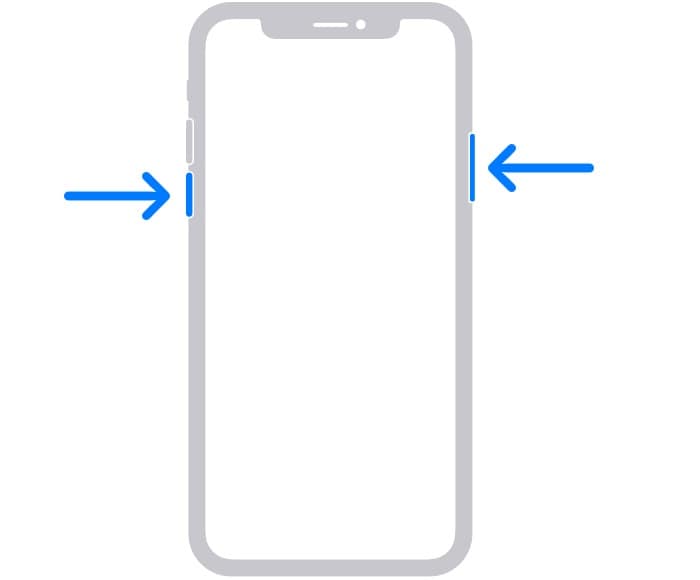
Once the slider appears, drag it to turn off your device. Wait for about a minute to ensure it has fully powered down, then press and hold the Side/Power button again until the Apple logo appears. After your iPhone restarts, check your home screen to see if the missing apps have returned.
Part 2. Use Spotlight Search to Locate Missing Apps
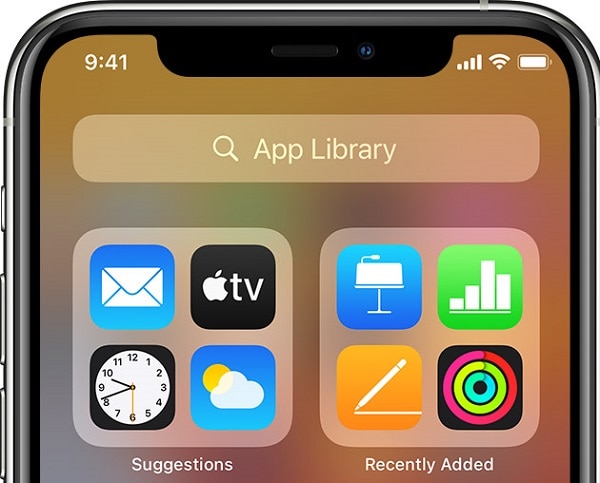
With the introduction of the App Library in recent iOS versions, apps may not always appear on your home screen by default. This can create the illusion that the iPhone app icon is missing when the app is actually stored in the App Library. The quickest way to find any installed app is by using Spotlight Search.
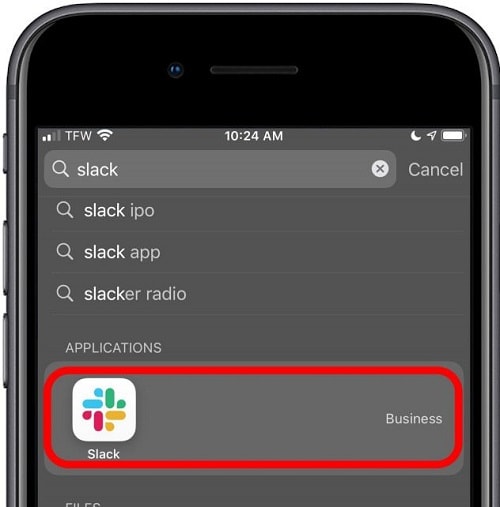
To do this, unlock your iPhone and swipe down from the middle of the home screen to bring up the Spotlight Search bar. Type the name of the app you're looking for.
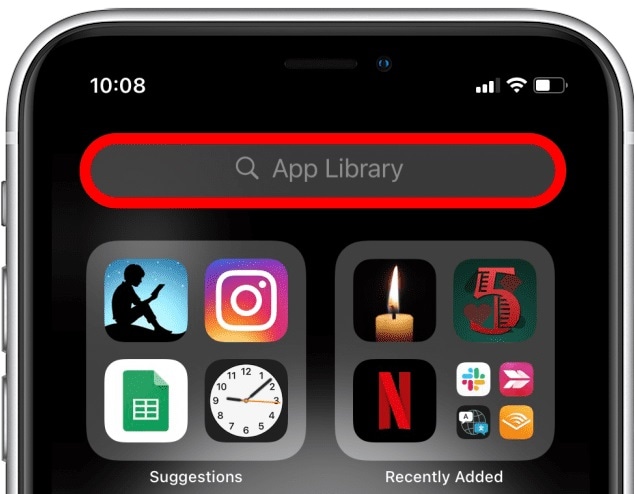
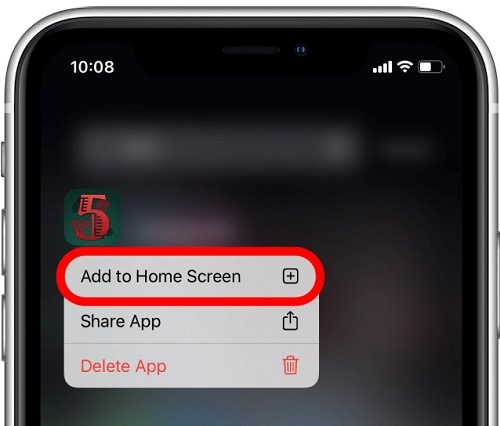
If the app is installed, it will appear in the search results. You can tap it to open it directly. To restore it to your home screen, long-press the app icon in the search results and select "Add to Home Screen." This will permanently fix the issue of an app that disappeared from your iPhone but is still installed.
Part 3. Reinstall or Update Missing Apps from the App Store
Sometimes, an app disappeared from an iPhone because it was accidentally deleted or a failed update corrupted its installation. If Spotlight Search can't find your app, it may no longer be on your device. Here's how to check the App Store.
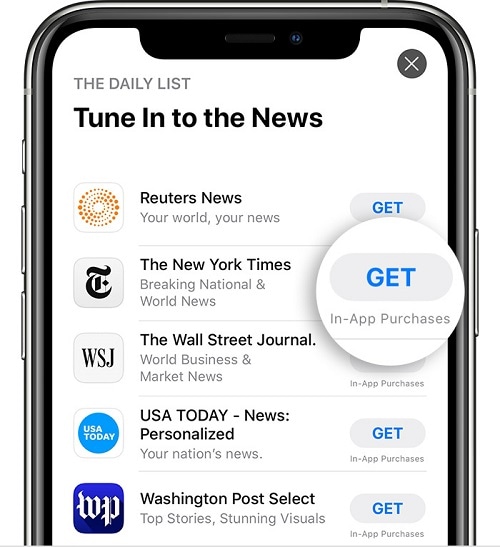
First, open the App Store and tap on your profile icon in the top-right corner. Go to the "Purchased" section to see a list of all apps you've ever downloaded. You can search this list for the missing app. If you find it with a cloud icon next to it, it means it's not currently installed. Just tap the cloud icon to reinstall it.
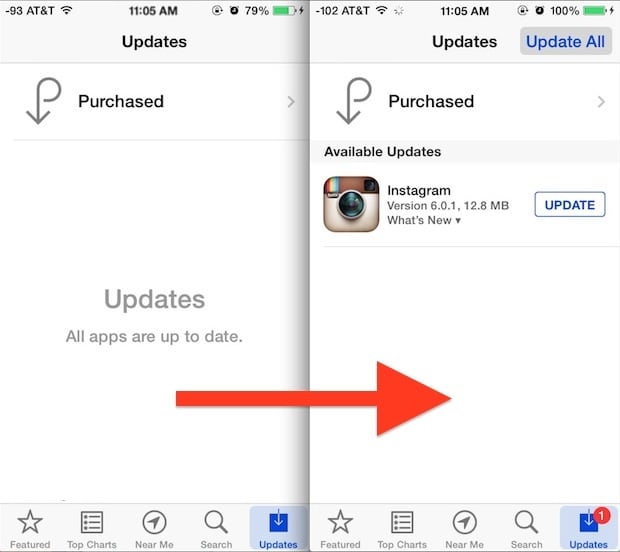
Additionally, an outdated app might become incompatible or glitchy. On the main App Store page, scroll down to see pending updates. If your missing app is on that list, tap "Update" to install the latest version, which could resolve the visibility issue.
Part 4. Ask Siri to Find and Open Hidden Apps
Just like Spotlight, Siri is deeply integrated into iOS and can locate and launch any installed application, even if its icon is not visible on the home screen. This is a handy trick, especially if the phone icon disappeared from your iPhone and you need to make a call quickly.
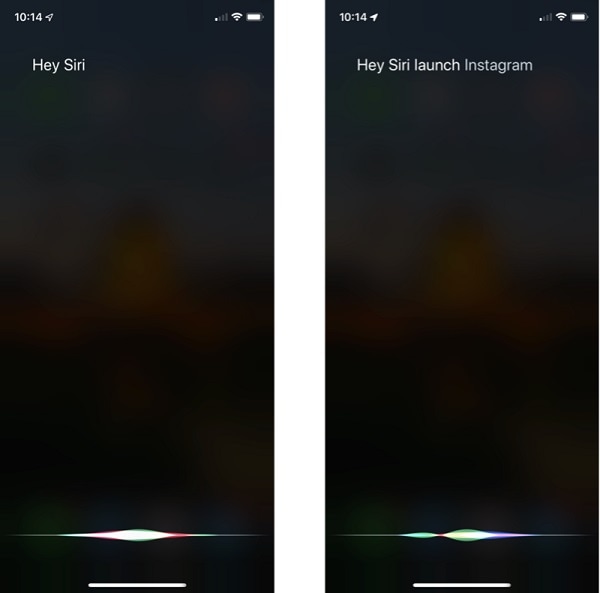
Simply activate Siri by saying "Hey Siri" or by long-pressing the Side/Home button. Then, give a clear command, such as "Open Mail" or "Launch Calculator." Siri will process your request and open the app immediately. This confirms the app is still installed and functioning correctly.
You can also use Siri's search suggestions. Swipe down on the home screen, and Siri might suggest the app you frequently use. This method is another quick way to verify if an app is still on your device and to access it without its home screen icon.
Part 5. Turn Off the Automatic App Offloading Feature
iOS has a built-in feature designed to save storage space by automatically offloading unused apps. When an app is offloaded, its icon remains on the home screen but has a small cloud symbol next to it. However, sometimes this process can glitch, causing the icon to disappear entirely. If multiple apps disappeared from your iPhone, this could be the culprit.
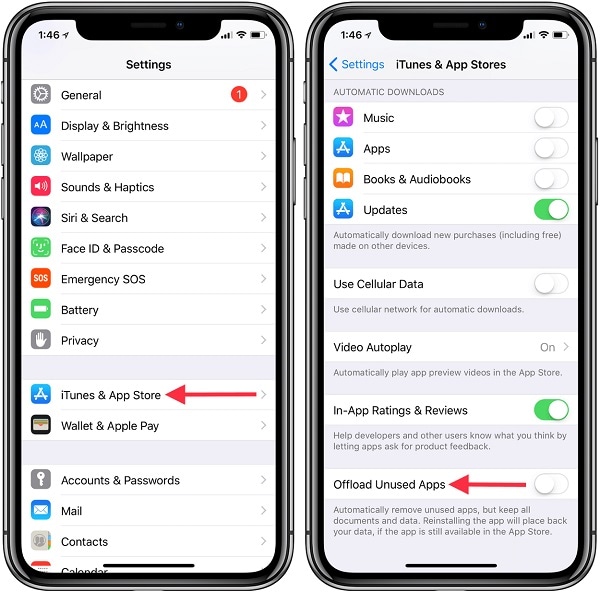
To prevent this from happening, you can disable this feature. Follow these steps:
-
Step 1 Open iPhone Settings
Navigate to the Settings app on your iPhone.
-
Step 2 Access App Store Settings
Scroll down and tap on "App Store."
-
Step 3 Disable Offload Unused Apps
Find the "Offload Unused Apps" option and toggle it off. This will ensure your apps are never removed automatically.
After turning this off, it's a good idea to restart your iPhone one more time to ensure the changes take effect and to help restore any missing icons.
Part 6. Reset All Settings to Restore Default Configuration
If the App Store is missing on your iPhone or other fundamental apps have vanished, a misconfigured setting could be the cause. Resetting all settings on your iPhone can resolve such deep-seated issues without erasing your personal data like photos, contacts, or the apps themselves. This action will only revert system settings—like Wi-Fi passwords, screen brightness, and privacy settings—to their factory defaults.
To fix the iPhone icon disappeared error via a settings reset:
-
Step 1 Go to Settings
Unlock your device and navigate to Settings > General > Transfer or Reset iPhone.
-
Step 2 Initiate the Reset
Tap on "Reset" and then select "Reset All Settings" from the list of options.
-
Step 3 Confirm Your Choice
You will be prompted to enter your device passcode to confirm the action. Once entered, your iPhone will restart with its default settings.
Wait for your iPhone to reboot. After it starts up, you will need to reconfigure your network settings and other preferences, but your app icons should be restored to their proper places.
Part 7. Resolve Underlying Software Glitches with a System Repair Tool
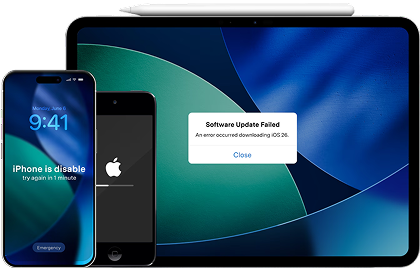
If you've tried all the previous methods and your iPhone apps are still missing, the problem may be rooted in a more complex iOS system issue. Firmware corruption or software bugs can cause persistent problems that a simple restart or settings reset can't fix. In such cases, a dedicated system repair tool like Dr.Fone - System Repair (iOS) can be a lifesaver.
Dr.Fone - System Repair is designed to fix over 150 types of iOS system problems without causing any data loss. It can resolve issues like a missing phone icon on your iPhone, the black screen of death, or a device stuck on the Apple logo. The tool is user-friendly and doesn't require any technical expertise.
 Fix iOS issues, no data loss.
- One-click repair for all iOS problems.
- Solve recovery mode, Apple logo, black screen, etc.
- Upgrade or downgrade iOS without iTunes
Here’s how to use Dr.Fone - System Repair to fix missing apps on your iPhone:
-
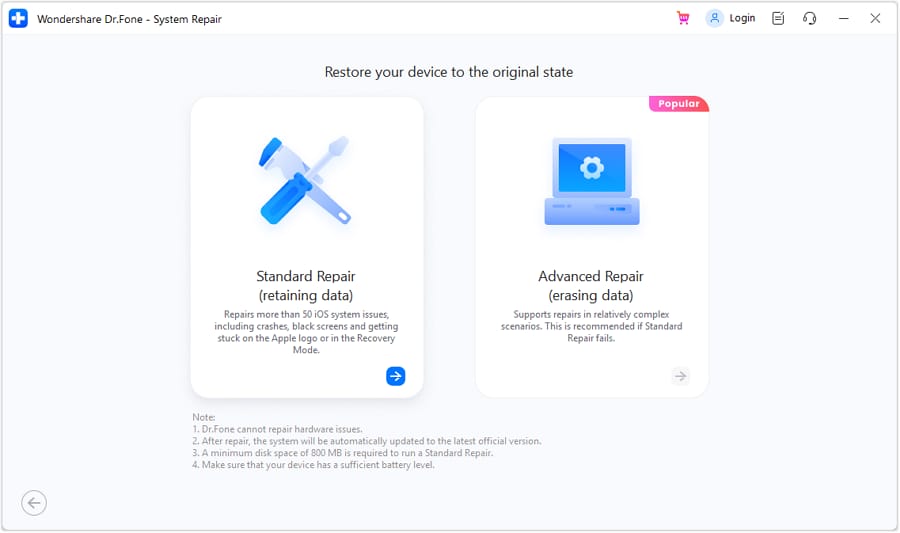
Step 1 Launch the Tool and Select Mode
Download and install Dr.Fone on your computer. Launch the application, select "System Repair" from the main dashboard, and connect your iPhone. Choose "Standard Repair" mode to fix the issue without losing any data.
-
Step 2 Download the Correct Firmware
The software will automatically detect your iPhone model and display the available iOS firmware versions. Select the appropriate version and click "Start" to begin the download.
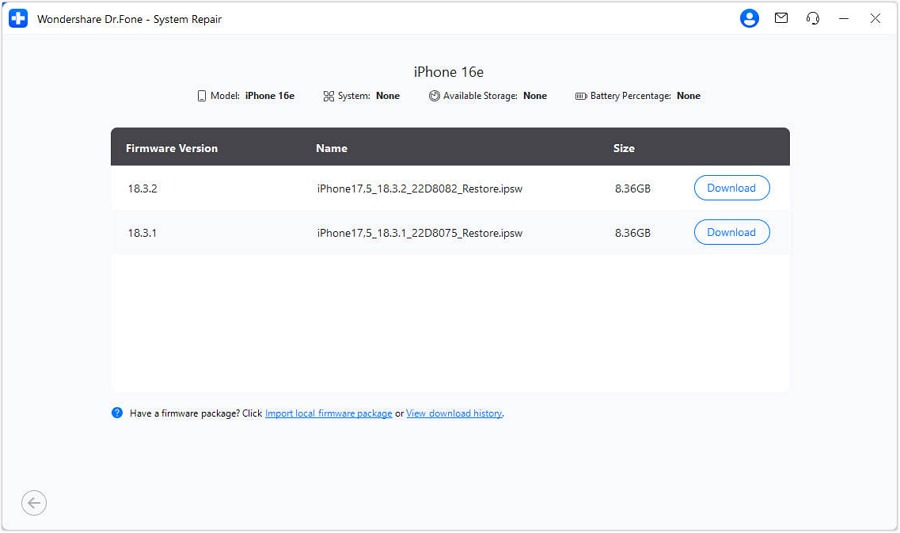
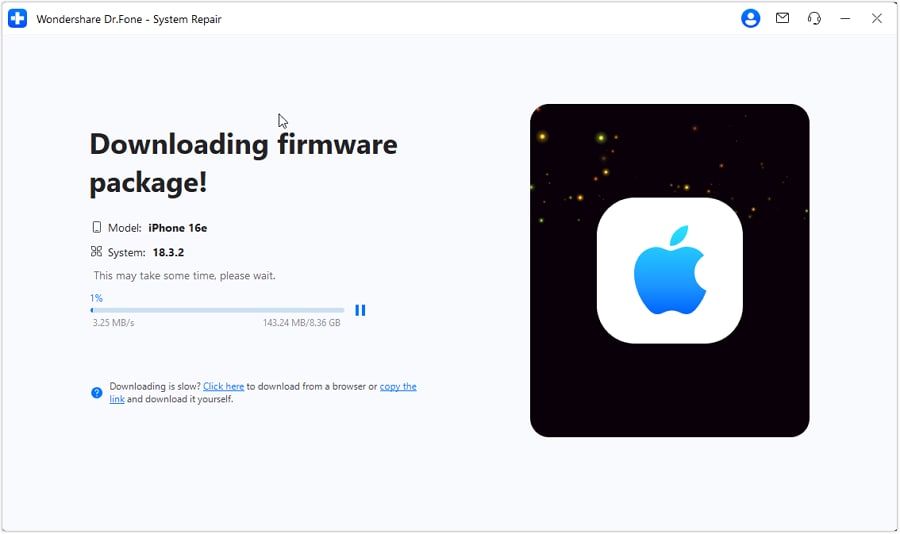
Wait for the firmware to download completely. Dr.Fone will then verify the package to ensure its integrity before proceeding.
-
Step 3 Initiate the System Repair
Once the firmware is verified, the screen will show that it's ready to fix your device. Click the "Fix Now" button to start the repair process. The tool will begin repairing your iOS system, which may take a few minutes.
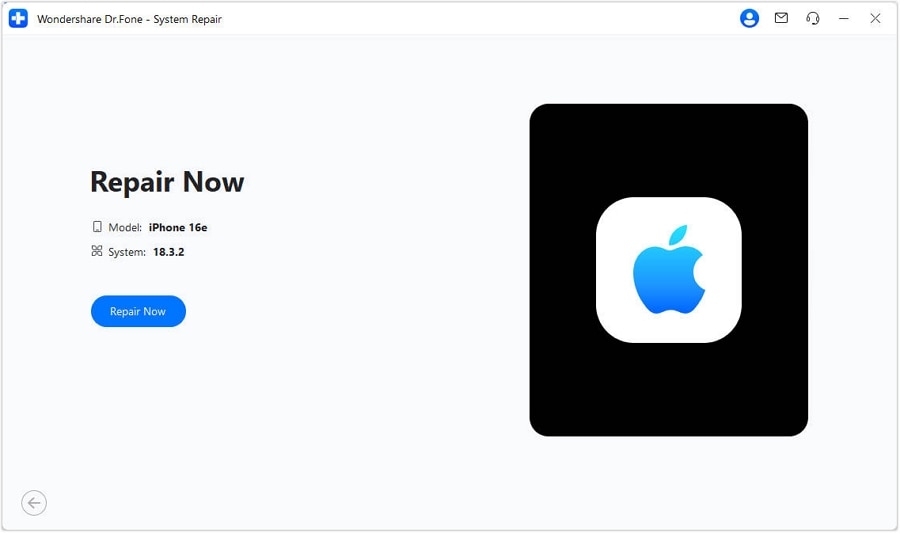
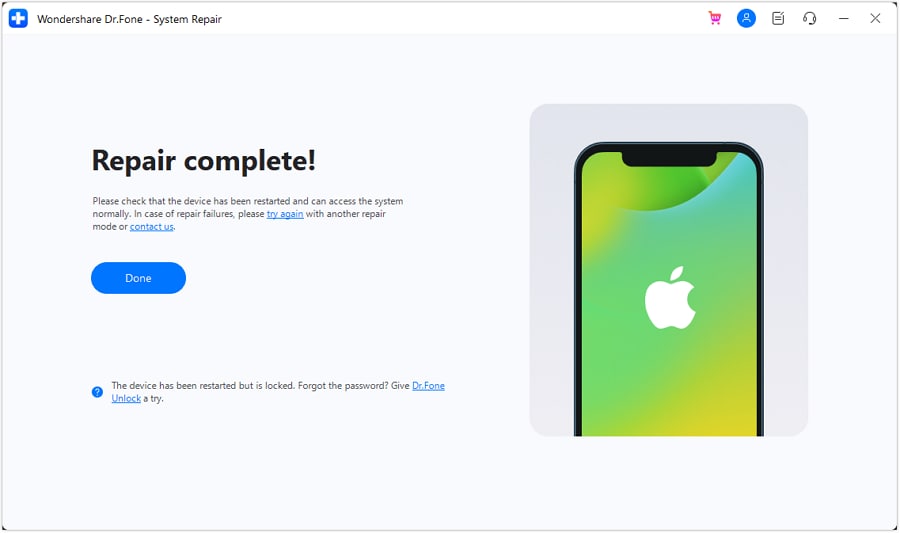
Keep your iPhone connected throughout the process. Once completed, your iPhone will restart in normal mode with the system issues resolved, and your missing apps should be visible again.
Conclusion
When you discover that apps have disappeared from your iPhone, it can be alarming, but it's usually fixable. By following the methods in this guide—from a simple restart and Spotlight search to a settings reset—you can often restore your home screen to its familiar state. For those stubborn issues caused by deeper system corruption, Dr.Fone - System Repair (iOS) offers a reliable and data-safe solution to get your device working perfectly again. With these tools at your disposal, a missing app icon doesn't have to be a major problem.
FAQ
-
1. Why did my apps disappear from my iPhone home screen but are still installed?
This is a common occurrence with newer iOS versions due to the App Library. New app downloads can be set to appear only in the App Library, not on the home screen. Additionally, you might have accidentally removed an app from the home screen without deleting it. You can find these apps by swiping to the end of your home screens to access the App Library. -
2. Can I get a missing app icon back on my iPhone?
Yes. The easiest way is to find the app in your App Library, long-press its icon, and then drag it back onto your desired home screen page. Alternatively, you can search for it using Spotlight, long-press the icon in the search results, and select "Add to Home Screen." -
3. What is the difference between offloading an app and deleting it?
When you offload an app, the application itself is removed to free up storage, but its documents and data are saved on your device. The app icon remains (with a cloud symbol) so you can easily reinstall it and pick up where you left off. Deleting an app removes the application and all its associated data permanently. -
4. If I reset all settings, will I lose my installed apps?
No, resetting all settings will not delete your apps or your personal data (like photos, messages, and contacts). It only reverts your iPhone's system settings to their factory defaults, which includes Wi-Fi passwords, notification settings, wallpaper, and privacy settings. Your app icons and data will remain intact.
 Add Wondershare Dr.Fone as a preferred source on Google