iPhone 13 Not Receiving Calls? Top 14 Fixes!

Sep 30, 2026 • Filed to: Phone Repair Solutions • Proven solutions
 TL;DR:
Resolve an iPhone 13 that can make outgoing calls but fails to receive incoming ones by disabling Silence Unknown Callers, turning off Do Not Disturb Focus modes, and verifying Call Forwarding, as these features actively block or reroute incoming alerts.
● Refresh unstable carrier connections by toggling Airplane Mode, switching the network data band from 5G to LTE, or executing a full Network Settings reset to clear configuration glitches.
● Disconnect paired Bluetooth accessories and verify the physical Ring/Silent switch, because active wireless audio routing or a muted device often mimics a call reception failure.
● Fix persistent iOS bugs using Dr.Fone - System Repair via a computer connection, utilizing its Standard Mode to resolve system errors without data loss or Advanced Mode for more serious software issues.
Ask AI for a summary
 ChatGPT
 Perplexity
 Gemini
 Claude
 Grok
Grok
If your iPhone 13 is not receiving calls, the issue can be more serious than it first appears. In some cases, your phone can still make outgoing calls, use mobile data, and send texts, but incoming calls do not come through, go straight to voicemail, or never ring at all. That makes the problem especially frustrating when you are waiting for important personal, work, or emergency calls.
The good news is that this issue is often caused by settings conflicts, network glitches, Focus modes, SIM problems, or iOS bugs rather than permanent hardware damage. So if your iPhone 13 not ringing issue started suddenly, there are several practical fixes you can try right away.
In this guide, we will walk you through the best solutions for iPhone 13 not receiving calls, including cases where incoming calls are not coming through but calls and texts still work. These methods also apply to users searching for iPhone 13 Pro not receiving calls or iPhone 13 Pro Max not receiving calls.
So, let's get started:
- 1. Restart your iPhone 13
- 2. Toggle the Airplane Mode On and off
- 3. Turn off "Do Not Disturb"
- 4. Check the Volume settings of your iPhone 13
- 5. Check the SIM card for any error
- 6. Update iOS of your device
- 7. Check the Notification Settings on your iPhone 13
- 8. Reset network settings
- 9. Check Bluetooth accessories
- 10. Check blocked numbers
- 11. Check call forwarding
- 12. Check if it's a Ringtone Issue
- 13. Change Network Band
- 14. Check Silence Unknown Callers Settings
Top 14 Fixes for iPhone 13 Not Receiving Calls
If your iPhone 13 is not receiving calls, the fastest way to troubleshoot it is to start with basic connection and settings checks, then move to iOS repair and network-related fixes if the issue continues. This problem can happen because of temporary software glitches, blocked incoming call alerts, Focus settings, SIM errors, or carrier-related network conflicts.
The fixes below are arranged from the simplest to the more advanced so you can identify the real cause faster and avoid unnecessary resets.
#1 Restart Your iPhone 13
Restarting your iPhone 13 can fix temporary calling glitches caused by iOS bugs, background process conflicts, or short-lived network irregularities. This is one of the best first steps when your iPhone 13 is not receiving calls for no obvious reason.
A restart refreshes the phone’s connection to the network and clears minor software problems that may stop incoming calls from ringing properly.
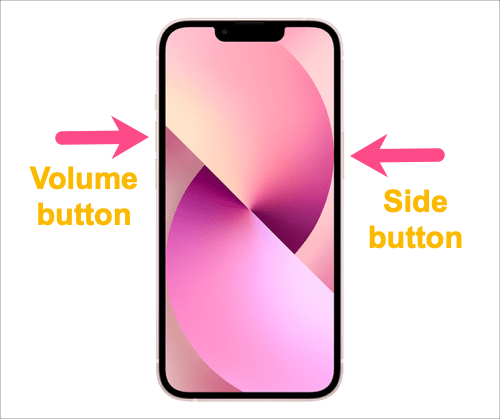
- Press and hold either volume button together with the side button until the power slider appears.
- Drag the slider and wait around 30 seconds for the device to shut down.
- Turn the iPhone back on by pressing and holding the side button until the Apple logo appears.
To force restart your device, follow these steps:
- Press and quickly release the Volume Up button.
- Press and quickly release the Volume Down button.
- Then press and hold the side button until the Apple logo appears.
#2 Toggle the Airplane Mode On and Off
If your iPhone 13 incoming calls are not coming through but the issue appeared suddenly, toggling Airplane Mode can refresh your cellular connection. This can help when the phone is stuck in a weak network state or when the carrier signal does not re-register correctly.
Airplane Mode disconnects the device from cellular service. Turning it on for a few seconds and then off again forces the phone to reconnect to the network, which can restore incoming call functionality.
- Swipe down from the top-right corner of the screen to open Control Center and check the Airplane Mode icon. If it is on, turn it off.
- You can also go to Settings and check the Airplane Mode toggle there. Turn it on briefly, then switch it off again.
#3 Turn Off "Do Not Disturb"
If your iPhone 13 is not ringing, Focus or Do Not Disturb may be silencing incoming calls without blocking them completely. This is one of the most common reasons users think their phone is not receiving calls when the calls are actually being muted.
Do Not Disturb and other Focus modes can hide or silence alerts for calls, texts, and notifications. That means the calls may still exist in your call log, but you never hear them ring in real time.
- Swipe down from the upper-right corner to open Control Center.
- Tap on Focus and check whether “Do Not Disturb” is enabled.
- If it is on, turn it off and test incoming calls again.
If Focus is the cause, you may also want to review its schedule and allowed contacts so the problem does not return later.
#4 Check the Volume Settings of Your iPhone 13
Sometimes your iPhone is receiving calls, but you do not hear them because the ringer is muted, too low, or set to silent. This is especially relevant if you see missed call notifications later but never heard the phone ring.
This issue is closely related to searches such as iPhone 13 not ringing, because the device may still be technically receiving calls even though there is no audible alert.
- Check the Ring/Silent switch on the left side of the device. If the switch shows orange, your iPhone is in Silent mode. Flip it back.
- Go to Settings and then “Sounds & Haptics.” Under “Ringer and Alerts,” drag the volume slider upward.
#5 Check the SIM Card for Any Error
A loose, dirty, or misaligned SIM card can interfere with carrier connection and prevent incoming calls from reaching your iPhone. If your iPhone 13 Pro Max is not receiving calls or standard network troubleshooting has not worked, checking the SIM is a smart next step.
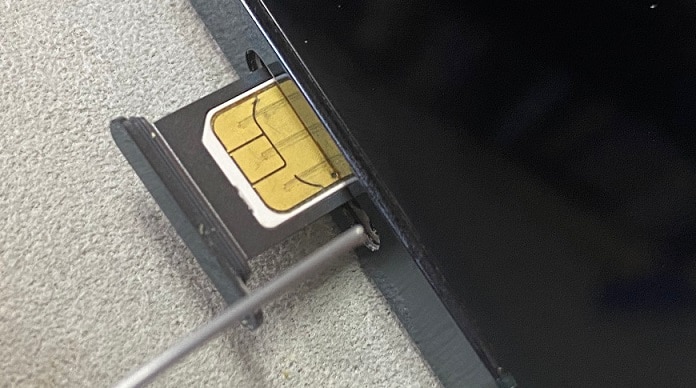
Remove the SIM tray carefully, inspect the card, and clean it gently with a soft microfiber cloth. If possible, also inspect the tray for dust or debris. Then reinsert the SIM properly and test calls again.
#6 Update iOS of Your Device
Updating iOS can fix bugs that affect call notifications, carrier compatibility, and incoming call behavior. If your iPhone 13 not receiving calls troubleshooting has not worked so far, an iOS update is one of the most important fixes to try.
Software bugs can cause call errors, delayed ringing, or missing phone call notifications. Installing the latest iOS version can repair these problems and improve how the Phone app interacts with your network.
- Go to Settings > General.
- Tap Software Update.
- If an update is available, download and install it.
While updating iOS, errors can sometimes interrupt the process. If that happens and you cannot complete the update successfully, you can use Dr.Fone- System Repair (iOS) to fix iOS system issues more reliably.
The tool offers Standard Mode and Advanced Mode. Standard Mode is ideal when you want to repair iOS issues without data loss, while Advanced Mode is better for more serious system problems.
It comes with a simple and easy interface to make the process straightforward. All you need to do is follow these steps:
- Open Dr.Fone and go to System Repair. Then connect your iPhone 13 to the computer.
- Select your iPhone model and download the matching firmware.
- Click “Fix Now” and wait for the repair process to finish. Then check whether incoming calls work normally again.

Dr.Fone - System Repair
Repair iOS System Errors Without data loss.
- Only fix your iOS to normal, no data loss at all.
- Fix various iOS system issues stuck in recovery mode, white Apple logo, black screen, looping on start, etc.
- Downgrade iOS without iTunes at all.
- Works for all models of iPhone, iPad, and iPod touch.
- Fully compatible with the latest iOS 17.



#7 Check the Notification Settings on your iPhone 13
If phone notifications are disabled, you may miss incoming call alerts even though the calls are reaching your device. This can look similar to an iOS 13 phone call notification issue or a general call alert problem.
While this is not the most common cause, it is still worth checking when your iPhone 13 shows unusual call behavior or does not display incoming call banners properly.
- Go to Settings and open the Phone section.
- Tap Notifications.
- Make sure “Allow Notifications” is enabled.
- Also review lock screen, banner, and alert settings.
#8 Reset Network Settings
If network instability is stopping your iPhone 13 from receiving calls, resetting network settings can help restore normal cellular behavior. This fix is particularly useful when calls fail intermittently or when incoming calls do not arrive but mobile service seems partially active.
- Go to Settings and then General.
- Select “Transfer or Reset iPhone.”
- Tap Reset and then choose “Reset Network Settings.”
This will remove saved Wi-Fi, Bluetooth, VPN, and other network-related settings, so you may need to reconnect to your networks afterward.
#9 Check Bluetooth Accessories
Connected Bluetooth accessories can reroute call audio and make it seem like your iPhone is not receiving calls or not ringing. In reality, the incoming call may be active, but the sound is being directed to earbuds, a car system, or another accessory.
This is an important fix when you only miss calls in certain environments or after using wireless audio devices.
- Go to Settings and select Bluetooth.
- Find the connected accessory and tap the info icon beside it.
- Select “Forget This Device.”

#10 Check Blocked Numbers
If you are not receiving calls from one specific person, the number may be blocked. This is different from a full-device call problem and should be checked before you assume the whole phone is affected.
- Go to Settings and then Phone.
- Open Blocked Contacts.
- If you see the number there, swipe on it and unblock it.
#11 Check Call Forwarding
If call forwarding is enabled, incoming calls may be sent to another number instead of ringing on your iPhone 13. This can make it look like your device is not receiving calls when the calls are actually being redirected elsewhere.
- Go to Settings and then Phone.
- Open Call Forwarding.
- If it is enabled, turn it off.
#12 Check if it's a Ringtone Issue
If your iPhone 13 receives calls but does not ring, the ringtone itself may be the problem. This can happen if you are using a faulty or incompatible third-party ringtone.
Switching back to a default ringtone is a simple way to rule out ringtone-related glitches.
- Go to Settings and open “Sounds & Haptics.”
- Tap “Ringtone.”
- Select one of the default ringtones and test incoming calls again.
#13 Change Network Band
Carrier band compatibility issues can sometimes stop calls from coming through correctly, especially in areas with unstable 5G coverage. If that happens, switching to another network option can help.
For example, if your iPhone is struggling on 5G, changing to LTE or another available band may improve call reliability.
- Go to Settings and then Mobile Data.
- Tap “Mobile Data Options,” then “Voice & Data.”
- Change the network band and test incoming calls.
- You can also toggle VoLTE on and off if available.
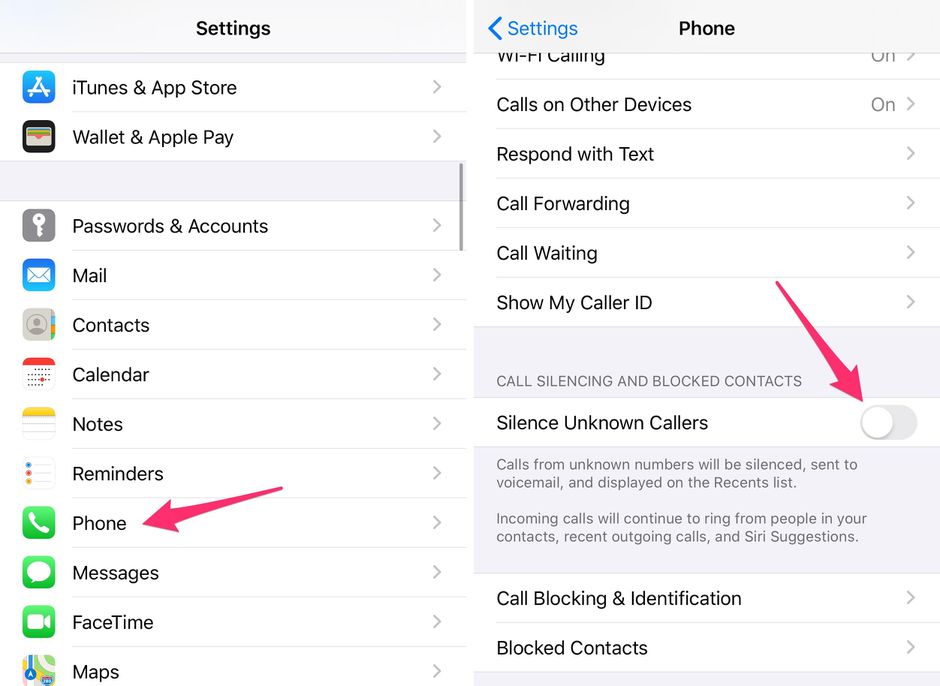
#14 Check Silence Unknown Callers Settings
If your iPhone 13 is not receiving calls from unknown numbers, Silence Unknown Callers may be enabled. This feature automatically sends calls from unknown numbers to voicemail and prevents them from ringing normally.
This fix is especially important if your incoming calls are not coming through but you can make calls and texts still work, because the problem may affect only unfamiliar numbers rather than all calls.
- Go to Settings and then Phone.
- Find “Silence Unknown Callers.”
- If it is on, turn it off.
Conclusion:
If your iPhone 13 is not receiving calls, the problem is often caused by settings, software glitches, SIM issues, or carrier-related network behavior rather than permanent damage. That is why it makes sense to begin with simple checks like restarting the phone, turning off Airplane Mode and Focus modes, reviewing volume and ringtone settings, and checking blocked numbers or call forwarding.
If those steps do not work, move on to iOS updates, network reset, SIM inspection, Bluetooth checks, and a more advanced solution like Dr.Fone - System Repair to fix deeper iOS system issues without data loss. By following these methods in order, you can solve most iPhone 13 not receiving calls problems more quickly and reduce the risk of missing important calls again.
FAQs
 Q1. Why is my iPhone 13 not receiving calls but can make calls and texts?Q2. Why is my iPhone 13 not ringing for incoming calls?Q3. How do I fix iPhone 13 not receiving calls after an iOS update?Q4. Does Silence Unknown Callers stop iPhone 13 calls from coming through?


iPhone 13 Issues
- Apps Keeps Stopping
- 1. iPhone 13 Safari Not Working
- 2. iPhone 13 Apps Keep Crashing
- 3. iPhone 13 Apps Stuck on Loading
- 4. iPhone 13 WhatsApp Calls Don't Work
- 5. iPhone 13 Won't Download Apps
- 6. iPhone 13 Apps Not Opening
- 7. iPhone 13 Apps Won't Update
- 8. iPhone 13 Safari Freezes
- 9. iPhone 13 Safari Not Loading Pages
- iPhone 13 Charging Issues
- 1. iPhone 13 Battery Draining Fast
- 2. iPhone 13 Overheating
- 3. iPhone 13 Overheats While Charging
- 4. iPhone 13 Won't Charge
- iPhone 13 Not Working
- 1. iPhone 13 Overheating And Won't On
- 2. iPhone 11/12/13 Won't Turn On
- 3. iPhone 13 Restarts
- 4. iPhone 13 Problems
- iPhone 13 Screen Issues
- 1. iPhone 13 Touch Screen Not Working
- 2. iPhone 13 Stuck on White Screen
- 3. iPhone 13 Frozen Screen
- 4. iPhone 13 Black Screen
- 5. iPhone 13 Camera Black Screen
- 6. iPhone 13 Goes Black During Call
- iPhone 13 Services Fail
- 1. iPhone 13 Face ID Not Working
- 2. iPhone 13 Not Ringing
- 3. iPhone 13 Call Failed
- 4. iPhone 13 Poor Call Quality
- 5. iPhone 13 iMessage Not Working
- 6. iPhone 13 Dropping Calls
- 7. iPhone 13 No Service Problem
- 8. iPhone 13 Not Receiving Calls
- 9. iPhone 13 SIM Failure/No SIM Card
- 10. iPhone 13 iMessage Not Syncing
- 11. iPhone 13 Hotspot Not Working
- iPhone 13 Tips
- ● Manage/transfer/recover data
- ● Unlock screen/activate/FRP lock
- ● Fix most iOS and Android issues
- Free Download Free Download Free Download



Daisy Raines
staff Editor
Generally rated4.5(105participated)