Recover photos, messages, WhatsApp, and more — no backup
needed.
Recover photos, messages, WhatsApp, and more — no backup
needed.

 100% Security Verified | No Subscription Required | No Malware

 :
: 
 ChatGPT
 Perplexity
 Gemini
 Claude
 Grok
Grok
Have you accidentally wiped crucial documents, cherished photos, or essential work files from your device? When looking to recover deleted files from Samsung tablet, the situation might feel overwhelming, but the data is rarely gone forever. Thanks to advanced recovery techniques available in 2026, retrieving your lost information is highly achievable.
Whether your files were erased by a simple screen tap mistake, a system crash, or during a routine digital cleanup, our comprehensive guide will walk you through the most effective strategies to restore your data safely. Let's explore exactly how you can reclaim your digital life today.
In this article
Part 1. Common Causes of Data Loss on Samsung Tablets
Before jumping into the recovery procedures, understanding precisely why your files vanished is vital. Identifying the root cause not only helps you choose the correct recovery method but also allows you to prevent similar scenarios in the future.
- Accidental Deletion: This remains the most frequent trigger for data loss. In the fast-paced modern digital environment, it is incredibly easy to swipe incorrectly or tap the wrong icon, sending vital documents directly to the trash bin.
- Software Glitches and System Updates: Occasionally, during a routine Android OS update or due to a conflicting app, the system can crash. These unexpected interruptions often result in corrupted directories and sudden missing files.
- Malware and Virus Infections: Malicious software has become increasingly sophisticated. If your Samsung tablet gets infected, viruses can encrypt, hide, or completely wipe out your personal files, turning a simple download into a major data disaster.
- Physical Damage and Unauthorized Access: Dropping your tablet or having someone access it without permission can lead to catastrophic data loss. Factory resets initiated by thieves or screen damage making the device inaccessible are prime examples.
While these situations are frustrating, the Android ecosystem has built-in mechanisms and third-party tools designed to counter them. In the following sections, we will detail exactly how to retrieve your data.
Part 2. How to Recover Data from Samsung Tablets with Google Drive
If you have been proactive about your digital hygiene and utilized cloud backups, Google Drive stands out as one of the most reliable methods for Samsung tablet data recovery. Because it operates entirely on the cloud, you can seamlessly restore items directly over a Wi-Fi connection without needing a desktop computer.
Here is the step-by-step process on how to recover deleted files from Samsung tablet without computer using your Google Drive account:
Step 1 Access Google Drive on Your Tablet
Unlock your Samsung tablet and open the Google Drive application. Ensure that you are fully signed into the specific Google account that was synchronized with your lost files prior to the deletion event.
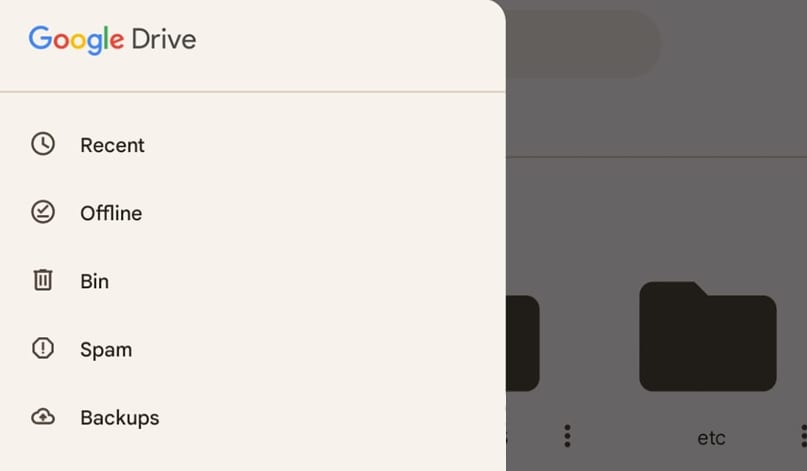
Step 2 Navigate to the Trash Bin
Tap the three-horizontal-line menu icon located in the upper corner to open the sidebar navigation. From this list, select the "Bin" (or "Trash") option. This folder temporarily holds all deleted content for precisely 30 days before it is permanently purged from Google's servers.
Step 3 Select and Restore Your Files
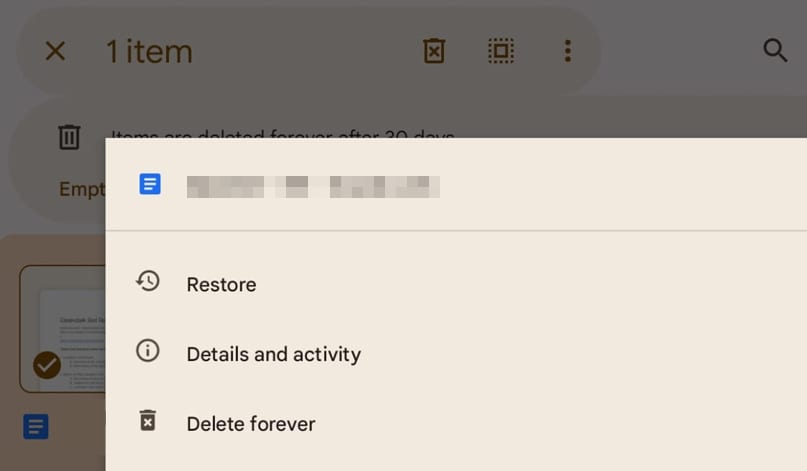
Scroll through the listed items to find the documents or media you need. Long-press on a file to highlight it (you can select multiple items at once). Finally, tap the "Restore" button to immediately send the files back to their original folders within the Drive.

Part 3. How to Recover Data from Samsung Tablets with Advanced Software
When cloud backups fail, or if you are trying to figure out how to recover permanently deleted videos from Samsung tablet past the 30-day cloud limit, you need a specialized, deep-scanning tool. This is where professional-grade software like Dr.Fone - Data Recovery (Android) becomes indispensable for a successful extraction directly from the internal memory.
Dr.Fone remains the industry-leading solution for this exact scenario. Designed with a highly intuitive user interface, it bypasses standard system limitations to securely salvage your vanished media, contacts, and documents.
 Scan Android phones and tablets directly.
- Preview and recover only what you want.
- Supports WhatsApp, photos, videos, contacts, and more.
- Works with 6000+ Android devices.
Here is exactly how to utilize the Dr.Fone tool for extensive Samsung tablet data recovery:
Step 1 Launch Dr.Fone and Connect Your Tablet
Download and install the software on your Mac or Windows PC. Open the application and use a reliable, original USB cable to hook your Samsung tablet to the computer. From the main dashboard, navigate to "Toolbox" and select the "Data Recovery" module.
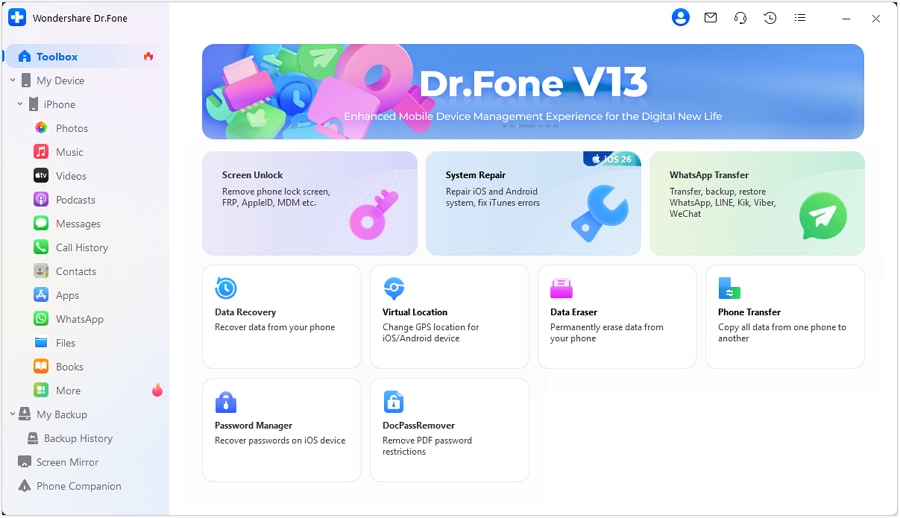
Step 2 Specify Your Device Operating System
Because Samsung devices run on Google's architecture, you must designate the target environment. On the subsequent prompt, click on "Android" to instruct the software on which algorithms to apply. Next, select "Recover Android Data" to move forward.
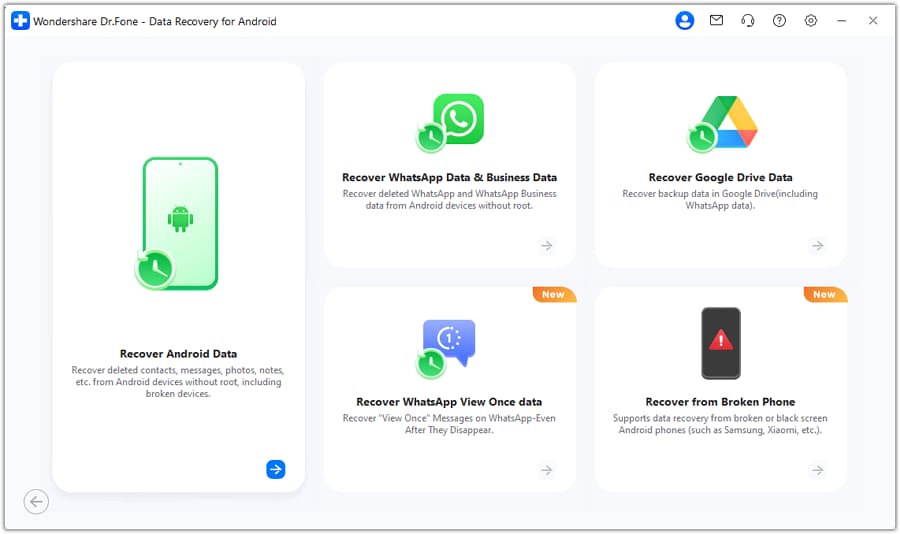
Step 3 Choose Target File Types
Once the tablet is successfully recognized, the interface will present a categorized view of recoverable data formats. To accelerate the process, uncheck anything you don't need and strictly select the critical formats (like Photos, Videos, or Documents). Click "Start Scan" to initiate the deep sector search.
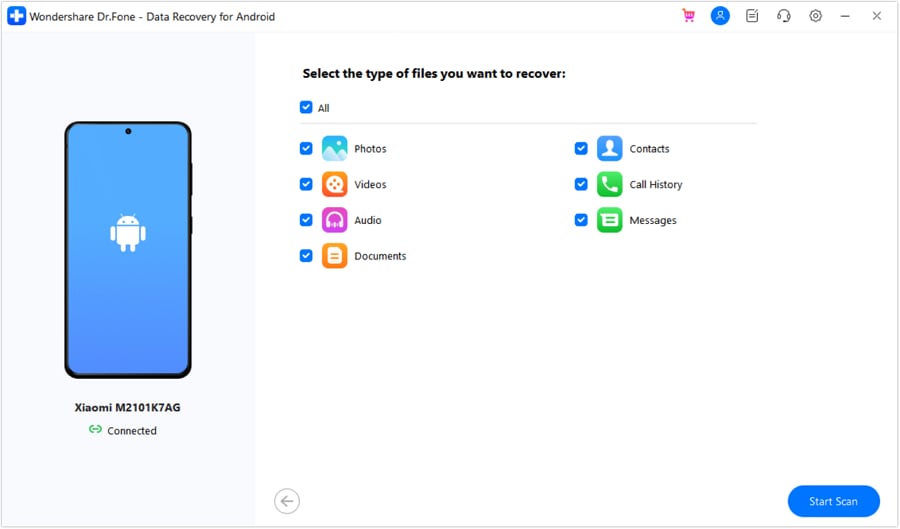
Step 4 Preview and Extract Your Data
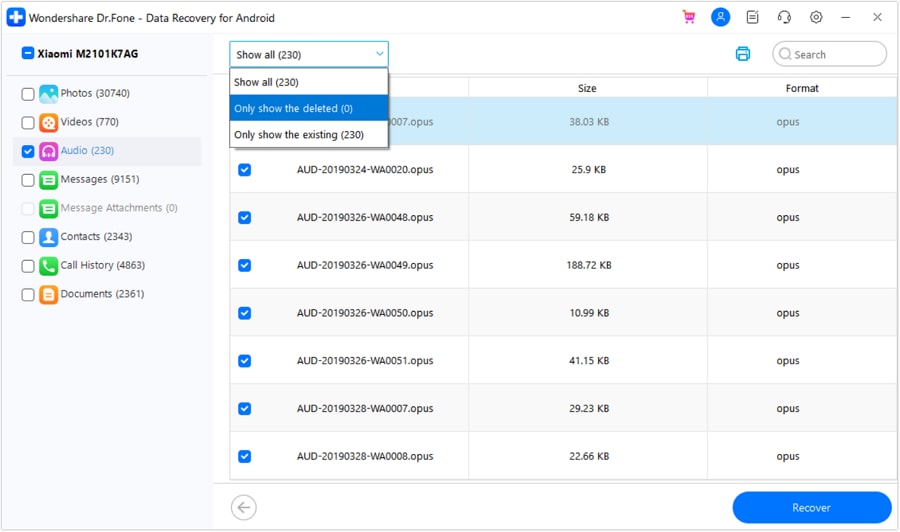
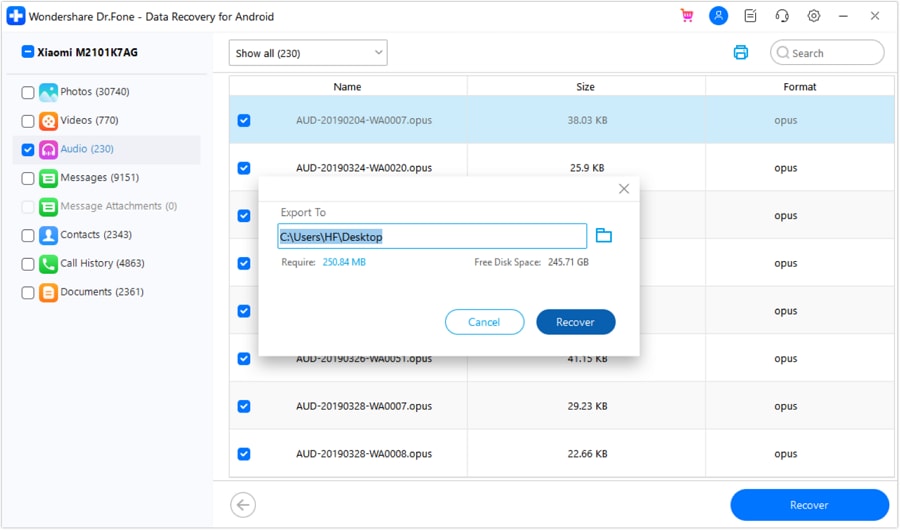
The system will meticulously scan your tablet's storage architecture. Once finished, it generates a comprehensive gallery of recoverable items. Use the top filters to display exclusively deleted content. Browse the items, check the boxes next to your desired files, and hit the "Recover" button to save them safely to your computer's hard drive.




 safe & secure
Pro Tips: How to Prevent Future Data Loss
While recovering files is entirely feasible, establishing a proactive defense mechanism is the true secret to digital peace of mind. Implementing these rigorous protocols on your Samsung tablet will drastically minimize the chances of facing a severe data crisis again.
- Establish a Routine Backup Schedule: Consistently mirroring your tablet's local storage to external hard drives or trusted cloud infrastructure is non-negotiable. If primary storage fails, your secondary copy guarantees continuous access to your life's essential records.
- Toggle Automatic Cloud Synchronization: Instead of relying on manual uploads, allow Google Drive, Samsung Cloud, or specialized backup apps to operate autonomously in the background. Enabling Wi-Fi-only auto-sync ensures immediate duplication without draining your cellular data plan.
- Deploy Premium Anti-Malware Suites: The digital landscape is rife with aggressive ransomware tailored for Android platforms. Installing and frequently updating verified antivirus software acts as a robust firewall, blocking unauthorized background processes from executing harmful deletions.
- Exercise Extreme App Discipline: Sideloading APK files from unverified forums dramatically increases your exposure to hidden trojans. Restrict all your software installations exclusively to the authenticated Google Play Store or the official Samsung Galaxy Store to ensure strict security vetting.
Conclusion
Enduring sudden data loss on your mobile device does not have to result in permanent panic. As we've detailed, the ability to recover deleted files from Samsung tablet systems is supported by multiple distinct pathways. By quickly identifying the cause—be it an accidental swipe, a software error, or a malware breach—you can select the appropriate countermeasure.
If the loss occurred recently, checking your Google Drive's integrated trash bin is an immediate and effective first step. However, for deep-rooted extractions or instances where cloud syncing was disabled, relying on a robust tool like Dr.Fone provides the necessary power to pull data straight from internal sectors safely. Combine these reactive methods with strict preventative backup routines, and your tablet's data will remain protected against any future digital accidents.
FAQ
1. Where do deleted files go on a Samsung tablet before permanent deletion?
When you delete a file through the native gallery or file manager, it usually moves to a temporary "Trash" or "Recycle Bin" folder where it sits for 15 to 30 days. If it surpasses this timeframe, the OS marks the space as available for overwriting, requiring specialized software to retrieve.2. Can I recover permanently deleted photos from my Samsung tablet without a computer?
Yes, if you previously backed up your device to a service like Google Photos, Samsung Cloud, or Google Drive, you can easily restore the files directly over Wi-Fi without needing a PC. However, if no backup exists, a computer-based recovery tool is usually mandatory.3. Will restarting my Android tablet securely wipe my deleted files?
No. A simple reboot or power cycle does not securely overwrite the deleted data in your internal memory sectors. Your files remain hidden and recoverable by tools like Dr.Fone as long as you do not download massive new files that overwrite the old data blocks.4. Is it safe to use third-party data recovery applications on my device?
Absolutely, provided you utilize highly reputable and certified software like Dr.Fone. Professional tools are designed to perform read-only deep scans, ensuring they never modify, leak, or overwrite your existing files during the extraction process.
 Add Wondershare Dr.Fone as a preferred source on Google