Permanently erase all iOS & Android data—completely unrecoverable.

 100% Security Verified | No Subscription Required | No Malware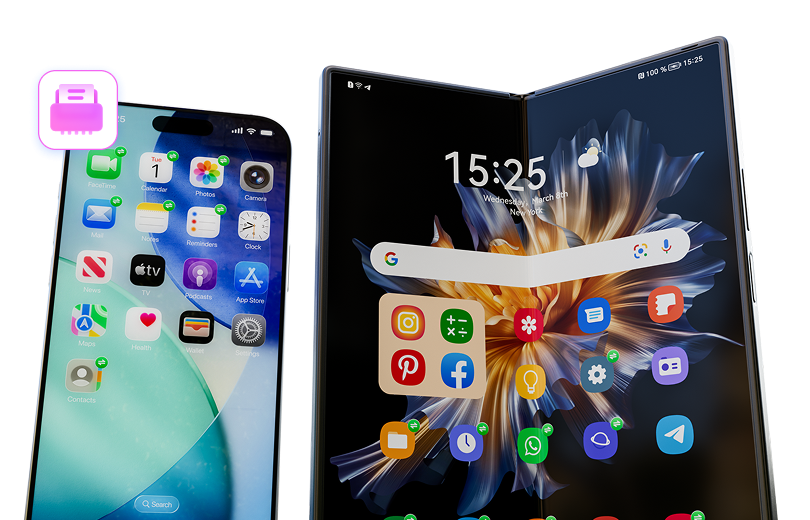

 :
: 
 ChatGPT
 Perplexity
 Gemini
 Claude
 Grok
Grok

My iPhone 13 used to be lightning fast, but lately, apps take forever to load and the screen stutters. How to speed up iPhone 13 efficiently without losing important files?
Tech Forum User
The iPhone 13, powered by the formidable A15 Bionic chipset, is engineered to shatter performance benchmarks and deliver an incredibly smooth user experience. However, despite this cutting-edge hardware, many users still find themselves wondering why their device is lagging and searching for reliable solutions on how to speed up iPhone 13. As mobile software evolves and we accumulate massive amounts of data, even the most powerful smartphones can experience performance bottlenecks.
A sluggish iOS device is rarely a hardware failure. Typically, the root causes include depleted storage space, an overwhelming number of background refresh processes, bloated app caches, or outdated iOS versions. The good news is that restoring your smartphone to its optimal speed is entirely achievable. Below, we explore five highly effective strategies to accelerate your slow iPhone 13 and reclaim its flawless performance.
In this article

Part 1. Reboot An iPhone 13 to Speed up An iPhone 13
In the vast realm of computing and mobile operating systems, a simple reboot remains the most universally recommended troubleshooting step. While it might seem too basic to be true, restarting your device forces the system to flush its temporary cache memory and terminate rogue background processes that might be hoarding system resources. If you are struggling with unexpected lag, a swift restart is the premier diagnostic step to evaluate the problem.
Modern Apple devices have altered the traditional restart sequence. If you need to know how to perform a standard reboot on your iPhone 13, follow these instructions:
-
Step 1 Initiate the Power Menu
Press and hold either of the volume buttons located on the left edge of your iPhone simultaneously with the side button (the power button) on the right edge.

-
Step 2 Slide to Power Off
Once the 'slide to power off' slider materializes on your screen, release all physical buttons and swipe the slider to the right to power down the device.

-
Step 3 Restart the Device
Allow the device a brief moment to shut down completely. After the screen turns pitch black, press and hold the side power button on the right side until the Apple logo illuminates the screen.
The standard restart sequence is usually sufficient for resolving minor interface glitches. However, if the device is severely unresponsive or the standard reboot fails to enhance speeds, a hard reboot (force restart) is required. This method forcefully cuts the power cycle and reboots the hardware architecture directly.
-
Step 1 Press the Volume Up Button
Quickly press and release the volume up button on the left side of your iPhone 13.

-
Step 2 Press the Volume Down Button
Immediately after, quickly press and release the volume down button.
-
Step 3 Hold the Side Button
Firmly press and hold the side button on the right side. Do not let go when the power slider appears. Keep holding until the screen goes dark and the Apple logo bursts onto the display, indicating a successful force restart.
Part 2. Close Unwanted Background Apps to Speed up iPhone 13
Apple's iOS is renowned for its exceptional memory management algorithms. Generally, users do not need to manually intervene in background processes. However, the App Store ecosystem is vast, and not every third-party application is perfectly optimized for the A15 Bionic processor or the latest iOS iterations. A poorly coded app can continuously ping servers or consume processing cycles in the background, drastically degrading your battery life and processing speeds. If you want to know how to speed up iPhone 13, monitoring background activity is essential.
The solution lies within the built-in App Switcher interface. By default, iOS suspends apps when you swipe back to the Home Screen, but they remain queued in the system memory for rapid launching. To completely terminate an application that might be malfunctioning or draining resources, you must manually discard it from the active memory pool.
-
Step 1 Access the App Switcher
Starting from the bottom edge of your Home Screen, swipe your finger upward and briefly pause in the center of the display. This gesture will unveil the App Switcher carousel, displaying all currently suspended applications.

-
Step 2 Force Close Applications
Scroll through the carousel horizontally. To force close an app and clear it from the RAM, swipe its preview card straight upward off the top of the screen. Repeat this action for any unneeded applications.
By purging unnecessary applications from the active memory pool, you allocate more processing power and RAM to the tasks you are currently focused on. For optimal results, perform a quick device restart after clearing the App Switcher to finalize the memory cleanup.
Part 3. Clean up Space on Your iPhone 13 Using Dr.Fone - Data Eraser
Storage capacity directly correlates with system performance. Although the iPhone 13 base model features a generous 128 GB of internal storage, high-resolution multimedia can rapidly consume it. Recording cinematic 4K videos, hoarding high-definition photos, and downloading massive gaming applications can leave you with mere megabytes of free space. When NAND flash storage approaches its maximum capacity, the operating system struggles to write new cache files, resulting in severe interface lag, freezing, and application crashes.
Unlike Android ecosystems, iOS relies heavily on closed-loop memory management, meaning traditional junk cleaner apps from the App Store are often restricted by security sandboxes and fail to deliver meaningful results. To perform a genuinely deep system cleaning and eliminate hidden temporary files, system logs, and stubborn app caches, you need professional desktop-grade software.
 Permanently erase all data on iOS & Android — completely unrecoverable.
- Military-grade wiping to fully protect your privacy.
- Generate verified erasure reports to boost device resale value.
- Selectively erase private data and remove junk & large files.
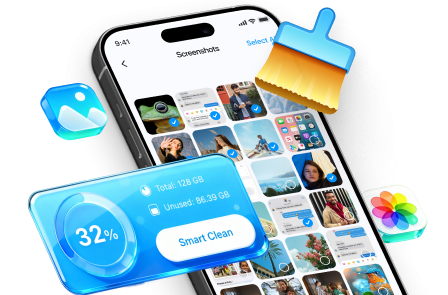
Dr.Fone - Data Eraser stands out as an exceptional solution for users aiming to revitalize their iOS devices. This sophisticated desktop utility bypasses surface-level restrictions to scan deep within the device's storage architecture. It effectively identifies invisible junk files, outdated crash logs, redundant temporary data, and unnecessarily large files that silently degrade performance.
By utilizing the Free Up Space feature, you can significantly accelerate your iPhone 13 without compromising your precious personal photos, messages, or essential application data. The intuitive interface ensures that even novice users can safely optimize their smartphones in just a few clicks. Follow these straightforward steps to deploy the software and restore your device's speed:
-
Step 1 Install the Software
Download and install the official Dr.Fone application on your Windows or Mac computer.
-
Step 2 Connect Your Device
Use an MFi-certified Lightning cable to connect your iPhone 13 securely to your computer. Launch the Dr.Fone software toolkit.
-
Step 3 Access Data Eraser
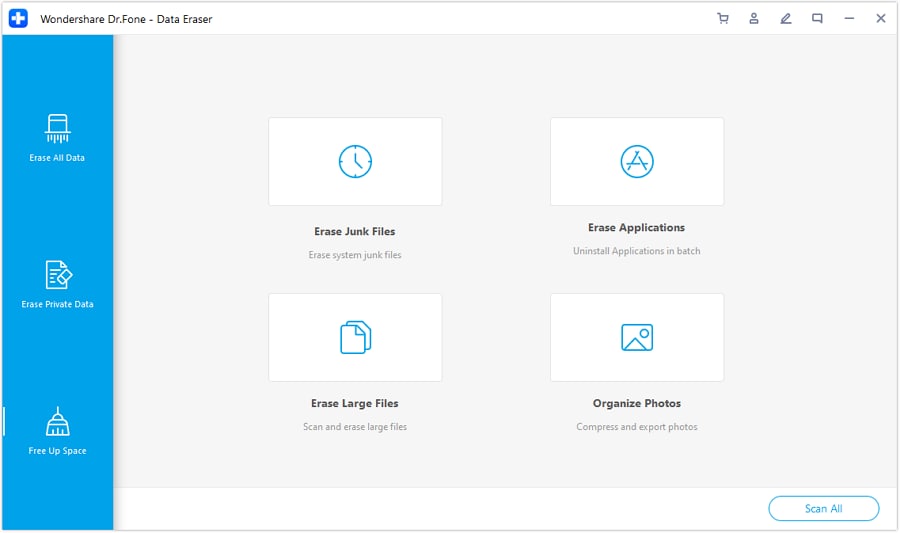
From the primary dashboard, navigate to and select the Data Eraser module.
-
Step 4 Navigate to Optimization
Select the Free Up Space option from the available menu to begin the optimization process.
-
Step 5 Target Junk Files
Click on Erase Junk Files to prompt the software to deeply scan your iOS storage architecture for unnecessary data.
-
Step 6 Execute the Cleanup
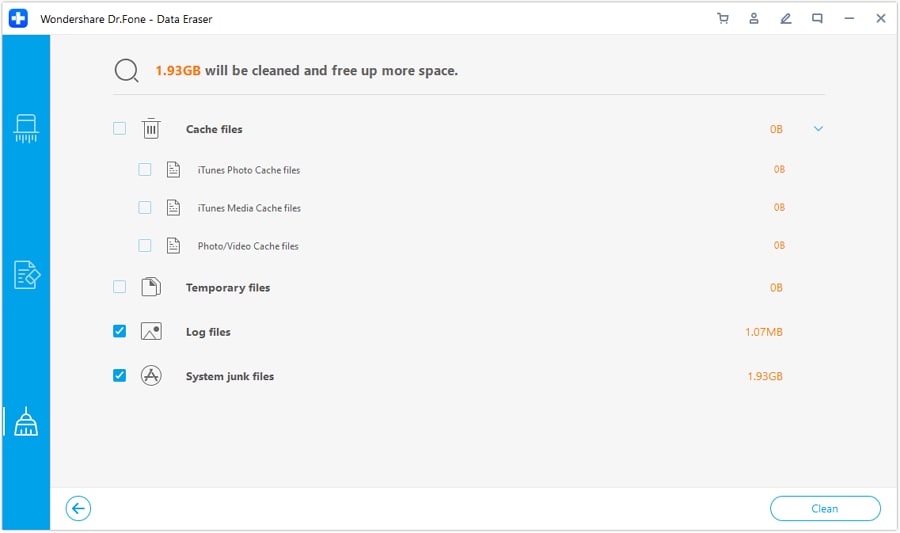
Once the comprehensive scan concludes, the interface will display an itemized list of all detected junk files safely removable from your iPhone 13. Check the desired categories and click Clean to completely eradicate the bloated data.
After the cleanup completes successfully, we highly recommend executing a manual device reboot. This ensures the operating system accurately registers the newly reclaimed storage space and recalibrates its memory indices.





Part 4. Remove Unwanted Widgets to Speed up iPhone 13
Every element displayed on your Home Screen consumes a fragment of your available RAM and processor power. The introduction of interactive Home Screen widgets fundamentally changed iOS customization, but it also introduced a massive performance overhead. Widgets function by constantly refreshing data in the background—fetching weather updates, syncing calendar events, or loading stock market metrics in real-time. On devices constrained by background multitasking, an excessive number of active widgets can easily drain resources.
While the iPhone 13's 4 GB of RAM is efficiently managed by iOS, saturating it with constantly updating widgets forces the system to aggressively close background apps, leading to stuttering animations and delayed app launches. If visual flair is compromising your productivity, minimizing widget usage is a highly pragmatic step.
-
Step 1 Enter Edit Mode
Navigate to the Home Screen page containing the widgets you wish to discard. Press and hold your finger on any empty area of the screen until the application icons begin to jiggle.

-
Step 2 Delete the Widget
Tap the small minus (-) sign that appears in the upper-left corner of the target widget. Confirm your decision by tapping 'Remove' in the subsequent dialogue box.
Continue this process for all non-essential widgets scattered across your Home Screens and the Today View panel. Trimming the visual fat will instantly alleviate RAM pressure and contribute to a significantly smoother user experience.
Part 5. Reset iPhone 13 to Factory Settings
When localized troubleshooting fails, and your device continues to demonstrate unbearable lag, a complete factory reset remains the ultimate diagnostic tool. Erasing all content and settings eliminates corrupted operating system files, misconfigured network protocols, and deep-seated software glitches. You can achieve this via the native iOS settings menu or utilize advanced desktop solutions for a more secure wipe, especially if you plan to transfer ownership of the device.
-
Step 1 Open iOS Settings
Unlock your device and tap on the gear icon to launch the Settings application.
-
Step 2 Navigate to General
Scroll down through the menu options and select 'General'.
-
Step 3 Access Reset Options
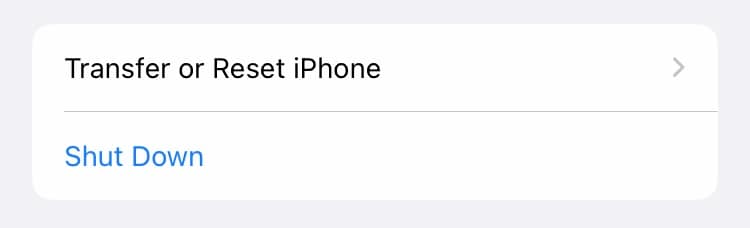
Scroll to the very bottom of the General menu and tap on 'Transfer or Reset iPhone'.
-
Step 4 Execute the Erasure
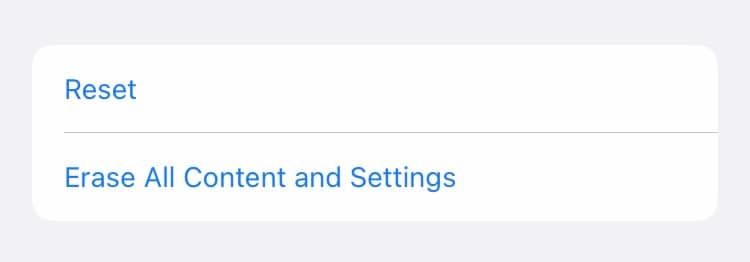
Choose 'Erase All Content and Settings'. Follow the on-screen prompts, enter your passcode, and confirm the irreversible deletion of your data.
While the native Apple reset method handles basic data clearing adequately, it does not guarantee protection against advanced data recovery techniques. For users prioritizing absolute privacy, employing a specialized utility like Dr.Fone - Data Eraser is highly recommended.
Reset iPhone 13 to Factory Settings Using Dr.Fone - Data Eraser
If you require a military-grade data wiping solution that securely overwrites disk sectors to prevent any possibility of file recovery, Dr.Fone offers an uncompromising 'Erase All Data' feature. This tool permanently destroys the encryption keys and rewrites binary data across the storage drive.
-
Step 1 Launch the Application
Open the Dr.Fone software suite on your computer after ensuring a successful installation.
-
Step 2 Establish Connection
Connect your iPhone 13 using a reliable USB cable and wait for the software to recognize the device.
-
Step 3 Select the Module
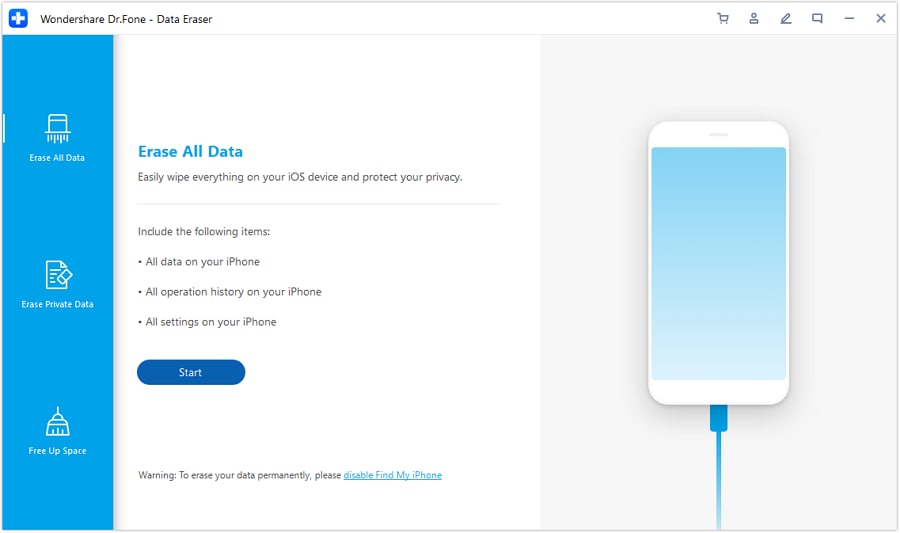
From the main menu, click on the Data Eraser toolkit to proceed.
-
Step 4 Choose Full Erasure
Navigate to the Erase All Data tab located on the sidebar, then click the prominent 'Start' button.
-
Step 5 Configure Security Protocol
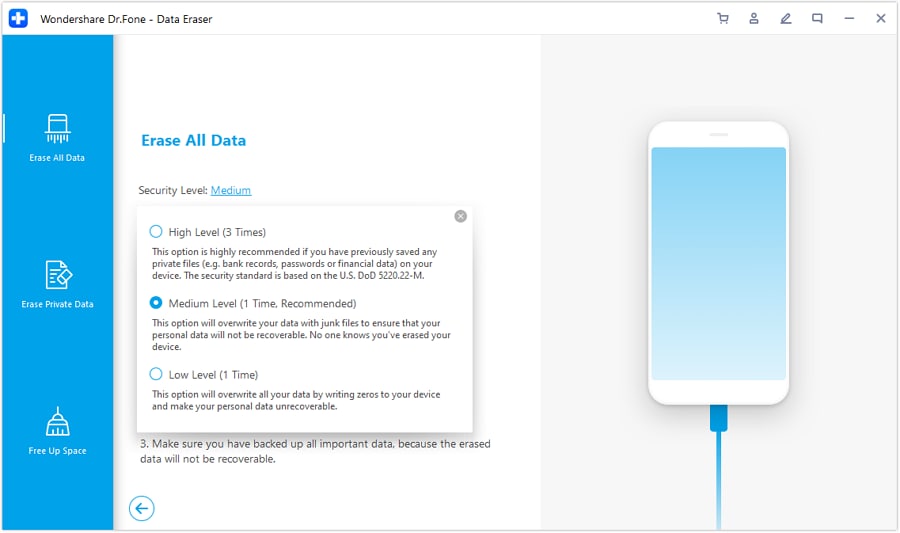
You will be prompted to select a security level. The software offers three distinct wiping algorithms. For standard usage, the 'Medium' setting provides an excellent balance of speed and security.
-
Step 6 Final Confirmation
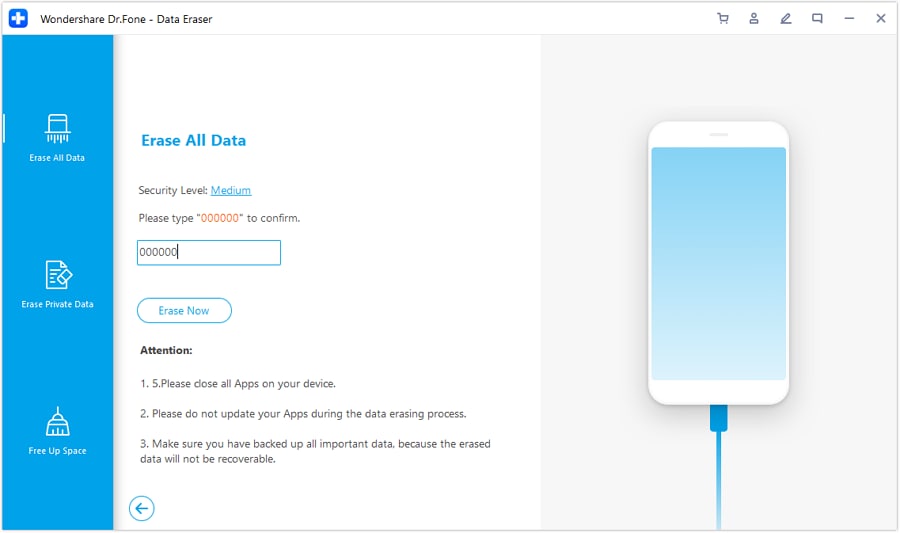
To prevent accidental deletion, carefully type the digit zero (0) six consecutive times ('000000') into the confirmation field. Click Erase Now to initiate the permanent data destruction sequence.
-
Step 7 Complete the Reboot
Once the intensive wiping process finalizes, a prompt will appear requesting permission to restart the device. Click OK. Your iPhone 13 will boot up identically to a brand-new device, entirely free of legacy bloatware and personal data.
Conclusion
There is absolutely no denying that the iPhone 13 stands as an architectural marvel of modern engineering, yet it remains susceptible to the common pitfalls of software bloat and storage saturation. When system responsiveness dips below acceptable standards, understanding exactly how to speed up iPhone 13 ensures you are never stranded with an underperforming device. By diligently practicing these fundamental maintenance strategies—such as executing hard reboots, eliminating resource-heavy widgets, and actively managing background application refreshing—you can dramatically extend the operational lifespan of your smartphone. For rigorous storage optimization and secure device resets, utilizing Dr.Fone - Data Eraser provides unparalleled control over your digital environment, maintaining your iPhone 13 at peak velocity.
FAQ
-
1. Does closing all apps in the background really improve iPhone 13 speed?
Closing background apps can yield immediate, temporary relief if a specific application is frozen, consuming excessive background data, or leaking memory. However, constantly force-closing all applications is counterproductive for battery health, as the A15 Bionic chip utilizes more energy to perform cold launches of frequently used apps than resuming them from suspended memory. Use the App Switcher judiciously for problematic software. -
2. How much free storage space should I maintain to prevent my iPhone 13 from slowing down?
Apple's iOS demands a constant buffer of available flash storage to manage swap files, execute system updates, and cache application data smoothly. It is highly advised to retain a minimum of 10 to 15 percent of your total storage capacity completely empty. For a standard 128GB iPhone 13, strive to keep at least 12GB to 15GB strictly unallocated to maintain top-tier performance. -
3. Will a factory reset permanently damage my iPhone 13 battery or hardware?
Executing a factory reset strictly impacts the software environment and the data stored on the NAND flash memory drive; it poses zero physical threat to your battery degradation metrics or core hardware components. By systematically clearing corrupt settings and misbehaving files, a factory reset will frequently resolve obscure thermal issues and ultimately improve perceived battery longevity. -
4. Why is my iPhone 13 running slow after updating to a new iOS version?
Immediately following a major iOS architecture update, the operating system initiates intensive background processes, such as re-indexing the Spotlight search database, machine learning algorithms analyzing the photo library, and background app optimizations. This heightened background activity consumes heavy CPU cycles and can temporarily induce stuttering or lag. Normal performance usually stabilizes within 48 to 72 hours after installation.
 Add Wondershare Dr.Fone as a preferred source on Google