Recover photos, messages, WhatsApp, and more — no backup
needed.
Recover photos, messages, WhatsApp, and more — no backup
needed.

 100% Security Verified | No Subscription Required | No Malware

 :
: 
 ChatGPT
 Perplexity
 Gemini
 Claude
 Grok
Grok
Are you looking for the most reliable and best iPhone Backup Software in 2026? As digital threats evolve and hardware complexities increase with devices like the iPhone 17, ensuring your data remains completely secure has never been more vital. Backing up and protecting important files, images, videos, or the entire iPhone is a very crucial task in recovering your data just in case you experience a sudden system failure, firmware crash, or happen to delete your files accidentally.
However, not all iPhone backup software is created equal. Some applications may strictly copy your files to standard, hard-to-read local directories, while others create an exact, restorable image so that you can retrieve everything seamlessly when the need arises. When shopping for the ideal backup tool, you will realize that different programs prioritize different functionalites—from wireless syncing to selective restoration. Understanding these crucial features is the key to achieving maximum protection for your profound personal or business information.
1. Dr.Fone - Phone Backup (iOS)
A comprehensive, user-friendly tool offering selective data export, automated wireless backups, and cross-device compatibility without data loss.
2. Aiseesoft Fonelab
A premium application capable of extracting up to 19 file types from iOS devices, iTunes, and iCloud, albeit at a higher price point.
3. CopyTrans
An excellent interface for managing sensible data and restoring Microsoft Exchange programs, though constrained by a strict contact transfer limit.
4. iPhone Backup Utility
A highly lightweight, basic program requiring only 2MB of space, best suited for older configurations but lacking modern upgrade cycles.
5. FunV10
A niche software specializing in syncing multimedia and contacts directly using an email address or AOL synchronization methodology.
In this article
Part 1: Dr.Fone - Phone Backup (iOS)
A premier tier of iPhone Backup software, such as Dr.Fone Basic, empowers users by granting them the flexibility to back up and restore their data selectively. Gone are the days of overwriting your entire device just to retrieve a single lost text message. Moreover, you can also leverage the robust feature of automatic backup. Simply set up the backup frequency and preferred backup period, and then your iPhone will be backed up automatically and wirelessly over your local network.
Dr.Fone assists you in making the best choice based on your precise demands. For extreme security purposes, it is highly advisable to maintain a regular, encrypted backup file for all your iDevices—this guarantees peace of mind in case you lose, damage, or need to replace your hardware. Dr.Fone directly facilitates exporting iOS device information to your computer, making it exceptionally easy for users to browse, export, and print iPhone, iPad, and iPod data straight from their Windows or Mac PCs.
 Effortlessly manage data through preview, delete, export, etc.
- Transfer all data between devices.
- Robust backup solutions for reliable data protection.
- Mirror screens to PC for meetings, teaching, and control.
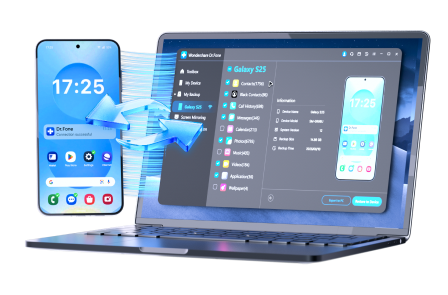
Steps to Selectively Backup iPhone Data
By following these clear instructions, anyone can effortlessly secure their iOS data to a local drive without needing advanced technical skills.
-
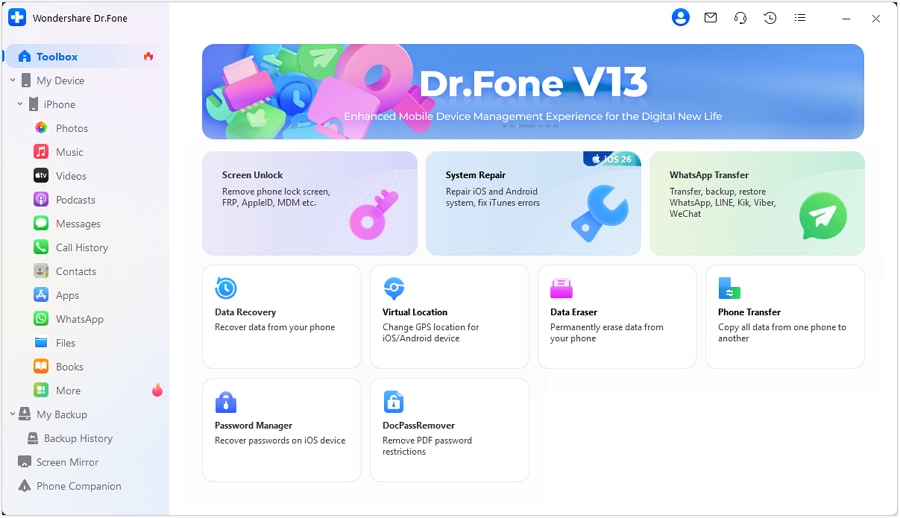
Step 1 Connect your iDevice to your computer
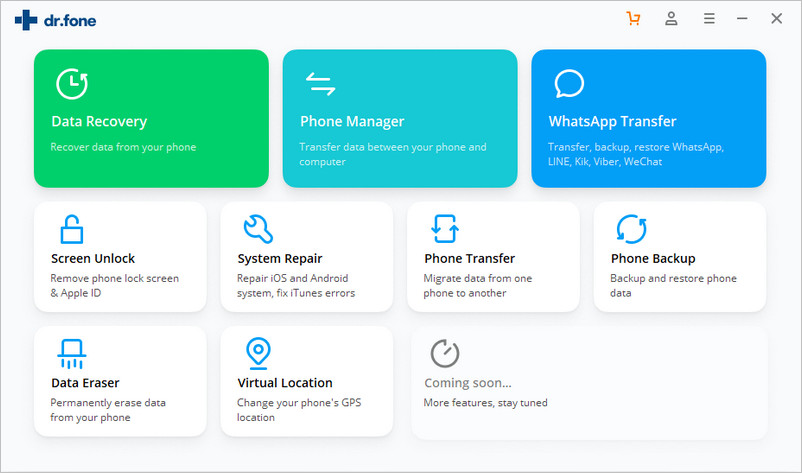
After downloading and launching Dr.Fone on your PC or Mac, navigate to and click on the “Phone Backup” module from the main dashboard. Using your original Lightning or USB-C cable, securely connect your iDevice to your computer. By default, Dr.Fone will automatically detect your connected iOS device.
-
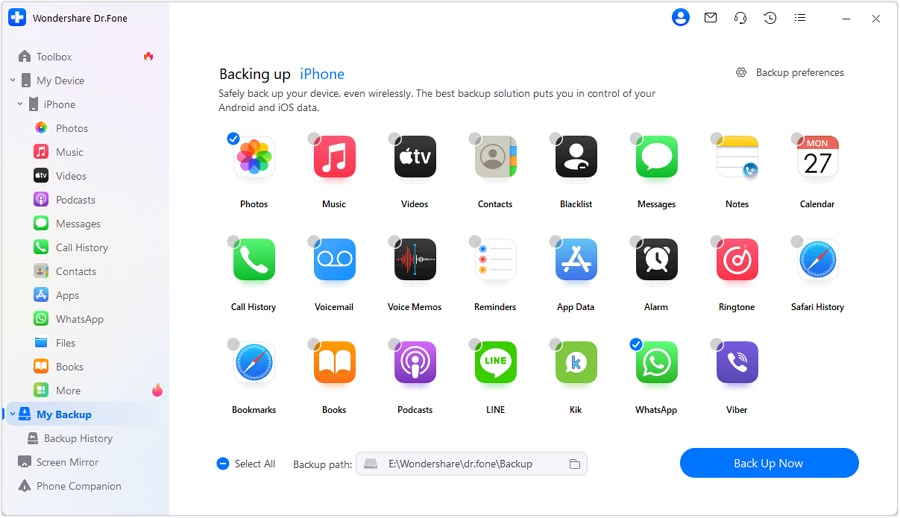
Step 2 Pinpoint Files to Backup
After your iDevice is recognized, you will see a detailed list of supported data types. Select the specific files you need to back up by checking the boxes next to the corresponding folders (e.g., Photos, Contacts, Messages). Once you have highlighted your priorities, click on the “Backup” option.
-
Step 3 Monitor Backup Process
Once you click on the backup option, the program will initiate the secure extraction process. This operation typically takes a few minutes, heavily depending on the volume of data selected and the size of your device's storage. Keep the device firmly connected throughout.

-
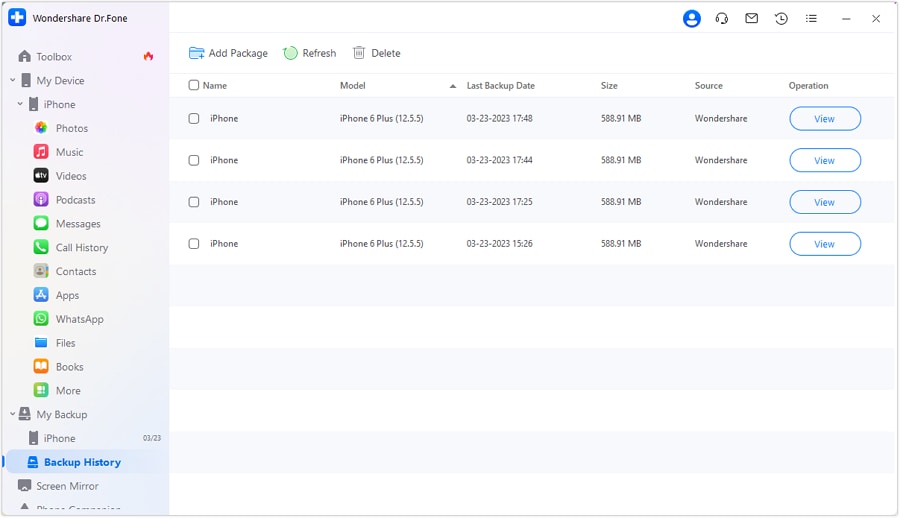
Step 4 View iPhone backup content
Once the primary data backup process is officially over, click on the 'View Backup History' prompt. Dr.Fone will instantly display an organized ledger of all your historical backup files. Select the latest generated file and click 'View', enabling you to inspect all archived contents safely.
-
Step 5 Selectively export backup data
Once the viewing process is complete, review the generated list to ensure you possess all the required information before executing an export. On the right-hand side of your interface, choose either the "Restore to Device" or "Export to Computer" option. Dr.Fone will automatically push your chosen data safely to its destination.

With just these simple steps, your digital life will be backed up conveniently to your chosen file locations. To experience this streamlined tool, you can download it via the links below:




Part 2: Aiseesoft Fonelab iPhone Backup software
Aiseesoft Fonelab is a highly developed iPhone backup software that securely extracts and archives data from your personal device. It is structurally well-suited for both Windows and Mac operating systems. Aiseesoft Fonelab iPhone Backup software continually ranks amongst the best Apple backup solutions, partly thanks to the fact that it possesses the versatility to back up files originating from local iTunes, the iCloud database, and directly from iOS hardware. Apart from its extensive compatibility with various modern iOS iterations, this utility can easily back up intricate app data in your phone—including raw phone contacts, reminders, music databases, photo albums, and high-definition videos in merely a couple of minutes.
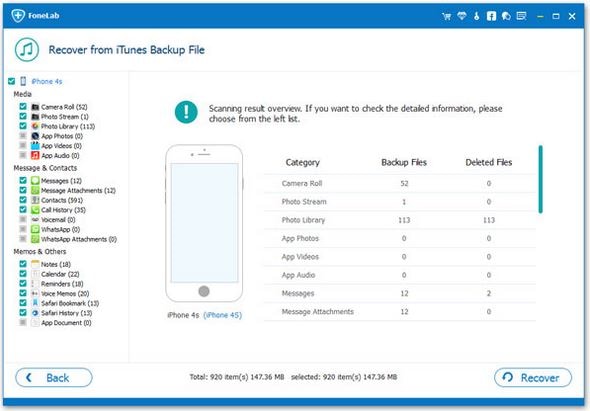
- You can reliably backup up to 19 different types of data files efficiently.
- Supports extensive hardware updates, stretching to iOS structures running on modern iPhone hardware frameworks.
- It comes bundled with an exceptionally clean, easy-to-use GUI interface favorable to everyday users.
- Presents strict compatibility ceilings on outdated iOS legacy versions, potentially blocking off users running obsolete firmware.
- Priced steeply at around $80, a barrier that some basic users might find too expensive.
Part 3: CopyTrans iPhone Backup Software
While operating the CopyTrans contacts iPhone backup software, users immediately discover that it is incredibly easy to organize, edit, and bulk-delete internal information, alongside providing tools to effectively monitor and keep all your data safe. It continuously stands out among the best software choices designed primarily for managing and extracting highly sensible corporate or personal data records safely to a computer.
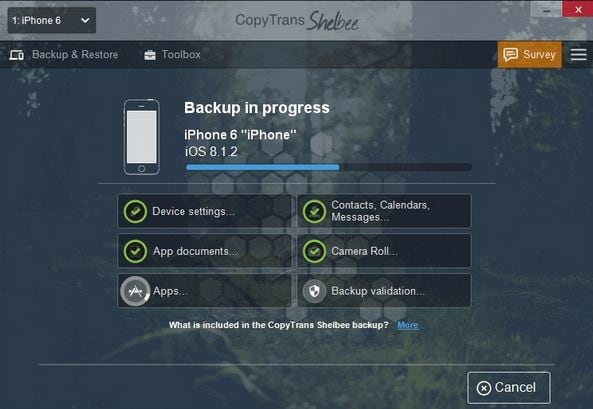
- Makes it exceptionally easy to recover and transfer Microsoft Exchange programming logs for users tracking former Exchange servers.
- It arrives equipped with a beautifully structured, clean, and highly intuitive aesthetic interface.
- Limits bulk transfers; you can strictly only transfer 50 contact data strings per single software purchase phase.
- If you require significantly larger archiving options, it forces multiple recurring purchase actions.
Part 4: iPhone Backup utility
This legacy program aggressively focuses on backing up critical, common text-based information such as your SMSes, historical call logs, and your comprehensive address book straight from your iPhone, iPad, or iPod Touch hardware. If you ever feel the urge to push and restore data dynamically back to your iPhone, you just need to access the explicit "restore tab" and manually select both the archive date and the precise strings of information you originally flagged for backup.
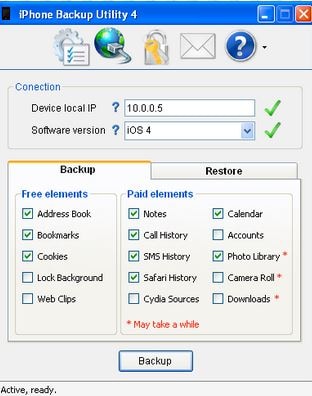
- Features a micro-footprint; you incredibly need just around 2MB of free hard-disk space before backing up your core text files.
- It severely lacks developer-endorsed upgrade mechanisms, which simply translates to users being forced to navigate an increasingly outdated framework.
Part 5: FunV10 iPhone Backup Software
This specialized software actively syncs your data utilizing your personal email address ecosystem as a backbone. Alternatively, users can also choose to utilize AOL frameworks by actively selecting an address book integration directly on the interface's primary address book screen. After initially registering your hardware, you receive comprehensive instructions detailing exactly how to systematically back up your cloud or local information via FunV10.
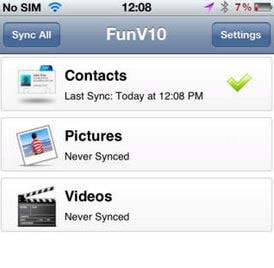
- Considered by many to be among the best software solutions specifically tuned for syncing rapid media such as deep contacts, video formats, and digital pictures.
- Despite operating heavily via email workflows, the software paradoxically does not support direct email-content backup.
Conclusion
Executing a reliable file backup is absolutely essential for the sustained protection and safe operation of your personal data and your broader business endeavors. It is always important to shield your company or individual records from total loss, and the absolute best way to do this is by acquiring the right software infrastructure up front. Though every iPhone backup software reviewed inherently comes with its own curated array of features, it is clear that they fundamentally differ from one another in execution and design philosophy.
For instance, specialized tools like FunV10 actively support email sync functionality, while some of the alternative options intentionally forgo it. Though some legacy and premium software tiers can be quite expensive, they consistently fail to offer up-to-par, comprehensive user services when directly compared to Dr.Fone—a powerful solution that remains both flexible and much cheaper. Since the modern market offers a vast array of iPhone backup applications, it is consistently advisable to leverage a robust, continually updated solution such as Dr.Fone Basic, perfectly adapting to both personal archiving and high-level business safety needs.
FAQ
-
1. Do I still need third-party iPhone backup software if I use iCloud?
While iCloud offers a convenient native backup method, using dedicated third-party iPhone backup software provides significant advantages. External tools allow for local computer storage without monthly cloud fees, offer selective viewing and restoration of specific files instead of an all-or-nothing wipe, and protect your data from potential account lockouts. -
2. Can Dr.Fone Basic restore backups across different operating systems?
Yes, Dr.Fone is specifically designed to bypass cross-platform restrictions. You can securely back up data from an iOS device and later restore or extract those compatible files to other devices, seamlessly migrating your essential contacts, photos, and messages regardless of your next device's ecosystem. -
3. What happens if I disconnect my iPhone during the backup process?
Disconnecting a device midway through data extraction can result in a corrupted or incomplete archive file. It is strongly recommended to maintain a steady physical connection or stable Wi-Fi connection (if using wireless features) until the software formally confirms that the process has concluded successfully. -
4. Are lightweight backup utilities safe for modern iPhone 17 hardware?
Legacy utilities, like the 2MB iPhone Backup Utility, were engineered for older iOS firmware and fundamentally lack modern encryption or updated API handshakes. While they might still extract basic text logs, relying on frequently updated software is necessary for securely parsing the complex data structures inside modern iPhones.
 Add Wondershare Dr.Fone as a preferred source on Google