Resolve common problems and system crashes on both iPhone and Android devices.

 100% Security Verified | No Subscription Required | No Malware

 :
: 
 ChatGPT
 Perplexity
 Gemini
 Claude
 Grok
Grok
Encountering the iPhone White Screen of Death is a startling experience for any user. Your device suddenly displays a blank, unresponsive white screen, rendering it completely useless. This common but critical iOS system error can affect iPhones, iPads, and iPods, often triggered by a failed software update, a jailbreak attempt gone wrong, or even physical damage from a drop.
When your iPhone or iPad freezes on this glaring white screen, it's more than just an inconvenience; it prevents you from accessing your contacts, photos, and essential apps. Fortunately, this problem is solvable. In this comprehensive guide, we'll walk you through eight effective methods to fix the white screen of death and restore your device to normal functionality.
In this article
- Why Does the iPhone White Screen Occur?
- Solution 1: Fix iPhone White Screen of Death Without Data Loss
- Solution 2: Use Force Restart to Fix the White Screen
- Solution 3: Restore Your iPhone via iTunes to Resolve the Issue
- Solution 4: Enter DFU Mode to Fix the White Screen
- Four Additional Solutions for the White Screen Problem
- Essential Tips to Prevent the iPhone White Screen of Death
Why Does the iPhone White Screen Occur?
Understanding the root cause of the iPhone white screen can help you prevent it in the future. This issue can stem from both software and hardware problems. Here are the most common culprits:
- Failed Software Updates: A common trigger for the white screen is an incomplete or corrupted iOS update. If the update process is interrupted, it can leave the system in an unstable state, leading to a frozen white screen. This can affect any model, including iPhone 8 and iPhone 7.
- Jailbreaking Issues: Attempting to jailbreak your iPhone modifies its core software. If the process fails or encounters an error, it can severely damage the operating system and result in the White Screen of Death, particularly seen on older models like the iPhone 4.
- Hardware Malfunctions: Physical damage is a frequent cause. The connector cable linking the motherboard to the screen can become loose or damaged after a drop. This hardware failure disrupts the display signal, causing a persistent white screen.
- Critical Low Battery: In some instances, the issue can be as simple as a completely drained battery. When the battery level is critically low, the system may fail to boot properly, sometimes resulting in a white screen instead of the usual low-battery indicator.
Solution 1: Fix iPhone White Screen of Death Without Data Loss
If you're facing the iPhone White Screen of Death and need a reliable solution that guarantees your data remains safe, Dr.Fone - System Repair (iOS) is the ideal tool. It's designed to resolve a wide array of iOS system issues, including the white screen, black screen, and devices stuck on the Apple logo, without requiring any technical expertise.
The standout feature of Dr.Fone is its ability to repair your device without erasing your personal information. You can fix the white screen issue without worrying about losing your contacts, messages, photos, or other important files. This makes it the safest first choice for troubleshooting.
 Fix iOS issues, no data loss.
- One-click repair for all iOS problems.
- Solve recovery mode, Apple logo, black screen, etc.
- Upgrade or downgrade iOS without iTunes
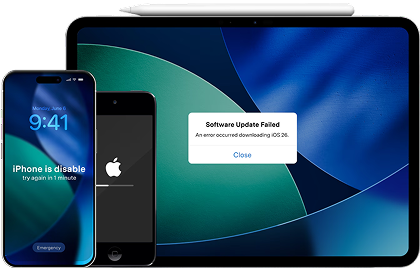
Here’s how to fix the white screen on your iPhone using Dr.Fone:
-
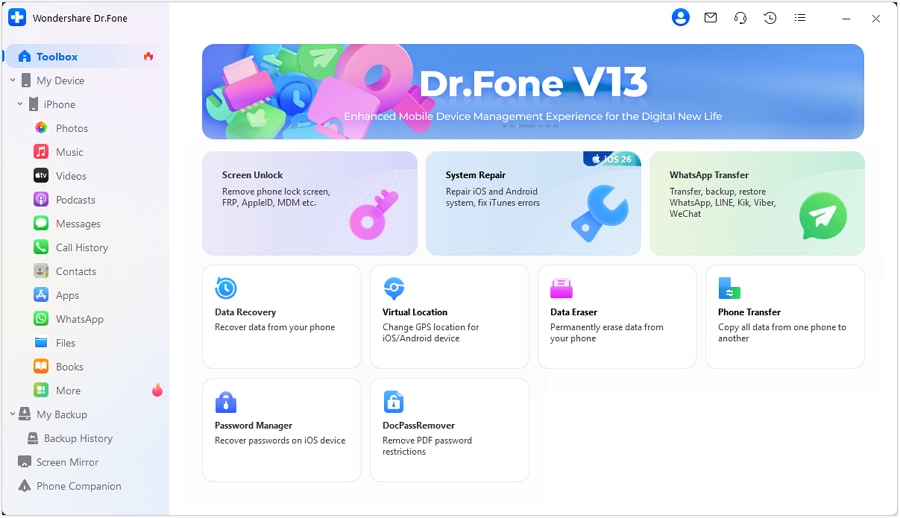
Step 1 Launch Dr.Fone and Connect Your iPhone
Download and install Dr.Fone on your computer. Open the application, select "System Repair" from the main menu, and connect your iPhone using a USB cable.
-
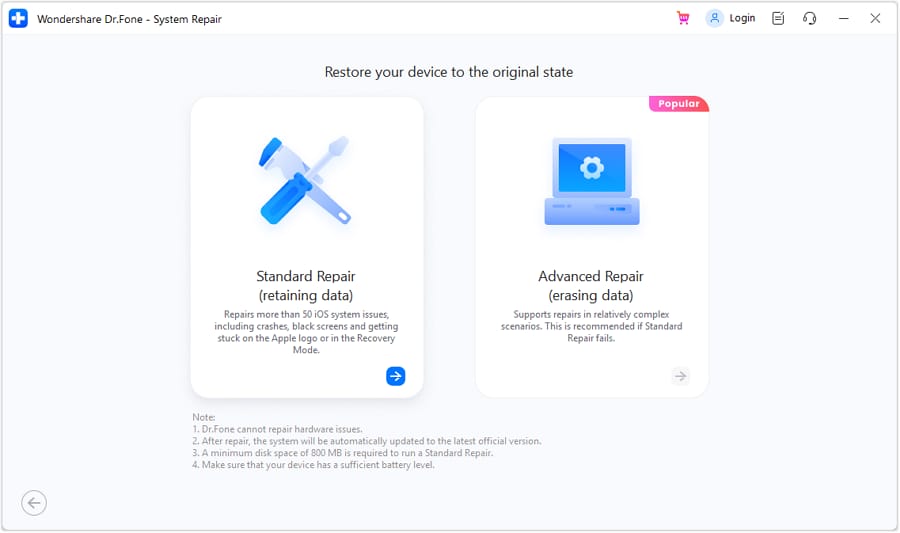
Step 2 Select Standard Mode for Repair
Once your device is detected, choose 'Standard Mode'. This mode fixes most iOS system issues without causing any data loss.
-
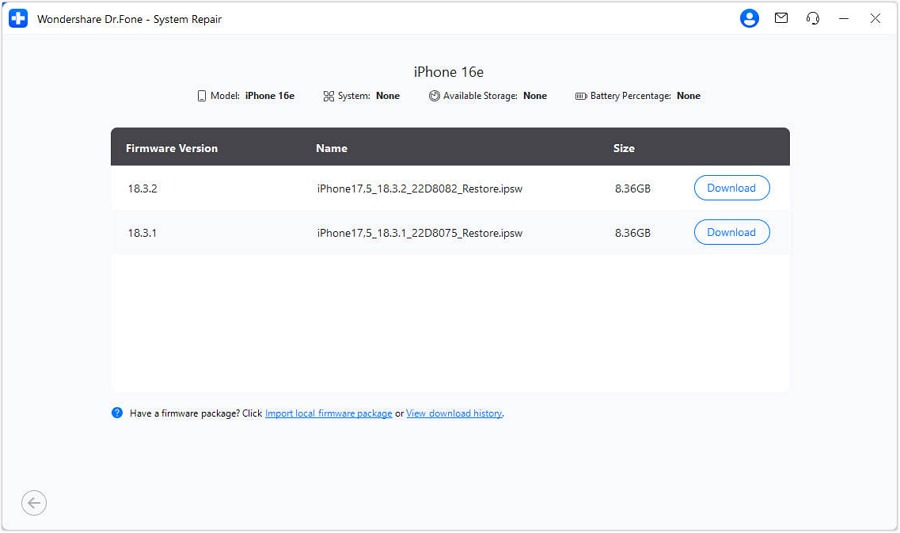
Step 3 Download the Correct Firmware
Dr.Fone will automatically detect your iPhone model and display the latest compatible iOS firmware. Click 'Start' to begin the download.
-
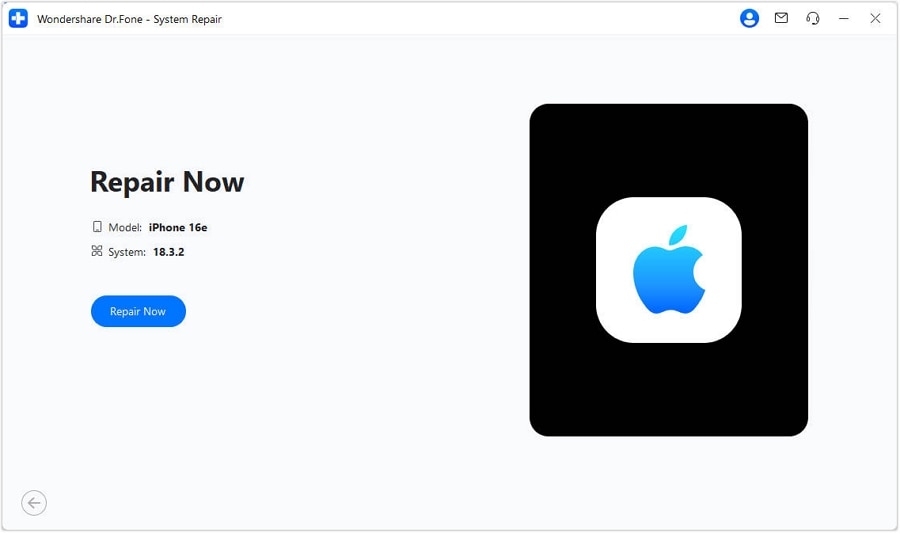
Step 4 Initiate the System Repair
After the firmware is downloaded and verified, click the 'Repair Now' button. Dr.Fone will proceed to fix the white screen issue. The process typically takes about 10 minutes.
-
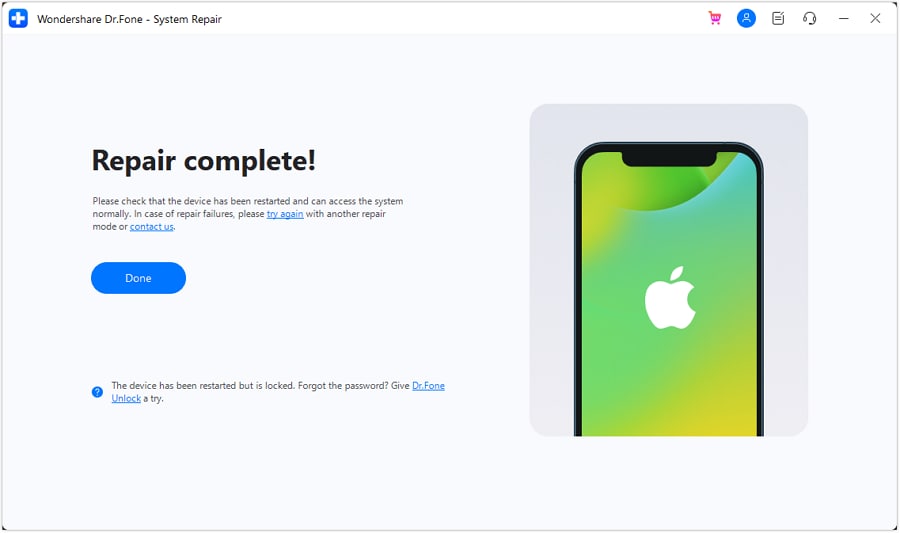
Step 5 Complete the Process
Once the repair is finished, you will see a confirmation screen. Click 'Done' to conclude the process. Your iPhone will restart and should now be functioning correctly, with all your data intact.
Solution 2: Use Force Restart to Fix the White Screen
A force restart is often the quickest and easiest way to resolve minor software glitches, including the white screen. It's like a more powerful reboot that doesn't affect your personal data. The method varies depending on your iPhone model.
For iPhone 6s, SE (1st Gen), and Earlier Models
If you have an iPhone 6s, 6 Plus, 5s, 5c, or an older model, follow these steps:
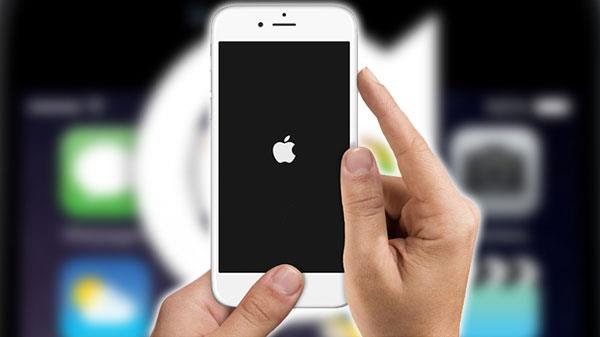
- Press and hold the Home button and the Power (Sleep/Wake) button at the same time.
- Continue holding both buttons until the Apple logo appears on the screen. This can take 10-20 seconds.
- Release the buttons and allow your iPhone to restart. You may need to enter your passcode once it boots up.
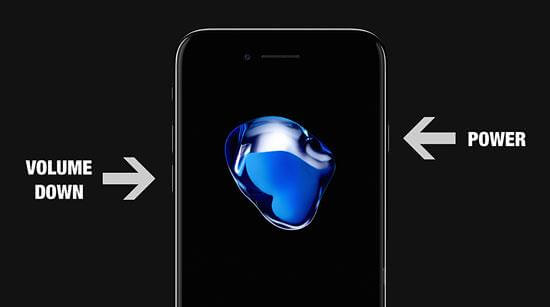
For iPhone 7 and 7 Plus
The process is slightly different for the iPhone 7 series:
- Press and hold the Power (Side) button and the Volume Down button simultaneously.
- Keep holding them until you see the Apple logo flash on the screen.
- Release the buttons and wait for the device to complete its startup sequence.
For iPhone 8, X, and Newer Models
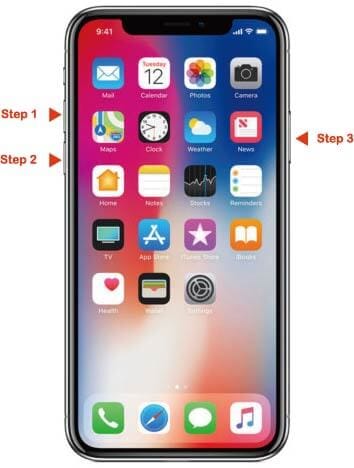
For an iPhone 8, X, 11, 12, 13, 14, or newer models, the steps are a bit more involved:
- Quickly press and release the Volume Up button.
- Immediately after, quickly press and release the Volume Down button.
- Finally, press and hold the Side (Power) button until the Apple logo appears.
Solution 3: Restore Your iPhone via iTunes to Resolve the Issue
If a force restart doesn't work, you can try restoring your iPhone using iTunes (or Finder on macOS Catalina and later). This method will reinstall the iOS software but will also erase all data on your device. Only proceed if you have a recent backup.
-
Step 1 Connect to Your Computer
Use a USB cable to connect your iPhone to a computer that has the latest version of iTunes or Finder installed.
-
Step 2 Locate Your Device
Open iTunes or Finder. Your device should be recognized. If not, you may need to put it into recovery mode first. Click on your device icon when it appears.
-
Step 3 Restore Your iPhone
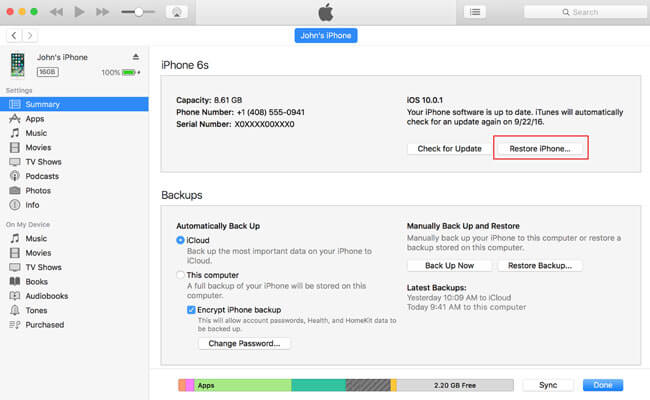
Navigate to the Summary tab and click the 'Restore iPhone' button. A confirmation pop-up will appear.
-
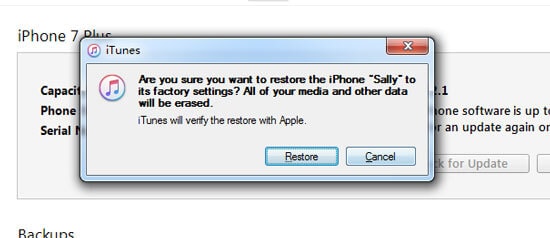
Step 4 Confirm the Restore
Click 'Restore' again to confirm. iTunes will download the latest iOS software and restore your device to its factory settings. Once complete, your iPhone will restart, and you can set it up as new or restore from a backup.

Solution 4: Enter DFU Mode to Fix the White Screen
Device Firmware Upgrade (DFU) mode is the deepest type of restore you can perform on an iPhone. It allows your device to communicate with iTunes or Finder without loading the operating system or bootloader. This is an advanced troubleshooting step that will erase all data on your phone.
DFU mode is often used to fix severe software issues, install custom firmware, or downgrade iOS versions. However, be aware that this will result in a complete data wipe, so a backup is essential.
-
Step 1 Connect and Prepare
Connect your iPhone to your computer and open iTunes or Finder. The process for entering DFU mode varies by model, so follow the specific instructions for your device carefully.
-
Step 2 Enter DFU Mode
As an example, for an iPhone 6s or earlier, you would hold the Sleep/Wake and Home buttons together for about 10 seconds, then release the Sleep/Wake button while continuing to hold the Home button. Your screen should remain black. If you see an Apple logo, you've held it for too long and need to start over.

-
Step 3 Restore via iTunes/Finder
Once you've successfully entered DFU mode, iTunes or Finder will display a message stating, "iTunes has detected an iPhone in recovery mode." You can then click 'OK' and proceed to restore your iPhone, which will download and install a fresh copy of iOS.

Four Additional Solutions for the White Screen Problem
If the main solutions haven't resolved the issue, here are a few less common but potentially effective fixes you can try.
Disable the Zoom Feature
In some rare cases, the white screen may be caused by the Zoom accessibility feature being accidentally activated and magnified on a white area. Try double-tapping the screen with three fingers. If the screen zooms out, navigate to Settings > General > Accessibility > Zoom and toggle the feature off.
Turn Off Auto-Brightness
Some users have reported that disabling Auto-Brightness helped resolve display issues. Since you can't access settings, this is more of a preventative measure or something to try if you regain temporary access. You can find this setting under Settings > Accessibility > Display & Text Size.

Check the Battery Connection
For older iPhone models with accessible batteries, a poor battery connection could be the culprit. If you're comfortable with electronics, you could try removing and reinserting the battery to ensure a secure connection. However, for modern iPhones, this should only be attempted by a professional technician.
Visit an Apple Store
If you've exhausted all software-based solutions and the white screen persists, it's likely a hardware issue. In this case, your best option is to seek professional help. Schedule an appointment at your nearest Apple Store or contact official Apple Support. Their technicians can diagnose the problem and perform any necessary repairs.
Essential Tips to Prevent the iPhone White Screen of Death
As the saying goes, "prevention is better than cure." Taking a few precautions can significantly reduce the risk of encountering the white screen problem in the future.
- Protect from Environmental Stress: Keep your iPhone away from extreme temperatures, high humidity, and dusty environments. These conditions can damage internal components over time and lead to hardware failures.
- Avoid Overheating: Overheating can stress your iPhone's battery and processor. Avoid leaving your phone in direct sunlight, and give it a break if it feels hot during intensive tasks like gaming or video streaming. Shutting it down periodically can also help.
- Use Protective Cases: A good quality case can absorb the shock from accidental drops, protecting the delicate internal connectors, like the one for the screen, from damage.
- Keep Your iOS Updated: Software glitches are a common cause of the white screen. Apple regularly releases iOS updates that include bug fixes and stability improvements. Always keep your device updated to the latest software version by going to Settings > General > Software Update.
Conclusion
The iPhone White Screen of Death can be a stressful ordeal, but it's rarely a permanent one. From simple tricks like a force restart to more advanced solutions like using DFU mode, there are multiple paths to get your device working again. For a safe, fast, and user-friendly solution that protects your valuable data, we highly recommend using a dedicated tool like Dr.Fone - System Repair (iOS).
By following the methods outlined in this guide, you should be able to resolve the white screen issue and take preventive measures to keep your iPhone running smoothly for years to come.




FAQ
-
1. What is the main cause of the iPhone white screen of death?
The most common causes are software-related, such as a failed iOS update or a problematic app. However, hardware issues, like a disconnected screen cable from a drop, can also be the culprit. -
2. Will performing a force restart erase my data?
No, a force restart is a safe procedure that does not affect any of your personal data, settings, or files. It simply forces the device to shut down and reboot, which can clear up minor software glitches. -
3. Is it possible to fix the iPhone white screen without a computer?
Yes, you can try a force restart, which requires no external equipment. If the issue is due to the Zoom accessibility feature, double-tapping with three fingers can also work. However, for more serious software corruption, a computer is usually necessary for solutions like iTunes restore or using a repair tool. -
4. How does Dr.Fone - System Repair fix the white screen without data loss?
Dr.Fone works by repairing the underlying iOS system files that are causing the problem. It downloads a fresh, correct copy of the firmware and applies it to your device to fix the corruption, all while leaving your personal data like photos, contacts, and messages untouched on the device's storage.
 Add Wondershare Dr.Fone as a preferred source on Google