Effortlessly manage data through preview, delete, export, etc.

 100% Security Verified | No Subscription Required | No Malware

 :
: 
 ChatGPT
 Perplexity
 Gemini
 Claude
 Grok
Grok
The iPhone is an incredible device, offering countless features and apps that simplify our daily lives. However, as your device ages, you might notice the battery draining faster than expected or displaying inaccurate charge percentages. When the battery starts acting unpredictably, such as shutting down at 20%, it is time to take action before it completely disrupts your workflow.
While it is natural to want your battery to last forever, all lithium-ion batteries degrade over time and require maintenance. Learning how to reset iPhone battery algorithms through calibration can resolve many issues related to shortened battery life. Furthermore, tweaking your daily usage habits can help you maintain peak performance throughout 2026 and beyond.
In this article
Part 1. How to Calibrate iPhone Battery to Fix Inaccuracies
Often, a battery that seems to be failing simply needs a software calibration. For instance, your iPhone might show a 70% charge, but suddenly power off when you try to record a high-resolution video. This happens when the operating system loses sync with the physical battery's actual capacity. To reset iPhone battery statistics, you need to calibrate it. This process is simple and is recommended every few months to keep the battery sensor accurate.
Step 1 Fully Charge Your iPhone
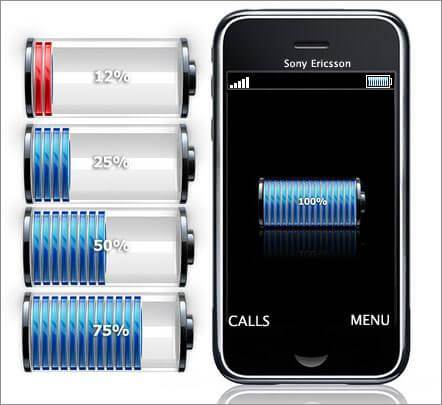
Connect your iPhone to a reliable charger and let it charge until the indicator hits 100%. Once it reaches full capacity, leave it plugged in for another couple of hours in idle mode to ensure it is absolutely full. Do not use the device for heavy tasks during this charging process.
Step 2 Drain the Battery Completely
Your iPhone battery needs a full exercise cycle. Unplug the device and use it normally until the battery drains entirely and the phone automatically shuts down. You can speed this up by streaming videos or turning up the screen brightness.
Step 3 Recharge Uninterrupted to 100%
Once the phone is dead, plug it back into the charger. Let it charge continuously back to 100% without unplugging it or using it. This complete depletion and uninterrupted recharge cycle helps the iPhone's software correctly realign with the battery hardware, effectively resetting the battery calibration.
Part 2. 9 Proven Ways to Boost iPhone Battery Life
With an abundance of built-in features, it is tempting to keep everything enabled on your iPhone. However, many of these background processes are rarely used and silently consume power. By adjusting a few settings, you can drastically improve your daily battery life and reduce the need to constantly reset iPhone battery metrics.
1. Use Vibratory Mode Only When Necessary
Vibration motors consume a significant amount of power compared to playing a simple ringtone. If you receive a lot of notifications, keeping vibration on for every alert will quickly drain your battery. Navigate to Settings > Sounds & Haptics and disable vibration for rings or silent mode unless you absolutely need the tactile feedback.

2. Switch Off Unnecessary Animations and Effects
Apple includes rich visual effects, like parallax motion and UI transitions, to make the iOS experience feel fluid. However, rendering these animations requires extra processing power. To establish a better balance between aesthetics and longevity, go to Settings > Accessibility > Motion and enable Reduce Motion. Additionally, choose static wallpapers instead of dynamic or animated ones.

3. Decrease Screen Brightness Manually
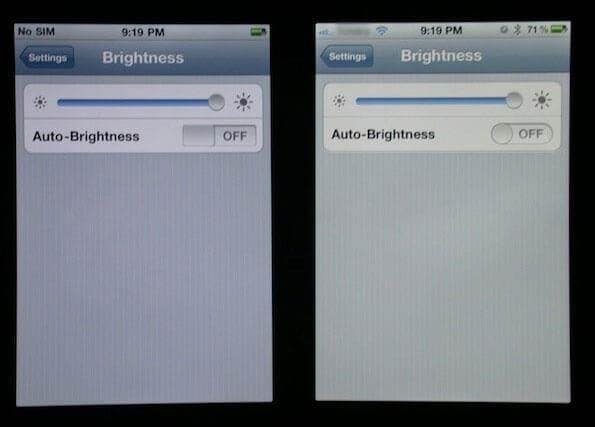
Keeping your screen at maximum brightness is one of the fastest ways to deplete your battery. While Auto-Brightness is useful, managing it manually can yield better results. Open the Control Center and drag the brightness slider down to a comfortable level. You can also turn off Auto-Brightness in Settings > Accessibility > Display & Text Size to prevent the screen from unexpectedly brightening in well-lit rooms.
4. Opt for Manual App and Music Downloads
Automatic background updates for apps and media can catch you off guard, draining your battery when you need it most. Many apps are rarely used yet continually ping servers for updates. Navigate to Settings > App Store and toggle off App Updates under Automatic Downloads. This allows you to update apps manually when connected to a charger and Wi-Fi.
5. Turn Off Resource-Heavy Settings Like Siri
Features like Hey Siri or Raise to Speak keep the microphone and sensors on standby, waiting for your input. If you rarely use Apple's voice assistant, this is unnecessary battery drain. Go to Settings > Siri & Search and disable Listen for Hey Siri. You can still activate Siri manually by holding the Side button. Similarly, manage Bluetooth, AirDrop, and Wi-Fi from the Control Center, turning them off when not in use.
6. Choose Default Apple Apps Over Third-Party Options
Apple's native apps are highly optimized for iOS and are designed to consume minimal battery. While third-party alternatives might offer extra functionalities, they are often not as deeply integrated and can put a heavier load on the CPU and battery. Whenever possible, rely on default apps like Safari, Mail, and Apple Maps for routine tasks.

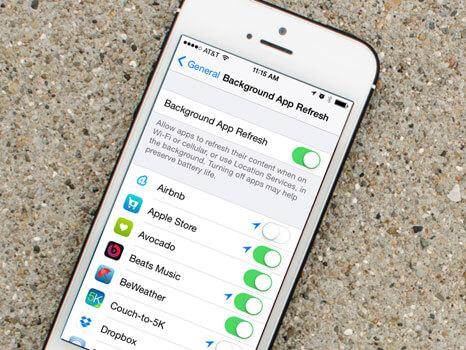
7. Switch Off Background App Refresh
Background App Refresh allows apps to update their content even when you are not actively using them. This is convenient but terrible for battery life. Check your usage by going to Settings > Battery to identify power-hungry apps. Then, navigate to Settings > General > Background App Refresh and either turn it off entirely or disable it for apps that don't need real-time updates.
8. Deactivate Unnecessary Location Services
Continuous GPS tracking is a major battery drainer. Many apps request location access even when it isn't crucial to their function. Go to Settings > Privacy & Security > Location Services. Review the list of apps and change their access to While Using or Never. Also, scroll down to System Services and disable non-essential trackers like Location-Based Alerts and Significant Locations.
9. Keep an External Battery or Power Bank at Hand
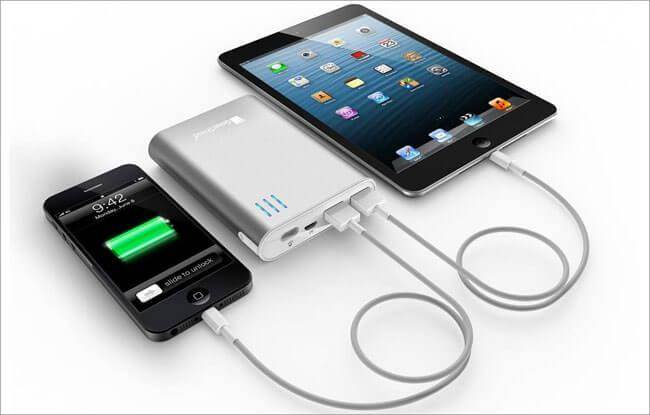
If you rely heavily on your iPhone for navigation, photography, or work, software tweaks might not be enough. Investing in a high-quality, MFi-certified power bank or a MagSafe battery pack is a practical solution. These external batteries provide reliable backup power, ensuring you never run out of juice during critical moments without stressing your device's internal battery cycle.
 Recovers data after deletion, crashes, or device damage.
- Supports photos, messages, contacts, WhatsApp, and more.
- Supports all major iPhone, iPad, and iPod models.
- Preview and recover only what you need.
Conclusion
Dealing with battery drain issues can be frustrating, but knowing how to reset iPhone battery statistics through calibration is a highly effective first step. By combining regular battery calibration with smart power-saving habits—such as managing screen brightness, restricting background app refresh, and dialing back location services—you can significantly prolong both the daily life and overall lifespan of your device's battery. Keep these 10 practical tips in mind to ensure your iPhone stays reliable and efficient throughout 2026.
FAQ
1. How often should I reset my iPhone battery?
It is generally recommended to calibrate or reset your iPhone battery every three to six months. If you frequently experience sudden shutdowns or notice that the battery percentage jumps erratically, you can perform a calibration sooner to help the software realign with the battery hardware.2. Does resetting the iPhone battery delete my data?
No, recalibrating or resetting the battery sensor does not erase any personal data, apps, or settings. It purely involves fully charging, discharging, and recharging the battery to recalibrate the software's understanding of the battery's capacity. However, if you are performing a factory reset to solve battery drain caused by software bugs, you should back up your data first.3. Why is my iPhone battery health dropping so fast?
Battery health degrades naturally due to chemical aging. However, excessive heat, frequent deep discharges, and using uncertified chargers can accelerate this process. To preserve battery health, try to keep your charge between 20% and 80%, avoid leaving your phone in hot environments like a sunny car dashboard, and always use MFi-certified accessories.4. Will turning on Low Power Mode ruin my battery?
No, Low Power Mode is entirely safe and will not ruin your battery. In fact, it helps conserve energy by temporarily reducing background activity, mail fetch, and visual effects. It is a highly recommended feature when your battery drops below 20% and you cannot access a charger immediately.
 Add Wondershare Dr.Fone as a preferred source on Google