 Effortlessly manage data through preview, delete, export, etc.

 100% Security Verified | No Subscription Required | No Malware

 :
: 
 ChatGPT
 Perplexity
 Gemini
 Claude
 Grok
Grok
While using an iPhone in 2026, you may occasionally experience frustrating problems with your network connectivity. Common issues include the inability to connect your iPhone to familiar Wi-Fi networks, failures to make or receive important calls, or your device randomly displaying a "No Service" prompt. When these connection drops happen, your initial instinct might be to take your iPhone to a local Apple Store for tech support.
However, you can fix the majority of these problems by yourself from the comfort of your home. The iPhone operating system features dedicated reset options designed to troubleshoot different types of problems safely. By using the "Reset Network Settings" feature—an incredibly effective option to solve network-related issues—you can fix all these problems in a matter of seconds. This process clears all customized network configurations, current cellular network settings, saved Wi-Fi network records, Wi-Fi passwords, and custom VPN settings, successfully bringing back your iPhone Network Settings to their factory default state. This comprehensive guide covers proven troubleshooting methods and step-by-step solutions.
1. Wi-Fi and Bluetooth Data Cleared
All previously saved Wi-Fi passwords and paired Bluetooth devices will be forgotten. You will need to manually reconnect to your home or work networks.
2. Cellular and VPN Defaults Restored
Custom VPN configurations and cellular data preferences will revert to their original state, which helps clear out corrupted carrier settings causing signal drops.
In this article
Part 1. Step-by-step Tutorial for How to Reset iPhone Network Settings
When you find the network on your iPhone quit working completely, the very first thing you should do is to reset network settings on iPhone. By clearing the old configurations, corrupted files blocking your connection are removed, and the problem might be solved successfully. This procedure is completely safe for your personal data, meaning your photos, apps, and contacts will remain untouched. It doesn't require any advanced tech skills to perform, just four simple steps. Keep patience, as it will take one or two minutes to complete the task before the iPhone reboots with default network settings.
-
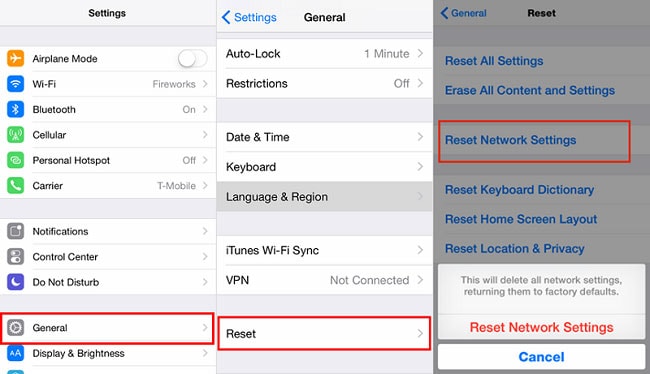
Step 1 Open the Settings Application
Unlock your device and tap the Settings app on your iPhone's home screen to begin the troubleshooting process.
-
Step 2 Navigate to General Settings
Scroll down slightly and tap "General". This section houses most of the device's core operational configurations and update menus.
-
Step 3 Locate the Reset Menu
Scroll down to the very bottom of the General page to find "Transfer or Reset iPhone" (or simply "Reset" on older iOS versions) and tap it.
-
Step 4 Confirm the Network Reset
In the new window, select "Reset Networking Settings". You will be prompted to enter your device passcode. Once entered, confirm the action and wait for the device to restart.

Part 2. Troubleshooting: iPhone Network Not Working
Sometimes, even though you don't intentionally change any settings on your iPhone, the network might stop working due to background software conflicts or carrier updates. If it happens, don't take your iPhone directly to a local repair store because you might fix it by yourself using basic diagnostics. Below are some professional tips and tricks for how to make it work when your iPhone network quits working unexpectedly.
2-1. Wi-Fi is not working
A good number of iPhone users face difficulties with wifi connectivity after upgrading to the latest iOS 16/17 from an older iOS version. Those who installed the newest incremental iOS patches also face the same problem too. This often happens because old network cache data conflicts with the new system architecture. If it happens, follow the previously mentioned steps to reset the network settings on your iPhone, let the device refresh, and then try to connect with your Wi-Fi again.
2-2. Cannot connect iPhone to a specific wifi network
If you are facing problems connecting to one specific Wi-Fi network (like your home or office router) but others work fine, then first select that network from the list and click "Forget This Network". Then, turn your Wi-Fi toggle off and back on to search for the network again. Enter the network password if needed. If the problem exists then, do a complete reset network settings. After rebooting the iPhone, attempt to connect to the Wi-Fi network freshly.

2-3. Searching for network or no service
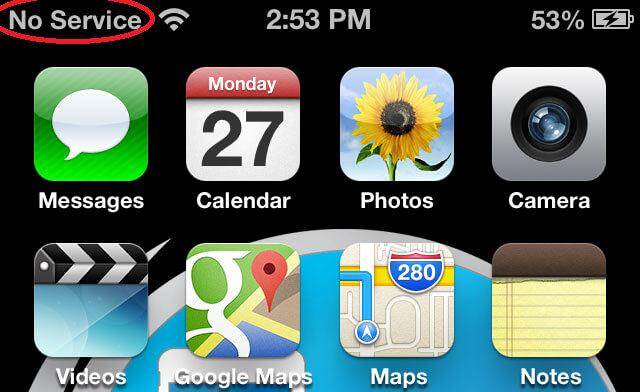
Sometimes the iPhone takes an unusually long time searching for a cellular network or sometimes stubbornly shows "No Service" in the status bar. To solve this problem, first, turn on the Airplane Mode via the Control Center, wait about 15 seconds, and then turn it off to force the antenna to reconnect to the nearest cell tower. If it does not solve the problem, then perform "reset network settings". Resetting the network settings will surely fix the "No Service" issue in cases where software bugs block the carrier signal.
2-4. Cannot make or receive calls
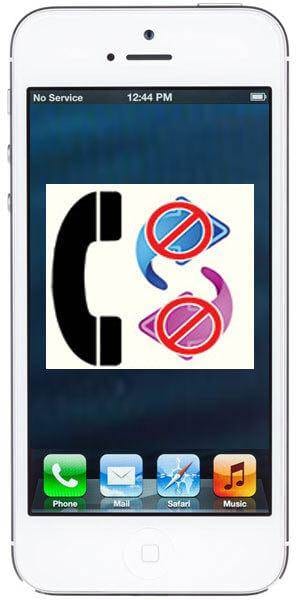
Sometimes iPhone users find they cannot make or receive calls with their iPhone despite having bars. It frequently happens when the Airplane Mode is accidentally turned on or if Do Not Disturb is active. Turning these off will instantly fix the problem. But if the airplane mode does not cause the problem, a simple device reboot may solve the network glitch. If the problem exists then perform "reset network settings" and it will solve the problem by wiping corrupted carrier profiles.
2-5. iMessage is not working
Some users report that iMessage is not working, and the system won't even let them turn it off to reset the activation. So they try to reset the network settings to fix the problem, but occasionally the iPhone gets stuck in the halfway point of booting for hours. To safely solve deep problems with built-in applications like iMessage, you may need to do a broader reset.
2-6. Settings or iOS is not responding
Sometimes the Setting menu is not responding at all, freezing the complete iOS interface when you try to tweak connections. In these severe instances, a hard reset can fix the problem. You can do so by going to Settings > General > Transfer or Reset iPhone > Reset > Reset All Settings. Unlike the network reset, this will revert display, sound, and notification preferences to default, but still preserves your personal data.
- Resolves deep-rooted iOS freezing issues safely.
- Fixes stubborn iMessage and FaceTime activation errors.
- Keeps all apps, media, and files completely safe.
- Removes all custom display and sound configurations.
- Requires setting up Apple Pay cards again.
- Takes significantly longer to configure than a basic network reset.
2-7. iPhone could not be synced
Sometimes iPhone users experience strange connectivity problems with their Mac or PC computers. It shows a persistent warning on the screen that the "iPhone cannot sync due to connection to the iPhone was reset." Performing a "reset network settings" on the iPhone, coupled with a computer reboot and changing the lightning/USB-C cable, will generally solve the hardware-software handshake problem.
| Troubleshooting Method | Data Loss Risk | Time Required | Success Rate | Best For |
|---|---|---|---|---|
| Toggle Airplane Mode | None | < 1 Minute | Moderate | Quick signal drops |
| Reboot Device | None | 2 Minutes | High | Minor software glitches |
| Reset Network Settings | Only Network Data | 5 Minutes | Very High | Persistent Wi-Fi / No Service issues |
| Dr.Fone System Repair | None | 10 Minutes | Maximum | Severe iOS bugs & boot loops |
Part 3. Bonus Tips: Using Dr.Fone to Repair System
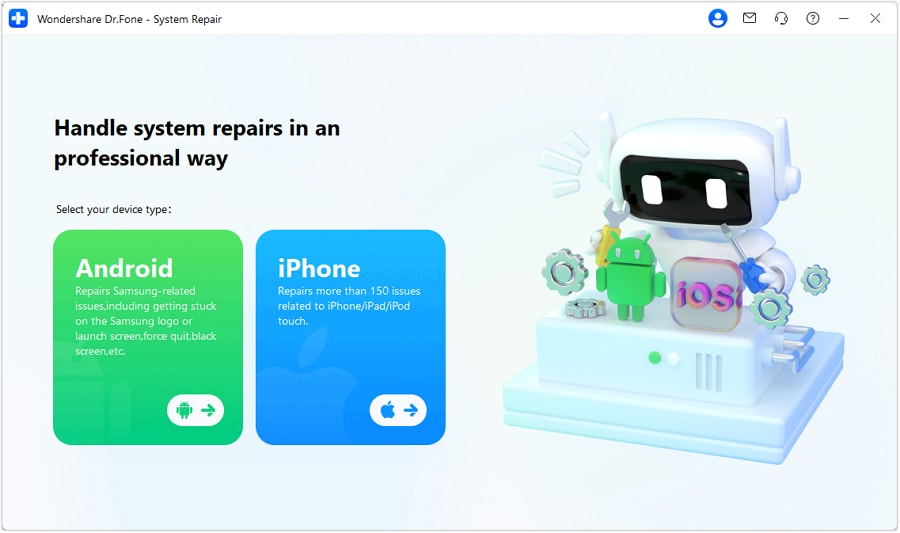
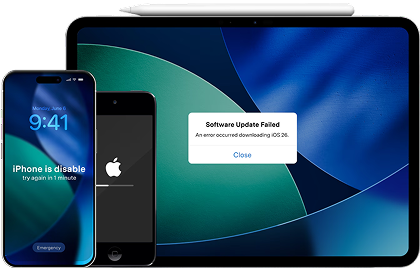
If resetting network settings does not resolve your issue, the problem might be rooted deeply within the iOS system architecture itself rather than just a superficial settings configuration. In these scenarios, consider using a professional iOS system recovery tool. Highly recommended by users and tech experts alike, Dr. Fone-System Repair (iOS) is an effective solution for various complex iOS issues that can occur in iPhones. This intelligent tool is specifically designed to fix core software glitches without causing any data loss, ensuring the absolute safety of your valuable information.
To use Dr. Fone-System Repair (iOS), simply connect your iPhone to your Windows or Mac computer using a certified cable and launch the tool. It will automatically detect your device model and provide targeted options to fix potential communication issues. You can then download the appropriate, verified firmware for your specific iPhone model and start the automated repair process. The tool wonderfully simplifies the technical aspects, making it a highly user-friendly solution even for those who are completely unfamiliar with advanced software recovery processes.
 Fix iOS issues, no data loss.
- One-click repair for all iOS problems.
- Solve recovery mode, Apple logo, black screen, etc.
- Upgrade or downgrade iOS without iTunes
Conclusion
This article has provided a comprehensive guide on exactly how to reset network settings on iPhone to ensure smooth and uninterrupted connections. We also offered in-depth troubleshooting tips for common network-related issues, empowering you to address Wi-Fi drops, Bluetooth failures, and "No Service" alerts directly from home.
If these standard operational steps fail to solve the problem, using a professional-grade repair tool like Dr. Fone-System Repair (iOS) is a highly reliable alternative. Remember, most network issues can be resolved at home within minutes, saving you an unnecessary and costly trip to the local repair store.




FAQ
-
1. Will resetting my iPhone network settings delete my photos or apps?
No. Resetting the network settings only impacts configurations related to networks. It will securely erase your saved Wi-Fi networks and passwords, Bluetooth pairings, VPN profiles, and cellular settings. Your personal files, photos, applications, and contacts will remain completely intact. -
2. Does resetting network settings remove my eSIM profile?
Generally, no. When you perform a "Reset Network Settings" on iOS, it gives you the option to keep or delete your eSIM cellular plans. Ensure you carefully read the prompt on the screen to avoid accidentally deleting your eSIM if you wish to maintain your cellular service. -
3. Why is my Wi-Fi still not working after a network reset?
If a network reset does not resolve your Wi-Fi problems, the issue might be related to your physical router, a carrier outage, or a deep iOS system bug. Try restarting your home router, checking for global carrier outages, or utilizing a tool like Dr.Fone System Repair to fix potential internal software corruption. -
4. What is the difference between Reset Network Settings and Reset All Settings?
"Reset Network Settings" exclusively targets connection-related data (Wi-Fi, Bluetooth, VPN, Cellular). In contrast, "Reset All Settings" goes much further by reverting all personalized preferences, including display brightness, sound alerts, Face ID, and Apple Pay cards, back to factory defaults while still leaving personal files alone.
 Add Wondershare Dr.Fone as a preferred source on Google



