Resolve common problems and system crashes on both iPhone and Android devices.

 100% Security Verified | No Subscription Required | No Malware

 :
: 
 ChatGPT
 Perplexity
 Gemini
 Claude
 Grok
Grok
If you need to put an iPhone SE in DFU mode, the button sequence depends on the generation. The iPhone SE (2016) uses the Home and Lock buttons, while the iPhone SE (2020) and iPhone SE (2022) use the Volume Up, Volume Down, and Side buttons. A successful DFU state keeps the iPhone screen completely black while Finder, Apple Devices, or iTunes detects the device.
DFU mode is a deeper restore state than Recovery Mode. Entering DFU mode by itself does not erase your iPhone, but choosing Restore from DFU mode will erase the device. If your data matters and Recovery Mode still works, try Recovery Mode and the Update option before using a DFU restore.

Part 1. What Is DFU Mode on iPhone SE? DFU vs Recovery Mode vs Force Restart
DFU mode on iPhone SE is a low-level restore state that lets a connected computer communicate with the device without starting iOS normally. In DFU mode, the iPhone screen stays black. Recovery Mode is a higher-level recovery environment that displays a cable-to-computer screen and can offer an Update option before a full restore. A force restart simply reboots an unresponsive iPhone and does not require a computer.

Use the comparison below to choose the least disruptive option that fits your situation.
| DFU Mode | Force Restart | Recovery Mode | |
|---|---|---|---|
| When to Use | A deeper firmware restore is needed after simpler recovery steps fail | The iPhone is frozen or unresponsive | The iPhone cannot start or update normally; usually try before DFU |
| What You Need | USB cable plus Finder on Mac, Apple Devices on Windows, or iTunes on older supported systems | Button presses only | USB cable plus Finder, Apple Devices, or iTunes |
| What the Screen Shows | Completely black screen | Apple logo during restart | Cable-to-computer recovery screen |
| Does It Erase Data? | Entering DFU mode does not erase data, but a DFU restore does | No | Entering Recovery Mode does not erase data; Update is intended to reinstall iOS without erasing data, while Restore erases the device |
DFU mode is sometimes described as a way to downgrade iOS, but you cannot install any firmware version you want. Apple signing rules still determine which iOS builds can be restored. If you only need the officially supported Recovery Mode workflow, see Apple's current recovery instructions.
Part 2. How to Activate DFU Mode on iPhone SE?
The DFU button sequence is different for the first-generation iPhone SE and the later SE models. The iPhone SE (2020) and iPhone SE (2022) have a Home button, but their DFU sequence follows the newer Volume Up, Volume Down, and Side button method.
1. How to enter DFU Mode on iPhone SE 1 (iPhone SE 2016)?
Use these steps for the first-generation iPhone SE released in 2016.
-
Step 1: Connect the iPhone SE to your computer with a USB cable. Open Finder on a current Mac, Apple Devices on Windows, or iTunes on an older supported system.
-
Step 2: Hold the Home and Lock buttons together for about 8 seconds. Release the Lock button, but keep holding Home.

-
Step 3: Keep holding Home until the computer detects the iPhone. The iPhone screen should remain completely black.


📱 iPhone Frozen? Use the Dedicated Troubleshooting Guide
If your iPhone is frozen but you have not yet reached the point where DFU mode is necessary, start with the dedicated troubleshooting guide for less invasive fixes.
2. How to enter DFU Mode on iPhone SE 2 (iPhone SE 2020) or iPhone SE 3 (iPhone SE 2022)?
Use this sequence for iPhone SE 2 DFU mode and iPhone SE 3 DFU mode. The timing matters, so if you see the Apple logo or Recovery Mode screen, start again.
-
Step 1: Connect the iPhone SE to your computer with a USB cable. Open Finder on a current Mac, Apple Devices on Windows, or iTunes on an older supported system.
-
Step 2: Press and quickly release Volume Up, then press and quickly release Volume Down. Hold the Side button until the screen turns black. As soon as it turns black, hold Side and Volume Down together for about 5 seconds. Then release Side while continuing to hold Volume Down.

-
Step 3: Release Volume Down when the computer detects the iPhone. A successful DFU state keeps the iPhone screen completely black.
Troubleshooting: iPhone SE Won't Enter DFU Mode
- Apple logo appears: The Side or Lock button was held too long. Let the phone restart, then repeat the sequence and shorten the overlap timing.
- Cable-to-computer screen appears: You entered Recovery Mode. If Recovery Mode can solve the problem, use it first; otherwise exit and retry the DFU sequence.
- Screen is black but the computer does not detect the iPhone: Try a known-good USB cable, connect directly to another USB port, avoid a USB hub, and make sure Finder, Apple Devices, or iTunes is up to date.
- A required button is damaged or the phone has physical damage: The DFU button sequence may not be possible or may not address the underlying issue. Consider hardware service instead of repeatedly attempting a software restore.
Part 3. How to Get iPhone SE out of DFU Mode?
If you entered DFU mode by mistake and no restore is running, a force restart is the quickest way to exit. If Finder, Apple Devices, or iTunes is actively restoring the iPhone, do not disconnect or force-restart it during the restore process.

Method 1. Exit DFU Mode on iPhone SE with Force Restart
The first-generation iPhone SE uses a different force-restart sequence from the 2020 and 2022 models.
1. How to Force Restart iPhone SE (2016)?
Hold the Home and Lock buttons together until the Apple logo appears, then release them.
2. How to Force Restart iPhone SE (2020 & 2022)?
Press and quickly release Volume Up, press and quickly release Volume Down, then press and hold the Side button until the Apple logo appears.
Method 2. Restore iPhone SE from DFU Mode with Finder, Apple Devices, or iTunes [Erases Data]
Use a DFU restore only when you need a full software restore and less destructive steps have not worked. A DFU restore erases the iPhone. If your data matters and you have not tried Recovery Mode yet, exit DFU mode and try Recovery Mode first because its Update option may reinstall iOS without erasing your data.

Follow these steps if you decide to restore the iPhone SE from DFU mode.
-
Step 1: Connect the iPhone SE to your computer with a USB cable. Open Finder on a current Mac, Apple Devices on Windows, or iTunes on an older supported system.
-
Step 2A (iPhone SE 2016): Hold Home and Lock together for about 8 seconds. Release Lock while continuing to hold Home until the computer detects the iPhone.

-
Step 2B (iPhone SE 2020 & 2022): Quickly press and release Volume Up, then Volume Down. Hold Side until the screen turns black. Hold Side and Volume Down together for about 5 seconds, then release Side while continuing to hold Volume Down until the computer detects the iPhone.
-
Step 3: When the computer reports that it has detected an iPhone that needs to be restored, select the device in Finder, Apple Devices, or iTunes.

-
Step 4: Choose Restore iPhone and confirm. The computer will download an Apple-signed iOS version and reinstall it. The restore erases the iPhone, so you will need to set it up again or restore from a backup afterward.

Method 3. Exit DFU Mode with Dr.Fone - System Repair (iOS)
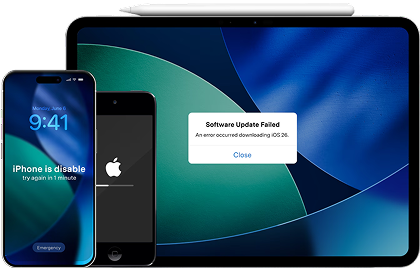
If your iPhone SE is stuck in DFU mode and you want a guided alternative to repeating the manual button sequence, Dr.Fone - System Repair (iOS) includes an Exit DFU Mode tool. Use it for software-related DFU or iOS system problems; physical hardware damage still requires hardware diagnosis or repair.
 Fix iOS issues, no data loss.
- One-click repair for all iOS problems.
- Solve recovery mode, Apple logo, black screen, etc.
- Upgrade or downgrade iOS without iTunes
To use the guided Exit DFU Mode workflow:
-
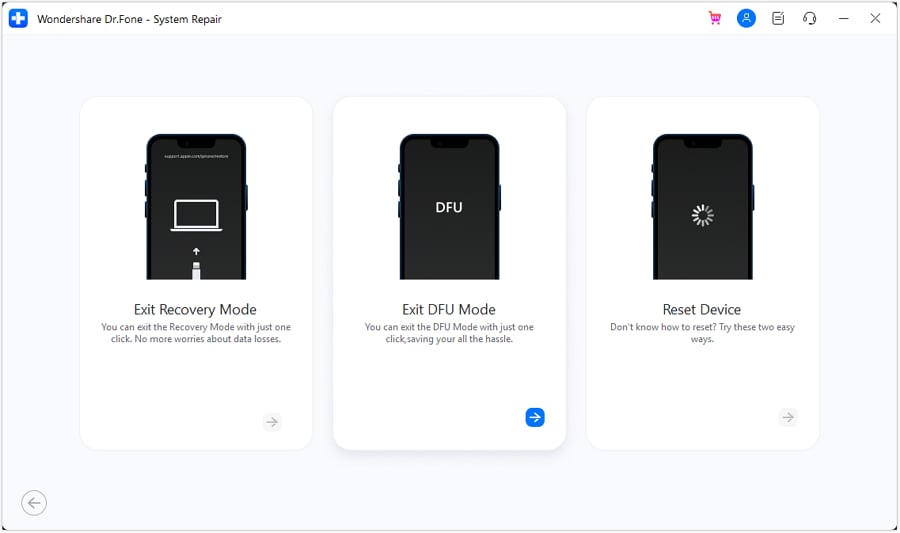
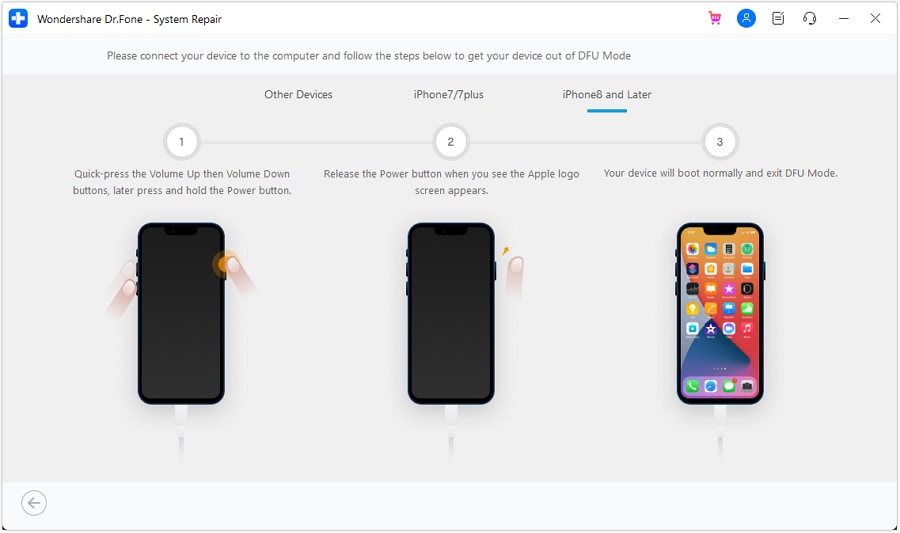
Step 1: Open Dr.Fone and go to Toolbox > System Repair. Choose iPhone, then open Toolbox Repair and select Exit DFU Mode.
-
Step 2: Select the iPhone model range shown in Dr.Fone and follow the on-screen instructions to complete the exit process.





FAQs about DFU Mode on iPhone SE
These answers cover the most common questions about using DFU mode on iPhone SE models.
1. Is DFU Mode Safe on iPhone SE?
DFU mode itself is a built-in device state and entering it does not erase your data. The risk comes from what you do next: choosing Restore from DFU mode erases the iPhone. If the phone has physical damage, repeated software restores may not solve the underlying problem, so hardware service may be more appropriate.
2. How Long Will iPhone SE Stay in DFU Mode?
There is no visible countdown on the iPhone. In a successful DFU state, the screen remains black until you exit, force-restart, or begin a restore. If the Apple logo or cable-to-computer screen appears, the iPhone is no longer in DFU mode.
3. What Is the Difference Between DFU Mode and Recovery Mode on iPhone SE?
Recovery Mode starts a higher-level recovery environment and shows the cable-to-computer screen. It can offer Update or Restore. DFU mode operates at a lower level, keeps the iPhone screen black, and is generally used when a deeper restore is required. Neither mode lets you bypass Apple's firmware-signing rules.
4. Does DFU Mode Erase Data on iPhone SE?
No. Simply entering DFU mode does not erase the iPhone. However, restoring an iPhone while it is in DFU mode erases the device. If a backup is possible, create one before starting a restore.
Conclusion
The correct iPhone SE DFU mode sequence depends on the model. The iPhone SE (2016) uses the Home and Lock buttons, while the iPhone SE (2020) and iPhone SE (2022) use the newer Volume Up, Volume Down, and Side button sequence. In every case, a true DFU state keeps the screen black while the computer detects the device.
Start with the least destructive fix that fits the problem: force restart first, then Recovery Mode when appropriate, and use a DFU restore only when a deeper restore is necessary. If an iPhone SE is stuck in DFU mode because of a software-related problem, Dr.Fone - System Repair (iOS) provides a guided Exit DFU Mode option. Physical hardware damage should be handled as a hardware repair issue rather than a software restore problem.
 Add Wondershare Dr.Fone as a preferred source on Google