
Fix Can't Take Screenshot Due to Security Policy on Android

Sep 24, 2026 • Filed to: Phone Repair Solutions • Proven solutions
 TL;DR:
The "Can't take screenshot due to security policy" warning on Android is an intentional privacy, DRM, or administrative restriction enforced by specific apps, secure folders, or managed work profiles, rather than a defect with your device.
● To bypass this restriction in Chrome's private browsing mode, navigate to `chrome://flags` in the address bar, change the Incognito Screenshot setting to Enabled, and relaunch the browser.
● If screen capture suddenly fails across standard apps on a Samsung device, navigate to Settings > Apps > Special access > All files access and ensure the Samsung capture permission is turned on.
● Third-party screen recorders, Google Assistant, and system tools like Dr.Fone - System Repair (Android) cannot override mandatory security policies in banking or DRM-protected apps, making physical photography with a second device the only reliable workaround for strictly protected screens.
Ask AI for a summary
 ChatGPT
 Perplexity
 Gemini
 Claude
 Grok
Grok
“Can’t take screenshot due to security policy” is a common Android warning that appears when an app, website, or device setting blocks screen capture. You’ll often see it in banking apps, secure folders, incognito pages, and video streaming platforms. In most cases, the restriction is intentional and designed to protect private data, payment details, company information, or copyrighted media.
If your phone says screenshots are not allowed, it does not always mean something is wrong with your device. Android apps can disable screenshots to reduce fraud, prevent leaks, and comply with privacy or licensing rules. This guide explains why screenshot capture is restricted, what the message means on Android and Samsung phones, and which safe troubleshooting options may help in allowed situations.


Part 1. Can’t Take Screenshots Due to Security Policy on Android? Here’s Why
If you are wondering why Android says “Can’t take screenshot due to security policy”, the short answer is simple: the app, browser, or device administrator has intentionally disabled screen capture. This usually happens to protect sensitive information, reduce misuse, and stop private or copyrighted content from being copied.
In other words, the restriction is usually a security feature rather than a phone defect. Below are the most common reasons screenshots are blocked on Android.
1. Device Restrictions
Many schools, workplaces, and managed devices use security policies that restrict screenshots. These controls help organizations protect internal documents, account details, passwords, and other confidential data from being shared or stored outside approved systems.
2. Protect Sensitive Information
If you try to take a screenshot on your Samsung phone and see the message “Can’t take screenshot due to security policy,” the issue is often caused by the app you are using, not the Samsung device itself.
Banking apps, wallet apps, healthcare portals, and verification tools may store financial records, card information, IDs, or personal account data. Blocking screenshots helps reduce unauthorized copying and strengthens privacy protection for the user.

3. Follow Regulations
Some industries must follow strict privacy and compliance requirements. Financial services, enterprise platforms, and medical systems may disable screenshots to reduce compliance risk and protect regulated information from being captured outside secure environments.
4. DRM-Protected Content
Android can’t take screenshots due to security policy when an app uses content protection to stop unauthorized copying. This is especially common in streaming services, premium educational platforms, and subscription-based media libraries.
Digital rights management (DRM) helps protect copyrighted content by limiting how it can be viewed, copied, or saved. When DRM is active, screenshot capture may be blocked automatically.
5. Prevent Fraud
Some services restrict screenshots to reduce scams and impersonation. Fraudsters may misuse captured receipts, payment screens, verification pages, or identity details to deceive others. Turning off screenshots lowers the chance of those screens being reused for fake proof or social engineering.
6. Protect Intellectual Property
Organizations also use screenshot restrictions to protect confidential business content such as product plans, internal dashboards, source information, and trade secrets. Limiting screen capture makes it harder for sensitive material to be copied and redistributed without permission.
7. Protect User Privacy
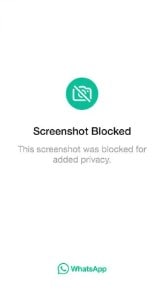
Messaging and social platforms often include extra privacy protections for sensitive media. A good example is View Once content, where images or videos are designed to disappear after being opened.
You can’t take screenshots due to security policy Whatsapp privacy features in these cases because the app is trying to protect private media from being saved or shared without consent.
8. You Are Using a Secure Folder
Secure folders and protected workspaces isolate sensitive files, accounts, and apps from the rest of the device. To strengthen that protection, Android may disable screenshots inside those protected areas, especially on business-managed or Samsung secure environments.
Part 2. 8 Ways To Take Screenshots When You Can’t Due to Security Policy
If screenshots are blocked, the first thing to know is that many restrictions are intentional. You may not always be able to capture the screen inside a protected app, especially in banking, enterprise, DRM-protected, or private-content scenarios. However, if the restriction is caused by a device setting, browser setting, or app permission issue, the following checks may help in legitimate and supported cases.
Method 1. Enable Screen Capture on Android
If the screenshot feature suddenly stops working and you are using a Samsung phone, check whether a related permission or device setting has been disabled. In some cases, restoring the proper access setting may allow screenshot tools to work again.
- Step 1: Go to Settings > Apps, then tap the More options icon in the upper right corner.

- Step 2: Choose Special access > All files access.

- Step 3: Enable Samsung capture.

After enabling the setting, test whether screenshots work in regular apps. If they still fail only inside one protected app, the restriction is likely controlled by that app’s security policy.
Method 2. Enable Screenshots in Incognito Mode
Chrome may restrict screenshots in incognito mode on some Android devices to improve privacy. If your issue only happens in private browsing, enabling the related Chrome experimental option may help restore screenshot capture for your own browsing session.
- Step 1: Open Chrome on your Android phone and type “chrome://flags” in the address bar.

- Step 2: Search for Incognito Screenshot and choose Enabled from the drop-down menu.

- Step 3: Tap Relaunch on the lower right corner of the screen.
Once Chrome relaunches, try taking a screenshot again with the power and volume-down buttons. This fix is most relevant to browser privacy restrictions rather than protected apps such as banking or streaming services.
Method 3. Use Google Assistant
Google Assistant can sometimes help capture your screen through Android’s built-in screenshot workflow. Say, “Hey, Google, take a screenshot,” and check whether the image is saved to your gallery.

This option may work in standard apps, but protected apps can still block it because the underlying screenshot restriction remains active.
Method 4. Use a Third-Party App To Take Screenshots
If the default Android screenshot shortcut is not working, some users try third-party screenshot utilities from Google Play. Popular examples include:
- Screenshot Easy
- Screenshot Tile
- Screen Master: Screenshot Markup
These apps may offer different capture methods, editing tools, or floating shortcuts. However, they still may not work in protected apps that intentionally disable screen capture. Always review app permissions carefully before installing any third-party tool.
Method 5. Capture Your Phone Display With Another Device
If you only need a personal visual reference and the content is yours to record, using another phone or camera to photograph the screen can be the simplest practical option. This does not change device settings and may help you preserve a temporary message, system prompt, or troubleshooting screen for later reference.
To do this, open the screen you want to remember, then use another device’s camera to take a clear photo. Make sure doing so does not violate the app’s terms, workplace policy, or privacy rules.
Method 6. Check the Banking App Settings for Screenshot Permissions
If you are asking, “Why can’t I screenshot my bank app?” the answer is usually that the app is protecting financial data. Some banking apps block screenshots completely, while others may offer limited screenshot permissions in specific sections or under privacy settings.
Open the banking app settings and check for display, privacy, or security options related to screenshots or media capture. If there is no such option, the restriction is probably mandatory and cannot be changed from the user side.
Method 7. Screen Mirroring
In some personal-use scenarios, screen mirroring can help you view your phone display on a larger screen for accessibility, presentations, or troubleshooting. Samsung Smart View can mirror your device to a compatible TV.
- Step 1: Swipe down the top of the screen to access the Quick Settings panel.
- Step 2: Tap the Smart View icon.
- Step 3: Select your TV from the list of available devices and tap Start Now.

Alternatively, if you don’t have a smart TV, you can still mirror your phone screen display to your desktop or tablet using the Samsung Flow app and take a screenshot of your phone’s screen instead.
Keep in mind that some protected apps may also restrict mirroring or may show a blank screen on external displays.
Method 8. Use Disable Flag Secure Magisk Module
You may find advanced Android users discussing root-based tools and Magisk modules online when dealing with the message “Can’t take screenshot due to security policy.” These methods involve modifying system behavior and usually require root access.
Because rooting changes core device security and can cause instability, app incompatibility, warranty concerns, or data risks, this approach is not recommended for most users. It is far safer to troubleshoot permissions, browser settings, work profile restrictions, or app-specific options first.

Authors Verdict
If Android says screenshots are blocked by security policy, the restriction is usually there for a valid reason. In many cases, especially with banking, DRM-protected, or privacy-focused apps, there may be no supported way to capture the screen from inside the app itself.
The best approach is to identify whether the issue comes from a browser setting, a Samsung setting, a managed work profile, a secure folder, or an app-level policy. If your phone also starts behaving abnormally after installing unknown tools, changing system permissions, or modifying the device, it is worth checking whether a deeper Android system issue is involved.
You can use a third-party tool like Wondershare Dr.Fone without rooting your device. It is easy to use and supports many Android smartphones. You can try Dr.Fone for free to test if it supports your device and can fix the underlying system issues.
Part 3. Dr.Fone: A Comprehensive Solution for Fixing Android System Issues
Dr.Fone - System Repair (Android) cannot bypass the security apps of banking apps and video streaming apps like Netflix. This is because these apps use sophisticated security measures to protect their users’ data.
However, Dr.Fone System Repair tool for Android can help fix many device-level Android problems that may appear after failed modifications, unstable third-party installations, system crashes, firmware issues, or abnormal phone behavior. If the screenshot problem appears together with wider system symptoms, checking the device for system damage can be useful.
It can address a wide range of other Android system issues, such as:
Follow this step-by-step guide and learn how to use Dr.Fone to scan your Android smartphone for system issues and repair them.
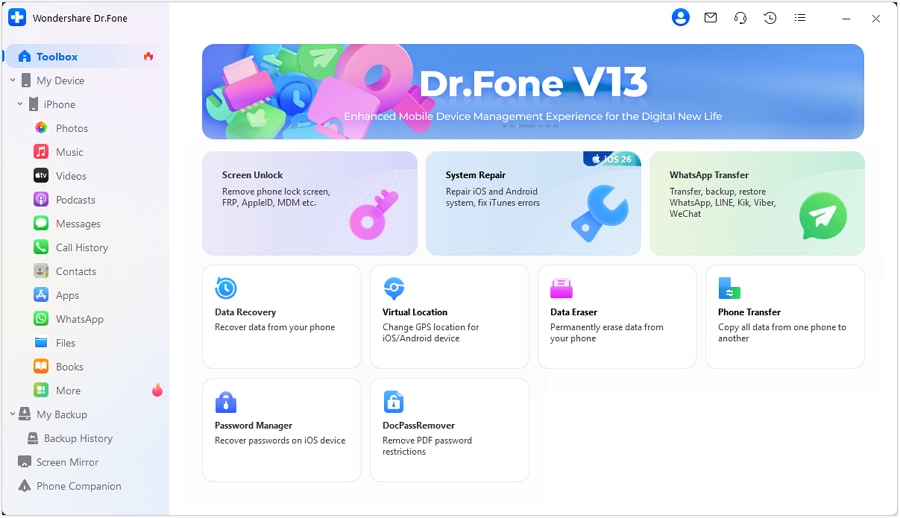
- Step 1: Once you have downloaded Dr.Fone, install it and launch it on your desktop. Then, connect your Android device to your desktop using a USB cable.
4,624,541 people have downloaded it
 safe & secure
- Step 2: From the Toolbox homepage, select System Repair > Android.
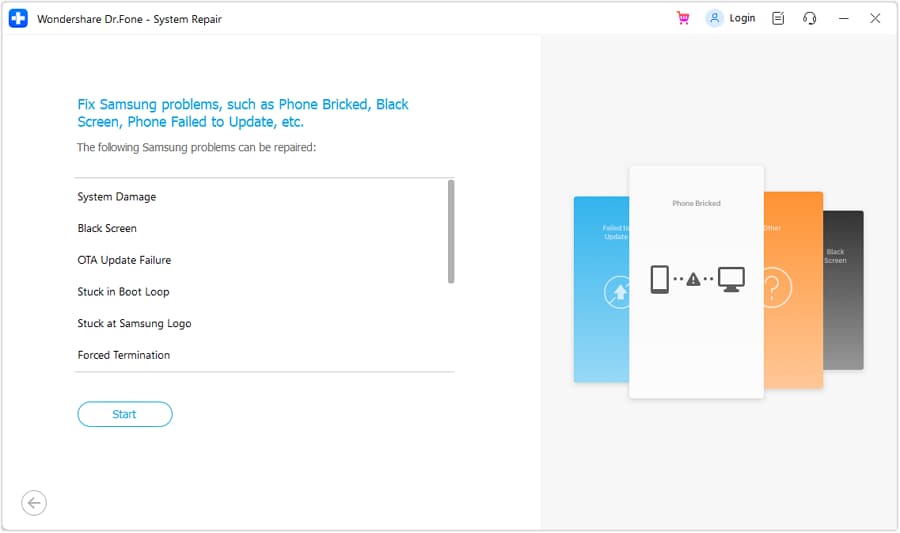
- Step 3: Click Start on the new window.
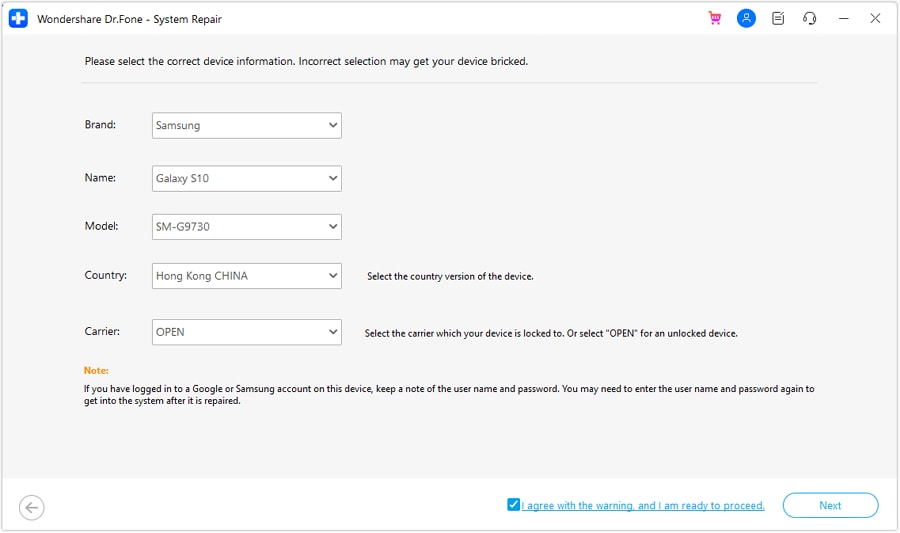
- Step 4: Select an option from the Name, Model, Country, and Carrier in the drop-down lists. Next, select the checkbox to agree with the warning, then click Next in the bottom right corner.
- Step 5: Follow the in-app instructions to put your Android device on Download mode, then click Next.
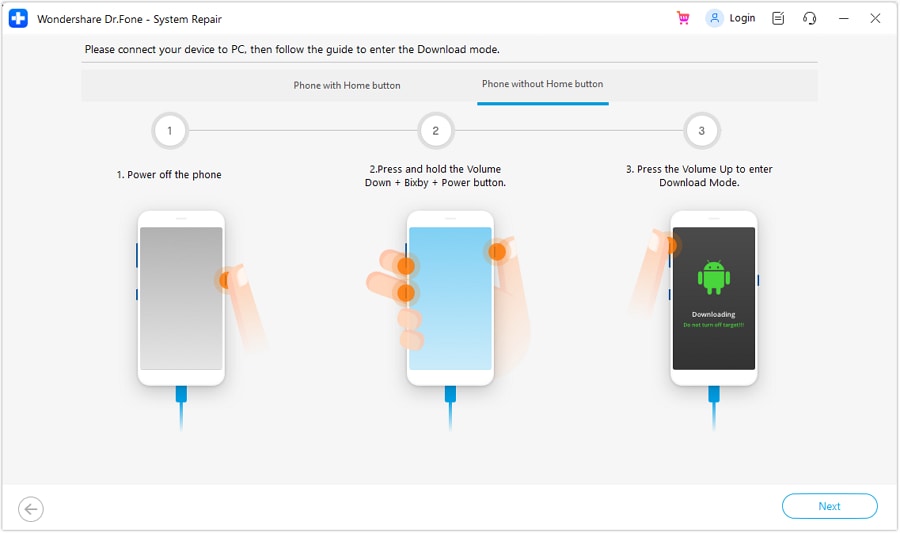
- Step 6: Wait while the firmware automatically downloads.
- Step 7: Review the details on the screen and click Fix Now to install the firmware on your smartphone.
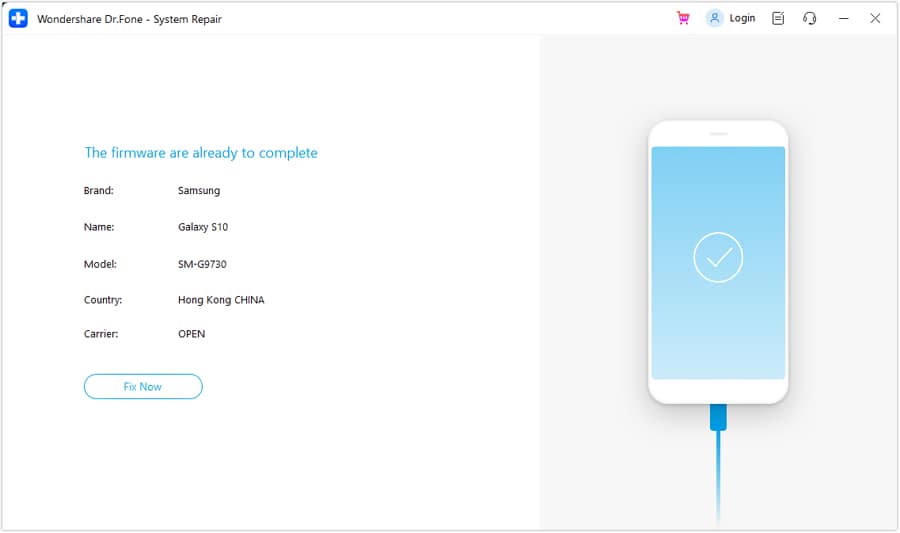
- Step 8: Read the dialogue box note, enter the code in the input box, and click Confirm.
- Step 9: Keep your smartphone connected and avoid using it while Dr.Fone is repairing it.
- Step 10: If your device has started properly, click Done to close this app. Otherwise, click Try again.
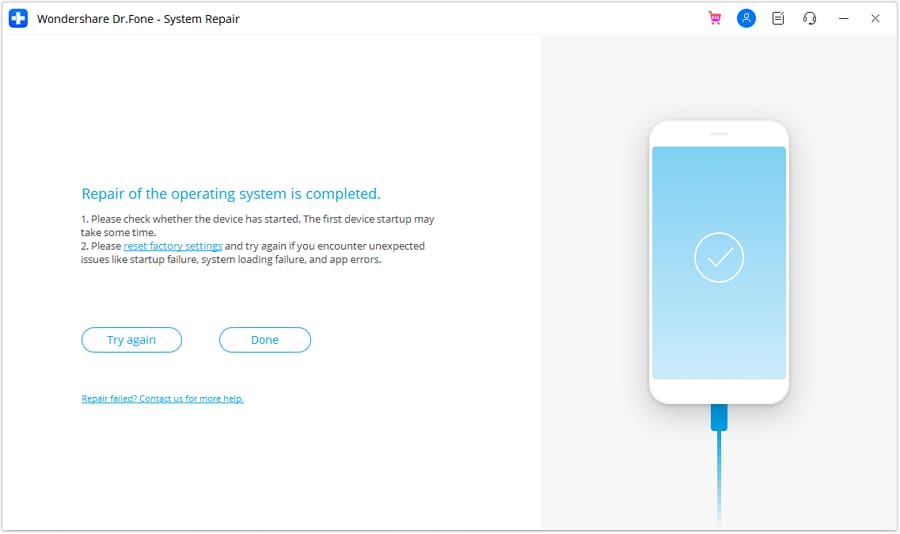
Ditch the hassle of multiple apps and simplify your mobile experience with Dr.Fone App, the ultimate all-in-one solution for iOS and Android users. Unlock your device, change your GPS location, and transfer WhatsApp data with ease. Plus, recover lost data from Android devices and transfer files, photos, and music between devices with ease. Fix common system issues and get the most out of Dr.Fone App with our "Tips" section below.
Dr.Fone App (iOS) & Dr.Fone App (Android)
Your One-Stop Expert for Screen Unlock, Smart Clean, Data Recovery, Change Location, and Phone Management of Mobile Devices!
- Effortlessly unlock various locks on your device.
- Instantly free up storage space by smart clean.
- Rapidly recover different kinds of lost phone data and information.
- Easily changes GPS location on Android devices.
- Easily manage cluttered and private device content.



Conclusion
If you see the message “Can’t take screenshot due to security policy” on Android, the restriction is usually tied to privacy, copyright protection, secure folders, browser privacy settings, or managed device rules. The right fix depends on where the block is coming from. A Samsung setting, Chrome incognito restriction, or app-specific permission issue may be fixable, while a banking or protected app may intentionally prevent screenshots.
That is why it is important to understand the reason before trying any solution. Apps and websites commonly block screenshots to protect personal data, reduce fraud, prevent piracy, and comply with security standards. In many cases, this behavior is normal and expected.
If your Android phone also starts showing wider problems such as crashes, black screens, failed booting, or unusual behavior after changing settings or installing third-party tools, try using the Dr.Fone - System Repair (Android) tool. It is worth trying and can fix many Android system issues in a few minutes.
4,624,541 people have downloaded it
safe & secureFAQs
 Q1. Why can't I screenshot my bank app on Android?Q2. How do I allow screenshots on Android if they are blocked?Q3. Why does Samsung say unable to capture screenshot prevented by security policy?Q4. What does “taking screenshots isn't allowed by the app or your organization” mean?


Android Issues
- Android Update
- 1. Download and Use Samsung Odin
- 2. Samsung Phone Stuck in Odin Mode
- 3. Android 9 Pie Problems & Fixes
- 4. Latest Updates in Android 11
- 5. Update Android Oreo 8.1
- Android Not Working
- 1. Solution To Bricked Android Phone
- 2. Fix 'Android Phone Won't Turn On'
- 3. Flash Dead Android Phone
- 4. Fix Phone Keep Turning Off
- 5. Fix Android Bootloop Problem
- 6. Fix Android Phones and Tablets
- Android Errors
- 1. Fix Error 495 While Download Apps
- 2. Fix Error 505 in Google Play Store
- 3. Fixes For Authentication Error
- 4. Fix Error Code 963 on Google Play
- 5. Fix Error Code 920 In Google Play
- 6. Fix Encryption Error
- Screen Problems
- 1. Fix Unresponsive Fire Tablet Screen
- 2. Fix Unresponsive Android Screen
- 3. Fix Android Screen Problem
- 4. Fix Phone Is Stuck on Boot Screen
- 5. Fixes for Tablet Screen Not Working
- 6. Tools for Removing Stuck Pixels
- 7. Fix Android Black Screen of Death
- 8. Fix Android Stuck on Boot Screen
- 9. Fix Android White Screen of Death
- 10.Fix Android Blue Screen of Death
- 11.Fix ONN Tablet Screen Not Working
- 12.Fix Android Touch Screen Proble
- 13.Fix Smartphone With a Black Screen
- 14.Fix Realme Screen Not Responding
- 15.Fix Phone Screen Not Responding
- Android Problems
- ● Manage/transfer/recover data
- ● Unlock screen/activate/FRP lock
- ● Fix most iOS and Android issues
- Free Download Free Download Free Download



Daisy Raines
staff Editor
Generally rated4.5(105participated)