Recover photos, messages, WhatsApp, and more — no backup
needed.
Recover photos, messages, WhatsApp, and more — no backup
needed.

 100% Security Verified | No Subscription Required | No Malware

 :
: 
 ChatGPT
 Perplexity
 Gemini
 Claude
 Grok
Grok

I just upgraded to the newest iPhone 15, but my iMessage activation is completely stuck. I keep getting 'Activation unsuccessful' errors. How can I fix these iPhone 15 iMessage issues without losing my chat history?
Recent User Report from Apple Community
Text messaging remains one of the most integral functions of our mobile devices as we navigate through 2026. It effortlessly bridges the gap between us and the rest of the world. Apple's iPhone series, particularly the cutting-edge iPhone 15 models, offers users a vastly seamless SMS and multimedia experience. Among the most popular features is iMessage—one of the primary methods you can employ to send and receive rich text messages. It essentially functions like your standard Messages app, except that iMessage operates exclusively over the internet and is strictly limited to the iOS ecosystem.
It is not incredibly hard to understand why millions of Apple users consistently prefer iMessage over third-party messaging platforms. Imagine being able to communicate vividly and securely without worrying about cellular SMS fees, international text charges, or localized network outages. All you genuinely need is a stable Wi-Fi or cellular data connection to compose a message and hit send. However, this normally frictionless task can rapidly become a chore if the platform encounters unexpected glitches. For instance, discovering that iMessage activation is unsuccessful on your iPhone 15 is a common, yet highly frustrating, hurdle. Fortunately, whether it's a minor network glitch or a deeper system bug, these issues are entirely repairable. In this comprehensive guide, we will explore the underlying architecture of iMessage and provide step-by-step solutions to eradicate any iPhone 15 iMessage issues.
In this article
Part 1. What is iMessage and How Does it Work?
To fully grasp how to fix your messaging problems, we must first understand what iMessage truly is. At its core, iMessage is an advanced, encrypted text messaging service created by Apple that strictly utilizes an internet connection to dispatch texts, high-definition videos, photos, and heavy document attachments. Because it routes data through Apple's secure servers via the internet, communicating using iMessage is inherently low-cost—it doesn't add a single penny to your standard cellular SMS charges. You merely have to ensure your online access is stable to avoid any frustrating sending failures.
How exactly does it differ from standard SMS built into the Messages app? While the foundational purpose of both services is communication, their mechanisms are vastly different. The traditional Messages app sends SMS (Short Message Service), which relies entirely on your cellular carrier's voice network to send simple texts and basic emojis. In contrast, iMessage handles MMS (Multimedia Message Service) over IP, enabling high-speed multimedia content-sharing. Consequently, while standard SMS works wherever you have a cellular signal, iMessage demands active Wi-Fi or mobile data. They both have unique advantages, but optimizing iMessage delivers an undeniably superior iPhone experience.
Over the past few years, iMessage has received immense architectural upgrades. These robust new features make the platform more efficient and highly capable. If you haven't fully explored its modernized toolset, here are some distinct advantages:
- You can add a vast variety of dynamic screen and bubble effects, such as balloons, confetti, and fireworks, to emphasize your texts.
- You can pin up to nine essential conversations to the very top of your feed for instantaneous access.
- You can safely transmit your real-time location to friends or family directly within the chat interface.
- You can edit recently sent messages or retract them entirely if you make a typographical error.
- You can select, highlight, and reply directly to a specific message within a chaotic group thread to maintain context.
Part 2. Common Causes of iPhone 15 iMessage Issues
Are you continuously seeing that your iPhone 15 iMessage activation is unsuccessful? Numerous internal and external factors contribute to this specific error. It can range from a negligible network glitch to a significantly corrupted operating system. Regardless of the severity, identifying the root cause early empowers you to act immediately and steer clear of long-term data loss or communication blackouts. Below, we outline the leading triggers of iPhone 15 iMessage issues.
2-1. iMessage Service is Universally Down at the Moment
It is entirely possible that your iPhone 15 Pro iMessage is not working simply because Apple's dedicated routing servers are currently offline. When Apple conducts emergency infrastructure maintenance or experiences unexpected traffic overloads, affected applications may temporarily shut down. Although this is a relatively rare occurrence, it remains a critical first check. You should verify Apple's official System Status Page to confirm if a widespread outage is to blame before modifying your device's settings.
2-2. Your Internet Connection is Poor and Unstable
The core performance of iMessage relies absolutely on internet connectivity. If your Wi-Fi is constantly dropping or your cellular data reception is severely limited, the multimedia and text services provided by iMessage will inherently fail to send or receive. Ensuring that your iPhone is connected to a reliable, high-speed network is paramount whenever you engage in active iMessage conversations.
2-3. iMessage is Currently Deactivated on Your iPhone 15
Imagine you just unboxed your sleek new device, transferred your data, and suddenly discovered your iPhone 15 Pro Max iMessage is not working. Do not jump to dire conclusions just yet. Oftentimes, during the setup phase, the iMessage service fails to authenticate correctly and remains disabled in the background. It is highly advised to inspect your primary Settings menu first to manually trigger the activation protocol.
2-4. Your iPhone 15 is Experiencing Some Core System Problems
Persistent iPhone 15 iMessage issues are frequently the direct repercussion of a buggy or corrupted iOS architecture. If a firmware update installed improperly, or if background processes are clashing, native applications like Messages will misbehave and fail to authenticate. This systemic instability is frequently the primary culprit behind the dreaded 'activation unsuccessful' prompt.
Part 3. How to Fix iPhone 15 iMessage Issues
The exact manifestation of iPhone 15 iMessage issues can vary wildly from one user to another—some experience frozen activation screens, while others suffer from endlessly failing text deliveries. Fortunately, the core troubleshooting protocols remain quite universal. Implement the following highly effective techniques to definitively solve this annoying messaging dilemma.
3-1. Solution 1: Restart iMessage Settings
Sometimes, the background process managing your iMessage authentication just encounters a temporary caching error. If that happens to be the case, executing a quick toggle of its activation settings forces the app to refresh its connection to Apple's servers. Here is how to execute this refresh safely:
-
Navigate to Device Settings
Unlock your iPhone 15 and tap the gear icon to open the native Settings app from your home screen.
-
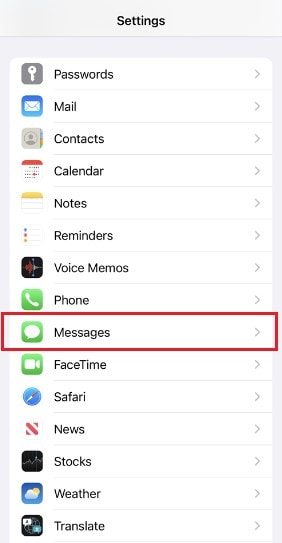
Locate Messages Menu
Scroll down through the application list and select the Messages option.
-
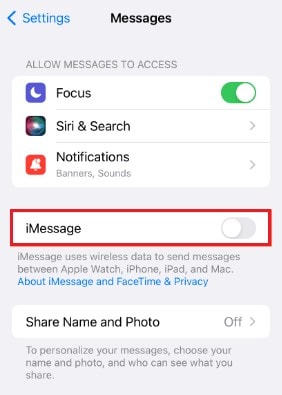
Disable iMessage
Locate the toggle switch directly next to iMessage and turn it off so it turns grey. This halts the background connection.
-
Reactivate the Service
Wait for approximately 30 seconds to allow the cache to clear, then tap the toggle switch again to reactivate it. Wait for the 'Waiting for activation' prompt to finish successfully.
3-2. Solution 2: Relog in Your Apple ID
In highly specific scenarios, severe iPhone 15 iMessage issues are directly provoked by iCloud synchronization errors. If your Apple ID tokens expire or mismatch, messages simply will not route. This is easily fixable by forcing a fresh authentication handshake. You simply need to sign out of the messaging portal and log back in. Follow these careful steps:
-
Access Message Settings
Open Settings and navigate downwards until you find Messages.
-
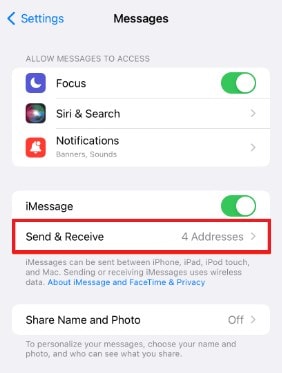
Open Send & Receive Configuration
Tap on the Send & Receive menu. Note: If this option remains entirely invisible, it indicates your iMessage is fully deactivated and you must perform Solution 1 first.
-
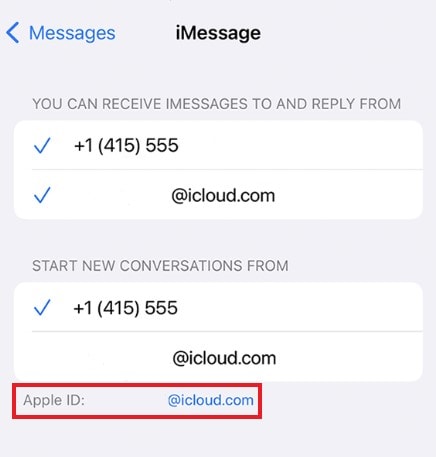
Select Your Apple ID
At the very bottom of the screen, tap the blue text displaying your current Apple ID email address.
-
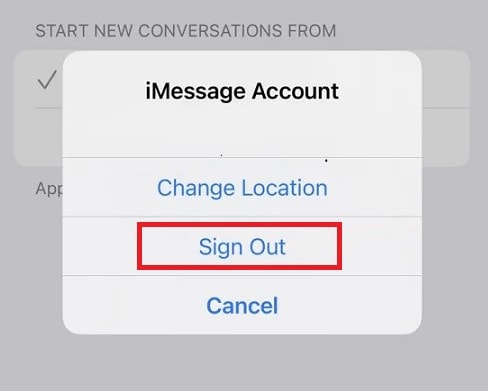
Sign Out of the Service
A popup menu will instantly appear. Tap Sign Out to sever the connection to Apple's messaging servers.
-
Sign Back In
Wait for a few consecutive minutes to ensure the session is completely terminated, then tap 'Use your Apple ID for iMessage' to log in anew with your secure credentials.
3-3. Solution 3: Update Your iOS
If you find iMessage not working on your iPhone 15 Pro despite network checks, it is highly probable that the native messaging architecture is running on an outdated iOS build filled with legacy bugs. Apple routinely pushes software patches designed specifically to fix app compatibility and connectivity drops. You simply have to update your iPhone's operating system to deploy these crucial bug fixes.
-
Navigate to General Settings
Launch the Settings app on your iPhone and tap on General.
-
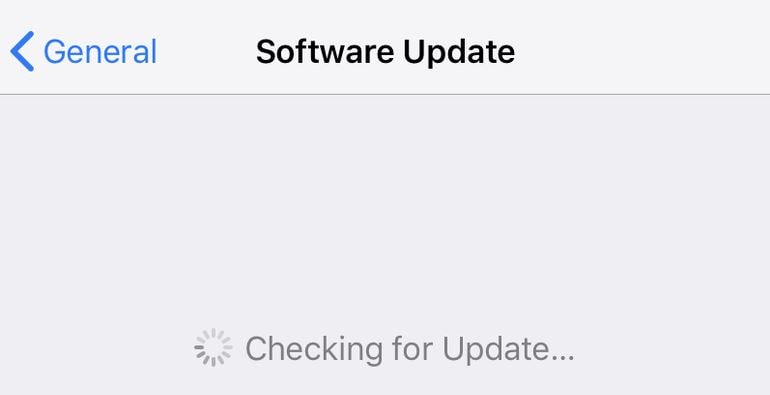
Check for Software Updates
Tap on Software Update. Patiently wait while your device securely connects to Apple's catalog to search for available firmware. If a brand-new iOS version exists, its exhaustive details will populate on your screen.
-
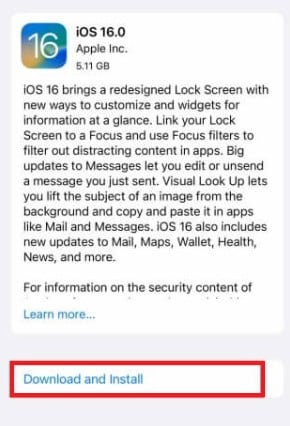
Initiate the Download
Thoroughly read the patch notes to verify the update targets your specific device stability. Once confirmed, tap the Download and Install button prominently displayed at the bottom.
-
Authorize the Installation
Type in your device passcode when explicitly prompted by the system. Accept Apple's Terms and Conditions, and finally, tap Install Now to execute the firmware overhaul.
3-4. Solution 4: Reset Your Network Settings
Although iMessage doesn't mandate a cellular texting plan, it is unequivocally tethered to your mobile data and Wi-Fi configurations. Consequently, it is highly likely that deeply misconfigured or corrupted network settings are heavily throttling the performance of iMessage, preventing activation data from being sent out. Do not worry—wiping misconfigured network caches is a safe procedure that won't delete your personal photos or apps.
-
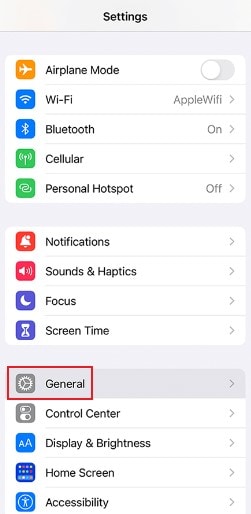
Open General Reset Options
Navigate sequentially to Settings and tap on General.
-
Access the Transfer or Reset Menu
Scroll down to the absolute bottom of the General page and tap Transfer or Reset iPhone, followed by clicking Reset.
-
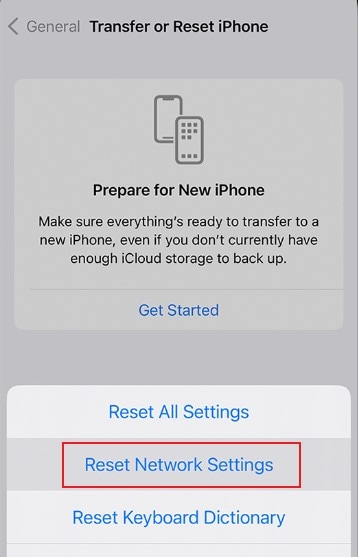
Erase Network Configurations
From the ensuing popup menu, carefully select Reset Network Settings. Be aware this will wipe saved Wi-Fi passwords and Bluetooth pairings.
-
Confirm the Reset Action
Type in your secure passcode to verify your identity and authorize the network restoration process. The phone will reboot.
3-5. Solution 5: Fix System Issues Using Wondershare Dr.Fone
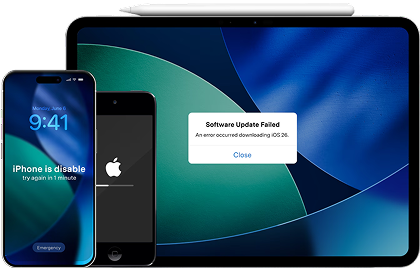
Underlying iOS system failures traditionally pose a devastating threat to mobile device functionality. When core system commands fail to route correctly, apps like iMessage are left in a continuous state of limbo. Fortunately, resolving deep firmware corruption no longer requires a degree in computer science. Thanks to top-tier mobile diagnostic suites like Wondershare Dr.Fone, users can effortlessly deploy system repair features for iOS that actively rescue devices from severe malfunctions without erasing local data. Here is exactly how to leverage this powerful software.
 Fix iOS issues, no data loss.
- One-click repair for all iOS problems.
- Solve recovery mode, Apple logo, black screen, etc.
- Upgrade or downgrade iOS without iTunes
-
Download and Install the Software
Navigate directly to the official website of Wondershare Dr.Fone to securely download the robust installation package. Once downloaded, successfully install the program onto your desktop or Mac.
-
Launch the Repair Tool
Launch the newly installed Wondershare Dr.Fone application on your computer and patiently wait until the primary interface fully initializes.
-
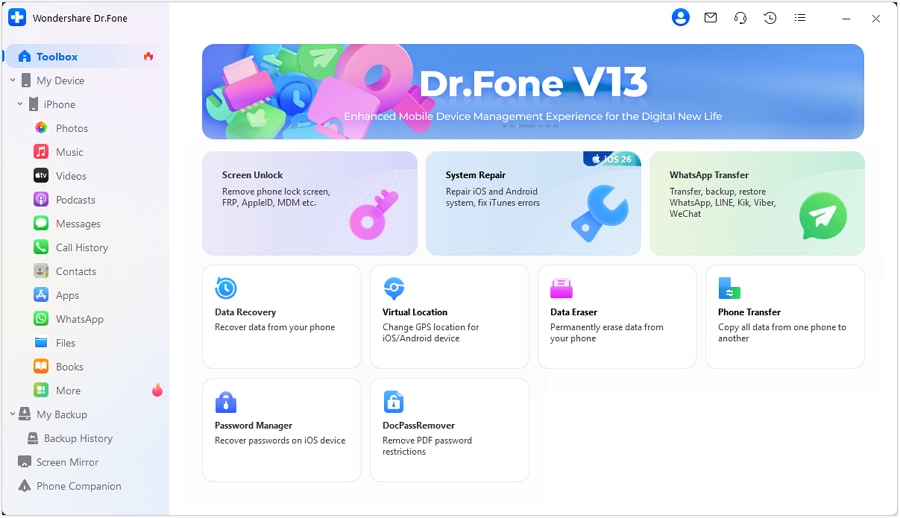
Access the System Repair Module
Examine the left navigation panel and click on Toolbox. From the populated list of utilities, click exclusively on System Repair located on the main dashboard.
-
Connect Your Device
Firmly connect your malfunctioning iPhone 15 to the computer using a certified, high-quality data cable to ensure zero disconnection during the repair.
-
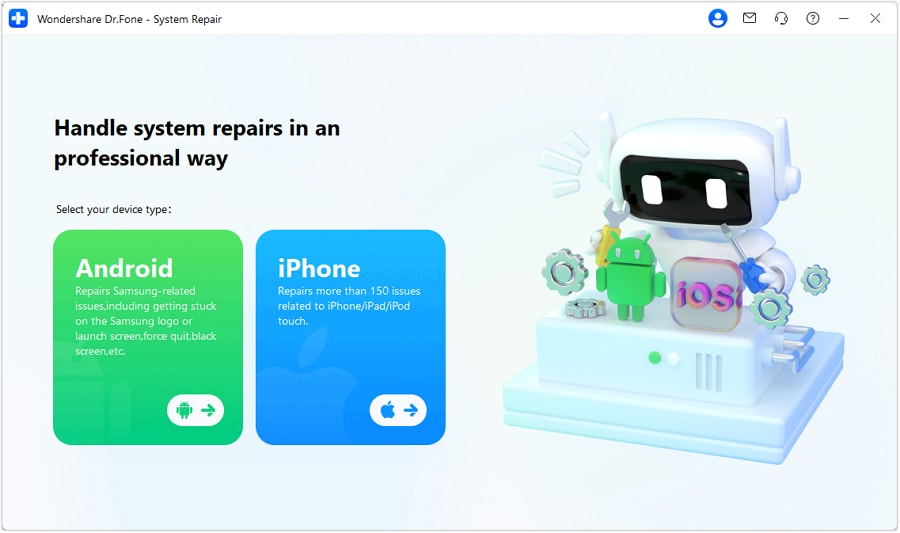
Select the Operating System
When prompted by the software, deliberately click on iOS to specify the nature of the target device.
-
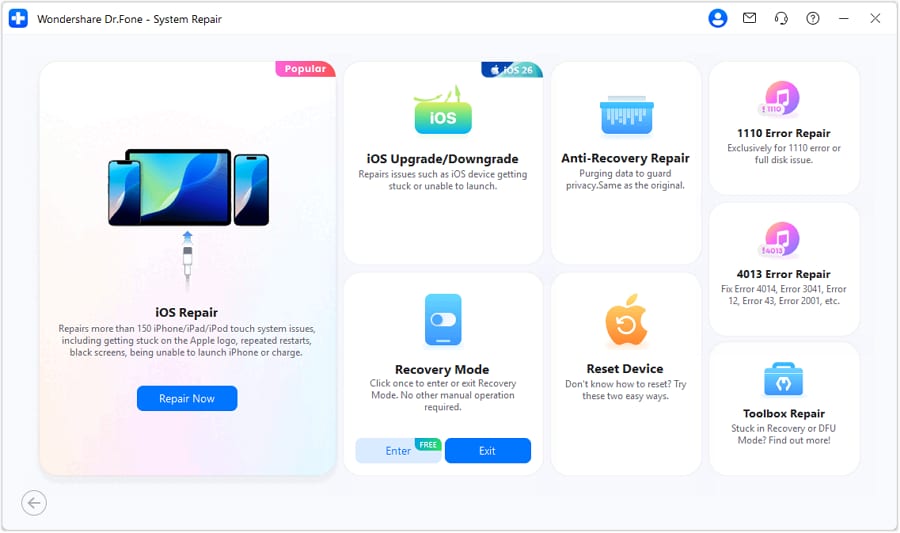
Initiate iOS Repair
On the subsequent menu outlining the repair options, click iOS Repair.
-
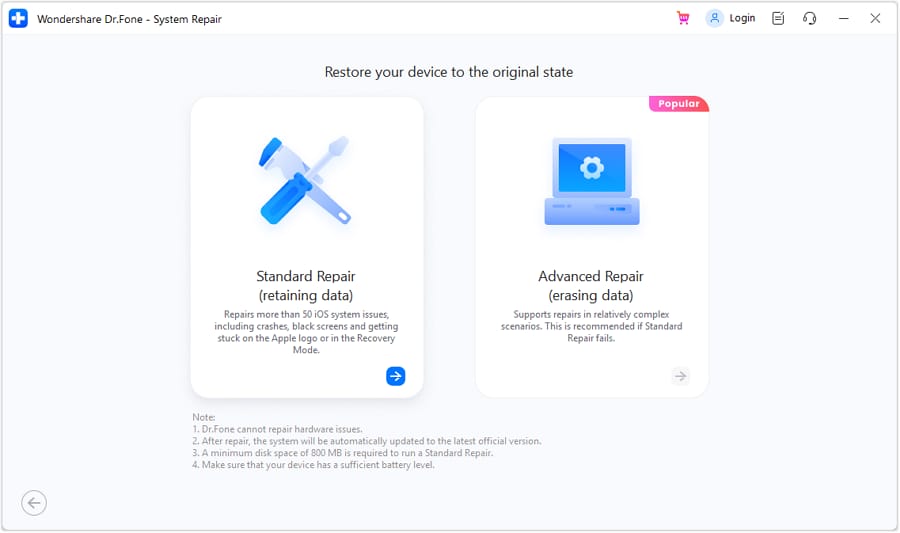
Choose Standard Repair Mode
Click on Standard Repair. This highly optimized mode aggressively targets systemic anomalies like iMessage activation failures while guaranteeing absolute preservation of your localized data.
-
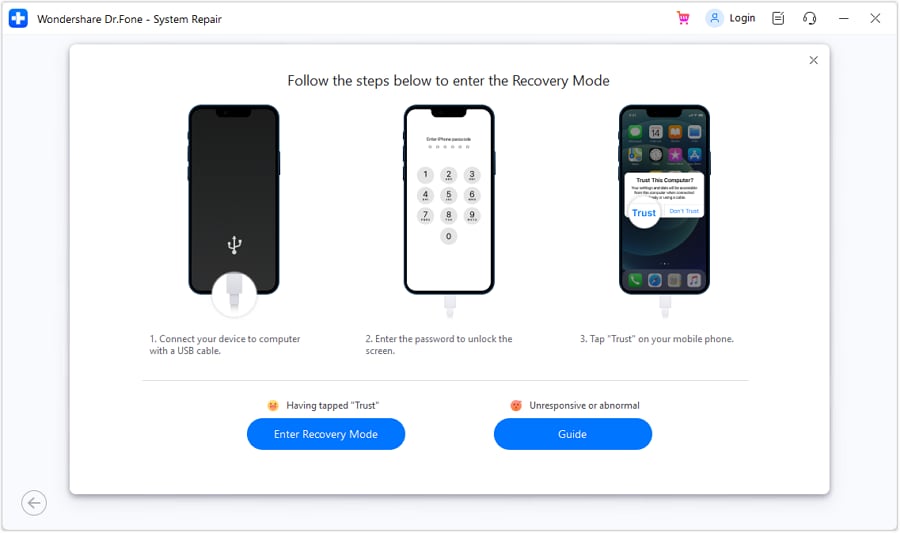
Enter Recovery Mode
At this critical juncture, you must manually put your iPhone 15 into Recovery Mode. On your physical device, authenticate by typing in your passcode. Immediately after, tap Trust on the pop-up prompt. Turning back to your computer screen, click Enter Recovery Mode. If you require further visual instruction, you can click on Guide instead.
-
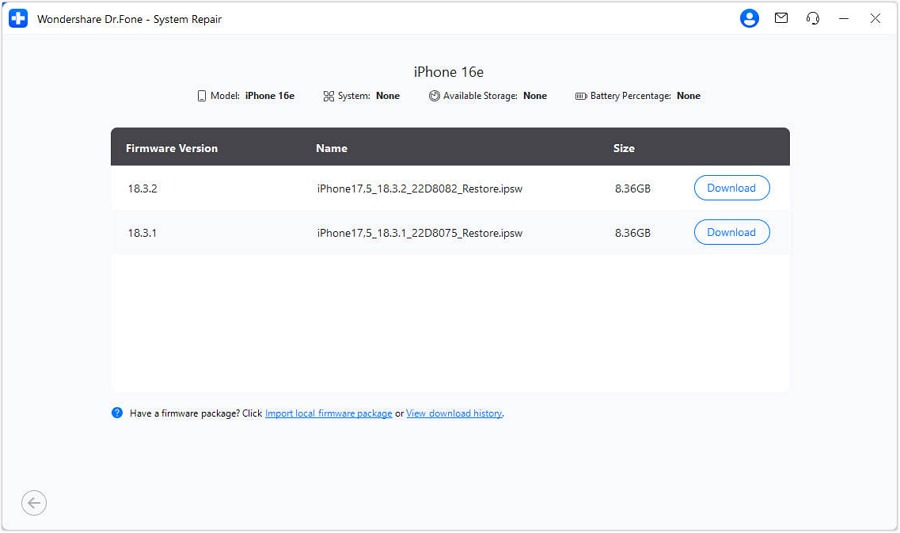
Download Matching Firmware
The system will meticulously scan and display the available pristine firmware versions specifically curated for your iPhone 15 build. Select the most recent version that aligns perfectly with your device's specifications and click the Download button directly next to it.
-
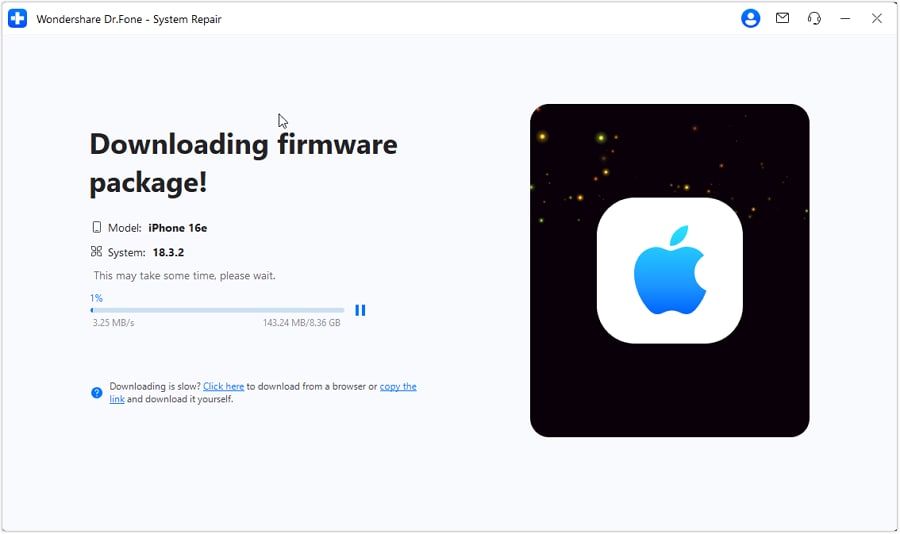
Wait for Firmware Acquisition
Patiently wait while the heavy firmware file is being downloaded from Apple's secure repository. Do not sever the internet connection.
-
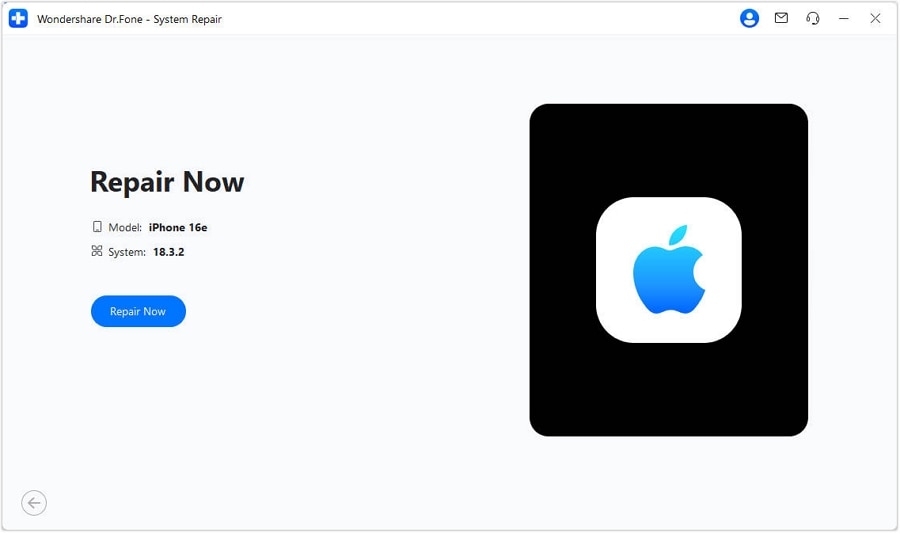
Trigger the Active Repair Process
After the firmware is successfully downloaded and cryptographically verified, click the Repair Now button to begin the deep system override.
-
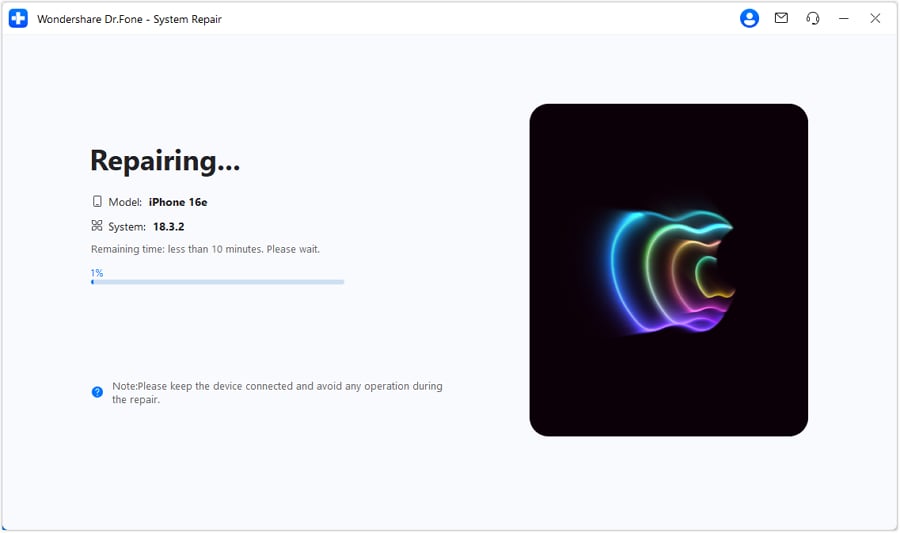
Allow the Repair to Complete Uninterrupted
Refrain entirely from interacting with your iPhone or executing heavy tasks on your computer while the intricate installation process is actively ongoing. This strict rule drastically reduces the risk of accidental bricking.
-
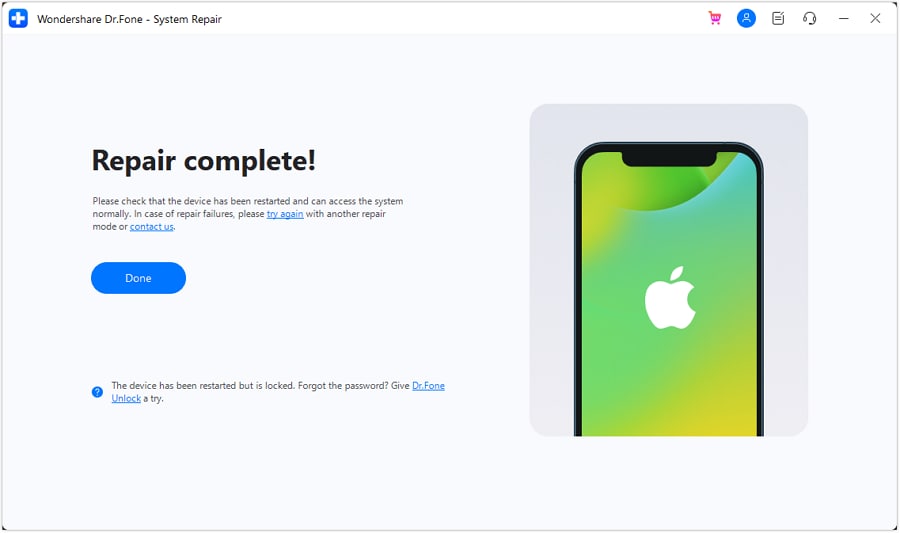
Finalize the Recovery
Once the loading bar completes and the device reboots successfully, simply click Done to securely wrap up the operation. Your iMessage should now authenticate perfectly.
3-6. Solution 6: Reach Out to Apple For Assistance
If you have exhausted all the software and network adjustments detailed above and absolutely nothing works on your end to resolve the iMessage activation loop, it is undeniably time to contact the official Apple Support team to formally request hardware assistance. These certified specialists are exceptionally well-trained to welcome complex inquiries and systematically resolve deep-seated concerns directly tied to their premium products. However, before you hand off your device or initiate any aggressive restorative procedure at a Genius Bar, please rigorously ensure your iPhone unit is fully backed up to entirely avoid unwanted data loss. You may actively utilize Wondershare Dr.Fone to safely back up your device's core data quickly and efficiently.




Conclusion
Without question, iMessage introduces a phenomenally handy, highly encrypted, and remarkably convenient communication platform meticulously engineered for everyone inside the Apple ecosystem. But you must never forget that complex networked software like iMessage is still far from flawless. Unpredictable iPhone 15 iMessage issues may aggressively enter into the picture following updates or network drops and create significant daily workflow problems. Whenever that frustrating scenario happens, make incredibly sure to confidently refer back to the robust array of software and network troubleshooting solutions detailed comprehensively above. Furthermore, preemptively download Wondershare Dr.Fone to keep easily accessible, professional-grade, and readily available mobile firmware assistance permanently at your direct command.
FAQ
-
1. Why does my iMessage say 'Activation unsuccessful' on iPhone 15?
When your iPhone 15 throws an 'Activation unsuccessful' error, it typically means the device cannot establish a secure connection with Apple's servers. This is commonly caused by poor internet connectivity, incorrect date and time settings, carrier-blocking SMS authentication protocols, or an outdated iOS version. Navigating to Settings and toggling iMessage off and on is often the quickest initial fix.• Check Wi-Fi: Ensure the network is stable and unrestrictive.• Check Carrier: Make sure your cellular plan permits sending the hidden SMS required for activation. -
2. Does iMessage use mobile data if Wi-Fi is completely disabled?
Yes. Unlike traditional SMS texts that strictly utilize a cellular voice network, iMessage relies entirely on an active internet connection. If Wi-Fi is disabled, unavailable, or restricted, the iMessage service will automatically shift to consuming your carrier's mobile data (4G/5G) to successfully transmit texts, photos, and high-definition videos. -
3. Can outdated network settings block iMessage from sending media?
Absolutely. Corrupted or conflicting cached network profiles can silently block the specific ports and protocols that iMessage relies heavily upon. Selecting 'Reset Network Settings' from the iPhone General menu flushes out corrupt DNS routing and legacy Wi-Fi pairings, immediately allowing a clean, unfettered connection to Apple's routing servers. -
4. Will using third-party iOS system repair tools delete my iMessage history?
Not if you use trusted software with dedicated data retention modes. Standard procedures performed via reliable tools like Wondershare Dr.Fone (using the Standard Repair feature) proactively target only the corrupt firmware partitions. They overwrite the broken operating system architecture while deliberately keeping all user files, including intricate iMessage histories and heavy photo attachments, completely intact.
 Add Wondershare Dr.Fone as a preferred source on Google