Recover photos, messages, WhatsApp, and more — no backup
needed.
Recover photos, messages, WhatsApp, and more — no backup
needed.

 100% Security Verified | No Subscription Required | No Malware

 :
: 
 ChatGPT
 Perplexity
 Gemini
 Claude
 Grok
Grok
“I recently updated my iPhone 8 to iOS 12 and to my surprise all the saved contacts on my device were lost. Is this possible to lost contacts on iPhone just like that? Can someone help me understand how to restore contacts on iPhone 8?”
Feedback from Apple Community

An iPhone user recently asked us this very question, shedding light on a frustrating scenario that countless Apple users face daily. It is surprisingly common to suddenly lose your address book after a system update, accidental deletion, or a syncing conflict. If you are desperately searching for ways to recover lost iphone contacts, you have come to the right place.
Fortunately, retrieving deleted or missing numbers is entirely possible through several proven methods. In this comprehensive 2026 guide, we will walk you through a variety of targeted solutions. Whether you have safely secured an iPhone contacts backup prior to the incident or find yourself completely empty-handed, these methods will ensure you successfully recover deleted iphone contacts without unnecessary stress.
In this article
- Part 1. How to Restore Deleted Contacts on iPhone from iCloud.com
- Part 2. How to Restore iPhone Contacts from iCloud Backup
- Part 3. How to Restore iPhone Contacts from iTunes Backup
- Part 4. How to Recover iPhone Contacts Without Backup
- Part 5. Other Ways to Restore Lost Contacts on iPhone/iPad
- Part 6. How to Avoid Losing Contacts on iPhone/iPad Again
- Part 7. iPhone Contacts Tips and Tricks
Part 1. How to Restore Deleted Contacts on iPhone from iCloud.com
If you have inadvertently wiped crucial numbers from your device or experienced a system glitch that erased your address book, Apple's cloud ecosystem offers a direct safety net. The automatic synchronization feature bridges your device with iCloud, making it straightforward to recover lost iphone contacts.
Importantly, iCloud.com maintains an archive of all contacts deleted over the last 30 days. This built-in grace period serves as an excellent tool for instant retrieval.
However, there is a catch: executing this restoration will replace your iPhone's current contact list entirely with the archived version. Any new contacts added after the archive date will be overwritten. If you are comfortable taking this route to recover deleted iphone contacts, follow the detailed procedure below.


Step 1 Access Your iCloud Account
Open a web browser on your computer and navigate to iCloud.com. Sign in securely using the exact Apple ID and password associated with the affected iPhone.
Step 2 Navigate to Account Settings
Once on the iCloud dashboard, click on the Account Settings option to view your storage and synchronization details.
Step 3 Locate the Data Restoration Panel
Scroll down to the bottom left of the page to find the "Advanced" section. Here, you will discover various data recovery options.
Step 4 Execute the Restoration
Click on "Restore Contacts". A pop-up menu will display all available contact archives sorted by date and time. Select the most relevant archive and click the "Restore" button to push these contacts directly back to your iPhone.
Part 2. How to Restore iPhone Contacts from iCloud Backup
If your device frequently backs up to iCloud over a Wi-Fi connection, your missing contacts are likely securely stored in the cloud environment. Retrieving them via a full device restoration is a highly effective way to recover lost iphone contacts, provided you understand the requirements.
The standard Apple protocol restricts users from selectively extracting data from an iCloud backup. To restore iCloud backup files, you are forced to completely factory reset your iPhone first. This action will erase all current data, media, and configurations. It is crucial to verify that a recent iCloud backup actually exists before proceeding.

Step 1 Erase Your iPhone
Navigate to Settings > General > Transfer or Reset iPhone > Erase All Content and Settings. Enter your device passcode to confirm the action.
Step 2 Begin the Initial Setup
After your device wipes itself and restarts, follow the on-screen setup prompts until you reach the Apps & Data screen.
Step 3 Restore Your Data
Select "Restore from iCloud Backup" and log in with your Apple ID credentials. Choose the most recent backup containing your contacts and wait for the restoration process to complete successfully.

Part 3. How to Restore iPhone Contacts from iTunes Backup
Much like iCloud, a local iTunes (or Finder on newer macOS versions) backup can serve as an excellent recovery mechanism to recover deleted iphone contacts. However, this strategy is only viable if you meticulously connected your iPhone to your computer and manually triggered a backup prior to the data loss incident.
Similar to the iCloud limitation, an iTunes restoration adopts an "all-or-nothing" approach. You cannot just pick out your contacts; the entire backup payload will be imposed onto your iPhone, instantly overwriting your current photos, new messages, and recent app data. Due to this severe limitation, many users consider this a last-ditch effort.


Step 1 Connect Your Device
Use a certified lightning cable to connect your iPhone to the computer housing your backups. Launch the latest version of iTunes (or Finder).
Step 2 Access the Summary Tab
Click on the device icon located at the top-left corner of the iTunes interface, then navigate to the Summary section on the left-hand panel.
Step 3 Initiate the Restore
Locate the Backups section and click the "Restore Backup" button. A pop-up window will appear prompting you to choose a specific backup file. Select the one containing your lost contacts and hit "Restore". Ensure the device remains plugged in until the synchronization is entirely finished.
Part 4. How to Recover iPhone Contacts Without Backup
Relying on iCloud or iTunes is fundamentally flawed if you have no pre-existing backup or if you absolutely refuse to overwrite the current contents of your smartphone. When traditional Apple ecosystem pathways fail, you need a powerful, localized intervention. This is where Dr.Fone - Data Recovery (iOS) shines as the optimal solution to recover lost iphone contacts.
As a pioneering software in the iOS recovery sphere, this tool is engineered to deeply scan your device's internal storage architecture to extract invisible or recently deleted data fragments. Whether the loss was caused by an accidental swipe, a corrupted iOS update, or a synchronization failure, Dr.Fone grants you full control.
What makes this method superior is the ability to selectively preview and recover only the contacts you need. Additionally, users seeking to recover deleted text messages and deleted photos from iPhone can utilize the exact same software environment. Below, we break down how to retrieve your connections seamlessly.
 Recovers data after deletion, crashes, or device damage.
- Supports photos, messages, contacts, WhatsApp, and more.
- Supports all major iPhone, iPad, and iPod models.
- Preview and recover only what you need.
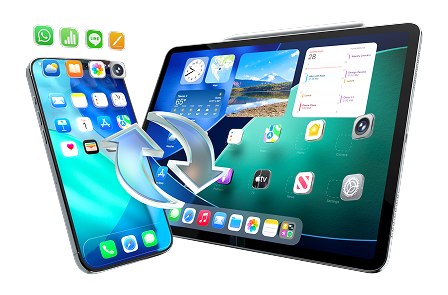
Steps to Recover iPhone Contacts with Dr.Fone
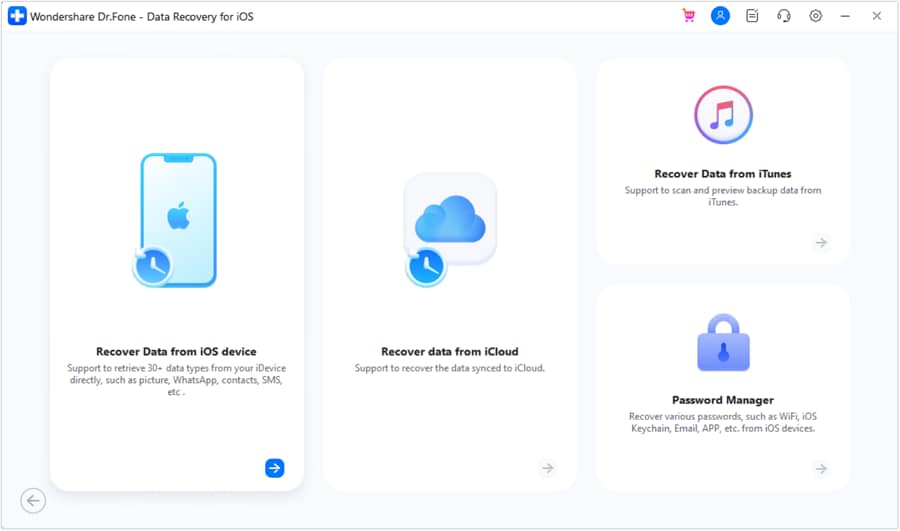
Step 1 Launch Dr.Fone and Connect iPhone
Begin by downloading and opening the Dr.Fone toolkit on your Windows PC or Mac. Select the “Data Recovery” module from the main interface. Connect your iOS device using a trusted cable. The software will detect it automatically. Click on “Recover Data from iOS Device” on the left panel.
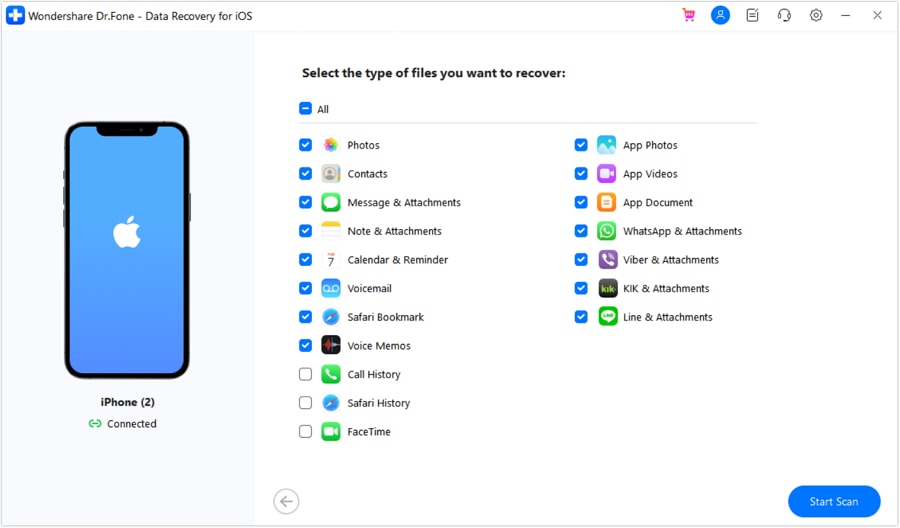
Step 2 Choose iPhone Contacts to Recover
The interface will display all data types available for recovery. Check the box next to "Contacts" (and any other data types you wish to retrieve) and then click the “Start Scan” button to initiate the deep search.
Step 3 Scan the iPhone
Allow the application a few moments to thoroughly scan your device's memory sectors for inaccessible or deleted data. Do not disconnect your device during this critical phase.
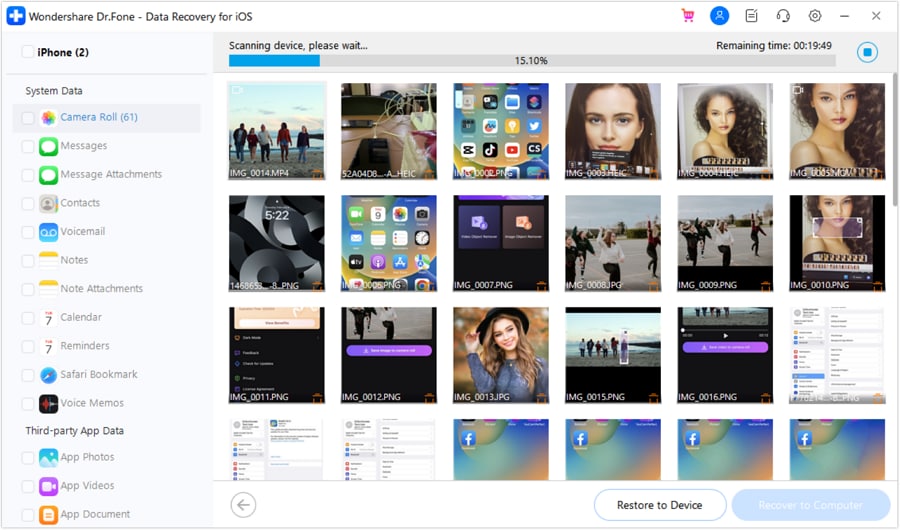
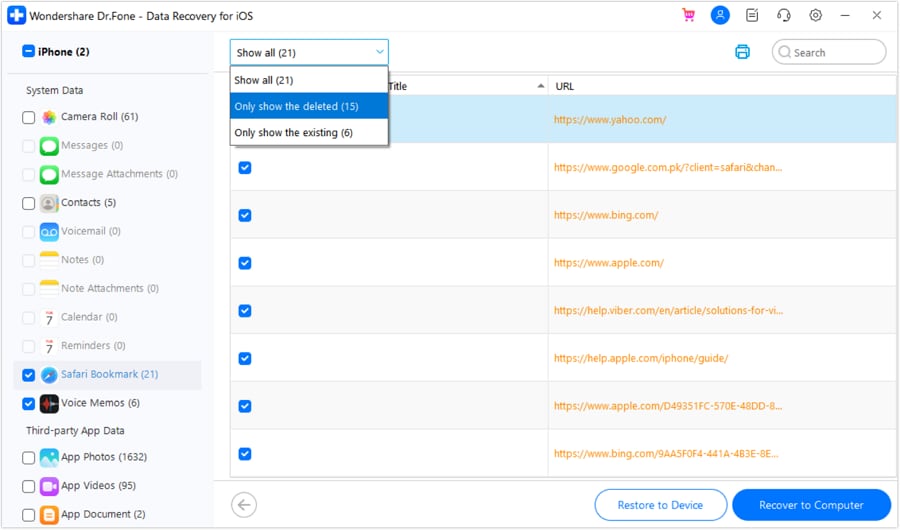
Step 4 Preview and Recover iPhone Contacts
Once the scan concludes, navigate to the Contacts category on the left. You can preview all recovered entries on the right panel. Select the specific contacts you require and click the recovery button to push them directly back to your device or save them to your computer.




Part 5. Other Ways to Restore Lost Contacts on iPhone/iPad
In addition to the primary frameworks, there are several supplementary workarounds to discover how to recover deleted iphone contacts. Depending on your configuration, these alternatives might be exactly what you need.
5.1 Retrieve iPhone Contacts via iCloud Sync Toggling
Sometimes, contacts aren't truly deleted; they are just suffering from a temporary synchronization lapse. Navigate to your device's Settings > [Your Name] > iCloud. Toggle the Contacts switch off, select "Keep on My iPhone", and then swiftly toggle it back on, choosing "Merge". This forced refresh often pulls down missing numbers seamlessly.

5.2 Salvage Contacts via the Messages App
If you only lost a few critical connections, your iMessage history serves as an impeccable backup. Your device retains the chat threads and associated numbers even if the master contact list purges them. Simply open the Messages app, click into the relevant conversation, tap the header, and select the option to "Create New Contact".

5.3 Export Contacts as a vCard from iCloud.com
If you prefer a manual, file-based approach, you can extract your database via a vCard format. Log into iCloud.com, open the Contacts app, click the gear icon in the lower-left corner, click "Select All", and then choose "Export vCard". You can easily email this VCF file to yourself and open it directly on your iPhone to populate the contact list.

5.4 Restore from Google Contacts or Microsoft Outlook
If you previously linked your Gmail or Outlook account to your iPhone's Mail ecosystem, your contacts might be safely stored on their servers. To pull them back, go to Settings > Mail > Accounts. Tap on your specific Google or Exchange account and ensure the "Contacts" synchronization toggle is activated.

Part 6. How to Avoid Losing Contacts on iPhone/iPad Again
Experiencing the sheer panic of a wiped address book is not something you want to repeat. Establishing a resilient backup routine is paramount. While iCloud offers automated backups, opting for an offline, highly manageable backup strategy offers unparalleled peace of mind.
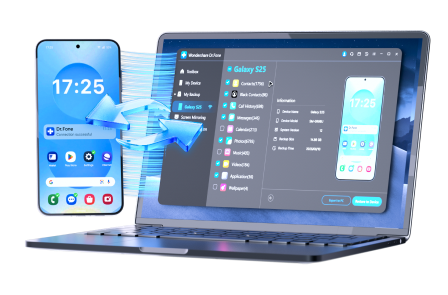
We highly recommend utilizing a dedicated data management application to back up your contacts securely. For instance, Dr.Fone - Phone Backup allows for precise, selective archiving, meaning you can archive strictly your contacts to a PC or Mac and effortlessly restore them exactly when needed—without touching the rest of your iOS ecosystem.

- Effortlessly manage data through preview, delete, export, etc.
- Transfer all data between devices.
- Robust backup solutions for reliable data protection.
- Mirror screens to PC for meetings, teaching, and control.
Part 7. iPhone Contacts Tips and Tricks
Now that you are thoroughly equipped to recover lost iphone contacts, mastering the iPhone contact application will prevent future headaches. Below are a few expert tips for handling persistent contact anomalies on your device.
7.1 Fixing Missing Names in iPhone Contacts
Occasionally, an iPhone will display a raw phone number without the associated name, or only present the individual's first name. This phenomenon is predominantly linked to iCloud synchronization delays. You can easily remedy this by visiting your iCloud settings, toggling Contacts off (select "Delete from My iPhone"), restarting the device, and toggling it back on to force a fresh data fetch.

7.2 Resolving iCloud Sync Stalls
If new contacts simply refuse to upload to the cloud, your Apple ID connection may be stalled. The most reliable fix is to temporarily decouple your account. Navigate to Settings, tap your name profile, scroll to the bottom, and hit "Sign Out". Following a quick reboot, log back in with your credentials to refresh the connection tokens.

7.3 Troubleshooting Completely Missing Contacts
In rare instances, users open their address book only to find it entirely blank despite having active cloud synchronization. Whether caused by an aggressive iOS upgrade or overlapping third-party configurations, minor systemic tweaks can correct this. Explore our dedicated troubleshooting manual addressing the iPhone contacts missing dilemma for deep-dive solutions.
7.4 Further Contact Optimization Strategies
Optimizing your digital address book enhances efficiency and mitigates the risk of duplicate or corrupted files. Delve into our extensive resource on iPhone contacts tips to explore advanced sorting, grouping, and merging capabilities.
Conclusion
Losing vital networking information can be paralyzing, but as this guide has demonstrated, the mechanisms to recover deleted iphone contacts are robust and accessible. From utilizing native Apple restoration frameworks via iCloud.com and full backup recoveries to leveraging specialized software interventions, your data is rarely gone forever.
For those prioritizing flexibility and aiming to protect their current device data from being overwritten, executing a selective recovery with Dr.Fone - Data Recovery (iOS) proves to be the most secure and intuitive pathway. Ultimately, establishing a consistent local backup routine is your best defense against the unpredictable nature of smartphone data loss.
FAQ
1. Can I recover deleted iPhone contacts after 30 days without a backup?
If the 30-day window on iCloud has expired and you lack a recent backup, native Apple methods will not work. However, you can still attempt to retrieve them using specialized software like Dr.Fone - Data Recovery (iOS), which deeply scans the internal storage for residual file fragments that have not yet been overwritten by new data.2. Will restoring from an iCloud backup overwrite my current photos and messages?
Yes. When you restore an iPhone using an iCloud or iTunes backup, the process is a complete overwrite. This means all photos, texts, app data, and settings accumulated after the date of that specific backup will be permanently erased and replaced by the older archived data.3. Why did all my iPhone contacts disappear suddenly?
Contacts often vanish due to synchronization errors with iCloud, email accounts (like Gmail or Outlook), or following a disrupted iOS system update. Sometimes, accidentally toggling off the Contacts sync setting in the iCloud menu instantly removes the address book from the device until re-enabled.4. Is it possible to selectively recover only a few lost contacts?
Apple's standard iCloud and iTunes backup restorations do not support selective extraction. To recover just one or a handful of contacts without replacing your entire phone's database, you must employ third-party iOS recovery software, which allows you to preview and select individual items for restoration.
 Add Wondershare Dr.Fone as a preferred source on Google