iPhone Silent Switch Not Working? 8 Proven Fixes for [2026]

Oct 20, 2026 • Filed to: Phone Repair Solutions • Proven solutions
 TL;DR:
A malfunctioning iPhone silent switch can be bypassed immediately using accessibility settings, but a permanent fix requires isolating whether the fault lies in physical hardware damage, custom tone overrides, or iOS system corruption.
● If the physical Ringer/Silent switch is mechanically stuck or broken, do not use liquids to clean it; instead, enable AssistiveTouch via Settings > Accessibility > Touch to access a virtual mute toggle, or manually drag the ringer volume to zero while disabling "Change with Buttons".
● For iPhone 15 Pro, 16 Pro, 16 Pro Max, and 17 models, verify the Action Button is explicitly mapped to Silent Mode, and ensure custom text tones in Sounds & Haptics are set to "None" so they do not bypass the system mute state.
● If the switch physically moves but fails to trigger the on-screen mute indicator (frequently seen on iOS 26), perform a soft restart or use Dr.Fone - System Repair (iOS) to resolve corrupted firmware without deleting personal data.
Ask AI for a summary
 ChatGPT
 Perplexity
 Gemini
 Claude
 Grok
Grok
I have an iPhone XR running iOS 14.4. My silent ring button suddenly stopped working—toggling the switch does nothing. No on-screen indicator appears, and the phone rings regardless of the switch position. This problem started today with no apparent cause.
The iPhone silent button not working is one of the most frustrating hardware-meets-software issues iPhone users encounter. Whether you own an older iPhone 11, a mid-range iPhone 13, or the latest iPhone 17, a malfunctioning mute switch can disrupt meetings, movie screenings, and quiet moments at the worst possible time. On iPhone 15 Pro, 16 Pro, and 16 Pro Max, Apple replaced the traditional Ringer/Silent toggle with a customizable Action Button—so the troubleshooting steps differ depending on your model.
When you find the silent button on iPhone not working, the root cause usually falls into one of three categories: a software glitch introduced by an iOS update, a misconfigured setting such as a custom text tone overriding mute, or physical damage like a stuck or debris-clogged switch. Identifying the cause first helps you choose the fastest fix.
This guide covers 8 tested solutions—from instant software workarounds you can apply in under a minute to a full iOS system repair for deeper software faults. All methods have been verified for iOS 26 and work across every modern iPhone model, including iPhone 11, iPhone 13, iPhone 15 Pro (Action Button), iPhone 16, and iPhone 17. Read on to find the fix that matches your situation.
 safe & secure
Part 1: How Do I Turn My iPhone on Silent Without The Side/Switch Button?
If the physical Ringer/Silent switch on your iPhone is broken, stuck, or simply unresponsive, you don't have to wait for a hardware repair to keep your phone quiet. iOS provides several software-based alternatives that work just as effectively. The four methods below let you mute your iPhone, silence ringtones, and suppress notification sounds—no physical button required. These workarounds are especially useful while you schedule an Apple Genius Bar appointment or wait for a replacement part.
Method 1: Use the Assistive Touch to Enable Silent Mode
AssistiveTouch is an iOS accessibility feature that creates a virtual floating button on your screen, giving you instant access to hardware functions—including the mute toggle—without needing the physical switch. It is the most reliable software workaround when the iPhone silent button not working issue strikes.
To enable AssistiveTouch, open Settings > Accessibility > Touch > AssistiveTouch and toggle it on. A semi-transparent circular icon will appear on your screen and can be dragged to any edge for convenience.
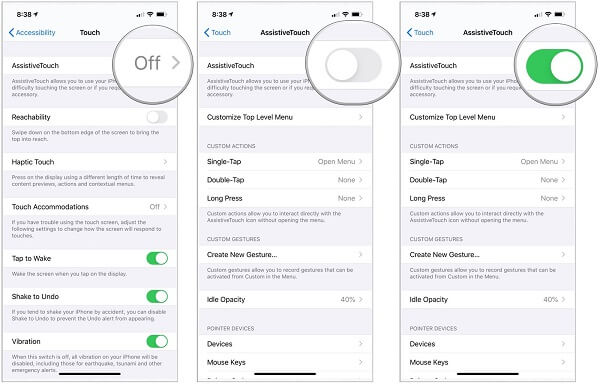
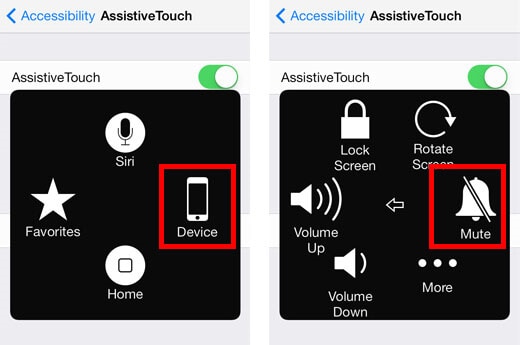
Once AssistiveTouch is active, tap the floating circle, then select Device. You will see a Mute button (represented by a bell icon). Tap it once to enable silent mode instantly—the bell icon will change appearance to confirm mute is active. To unmute, repeat the same steps and tap the icon again to toggle off silent mode.
For even faster access, you can customize AssistiveTouch: go to Settings > Accessibility > Touch > AssistiveTouch > Customize Top Level Menu, then add Mute as a direct shortcut. This means you only need a single tap on the floating button to toggle mute—ideal for frequent use when the silent button on iPhone not working is a persistent problem.
📱 iPhone Frozen? Fix It in 3 Steps – No Data Loss!
Struggling with a frozen iPhone screen? 🤔 Our guide covers 6 common causes, step-by-step fixes for all models (iPhone 6s to iPhone 17), and safe data recovery. 98.6% success rate! ✨
Method 2: Turn the Ringer Volume Down
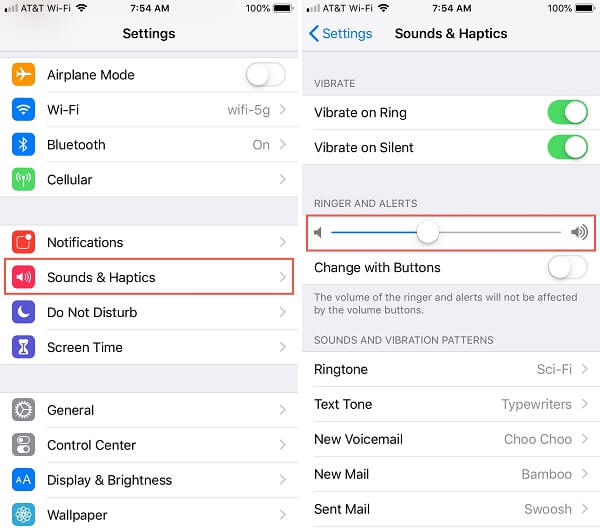
Reducing the ringer volume to its minimum is a fast, no-setup workaround that effectively silences calls and notifications without requiring the physical switch. While this method does not replicate true silent mode (vibration may still occur depending on your Haptics settings), it prevents any audible sound from playing—making it a practical solution when the silent button not working iPhone issue appears unexpectedly.
To lower the ringer volume manually, navigate to Settings > Sounds & Haptics. Under the Ringer and Alerts section, drag the volume slider all the way to the left until it reaches zero. Make sure the toggle "Change with Buttons" is switched off, so the side volume buttons do not accidentally raise the ringer during normal use.
Additionally, you can disable haptic feedback under the same menu by toggling off System Haptics if you want complete silence. This combination—zero ringer volume plus disabled haptics—closely mimics what the physical silent switch does, and it works on all iPhone models running iOS 26 where the silent button on iPhone not working is a concern.
Method 3: Set up a Silent Ringtone
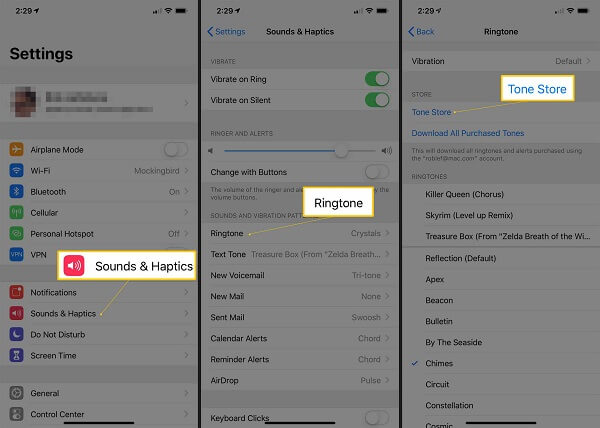
If you want a more permanent workaround for a broken silent button on iPhone, assigning a completely silent audio file as your default ringtone ensures no sound plays when someone calls—regardless of the switch position. This technique is especially useful if you cannot access Settings > Sounds & Haptics frequently, or if you need a set-and-forget solution while waiting for a hardware repair.
Here is how to set up a silent ringtone:
- Unlock your iPhone and go to Settings > Sounds & Haptics > Ringtone.
- Tap Tone Store at the top of the list to open the iTunes Store ringtone section.
- Search for "silent ringtone" in the Store. Several free or low-cost silent audio tracks are available specifically for this purpose.
- Download your chosen silent ringtone and tap Set as Default Ringtone.
- Optionally, repeat the process for Text Tone under Sounds & Haptics to also silence message notifications.
Once set, your iPhone will play an inaudible audio file whenever a call or message arrives, effectively keeping the device silent without relying on the physical iPhone silent button not working switch.
Method 4: Set the Text Tone Feature to None
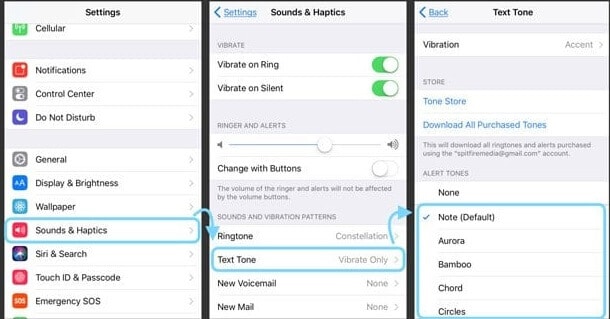
One overlooked reason why the iPhone silent button not working experience persists—even after toggling the switch—is that custom text tones can bypass the system mute setting entirely. When a custom tone is assigned to Messages or a specific contact, iOS may play it regardless of the silent mode state. Disabling the text tone eliminates this loophole.
Follow these steps to remove the text tone:
- Open Settings > Sounds & Haptics.
- Under the Sound and Vibration Patterns section, tap Text Tone.
- Scroll to the very top of the tone list and select None.
- Tap Back to save the change.
- Optionally, also set New Voicemail, New Mail, and other alert tones to None for complete silence.
This method is particularly effective for users who have set per-contact ringtones or downloaded custom notification sounds. After setting all tones to None, the silent button not working symptom—where sounds still play in silent mode—should be resolved without any hardware intervention.
Tips: Looking for an all-in-one mobile management software? Look no further than Dr.Fone App - the ultimate choice for all your needs:
- For iOS Users: Free up space with Smart Clean, remove any restriction including screen lock, iCloud activation lock, MDM, or Apple ID, and transfer data easily between devices with our all-in-one iOS solution.
- For Android Users: Bypass screen locks and FRP with our Android unlocker, change your location with one click, and repair damaged Samsung devices with ease.
Discover more possibilities for mobile management solutions with Dr.Fone App (iOS) and Dr.Fone App (Android). Don't miss out, try it now and revolutionize your smartphone experience.



Part 2: How to Fix iPhone Silent Switch Not Working?
If the software workarounds in Part 1 did not resolve your issue, the underlying problem may be a hardware fault, a corrupted iOS setting, or a deeper system-level bug. The four fixes below target these root causes directly. Start with Fix 1 (physical inspection) before moving to software-based solutions, as hardware damage cannot be resolved by software tools alone.

Fix 1: Check the Silent Button on your iPhone
Before attempting any software fix, perform a thorough physical inspection of the Ringer/Silent switch. This step is critical because software tools cannot repair a mechanically broken switch—and skipping this check wastes time on solutions that will not work for a hardware issue.
Here is what to inspect and how to clean the switch:
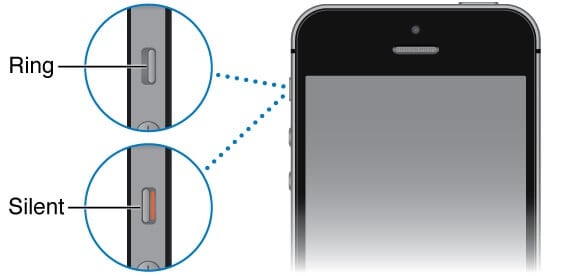
- Check switch position: The switch should toggle cleanly between two positions. When sliding it toward the back of the phone (downward), a small orange stripe becomes visible, indicating silent mode is active. If you do not see the orange stripe or the switch feels stuck, that is a strong sign of physical damage.
- Inspect for debris: Pocket lint, dust, or moisture can accumulate in the small gap around the switch. Use a dry, soft-bristled toothbrush or a can of compressed air to gently clear the area. Do not use water or cleaning liquids near the switch.
- Test the switch feel: A healthy switch has a distinct tactile click. If it feels mushy, does not spring back, or is stuck in one position, internal damage is likely.
- iPhone 15 Pro and later (Action Button): These models do not have a Ringer/Silent toggle. Instead, they feature the customizable Action Button. If your Action Button is not triggering silent mode, go to Settings > Action Button and confirm it is mapped to Silent Mode.
If the switch appears physically damaged or broken, the most reliable solution is to book an appointment at an Apple Authorized Service Provider. Continuing to force a broken switch can cause further internal damage to the flex cable.
Fix 2: Restart your iOS Device
A soft restart clears temporary memory, resets background processes, and flushes minor iOS system errors that can cause the iPhone silent button not working symptom without any physical damage. This is the first software fix you should try and takes less than 60 seconds. It works across all iPhone models, from iPhone SE to iPhone 17.
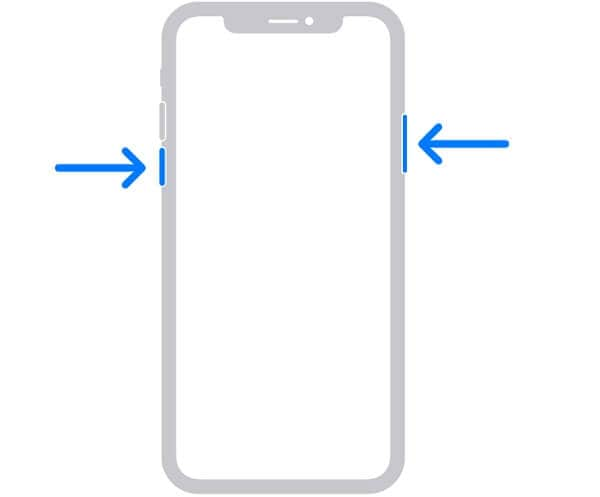
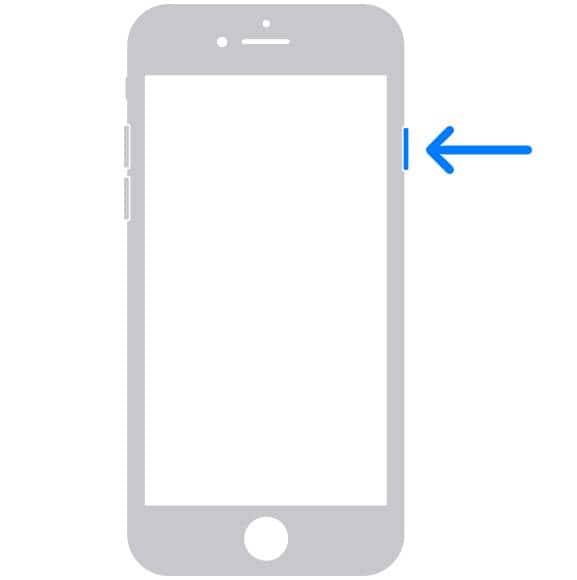
iPhone X, 11, 12, 13, 14, 15, 16, and 17:
- Press and hold the Side button and either Volume Up or Volume Down simultaneously for about 3 seconds.
- Release both buttons when the slide to power off slider appears on screen.
- Drag the slider to the right to turn off the device.
- After the screen goes completely black, wait 30 seconds, then press and hold the Side button to power back on.
iPhone SE (1st gen), iPhone 6s, 7, and 8:
- Press and hold the Top (Power/Wake/Sleep) button until the power slider appears.
- Drag the slider to turn off the device.
- Once fully powered off, press and hold the Top button again to restart.
After the iPhone restarts, toggle the silent switch (or press the Action Button on compatible models) and check whether the on-screen mute indicator reappears. If silent mode is now recognized, the restart successfully cleared the underlying software glitch causing the silent button not working iPhone issue.
Fix 3: Enable the Airplane Mode
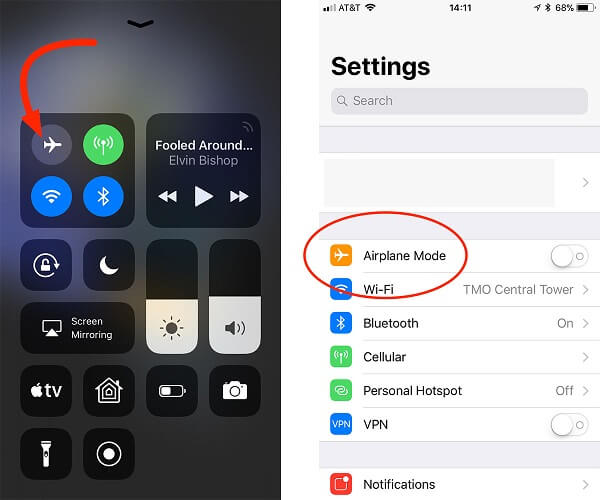
Enabling Airplane Mode is a quick temporary fix that stops all incoming calls and notifications, effectively giving you the silence you need while you troubleshoot the root cause. When Airplane Mode is active, your iPhone disconnects from all cellular, Wi-Fi, and Bluetooth signals—meaning no calls can ring and no real-time push notifications can arrive. This makes it particularly useful in time-sensitive situations (meetings, exams, medical appointments) when the iPhone mute switch not working problem cannot wait for a full repair.
You can enable Airplane Mode in two ways:
- Control Center: Swipe down from the top-right corner of the screen (iPhone X and later) or swipe up from the bottom (iPhone 8 and earlier). Tap the airplane icon to activate it. The icon turns orange when Airplane Mode is on.
- Settings: Open Settings and tap the Airplane Mode toggle at the top of the list.
Keep in mind that Airplane Mode blocks all network connectivity, so you will be unable to receive calls, texts, or internet notifications while it is active. Use it as a short-term stopgap, not a permanent solution. If you still need internet access, you can manually re-enable Wi-Fi after turning on Airplane Mode by tapping the Wi-Fi icon in Control Center.
Fix 4: Fix the iOS System for your Device
If you have tried all the above methods and the silent button on iPhone not working issue persists without any obvious physical damage, a corrupted iOS system file is the most likely cause. iOS system corruption can occur after a failed update, an incomplete firmware installation, or a jailbreak attempt. In these cases, standard user-level fixes are insufficient—you need a dedicated iOS repair tool.
Dr.Fone – System Repair (iOS) is designed specifically for this type of deep-rooted software fault. It diagnoses and repairs corrupted iOS firmware without erasing your personal data, and it works on every iPhone model, including iPhone 11, 13, 15 Pro, 16, and the latest iPhone 17 running iOS 26. This tool is particularly effective for the iPhone 17 silent button not working scenario, where standard restart and settings-based fixes often fail.
Dr.Fone - System Repair
Fix the iPhone silent button not working. No iTunes is Needed.
- Fix iOS to normal without data loss.
- Fix various iOS system issues stuck in recovery mode, white Apple logo, black screen, looping on start, etc.
- Fix all iOS system issues in just a few clicks.
- Works for all models of iPhone, iPad, and iPod touch.
- Fully compatible with the latest iOS version.

Here is how to use Dr.Fone - System Repair (iOS) to fix the iPhone silent switch not working without data loss:
- Step 1: Click the download button below to get Dr.Fone and install it on your Windows PC or Mac. Launch the application once installation is complete.
- Step 2: On the Dr.Fone home screen, click "System Repair". Connect your iPhone to the computer using a USB cable. Ensure you use an Apple-certified cable to avoid connection errors during the repair process.
- Step 3: Once the tool detects your device, select "iPhone", then "iOS Repair", and finally "Standard Repair". Standard Repair fixes most iOS system issues without erasing any data.
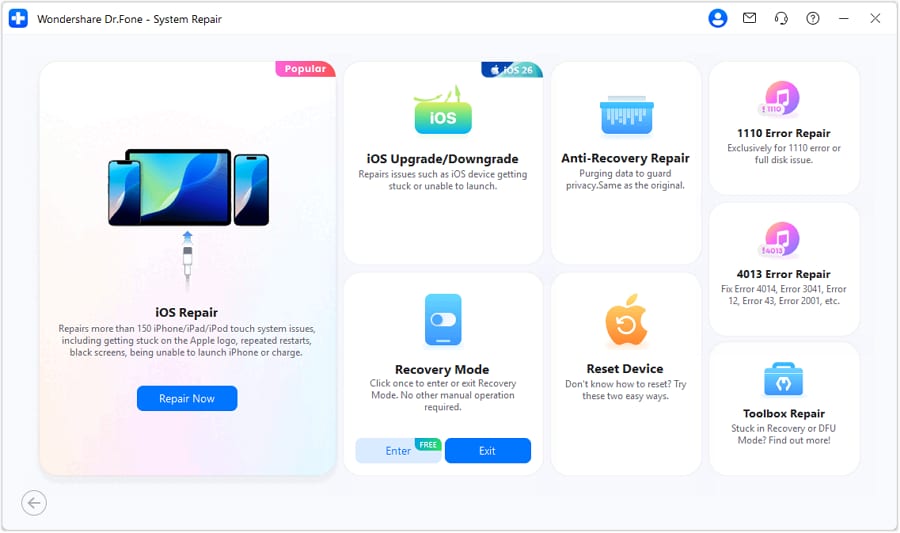
- Step 4: Follow the on-screen instructions to put your iPhone into Recovery Mode. The tool will automatically detect your device model and display the latest compatible iOS 26 firmware. Verify the device information is correct, then click "Download" to begin the firmware download.
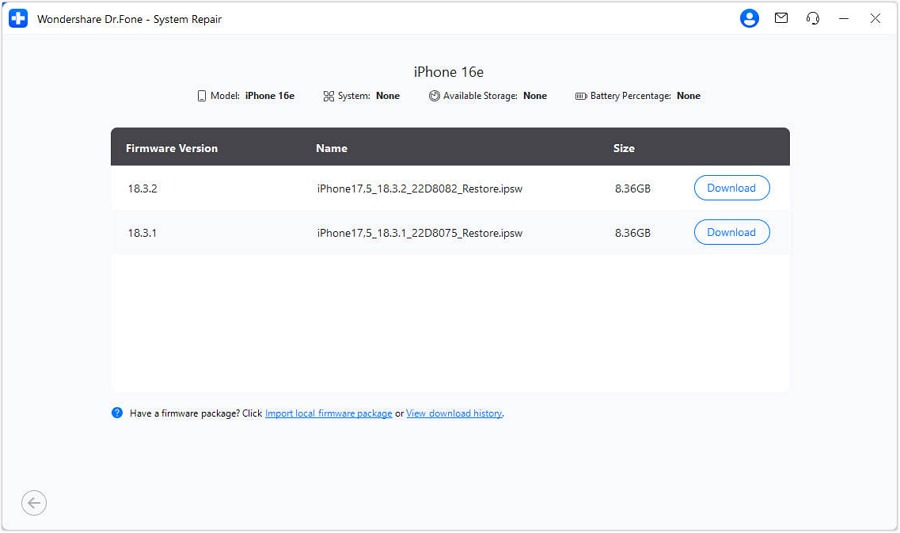
- Step 5: The iOS firmware will download automatically—this typically takes 5–15 minutes depending on your internet speed. Once the download is complete, the tool verifies the firmware integrity automatically. When the verification passes, click "Repair Now" to begin the repair.
- Step 6: Keep your iPhone connected throughout the repair. The process typically takes 3–8 minutes. Do not disconnect the cable, lock the screen, or close the Dr.Fone application during this time, as interrupting the repair can cause additional system issues.
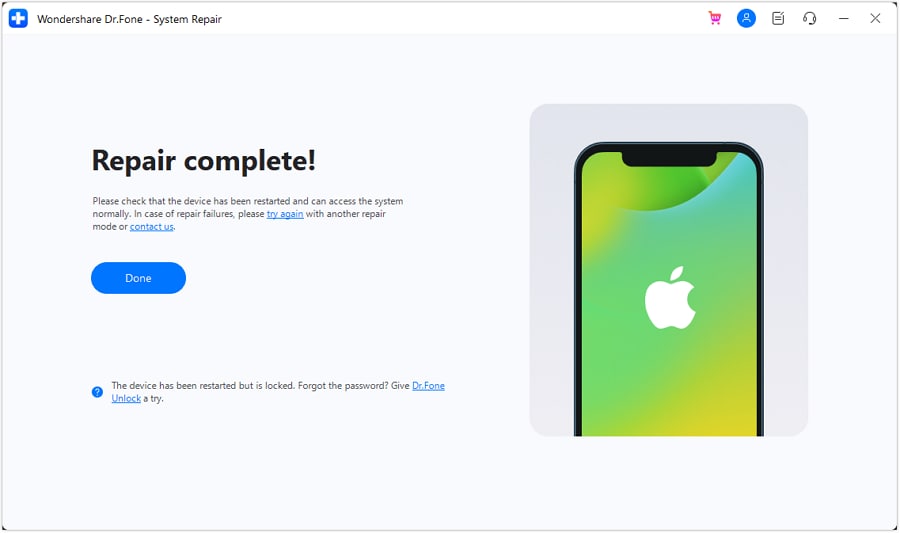
- Step 7: Your iPhone will restart automatically after the repair completes. Once it boots up, test the silent switch (or Action Button) to confirm the mute function is now working. In most cases, the iPhone silent switch not working issue is fully resolved after this repair.
4,624,541 people have downloaded it
 safe & secure
Conclusion
A non-functional silent switch is a frustrating problem, but it is almost always fixable—either through a quick software workaround or a targeted hardware inspection. Here is a quick recap of when to use each approach:
- Switch is physically stuck or unresponsive: Clean the switch area and visit an Apple Authorized Service Provider if mechanical damage is confirmed (Fix 1).
- Need an immediate software mute: Use AssistiveTouch (Method 1) or lower the ringer volume to zero (Method 2) for an instant, no-hardware-required solution.
- Sounds still play in silent mode: Remove custom text tones and set all Sound and Vibration Patterns to None (Method 4) to prevent tones from bypassing the mute state.
- iPhone mute switch not working after an iOS update: Restart the device (Fix 2) to clear the software glitch introduced by the update.
- Nothing works and there is no physical damage: Use Dr.Fone - System Repair (iOS) to diagnose and repair corrupted iOS system files without losing any data (Fix 4).
These solutions cover every scenario—whether you are dealing with iPhone 11 silent button not working, iPhone 13 silent button not working, the Action Button on an iPhone 15 Pro or 16 Pro failing to mute, or the newest iPhone 17 silent button not working situation. All methods are compatible with iOS 26 and the current App Store ecosystem.
 safe & secure
FAQs
 Q1. Why is my iPhone mute switch not working after a recent iOS update? Q2. How can I silence my iPhone if the silent button is physically broken? Q3. Why is my iPhone ringer switch not working even after restarting the device? Q4. Does the iPhone 15 Pro have a silent button, or has it been replaced by the Action Button?


iPhone Problems
- iPhone Hardware Problems
- 1. iPhone Keyboard Problems
- 2. iPhone Flashing Not Working
- 3. iPhone Not Detecting Sim Card
- 4. iPhone Sim Not Supported
- 5. Touch ID Not Working
- 6. iPhone Unable to Activate Touch ID
- 7. Fix iPhone Flashlight Greyed Out
- 8. iPhone Ear Speaker Test
- 9. iPhone Ear Speaker Not Working
- 10. iPhone Backlight
- 11. iPhone Proximity Sensor by Yourself
- 12. Replace iPhone Digitizer
- 13. Accessory May Not Be Supported
- iPhone Battery Problems
- 1. iPhone Battery Percentage Not Show
- 2. Replace iPhone Battery
- 3. iPhone Battery Problems
- 4. iPhone's Battery Drains Fast
- 5. iPhone Shuts Off with Battery Left
- 6. iPhone Overheating
- iPhone Button Problems
- 1. iPhone Home Button Not Working
- 2. iPhone Volume Buttons Not Working
- 3. iPhone Silent Switch Not Working
- 4. iPhone Power Button Stuck
- 5. iPhone Volume Button Stuck
- 6. iPhone Back Tap Not Working
- iPhone Charging Problems
- 1. iPhone Charging Port Not Working
- 2. iPhone Charging Slowly
- 3. iPhone Stops Charging
- 4. Wireless Charging Not Working
- 5. iPhone Not Charging
- 6. iPhone Stuck on Charging Screen
- iPhone Headphone Problems
- Apple Pencil and Watch Issues
- 1. Apple Pencil Double Tap Not Working
- 2. Apple Pencil Keeps Disconnecting
- 3. Apple Pencil Not Charging
- 4. Apple Pencil Not Connecting/Pairing
- 5. Apple Pencil Not Working
- 6. Apple Watch Not Pairing with iPhone
- 7. Apple Watch Stuck on Apple Logo
- Other iPhone Problems
- ● Manage/transfer/recover data
- ● Unlock screen/activate/FRP lock
- ● Fix most iOS and Android issues
- Repair Now Repair Now Repair Now



Alice MJ
staff Editor
Generally rated4.5(105participated)