iPhone Find My location sharing not working

Oct 22, 2026 • Filed to: Phone Repair Solutions • Proven solutions
 TL;DR:
- Confirm the same Apple Account is signed in and that the iPhone can connect to the internet.
- Turn on system-wide Location Services and make sure Find My is not blocked from using location.
- Open Find My and confirm Share My Location is enabled and the intended device is sharing.
- If the other person still sees no location, check the recipient's device, account, connection, and the current Apple service state.
- Use Dr.Fone - System Repair (iOS) only as an optional escalation for a suspected software issue after standard checks.
Ask AI for a summary
 ChatGPT
 Perplexity
 Gemini
 Claude
 Grok
Grok
iPhone location sharing not working usually means that Find My cannot publish your current location, the recipient cannot retrieve it, or the account and connection needed for the service are unavailable. Start with the Apple Account and internet connection, then check system-wide Location Services, Share My Location, and the Find My configuration. This guide focuses on Apple's Find My workflow; Google Maps uses a separate location-sharing system.
If the settings are correct but the shared location remains unavailable or stops updating, the problem may be on the recipient's device, with an Apple service, or with the iPhone's software state. Work through the lower-risk checks first and reserve resets, support, or repair tools for later.
Why Is Find My Not Sharing Your iPhone Location?
When Share My Location is unavailable, stopped, or invisible to another person, identify which side of the connection is failing. The sender's settings, Apple Account, network, and software are the first checks. The recipient's device or an Apple service can also explain a missing or stale location.
1. Location Services is turned off
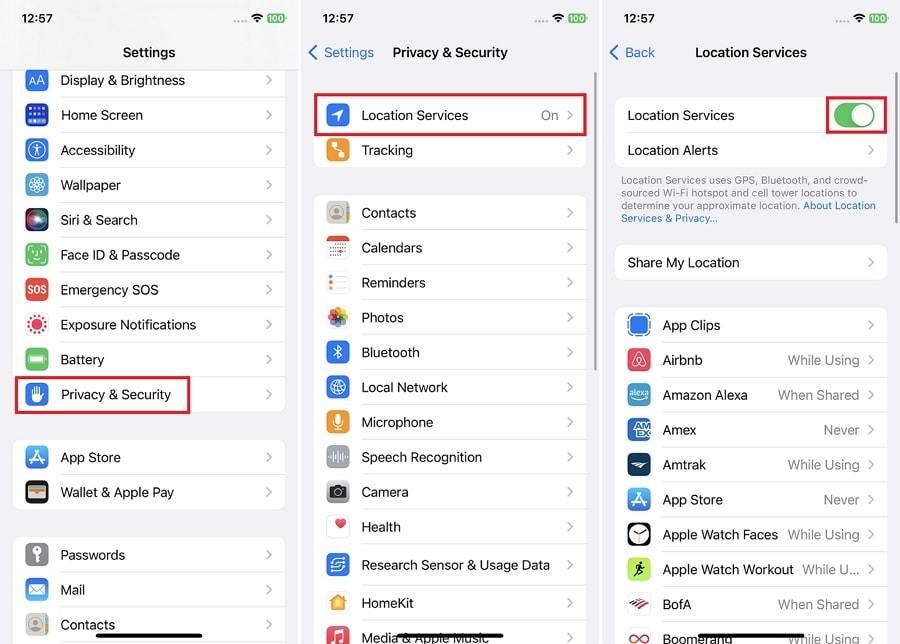
Apple's current iPhone guide specifically directs users to check Settings > Privacy & Security > Location Services when others cannot see a shared location. If system-wide Location Services is off, Find My cannot use the iPhone's location.
2. Share My Location is disabled in Find My
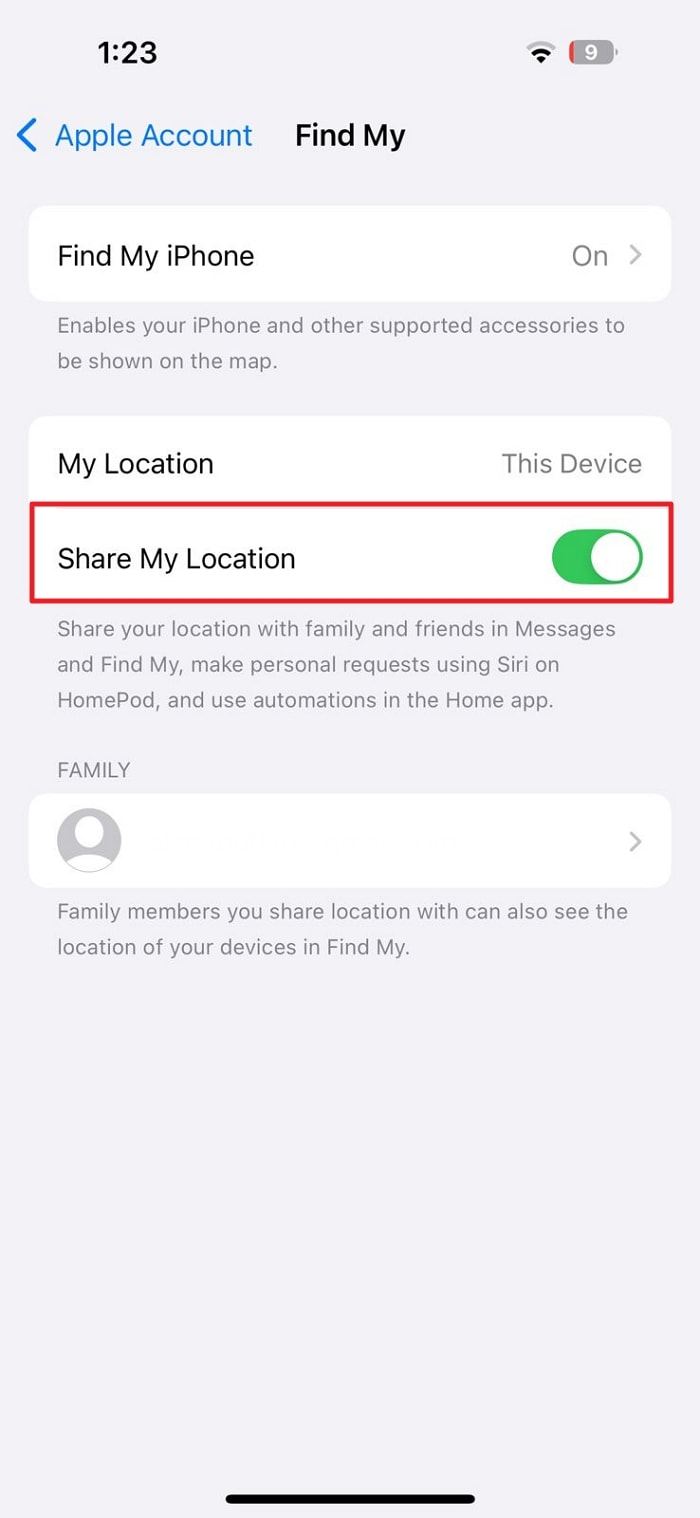
Find My includes a Share My Location control. If it is off, your iPhone will not share its location with the people selected in Find My. Find My also lets you choose which device shares your location, so verify that the intended iPhone is being used.
3. The Apple Account or iCloud connection is unavailable
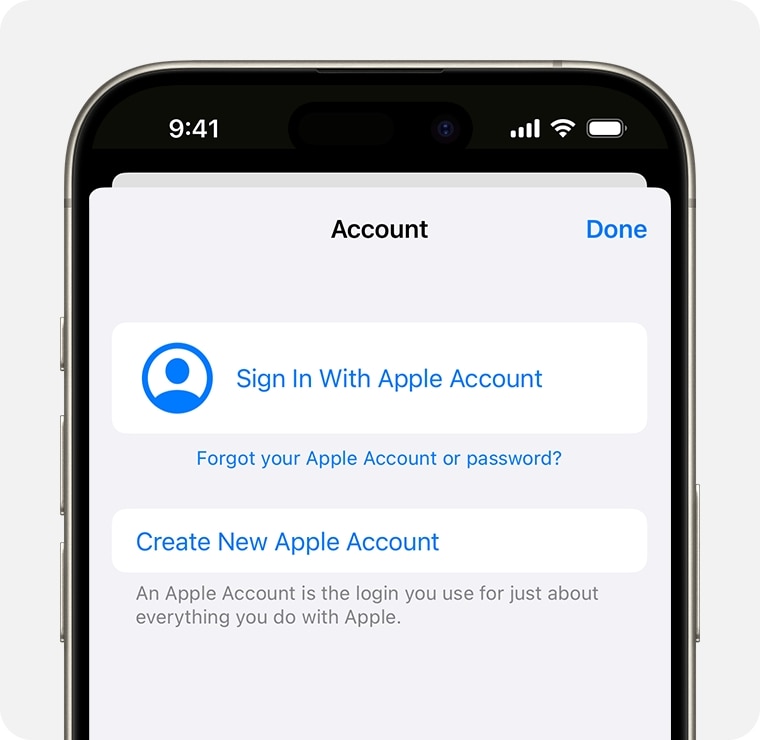
Apple recommends signing in to the same Apple Account on your devices when troubleshooting iCloud access. A sign-in problem, an iCloud outage, or an interrupted connection can affect services that depend on account access. This check does not prove that every Find My failure is caused by an iCloud setting, but it can identify an account-side problem.
4. The iPhone cannot maintain a connection
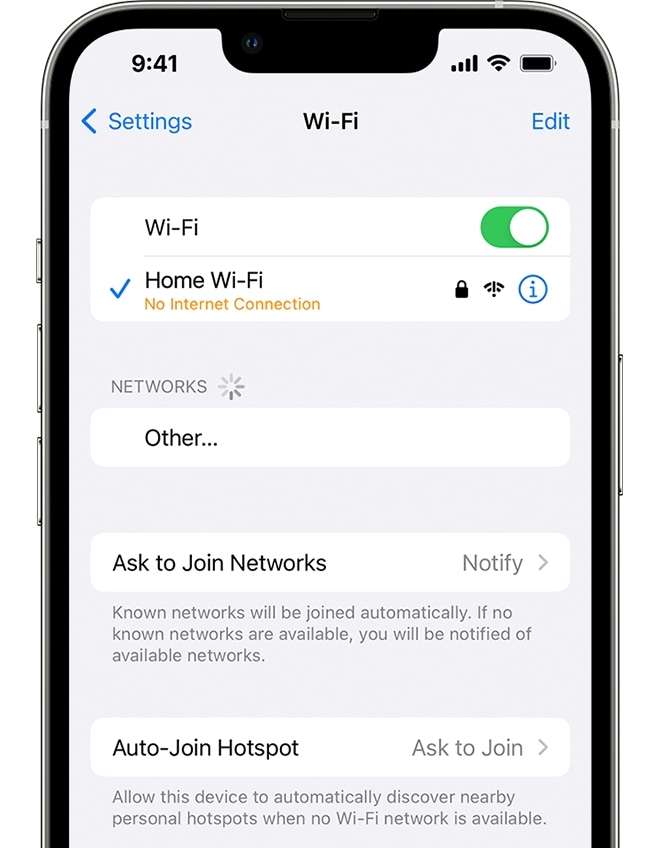
Location sharing needs the device to communicate with the service. Weak Wi-Fi, unavailable cellular data, or a broader connectivity problem can leave a shared location stale or unavailable. Test the connection before changing more sensitive settings.
5. iOS or the Find My state needs attention
Apple's iCloud troubleshooting guidance includes updating iOS or iPadOS. If sharing stopped after a software change or remains broken after the basic checks, install an available update and test Find My again.
6. The recipient or service is the source of the symptom
Your settings may be correct while the other person is signed out, offline, using a device with a connection problem, or unable to retrieve the shared location. A service interruption can produce a similar result. Ask the recipient to check their connection and Find My status before changing your own configuration again.
7. Family Sharing or individual sharing has changed
Apple documents location sharing with family members through Family Sharing and Find My. Check that the intended person is still included in the relevant sharing arrangement and that sharing has not been stopped for that individual. Find My supports stopping sharing with one person or hiding your location from everyone.
How to Fix iPhone Location Sharing Not Working
Use these fixes in order. The first steps verify the settings Apple documents for Find My; the later steps are escalations for persistent problems.
Fix 1. Check your Apple Account, connection, and service access
Open Settings and check that the intended Apple Account is signed in. Apple advises using the same Apple Account on all devices involved in iCloud access. Confirm that the iPhone has an internet connection, then check Apple's current system status information if other iCloud features are also unavailable.
Apple's iCloud guidance also recommends updating the operating system when access problems continue. Install an available iOS update, restart the iPhone, and test Find My again.
Fix 2. Turn on Location Services
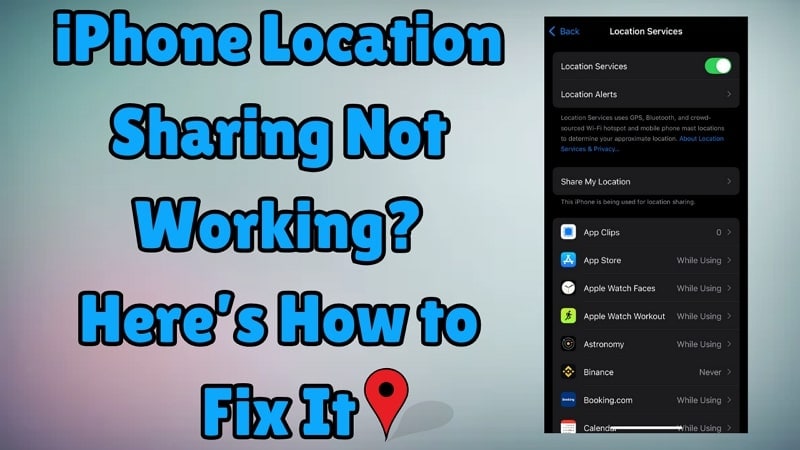
On the iPhone, open Settings, select Privacy & Security, and open Location Services. Make sure the main Location Services control is enabled. This is the system-wide check Apple identifies when others cannot see your shared location.
Fix 3. Enable Share My Location in Find My
Open Find My and check the Share My Location control. Turn it on if it is disabled. Review the person or family member who should receive your location, and check which device is shown as the device sharing your location.
Find My supports sharing with individual people and family members. It also provides controls to stop sharing with a specific person or hide your location from everyone, so confirm that sharing was not intentionally stopped.
Fix 4. Check Find My under Location Services
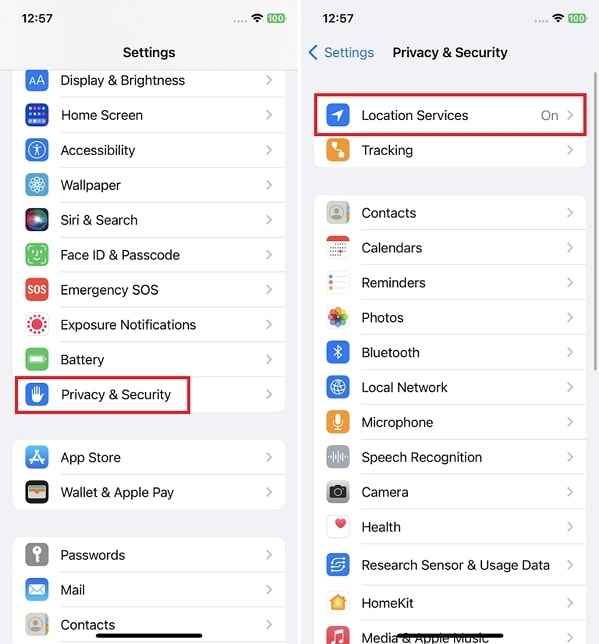
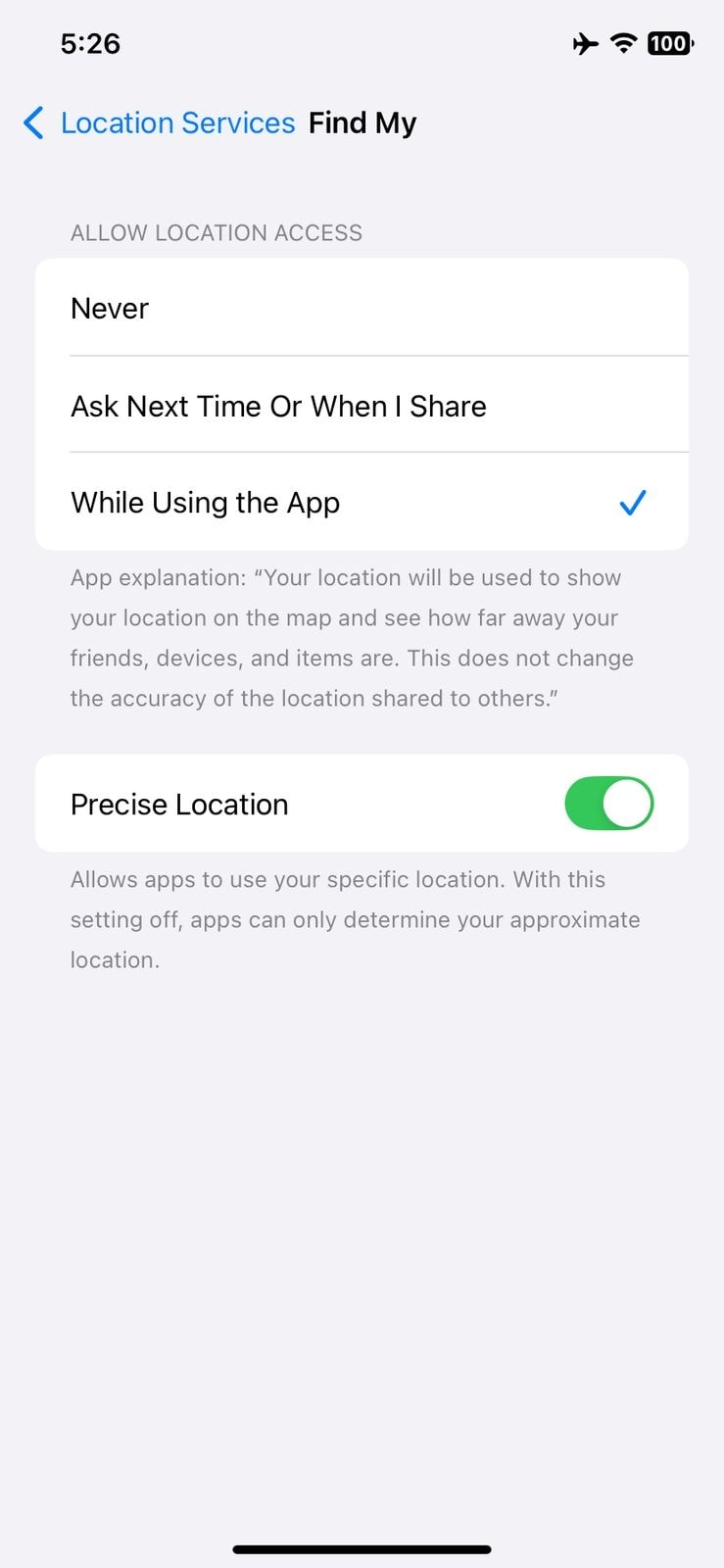
With system-wide Location Services enabled, go to Settings > Privacy & Security > Location Services > Find My and make sure Find My can use location. Apple specifically recommends checking this path when people cannot see your shared location.
Fix 5. Check the recipient's device
If you can share your location but the other person cannot see it, troubleshoot both sides. Ask the recipient to confirm that they are signed in to the expected account, have an internet connection, and can open Find My. Have them refresh the conversation or Find My view and check whether other shared locations are also unavailable.
If only one person cannot see your location, the problem is more likely specific to that person's device, account, or sharing relationship than to your iPhone's system-wide Location Services.
Fix 6. Review Family Sharing and individual sharing
For family members, open the relevant Family Sharing and Find My controls and confirm that the intended person is still part of the sharing arrangement. In Find My, verify that the person has not been removed from sharing and that your location has not been hidden from them.
Fix 7. Reset All Settings as a later escalation
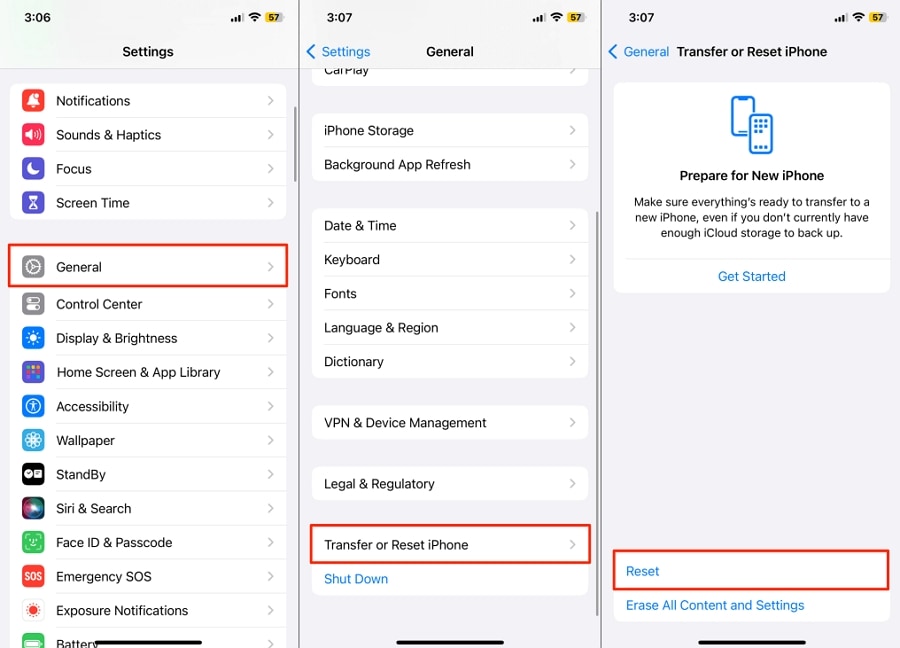
If Apple Account, connection, Location Services, and Find My checks do not help, you can consider Reset All Settings as a higher-impact troubleshooting step. The available iPhone path is Settings > General > Transfer or Reset iPhone > Reset > Reset All Settings.
This action changes device preferences, so use it only after the lower-risk checks and make sure you understand which settings you may need to configure again. It is not a guaranteed solution for an account-side, recipient-side, or service-side problem.
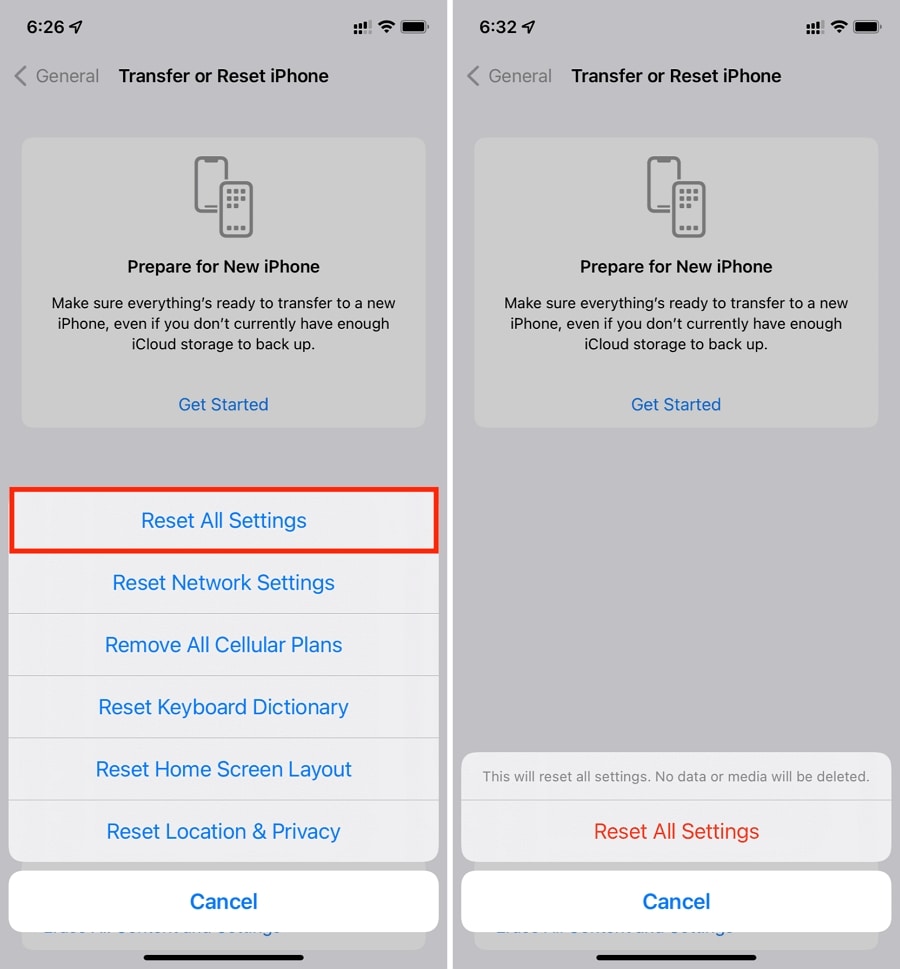
Confirm the reset. Enter the passcode if prompted, confirm Reset All Settings, wait for the process to finish, and then test Find My again.
Fix 8. Use Dr.Fone - System Repair (iOS) only for a suspected software issue
After the official and manual checks, Dr.Fone - System Repair (iOS) is an optional desktop tool for supported iPhone and iPad software issues. It should not be presented as a direct or guaranteed repair for every Find My location-sharing failure.
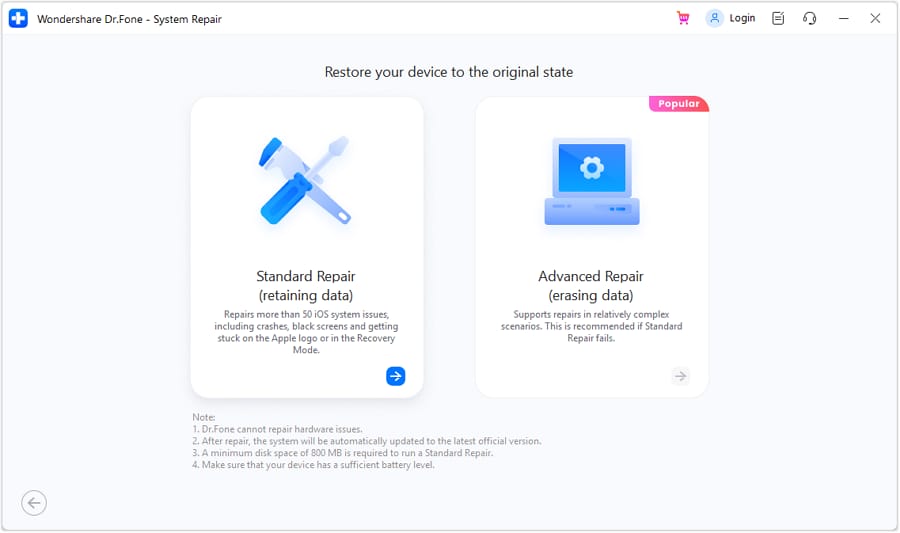
Standard Repair is designed to preserve personal data, and Advanced Repair erases device data. It also includes firmware-based repair, Recovery Mode and DFU tools, iTunes-error repair, and iOS/iPadOS upgrade or downgrade workflows. It is now compatible with iOS 27 Beta, iOS 26, and iPhone 17 Series; the available repair and firmware options are shown for the connected device.

Dr.Fone - System Repair (iOS)
An optional guided tool for supported iPhone and iPad software issues.
- Standard Repair is designed to preserve personal data.
- Advanced Repair and other destructive modes may erase data.
- Includes firmware-based repair and Recovery Mode tools.
- Supports the devices and named software versions listed on the official product page.


How to use System Repair
Connect the iPhone or iPad, choose System Repair and a repair mode, allow the software to detect the device and present compatible firmware, download the package, and start the guided repair. Read the mode's data-loss warning before continuing.
Step 1. Choose System Repair
Open Dr.Fone on your computer, select System Repair from Toolbox, choose the iOS device type, and connect the iPhone or iPad with a USB cable. Select Standard Repair when you want to begin with the data-preserving mode described by the official product information.
Step 2. Detect and download firmware
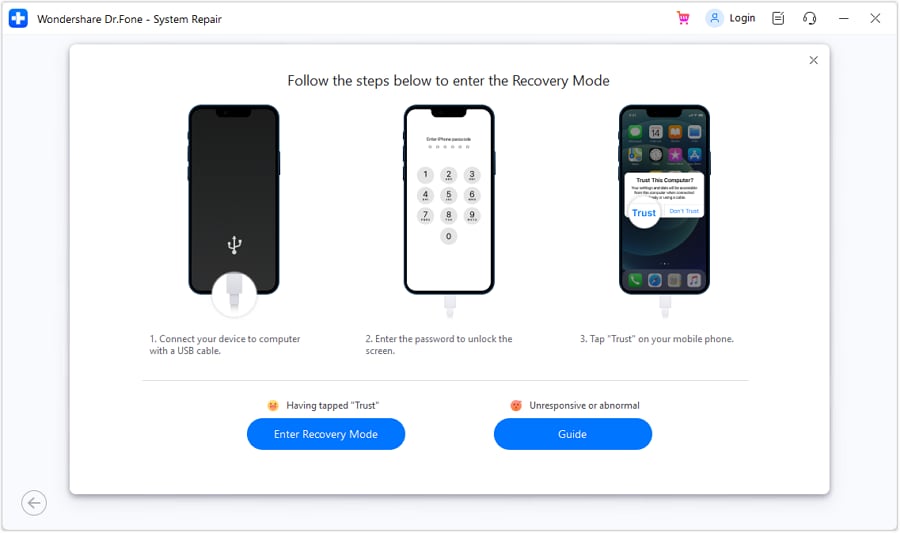
Follow the on-screen Recovery Mode instructions if they appear. Dr.Fone detects the device and presents compatible firmware options. Choose the available version shown for your device and select Download.
Step 3. Start the guided repair
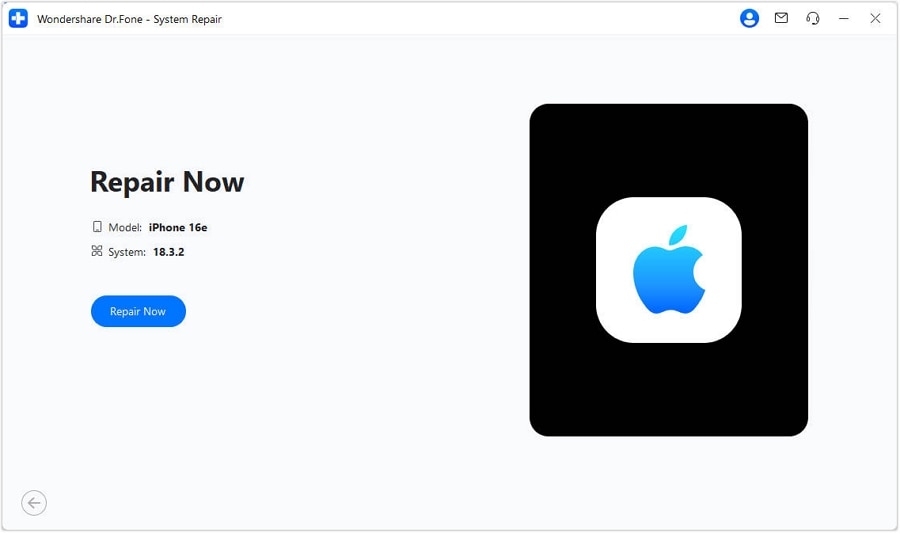
After the firmware package is downloaded and verified, select Repair Now and follow the guided process. When it finishes, select Done and test Find My. If the issue is caused by the recipient, account, service, or an unsupported condition, System Repair may not resolve it.
 safe & secure
Fix 9. Contact Apple Support for an unresolved account, service, or hardware issue
If Find My still does not share your location after the checks above, use Apple Support resources or support channels. Apple publishes guidance for Location Services, Apple Account and iCloud access, service status, connectivity, and iOS updates. Unresolved account, service, or hardware symptoms may require assistance from Apple.
When contacting support, describe whether you cannot enable Share My Location, whether the location is stale or shows no location, whether only one recipient is affected, and which checks you have already completed.
iPhone Location Sharing FAQ
Why won't my iPhone let me share my location?
Start by checking that you are signed in to the intended Apple Account, have an internet connection, and have system-wide Location Services enabled. Then open Find My and confirm that Share My Location is turned on. If the control remains unavailable, check account access, Family Sharing, iOS updates, and whether the problem affects one person or everyone.
Why can't someone see my location when sharing is enabled?
The recipient may have an account, connection, or device problem even when your settings are correct. Ask them to open Find My, verify their connection, and check whether other shared locations are visible. If only that recipient is affected, troubleshoot the sharing relationship and their device before resetting your iPhone.
What does “No Location Found” mean on an iPhone?
It means Find My cannot currently provide a location for the person or device being viewed. Possible causes include a disabled or unavailable connection, an account or sharing-state change, the recipient's device being unable to report its location, or a service problem. Check both devices and the relevant sharing settings rather than assuming the sender's iPhone is at fault.
Why did my iPhone location sharing suddenly stop working?
Recheck Share My Location, Location Services, Apple Account access, connectivity, and the device selected to share your location. An iOS change, an account sign-in issue, a Family Sharing change, or a problem on the recipient's device can also interrupt visibility. Updating iOS is one of Apple's documented iCloud troubleshooting steps.
Is Google Maps location sharing the same as Find My?
No. Google Maps location sharing is a separate workflow from Apple Find My. For an iPhone Google Maps location sharing not working issue, use Google Maps location sharing help. Google's guidance states that the recipient must have a Gmail account and that age verification may be relevant after 24 hours; those requirements should not be applied to the Apple Find My workflow.
Does Messages use the same troubleshooting steps as Find My?
Messages also supports real-time location sharing on iPhone. In a Messages conversation, tap the + button, choose Location, then Share and select how long to share. If sharing fails in Messages, first check the same Apple Account, internet, Location Services, and Find My sharing settings because the underlying location-sharing service is shared across these Apple features.
Should I use Dr.Fone - System Repair for every Find My problem?
No. Dr.Fone - System Repair (iOS) is an optional tool for supported iPhone and iPad software issues after standard Apple and manual troubleshooting. Its documented Standard Repair is designed to preserve personal data, while Advanced Repair may erase data. It cannot be presented as a guaranteed fix for account, recipient, service, or every Find My problem.
Conclusion
When iPhone location sharing is not working, begin with the same Apple Account, internet connection, system-wide Location Services, and Find My's Share My Location control. Next, check the device selected to share, Family Sharing or individual sharing, the recipient's device, and possible service or iOS issues. Reset settings only as a later escalation, and contact Apple Support for unresolved account, service, or hardware symptoms.
If Find My still fails after the account, connection, Location Services, sharing-device, recipient, and Apple service checks, and the iPhone is showing other software problems, Dr.Fone - System Repair (iOS) can be considered as an optional guided repair tool. Review the repair mode and its data-loss implications before proceeding.
safe & secure




Daisy Raines
staff Editor
Generally rated4.5(105participated)